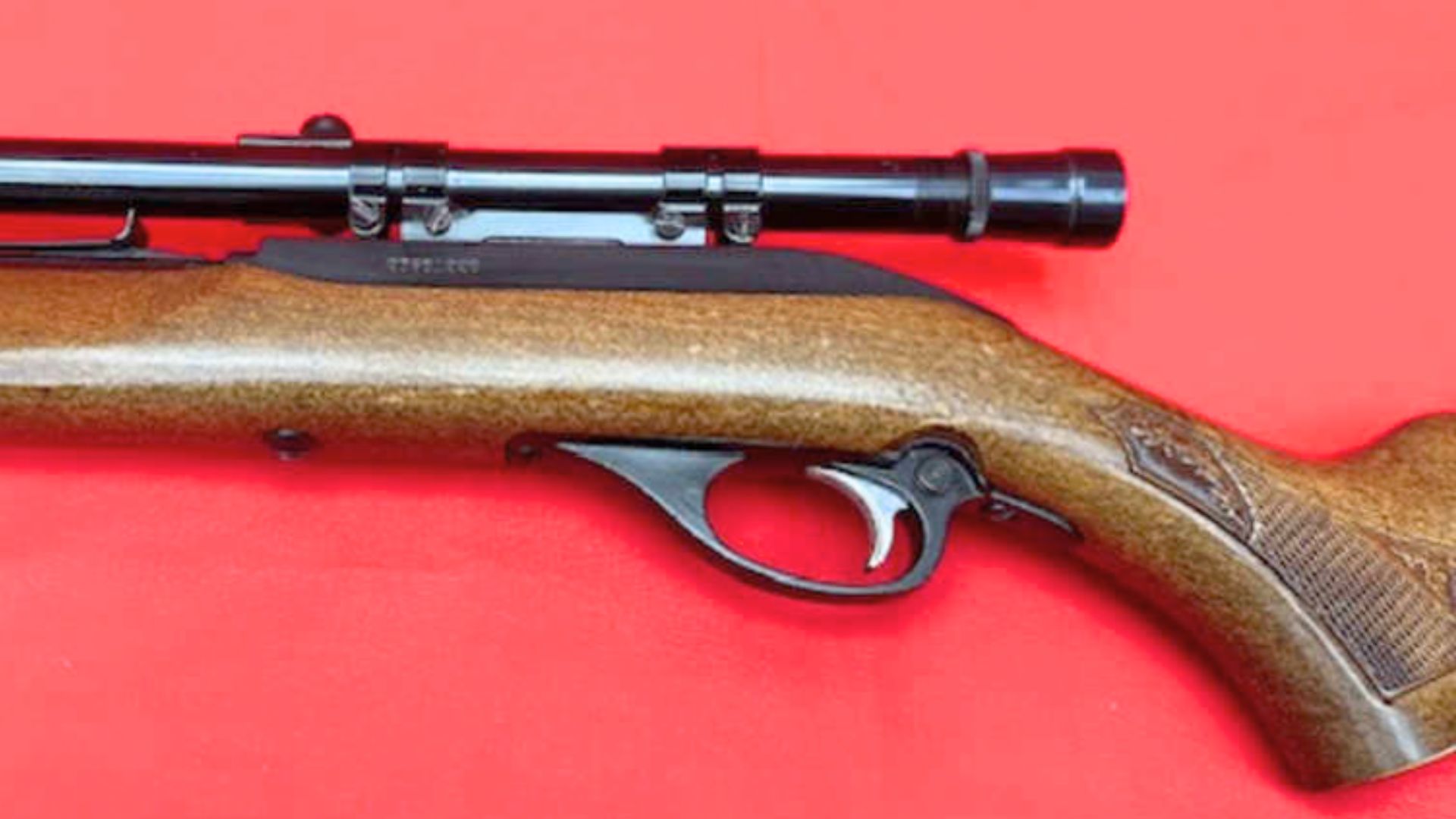
Photo credit: DnAArmory/GunBroker
Walk enough estate sales and you start to see patterns. There’s always a table of old tools, a tackle box with rusted spoons, and a gun rack that somebody priced off gut feeling instead of any real homework. Sometimes the number is laughably high because “Grandpa said it was special.” Other times it’s a steal because the family only knows it as “that old deer rifle.” Either way, the same models show up year after year, and they get mispriced for the same reasons: confusing look-alikes, missing boxes and papers, oddball calibers, and folks not understanding what condition really means.
Here are 20 specific guns that seem to be regulars at estate sales, along with why they get priced wrong and what I look at before I even think about handing over cash.
1. Winchester Model 94 (pre-64 and early post-64)

The Model 94 is the poster child for estate-sale pricing mistakes. Families either assume every lever gun is a museum piece, or they assume it’s “just an old cowboy gun” and slap a low tag on it. The split is usually about pre-64 versus post-64, and most sellers have no clue where that line is or why it matters.
Condition is everything here. A worn saddle ring carbine with a dark bore isn’t the same animal as a clean rifle with crisp screws and strong bluing. Also, check for extra holes drilled for side mounts and for cracked wrists behind the tang—both are common and both hurt value. Still, even a plain old 94 that runs smooth can be the kind of rifle you end up carrying more than you expected.
2. Marlin 336 (JM-stamped rifles)
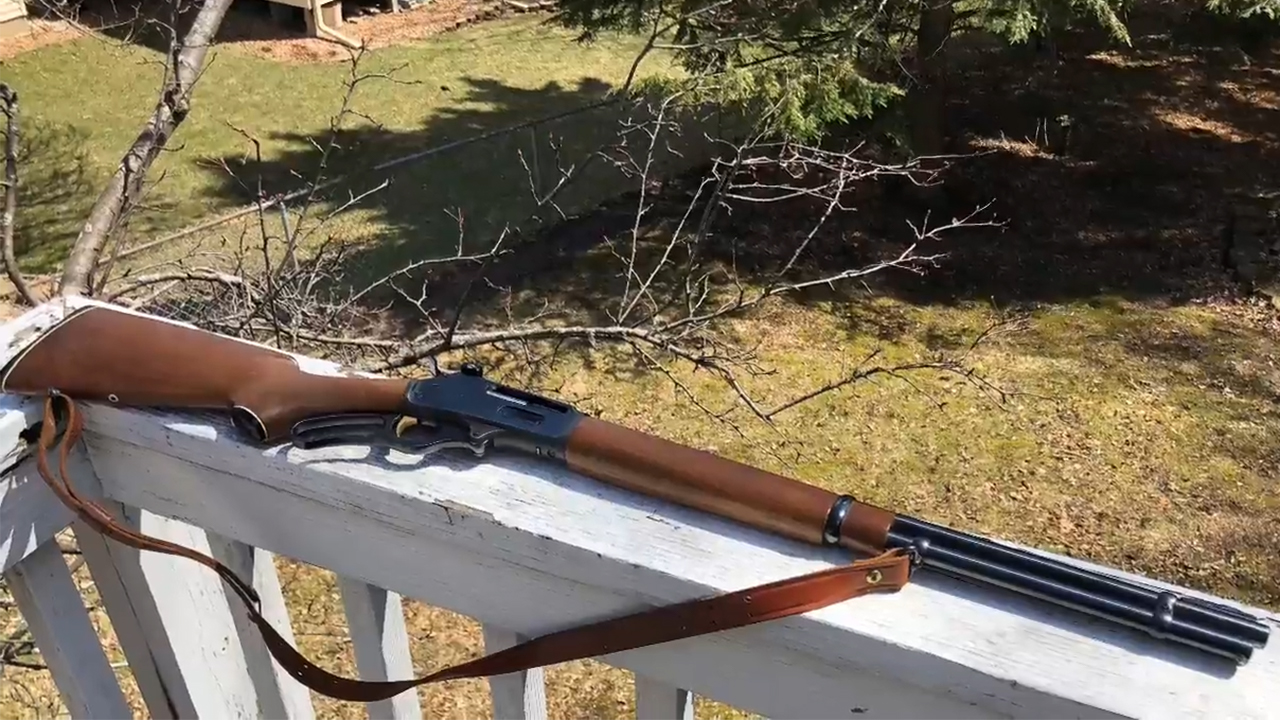
Marlin 336s show up a lot, and the “JM” barrel stamp turns into instant confusion. One family member reads online that JM means “the good ones” and prices it like a collector gun. Another just sees a scuffed lever action and prices it like a pawn shop beater. The truth is in the details: caliber, condition, and whether somebody tried to “improve” it with bargain optics mounts.
What I check is the wood-to-metal fit, how the lever closes, and whether the bore is bright. A slick 336 in .30-30 is hard to dislike for woods hunting, and it’s also easy to find ammo for. A .35 Remington version can swing pricing either direction depending on who’s shopping, because that ammo availability is its own headache.
3. Remington 700 BDL (older walnut/blue rifles)
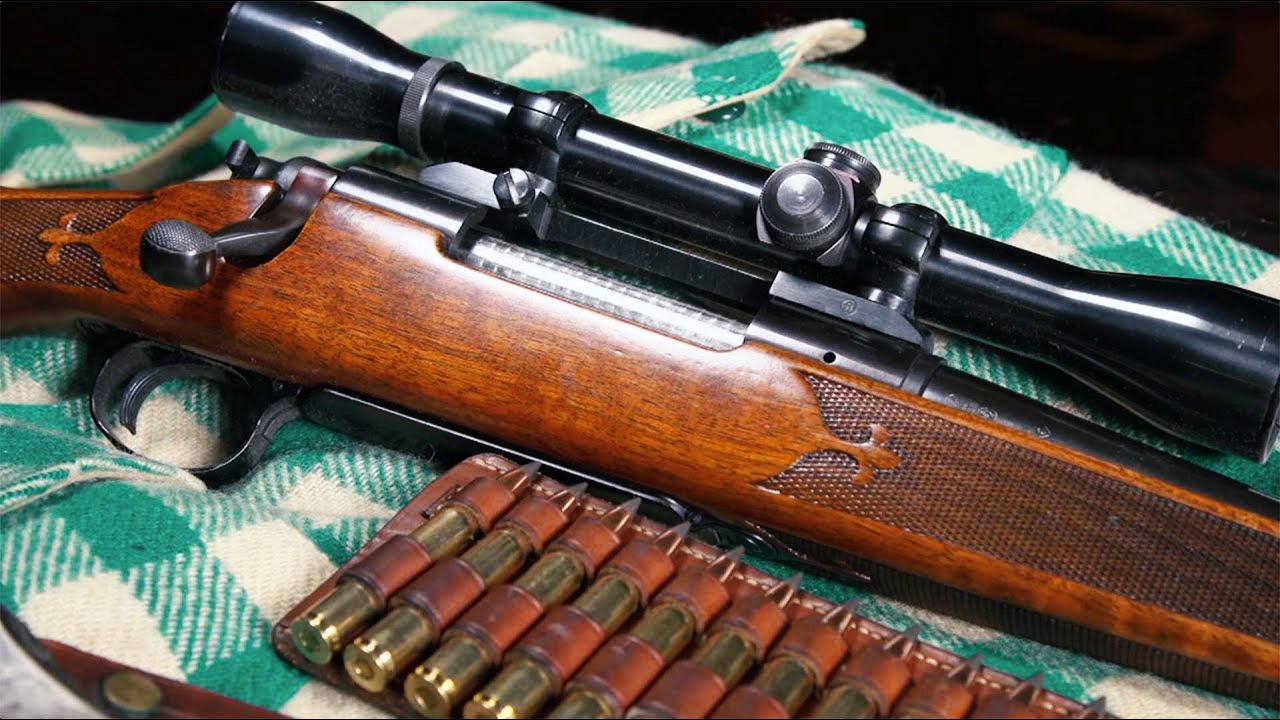
The 700 BDL has a way of getting treated like a family heirloom even when it’s been riding in truck racks since the 1980s. Shiny floorplate, checkered walnut, and that classic profile makes non-gun folks assume it’s automatically “high end.” Sometimes it is. Sometimes it’s just a well-used hunting rifle with more stories than accuracy left.
I look hard at the crown, the throat, and the action screws for buggered heads. A lot of these wore cheap rings that got over-torqued, and you’ll see scope bite marks and marred finish. On the flip side, a clean .270 or .30-06 BDL that still shoots straight is about as useful as it gets. Boring? Sure. Effective? Absolutely.
4. Ruger 10/22 Carbine (older basic models)
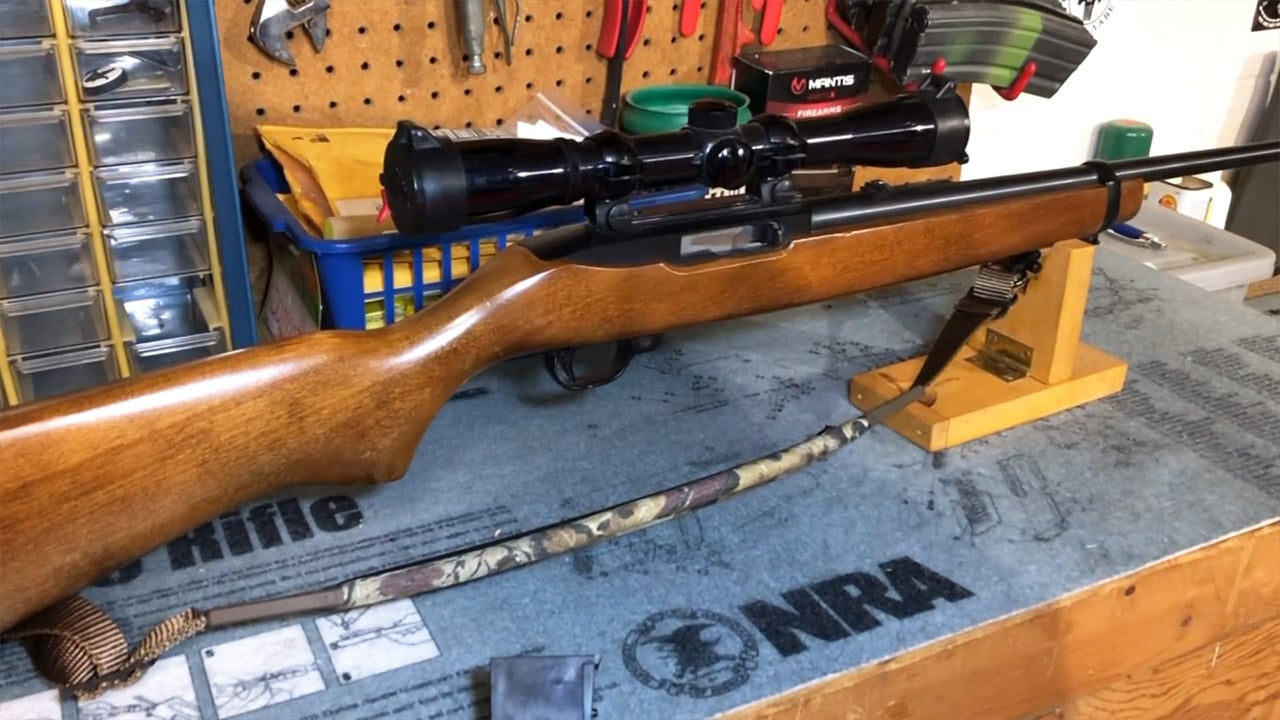
Estate sales are full of 10/22s because everybody bought one at some point. The problem is, sellers either price it like it’s a custom rimfire race gun, or they price it like it’s a worn-out BB gun. The 10/22’s value swings wildly based on what’s been done to it—and most “upgrades” don’t add value the way owners think.
I’d rather see a plain carbine in a factory stock than a parts-bin build with unknown internals and a cheap optic. Check the receiver pins, look for battered screw heads, and make sure the magazine fits and feeds. The nice part is mags and parts are everywhere, so even a rough one can be brought back to life. Just don’t overpay because it has a flashy stock.
5. Colt Python (older blued revolvers)
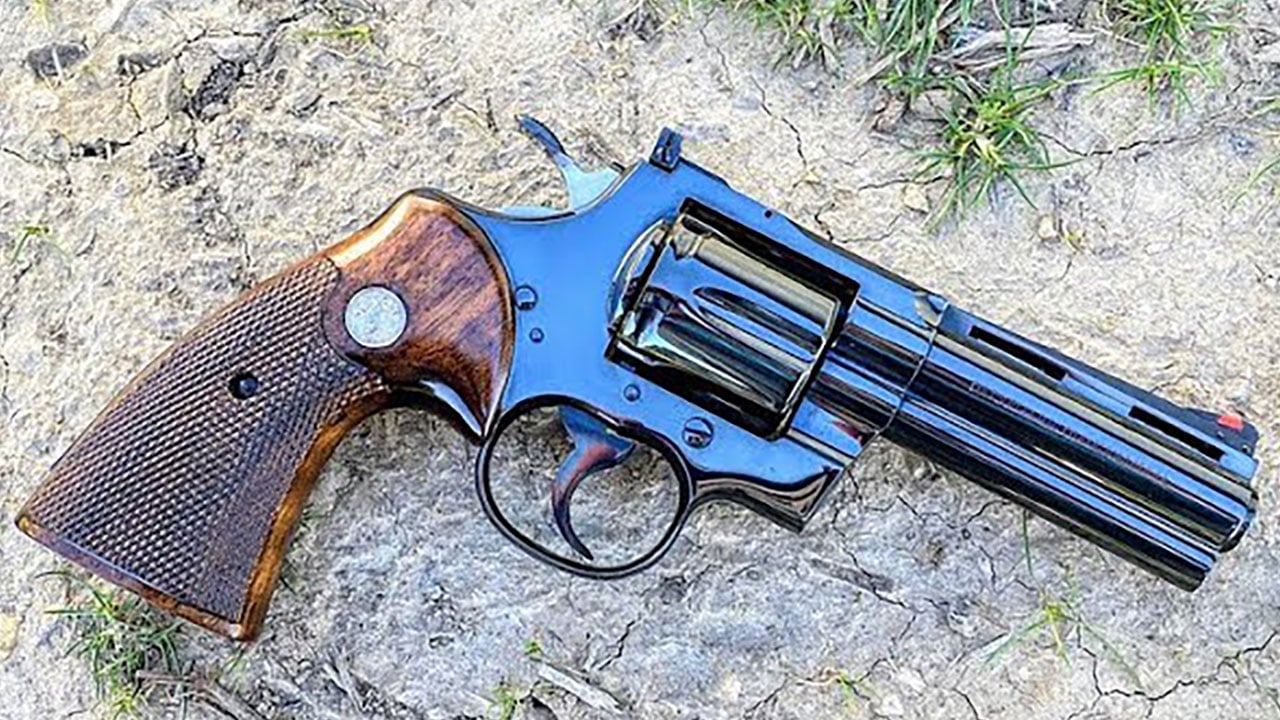
Pythons are famous enough that families tend to price them high, but they still get mispriced because condition is misunderstood. A little holster wear is one thing; timing issues and a beat-up crown are another. Plenty of folks don’t know the difference between “it’s pretty” and “it’s mechanically right,” and with a Python, the mechanical side matters.
If you’re serious, check lockup, timing, and how the cylinder indexes. A slick double-action pull is part of the appeal, and you can feel when one has been abused. Also, refinishes can fool inexperienced eyes—too much shine can be a red flag. That said, when you find one that’s honest and correct, it’s one of those guns that makes you understand the hype.
6. Smith & Wesson Model 10 (Military & Police)
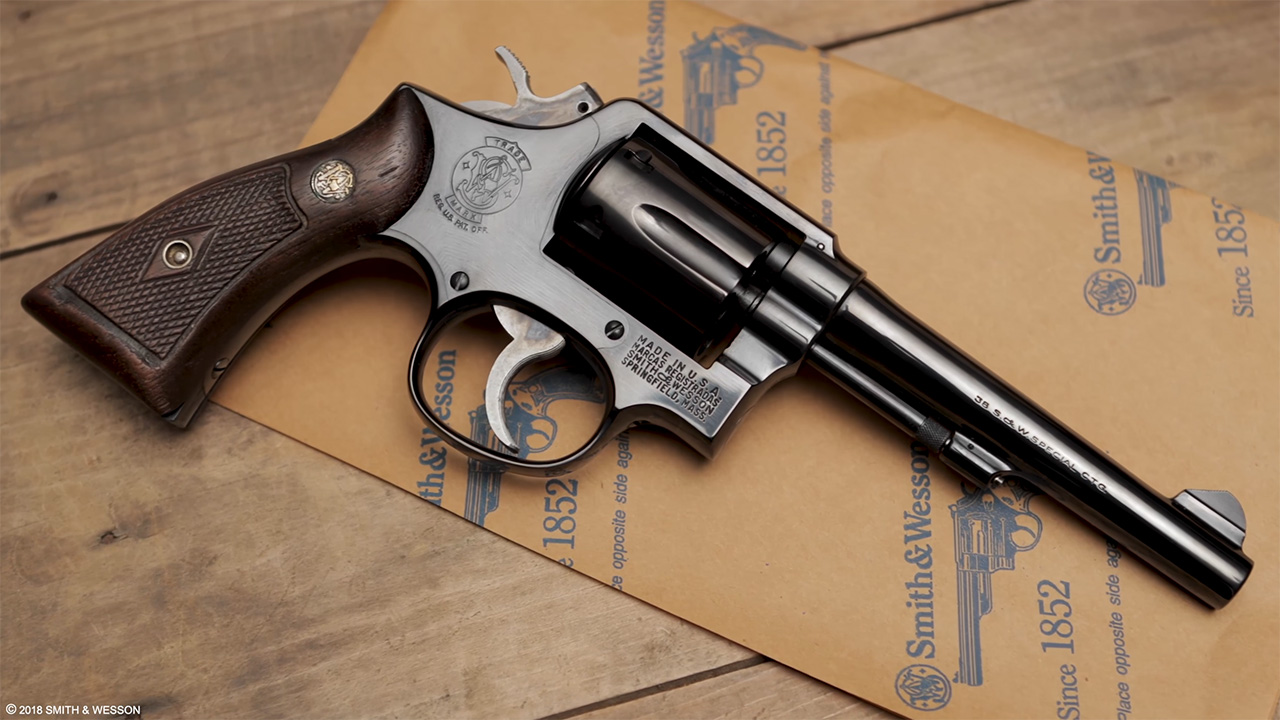
The Model 10 might be the most common “mystery revolver” on estate tables. It’ll be tagged as “old .38” with a random price that has nothing to do with the gun. Sellers forget that these were real duty guns for decades, and a clean one is a better shooter than most folks expect.
They’re usually not rare, but they are useful. I check for endshake, cylinder play, and obvious neglect under the grips. The fixed sights are simple, and the gun points naturally. If you want a revolver that just works and doesn’t need to be babied, a good Model 10 is hard to argue with. The trick is paying “good shooter” money, not “rare collector” money.
7. Smith & Wesson Model 29 (and 629)
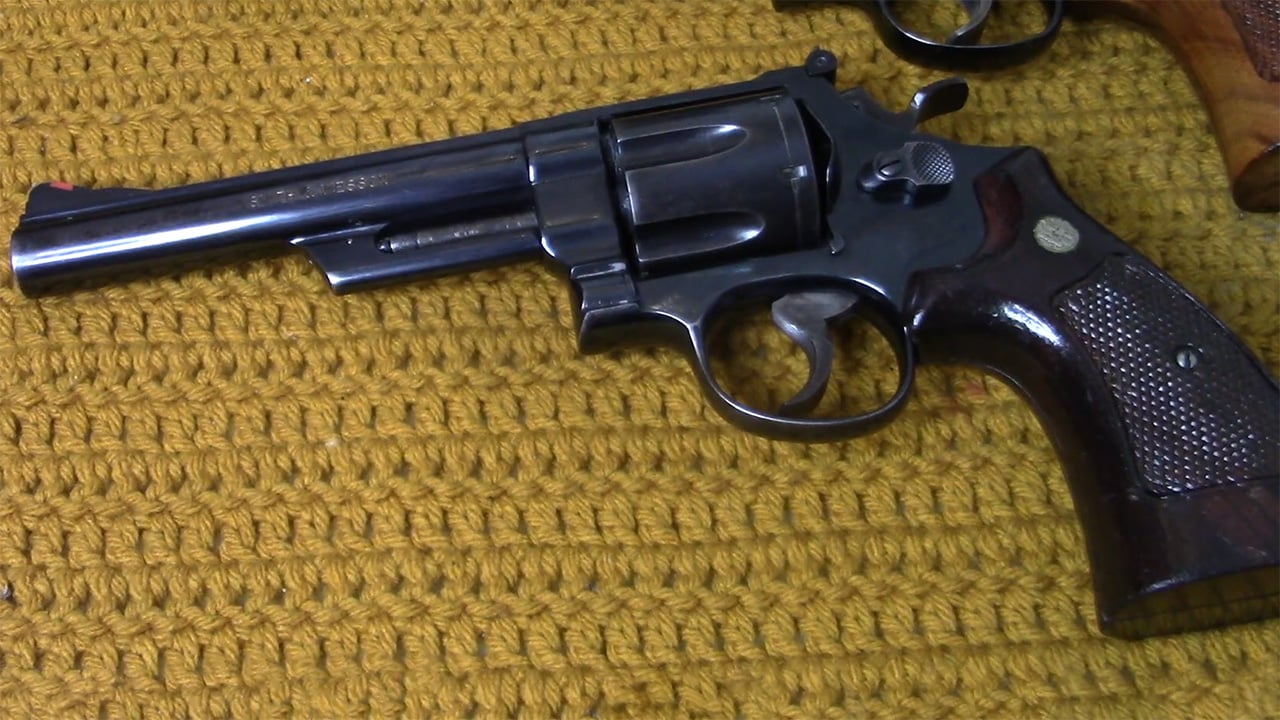
Dirty Harry did no favors for estate-sale pricing. You’ll see a Model 29 priced like it’s made of gold just because it’s a .44 Magnum, even if it’s a later gun with a lot of honest wear. On the other hand, stainless 629s sometimes get undervalued because they look “newer” and less romantic to non-gun buyers.
These revolvers are big, and not everybody actually enjoys shooting them. That’s why they end up for sale. Look for flame cutting, check the forcing cone, and make sure the cylinder locks up right. If it’s a shooter grade gun at a fair price, it can be a great woods sidearm. If it’s priced like a safe queen, let it sit there.
8. Browning A-5 (Belgian and Japanese Auto-5)
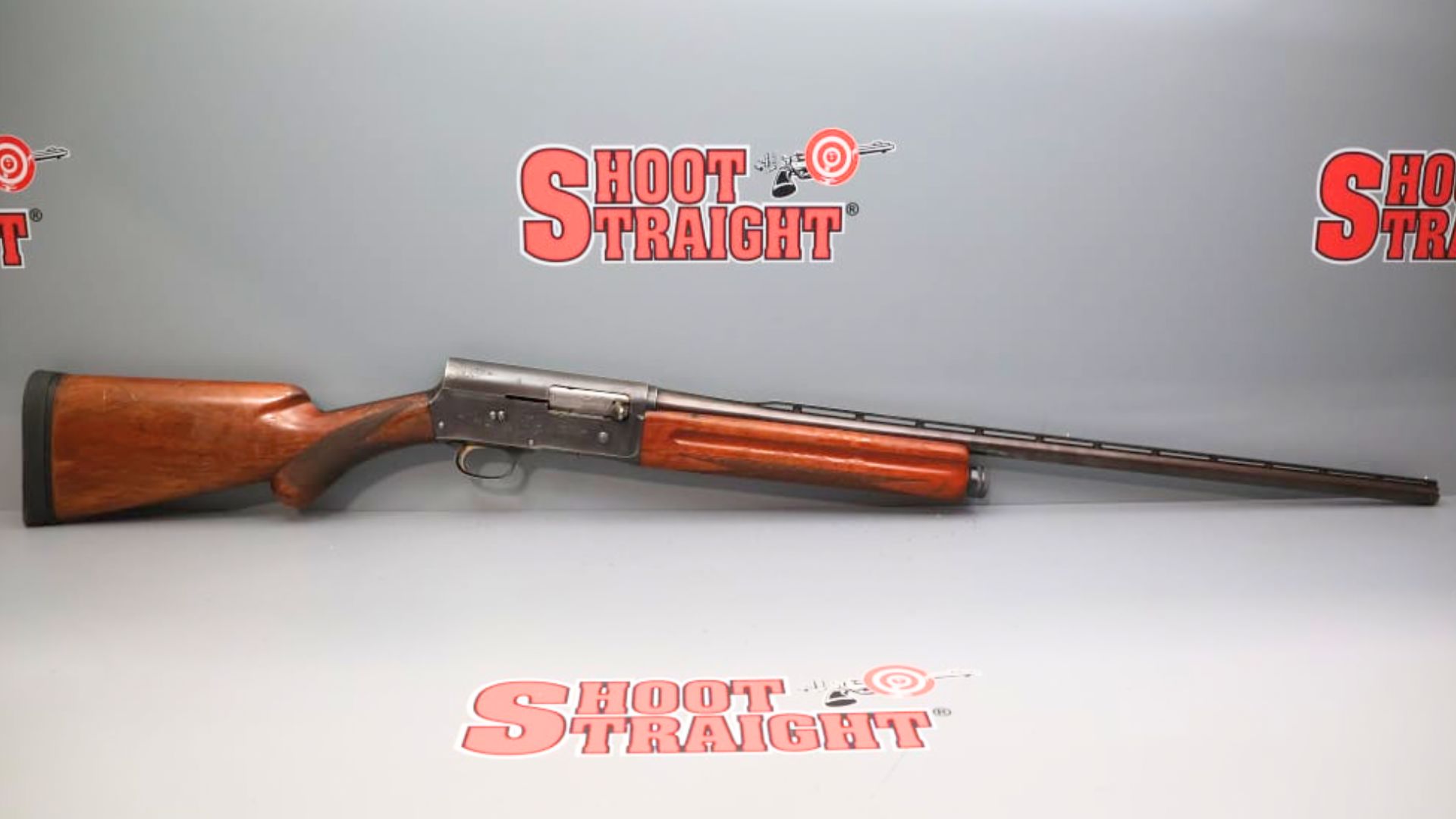
The humpback Browning is one of those guns that makes people either think “old junk” or “priceless classic,” with not much middle ground. Estate-sale A-5s are often priced wrong because the seller doesn’t know where it was made, what barrel it has, or whether it’s set up for modern loads.
Friction ring setup matters on these guns, and if it’s wrong, you can get unreliable cycling or unnecessary wear. I’m also checking the fore-end for cracks and the barrel for choke markings. A well-kept A-5 carries its weight different than modern shotguns—some love it, some don’t. But when you find one that’s right, it’s a duck-blind piece of history that still runs.
9. Remington 1100 (12 gauge field models)
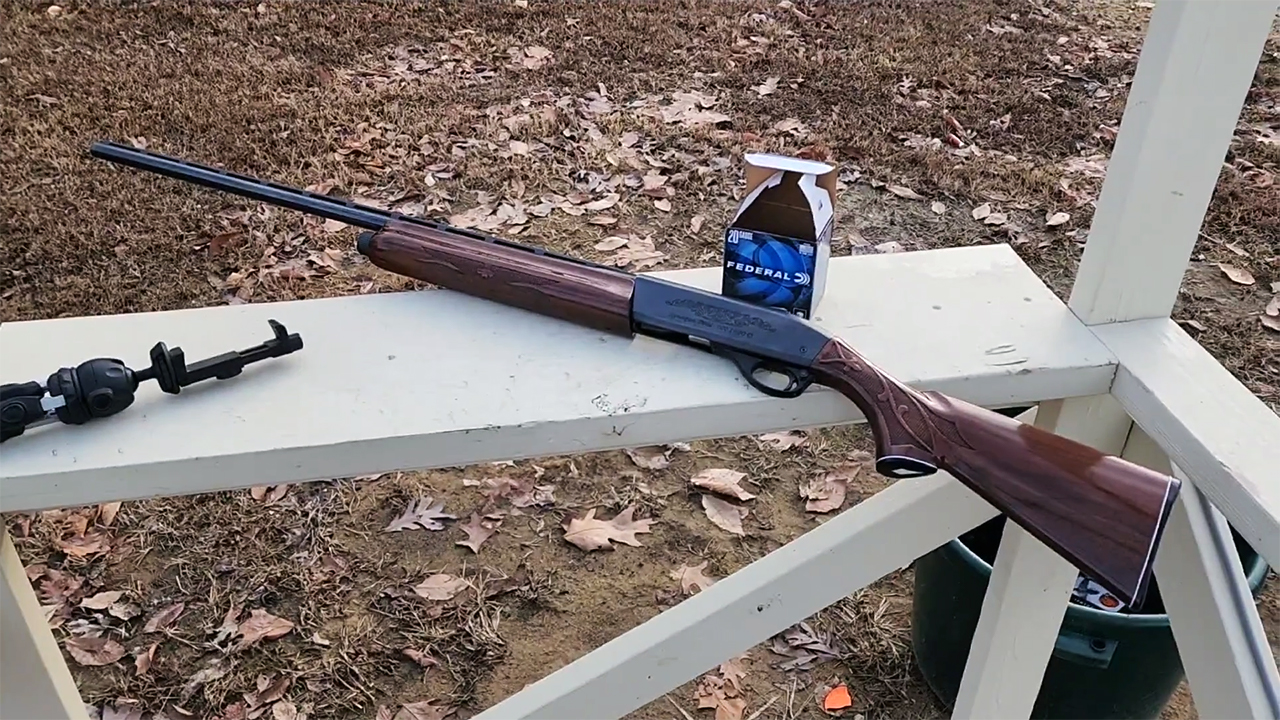
The 1100 is a classic that ends up at estate sales because it was a working man’s semi-auto for a long time. They get mispriced because they’re common, and common gets confused with “worthless.” Then again, I’ve also seen rough 1100s priced high because “it’s an automatic.” Neither is correct.
The 1100 can be a dream to shoot when it’s clean and the seals and springs are right. It can also be a jam-o-matic if it’s neglected. Look at the gas system, inspect the O-ring area, and check the overall grime level around the mag tube. Parts are available, but you’re still buying a gun that needs a little respect. For clays or light field work, a good one is still a sweetheart.
10. Mossberg 500 (older wood furniture)
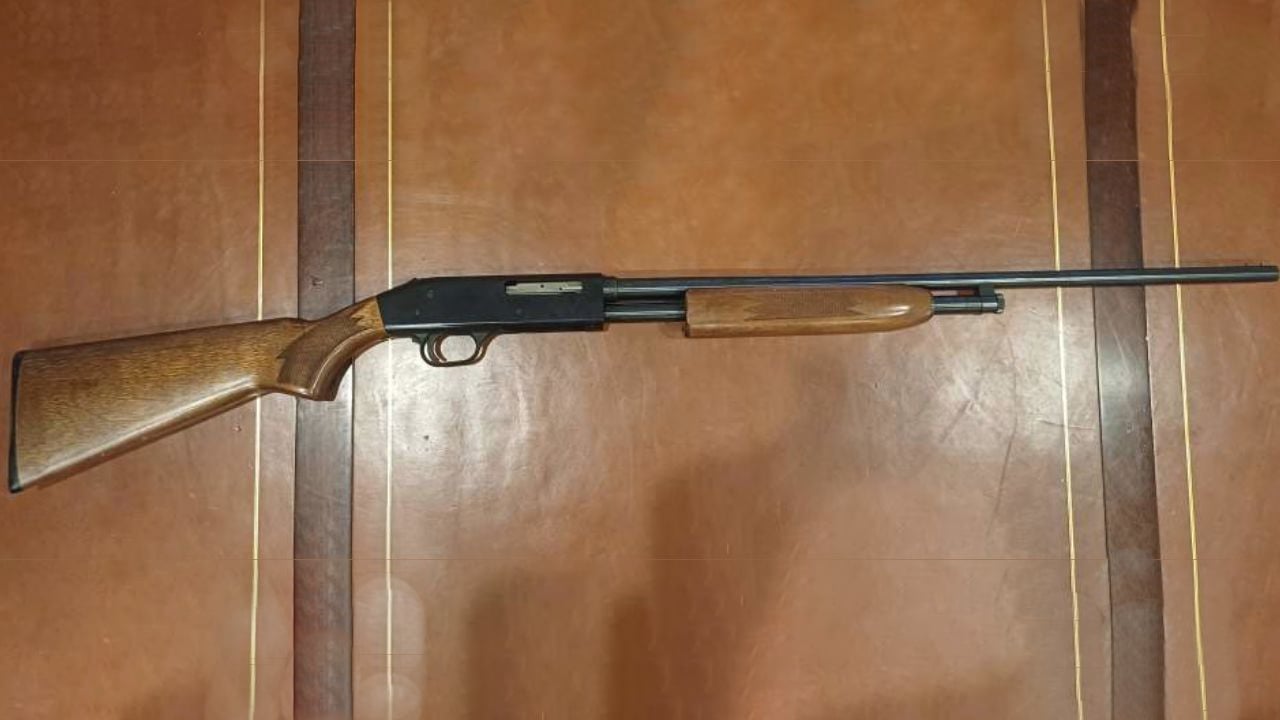
Mossberg 500s show up everywhere, and estate-sale pricing can get weird. Sometimes it’s priced like a tactical shotgun just because it has a short barrel. Other times it’s so cheap you wonder if it’s missing something important. The 500 isn’t fancy, but it’s dependable, and that counts.
I look for a smooth action, a clean elevator, and a safety that isn’t sloppy. Swapped barrels are common, and that can be a plus if you’re getting a field barrel and a security barrel in one deal. The down side is a lot of 500s have been “customized” with questionable add-ons. If it’s stock and solid, it’s the kind of shotgun that earns its keep on a farm.
Free for gun owners: If something happened to you tomorrow, would your family know where the guns are, who has the safe combination, or what to do first? Our free Gun Owner’s Family Checklist walks them through it. It takes about 15 minutes to fill out. Get your free copy here.
11. Savage Model 99 (especially .300 Savage)

The Savage 99 is one of those rifles that gets undervalued by folks who don’t recognize it. It doesn’t look like a Winchester lever gun, so it doesn’t get the same knee-jerk respect at an estate table. But among hunters who know, a clean 99 is a serious find.
Rotary magazine, slick lines, and a rifle that carries well in the timber—there’s a reason people hang onto them. Check the lever and bolt fit, make sure the safety works correctly, and pay attention to scope mounts and extra holes. Ammo in .300 Savage isn’t as common as .30-30, and that affects what it’s worth to you. Still, if you hunt the woods and like classic rifles, this one can be a sleeper deal.
12. SKS (Norinco and other common imports)

The SKS gets priced wrong both directions. Some sellers remember “cheap rifles” and price them too low, not realizing what the market did over the years. Others see a military-looking gun and go the other way, slapping a big number on it like it’s a rare collectible. Most SKS rifles at estate sales are standard imports with mismatched parts or aftermarket stocks.
I’m looking for original configuration, matching numbers where applicable, and a bore that isn’t shot out or corroded. Bubba mods usually hurt, not help, especially cheap plastic stocks and sketchy detachable magazines. A clean, original SKS with the fixed mag is still a handy rifle for knocking around the property. Just remember you’re buying a surplus gun—inspect it like one.
13. Ruger Mini-14 (older 180/181 series)

Mini-14s bring out strong opinions, and estate-sale prices reflect that. Some are priced like they’re rare because they look like a ranch rifle out of a movie. Others are priced low because somebody heard “they’re not accurate.” The older thin-barrel guns can heat up quick, and that’s where the accuracy complaints come from.
For a practical truck-and-ranch rifle, though, a Mini still makes sense. Check the sights, the gas block area, and the overall wear on the action rails. Magazines are the other big deal—factory mags are good, cheap off-brand mags can be headaches. If the price is fair and it runs, it’s a useful rifle that doesn’t scream for attention the way some modern rifles do.
14. Glock 19 (Gen 2 and Gen 3)
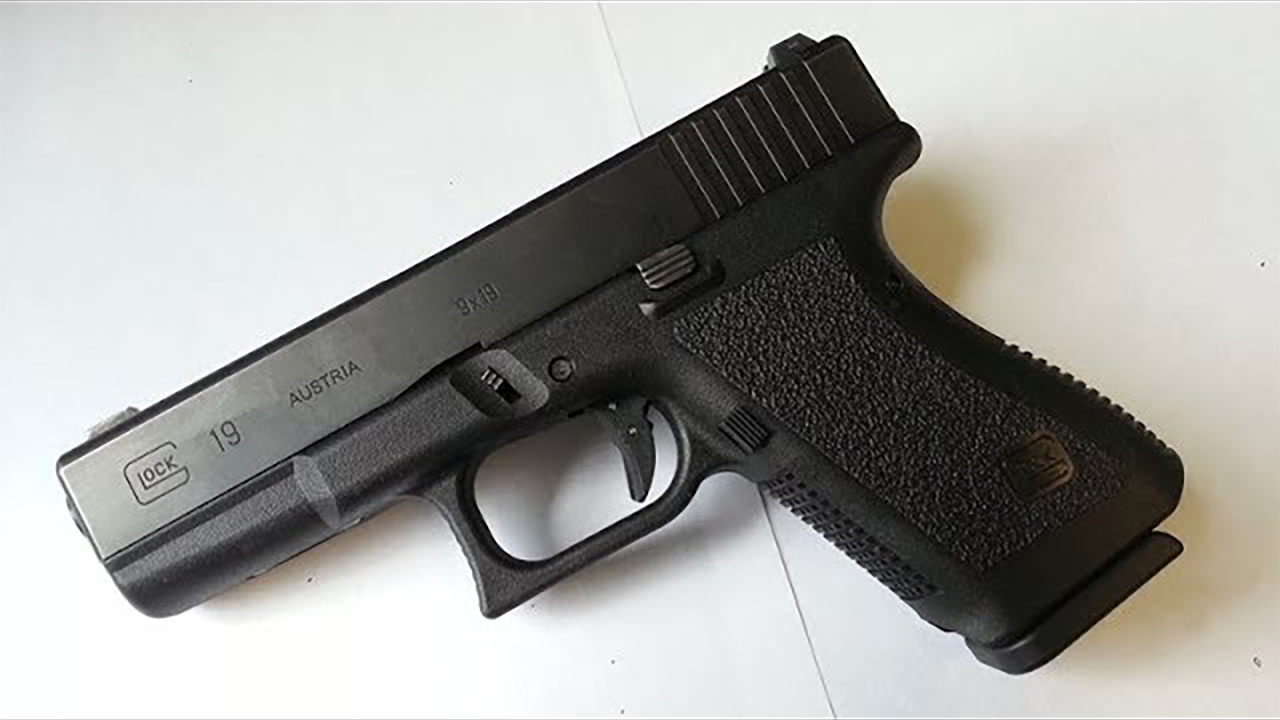
You’d think a Glock 19 would always be priced correctly because it’s so common. Not at estate sales. I’ve seen them overpriced because “it’s a Glock,” and I’ve seen them underpriced because the seller doesn’t know what magazines, sights, and night sights do to value. The other issue is people don’t always know round count, and “it looks clean” doesn’t tell the whole story.
Check the rails, inspect the barrel hood wear, and make sure the mags are genuine and not beat to death. A Glock 19 is a working pistol, not a display piece, and that’s why it’s still in so many holsters. If you can snag one with a couple good mags at a reasonable number, it’s hard to complain. Just don’t pay extra for a pile of questionable accessories.
15. Colt AR-15 SP1 (early civilian ARs)

The SP1 is a big one for estate-sale confusion. To a lot of non-gun folks, it’s “an AR,” and all ARs are the same in their mind. So it gets priced like a basic modern carbine, even though early Colts have collector interest. Other times, they’re overpriced because the seller only knows it’s “old Colt,” without understanding condition and originality.
I’m checking for original furniture, correct markings, and whether somebody swapped parts over the years. The retro crowd cares about details, and details are what separate a great buy from an expensive parts gun. Also, these were built in a different era of ARs, so don’t expect modern features. If you want a shooter, fine. If you want it for collectability, you better know what you’re looking at before money changes hands.
16. Springfield Armory M1 Garand (CMP-era rifles)
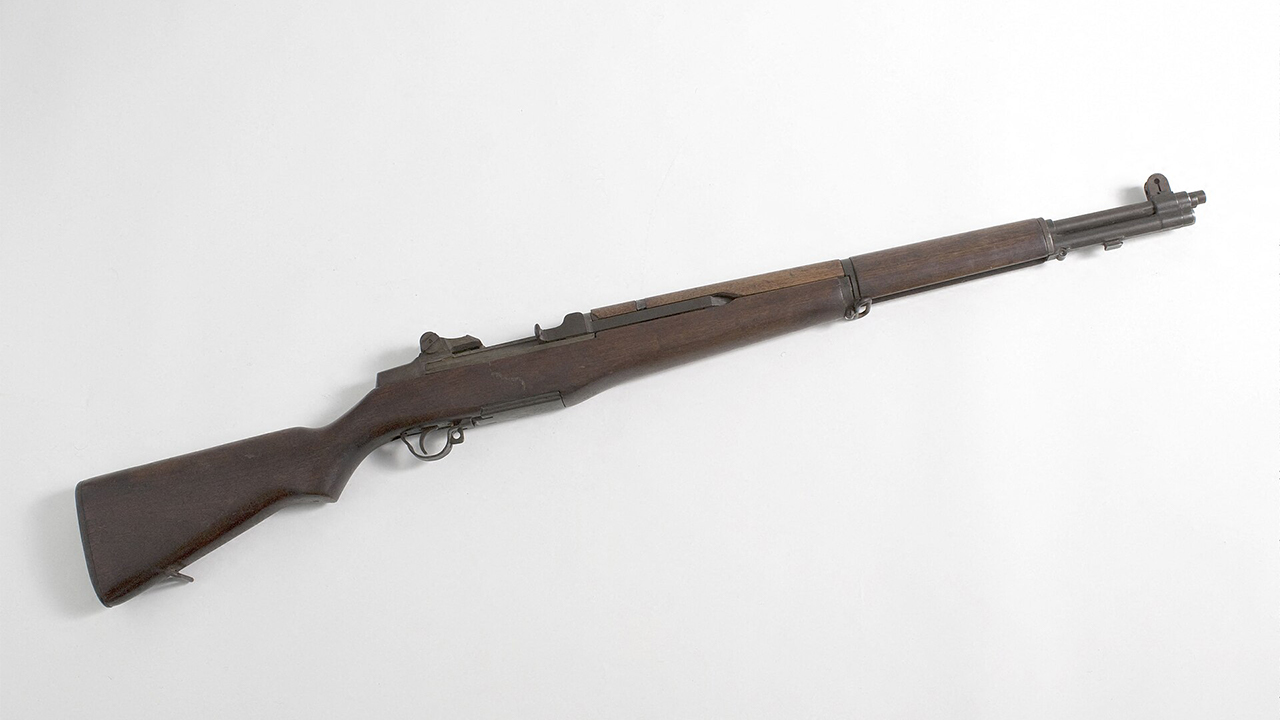
M1 Garands show up when an older collector passes, and the family often has no idea what they’re looking at. Some will price it like a random old rifle. Others will Google “Garand” and pick the biggest number they see. The truth depends on manufacturer, barrel, condition, and whether it’s been messed with.
A Garand that’s correct and mechanically sound is a joy, but it’s also not something you buy casually. Check the stock for cracks, inspect the op rod area, and pay attention to the bore. If it’s a CMP rifle, paperwork can matter for value, and families often misplace it. Even if it’s a shooter grade gun, it’s still a piece of American history you can take to the range and actually use.
17. Ruger Blackhawk (Old Model three-screw)
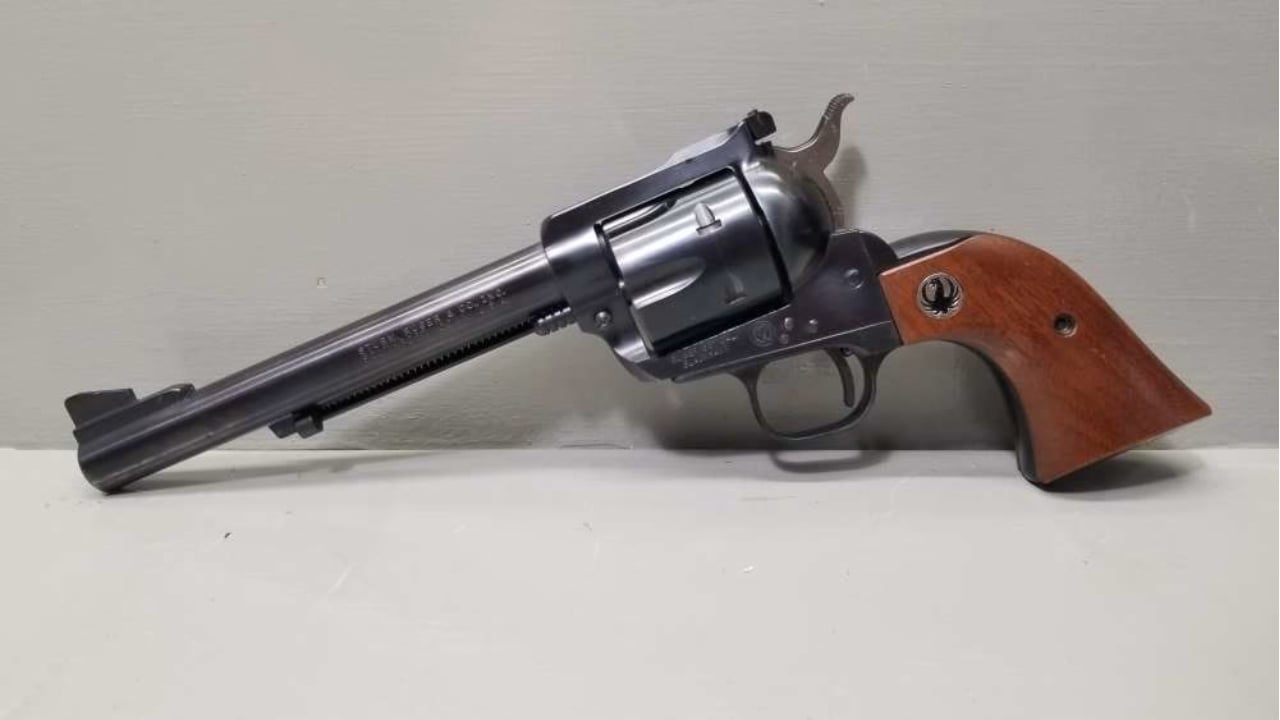
The three-screw Blackhawks are another estate-sale regular, and they get mispriced because they look like “just a cowboy revolver.” The detail sellers miss is the Old Model versus New Model difference, and the fact that some Old Models were converted with a transfer bar. That affects collector interest, and it also affects how a buyer feels about the gun’s safety system.
I check the lockwork feel, the screws for signs of kitchen-table gunsmithing, and whether the cylinder lines are deep from hard use. These are tough revolvers, and they’ll handle a lot of shooting, but they’re not immune to neglect. If you want a field revolver for hunting or knocking around, a Blackhawk makes sense. If you want it for collectability, you need to know exactly what you’re buying.
18. Marlin Model 60 (tube-fed .22)
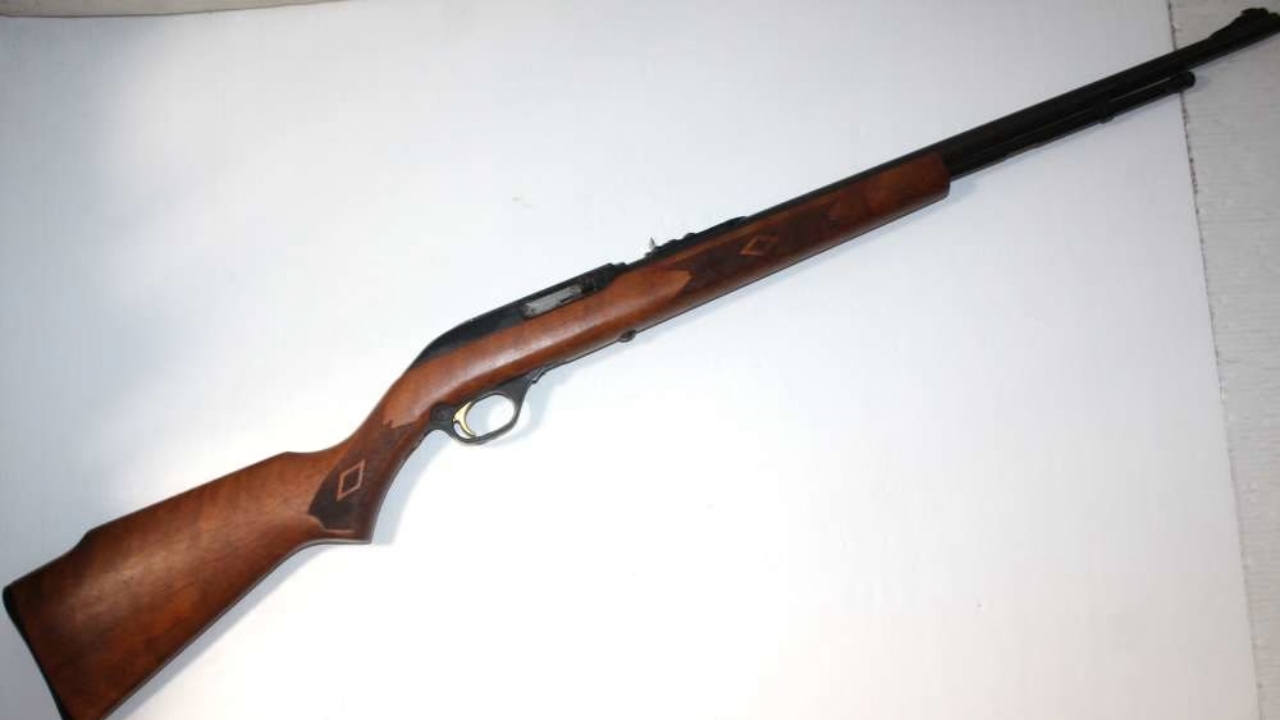
The Marlin 60 is the quiet workhorse that gets treated like it’s disposable. Estate-sale tags on these are often too low because it’s “just a .22,” and the seller doesn’t realize how well a good Model 60 can shoot. On the other end, I’ve seen them overpriced because they’re older and “they don’t make them like that anymore,” even when they’re dirty and worn.
These rifles live hard lives behind pickup seats and in barns. Check the feed throat area, make sure the tube and follower are straight, and look for rust under the stock line. When they’re clean and running right, they’re accurate enough to make you look good. There’s nothing fancy about it, and that is kind of the point.
19. Remington Model 870 Wingmaster (older blued guns)

The Wingmaster is a name that still means something, but estate-sale pricing can be all over the place. Some sellers think any 870 is a Wingmaster. Others see wear and assume it’s worn out. The older Wingmasters usually have that smooth, glassy action that modern budget pumps don’t always match.
I’m checking the receiver finish for pitting, the barrel for bulges, and the action bars for straightness. Also look for chopped barrels or crude home-defense conversions that hurt the value if you wanted a field gun. A clean Wingmaster is the kind of shotgun you hand down, and it’ll do birds, deer, and clays without drama. If the price is fair, it’s one of the safer bets on any estate-sale rack.
20. CZ 452 (bolt-action .22 LR)

CZ rimfires don’t show up at every estate sale, but when they do, they’re often mispriced because the seller doesn’t recognize the brand. It’s not a name like Winchester or Remington to the general public, so it gets tagged like any generic .22. That can turn into a deal fast.
The 452 is one of those rifles that just feels right—good wood, good machining, and typically a trigger you can work with. I check the magazine fit, the crown, and the bore like I would any rimfire, but I also pay attention to how it cycles. A smooth little bolt gun in .22 LR is something you’ll actually use, even if you own fancier stuff. If you find one priced like a bargain-bin plinker, don’t overthink it.
If you’re the one running an estate sale, do the family a favor: write down model numbers, take clear pictures, and get a real appraisal or at least compare recent local sales. If you’re the buyer, don’t get dollar signs in your eyes just because a tag looks low or a story sounds good. Check the bore. Check the action. Check for cracks and “improvements.” The best estate-sale gun isn’t always the rarest one—it’s the one that’s honest, sound, and still fits the kind of shooting you actually do.
Like The Avid Outdoorsman’s content? Subscribe to our newsletter so you never miss an article.
Here’s more from us: