Photo credit: SUNDAY GUNDAY/YouTube
I’ve owned plenty of handguns, and I’ve sold a few without losing sleep. But there’s a certain type of pistol you carry long enough that it stops feeling like “a gun” and starts feeling like a tool you just always have, like your pocketknife or your headlamp. Mine was a .20-caliber oddball that rode on my belt for a decade. I let it go during one of those seasons where you convince yourself you’re simplifying, upgrading, or funding something “more practical.” I couldn’t tell you the real reason now. I just know I miss what it did well, and I haven’t found a clean replacement.
If you’ve ever sold a gun and immediately started doing mental math on how hard it would be to get back to “square one,” you’ll recognize a few of these. Here are 20 handguns I’ve carried, hunted with, loaned out, or watched friends regret selling—and why they tend to leave a hole when they’re gone.
1. Glock 19 (Gen3/Gen4)
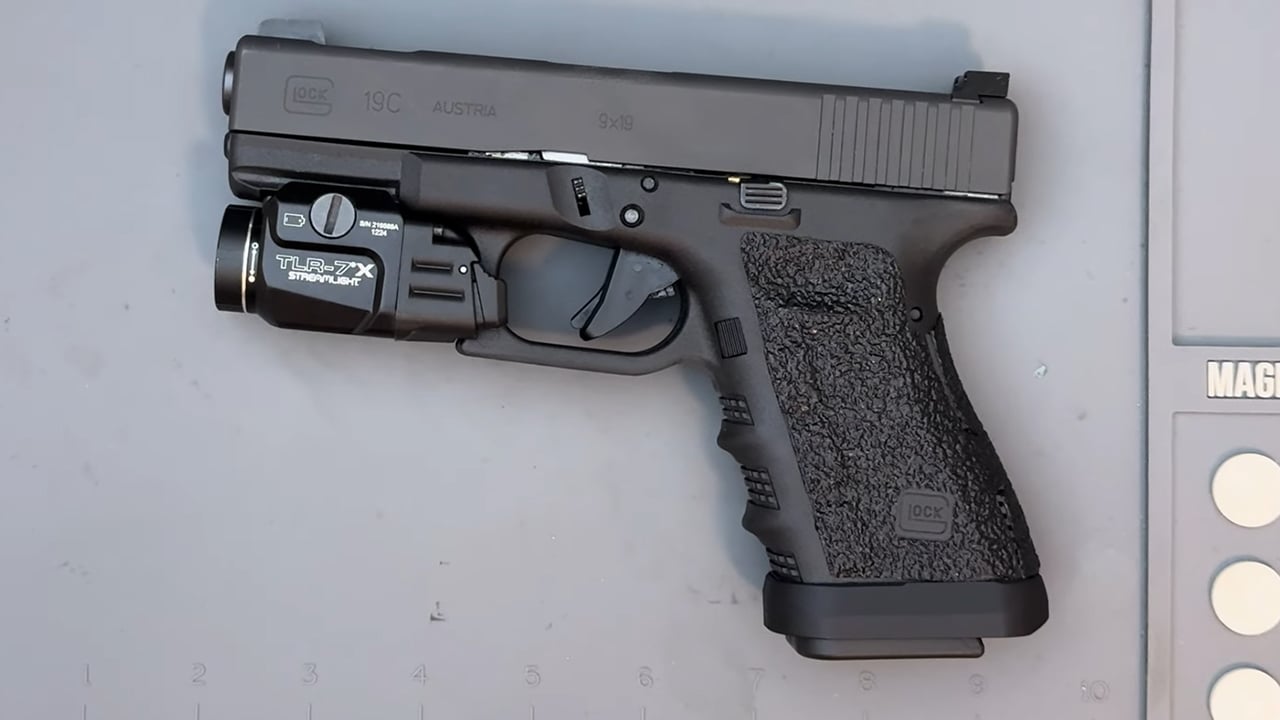
The Glock 19 is the handgun equivalent of a half-ton pickup with a V8. It isn’t exciting, it isn’t rare, and it isn’t perfect. It just works, carries easier than a full-size, shoots like a bigger gun than it is, and takes abuse without turning into a “project.” Mine lived through sweat, dust, cheap range ammo, and too many in-the-truck days where condensation does weird things to metal.
What makes it hard to replace isn’t that you can’t buy another Glock 19. It’s the way your holsters, mags, spare parts, and muscle memory all wrapped around it. You can switch platforms, sure, but then you’re buying new magazines, re-learning your draw stroke, and chasing the same reliability. Ten years into a Glock 19, you stop thinking about the gun. That’s the whole point.
2. SIG Sauer P365
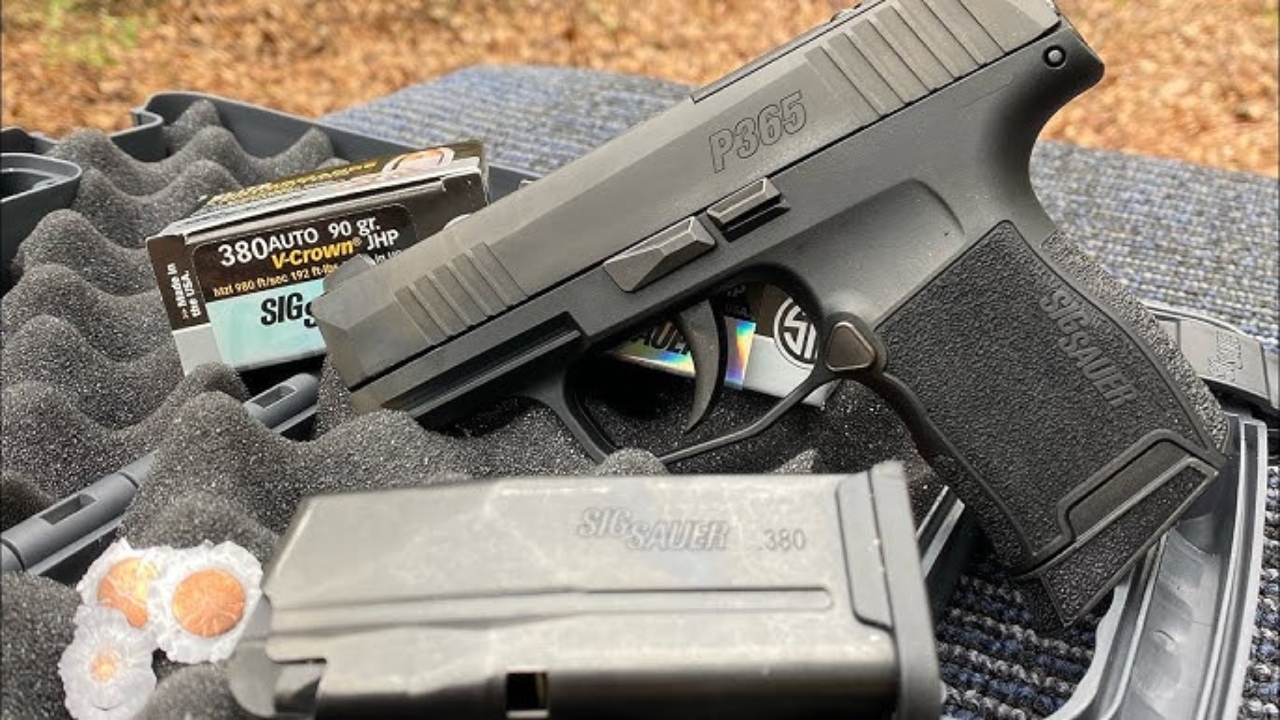
I resisted the P365 at first because I’d already lived through “tiny 9mm” trends that were more marketing than reality. Then I carried one for a while and realized why it took over. It’s small enough to actually carry when you’re running to town for feed, and it still gives you a grip you can shoot fast. With a good belt and holster, it disappears without feeling like a compromise every time you press the trigger.
When guys sell these, it’s often because they’re chasing the next micro-compact, or they decide they want a manual safety, or they just want something “simpler.” The trouble is, simpler usually means lower capacity, worse sights, or a grip that beats you up. The P365 sits in that sweet spot of carryable and shootable. That is a narrow lane.
3. Smith & Wesson M&P Shield (9mm)

The original Shield is kind of boring now, and that’s exactly why it was so good. Thin, light, easy to conceal, and it ran. It wasn’t a range toy. It was the gun you grabbed when you were in a hurry, or when you knew you’d be bending, climbing, and dragging a deer and didn’t want a big pistol digging into your ribs.
I’ve seen folks trade them off because the trigger wasn’t match-grade or because the gun felt “snappy.” Fair. But the Shield’s real value is that it actually gets carried. And if a handgun doesn’t get carried, it’s not really a carry gun. Replacing a Shield usually means spending more money to gain a little comfort or a little capacity, and sometimes you lose the thin profile that made it work in the first place.
4. Ruger SP101 (2.25-inch, .357 Magnum)

The SP101 is a chunk of stainless steel with a trigger that usually needs some time to smooth out. It’s also one of the few small revolvers that doesn’t feel like it’s going to shake itself loose if you run real .357 through it. As a woods-sidearm, it has a simple charm: load it, holster it, forget about it until you need it.
Plenty of people sell SP101s because they decide revolvers are “outdated” or because five rounds sounds limiting compared to modern 9mm. Then they go back in the woods, get into thick brush, and realize a revolver has advantages when things get dirty, wet, and neglected. It’s not a bear-stopper by default, but with the right loads and realistic expectations it’s a steady companion. That steady part is hard to put a price on.
5. Smith & Wesson Model 10
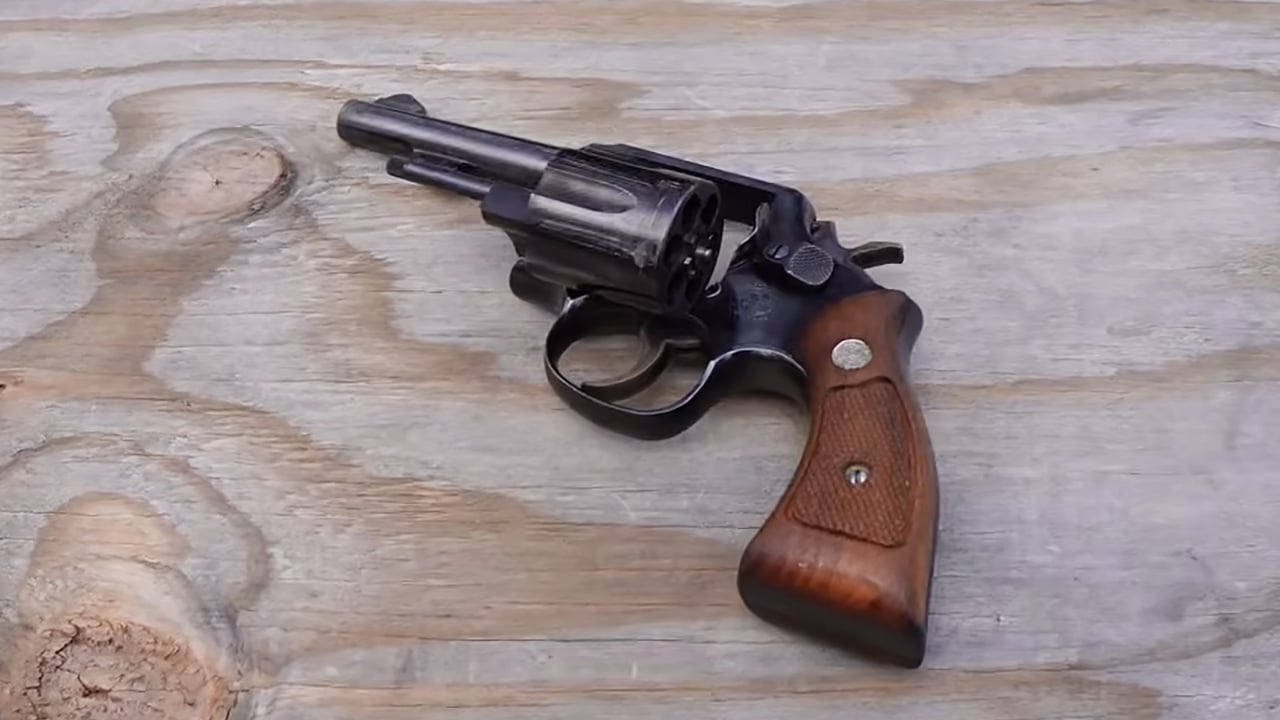
If you’ve never shot a clean Model 10, you’re missing a small piece of American handgun history that still matters. The balance is right, the sights are simple, and the trigger on a good one makes you look like a better shooter than you are. It’s not trendy, but it’s the kind of revolver that rides in a truck console for years and still goes bang when you need to put down a wounded animal.
Guys sell them because .38 Special seems mild, or because they think every revolver should be a magnum. Then they price a nice Model 10 later and realize the good ones aren’t getting cheaper. More than that, they realize they sold a gun that’s easy to shoot well. In the real world, “easy to shoot well” beats “cool on the internet” most days.
6. Ruger Mark II (Standard/Target)

There’s a reason old Ruger .22 pistols end up in families for generations. They’re accurate, they digest cheap ammo better than a lot of newer rimfires, and they teach you trigger control without punishing you. I carried a Mark II in the woods more than once, mostly for rabbits and plinking, but also because it’s the kind of pistol you can shoot all afternoon without getting tired of it.
The only real knock is takedown, and I get it. Plenty of folks sell them after one frustrating cleaning session. Then they buy a newer .22 and discover “easier to clean” sometimes comes with “picky with ammo” or “feels like a toy.” A Mark II is built like a tool. Once you learn its little routine, it just runs, and it will outlast your attention span.
7. Browning Buck Mark
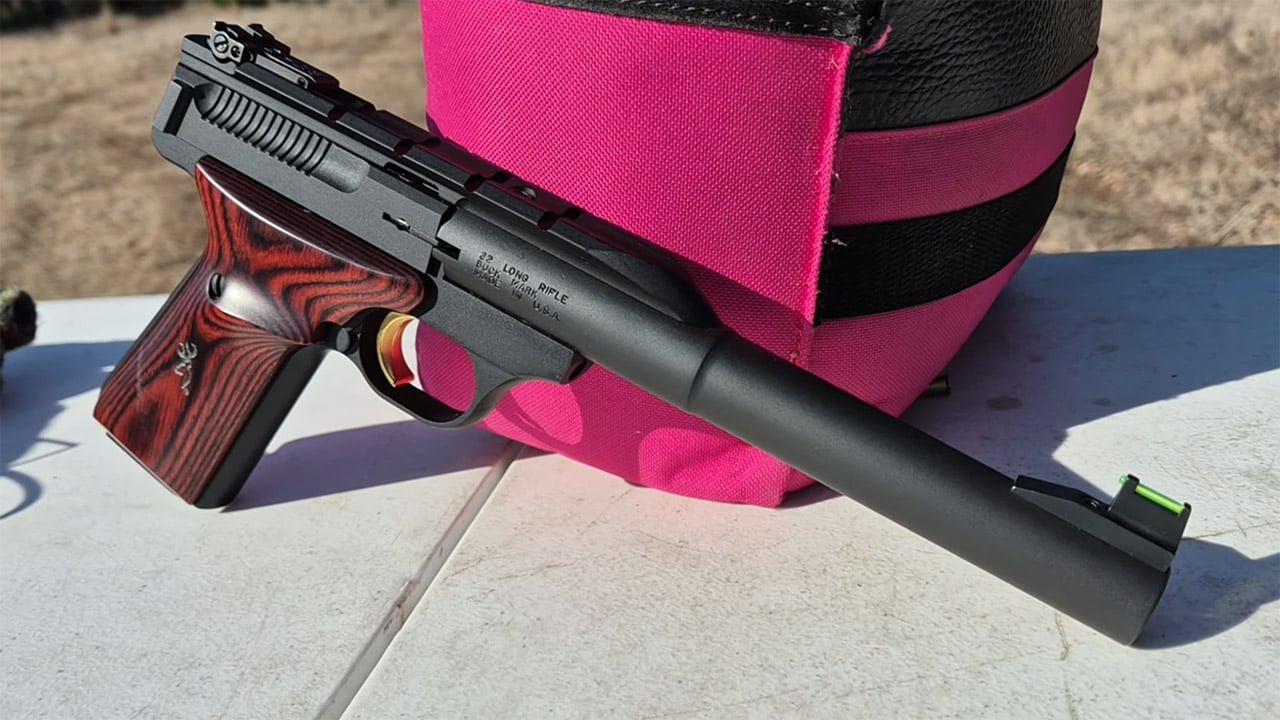
The Buck Mark is another .22 that quietly earns loyalty. The grip angle feels natural, the triggers tend to be good, and the gun points like it wants to hit things. If you’re the guy who keeps a .22 pistol for camp, for the trapline, or for burning up bulk ammo with your kids, this is one that makes sense year after year.
When someone sells a Buck Mark, it’s usually because they think all .22 pistols are interchangeable. They’re not. A Buck Mark that’s been shot a lot gets even smoother, and you end up with a pistol you can call your shots with. Replacing it later costs more than it should, and you still don’t get back the trigger feel you wore in yourself. That one hurts.
8. CZ 75B
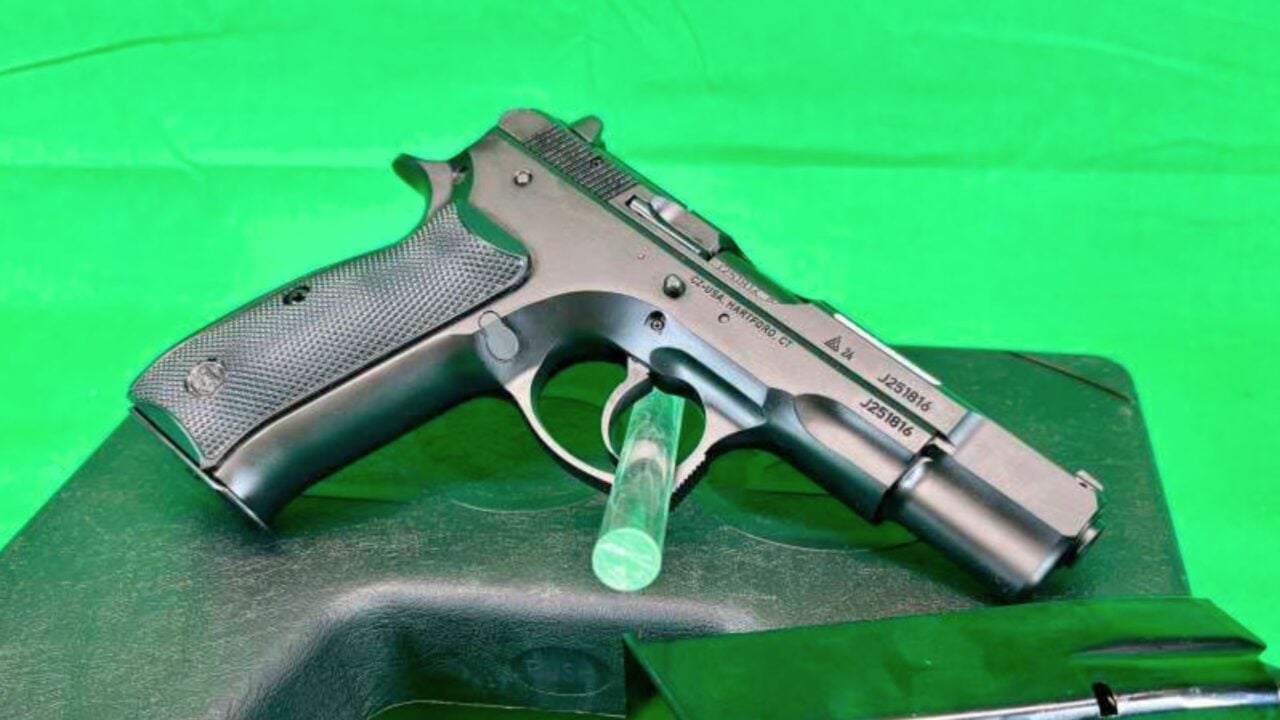
The CZ 75B is one of those pistols that makes you wonder why you ever tolerated sharper recoil and worse ergonomics in other metal-framed 9mms. It sits low in the hand, it tracks flat, and it has that solid, old-world feel without being fragile. On the range, it makes normal shooters look calm and collected.
The downside is weight. Carrying a CZ 75B all day takes commitment, and some people get tired of dressing around it. But if you sell it and later decide you want a soft-shooting 9mm that’s still serious, you’ll be back shopping for one. The modern market is full of polymer guns that are easier to tote, but “easy to tote” and “easy to shoot well under stress” are not the same thing.
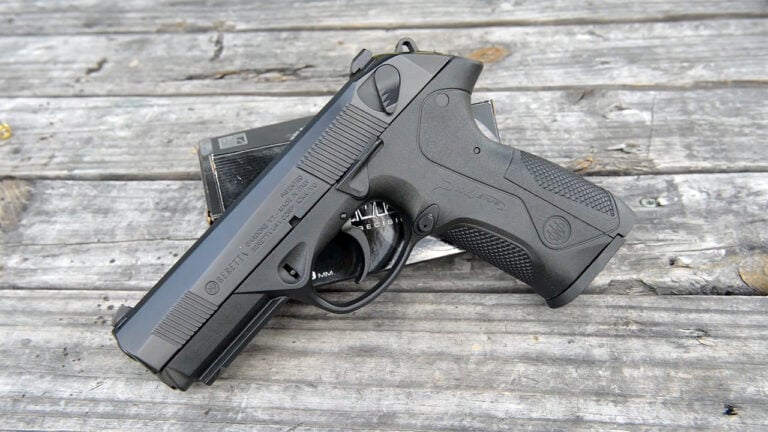
9. Beretta 92FS

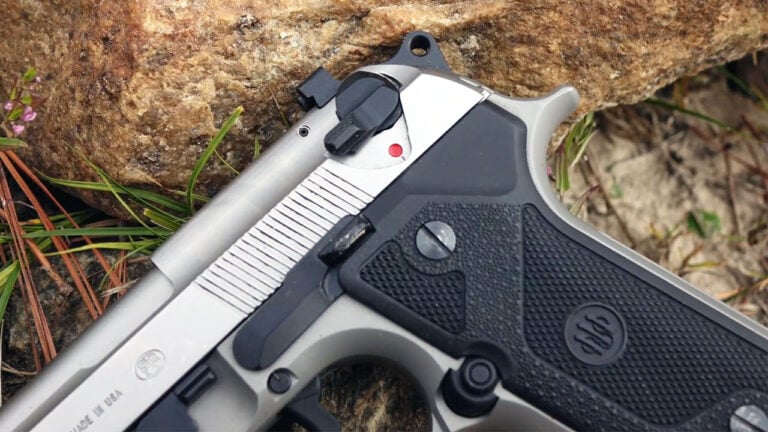
The 92FS is big, yes, but it’s also one of the smoother-shooting service pistols ever built. The open-slide design runs dirty, the recoil impulse is gentle, and the gun has a rhythm to it once you learn the DA/SA transition. If you’ve carried one on a belt in the woods, you know it feels like a full-size tool, not a compact compromise.
Folks sell them because they want smaller, lighter, or they get tired of the safety/decocker setup. Fair reasons. But later, when they’re shooting a lighter pistol that snaps and flips, they start remembering how easy the Beretta was to control. It’s not a “one gun for everything” answer, but as a reliable, accurate 9mm that’s pleasant to shoot, it’s tough to beat.
10. Colt Python (older blued models)

The Python isn’t a practical carry gun for most people, and I’m not going to pretend otherwise. It’s heavy, it’s valuable, and it attracts attention. But if you owned one before prices went wild, you probably understand the regret story already. The first time you see what they’re going for now, your stomach does a little flip.
Beyond money, it’s the feel. A good Python has a trigger that makes you slow down and enjoy shooting. It’s also a revolver that a lot of folks bought as a “nice gun” and then treated like a savings account. Selling one to fund something else can make sense in the moment. Years later, you realize the thing you funded is gone, and the Python is the one you actually remember.
11. Ruger Blackhawk (.357 or .45 Colt)
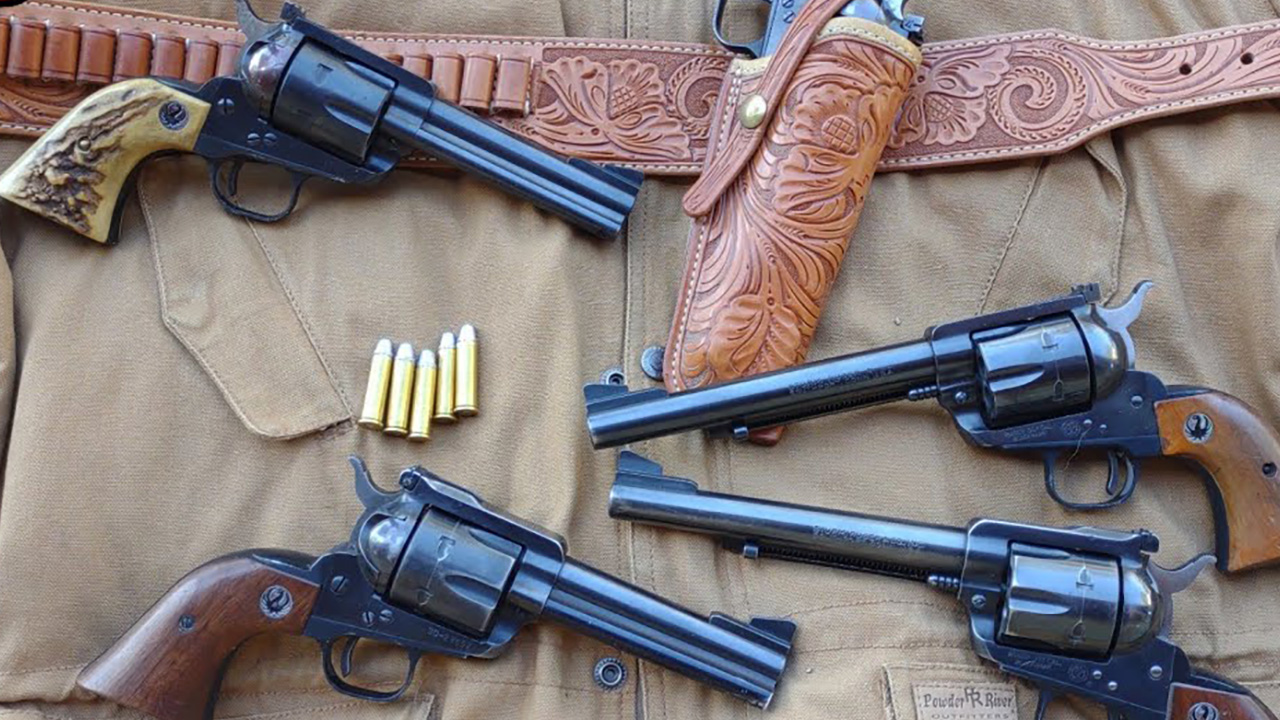
Single-actions aren’t fast to reload and they aren’t the best choice for concealed carry. But a Blackhawk on a belt in the woods just feels right. It carries comfortably in a good holster, it’s strong as a fence post, and it doesn’t mind being bounced around on an ATV or in a truck. For the outdoorsman who wants a sidearm that isn’t delicate, it checks a lot of boxes.
People sell them because they don’t shoot them much, or because they think they’ll “upgrade” to a lighter double-action revolver. Then they realize the Blackhawk was the one that handled hot loads without complaint, and it was the one they weren’t afraid to scratch. There is nothing fancy about it, and that is kind of the point.
12. Smith & Wesson Model 19

The Model 19 is the .357 that made a lot of sense for a long time: strong enough, handy enough, and usually blessed with a good trigger. In a belt holster, it balances better than many modern magnum revolvers. As a field gun, it’s the kind you can actually carry all day and not resent by lunchtime.
Why sell it? Because you read too much about “must-have” heavy-frame magnums, or you decide you only want stainless, or you think you’ll replace it easily later. The issue is that older, clean Model 19s have a feel that’s hard to duplicate, and the nice ones get picked up fast. If you have one that shoots to point of aim with your chosen load, that’s not a small thing.
13. Glock 26
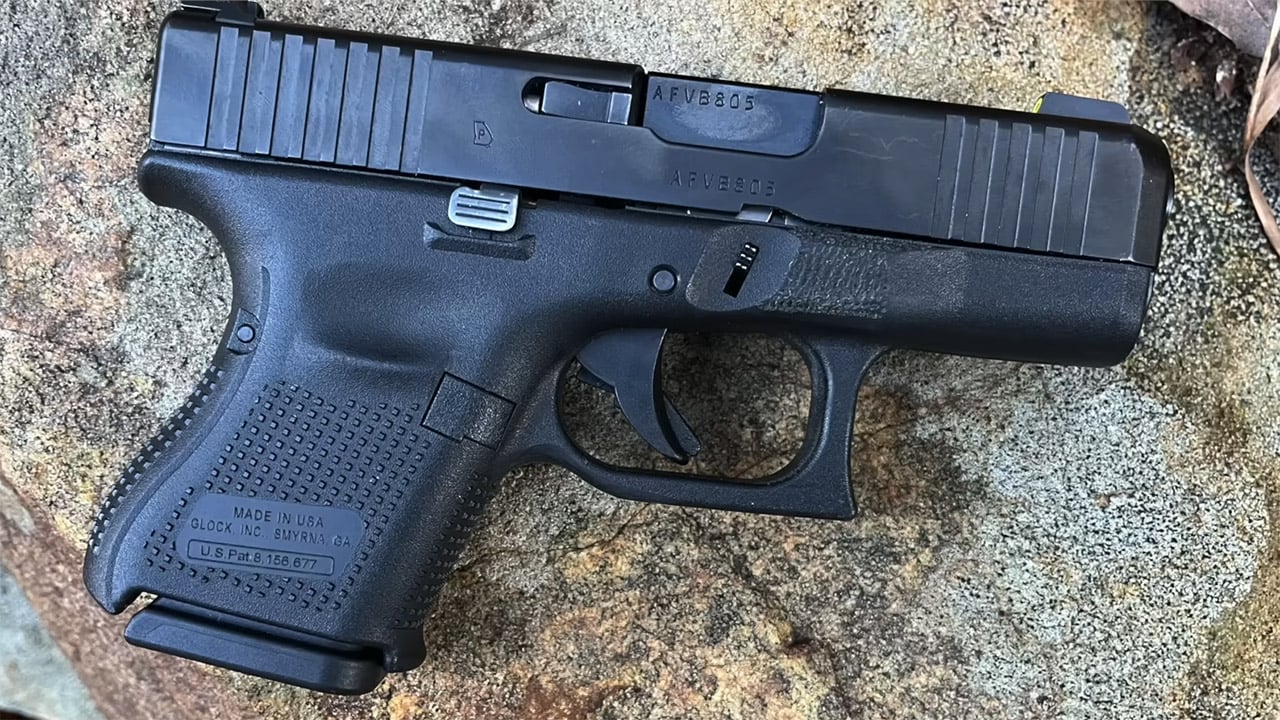
The Glock 26 is the ugly duckling that somehow keeps working. It’s thick for its size, the grip is short, and it’s not winning any beauty contests. But it takes bigger Glock mags, it shoots bigger than it looks with the right baseplates, and it’s reliable in the way a carry gun should be reliable.
Many swap it out for thinner guns, and I understand that. Thin is comfortable. Thin also sometimes means more recoil and less control. The 26 sits in that middle ground where you can hide it but still run it hard. If you carried one for years, you also probably built a whole little ecosystem around it: magazines, holsters, spare recoil springs. Letting it go can feel like tossing a toolbox because you bought a new wrench.
14. Heckler & Koch USP Compact
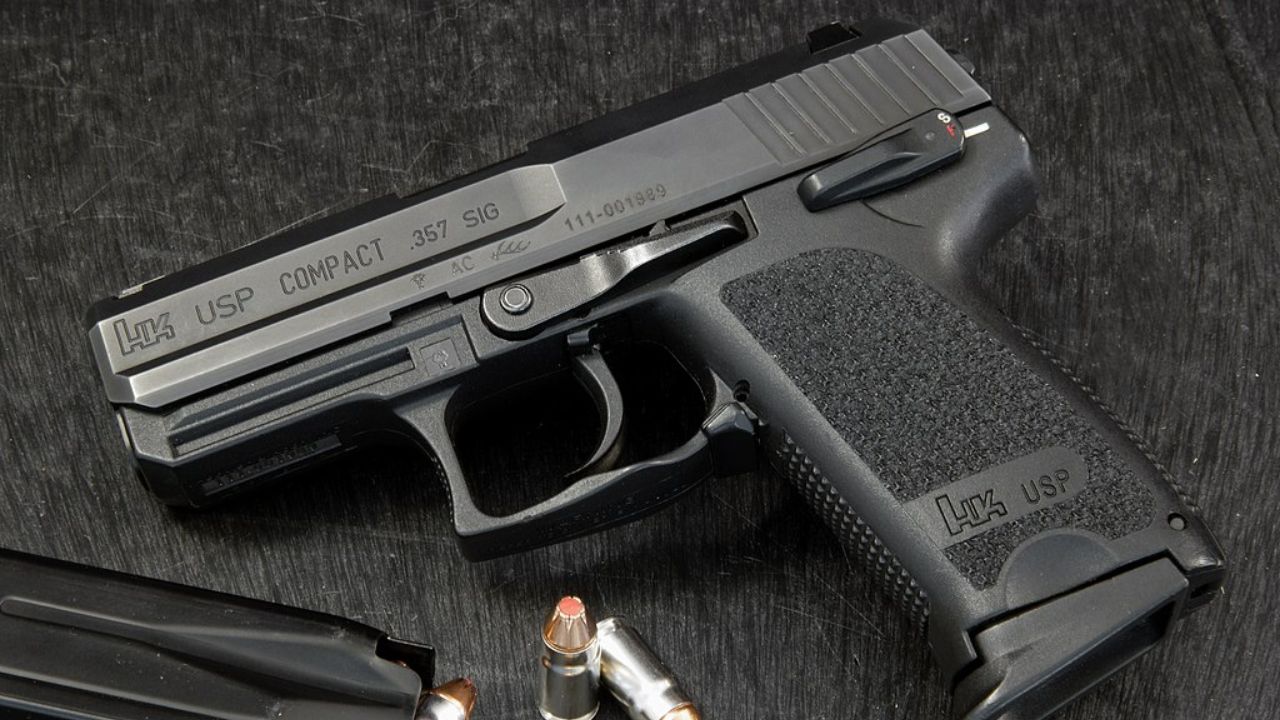
The USP Compact is not cheap, not light, and not modern in the “micro red dot everything” sense. It’s also built like it was designed by people who expected it to be dropped, soaked, and neglected. If you’ve ever rained all day in the woods and then found your gear covered in grit at dark, you understand the appeal of overbuilt.
Guys sell them because of the cost, or because the trigger isn’t as slick as a tuned 1911, or because they want something with more aftermarket support. Then they end up with a pistol that feels “softer” but doesn’t inspire the same confidence. The USP Compact is a trust gun. Once you trust one, swapping away from it can feel like trading boots that never gave you blisters.
15. Springfield Armory XD-S (9mm)
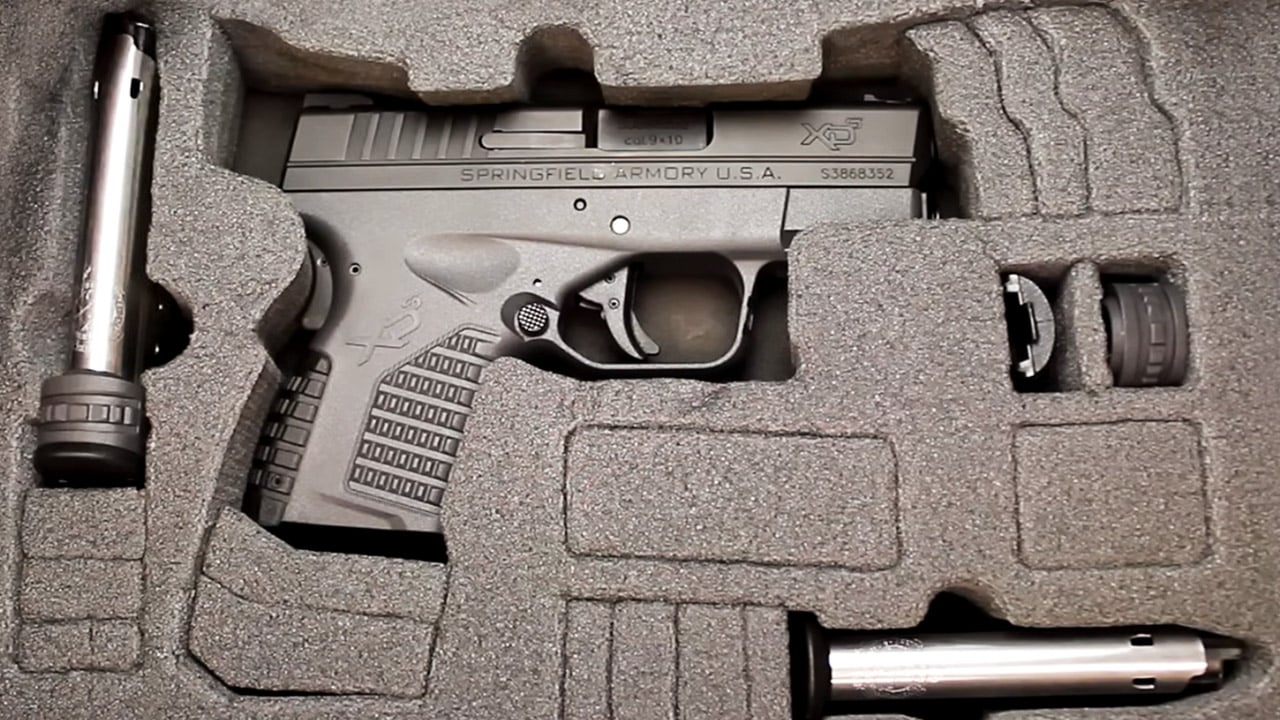
The XD-S has had its critics, and it’s not my favorite trigger in the world. Still, in the era when single-stack 9mms were the rule, the XD-S was one of the pistols that legitimately carried well and shot decently. It’s the kind of gun a guy buys because it fits his hand and his budget, then ends up carrying it for years without thinking about it.
Where the regret comes in is when you sell it and realize the replacement market isn’t as simple as “newer is better.” Some of the smallest high-capacity guns feel great in the store and then beat you up on the range. The XD-S may not be exciting, but it can be a steady partner if you found a load it likes and you kept up with basic maintenance. Familiarity counts.
16. Kimber Custom II (1911)
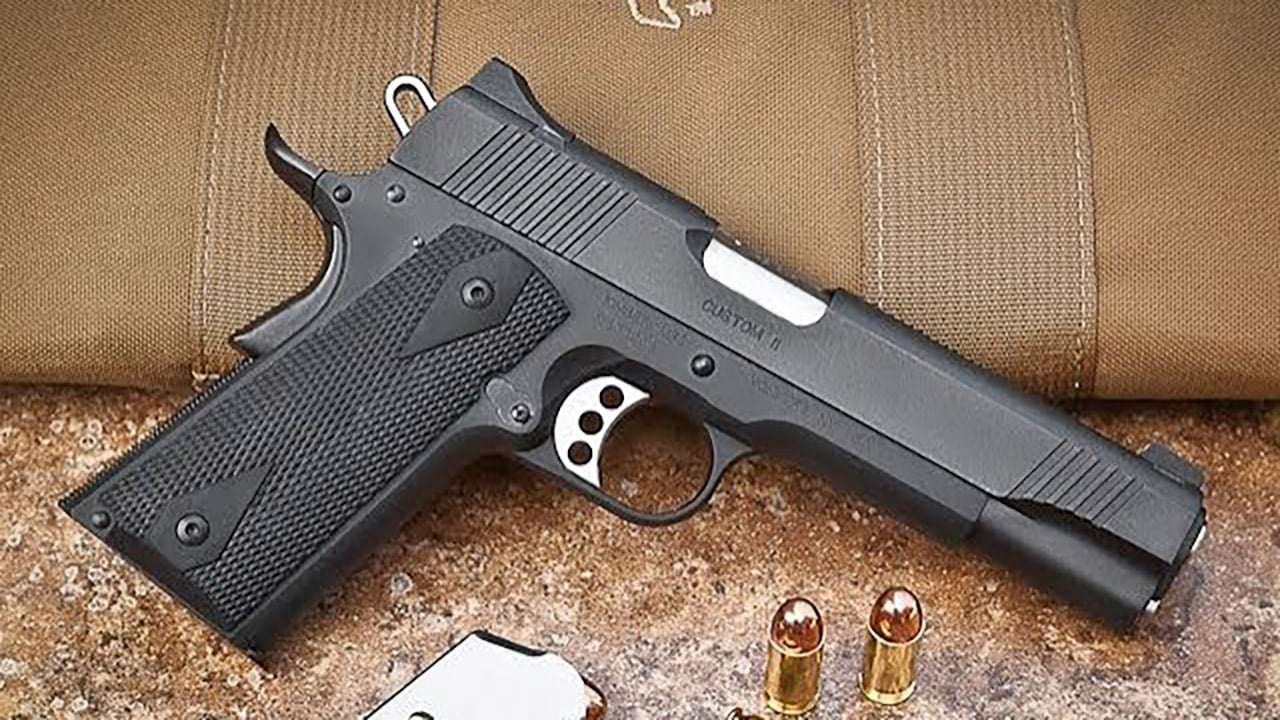
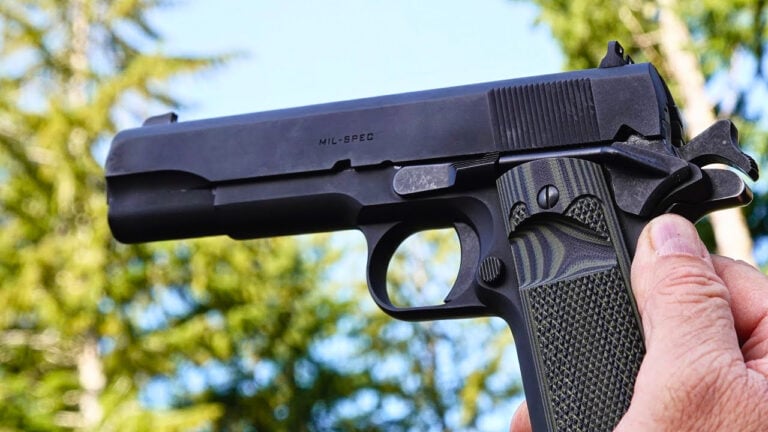
A 1911 is not the easiest answer for most people, and some of them are pickier than they should be. But a good Kimber Custom II that runs is hard to replace with “something similar.” The slim profile carries well, the trigger can be excellent, and when you shoot it well, it’s satisfying in a way striker-fired pistols usually aren’t.
Why sell it? Because you got tired of magazines, springs, and the general personality that comes with 1911 ownership. Or you decided you wanted more capacity. Both are reasonable. The regret shows up later when you want a pistol that points naturally and gives you that crisp trigger break. If you had one that was dependable, selling it often turns into a long search for another that behaves the same.
17. Ruger LCR (.38 Special)
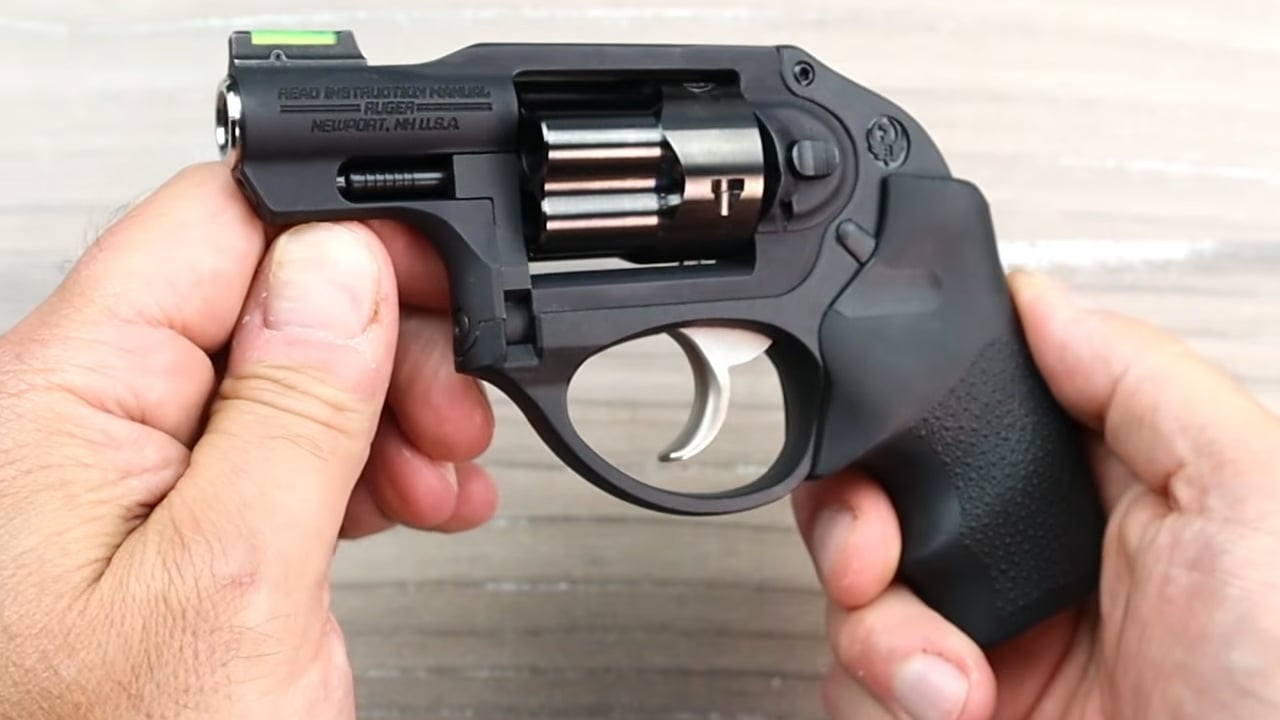
The LCR looks like a space gun and feels almost too light the first time you pick it up. Then you carry it for a while and realize why it exists. It’s a real revolver that disappears in a pocket holster, rides well on an ankle, and doesn’t demand wardrobe changes. For quick trips, dog walks, or “I’m just running out to check the barn” moments, it’s hard to beat.
It’s also not a fun range gun. Lightweight revolvers are work. Many sell them after a box of +P and decide they want something “more shootable.” The problem is that more shootable often means bigger, and bigger means it stays at home. If you found an LCR you could run confidently, it was doing its job. Ask me how I know.
18. Smith & Wesson 642 Airweight
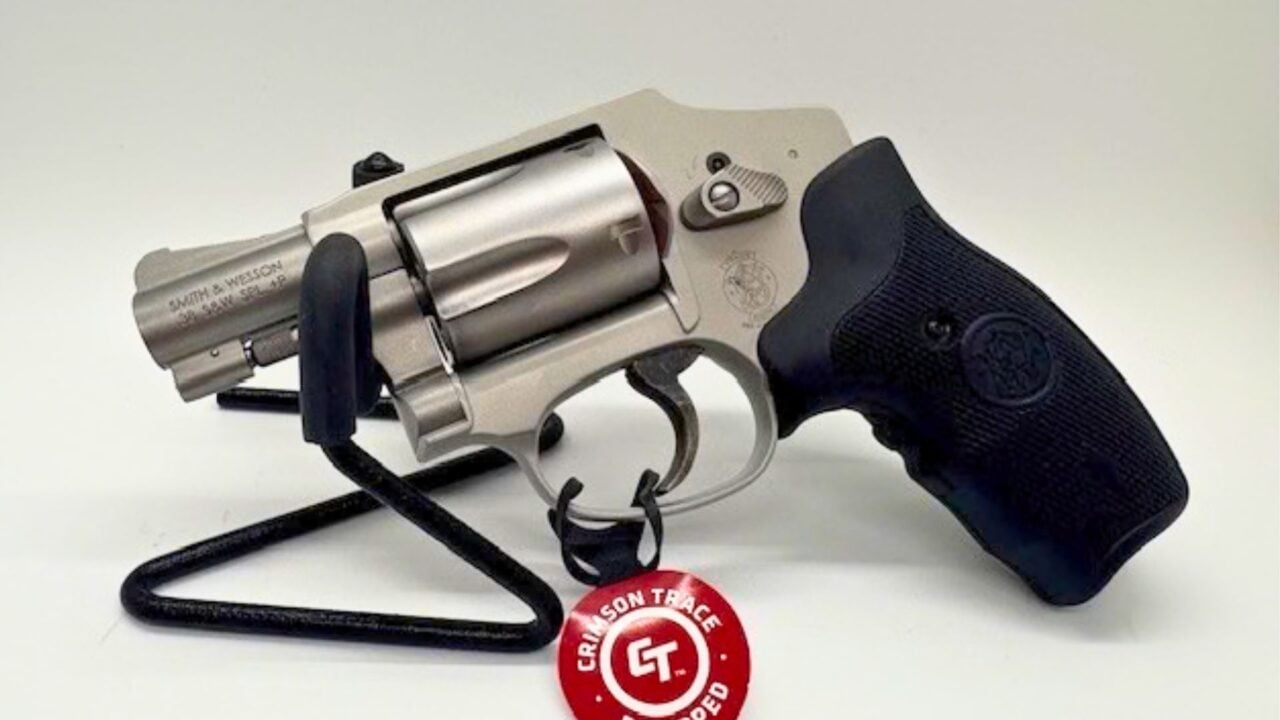
The 642 is one of those revolvers that either makes sense to you or it doesn’t. It’s light, simple, and it’s not trying to impress anybody. It rides in pockets, it rides in tackle bags, and it can live in places where a bigger pistol would be a nuisance. It’s also about as close to a “grab and go” handgun as you can get, as long as you practice enough to run it well.
Folks sell J-frames because they’re hard to shoot fast and accurately compared to compact 9mms. True. But the 642 is still in the conversation because it’s easy to have on you. In the real world, that matters. When you trade it off, you often replace it with something that’s theoretically better and practically absent.
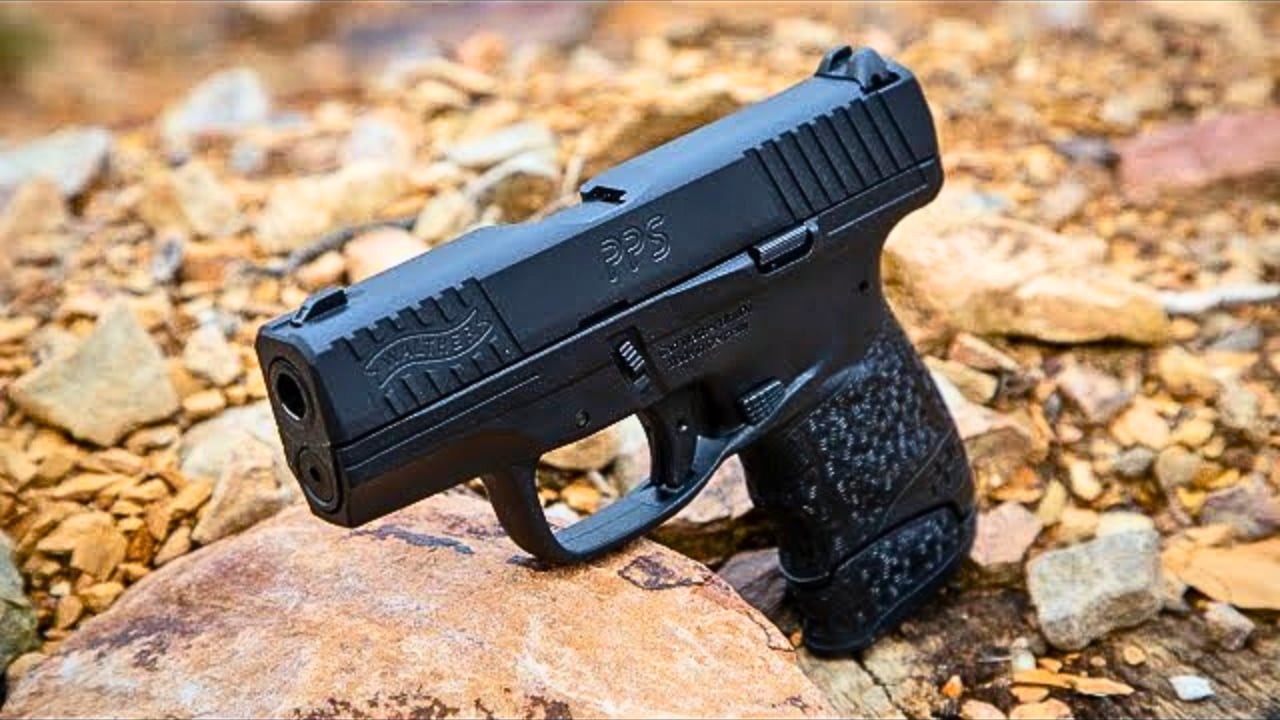
19. Walther PPS M2

The PPS M2 is one of the slim 9mms that doesn’t get talked about enough anymore. It carries flat, it points naturally, and it tends to be accurate for its size. If you like a pistol that feels like it was designed around human hands instead of a marketing checklist, the PPS has that vibe.
I’ve watched guys sell them because they wanted more capacity, and I can’t argue with wanting more rounds. But the PPS is one of those guns that makes hits easy, and that counts for something. Also, magazines and holsters aren’t as common as Glock or SIG, so once you’ve already accumulated your gear, it’s annoying to start over. Selling a PPS M2 can feel like dumping a perfectly good rifle because your buddy bought a new scope.
20. FN Five-seveN (5.7x28mm)
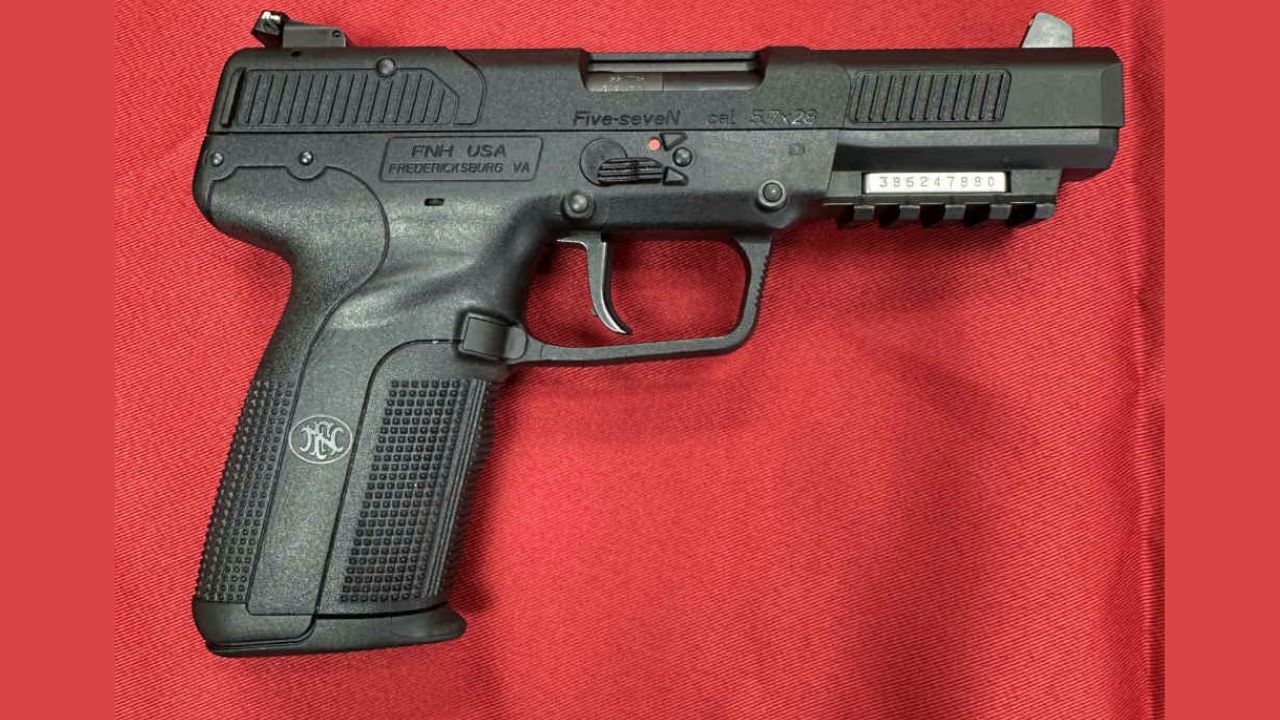
This is the closest thing I’ve owned to that weird little .20-caliber pistol I carried for years: light on the hip, flat shooting, loud as all get-out, and oddly easy to make hits with at distance. The Five-seveN isn’t for everyone, and it’s absolutely not a “one pistol” solution. Ammo cost and availability can be a real headache, and the gun itself isn’t cheap.
Still, if you carried one a lot, you start appreciating what it does well. Recoil is mild, follow-up shots are fast, and it carries like a bigger gun that somehow forgot to be heavy. The reason it’s hard to replace after you sell is simple: nothing else quite feels like it. When you let go of a specialty tool that actually fit your life, you don’t miss it every day. You miss it on the day you really wanted it.
Here’s what I’ve learned the hard way: the guns you regret selling usually weren’t the fanciest ones in the safe. They were the ones that already had your sweat in the grips, your preferred sights, and a holster that fit like it belonged. If you’re thinking about dumping a long-time carry pistol to “upgrade,” slow down. Put it in the safe for six months first. If you don’t miss it, sell it then. If you do miss it, you just saved yourself a long, expensive lesson.
Like The Avid Outdoorsman’s content? Subscribe to our newsletter so you never miss an article.
Here’s more from us: