Photo credit: BERETTA9mmUSA/YouTube
Spend enough time around gun counters and you start noticing a pattern. Certain handguns never make it to the glass case with a price tag and a dust layer. A dealer will crack the box, glance at the sights and the finish, work the action a few times, and you can almost see the decision happen. Those are the ones that get set behind the counter, tucked into the “call this guy” pile, or quietly offered to the regulars who actually shoot.
This isn’t about magic unicorn guns. It’s about pistols that have proven themselves, hold their value, or solve real problems for normal outdoorsmen: carry in town, ride in a truck, sit in a nightstand, or back you up when you’re checking fence lines after dark. Here are 20 that tend to disappear fast for a reason.
1. Glock 19 (Gen 3/4/5)
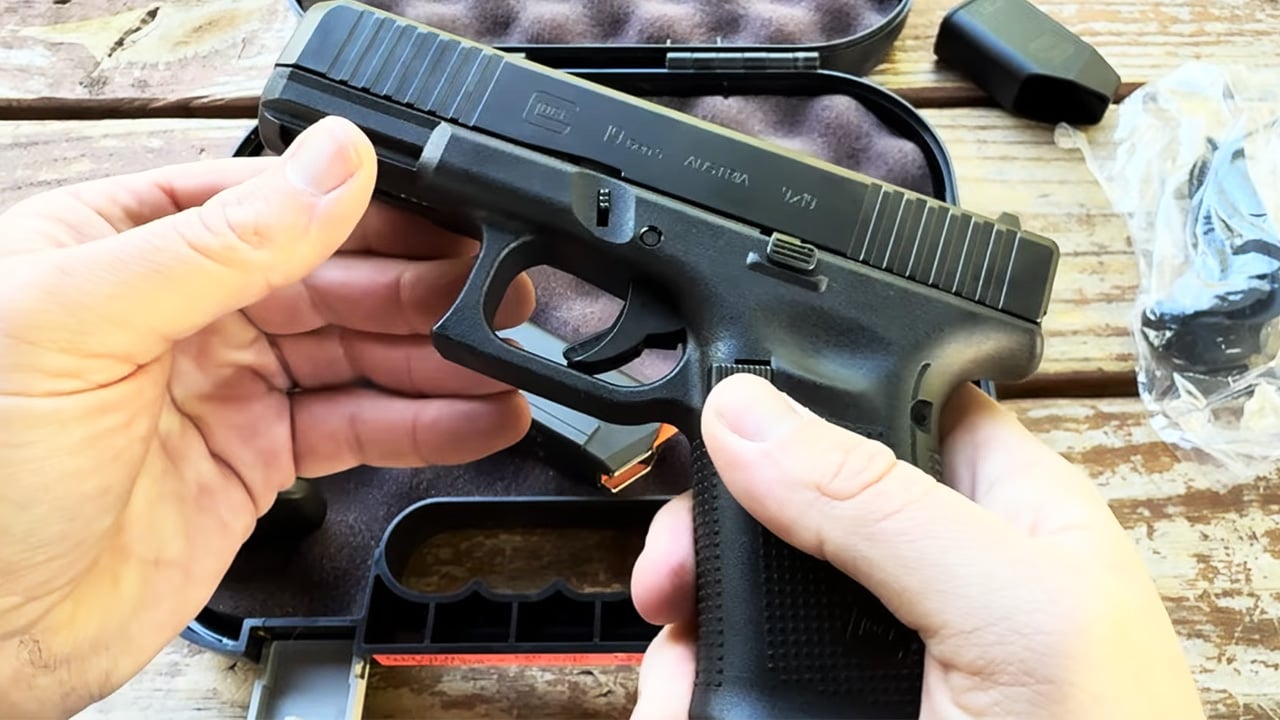
The Glock 19 is the definition of “boring until you need it.” Dealers know it’s the handgun that fits the widest slice of real life: big enough to shoot well, small enough to carry, and common enough that mags and holsters are everywhere. When one comes in clean with factory parts, it rarely sits long, because everyone understands what it is.
It points a little different than some folks like, and the trigger won’t win beauty contests. Still, it’s the pistol that keeps showing up in glove boxes, hip holsters, and range bags because it runs. If you’re the kind of person who wants one gun to do a lot without drama, the G19 is why dealers don’t waste time “putting it out.”
2. Glock 43X

The 43X is one of those carry guns that makes sense the second you actually carry it for a week. Slim grip, decent sight radius, easy to conceal under a flannel or a hoodie, and it doesn’t beat your hand up like a micro. When a shop gets one in, especially in good shape with the original mags and box, it’s often spoken for before it’s even logged.
What dealers like is that it’s a safe bet. New shooters can manage it, experienced shooters can run it fast, and it doesn’t require weird proprietary stuff to keep it alive. It’s not the smallest option, but it’s a sweet spot. There’s nothing fancy about it, and that is kind of the point.
3. SIG Sauer P365 (standard and XL)
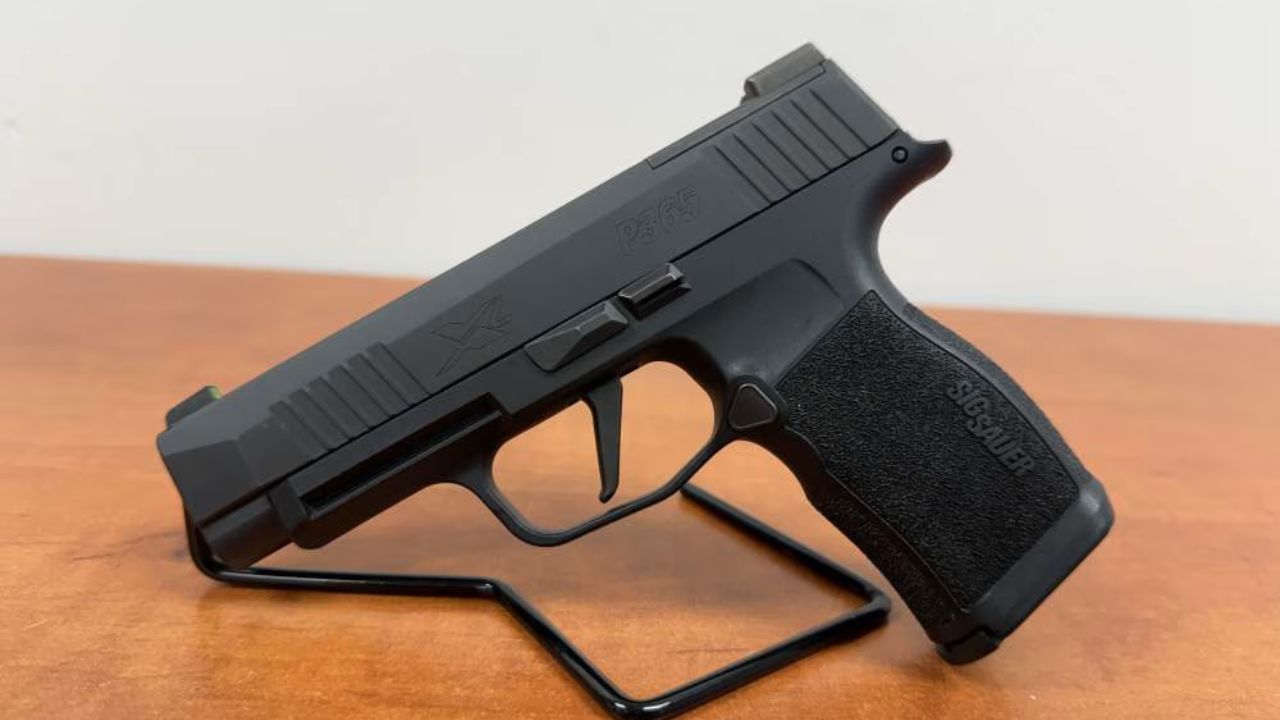
There was a time when “small 9mm” meant “snappy, picky, and unpleasant.” The P365 changed that for a lot of people. It carries like a little gun but shoots more like a bigger one, and the capacity-to-size ratio is why dealers don’t let clean used ones linger.
It’s not perfect. Some folks don’t love the feel of the trigger, and tiny guns still demand more discipline at speed. But as a daily carry tool it’s hard to argue with, and accessories are everywhere. If a dealer sees a P365 that wasn’t abused and comes with a couple mags, they already know there’s a waiting list in their contacts.
4. Smith & Wesson M&P 2.0 Compact
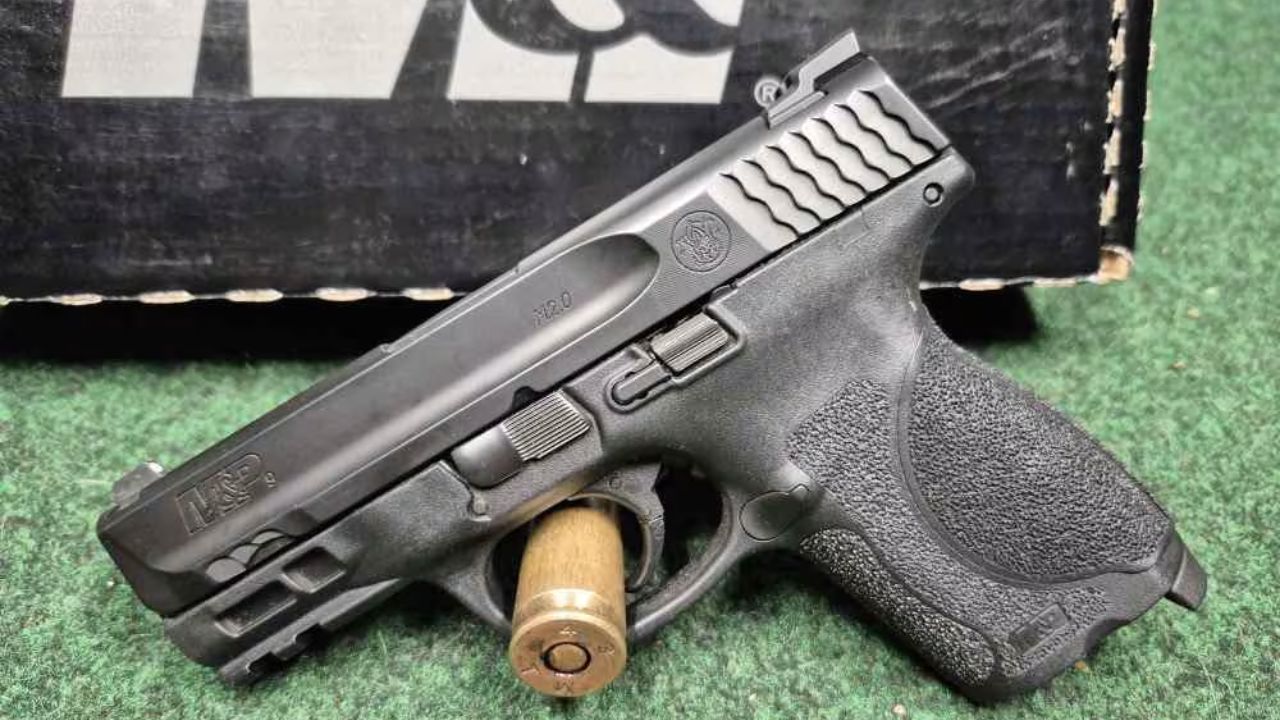
The M&P 2.0 Compact is what a lot of shooters end up with after they “try everything.” The grip texture is aggressive in the right way, the ergonomics fit a lot of hands, and the gun tends to shoot flatter than you’d expect. Dealers like them because returns are rare and repeat customers are common.
If you find one with factory night sights or an optic-ready slide, it’s even more likely to get pulled aside. Magazines are easy to find, parts support is strong, and it’s a pistol you can actually train with hard without babying it. It isn’t trendy anymore, and that’s exactly why it’s such a smart buy.
5. Ruger GP100 (4-inch .357 Magnum)
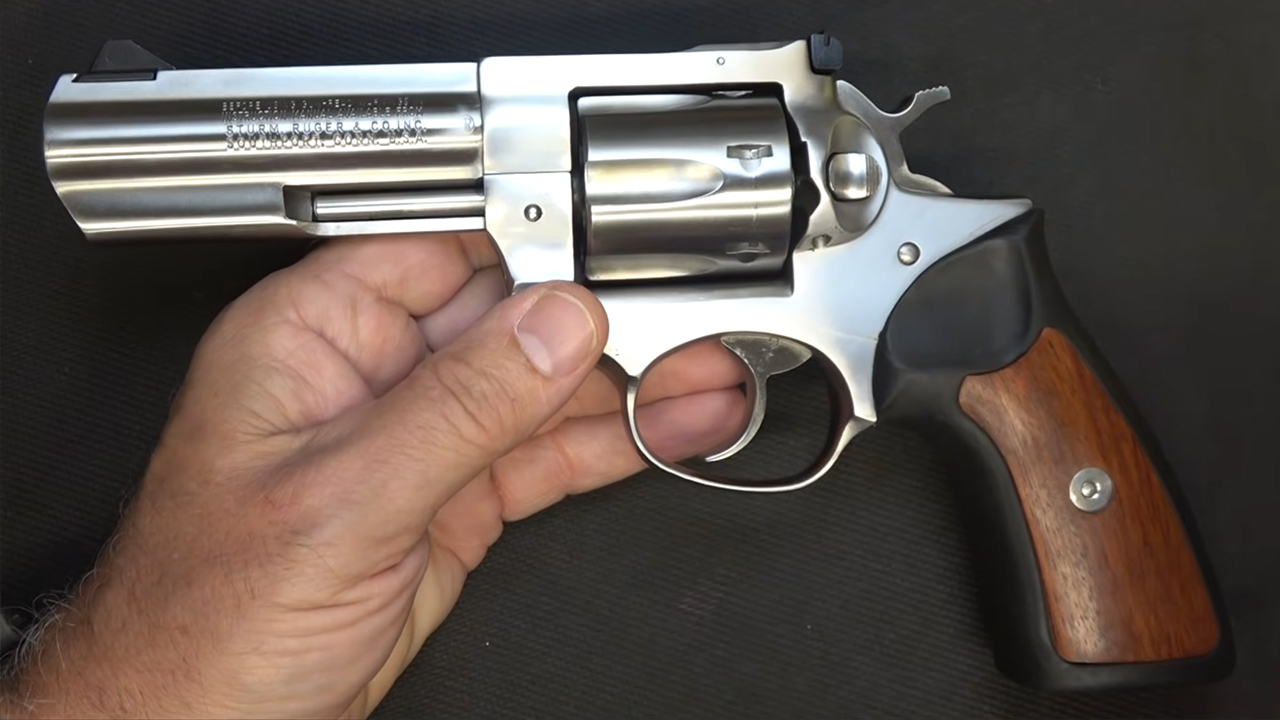
A solid GP100 feels like a tool you could use to pound tent stakes if you had to. I’m not recommending that, but you get the idea. Dealers know outdoorsmen love them because they’re tough, easy to maintain, and they digest full-power .357 without shooting loose.
It’s heavy for carry, and that’s the trade. On a belt in the woods, weight is what tames recoil and gives you a revolver you can actually hit with. A clean GP100, especially the 4-inch models, tends to get snapped up by folks who want a “walk-the-property” gun that doesn’t depend on magazines or finicky ammo choices.
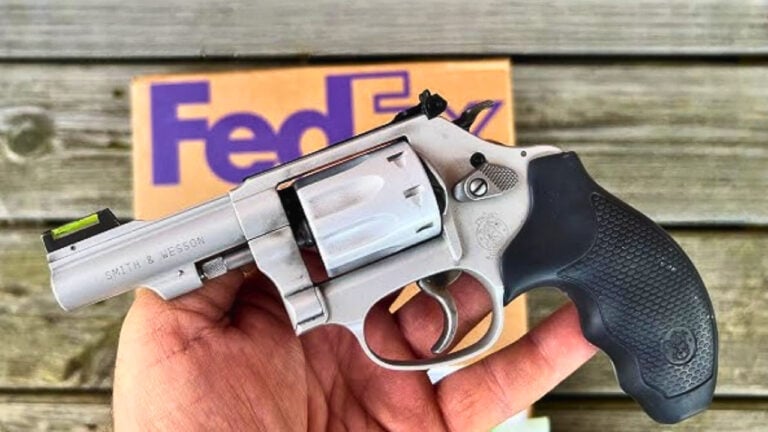
6. Smith & Wesson Model 686 (3-inch or 4-inch)

The 686 is one of those revolvers that makes people pause at the counter. The balance is right, the trigger is usually smooth even on well-used examples, and the L-frame size hits a practical middle ground. Dealers pull them early because buyers know they’re paying for a revolver that’ll last, not a disposable range toy.
The 3-inch versions in particular get a lot of attention because they carry better while still giving you real sights and real control. A good 686 doesn’t need excuses. If it’s not beat up and the lockup is tight, it’s the kind of wheelgun that keeps finding homes with hunters and landowners who trust steel and simplicity.
7. Ruger SP101 (2.25-inch or 3-inch)
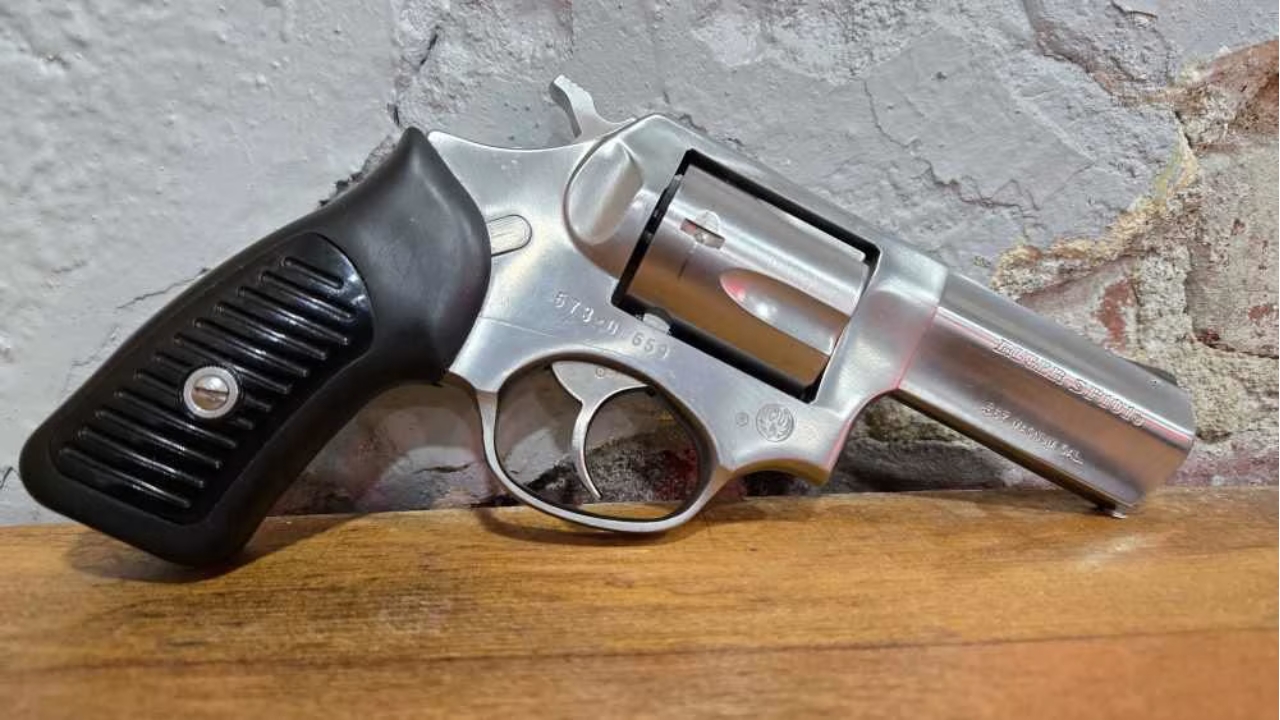
The SP101 is the revolver that rides in a coat pocket during chores and doesn’t complain. It’s not as sleek as a Smith J-frame, but it’s built stout, and dealers know there’s always someone looking for one as a first revolver or a “backup that won’t quit.”
It’s not the lightest thing, and with .357 it can be a handful in the short barrel. Most folks end up running .38 +P for control, which is fine. What makes it desirable is how little drama it brings: no magazine springs to worry about, no feed issues, and it’ll sit for months and still work when you grab it. Ask me how I know.
8. Colt Python (new production, 4.25-inch)
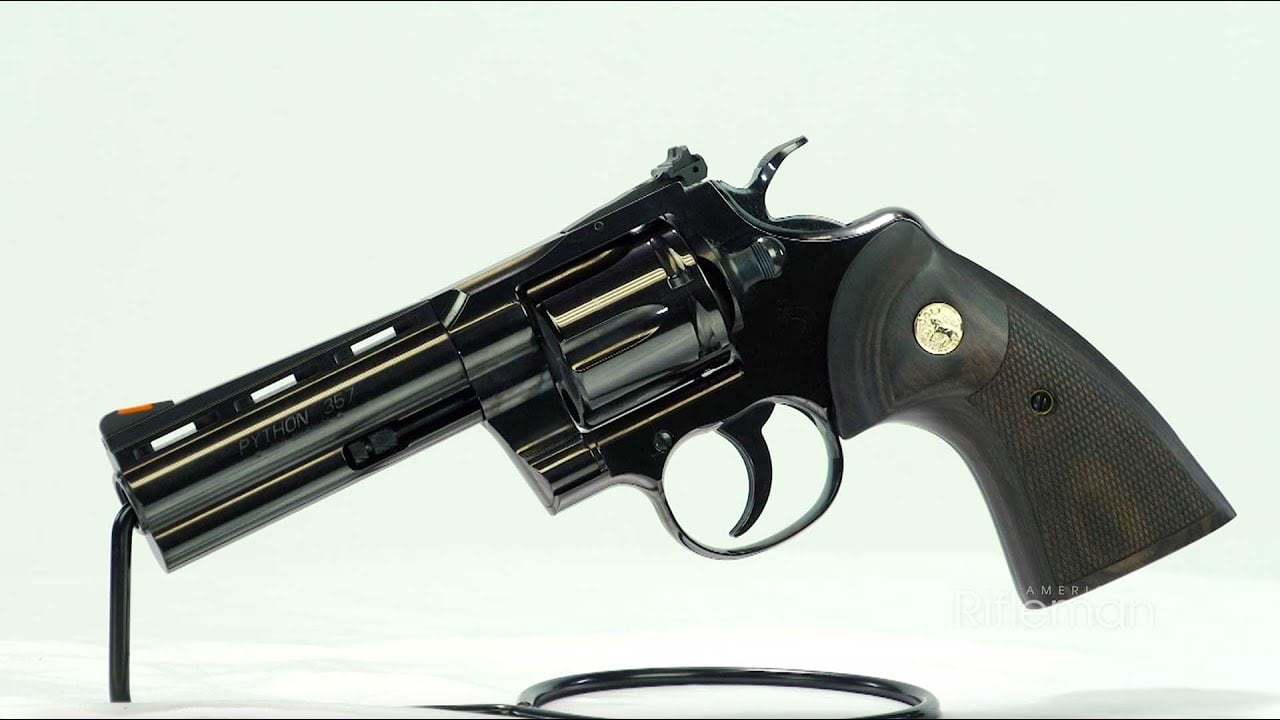
Whether you love them or roll your eyes at the hype, the new production Python still has that “stop and stare” effect. Dealers understand that if they put it in the case, it becomes a magnet. It’s easier to handle it quietly, call the revolver guys, and let it disappear without turning the shop into a museum exhibit.
It’s not cheap, and it’s not a rough-use ranch gun for most people. But it shoots well, the trigger is usually excellent, and it’s one of the few revolvers that pulls in both shooters and collectors. If you’ve ever watched someone regret selling a nice revolver, it’s usually something in this lane.
9. CZ 75B

The CZ 75B is a classic that still feels like a secret to folks who only grew up on striker-fired guns. In the hand it sits low, points naturally, and the weight helps it track smoothly under recoil. Dealers who shoot tend to have a soft spot for them, which is exactly why they get snagged early.
They’re not the lightest carry option, and the double-action reach can be long for smaller hands. But for a range gun that can pull double duty as a home-defense pistol, it’s hard to beat. If it comes with factory mags and isn’t beat to death, someone behind the counter is already thinking about keeping it.
10. CZ P-01
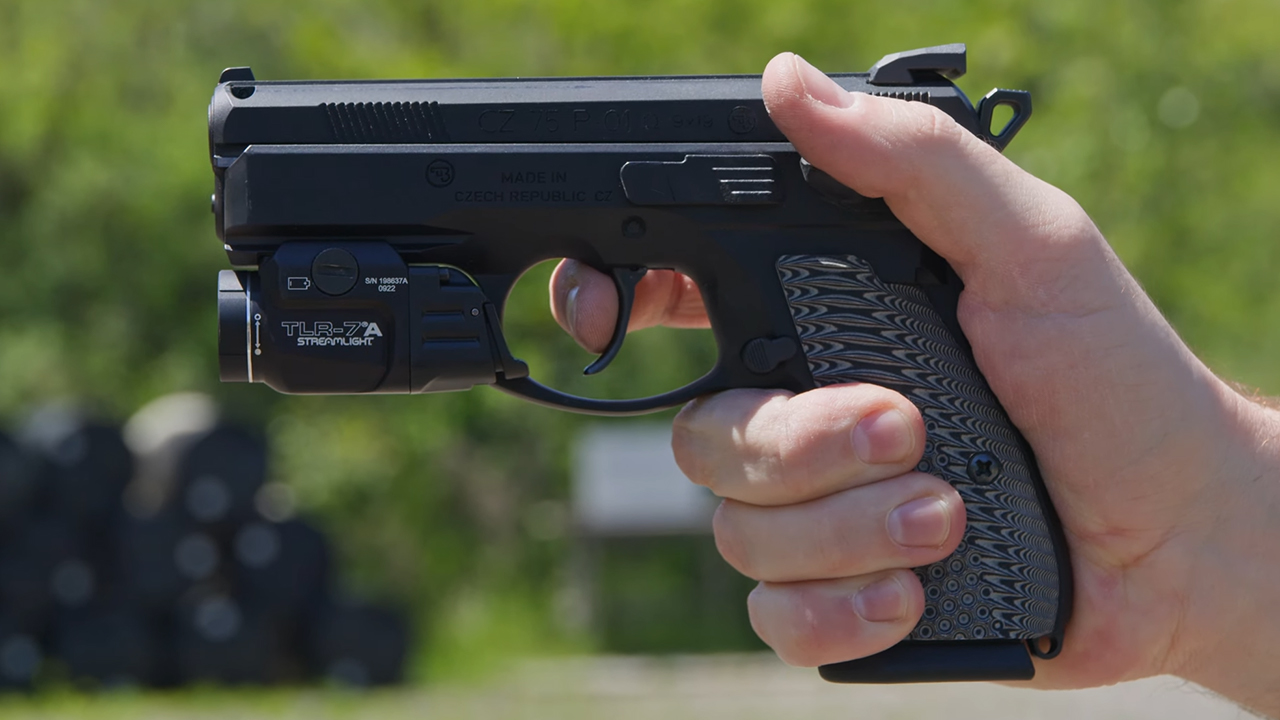
The P-01 is what happens when you take the CZ 75 feel and make it more realistic for daily use. It’s compact, alloy-framed, and it carries well without feeling like a toy. Dealers know that once a person runs a P-01 hard and sees how it behaves, they don’t usually sell it unless money gets tight.
It’s also a pistol that attracts the “one good handgun” crowd. Not everyone wants a micro-compact, and not everyone wants a duty-size brick either. The P-01 splits the difference with a real track record. When one walks in used and clean, it tends to get claimed fast by people who know what they’re holding.
11. Beretta 92FS

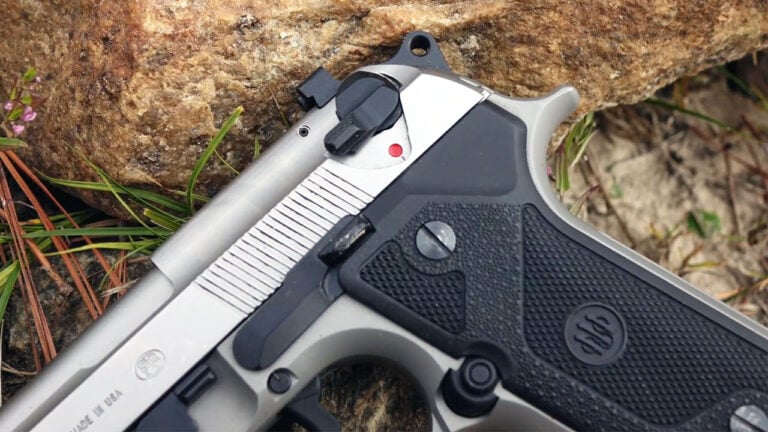
The 92FS is big, yes. But it’s also smooth, reliable, and weirdly forgiving. The open-top slide and soft recoil impulse make it easy to run well, even for shooters who struggle with smaller pistols. Dealers know that a good Beretta with original mags is a safe sell because it’s a known quantity.
It’s not the gun you buy to win the “smallest carry” contest. It’s the gun you buy because you like a full grip, a long sight radius, and a pistol that just keeps cycling. If you’ve ever watched someone shoot a 92FS and immediately relax because everything feels easy, you get why the shop regulars call dibs.
12. Heckler & Koch VP9

The VP9 has a way of fitting hands that don’t get along with other striker guns. The grip geometry is excellent, the trigger is usually clean, and accuracy is rarely the issue. Dealers move them quickly because owners tend to be either “never again” or “never selling,” and the second group is bigger than you’d think.
Magazines cost more than Glock mags, and that matters. But the gun holds up, shoots soft, and makes a great all-around pistol for someone who wants quality without going full custom. When a VP9 comes in priced fairly, it doesn’t sit there long enough to get fingerprints on it.
13. Heckler & Koch P30 (V3 DA/SA)
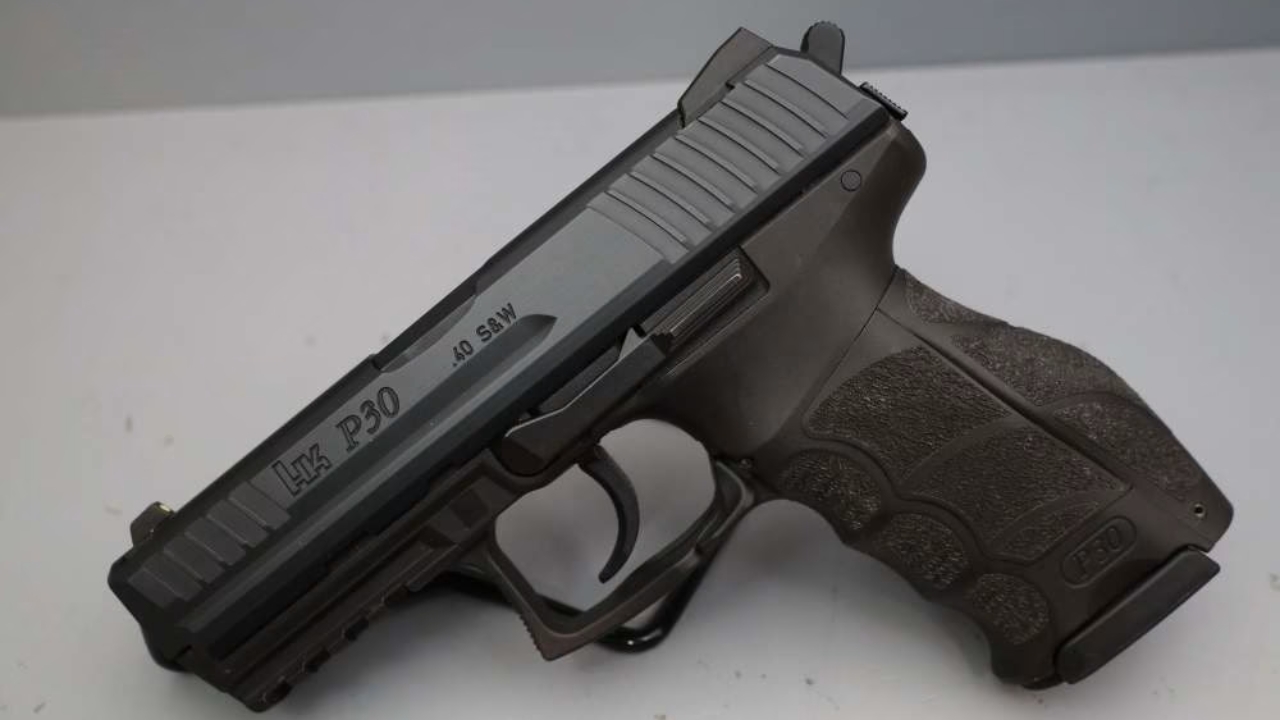
The P30 is one of those pistols you can tell was designed by people who cared about details. The grip panels let you dial in the fit, the controls are positive, and it’s built like it expects a hard life. Dealers know the P30 crowd is loyal, and a clean used one is basically an easy phone call.
It isn’t the cheapest way into a DA/SA pistol, and the trigger isn’t everyone’s favorite in stock form. Still, as a reliable carry or duty-style handgun, it’s the kind of “buy once, cry once” option that keeps earning respect. It’s also one of those guns that owners miss the minute they sell it.
14. Walther PDP Compact

The PDP is modern in all the ways that matter: good sights, great ergonomics, and an out-of-the-box trigger that makes you want to shoot better. Dealers have figured out that when someone handles one next to the usual polymer crowd, the Walther often wins the feel test immediately.
It can be a little blocky for deep concealment, and the slide serrations will chew up a soft holster over time. But it’s an honest shooter’s pistol, especially in the compact sizes. If a used PDP shows up already wearing a quality optic plate or good irons, that’s usually a sign the previous owner knew what they were doing—another reason dealers don’t let it drift into the case for strangers.
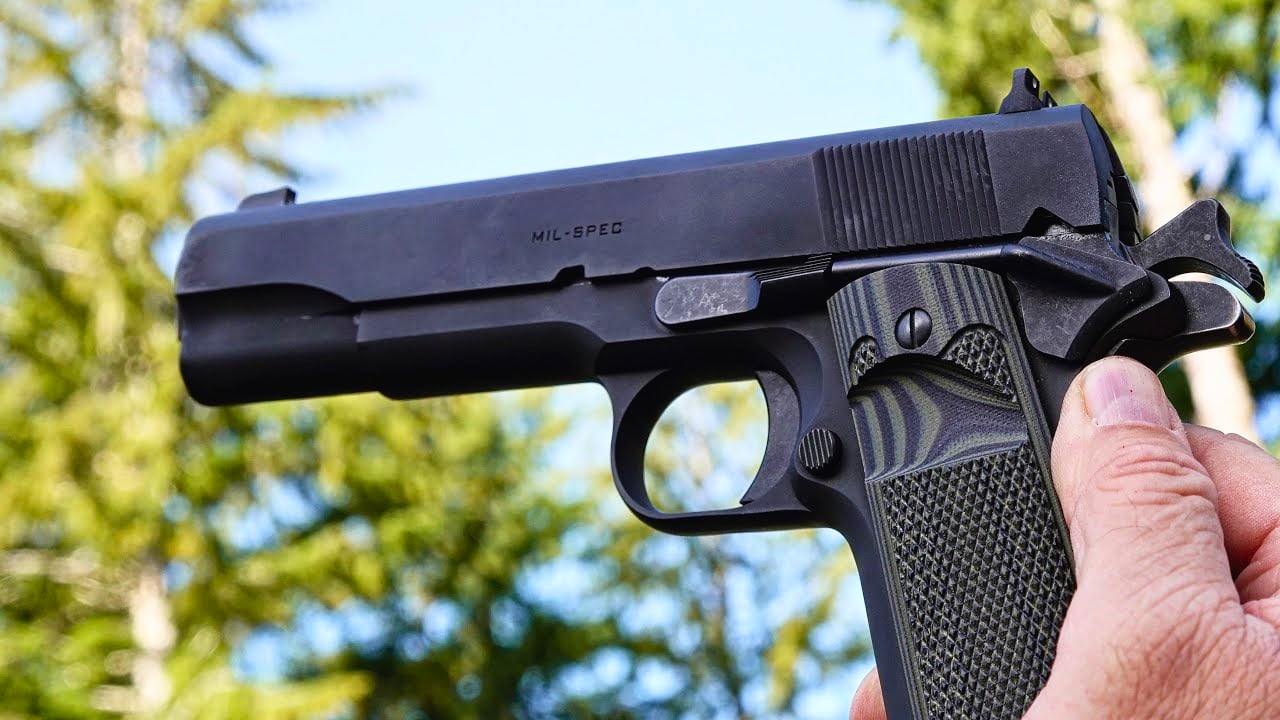
15. Springfield Armory 1911 Mil-Spec
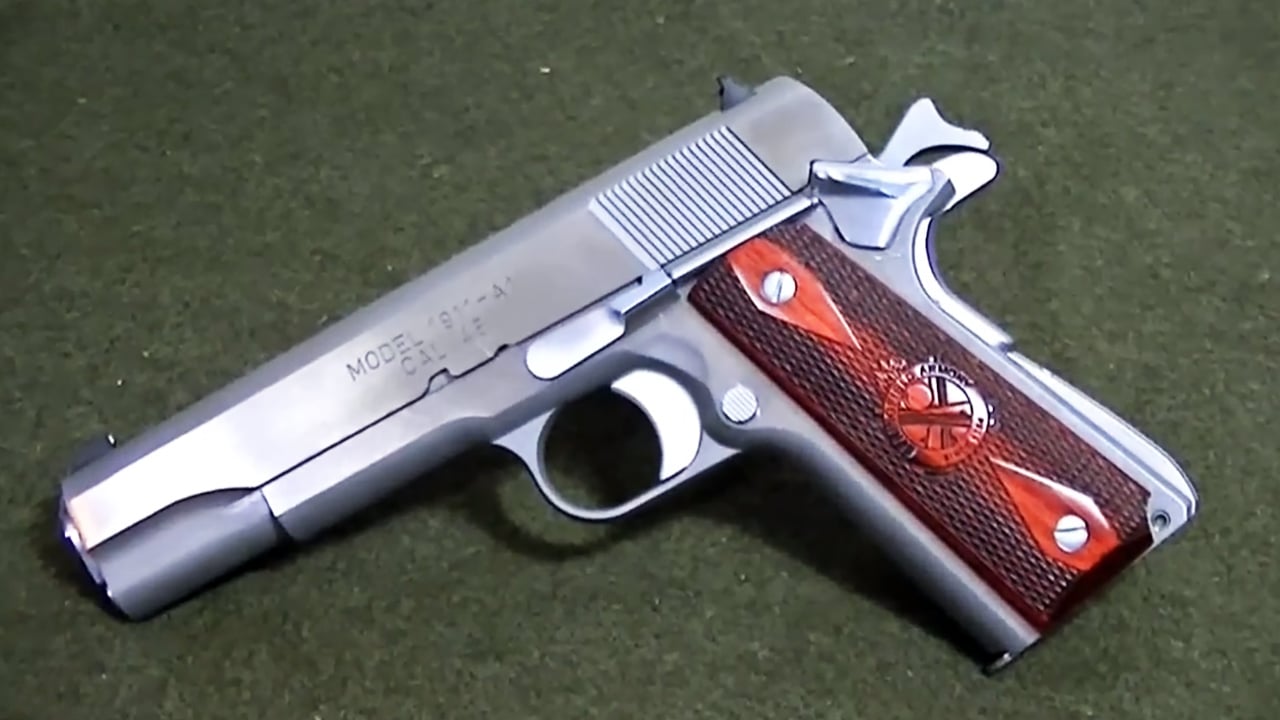
There are a million 1911s on the market, and plenty of them are more flash than function. The Springfield Mil-Spec tends to be the opposite: basic, serviceable, and usually put together right. Dealers like them because they scratch the 1911 itch without immediately turning into a finicky science project.
It’s still a 1911, so you need to be realistic. Magazines matter, maintenance matters, and not everybody wants a thumb safety on a daily carry gun. But for a range gun, a nightstand gun, or just a good old slab-side to own, a clean Mil-Spec is the kind of pistol that walks out fast. And yes, it’s often the one folks later say they shouldn’t have traded.
16. Colt Commander (Combat Commander/Lightweight Commander)

Commanders are the 1911s that make sense. A little shorter, a little quicker, and easier to live with than a full-size Government model. Dealers know that Colt on the slide still means something to a lot of buyers, and a Commander in good condition doesn’t need much sales effort.
The Lightweight models carry especially well, but recoil feels sharper, and not everyone likes that. Still, the Commander format is a sweet spot for people who actually carry a 1911 instead of just talking about it. If you see a Colt Commander come through a shop, don’t be surprised if it never makes it to the floor. Somebody already has a plan for it.
17. Ruger Mark IV (Target or 22/45)
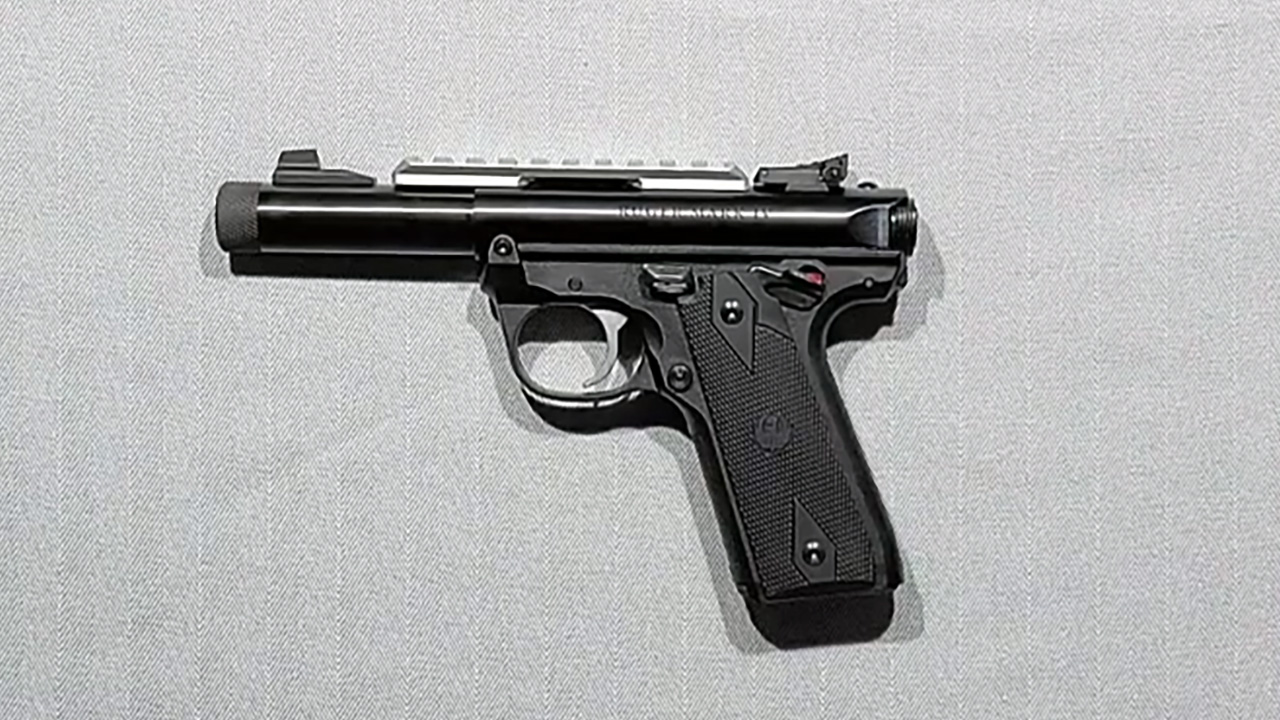
Every dealer I know has watched a shooter burn through a brick of .22 and come away smiling like a kid. The Mark IV is a big reason why. The one-button takedown fixed what turned a lot of people off about older Ruger rimfires, and it’s a pistol that gets used, not just owned.
It’s not a defensive handgun, but it’s absolutely a “dealer knows” gun. It’s for training new shooters, for small-game camp plinking, and for staying sharp without paying centerfire prices. When one comes in with a decent optic rail or good sights and isn’t full of backyard modifications, it’s easy to sell and easy to stand behind.
18. Browning Buck Mark

The Buck Mark is another rimfire that dealers respect because it flat-out shoots. The trigger is often excellent, the balance is steady, and they tend to be accurate with a wide range of ammo. When a clean Buck Mark shows up used, it’s usually because someone is thinning the safe, not because the gun gave trouble.
It does have more screws and little parts than the Ruger, and you should pay attention to keeping things snug. Still, for a .22 that will teach you sight picture and trigger press without punishing your wallet, it’s hard to beat. Dealers know that .22 pistols are “forever guns” for a lot of families, and Buck Marks get adopted quickly.
19. Smith & Wesson Model 10 (Military & Police)

A good Model 10 is one of the most honest handguns ever made. Fixed sights, six shots, and a trigger that can make you look like a better shooter than you are. Dealers who know revolvers will check timing and lockup, and if it passes, they already know a buyer who wants a dependable .38 that won’t act up.
It’s not flashy, and it’s not a bear-country cannon. But for a farmhouse gun, a tackle-box sidearm, or a glovebox revolver (stored safely and legally, of course), it’s hard to argue with. The older ones have a feel that new guns rarely match. That one hurts to sell, especially if it was a granddad gun, but even the plain ones get snapped up.
20. Smith & Wesson Model 19 (K-frame .357)
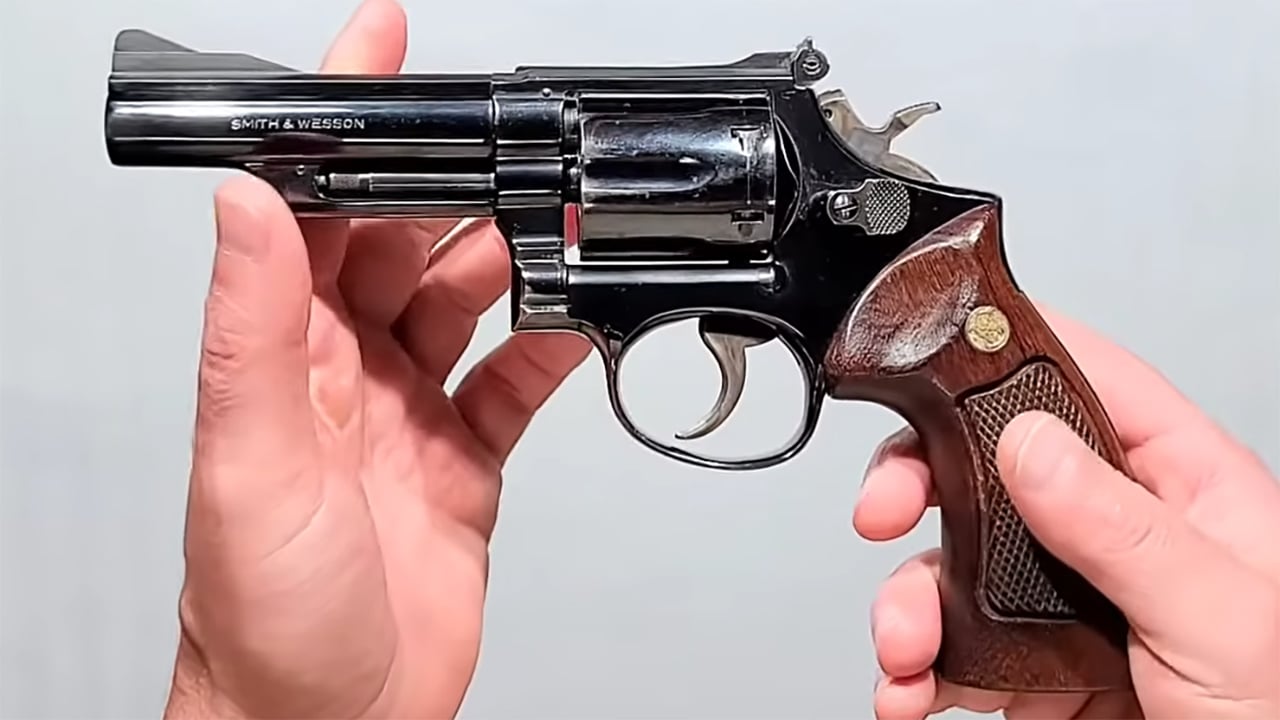
The Model 19 has been making outdoorsmen happy for a long time. It carries easier than the big L-frames, points quick, and feels alive in the hand. Dealers also know the K-frame .357s have a following, especially the clean examples that haven’t been hammered with a steady diet of hot loads.
It’s a revolver you can actually wear on a belt while you’re checking trail cameras or walking a creek line. With .38s it’s downright pleasant, and with sensible .357s it’s a serious tool. The reason it gets pulled early is simple: the people who want one tend to know exactly what they’re looking at, and they don’t waste time thinking it over.
A good shop doesn’t “hide” guns to be shady. Most of the time it’s just experience—knowing which pistols won’t last an hour in the case, which ones cause headaches, and which ones are worth calling a regular customer about. If you’re trying to build a practical handgun battery, pay attention to what disappears fast. Boring usually means proven, and proven is what you want when it’s cold, dark, and something doesn’t feel right out by the barn.
Like The Avid Outdoorsman’s content? Subscribe to our newsletter so you never miss an article.
Here’s more from us: