Photo credit: Academy Sports
Every shotgun guy I know has owned at least one “almost perfect” field gun. It fits, it swings, it hits birds the way it ought to, and it has walked through rain, dust, and cattails without much complaining. Then that one issue shows up again. Not every time you shoot it at the range, either. It pops up when you’re wearing gloves, when it’s cold, when the dog finally pins a rooster, or when you’re three miles from the truck and you just want the gun to act right.
These are 20 shotguns that flat-out work in the field, but each has a repeat offender of a flaw you’ll want to know about before you commit.
1. Remington 870 Express

The 870 Express has probably killed more birds and busted more clays than most of the internet has hot takes. When you get a good one, it points naturally, carries well, and the controls are second nature. For a walking-around pump, it’s hard not to appreciate how it balances with a 26- or 28-inch barrel and how simple it is to live with all season.
The recurring problem is rough chambers and rust-prone finishing on a lot of Express-era guns. You’ll see it show up as sticky extraction after the gun gets a little dirty, gets cold, or you run cheaper shells. Nothing will sour a morning like having to mortar a pump gun open while your buddies are still shooting. If you’re looking at one, run a handful of different shells through it and pay attention to how it extracts when it’s warm and when it’s not.
2. Mossberg 500
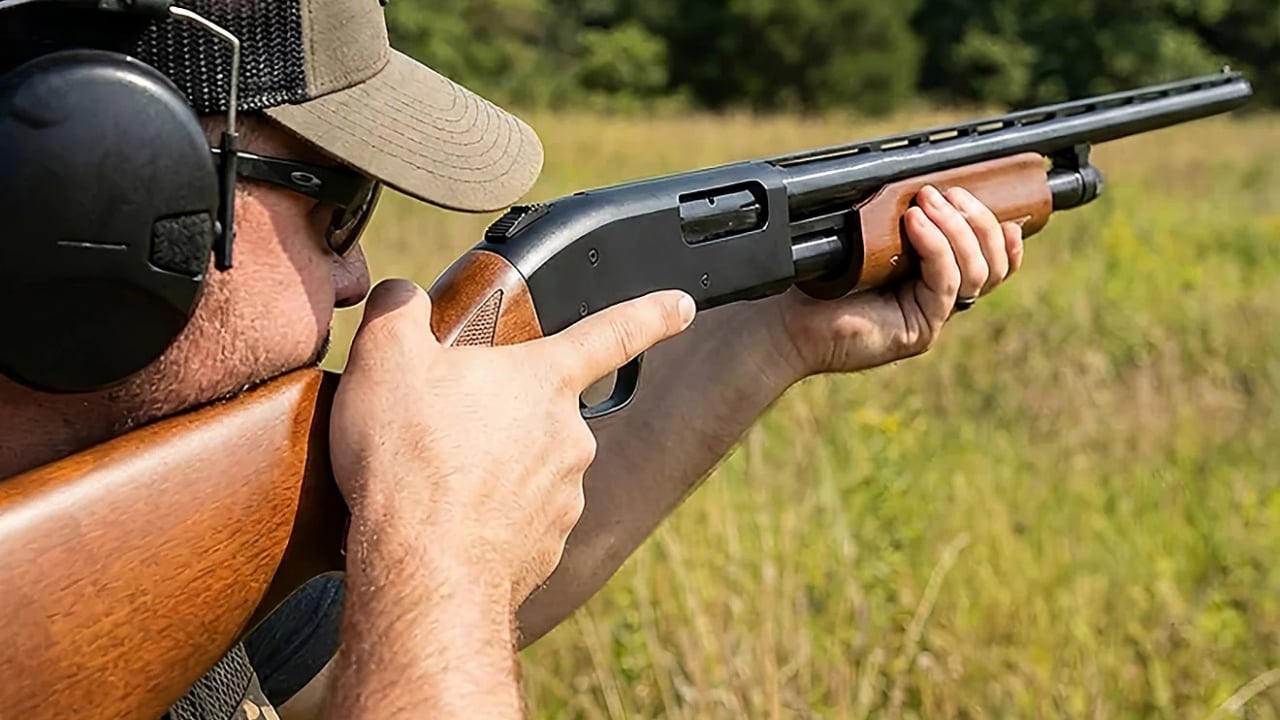
The Mossberg 500 is one of those “it just keeps going” guns, especially as a truck-and-field pump that doesn’t ask for pampering. It’s also easy to configure with different barrels, and you can find parts and accessories everywhere. In a duck blind, a 500 can take a beating and still do the job when you need it to.
The problem that keeps showing up is the rattly, loose feel and occasional action binding when you run it hard from odd positions. Some of them feel like a toolbox being shaken, and that’s not just snob talk—noise matters when you’re easing the slide on a close bird. Add cold hands and gloves, and that less-refined action can make you short-stroke it if you’re not deliberate. It’s not a deal breaker, but it’s a constant “yep, that’s a 500” thing.
3. Mossberg 835 Ulti-Mag
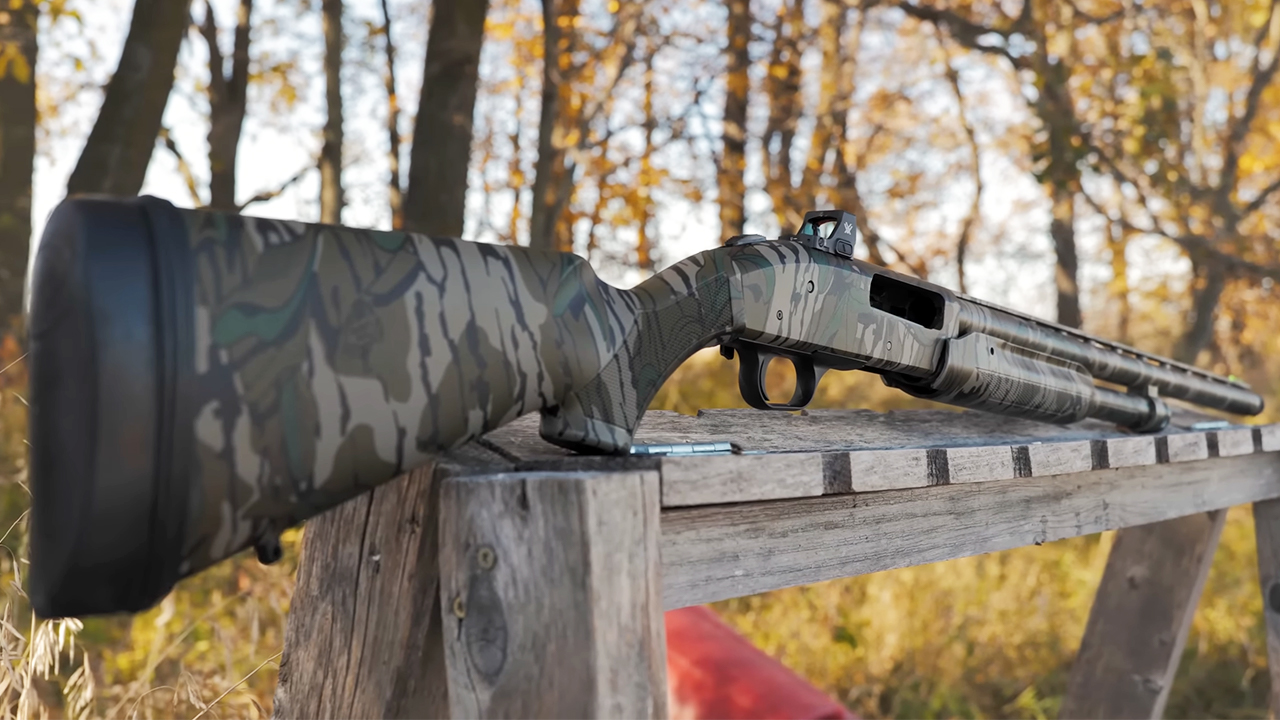
The 835 has a loyal following because it throws heavy waterfowl payloads like it means it. It’s a turkey and goose gun that can live in a muddy boat, get hosed off, and keep hunting. The overbored barrel concept can pattern certain loads very well, and plenty of folks swear by them for big birds.
The one problem is the way it can beat up the shooter with stout 3 1/2-inch loads. Recoil isn’t just about comfort; it shows up as flinching, rushed follow-through, and slower second shots when things get fast. A gun that you dread touching off isn’t as useful as it looks on paper. The 835’s heft helps some, but not enough to hide what those loads feel like after a long morning. If you buy one, plan on finding a load it likes that you also like shooting.
4. Winchester SXP
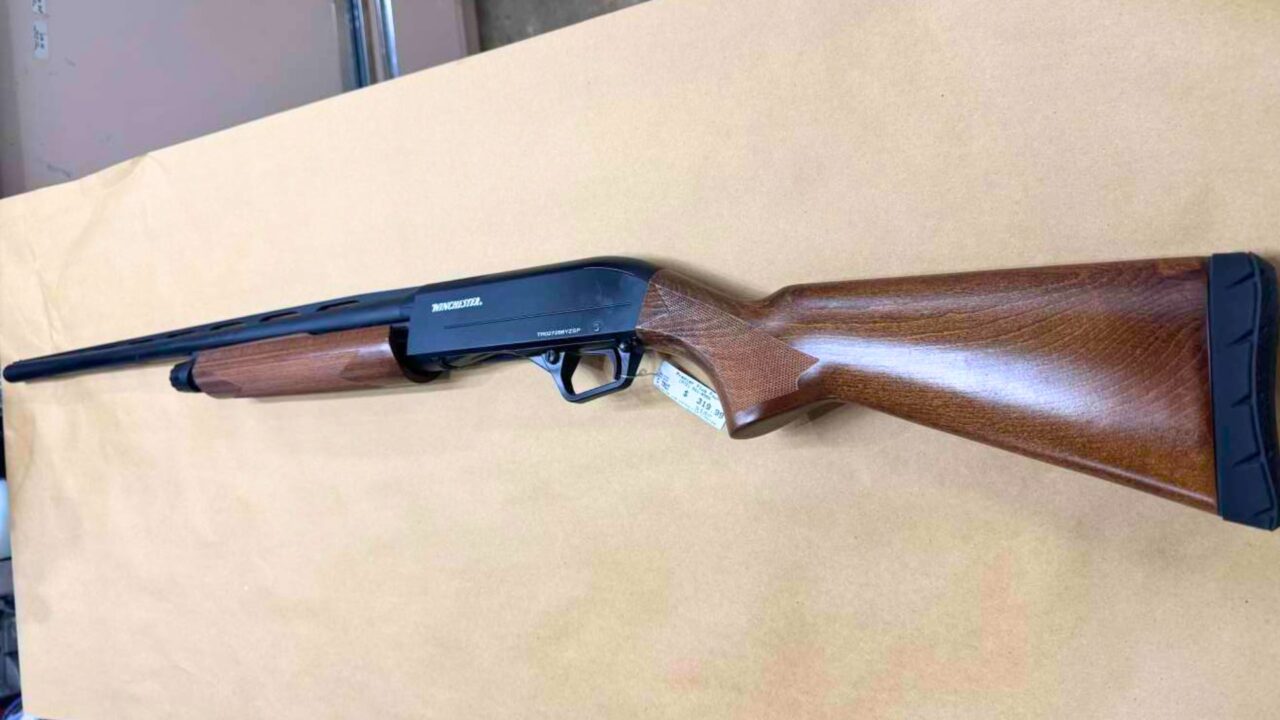
The SXP is a slick, fast pump that surprises folks who assume “budget pump” means clunky. The rotating bolt and quick action make it easy to run, and in the uplands it carries light enough to be enjoyable. When they’re running right, they can feel quicker than they have any business feeling for the money.
The repeat issue is inconsistent fit and finish, and it shows up in little ways that get old in the field. Some examples develop stiff actions when dirty, and some have shell lifter or feed quirks that only appear with certain hull lengths or when you’re cycling it fast. It’s the kind of thing that won’t show itself during a careful, slow function check at the counter. If you want one, put it through a hard afternoon on clays before you trust it on a once-a-year trip.
5. Benelli Nova
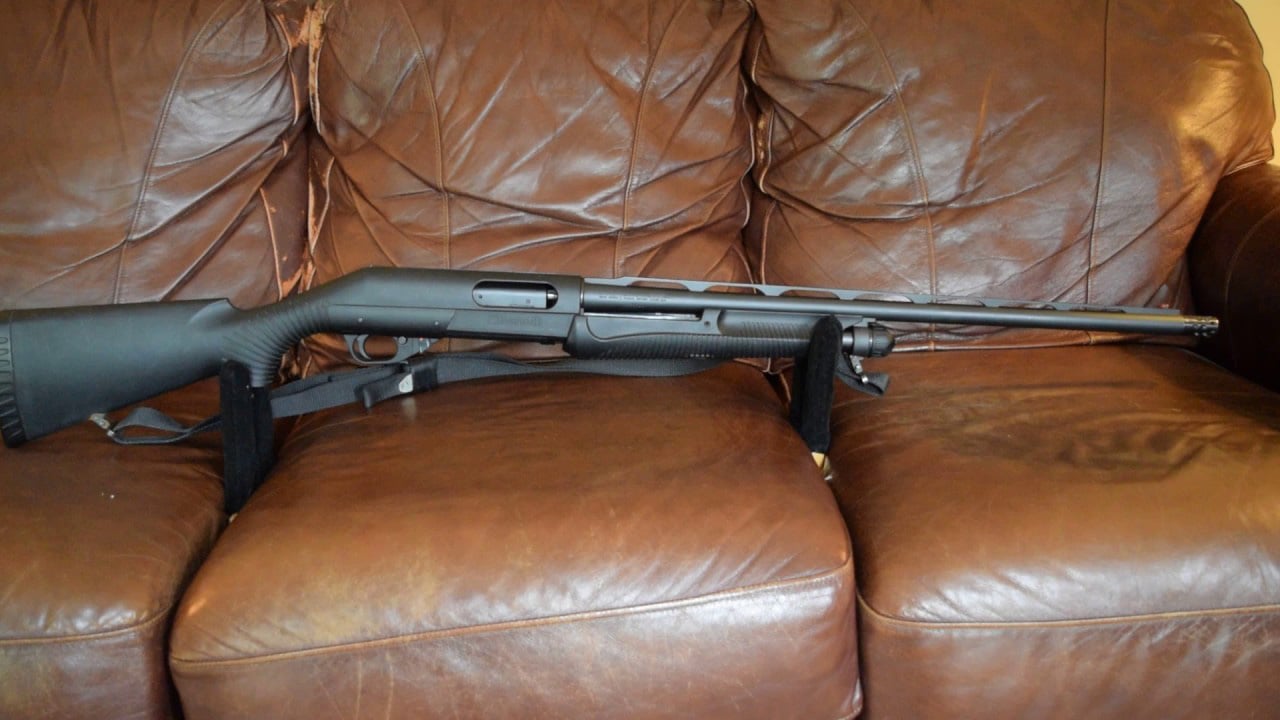
The Nova is tough. It’s the shotgun equivalent of a pair of rubber boots: not pretty, not delicate, and it’s fine with being soaked. For a duck gun that’s going to be leaned in a corner of a blind and dragged through flooded timber, the Nova makes a lot of sense. They point better than their looks suggest, too.
The consistent complaint is the fore-end and action feel in cold weather, especially with gloves. The big, slick polymer surfaces can get hard to grip when your hands are wet and numb, and that’s when a pump needs to be absolutely positive. Another issue that pops up is the infamous “stuck shell” feeling with certain swollen hulls if you don’t keep the gun reasonably clean. A Nova will take abuse, but it still likes basic maintenance and firm handling.
6. Benelli SuperNova
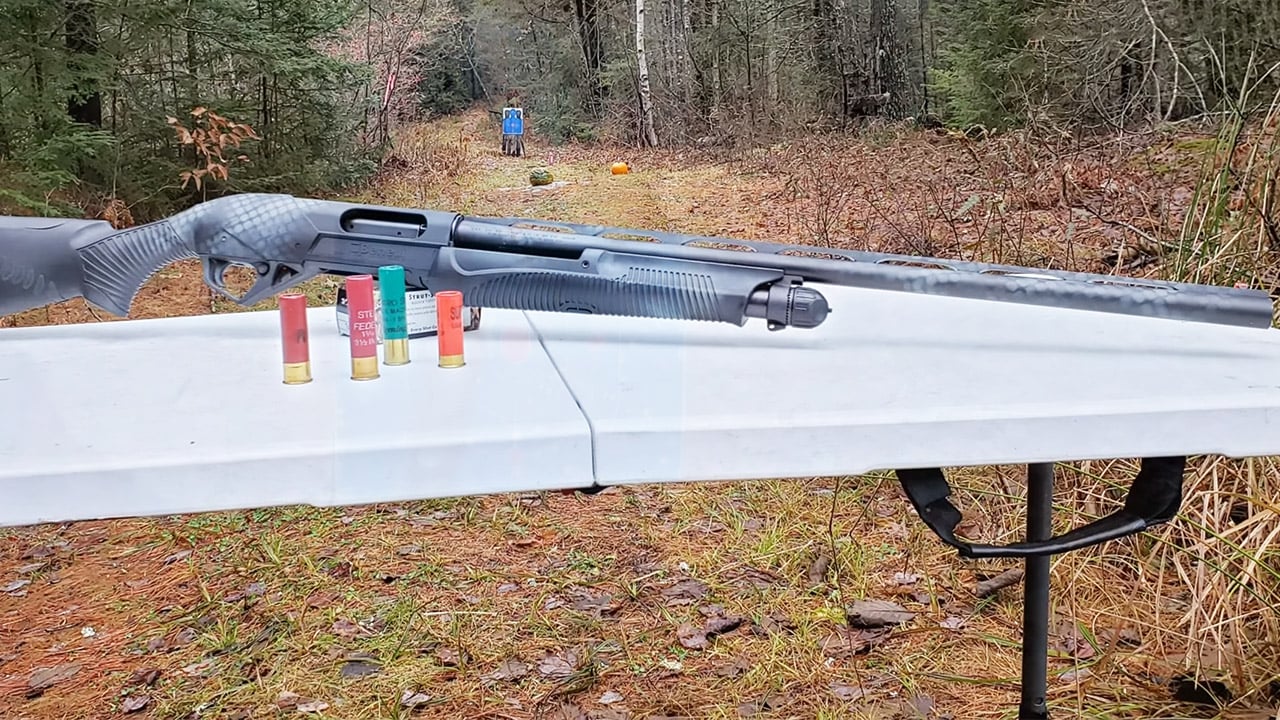
The SuperNova adds some comfort features over the Nova, and in theory it’s the upgraded version for the same general role: nasty-weather hunting where you want a pump that doesn’t get moody. With the right stock setup, they can be very manageable with heavy loads, and they shoulder well for a lot of shooters.
The problem that shows up is bulk. It’s not just weight on a scale; it’s the way it feels moving through brush or getting in and out of a boat. The longer receiver area and chunky fore-end make it feel bigger than other pumps, and that can slow you down in tight cover. If you hunt thick grouse woods or you’re climbing fences all day, you’ll notice it. Great tool, but it’s a big wrench.
7. Browning BPS
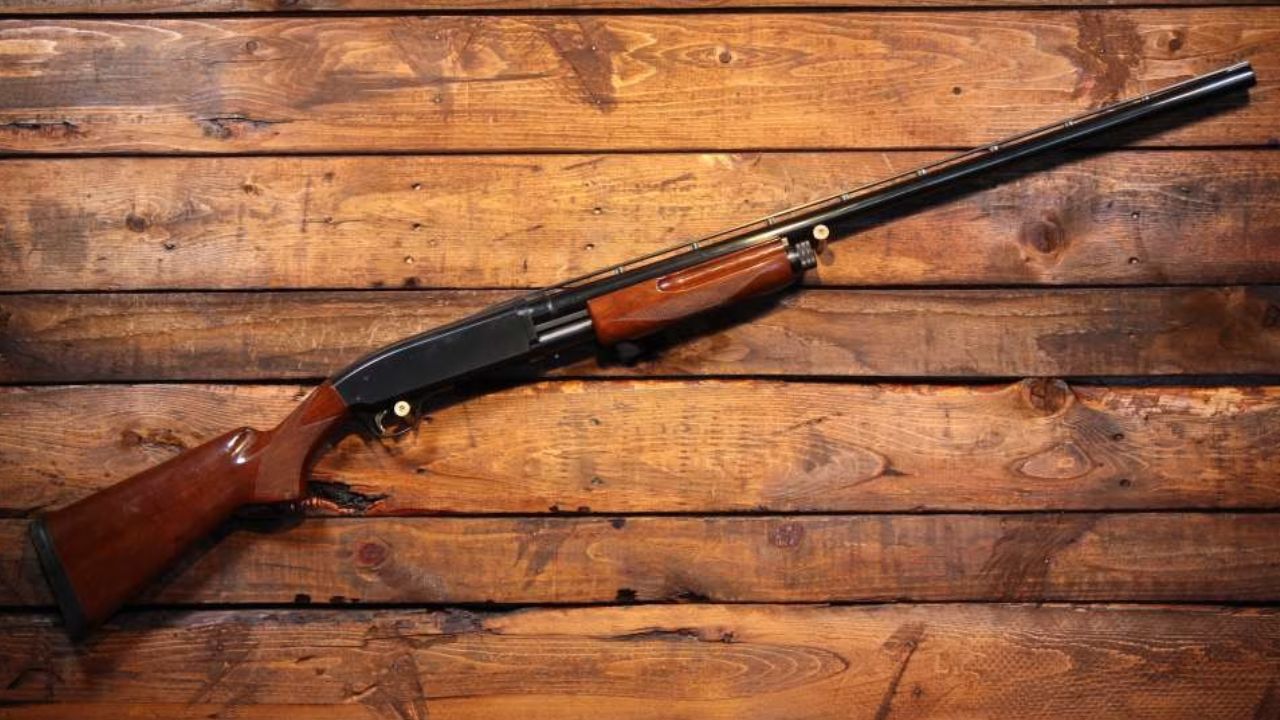
The Browning BPS is one of the best-handling pumps ever made, and that bottom-eject setup is genuinely nice for lefties and for anyone who’s tired of hulls bouncing off jackets in a blind. They’re smooth, they feel solid, and they tend to last. For a classic pump that can do everything from pheasants to ducks, it’s an easy gun to respect.
The problem is weight, and it’s the kind that doesn’t show itself until mile three. A BPS with a longer barrel can feel like it’s growing heavier as the day goes on. If you’re a stand hunter or you mostly hunt from a blind, it’s no big deal. If you’re walking CRP and cattails, you’ll start thinking about lighter options. Great gun, but it can wear you down over a season.
8. Ithaca Model 37
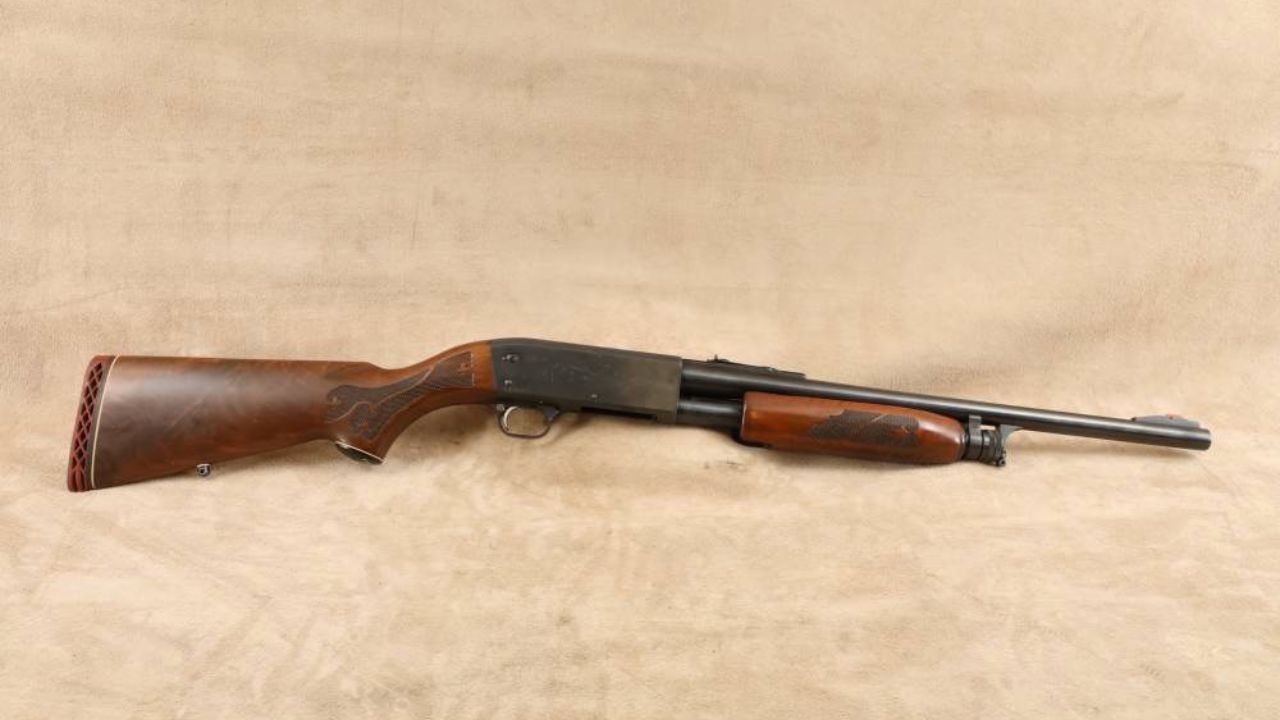
The Model 37 is one of those guns that makes you understand why old-timers hang on to what works. Bottom ejection, slim receiver, lively balance—there’s a reason they’re still carried. In the uplands, a good 37 is quick on the rise and easy to keep moving through a crossing shot.
The constant issue is parts, service, and variation across production eras. You can buy one that runs like a sewing machine, then spend months chasing a small part or a smith who really knows them if something goes weird. Another recurring gripe is the loading port and how it treats your thumb compared to more modern designs. They’re excellent field guns, but they can be needy in a way that a hardware-store pump isn’t.
9. Remington 1100
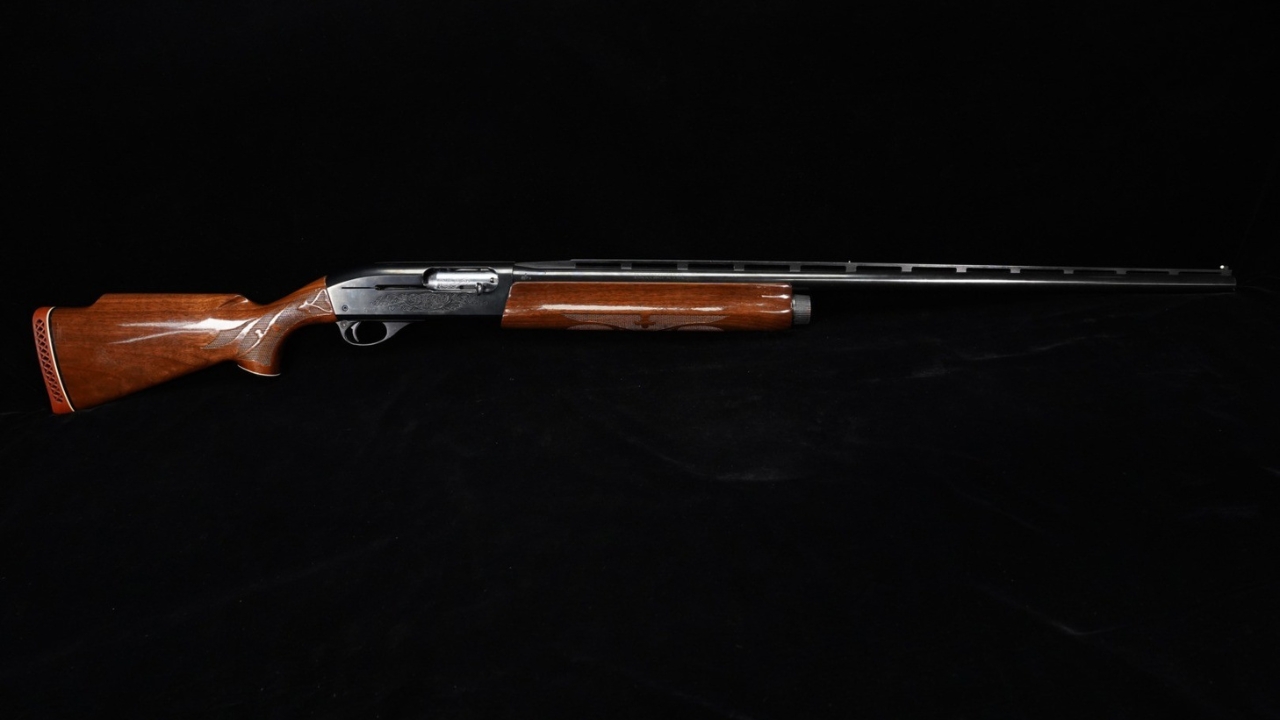
A clean Remington 1100 is a joy. Soft recoil, smooth cycling, and a swing that feels “right” on passing doves or late-season roosters. Plenty of them have lived full lives in duck blinds and still keep ticking. If you grew up around one, the 1100 has a way of feeling like home.
The one problem is that they’re maintenance-sensitive compared to modern gas guns, and the same weak point shows up: O-rings and gas system cleanliness. When an 1100 starts acting up, it’s often something simple, but it’s still a failure that happens at the wrong time. Cold weather, wet conditions, and neglect are a bad mix for them. If you’re the kind of hunter who wipes down a gun and calls it good, an 1100 will eventually remind you it wants more attention than that.
10. Remington 11-87
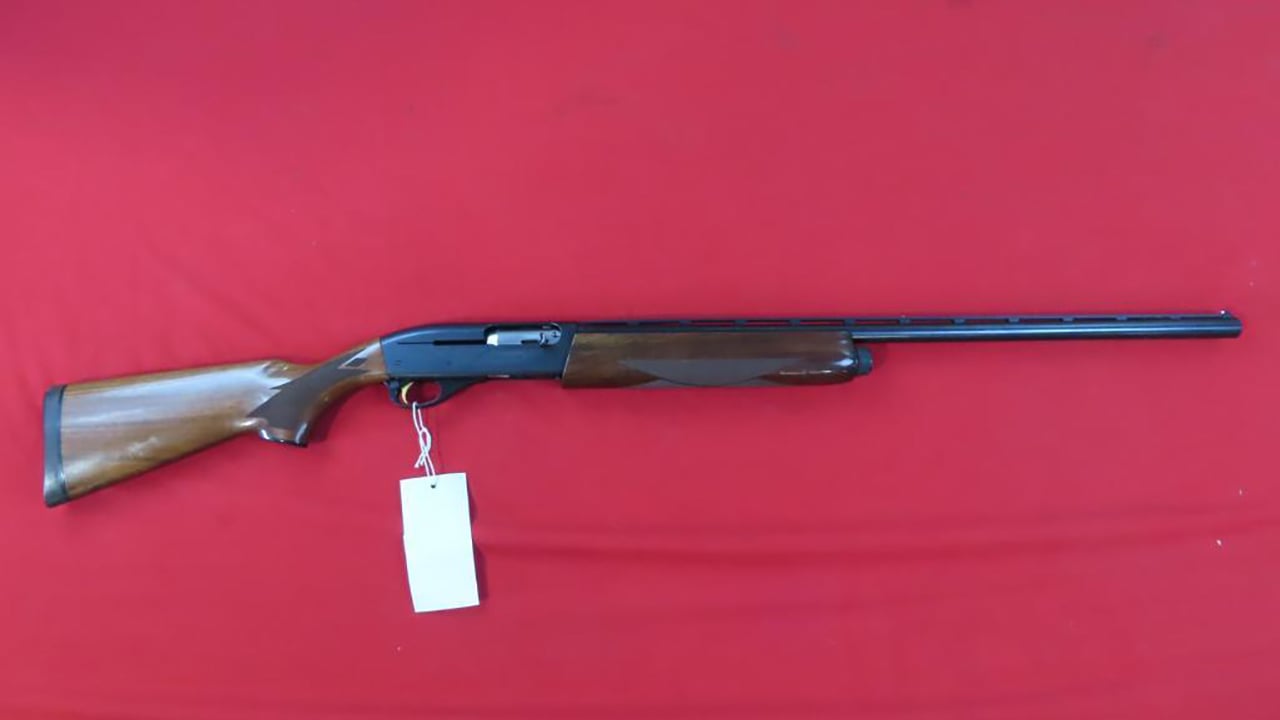
The 11-87 is the “working man’s” sibling to the 1100, and in the field it can be a very good compromise gun for different loads. When they’re set up right, they shoot soft, point well, and do a nice job with ducks and pheasants without beating you up. I’ve seen plenty that were honest, reliable tools.
The repeated issue is finicky cycling when you mix very light and heavier loads, especially if the gun is dirty or the seal system isn’t happy. Some examples will run like champions on hunting shells but get sluggish with light target ammo, which is annoying when you want one gun for everything. Another problem is that once they start to choke on dirty gas parts, the decline is quick. You can go from “fine” to “why won’t it run” in a single morning.
11. Beretta A300 Outlander
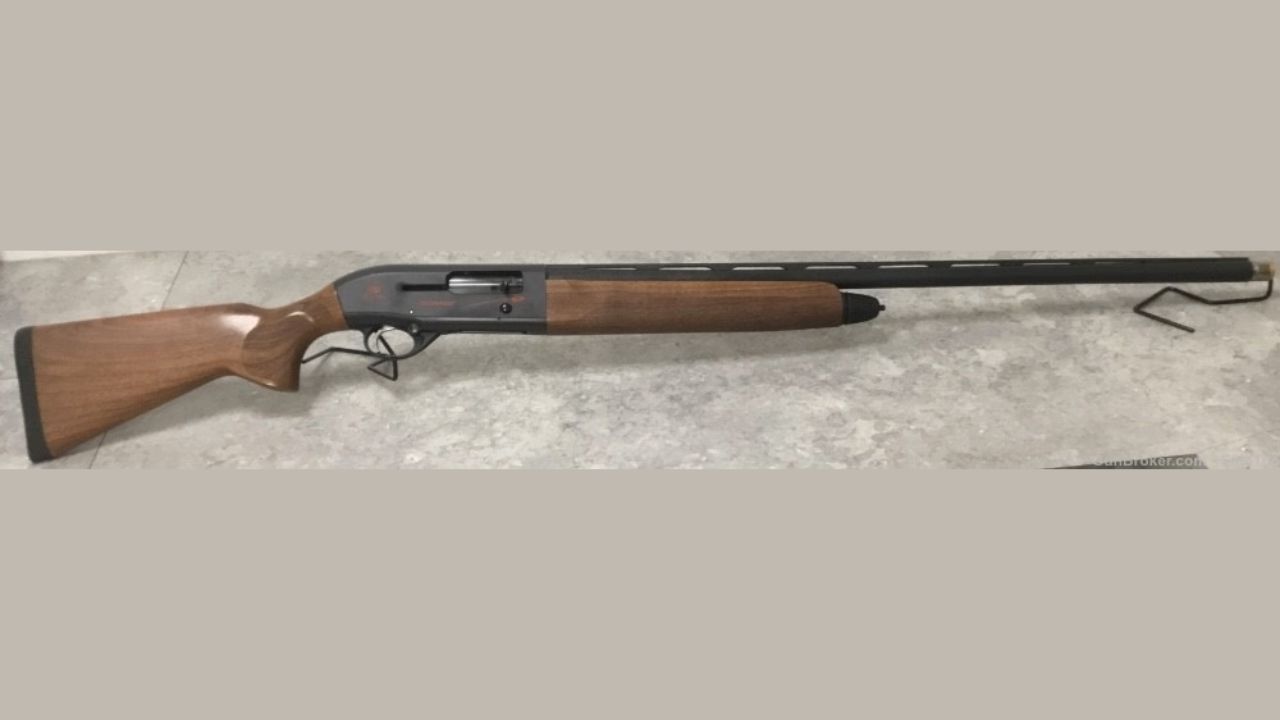
The A300 Outlander is one of the better values in a modern semi-auto that still feels like a real field gun. It’s usually reliable, not overly complicated, and it fits a wide range of shooters. For a do-it-all shotgun that can hunt Saturday and shoot clays Sunday, the A300 has earned its spot.
The recurring gripe is that the factory stock dimensions don’t magically fit everyone, and poor fit shows up every single time you mount the gun under pressure. A gun that shoots high or low for you becomes a “miss behind, miss over” machine on fast birds. The gun isn’t broken, but it becomes your problem all season. Another complaint is that the finish and cosmetics can wear faster than folks expect if you treat it like a boat oar. It’s a field gun, not a safe queen, but the wear surprises people.
12. Beretta 390
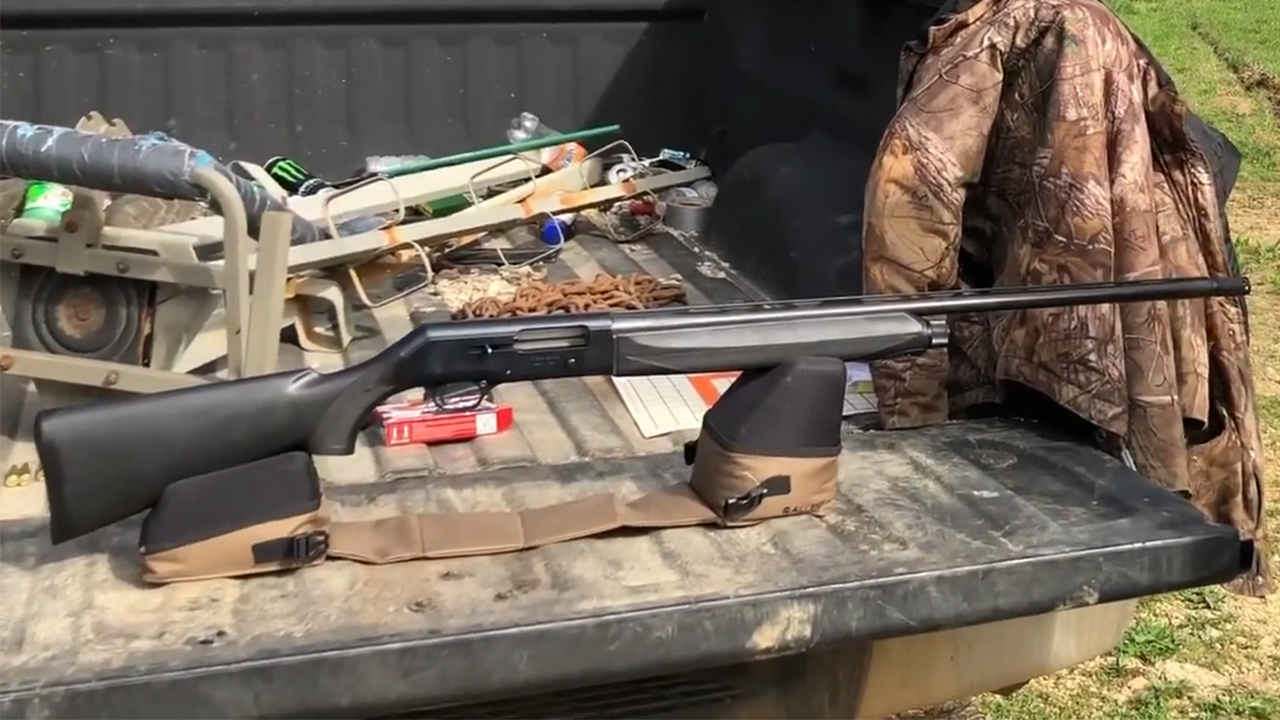
The Beretta 390 has a well-earned reputation for being a soft-shooting, reliable gas gun that just keeps hunting. They balance nicely, and they’re often found in that sweet spot where “old enough to be affordable” meets “new enough to be very usable.” A lot of them have seen serious waterfowl seasons and keep running.
The issue that comes around is age-related parts and seals, plus the fact that some used guns have been “fixed” by folks who didn’t quite know what they were doing. You’ll see mysterious cycling issues that trace back to worn springs, tired gas components, or improvised repairs. None of it is unsolvable, but it can turn a bargain into a project. If you’re buying one used, you’re buying the previous owner’s maintenance habits too. Ask me how I know.
13. Beretta 391

The 391 is a fantastic shooter when it’s sorted out. It’s a favorite in a lot of circles because it points naturally, handles recoil well, and can be very fast between shots. For high-volume dove hunts or late-season ducks where follow-ups matter, the 391 can feel like it’s doing you a favor.
The problem is complexity compared to simpler semi-autos, and it tends to show up as sensitivity to grime and tiny assembly details. If you’re the kind of hunter who breaks a gun down on a tailgate in fading light, it’s easy to put something back slightly wrong and create headaches. Also, some 391s can be picky about certain loads until they’re broken in and kept reasonably clean. Great gun, but it rewards the owner who pays attention.
14. Benelli M2
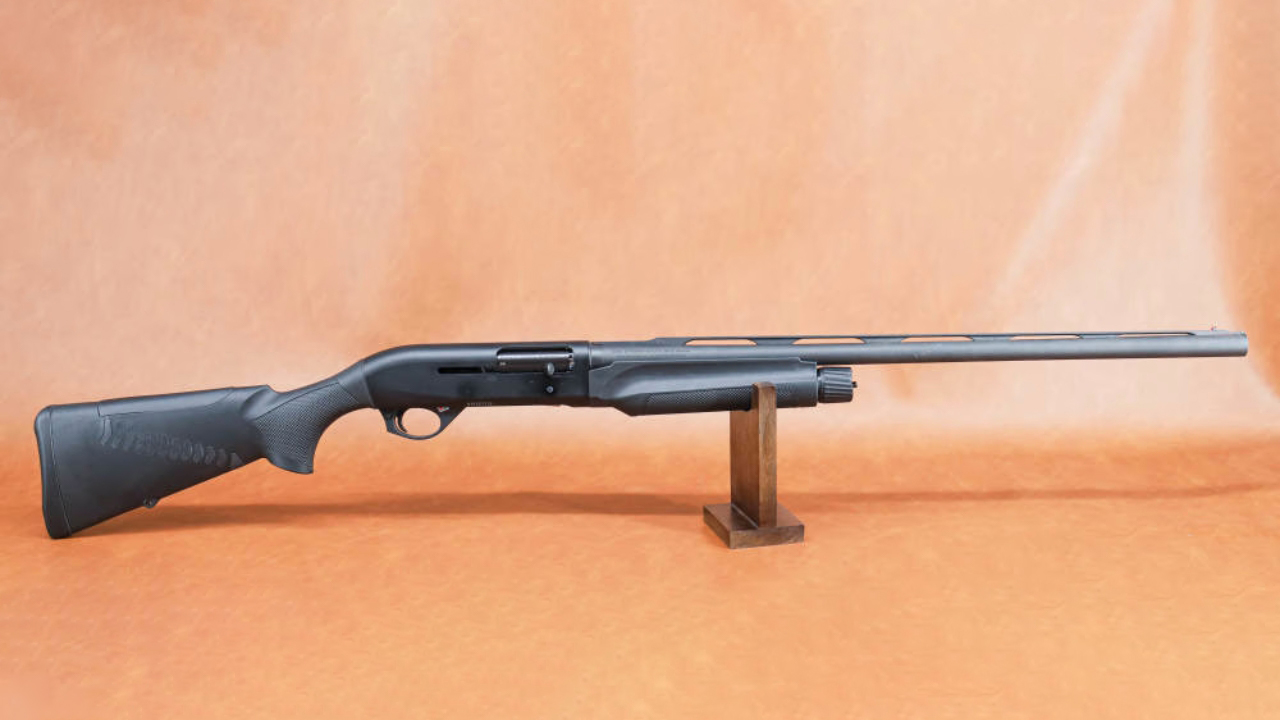
The M2 is one of those inertia guns that feels like it was designed by someone who actually hunts. It’s light, quick, and it carries like a dream when you’re walking all day. For upland birds, it’s hard to argue against an M2 that fits you. In a duck blind, they’re also simple and generally reliable in nasty weather.
The same problem keeps showing up: recoil impulse and the way inertia guns can feel snappy, especially with lighter guns and heavier loads. That sharper recoil can make you lift your head or get sloppy on follow-through if you’re not disciplined. Another repeat issue is occasional light-load cycling, depending on the gun and how it’s held. If you shoot from weird positions in layout blinds or you’re bundled up and not mounting consistently, you can see hiccups. It’s not constant, but it’s common enough to mention.
15. Benelli Super Black Eagle III

If you live for waterfowl season and you don’t want to baby a gun, the Super Black Eagle line is hard to ignore. They’re made to get wet, get cold, and keep moving. The SBE3 swings nicely for a 3 1/2-inch capable semi-auto, and they have a reputation for running when other guns start getting sluggish.
The one problem that shows up every time is the price, and I don’t mean just sticker shock. It’s the kind of cost that makes a guy hesitate to lean it against a muddy blind wall or hand it to a new hunter who’s still learning muzzle awareness. A field gun should be used hard, and it’s tough to fully relax with that much money in your hands when the weather turns ugly. They’re excellent, but they can make you act like the gun is the hunt instead of just a tool.
16. Stoeger M3000
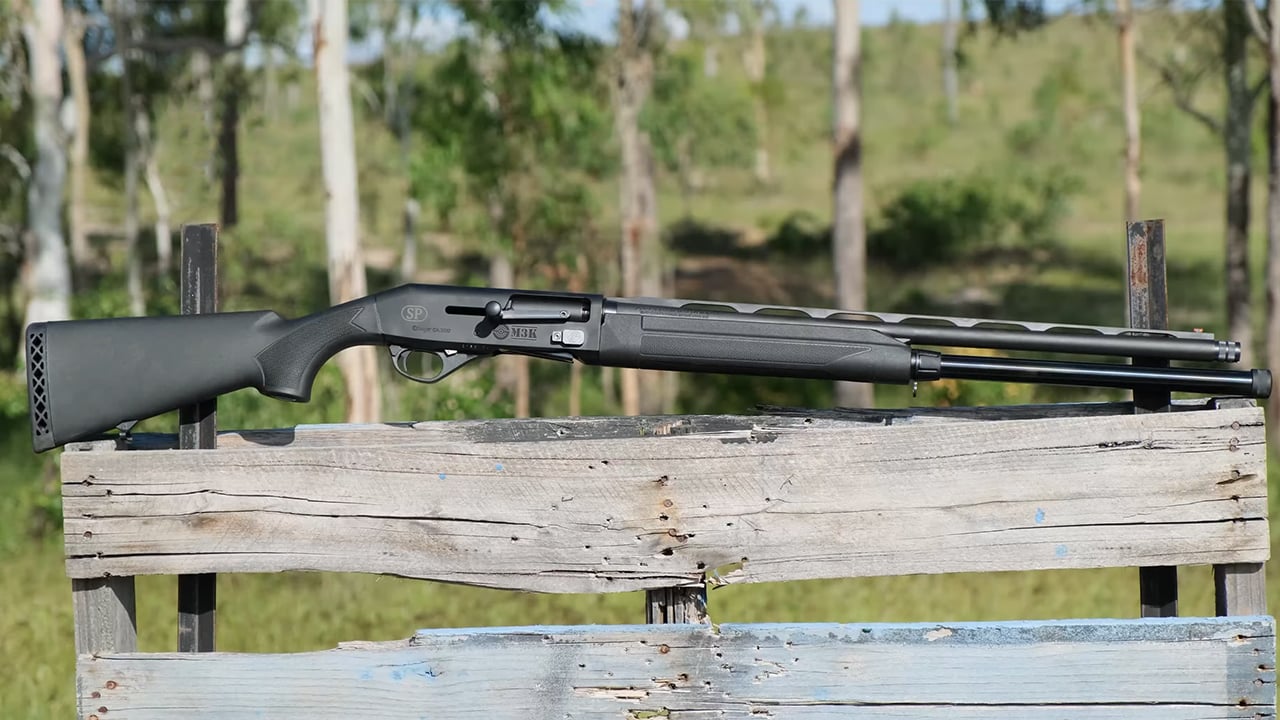
The Stoeger M3000 has put a lot of birds in the bag for folks who wanted an inertia gun without paying Benelli money. When you get a good one, it runs, it points decent, and it’s the kind of semi-auto you’re not afraid to scratch up. For waterfowl on a budget, that matters.
The recurring issue is inconsistency between individual guns and a break-in period that can feel like a chore. Some M3000s eat everything early, and some act like they’re offended by light loads for a while. When the problem shows up, it’s usually a failure to cycle at the worst moment—first volley on a group of teal, or when the second shot is the one that counts. You can work around it by choosing loads that the gun likes, but that’s still you adapting to the gun, not the other way around.
17. Franchi Affinity 3

The Affinity 3 is one of the nicest-handling “mid-price” inertia guns out there. They’re light, trim, and they mount fast, which is exactly what you want on pheasants and quail. A lot of hunters pick one up and immediately shoot it well because the geometry just makes sense for them.
The problem is that light and trim can become “whippy” for some shooters, especially on longer crossing shots or in windy conditions. If your swing gets ahead of your eyes, you’ll notice it with an Affinity quicker than you will with a heavier gas gun. Another repeat complaint is felt recoil with heavy loads compared to gas guns in the same weight class. It’s not abusive, but it’s there, and after a long day of waterfowl it can make you wish for a softer push instead of that sharper snap.
18. CZ Drake (over/under)
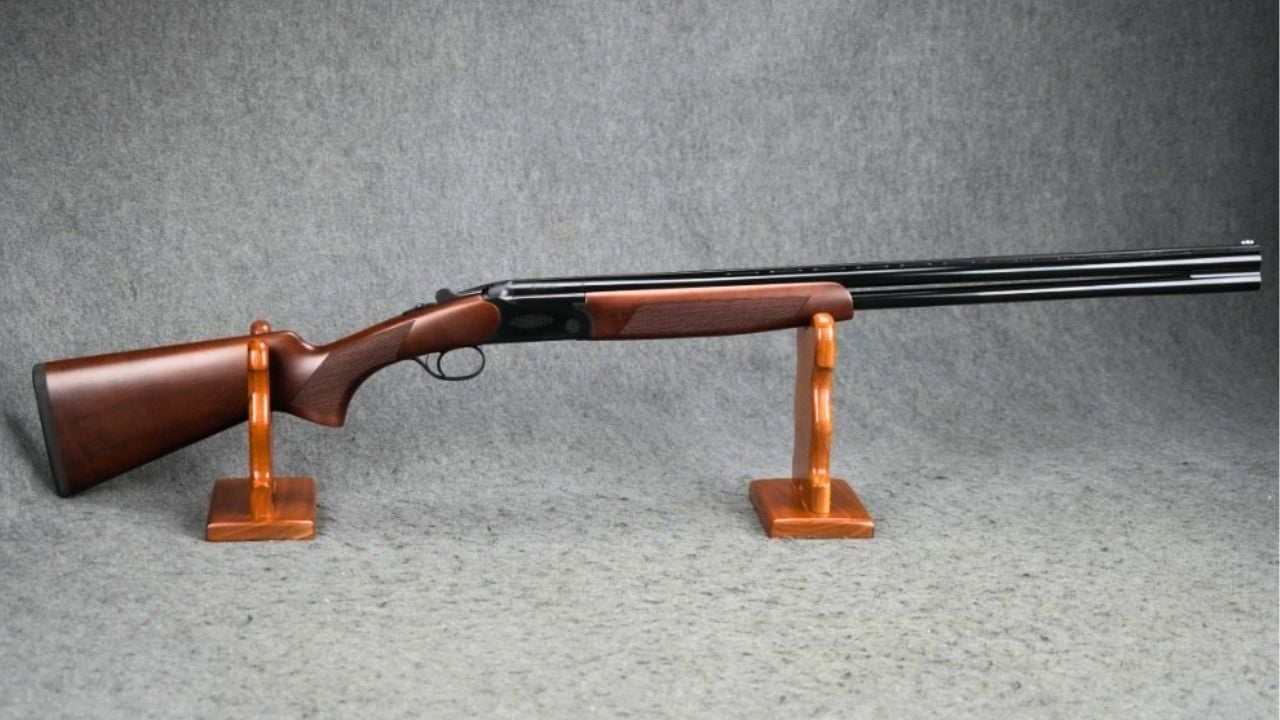
The CZ Drake has opened the over/under world to a lot of hunters who wanted a double gun without taking out a loan. In the uplands, a simple O/U is hard not to like: two chokes ready to go, easy to make safe, easy to confirm loaded or unloaded, and it carries flat against the body. The Drake can be a genuine, honest bird gun.
The issue that keeps showing up is stiffness and durability quirks as round counts climb, especially if you also shoot a lot of clays. Some Drakes loosen up nicely; others stay stiff or start to show small issues like ejector/extractor timing, top lever feel, or trigger inconsistency. Over/unders also don’t forgive neglect the way a pump sometimes will, and budget O/Us can be less tolerant of hard use. It’ll hunt fine, but it can be the kind of gun that needs attention before problems become “gunsmith problems.”
19. Weatherby SA-08

The SA-08 is one of the better-kept secrets in a light, affordable gas-operated semi-auto. When it’s running right, it’s soft on the shoulder and carries easy. In 20 gauge especially, it’s a pleasant field companion that doesn’t feel like a fence post by lunchtime.
The repeat offender is load sensitivity and setup sensitivity. Some models use different pistons or settings for light versus heavy loads, and if you forget what you have installed, the gun will remind you at the wrong moment. It’s not difficult, but it’s one more variable when you’re juggling shells, weather, and gear. Another issue is that very light guns can get “bouncy” in the swing, and if you’re shooting late-season roosters that flush wild, you might feel like you’re fighting the gun a little to stay smooth.
20. Savage/Stevens 320
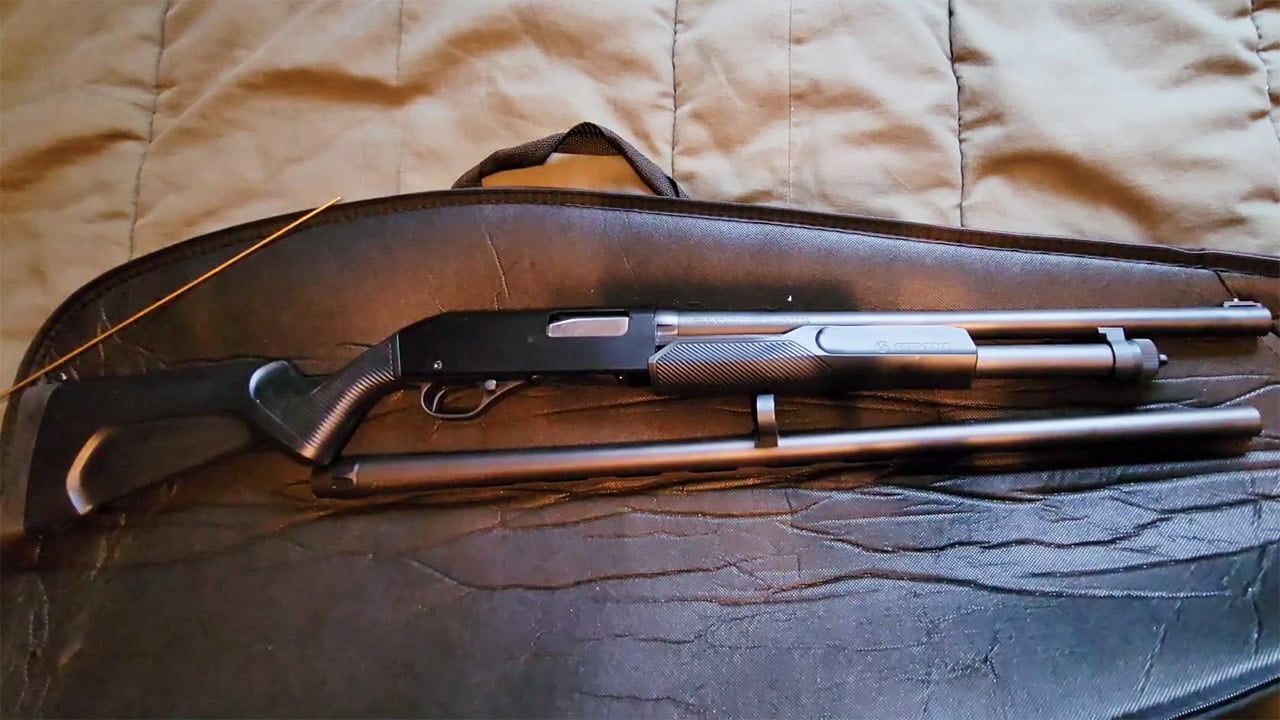
The Stevens 320 is a bare-bones pump that a lot of folks grab as a first shotgun, a loaner, or a beater for rough conditions. They can absolutely hunt. If you keep expectations realistic, they’ll break clays, kill rabbits, and ride behind a truck seat without making you nervous. There is nothing fancy about it, and that is kind of the point.
The problem that shows up consistently is the roughness in the action and controls, which becomes more noticeable when you’re trying to be quiet. In the field, you don’t always get to work a pump like you’re mad at it. When you try to ease it, the gun can feel crunchy, and that’s when feeding and user-induced short-stroking can happen. Another repeat issue is that small parts and fit can vary, so one 320 feels “fine,” and another feels like it was assembled on a Friday afternoon. As a tool, it works—but it asks more of the shooter.
None of these shotguns are junk, and plenty of them have earned real trust the hard way. The trick is admitting that “one problem” matters because it repeats under hunting conditions, not range conditions. If you know the weak spot going in, you can either choose around it or plan for it. The worst feeling is not missing a bird—it’s realizing your gun did the same irritating thing again, exactly when you needed it not to.
Like The Avid Outdoorsman’s content? Subscribe to our newsletter so you never miss an article.
Here’s more from us: