Photo credit: Iraqveteran8888/Youtube
Every pawn shop has the same glass case problem: the flashy stuff gets tagged like it’s made of gold, and the plain-looking workhorses sit there with a number on them that makes you do a double take. These are the handguns that don’t photograph well, don’t impress anybody in a quick glance, and don’t come with a cool backstory on a hang tag. But when you’ve carried a gun in a truck, on a trapline, or in town for years, “boring” starts to look a lot like “trustworthy.”
Here are 20 pistols and revolvers that regularly get priced soft because they look plain in the case—even though they’re the kind of guns you end up actually using.
1. Glock 19 (Gen 3 and Gen 4)
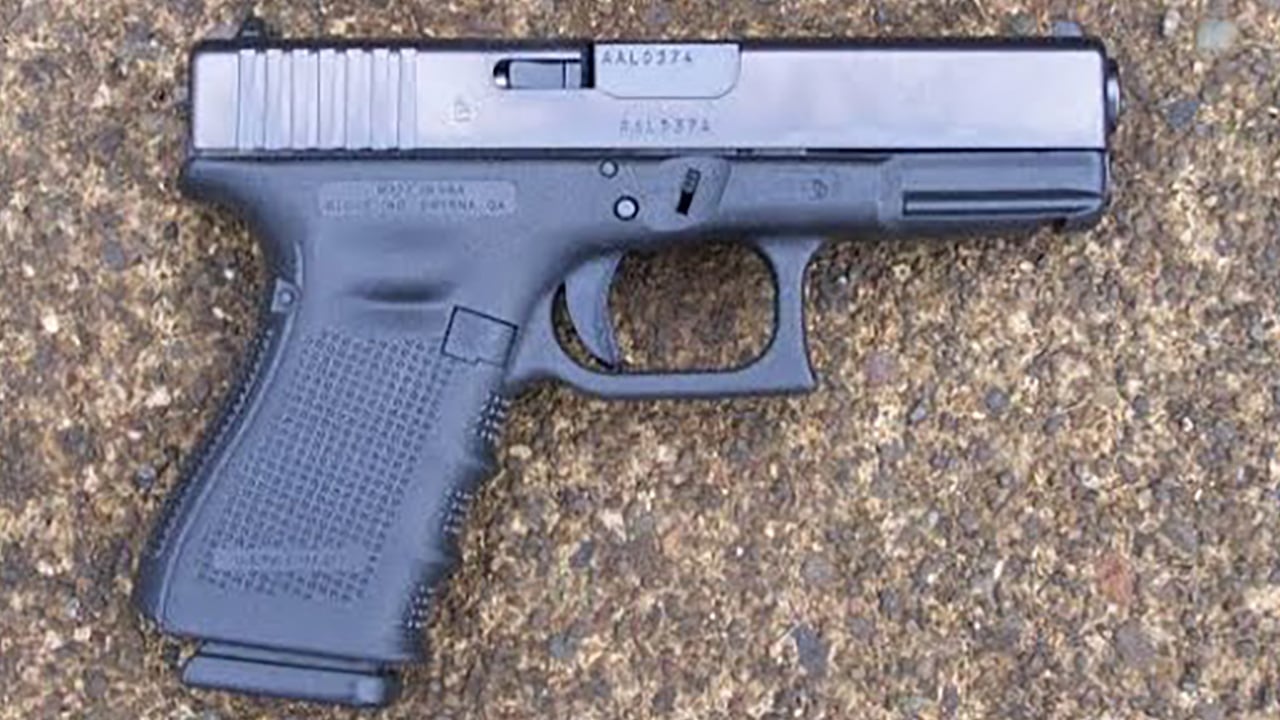
The Glock 19 is so common it can disappear in a display case. Black polymer, blocky slide, nothing fancy. That’s exactly why it gets underpriced—especially older Gen 3 and Gen 4 guns with honest holster wear. Folks see “used Glock” and assume it’s tired or shot out, when most of them have barely been broken in.
What makes it a sleeper is the boring stuff: it runs, magazines are everywhere, parts are everywhere, and any halfway decent holster maker supports it. The size hits that sweet spot for carry and home use without being a brick. If you find one priced like a no-name polymer pistol, don’t overthink it. Check the sights, check the mags, and make sure it isn’t some chopped-up project. Otherwise, it’s hard to go wrong.
2. Smith & Wesson Model 10
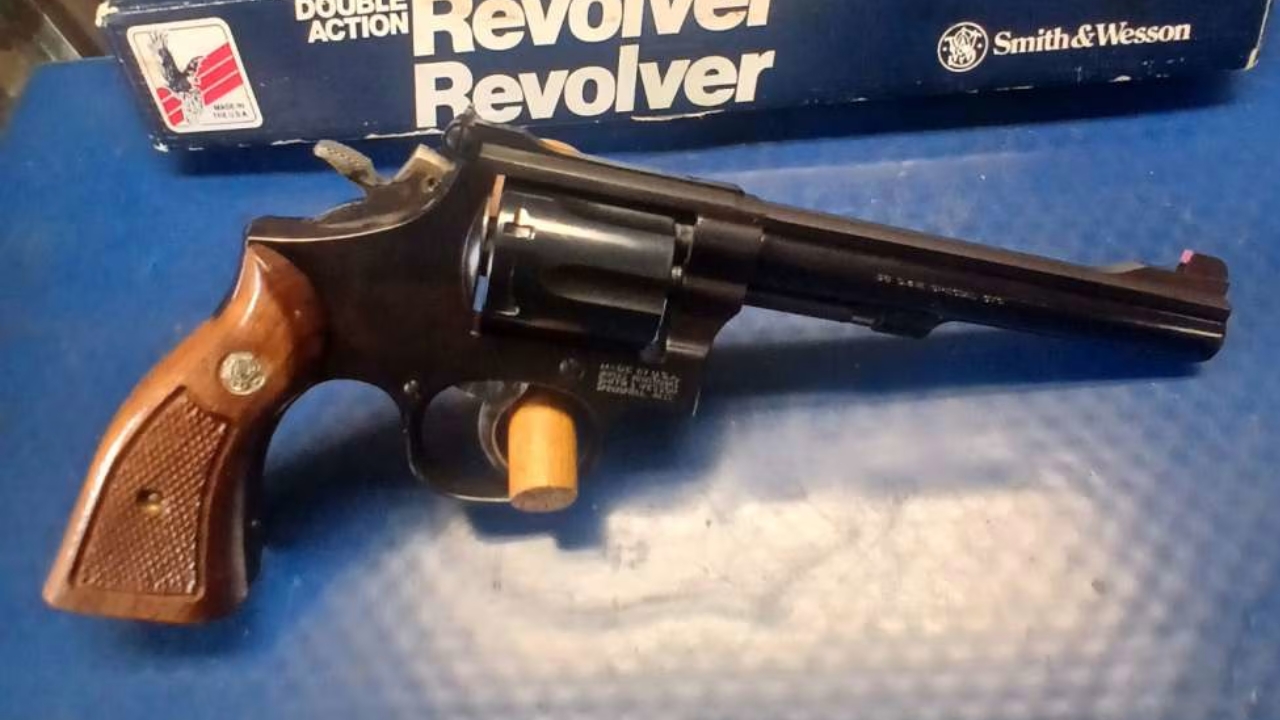
A blued K-frame with fixed sights doesn’t turn heads anymore, which is a shame. The Model 10 is one of those revolvers that looks like a grandpa gun until you shoot it. In a pawn shop it’ll often sit under the “old police revolver” label, and the price reflects that—even when the lockup is tight and the bore is clean.
With standard-pressure .38 Special it’s easy to shoot well, and the trigger on a decent one is usually better than anything “budget” being made today. It’s also simple: no tiny springs and gadget parts to chase. It’s not a lightweight carry piece, and +P isn’t what I’d feed it all day long, but as a house gun, truck gun, or range revolver, it just makes sense.
3. Ruger P95

If you want a pistol that looks like it was designed during the dial-up internet era, the Ruger P95 will scratch that itch. Big, chunky, and plain. In the case it reads like “old plastic Ruger,” and pawn shops often price it like it’s a second-tier gun. That one hurts, because these pistols have a reputation for being stubbornly reliable.
They aren’t slim, and the DA/SA system turns off folks who only shoot striker-fired guns now. But the P95 is the kind of 9mm you can keep in a glovebox (secured properly) or toss in a range bag and not baby. Magazines are still around, and it’ll eat most ammo without drama. It’s not glamorous. It’s useful, and that’s the point.
4. Beretta 92FS (police trade-ins)

The Beretta 92FS has “classic” written all over it, but police trade-ins still get tagged low when they look scuffed. In a glass case, a worn alloy frame and shiny edges can make it seem beat up. What you’re often seeing is holster wear, not a pistol that’s been abused.
These guns shoot soft for a 9mm, point naturally for a lot of hands, and have a track record that’s hard to argue with. The downside is size—carrying a 92 daily takes commitment—and the safety/decocker setup isn’t everybody’s favorite. Still, if you want a nightstand handgun that’s easy to shoot well and built like it was meant to be used, a trade-in 92FS priced like a random used 9mm is a solid find.
5. SIG Sauer P226 (older German or early U.S. production)
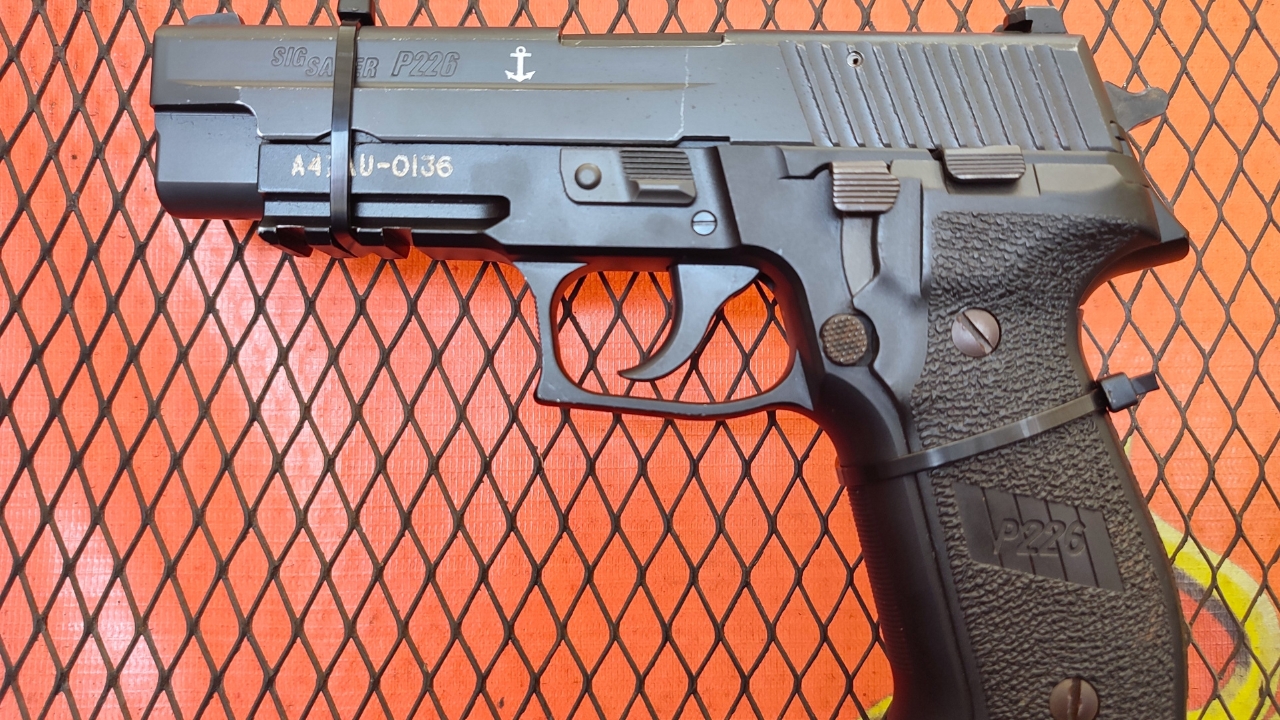
The P226 isn’t “ugly,” but it’s plain enough that it doesn’t pop in a pawn shop unless it has shiny grips or a threaded barrel. Older duty-style P226s can get priced softer than they should, especially when they’re missing the original box or have plain night sights that are long dead.
Where you win is the shooting experience. The weight and balance tame recoil, and a good DA/SA trigger teaches you to run a handgun properly. They’re also durable pistols that hold up to real use. Just pay attention to overall condition: check the frame rails, check for battered locking surfaces, and make sure the magazines aren’t trashed. It’s a lot of pistol when priced like a “generic used SIG.”
6. Smith & Wesson M&P9 (1.0)
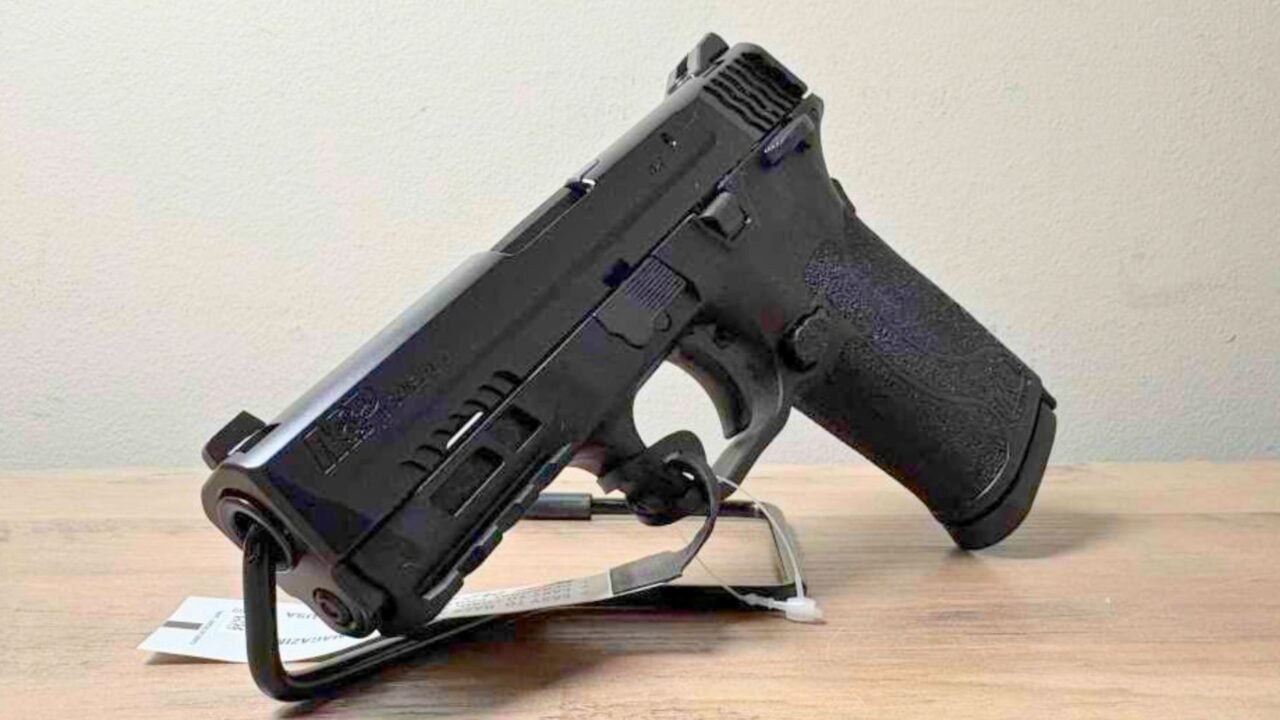
The original M&P9 gets overlooked now that the 2.0 exists. That’s exactly why the 1.0 shows up underpriced. In the case it looks like another black striker-fired gun, and a lot of buyers assume the older version is “the bad one.” Some had mushy triggers, sure. Many are perfectly fine.
For an outdoorsman, the value is in the ergonomics and the availability of mags and holsters. They carry well, they shoot flat, and they tend to be dependable. If the trigger bothers you, that’s fixable without turning it into a science project. Look for one that hasn’t been stippled by a bored teenager. A clean, stock M&P9 1.0 at a low tag price is a practical pickup.
7. Springfield Armory XD9 (Service Model)

The XD series isn’t trendy anymore, so prices sag. In a pawn shop case it’s just another polymer pistol, and a lot of counter guys will talk like it’s yesterday’s news. The truth is, plenty of XDs have been running for years without a hiccup, and they point well for a lot of shooters.
They are a little thick for their capacity compared to newer designs, and the grip safety is a love-or-hate feature. But for a basic defensive handgun, they do the job. Magazines are still easy enough to find, and the guns tend to be accurate. If you find one at “cheap beater pistol” money, inspect it for rust and look at the recoil spring assembly condition. Otherwise, it’s a workable tool.
8. CZ 75B

The CZ 75B can look downright plain sitting next to stainless revolvers and optics-ready polymer guns. All steel, simple sights, and that classic profile. It’s the kind of pistol that gets passed over by folks who don’t know what they’re looking at, which is why you’ll sometimes see a tag that’s strangely reasonable.
It shoots better than it looks. The weight soaks up recoil, the grip shape fits human hands, and accuracy tends to be there even with basic sights. The tradeoff is weight for carry, and some older examples have tiny safety levers that aren’t ideal with gloves. Still, as a range pistol, home gun, or “one 9mm to own,” it’s hard to complain. Replacement magazines are common, and the platform has deep support.
9. Ruger SP101 (2.25-inch)

A small stainless revolver doesn’t scream “deal” to most shoppers. The SP101 looks like a simple snubnose, and pawn shops often price snubs by how pretty they are, not how tough they are. Ruger’s little tank can get underpriced when it has basic rubber grips and a few handling marks.
What you’re buying is durability. The SP101 handles .357 Magnum far better than most lightweight snubs, even if it’s still not “fun” with hot loads. With .38s it’s a very controllable, very practical carry revolver. The sights aren’t target sights, the trigger can be stiff out of the gate, and it’s heavier than the trendy featherweights. But it’s the kind of revolver that keeps working when neglected, and that matters in the real world.
10. Smith & Wesson Model 64
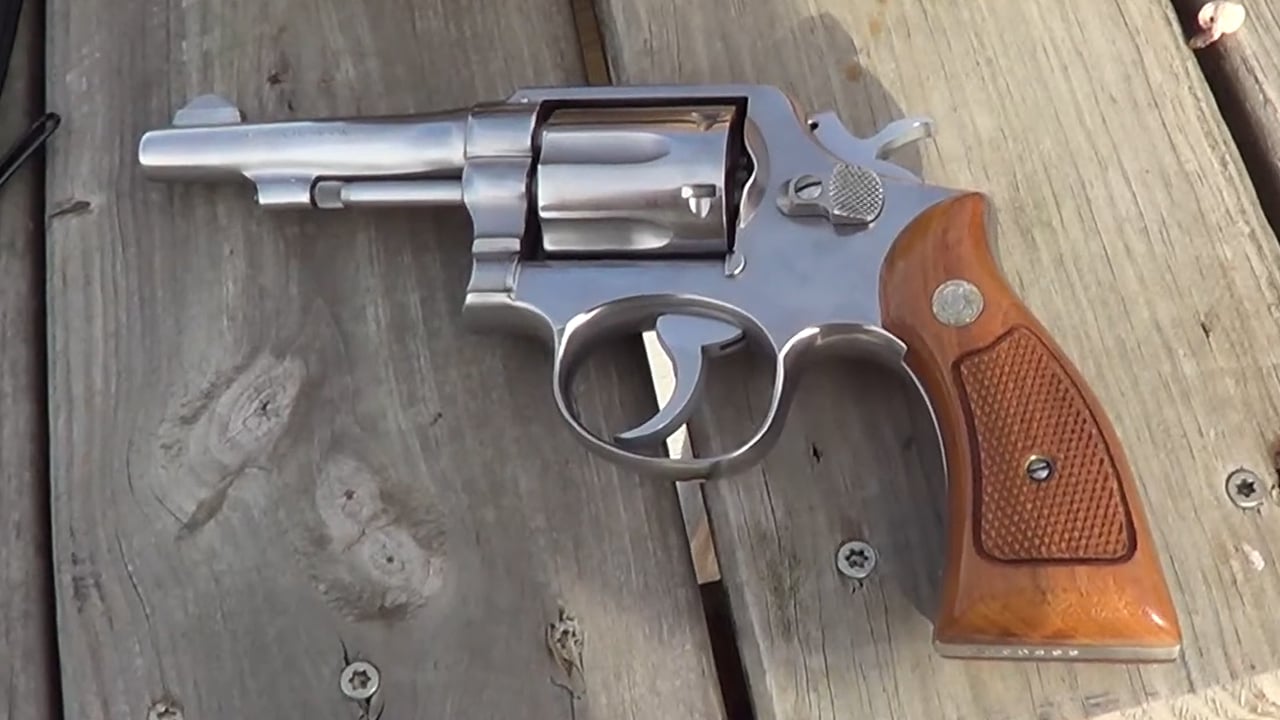
The Model 64 is the stainless twin of the Model 10, and it gets treated the same way at pawn shops: “old cop gun.” Fixed sights, K-frame size, nothing fancy. A lot of them lived in duty holsters and got carried a ton and fired a little. That’s exactly the kind of used gun I like to see.
Stainless makes it a better fit for humid summers, sweaty carry, and truck storage (still secured, still not rattling around). With .38 Special it’s easy to shoot, and the recoil is mild enough that new shooters can learn without getting beat up. It’s not a hunting revolver and it’s not a bragging-rights piece. It’s an honest handgun with an honest job description, and the pawn shop tag often forgets that.
11. Glock 26
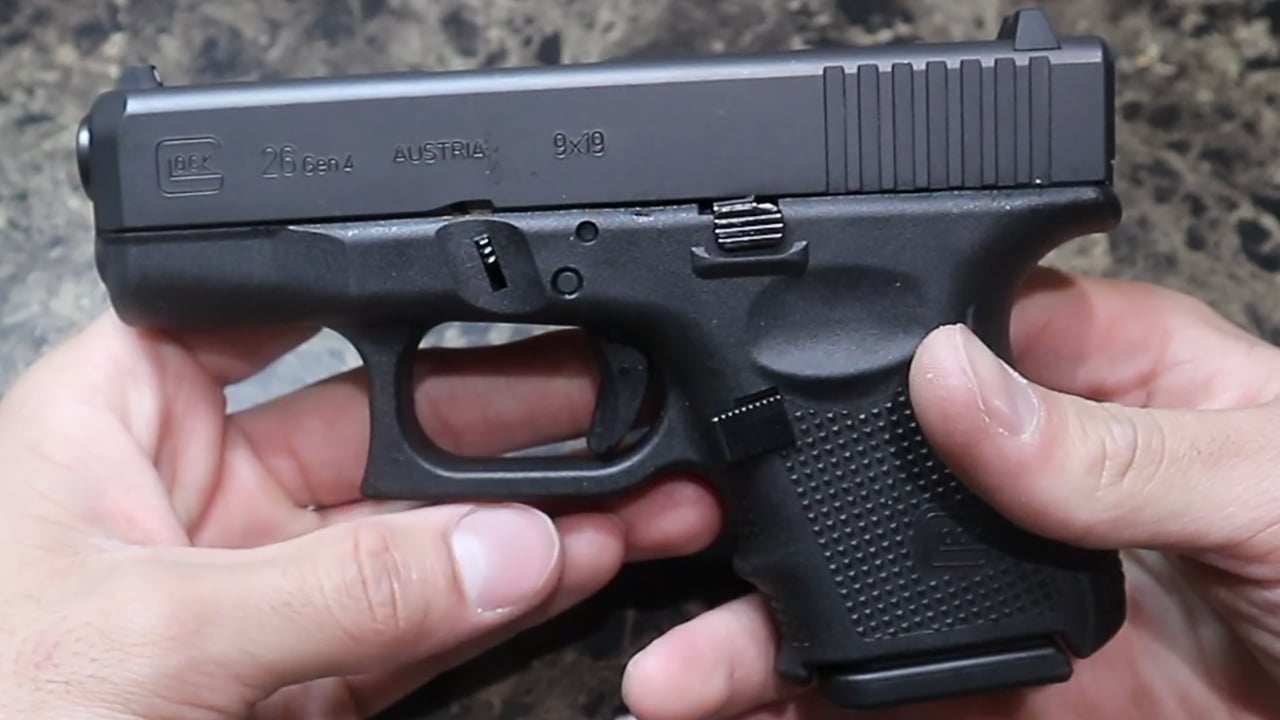
The Glock 26 is another one that looks like nothing special—almost toy-like in the case because it’s short and thick. Pawn shops sometimes undervalue it because buyers want the latest micro-9 that’s thinner. The 26 has been quietly doing the concealed carry job for a long time, and it does it well.
What keeps it relevant is magazine compatibility and shootability. With the right mag it can run like a service pistol, and the short grip still shoots better than a lot of tiny guns. It’s not as slim as the trendier options, and it’s not the easiest to pocket carry. But as a belt gun that disappears under a T-shirt and still runs like a Glock, it earns its keep. Used examples with basic sights can be steals.
12. Ruger Security-9
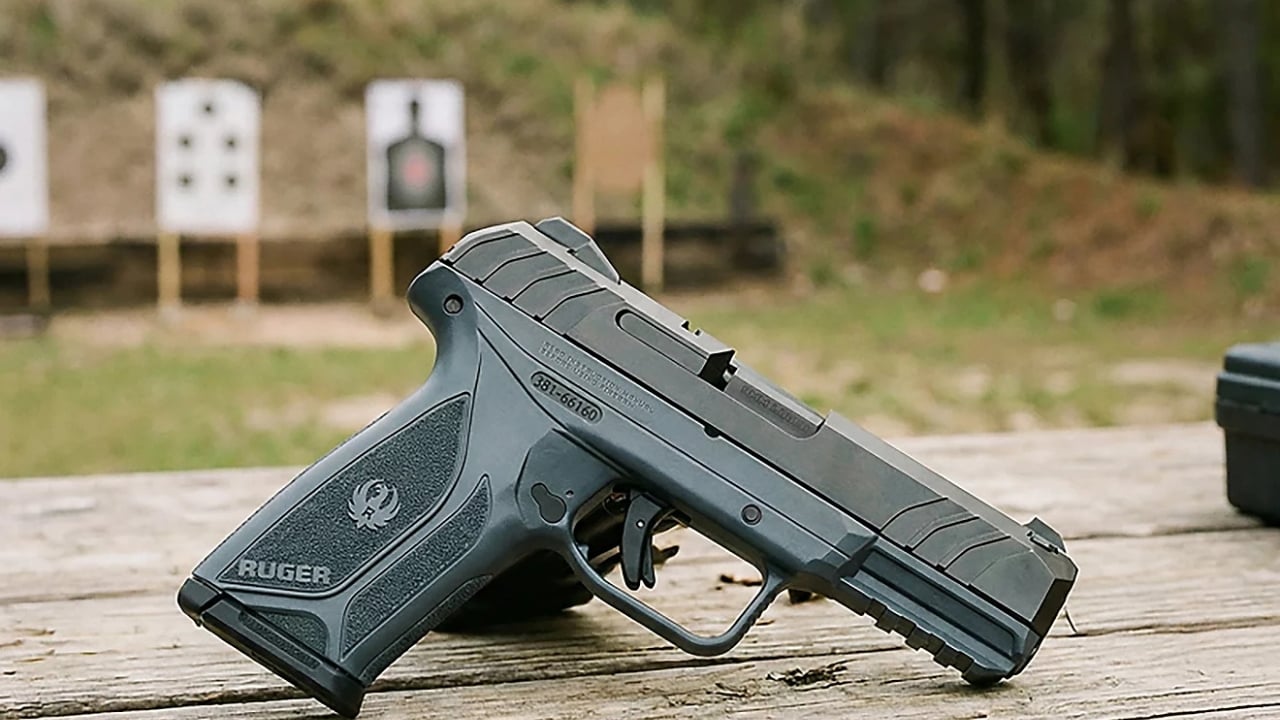
The Security-9 doesn’t have a “premium” look. It’s plain polymer and basic controls, and it tends to get lumped in with bargain guns even when the individual pistol is a good runner. Because it’s not a darling of the internet, pawn shops will often tag it low just to move it.
For everyday use it’s a solid balance: light enough to carry, large enough to shoot without cussing, and simple to maintain. Trigger feel varies a bit, and the sights are serviceable but not exciting. Where it shines is being a no-fuss 9mm with Ruger’s customer support behind it. If you’re buying a used one, check that it comes with more than one magazine, because that’s where the “deal” can get eaten up fast.
13. Smith & Wesson SD9 VE

The SD9 VE is the definition of plain. In the case it looks like a generic striker gun, and the trigger reputation follows it around like a bad smell. Pawn shops price them accordingly, sometimes to the point where it’s cheaper than what you’d expect for a name-brand handgun.
Here’s the real-world view: the SD9 is usually reliable, it carries fine, and it’s accurate enough for defensive distances. The trigger is heavy, yes, but it’s consistent, and that consistency is not nothing for a newer shooter. It’s not a range toy, and it’s not going to feel like a tuned pistol. But if the price is right and you want a basic 9mm that can live in a nightstand or go to the farm, it can be a smart buy.
14. Beretta PX4 Storm (Full Size)
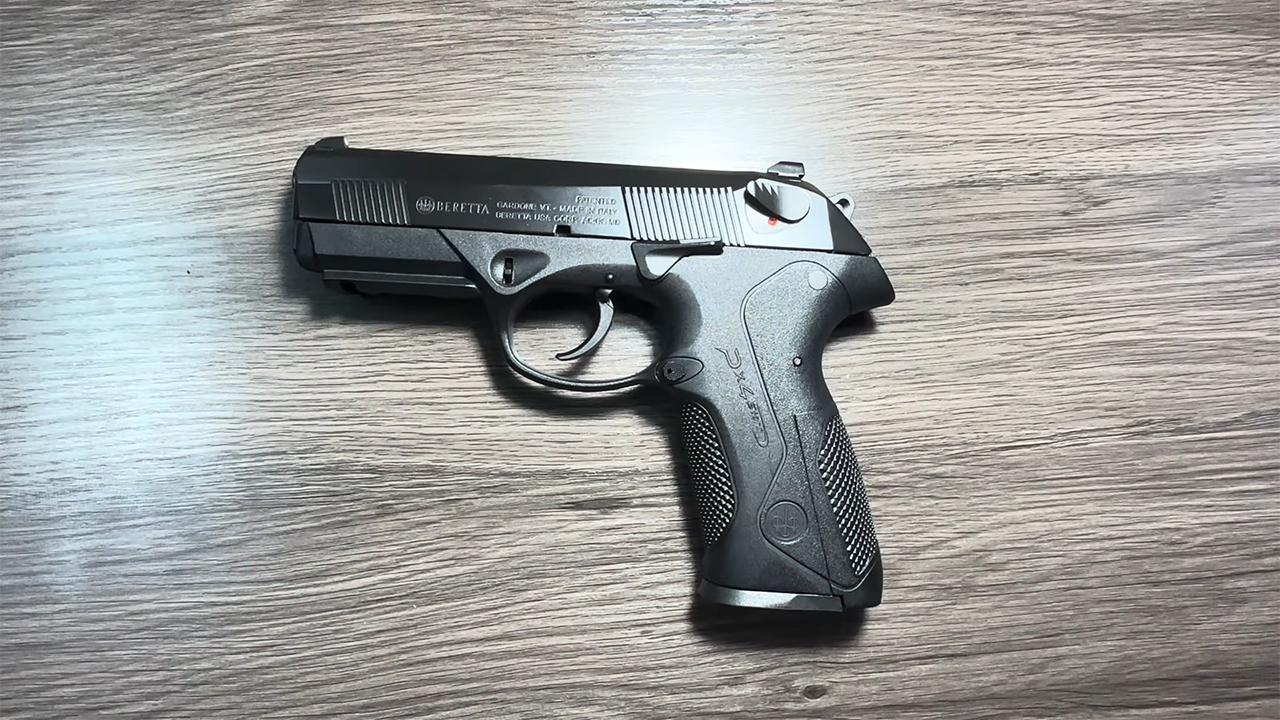
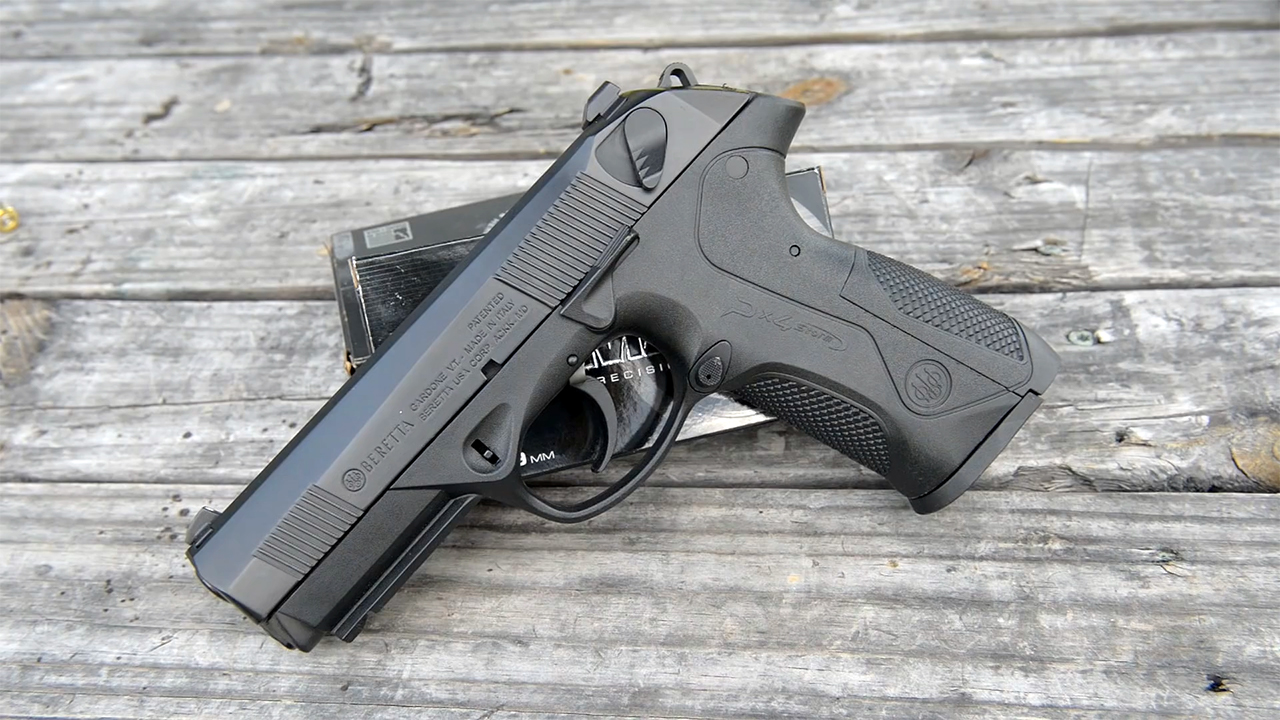
The PX4 is a weird one. It’s a Beretta, but it doesn’t look “classic Beretta,” and in a pawn shop case the rotating-barrel design doesn’t advertise itself. A lot of shoppers see the rounded slide and polymer frame and assume it’s just another older DA/SA pistol with no real advantage. That keeps prices surprisingly friendly.
When you shoot them, you get it. Recoil impulse is smooth, and they track fast for follow-up shots. They’re also very reliable when kept reasonably clean. Downsides: they can be chunky for carry, and the controls can feel busy if you’re used to simple striker-fired guns. Still, as a home-defense pistol or a range gun that runs and runs, a used PX4 at a soft price is worth a second look.
15. SIG Sauer P239

The P239 looks like a plain single-stack from a different era, because that’s what it is. In today’s world of high-capacity compacts, pawn shops don’t always know where to price it. You’ll see tags that ignore what a clean P239 costs on the used market because it doesn’t look “in demand.”
It carries well, points naturally, and the build quality is typically excellent. The tradeoff is capacity, and you have to be okay with that. For someone who wants a flatter carry gun with a hammer-fired system and a little more weight to calm things down, it still makes sense. Pay attention to magazines and the condition of the night sights. If those are sorted, a P239 can be one of those “boring” purchases you end up trusting more than the latest hotness.
16. Heckler & Koch USP Compact (9mm or .40)

The USP Compact often sits in a case looking almost too plain for what it is. No fancy slide cuts, no optics plate, just that utilitarian HK look. Pawn shops sometimes underprice them because the trigger isn’t match-grade and the styling doesn’t scream “premium.” Meanwhile, HK people know exactly what they’re staring at.
These guns are tough. They handle neglect better than most, and they’re built for real service use. The recoil system is forgiving, especially in .40, and they tend to be accurate. The downside is cost of magazines and some proprietary parts—HK isn’t the cheapest world to live in. But if a pawn shop tags a USP Compact like it’s just another used polymer pistol, that’s a rare moment where “plain” hides a lot of value.
17. Smith & Wesson 3913
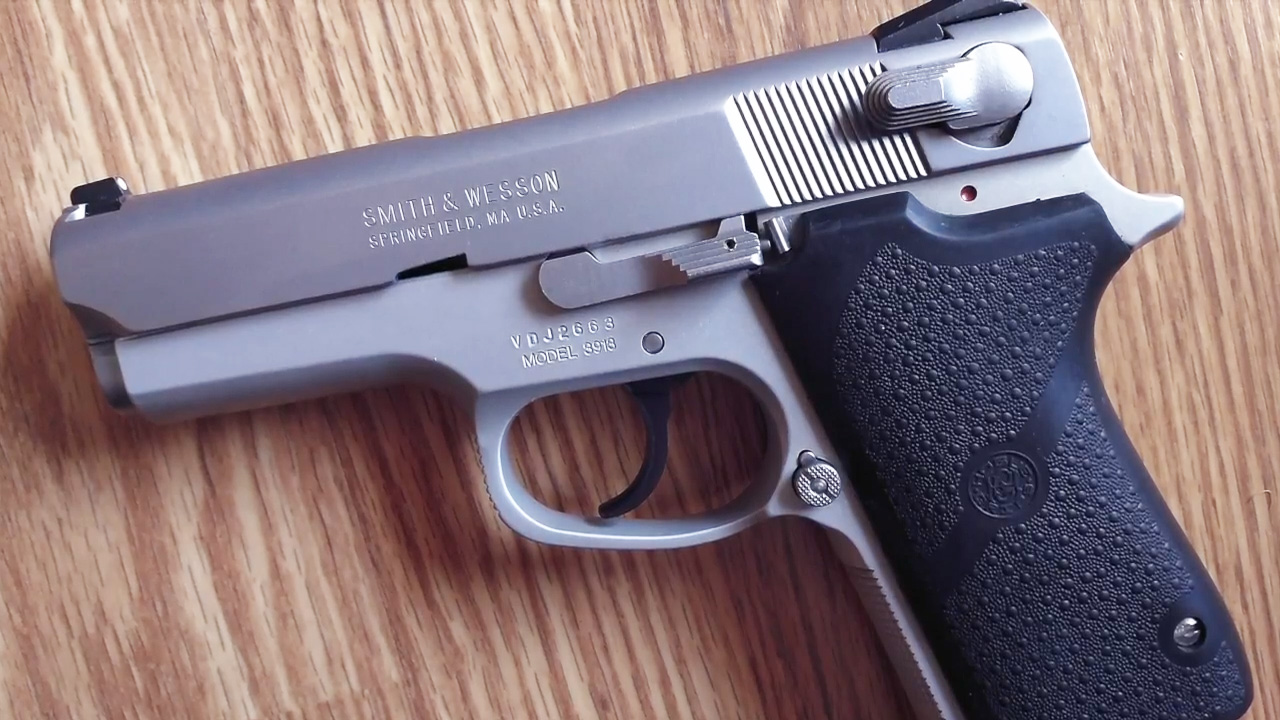
The 3913 is an old-school 9mm that looks like it belongs in a detective movie. Alloy frame, single-stack, modest sights. In a pawn shop case, it can look outdated next to modern micro-compacts, and that pushes the price down. A lot of younger buyers don’t even pick it up.
It’s one of those pistols that carries like a dream and shoots better than it has any right to. The trigger system takes a little familiarity, and you need to inspect the example in front of you because these have been around a while. Magazines aren’t as common as Glock mags, but they’re out there. If you want a slim, reliable metal pistol for carry and you find a clean 3913 priced like an orphan, that’s a good day.
18. Ruger LCR (in .38 Special)
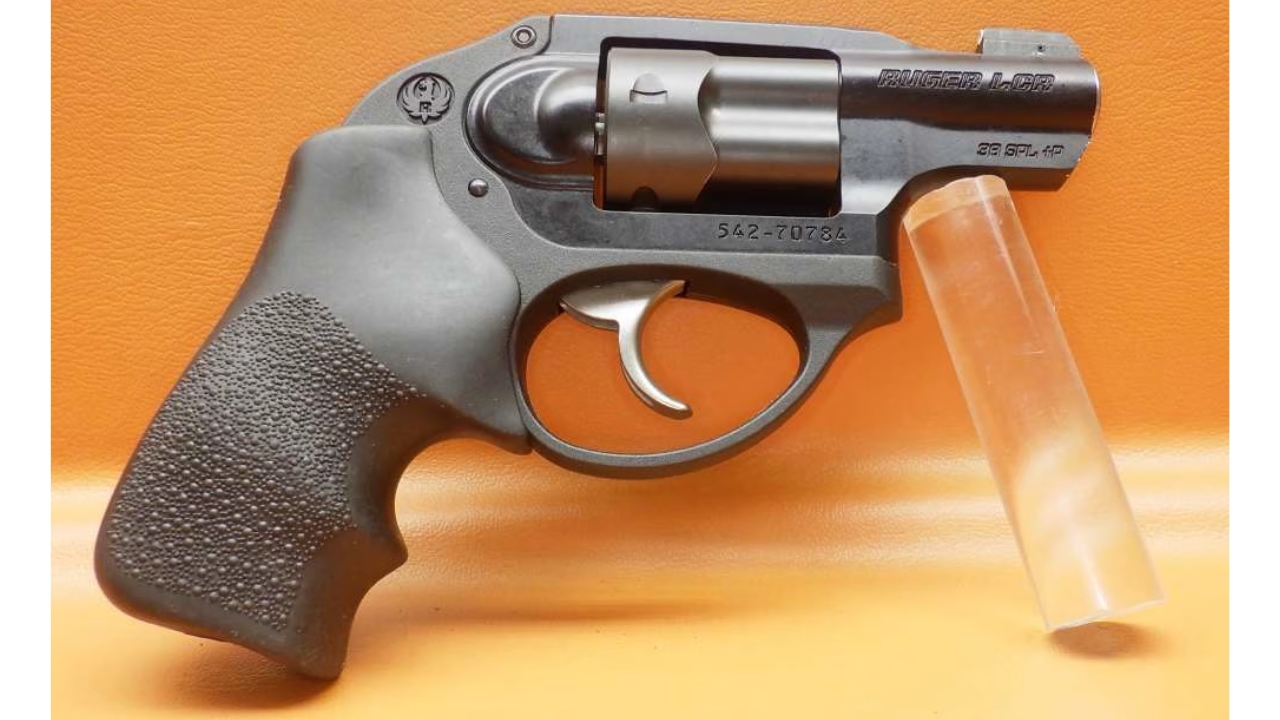
The LCR looks like a plastic revolver, and that alone makes some pawn shops price it like a novelty. It’s not a novelty. The LCR is one of the more carry-friendly revolvers out there, and the trigger is often better than you’d expect from a lightweight snub that isn’t trying to be a showpiece.
It’s a purpose tool: light on the belt, quick out of the holster, and simple under stress if you’ve practiced with it. The downside is recoil—light guns kick—and the sights are basic. But for a fishing vest, a quick trip to town, or a backup gun that won’t drag your pants down, it works. If the price is low because it looks “cheap,” don’t let that fool you. It’s a serious little handgun.
19. Taurus PT92
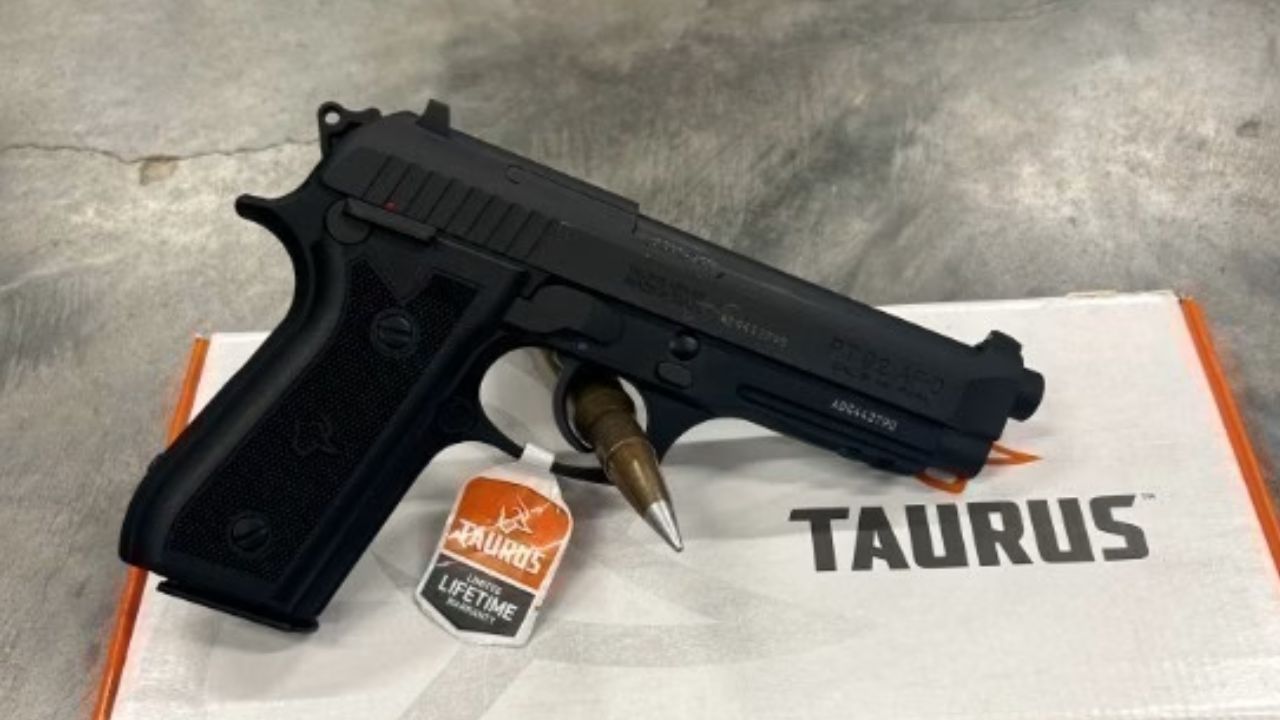
The Taurus PT92 looks like a Beretta 92’s less-polished cousin, which is basically what it is. In pawn shops, the Taurus name alone can knock the tag down, even when the gun itself is a solid example. The PT92 also tends to look plain and a little bulky, so it doesn’t get the “cool factor” bump.
Here’s the fair take: quality can vary by era, so you do need to inspect it. But a good PT92 can run very well and be very accurate, and the frame-mounted safety is actually preferred by some shooters. It’s a big pistol, more nightstand than concealed carry for most folks. If you find one that’s tight, with good mags and no sketchy home gunsmithing, the value can be excellent compared to what you pay for the same size and capability in a newer gun.
20. Walther PPS (M1)
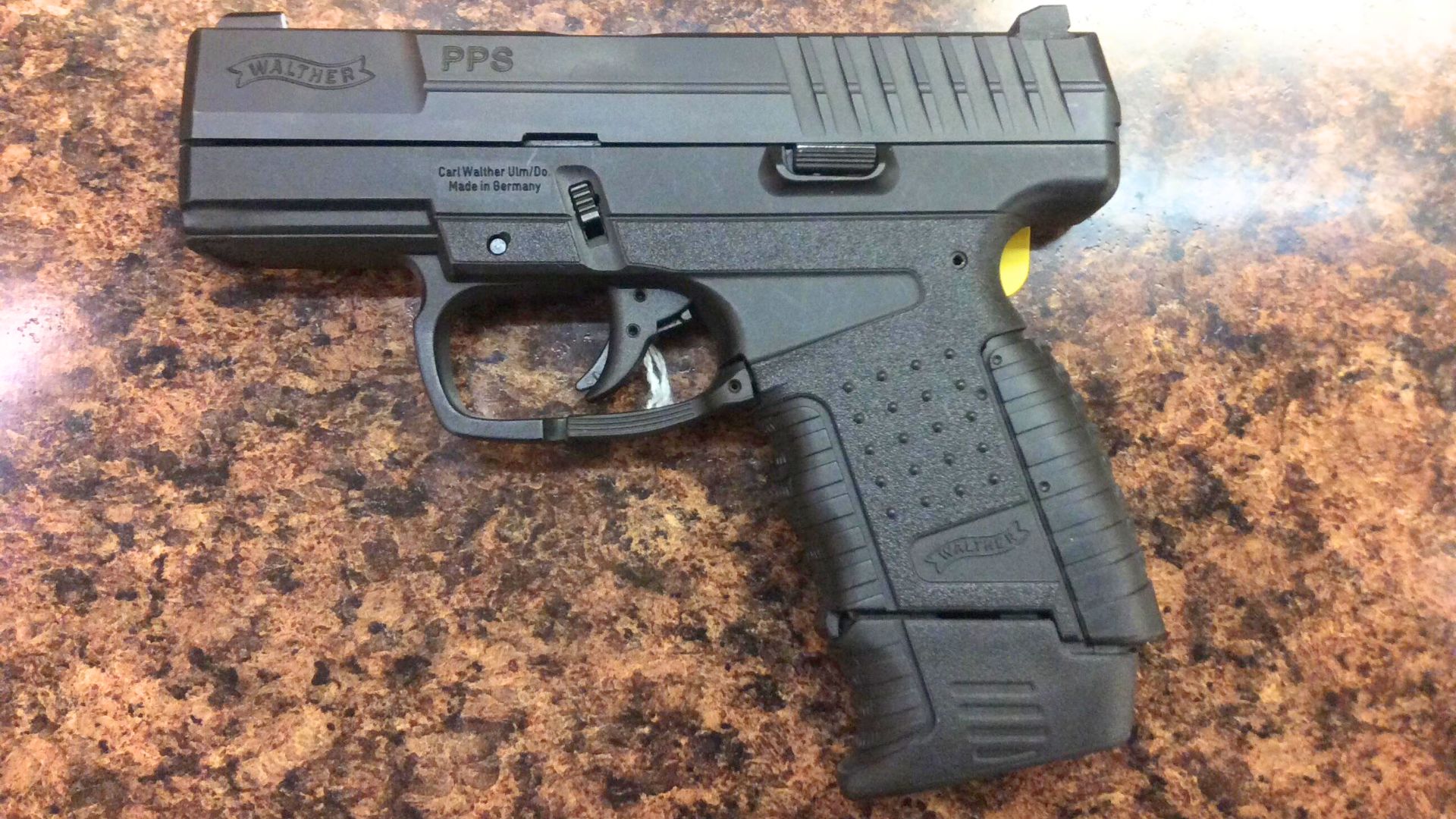
The original Walther PPS M1 gets lost in the shuffle because it’s not the newest micro-9 and it doesn’t have the marketing push anymore. In a pawn shop case it looks almost too simple: slim, plain sights, and that paddle-style mag release that turns some buyers off. That combination can keep the price lower than it should be.
The PPS carries flat and shoots like a bigger gun than it is. It’s one of those single-stacks that just works if you do your part, and Walther ergonomics are usually a strong point. The negatives are capacity and the fact that not everybody wants to hunt down extra magazines. Still, as a daily carry pistol for someone who values slimness and shootability over chasing trends, a used PPS at a good price is hard to argue with.
The trick with pawn shop handguns is slowing down. Pick up the plain one. Check the bore, check the lockup, check the magazines, and don’t get hypnotized by surface wear. A scratched slide doesn’t scare me nearly as much as a “custom” trigger job from somebody with a file and too much confidence. If you’re patient and you know what you’re looking at, the most useful handgun in the case is often the one nobody’s posting online.
Like The Avid Outdoorsman’s content? Subscribe to our newsletter so you never miss an article.
Here’s more from us: