Photo credit: Polydactyl Productions/Youtube
Every few years the rifle market gets loud about whatever is new, light, and “must-have.” Then hunting season shows up, a couple of wet weekends happen, a few scopes get bumped in truck racks, and the old truth comes back around: experienced buyers don’t chase excitement. They chase rifles that feed slick, carry right, hold zero, and don’t turn into a parts-hunt when something finally wears out.
What’s funny is how many rifles got shrugged off when they were still on shelves. Wrong timing. Wrong price point. Ugly stock. Not “tactical” enough. Not “classic” enough. Then production ends, the internet starts romanticizing them, and the guys who actually shoot a lot quietly start buying them up because they solve real problems.
Here are 20 rifles that didn’t get enough love when they were being made, but make a whole lot of sense once you’ve had a few seasons and a few range days under your belt.
1. Ruger M77 Mark II
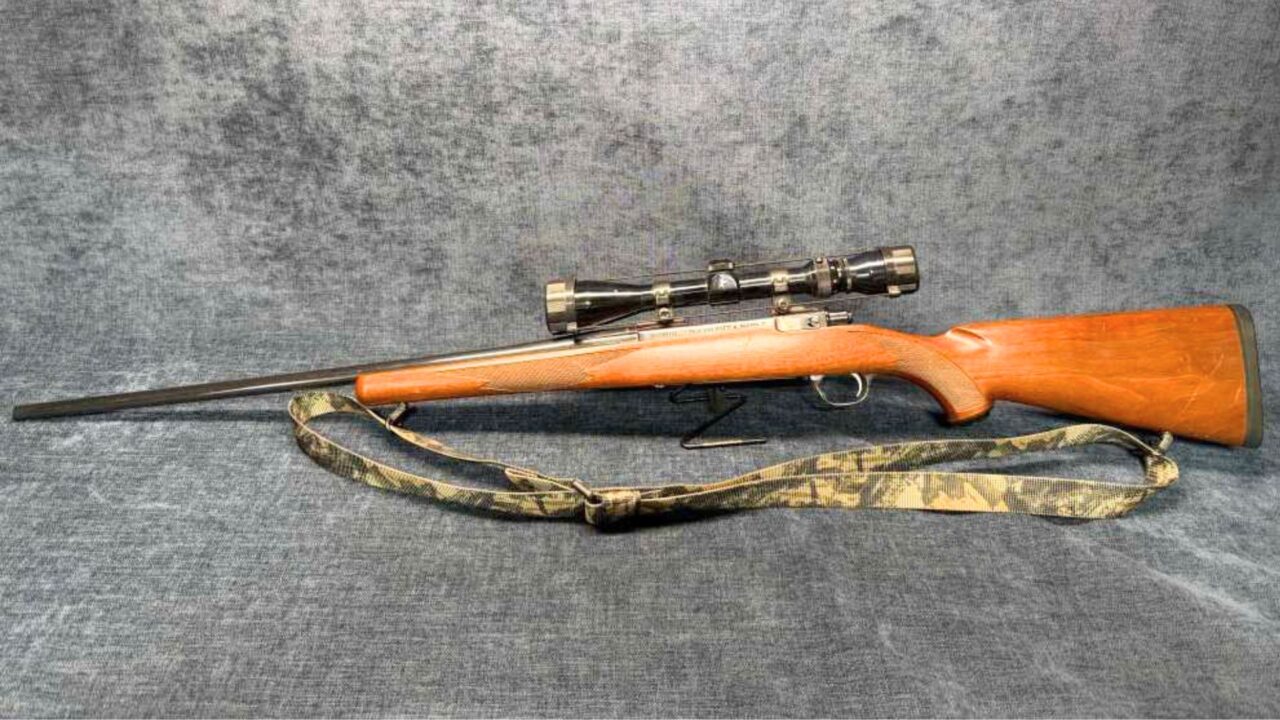
This one got overshadowed by flashier “out of the box” accuracy rifles and the endless parade of budget bolt guns. The M77 Mark II was never trying to win a beauty contest. It was trying to be the rifle you hand down after it’s been dragged through cedar thickets and banged off a tree stand ladder for ten years.
The controlled-round feed and that big Mauser-style extractor are the kind of features you appreciate after you’ve watched a buddy short-stroke a push-feed in an awkward position. The trigger isn’t everybody’s favorite, and yes, some were heavy from the factory, but a lot of experienced buyers would rather have a tough action and a solid bedding job than a “sweet trigger” on a rifle that feels disposable.
2. Winchester Model 70 Classic (controlled-round feed era)

There are Model 70 fans who can talk your ear off, but for a long time these were just… there. On the rack. Not cheap, not exotic, not the newest thing. Then Winchester changed directions a few times, and suddenly everyone remembered why the Classic CRF guns were such a steady pick for serious hunters.
They balance well, they run smooth, and they carry like a hunting rifle should. They also tend to be the kind of rifle that gets kept, not flipped. If you find one that hasn’t been “improved” with mystery parts and a bargain scope mount, it’s hard not to understand the appeal.
3. Remington Model Seven (especially in short cartridges)
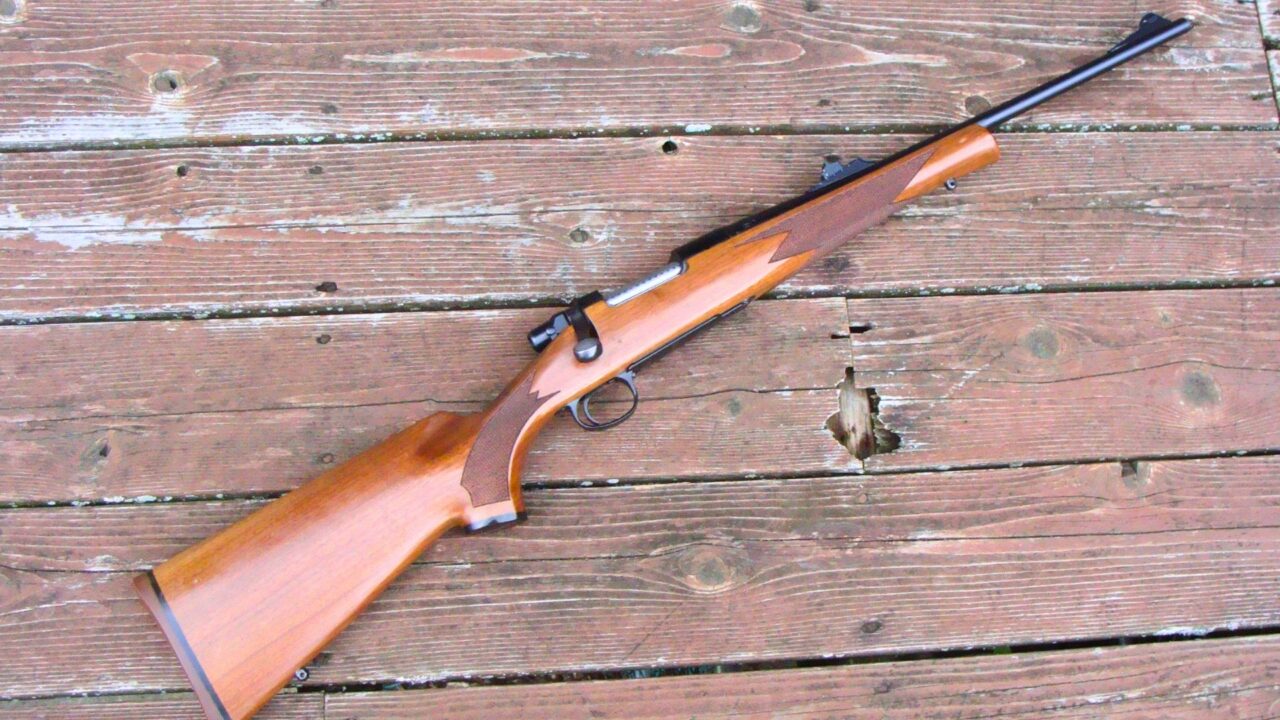
The Model Seven lived in the shadow of the 700 for most of its life. A lot of folks handled one at a store, thought “small 700,” and moved on. In the woods, though, that shorter action and handier overall package matter.
In .308, 7mm-08, or .243, it’s a legit whitetail and hog rifle that carries easy and comes up quick in tight cover. The downside is that some configurations were lightweight enough to be a little whippy off bags, and certain factory stocks weren’t stiff. Still, when you want a real hunting rifle that doesn’t feel like a fence post, it checks boxes.
4. Ruger Gunsite Scout Rifle
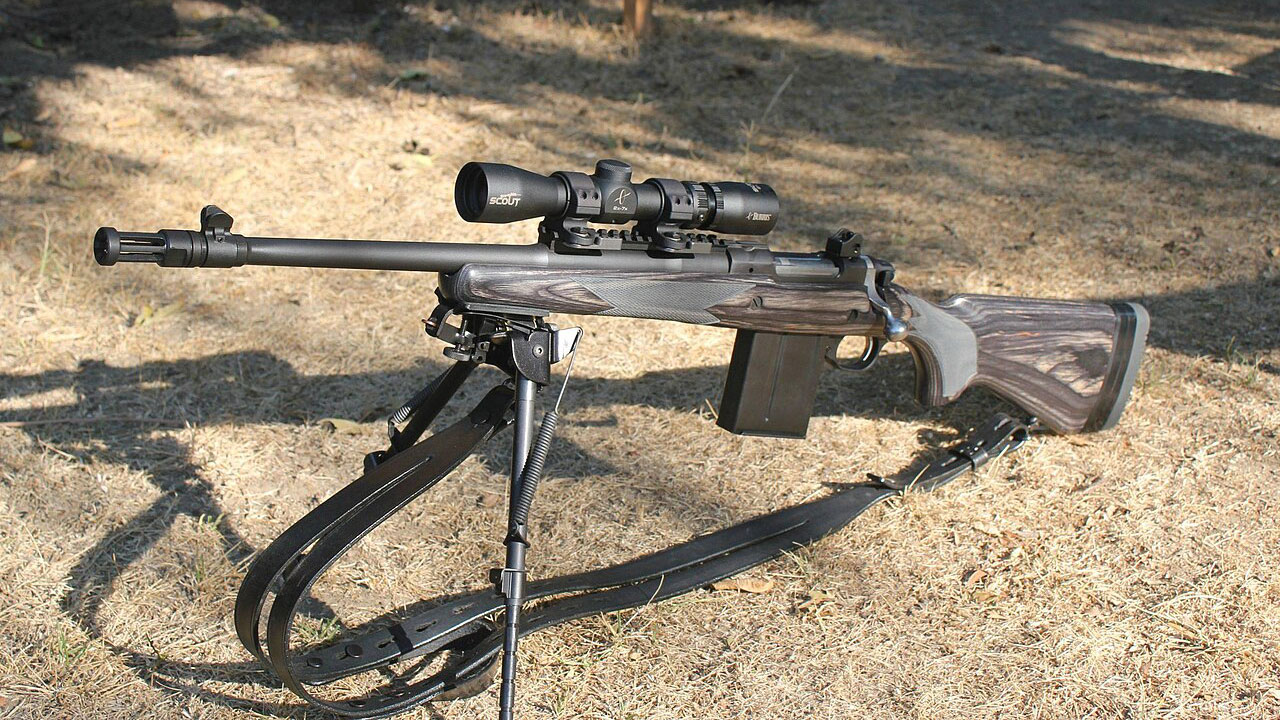
When these hit, a lot of shooters couldn’t get past the “scout” label and the forward rail. Some wanted a pure Jeff Cooper concept rifle, others wanted a regular .308 with a normal scope setup, and Ruger’s version landed right in the middle.
Here’s what experienced buyers learned: it’s a rugged, handy .308 with controlled-round feed, detachable mags, and iron sights that are actually usable. It’s not the lightest rifle on earth, and the factory muzzle device isn’t everybody’s favorite, but it’s one of those rifles you can toss behind a truck seat and not baby. That’s a real niche.
5. Savage Model 99

For years the 99 was the “cool old lever gun” that wasn’t a 94 or a Marlin 336, so it got passed over by guys who didn’t want to hunt for ammo or didn’t want a rotary-mag lever they didn’t understand. Then folks started realizing how modern the 99 really was for its time.
It’s slick, points naturally, and the ability to run spitzer bullets in many versions is no small thing. The downside is parts and certain repairs aren’t like working on a simple tube-fed lever. But if you find a solid one, it’s a classy, practical woods rifle that doesn’t feel like a museum piece.
6. Marlin 336 (pre-Remington production)

There was a stretch when lever actions were seen as “grandpa guns” unless they were stainless, threaded, and wearing a red dot. Plenty of clean older 336s sat on racks because everyone was chasing something else. That window is closed now.
A good 336 in .30-30 is still one of the most useful deer rifles ever made for normal ranges. It carries flat in the hand, doesn’t snag much, and it just works when it’s cold and wet. Sure, .30-30 isn’t trendy. Neither is tagging out every year because your rifle never gives you a reason to doubt it.
7. CZ 527 (especially in 7.62×39 and .223)

The CZ 527 is a perfect example of a rifle that got loved by the people who actually used it, but never became a mainstream darling. It was a small, trim bolt gun with old-school looks in a market that kept pushing bigger, heavier, “tactical-friendly” actions.
In 7.62×39, with the right ammo, they’re a legitimate woods deer rifle inside sensible distances. In .223, they’re a joy to carry for varmints. The detachable magazine sticking down is the main complaint, and I get it. But as a walking rifle with a smooth action and great accuracy, these are missed now that they’re gone.
8. Tikka T3 (original, not the current variations)
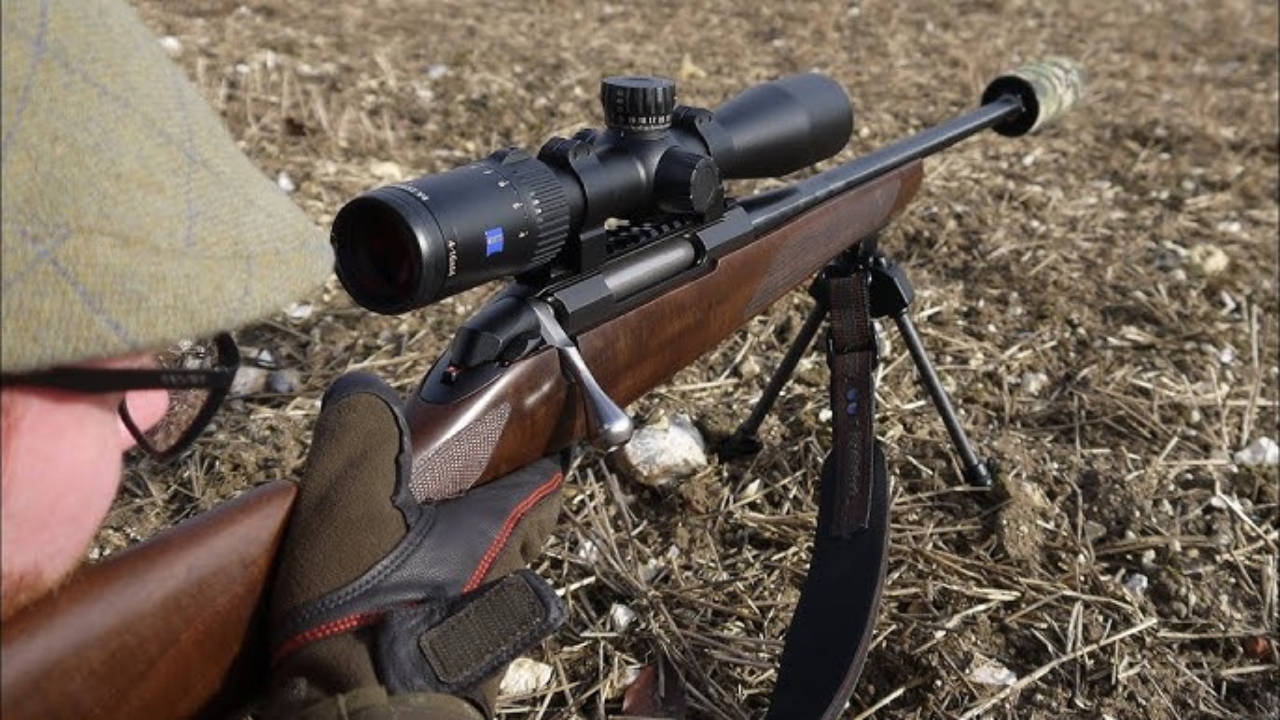
Tikka has been popular for a while, but the early T3s were often dismissed as “plastic fantastic” by guys who equated weight with quality. Then those same guys carried a heavy rifle up a ridge a few times and started paying attention.
The T3 action is slick, the barrels generally shoot, and the rifles don’t beat you up on long walks. Yes, the factory recoil pads and stocks have been argued about forever, and magazines aren’t bargain-bin cheap. Still, if you want a rifle that’s boringly reliable and shoots straight without drama, that’s kind of the point.
9. Browning A-Bolt (early generations)
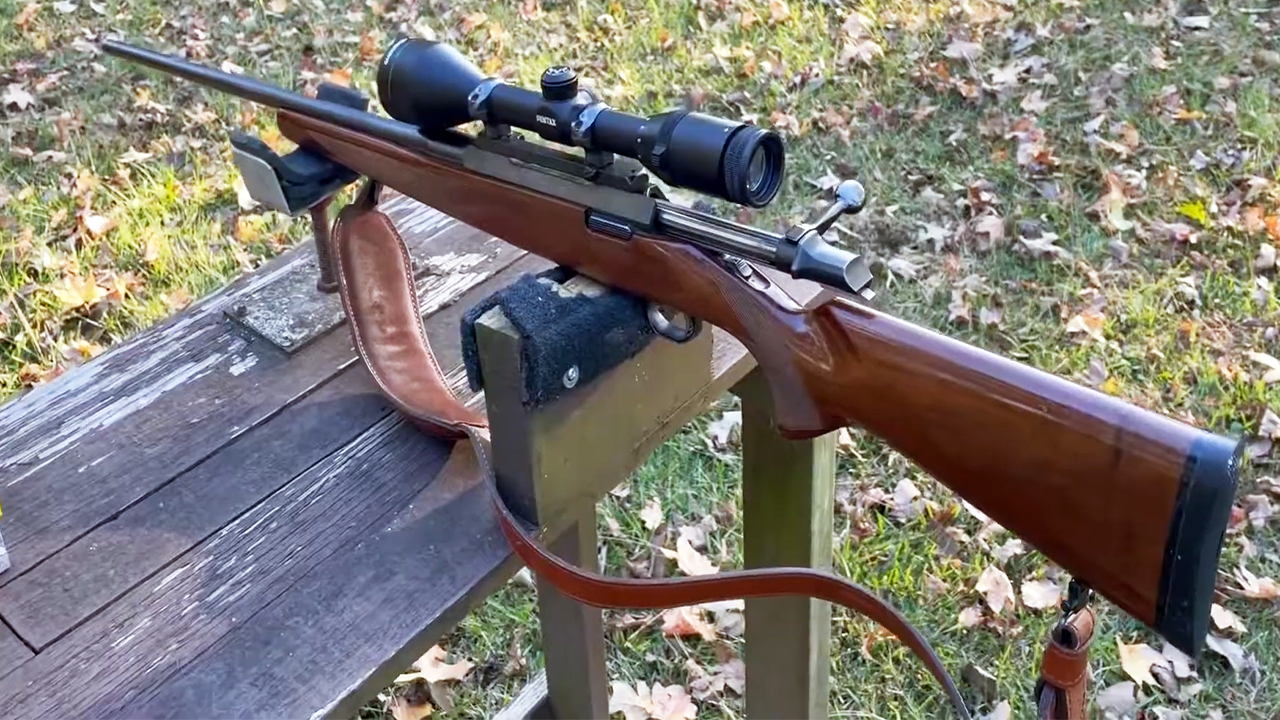
The A-Bolt didn’t have the cult following of certain classics, and it wasn’t the cheapest option either. It often got skipped because it lived in that middle price territory where shoppers talk themselves into “just spending a little more” on something else.
In the field, A-Bolts tend to be accurate, smooth, and nicely finished without being fragile. The detachable box magazine with hinged floorplate setup is handy, and the rifles point well. After you’ve owned a few rifles that feel like 2x4s with triggers, you notice the ones that feel right from the first shoulder mount.
10. Ruger 77/44 and 77/357

These were easy to ignore because they didn’t fit the standard rifle conversation. Not quite a deer rifle for open country. Not a pure plinker either. And for a long time, folks didn’t want to pay bolt-gun money for a pistol-caliber rifle.
Then suppressors and property hunting got more common, and suddenly a handy bolt gun in .357 or .44 makes a lot of sense for thick woods, feeders, and around-the-farm shooting with good backstops. Ammo sharing with a revolver is still a neat bonus. They’re not for everyone, but if your hunting is close and your priorities are noise, recoil, and practicality, they’re hard to replace.
11. Remington 7600

Pump rifles have always been the oddball. Semi-auto guys laugh, bolt guys shrug, lever guys smile politely. But the 7600 quietly earned a reputation in deer camps where fast follow-ups matter and the terrain is tight.
If you grew up on a pump shotgun, the manual of arms feels natural. They can be surprisingly accurate with the right loads, and they point fast in thick cover. The drawback is they’re not as common now, and some parts and magazines can be a chore. Still, for a practical hunter who wants speed without semi-auto quirks, the 7600 is a sleeper.
12. Ruger Mini-14 (180–186 series and the “in-between” years)
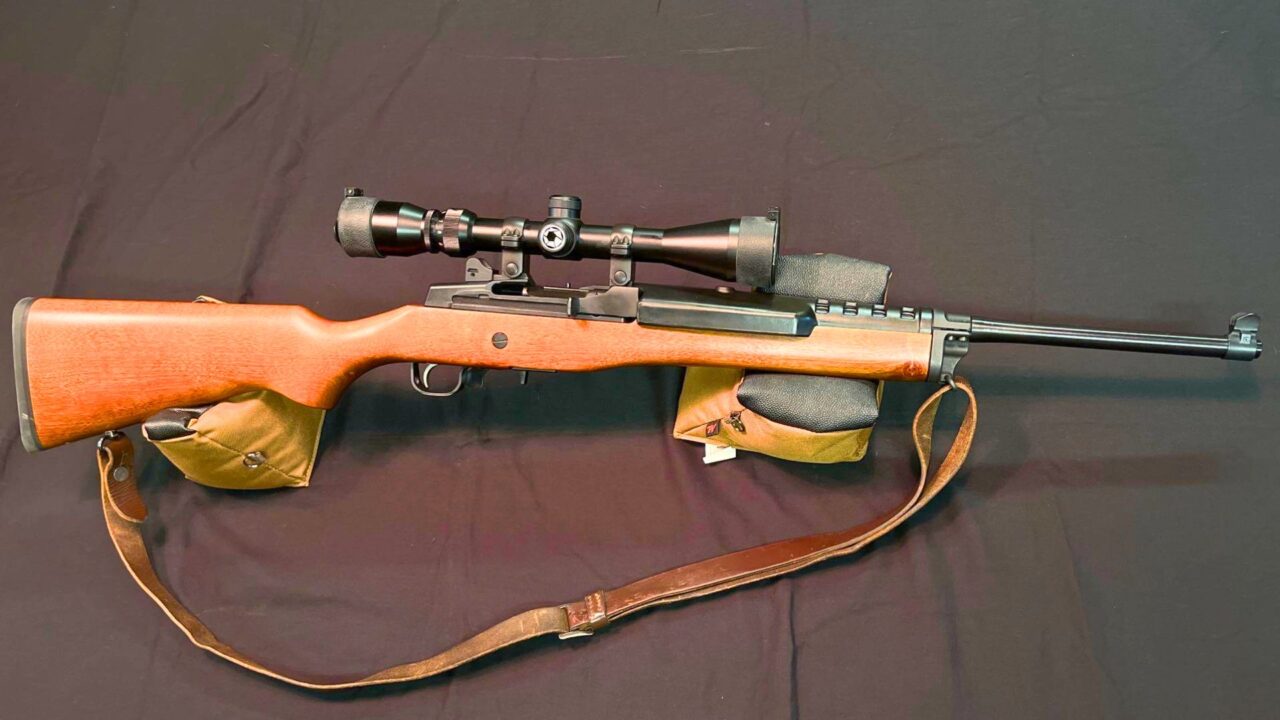
The Mini-14 has been joked about for accuracy for so long that a lot of shooters never gave one a fair shake. Early ones could string shots when they got hot, and that reputation stuck even after improvements.
Here’s what seasoned owners like: a Mini is handy, reliable, and not picky about being treated like a duty gun. It rides in a truck well, it’s quick to shoulder, and it runs clean enough for realistic use. Factory magazines are the key. If you feed it good mags and don’t expect it to be a benchrest rifle, it’s a practical ranch rifle like the name says.
13. Steyr Scout
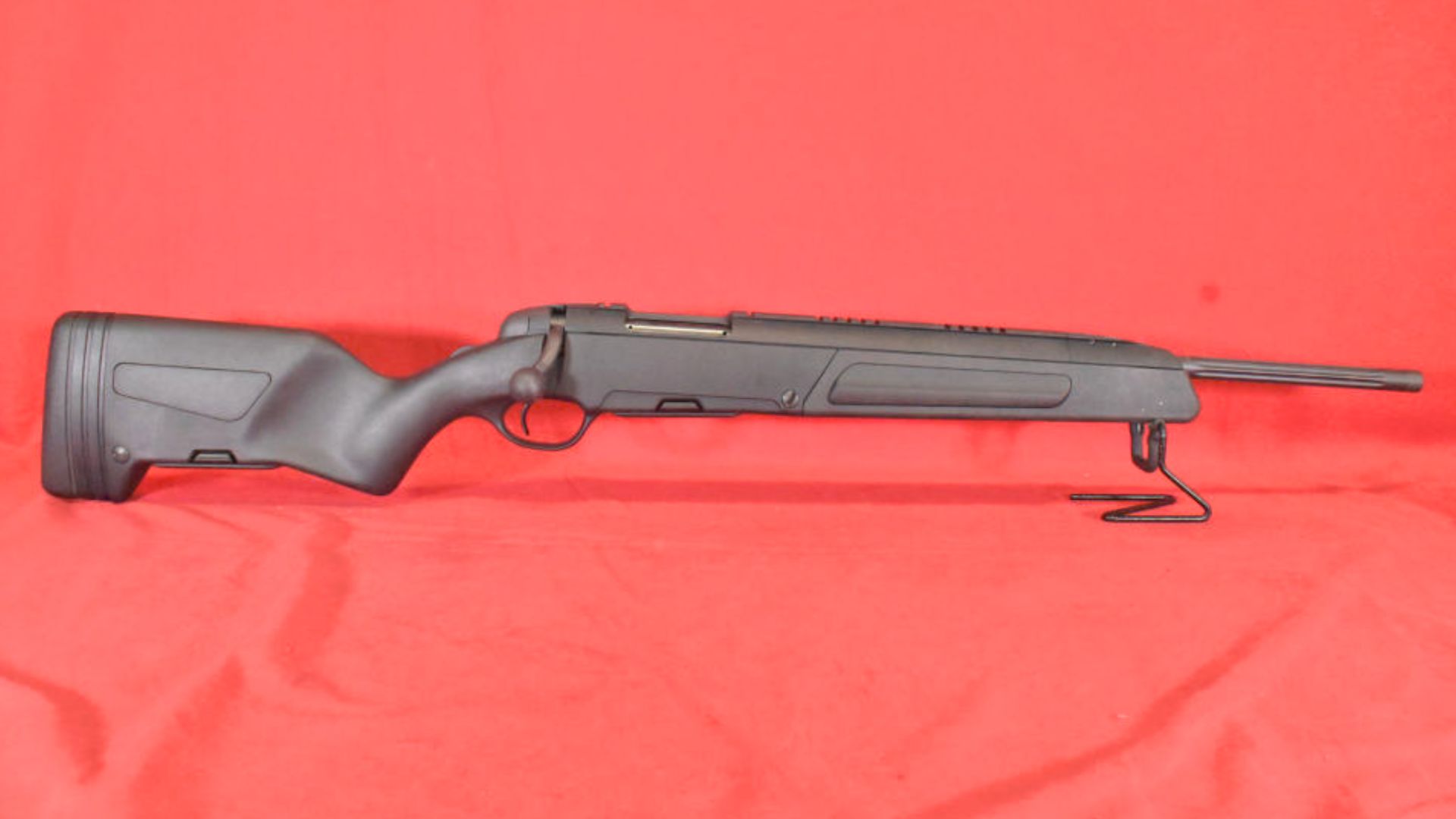
When these were in production and more commonly seen, many shooters treated them as a curiosity. The price wasn’t small, the looks were different, and the concept didn’t match what most people thought they needed.
But the rifle does what it was meant to do: it’s light, handy, accurate enough, and built to travel. The integrated bipod and spare mag storage are either clever or goofy depending on your mood, but the overall package is hard to duplicate. If you hunt new ground, cross fences (legally), and cover miles, a purpose-built lightweight rifle starts making sense.
14. Sako A7
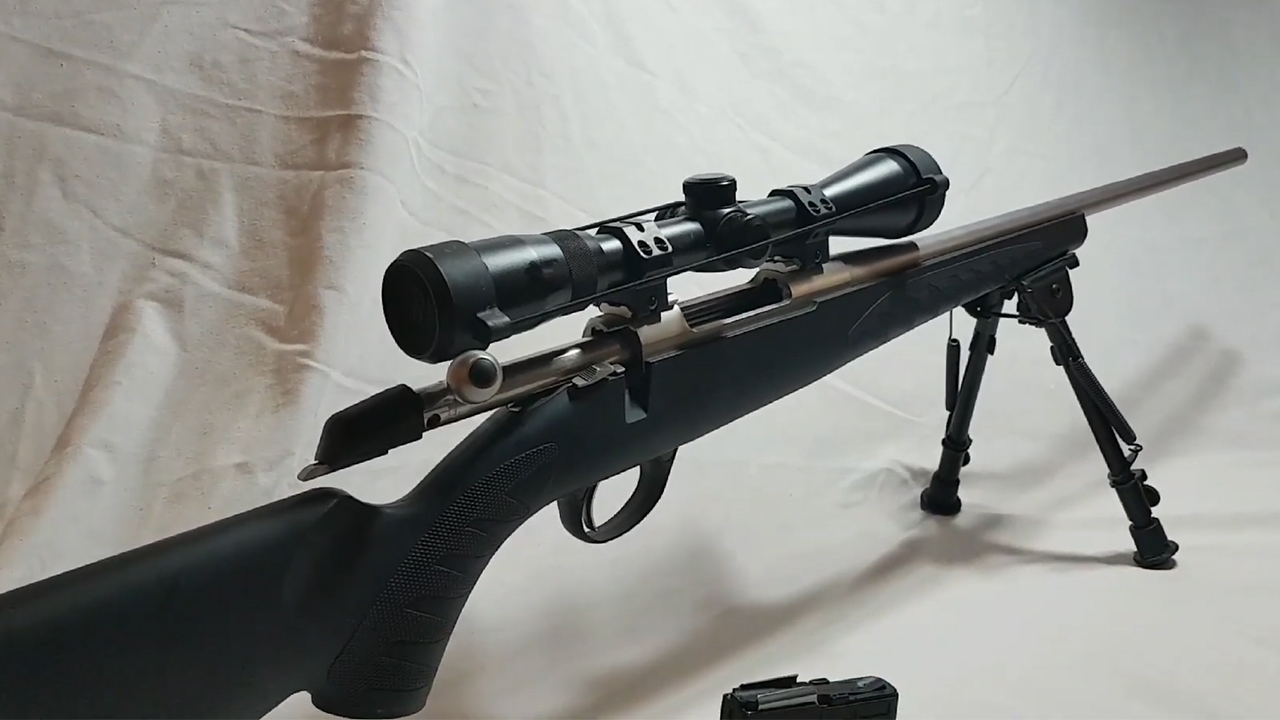
The Sako name makes people think “expensive and perfect,” and the A7 fell into an odd spot where it wasn’t the premium flagship, but it also wasn’t priced like a basic rifle. That made it easy to overlook in a store comparison.
In real use, the A7 tends to shoot, feed, and carry like a serious hunting rifle. The action is smooth, and they generally feel like someone cared during manufacturing. The magazine system isn’t everyone’s favorite, and replacement mags can sting. But as a rifle you actually hunt hard with, it’s a better deal than it looked at the counter.
15. Weatherby Vanguard (Series 1 and early Series 2)
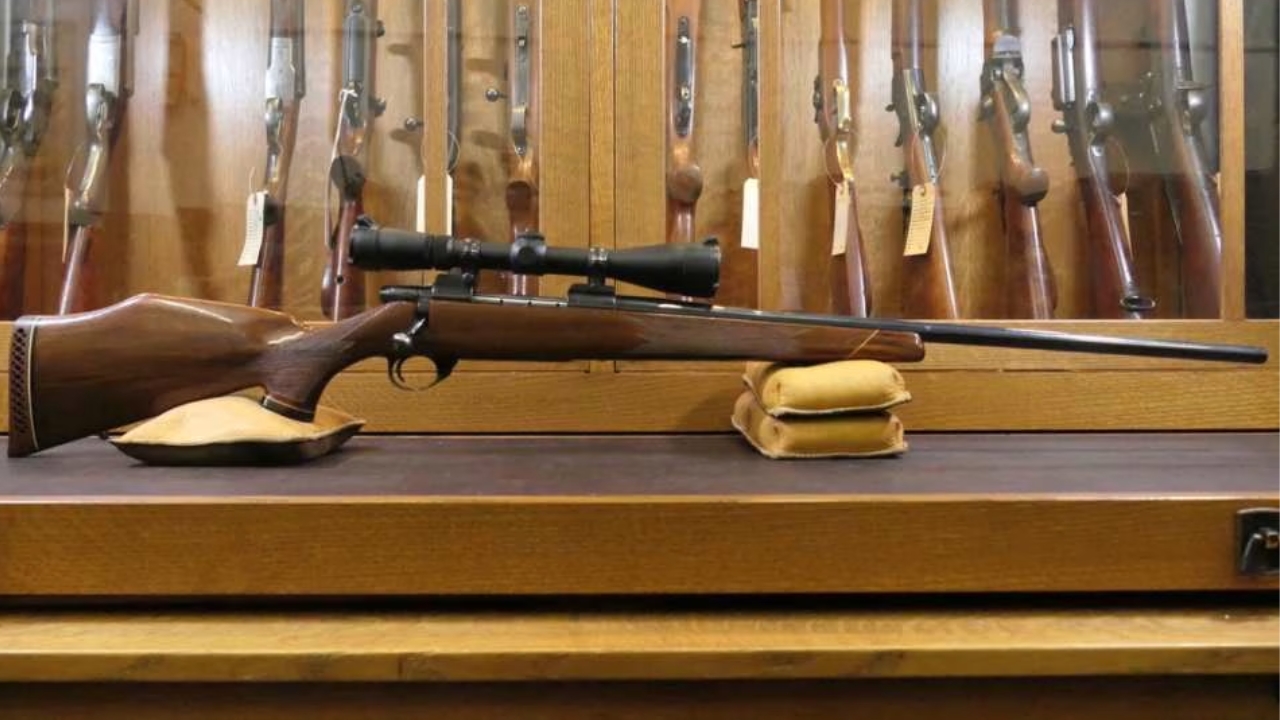
Vanguards were often treated as “the cheaper Weatherby,” which is a silly way to look at a rifle that’s put plenty of meat in freezers. They weren’t the lightest, and they didn’t have the trendy features that move units online.
The upside is stability. Many of them shoot very well, they handle magnum cartridges without feeling like a toy, and they tend to hold up when you don’t baby them. They can be a little chunky for mountain carry, but if your hunting involves stands, blinds, or short walks, the weight is more help than harm.
16. Howa 1500 (older barreled actions and standard rifles)
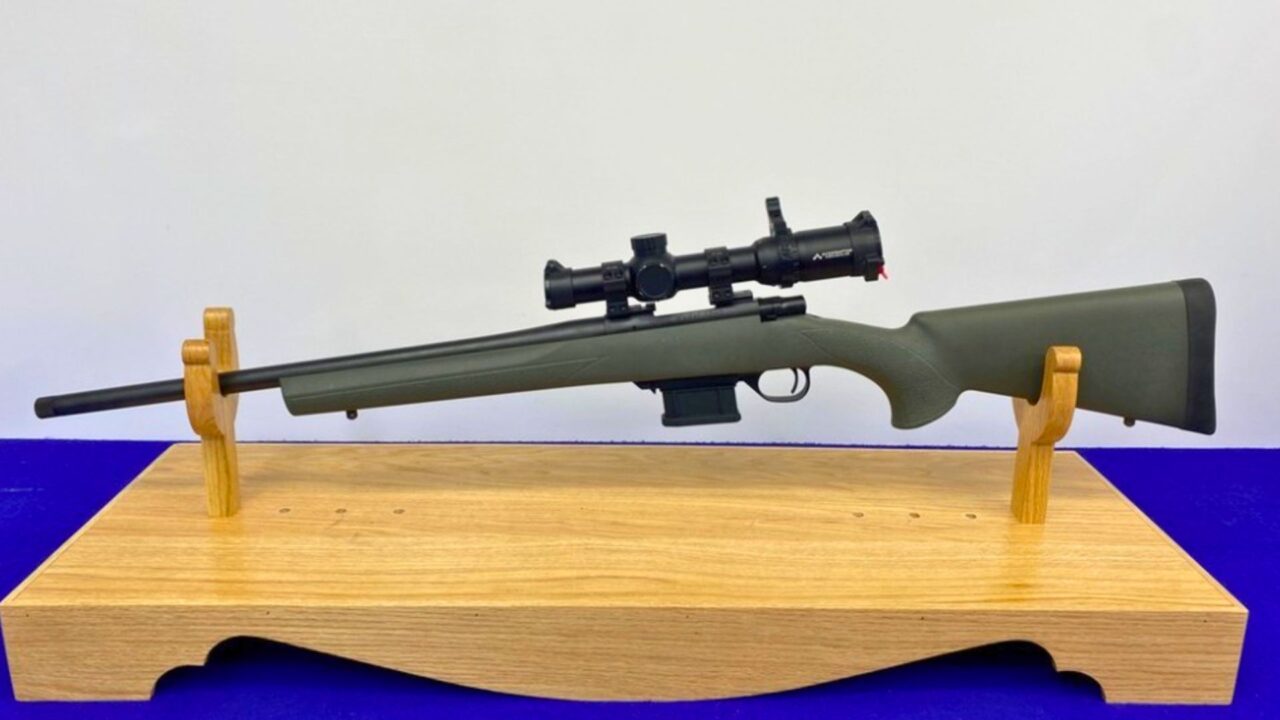
Howa has been the “quiet value” for a long time, and that’s exactly why it was overlooked. It wasn’t fashionable, and it didn’t come with a marketing campaign that made you feel like an operator for buying one.
The 1500 action is strong and smooth, the barrels shoot, and the rifles tend to be dependable in a way you notice after the honeymoon phase with other guns wears off. The factory stocks on some models were nothing special, but that’s fixable without turning the rifle into a money pit. For buyers who care about function, it’s a smart pick.
17. Winchester Model 88

The Model 88 is one of those rifles that gets admired more now than it did when it was just another option. It never fit the simple lever-gun category, and it didn’t feel like the cowboy rifles folks expected.
It handles more like a modern rifle with a lever action, and the box magazine setup makes it practical with spitzer bullets. The trigger feel can be different than what bolt guys want, and finding a clean one without issues takes patience. But if you like oddball rifles that are actually useful, the 88 has real substance.
18. Ruger No. 1
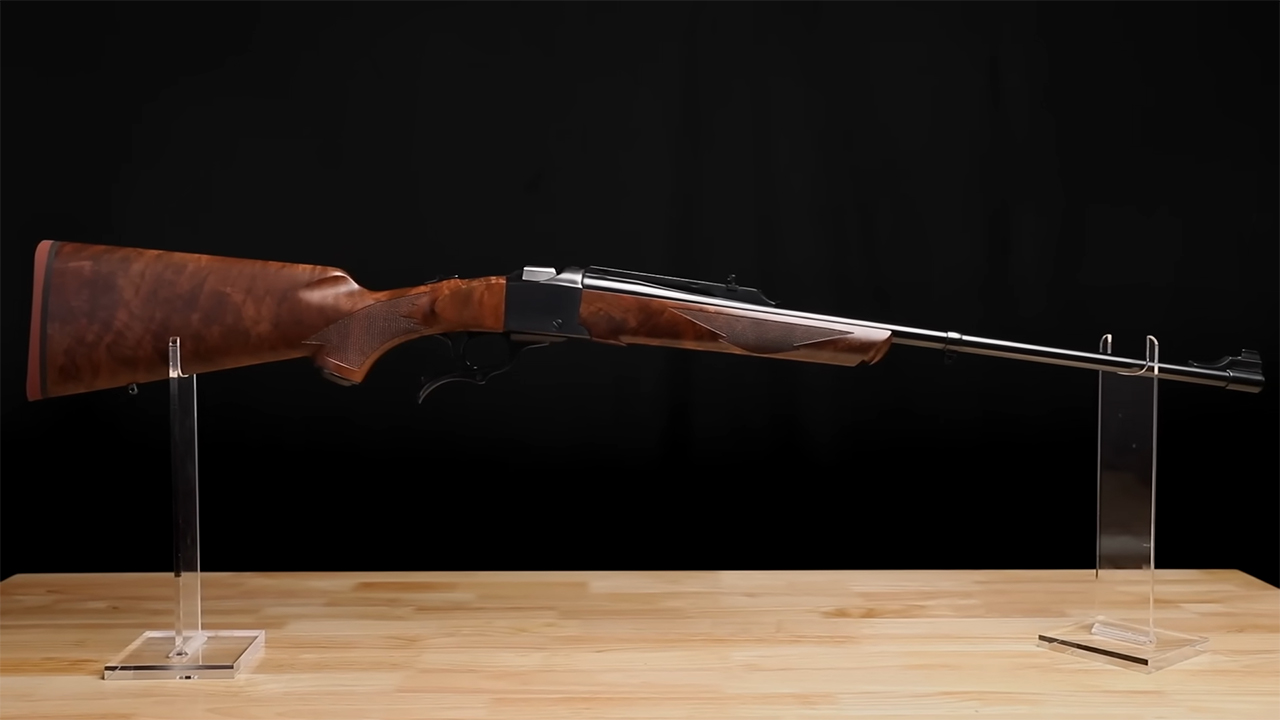
Single-shots got treated like nostalgia pieces while everyone else was arguing about magazine capacity and rapid follow-ups. The Ruger No. 1 hung around anyway, because it’s a classy rifle that does something modern guns don’t: it makes you slow down and shoot like you mean it.
The action is strong, the rifle is compact for its barrel length, and they carry nicely in the hand. Are they always the easiest to tune for perfect accuracy? No. Are they fast to reload? Also no. But for the hunter who values one good shot and wants a rifle with character that still hunts hard, the No. 1 scratches an itch nothing else does.
19. SIG Sauer SIG 516 Patrol (piston AR era)
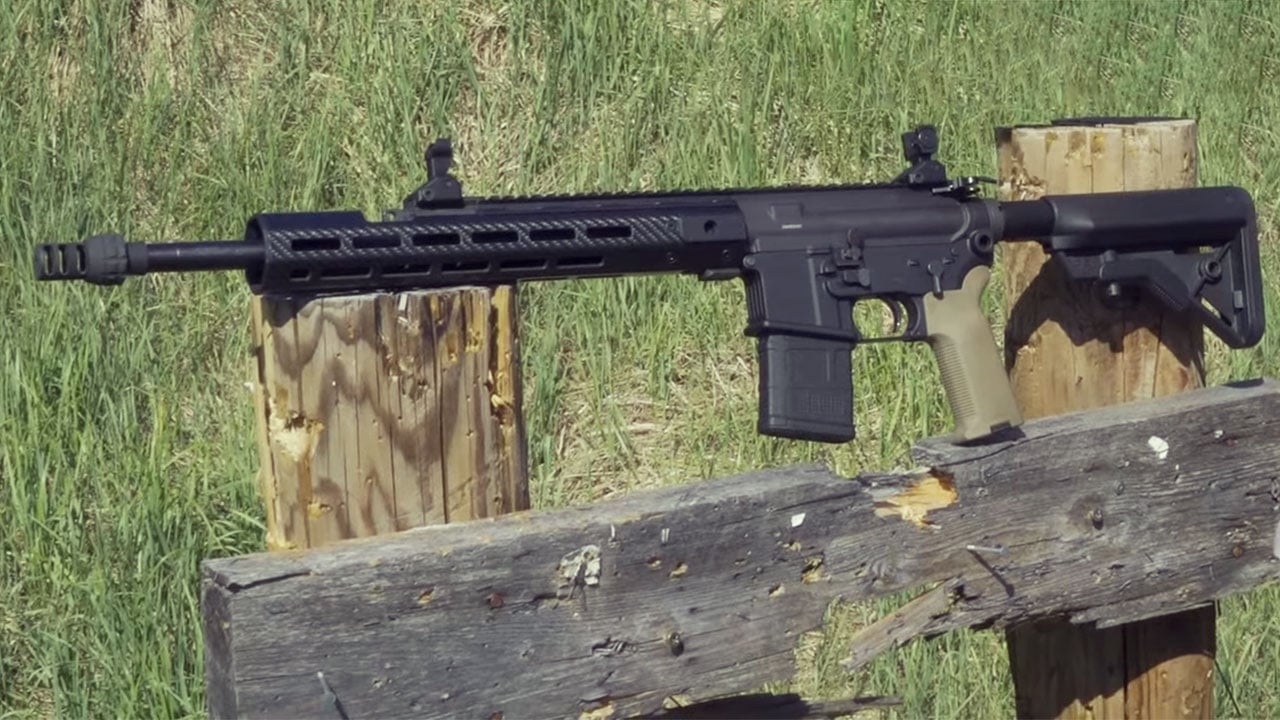
There was a time when piston ARs were everywhere, and a lot of them felt like solutions looking for problems. The 516 Patrol got lumped into that whole argument, and many buyers stuck with plain direct-impingement guns.
Now, experienced buyers looking for a hard-use AR that runs clean in rough conditions have started appreciating the 516’s reliability and build quality. It’s not the lightest AR, and parts aren’t as universal as a basic DI setup. Still, for a rifle that can live in a truck or get run in dusty conditions without being fussy, it’s a solid tool.
20. Springfield Armory M1A Scout Squad
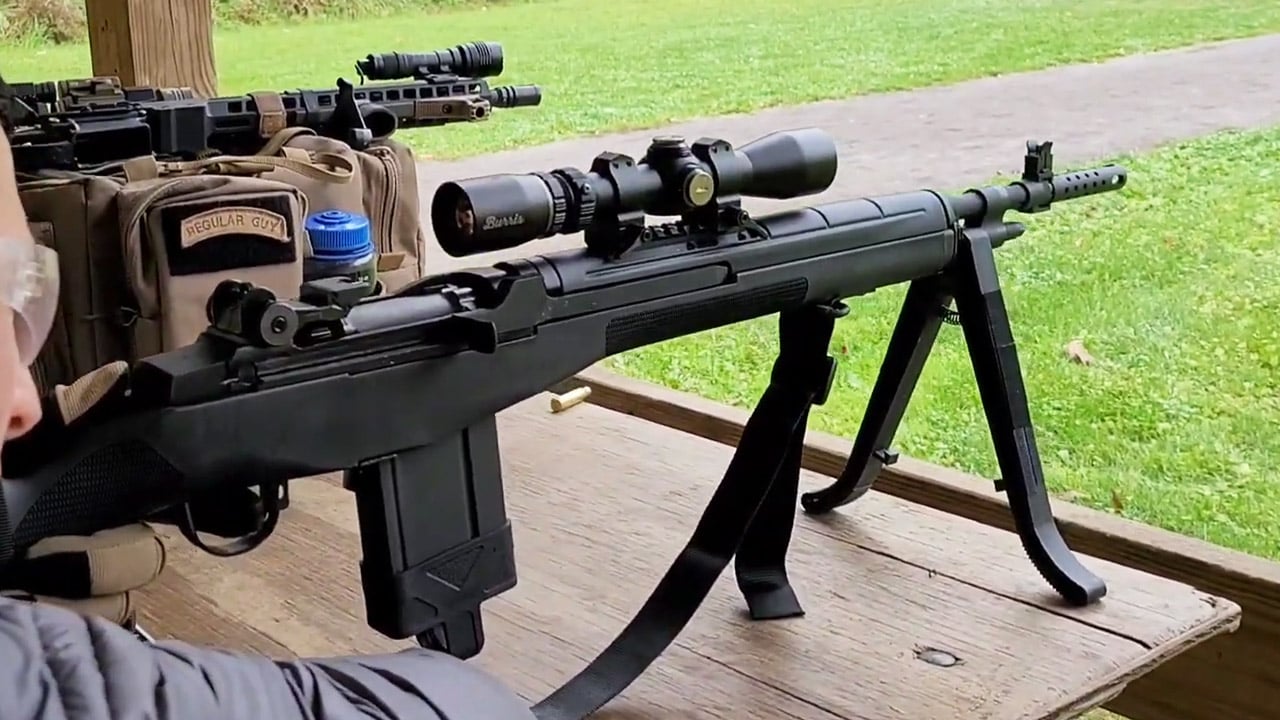
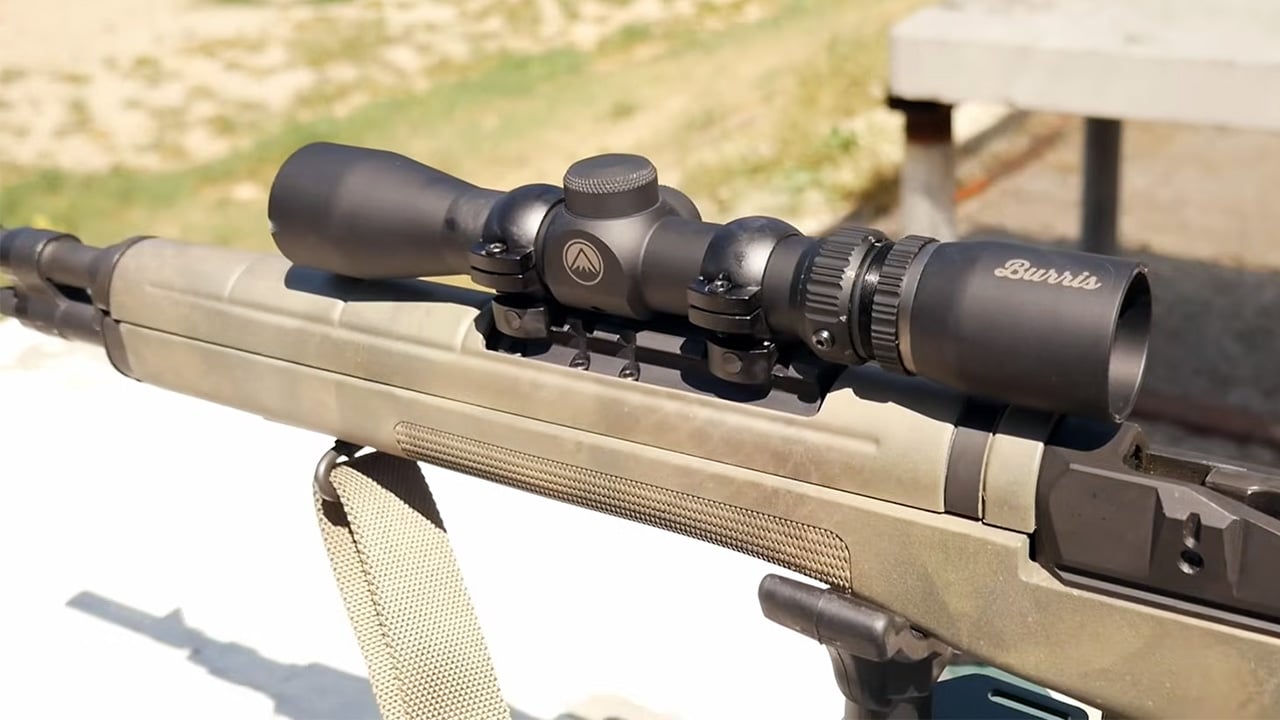
The M1A has had its ups and downs in popularity, and the Scout Squad version often got squeezed from both sides. Precision guys wanted longer barrels and optics rails. Traditionalists wanted the standard configuration. Meanwhile, the Scout version quietly did what it was designed to do: be a handy .308 that still feels like a battle rifle.
It’s not the cheapest rifle to feed, not the lightest to carry, and it’s not a modern “plug-and-play” optic platform. But the balance is good, the recoil impulse is manageable, and it runs with quality magazines. If you like irons, like a forward optic option, and want something that hits with authority without being a magnum, it earns its keep.
What these rifles have in common isn’t hype or collector buzz. It’s usefulness that shows up after you’ve had a few failures, a few regrets, and a few “should’ve brought the other rifle” moments. If you run across any of these in good shape, don’t just look at the price tag. Shoulder it. Work the action. Think about where you hunt and how you actually shoot. The rifles that get overlooked the first time around have a way of becoming the ones you trust when it matters.
Like The Avid Outdoorsman’s content? Subscribe to our newsletter so you never miss an article.
Here’s more from us: