Photo credit: Arm&Gun/YouTube
Some guns creep up slowly. Others seem to jump overnight. One minute they are sitting in used racks, getting ignored by buyers who think they can come back later. Then production ends, imports stop, collectors start circling, or a few online conversations make everyone realize the same thing at once. Suddenly, the old price is gone.
That is the kind of market shift that stings. The guns in this gallery were not always treated like rare prizes. Some were shooters. Some were surplus pieces. Some were oddball imports. Some were practical hunting guns that nobody thought would get expensive this quickly. Once demand caught up with supply, though, prices moved fast.
Colt LE6920

The Colt LE6920 used to be the basic answer when someone wanted a serious factory AR-15. It was not exotic, and plenty of owners treated it like a regular carbine instead of something worth holding onto.
Then Colt’s civilian rifle availability changed, and buyers started caring more about roll marks, factory configuration, and older production details. The LE6920 went from common enough to easy to regret missing. It is still just a carbine in practical terms, but the market stopped treating it like an ordinary one.
Springfield Armory M1A Scout Squad

The M1A Scout Squad was never cheap, but it used to feel easier to justify than it does now. It gave shooters a shorter, handier .308 rifle with classic M14 flavor and enough modern usefulness to keep people interested.
Prices climbed as buyers kept chasing traditional .308 semi-autos that were not just another AR-10. The Scout Squad has the look, the history, and the range presence people want. It is heavy, loud, and not for everyone, but demand has stayed strong enough to make late buyers wish they had moved sooner.
Arsenal SLR-107FR
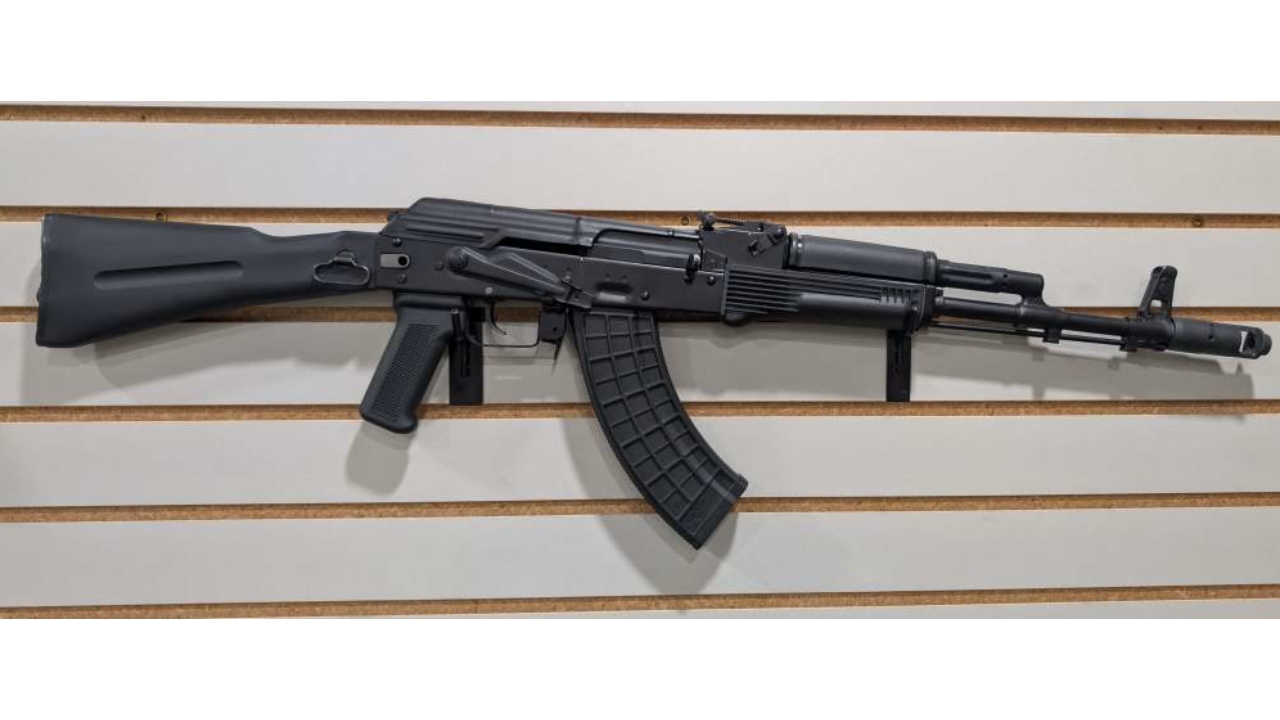
The Arsenal SLR-107FR was once seen as a high-quality AK, but not some impossible-to-find prize. If you wanted a serious Bulgarian-pattern rifle, it was one of the obvious picks.
That changed fast once availability tightened and AK buyers started chasing specific imports harder. The folding stock, factory configuration, and Arsenal name made it more desirable than many owners expected. People who hesitated because it seemed expensive back then now get to laugh at themselves. The current market made the old price look like a bargain.
Marlin 1895 Trapper

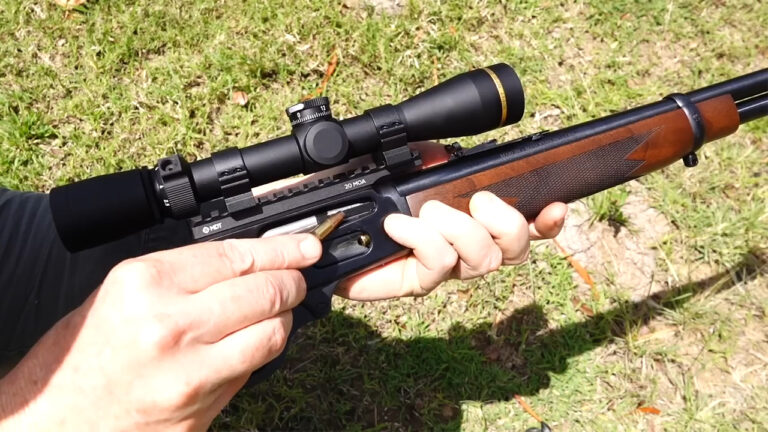
The Marlin 1895 Trapper hit the market at the perfect time for prices to move quickly. Big-bore lever guns were already hot, and Ruger-built Marlins brought confidence back to the brand.
The Trapper’s short barrel, stainless finish, and handy .45-70 setup made it easy to want and hard to find. Demand pushed fast because it checked so many boxes at once. It looked useful, modern, and still classic enough for lever-gun buyers. When a rifle lands in the middle of a lever-action boom, it does not stay easy to buy for long.
CZ Scorpion EVO 3 S1 Carbine
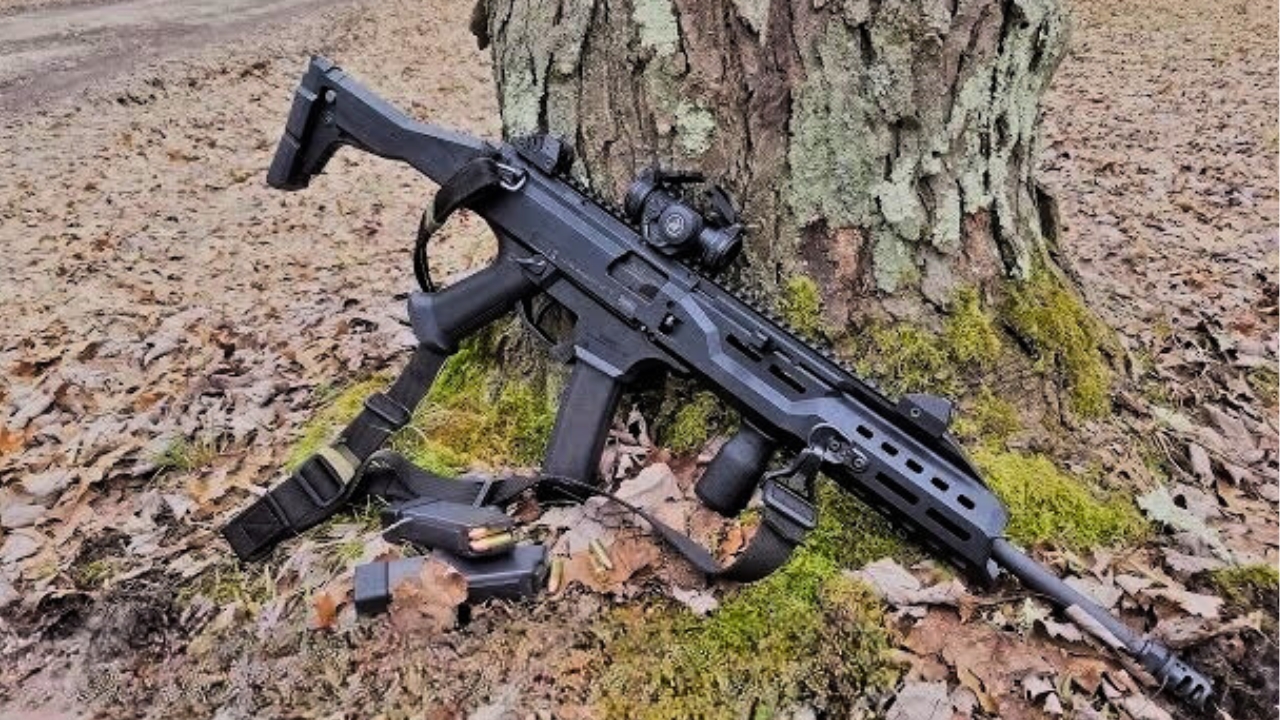
The CZ Scorpion EVO 3 S1 Carbine was once one of the more affordable ways to get into a modern pistol-caliber carbine. It looked different, ran well, and had strong aftermarket support.
As configurations changed and certain models became less common, buyers started paying more attention to the earlier carbines. The Scorpion platform built a big following quickly, and owners who bought early often watched prices move faster than expected. It was not rare at first. It became desirable because the market around PCCs changed fast.
Browning X-Bolt Hell’s Canyon Speed

The Browning X-Bolt Hell’s Canyon Speed became expensive quickly because it hit a sweet spot with hunters. It looked modern without looking ridiculous, carried well, shot well, and had the kind of finish people wanted for real weather.
Demand stayed strong because it was one of those rifles hunters recommended to each other after actually using it. Once a hunting rifle gets that reputation, used prices stop behaving like normal used prices. Buyers who expected to find one discounted later often found the opposite. Good examples stayed wanted.
SIG Sauer MPX

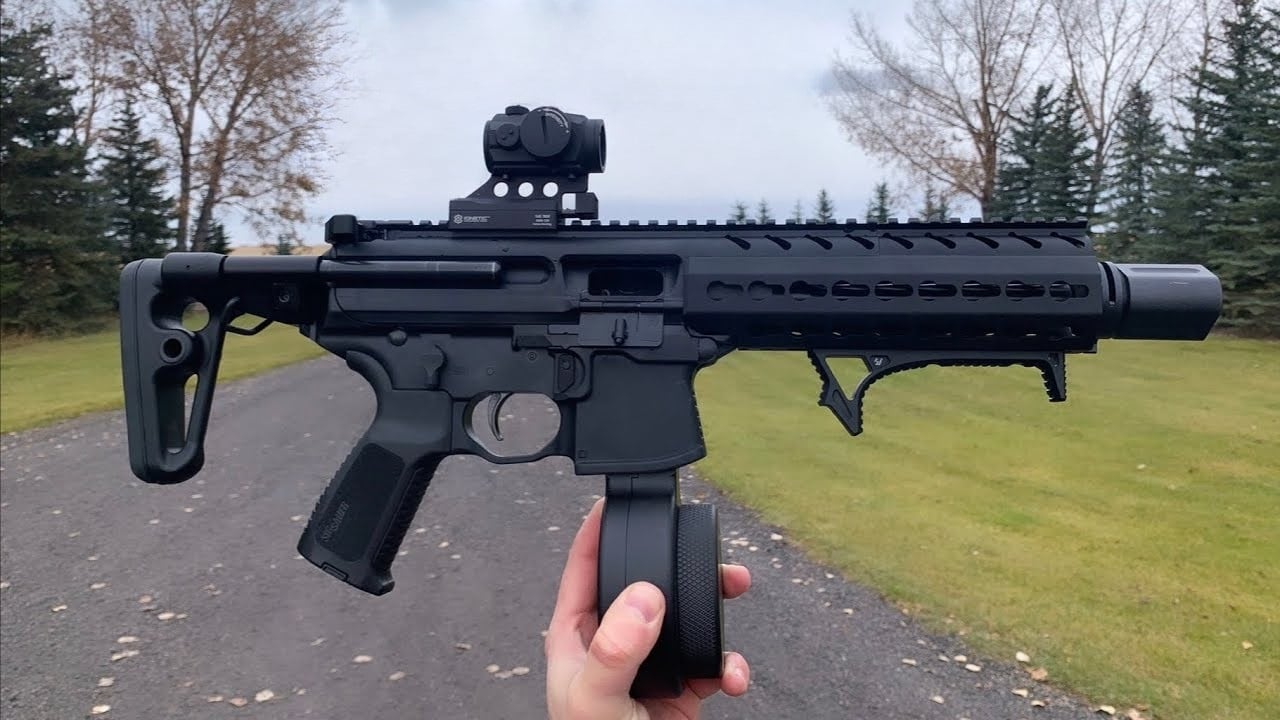
The SIG Sauer MPX became expensive fast because it gave shooters a premium-feeling 9mm carbine platform at a time when PCC interest was exploding. It looked slick, shot softly, and felt more refined than many blowback options.
The problem for late buyers was that SIG kept changing generations, configurations, and parts support details. That made certain setups more desirable, especially to people who wanted a specific version. The MPX was never a cheap toy, but it moved into painful money quickly once owners realized how good and uncommon certain versions were becoming.
Ruger Gunsite Scout Rifle

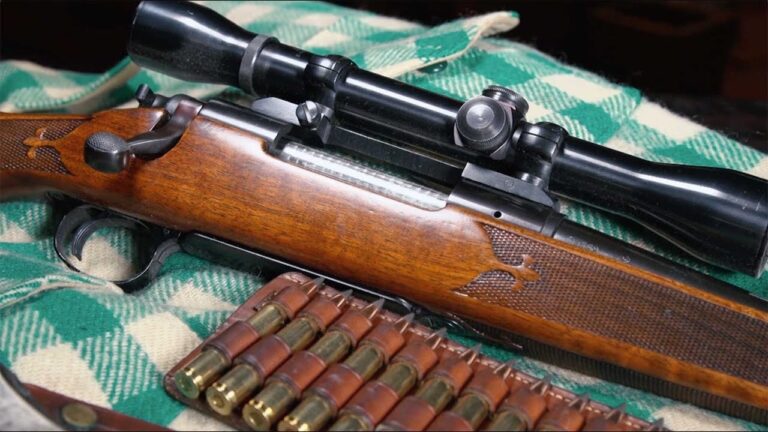
The Ruger Gunsite Scout Rifle seemed a little niche when it first landed. A short .308 bolt gun with iron sights, a forward rail, detachable magazines, and scout-rifle branding was not what every hunter wanted.
Then the idea aged better than expected. People started appreciating handy rifles that were not giant precision rigs or lightweight mountain rifles. The Gunsite Scout filled a role that few factory rifles copied well. Prices climbed because the rifle had a real identity. It was different enough to matter, and useful enough that buyers kept coming back.
Beretta 92X Performance

The Beretta 92X Performance was expensive from the start, but it still managed to climb into a different level of demand quickly. Shooters who liked the 92 platform saw it as a serious competition-ready version rather than another duty pistol.
The all-steel frame, excellent trigger, and soft-shooting feel made it stand out. Once owners started praising how well it shot, interest moved fast. It was not a pistol people bought by accident. It was a pistol 92 fans chased on purpose, and that kind of focused demand can push prices hard when supply gets tight.
Winchester SX4 Waterfowl Hunter
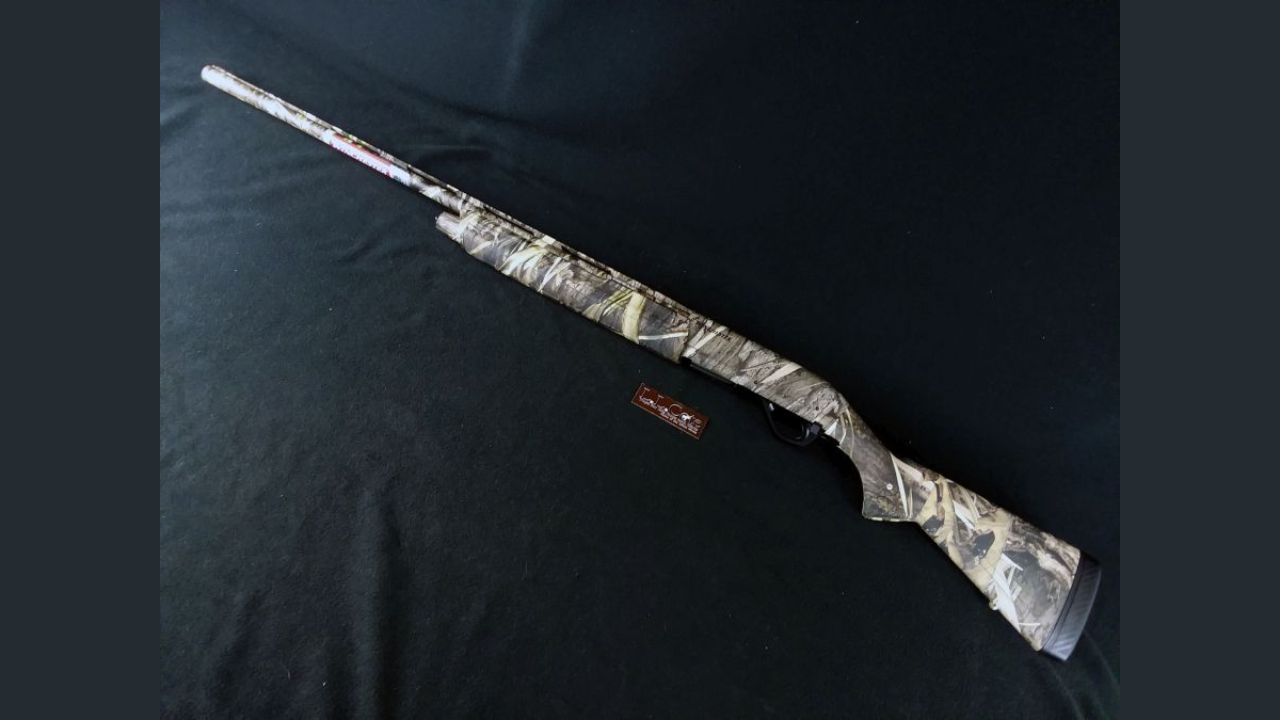
The Winchester SX4 Waterfowl Hunter became a favorite with duck hunters because it offered strong semi-auto performance without the price of some premium competitors. For a while, it felt like one of the smarter buys in the blind.
Then prices across shotguns climbed, availability shifted, and buyers kept chasing reliable waterfowl guns that did not cost luxury money. The SX4’s reputation helped it hold and gain value faster than some expected. Hunters do not care about trends when a shotgun cycles in cold, wet weather. That kind of trust makes prices sticky.
IWI Galil ACE Gen I
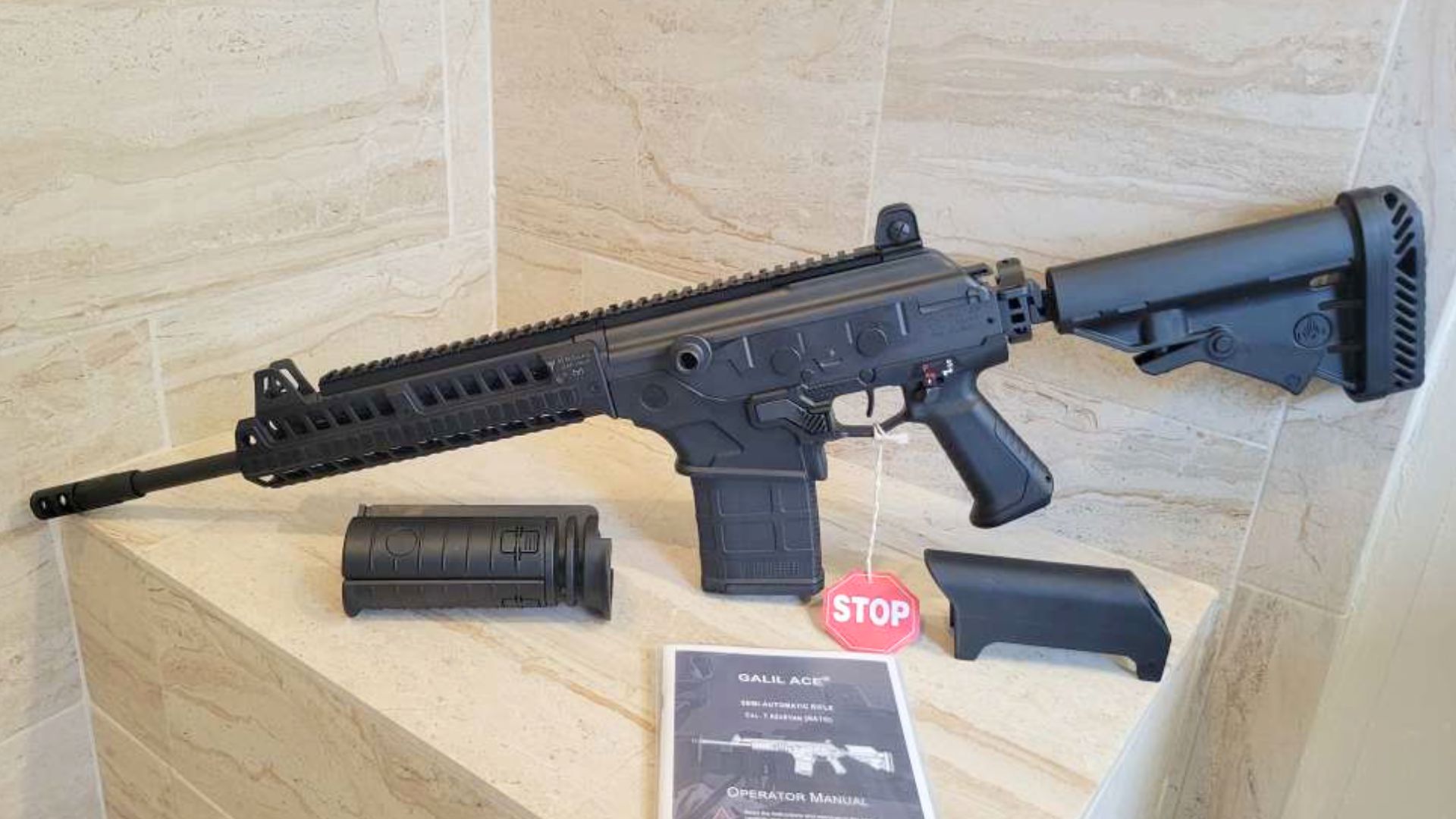
The Galil ACE Gen I became expensive fast after the Gen II arrived and buyers realized some preferred the older look and configuration. That happens often in the gun market. A replacement shows up, and suddenly the previous version looks more desirable.
The Gen I had a more classic ACE feel, strong build quality, and enough import appeal to keep collectors interested. It was already respected as a rugged rifle, but scarcity pushed it harder. Owners who grabbed one early ended up with a gun that became more wanted after it was no longer the current model.
Henry All-Weather .45-70
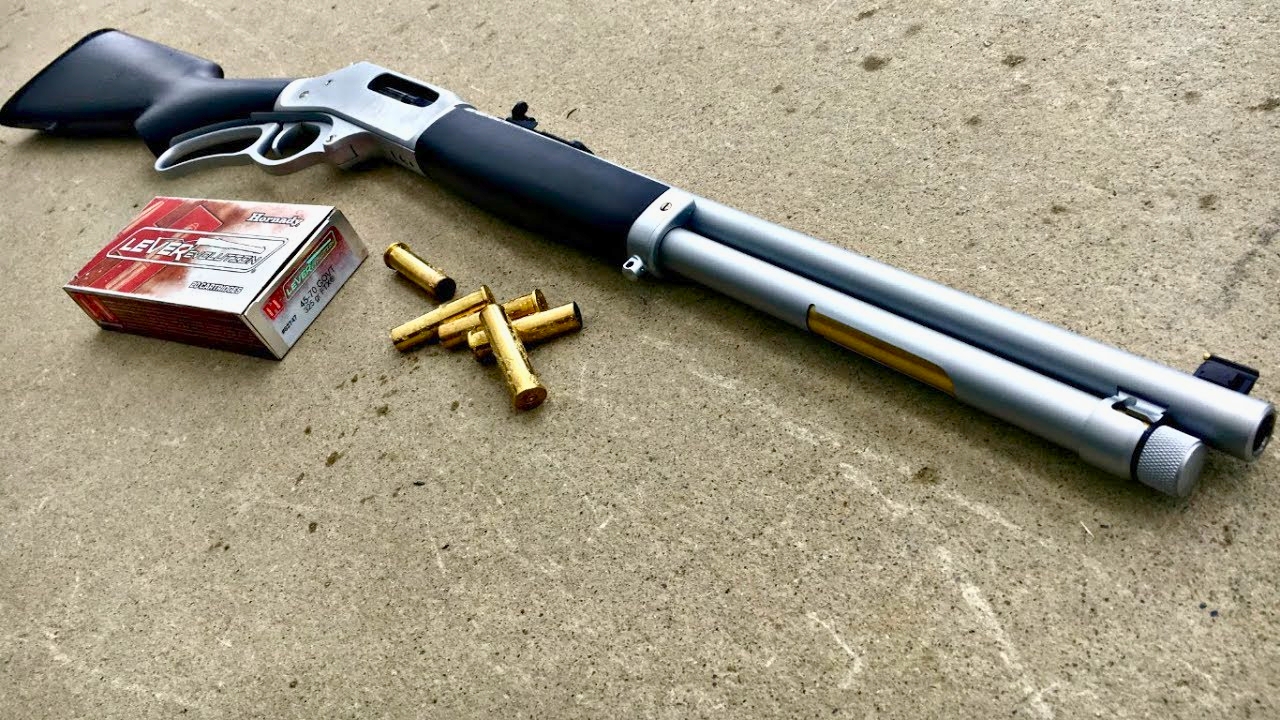
The Henry All-Weather .45-70 got expensive fast because it arrived right as lever guns were becoming hot again. It had the big-bore chambering, weather-resistant finish, and practical hunting look buyers wanted.
For hunters who liked lever actions but did not want to baby blued steel and walnut, it made a lot of sense. Demand got stronger as .45-70 interest grew and buyers chased hard-use lever guns. The All-Weather models were not just pretty shelf pieces. They were the kind of rifles people could actually justify carrying, which made prices climb quickly.
FN Five-seveN

The FN Five-seveN spent years being expensive but still oddly underappreciated by people who did not care about 5.7×28. Then the cartridge gained more attention, more guns entered the market, and people started looking back at the original pistol with fresh interest.
That pushed demand hard. The Five-seveN has military mystique, light recoil, high capacity, and a very specific place in modern handgun history. Even when cheaper 5.7 pistols appeared, they did not erase interest in the FN. In some ways, they reminded buyers why the original mattered.
Remington 870 Marine Magnum
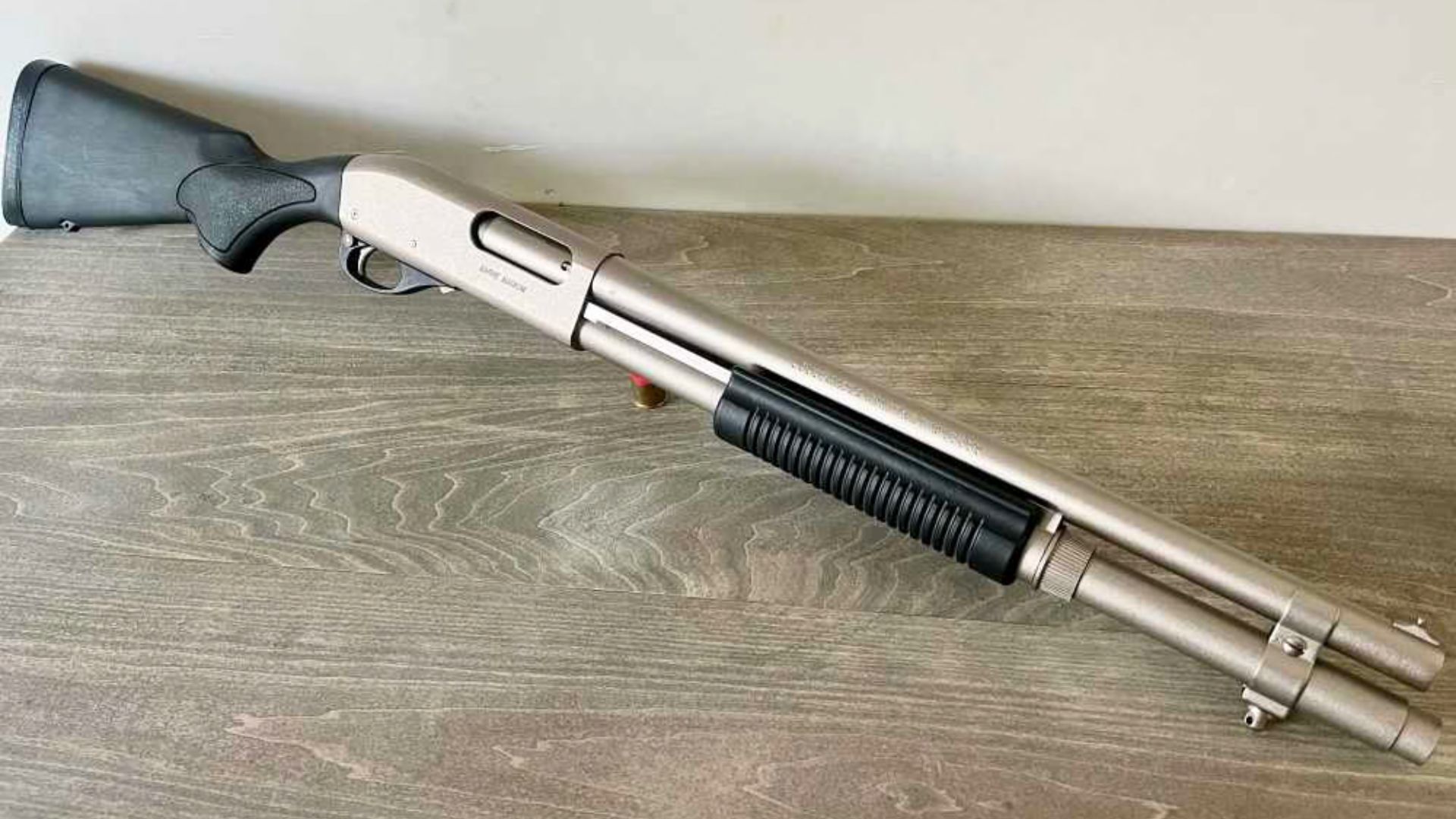
The Remington 870 Marine Magnum got expensive fast once people started separating older, better-regarded Remington shotguns from later budget-era examples. It was always a cool pump gun, but for years it was still treated like a specialized 870.
That changed when clean examples became harder to find and defensive shotgun buyers started chasing durable, corrosion-resistant models. The nickel finish, synthetic furniture, and proven 870 action made it more desirable than ordinary used pumps. A shotgun that once felt expensive but reachable became a lot harder to replace.
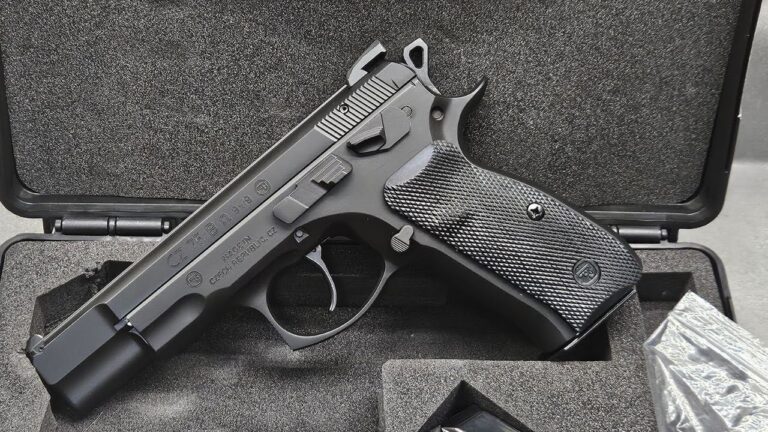
CZ 97B

The CZ 97B spent much of its life as the big .45 that only certain CZ fans truly appreciated. It was heavy, large, and not as easy to carry as modern polymer pistols, so plenty of buyers ignored it.
Then CZ discontinued it, and the market reacted fast. Shooters realized the 97B had a smooth-shooting feel, excellent ergonomics for the right hands, and a uniqueness that newer pistols did not replace. Once supply dried up, the old “too big” criticism mattered less. Clean examples quickly became the kind of pistols CZ fans wished they had bought earlier.
Like The Avid Outdoorsman’s content? Be sure to follow us.
Here’s more from us: