Photo credit: Fire Arm Central/YouTube
Not every gun that’s well-known or hyped up is a good fit for homestead life. When you’re out on land, your firearms need to be reliable, practical, and easy to maintain. A lot of the guns people recommend in forums or show off at the range might look good on a table, but they fall short when it comes to actual day-to-day use around a property.
Whether it’s overcomplicated, ammo-hungry, or just not suited for real work, these guns aren’t the best tools for the job.
Desert Eagle

The Desert Eagle is huge, heavy, and chambered in calibers that are overkill for anything you’d deal with on a homestead. It’s not practical for pest control, livestock protection, or general use. Ammo’s expensive, and it’s not fun to shoot for long.
It might be a conversation piece, but it’s not a field tool. If you’re looking for a reliable handgun for outdoor work, there are a dozen better options that weigh less, cost less, and actually serve a purpose.
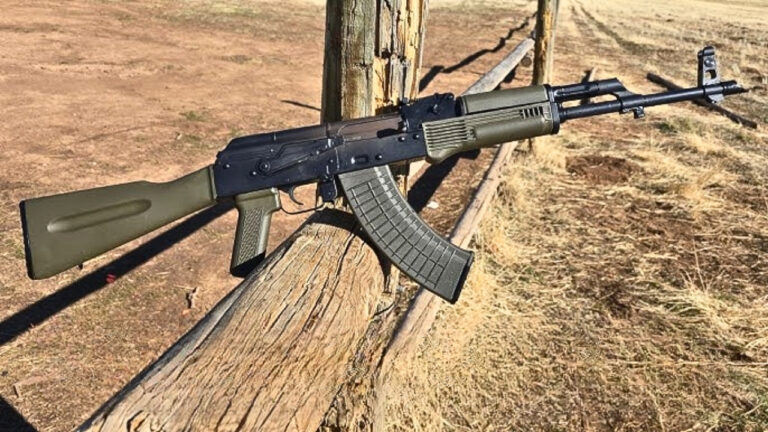
AK Pistols

Short-barreled AK pistols look tough, but they’re loud, hard to shoot accurately, and not ideal for practical use around livestock or buildings. The blast alone is enough to scare every animal on the property—and possibly cause hearing damage if you’re not ready for it.
They’re also bulky for what they offer. A full-size rifle or even a compact carbine is a better choice if you’re looking for something in 7.62×39. These are better left at the range.
Tactical Shotguns with Pistol Grips Only

Pistol-grip-only shotguns might look cool in a movie, but they’re a pain to control in real life. Recoil is harsh, aim suffers, and you lose the stability that a full stock gives you—especially when you need quick, accurate shots.
On a homestead, shotguns have real jobs: dispatching predators, handling pests, or butchering livestock. You want something dependable and easy to aim—not something that tries too hard to look tactical at the cost of function.
FN Five-seveN

The Five-seveN is lightweight and high-capacity, but the ammo is expensive and harder to find than more common calibers like .22, 9mm, or .223. The terminal performance isn’t as impressive as people think either—especially against larger animals.
For homestead use, you want firearms that run common ammo and serve multiple roles. This one doesn’t really fit. It’s a specialty gun that doesn’t pull its weight when it comes to day-to-day needs.
.50 BMG Rifles

Unless your “homestead” includes a thousand-yard range and a military budget, a .50 BMG rifle doesn’t make much sense. They’re massive, expensive, and completely unnecessary for the kind of problems you’ll actually face out in the field.
They’re also impractical to store, carry, or shoot without serious setup. It’s a specialty tool, not a daily-use firearm. If you’re thinking about long-range options, there are better calibers that cost a fraction and get the job done.
Micro-Compact Carry Guns

Tiny 9mm pistols are great for concealed carry, but they don’t offer much when it comes to control, capacity, or versatility. Around the homestead, you’re better off with something full-sized or at least compact enough to run comfortably with gloves.
When you’re dealing with predators or moving between tasks, having a gun that’s harder to aim and less forgiving under stress doesn’t help. Keep the pocket guns for town and carry something more capable at home.
High-End 2011 Race Guns

There’s no arguing that 2011s shoot well, but they’re tuned for competition—not outdoor abuse. They’re sensitive to grime, don’t like cheap ammo, and can be overcomplicated to maintain if you’re not used to them.
You don’t need a race trigger and slide cuts to take care of business on a farm. A good revolver or striker-fired pistol will handle dust, rain, and rough use a whole lot better than these tuned-up showpieces.
Short-Barreled Rifles (SBRs)

SBRs sound good in theory—compact and easy to move with—but dealing with the legal red tape and NFA rules makes them a headache. They’re also louder than full-length rifles and lose velocity, which matters if you’re trying to shoot accurately or humanely at range.
For most homesteaders, a 16-inch carbine is easier to manage, and you don’t have to jump through federal hoops to use it. SBRs just don’t bring much to the table when practicality is what counts.
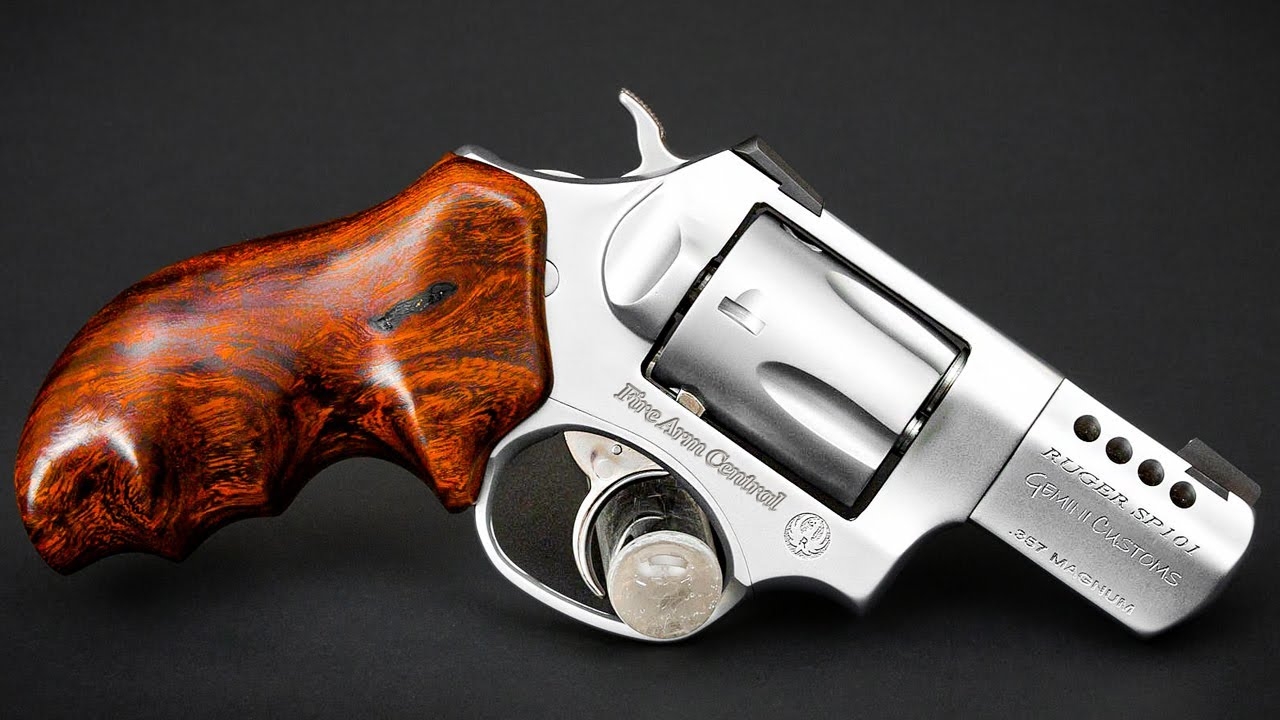
Revolvers in Magnum Calibers with Short Barrels

Snub-nose .357s and similar setups might look rugged, but they’re hard to control, especially with magnum loads. The muzzle flash and recoil are brutal, and accuracy drops fast without a proper sight radius.
If you’re going to carry a magnum revolver on the homestead, go with something that’s got some barrel length to it. It’ll be easier to shoot well and actually useful in the field. The short barrels just don’t serve you well when the stakes are high.
Competition-Only .22 Rifles

Precision .22s built for benchrest shooting are accurate, no question—but they’re also sensitive, picky with ammo, and often too delicate for rough use. Most don’t hold up well to getting bumped around in a truck or carried through the woods.
There are plenty of reliable .22s out there that shoot well and can take a beating. Save the bench guns for the range and grab something more rugged when it’s time to get things done outside.
*This article was developed with AI-powered tools and has been carefully reviewed by our editors.