Photo credit: AvidOutdoorsman
Some cartridges get attention because they are new, fast, trendy, or tied to whatever rifle makers are pushing that year. Others do not need any of that. They stay respected because hunters, shooters, and handgunners keep using them long after the marketing cycle moves on.
These cartridges are not all flashy. Some are old. Some look boring on paper. Some have been called outdated more times than anyone can count. But they keep earning respect because they work in the real world, and that matters more than hype.
.30-06 Springfield

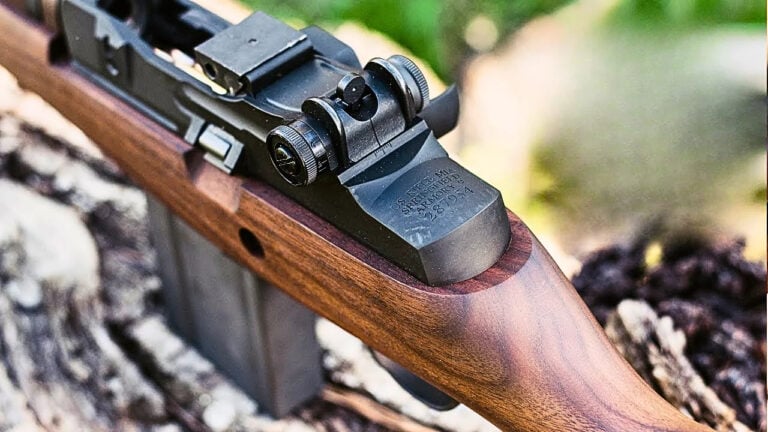
The .30-06 Springfield never needed hype because it built its reputation through more than a century of serious use. It has taken deer, elk, moose, black bear, sheep, hogs, and just about everything else North American hunters chase. It is not the newest cartridge, but it has enough bullet weight, velocity, and versatility to keep proving itself.
Hunters respect the .30-06 because it gives them options. Light bullets can handle deer and antelope, while heavier loads make sense for elk and bigger game. Ammunition is widely available, rifles are everywhere, and the cartridge still performs without needing excuses. Newer rounds may shoot flatter or recoil less, but the .30-06 remains one of the safest answers in big-game hunting.
.308 Winchester

The .308 Winchester stayed respected because it does almost everything most hunters actually need. It is efficient, accurate, widely available, and chambered in countless rifles. It does not have the case capacity of the .30-06, but it delivers enough performance for deer, hogs, black bear, and elk at reasonable ranges.
It also earned respect outside hunting. Target shooters, military users, law enforcement marksmen, and practical rifle owners have all leaned on the .308 for decades. That kind of broad use keeps a cartridge honest. It is not trendy because it does not have to be. The .308 works, and almost everyone knows it.
.270 Winchester

The .270 Winchester has been respected by deer and elk hunters for generations because it shoots flat, recoils reasonably, and hits harder than many people expect. It has always been especially strong for open-country deer, antelope, sheep, and mountain hunting. A good .270 with a quality bullet is still a serious hunting setup.
The cartridge does not need modern hype because its field record already did the talking. It gives hunters a clean balance of speed and manageable recoil. Some newer 6.5mm and 7mm cartridges may get more attention now, but the .270 Winchester still makes plenty of sense for hunters who want a flat-shooting rifle without stepping into magnum recoil.
.243 Winchester
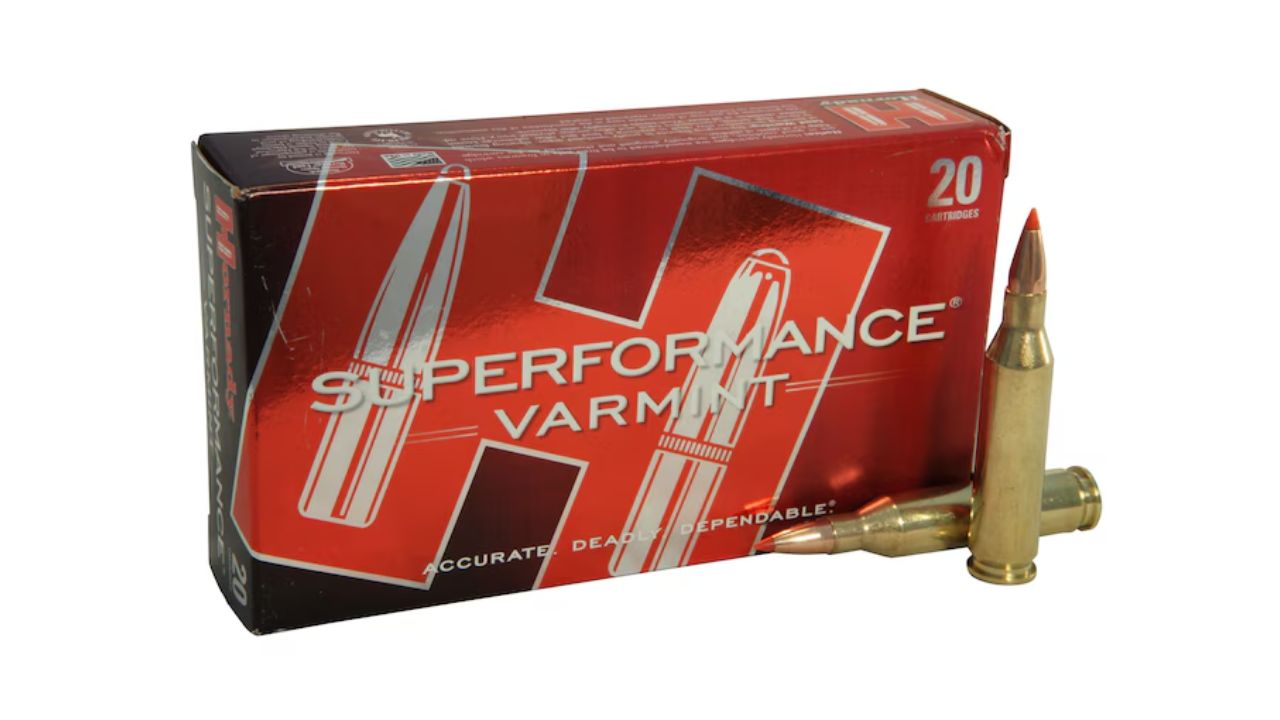
The .243 Winchester stayed respected because it made light recoil and real deer performance live in the same rifle. It is a favorite for new hunters, smaller-framed shooters, predator hunters, and anyone who wants a mild cartridge that still works with proper bullets. It also pulls double duty on coyotes and varmints better than many bigger deer rounds.
Its limits are real, especially on larger deer, poor angles, or bigger game. But inside its lane, the .243 has earned its place. With proper 90- to 100-grain hunting bullets, it can be a very effective whitetail cartridge. It never needed to be loud or trendy. It just needed to keep helping hunters make good shots.
.30-30 Winchester

The .30-30 Winchester may be one of the least flashy respected cartridges in the deer woods. It does not win long-range arguments, and it is not built for stretching shots across wide-open country. But in thick timber, brushy ridges, and classic whitetail country, it still makes sense.
The respect comes from knowing what it is and what it is not. Inside practical lever-action ranges, the .30-30 hits hard enough, carries easily, and has taken an enormous number of deer. It does not need hype because generations of hunters already proved it works. A cartridge that keeps filling freezers after more than a century does not need to chase trends.
7mm-08 Remington

The 7mm-08 Remington earned quiet respect because it delivers excellent hunting performance without much drama. It offers manageable recoil, good sectional density, useful bullet weights, and enough power for deer, hogs, black bear, and elk with the right load. It is one of those cartridges that works better than its popularity might suggest.
Hunters who use the 7mm-08 tend to defend it because it is so easy to live with. It shoots flat enough for normal hunting distances, recoils less than many bigger rounds, and performs cleanly with good bullets. It never became the loudest cartridge in the room, but it has always been one of the smarter ones.
.25-06 Remington

The .25-06 Remington stayed respected among hunters who appreciate speed without heavy recoil. It is excellent for antelope, deer, coyotes, and open-country hunting where a flat trajectory matters. It shoots fast, hits cleanly with the right bullets, and is easier on the shoulder than many larger high-speed cartridges.
It is not the best elk cartridge, and it should not be treated like a magnum. But for deer-sized game and predators, the .25-06 remains one of the more useful classic choices. Its following may not be as loud as it once was, but the respect is still there among hunters who have watched it work.
6.5×55 Swedish

The 6.5×55 Swedish never needed American-style hype because it had already earned respect long before many shooters rediscovered 6.5mm bullets. It is mild, accurate, and capable with excellent penetration for its recoil level. European hunters understood its usefulness for a long time, and handloaders in the United States have appreciated it for years.
The cartridge works because it combines efficient bullet design with pleasant shooting. It is not as fast as some modern 6.5mm rounds, but it does not need to be. With proper bullets, it handles deer, hogs, and even larger game better than its soft recoil suggests. It is an old cartridge with a very modern kind of balance.
.45-70 Government

The .45-70 Government has survived because it does one thing extremely well: it throws heavy bullets with authority at reasonable ranges. It is not flat-shooting, and nobody should pretend it is. But in thick cover, big-bore lever guns, single-shots, and close-range hunting, it still carries serious respect.
Hunters like the .45-70 because it has a wide performance range. Mild loads are manageable and nostalgic, while strong modern loads in appropriate rifles can be serious medicine for black bear, hogs, moose, and big timber game. It never needed hype because its appeal is obvious the moment someone understands its role.
.35 Remington
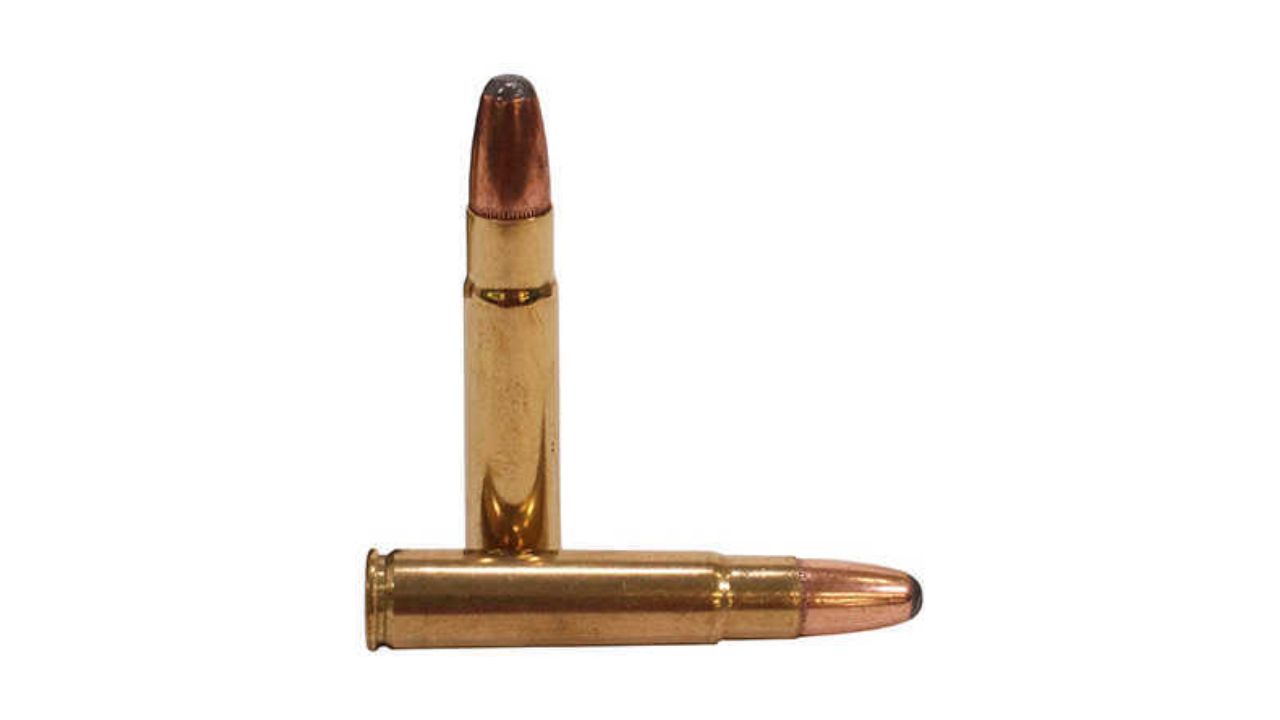
The .35 Remington has faded in availability, but it never lost respect among hunters who used it in the woods. It was never about speed or long-range performance. It was about hitting deer and black bear hard at close to moderate ranges from handy rifles like the Marlin 336.
The cartridge still has a loyal following because it performs well where many lever guns are actually used. It offers more frontal diameter and heavier bullets than .30-30, while still keeping recoil manageable. Ammunition can be harder to find now, but the respect remains. The .35 Remington earned it honestly in deer camps and bear woods.
9mm Luger
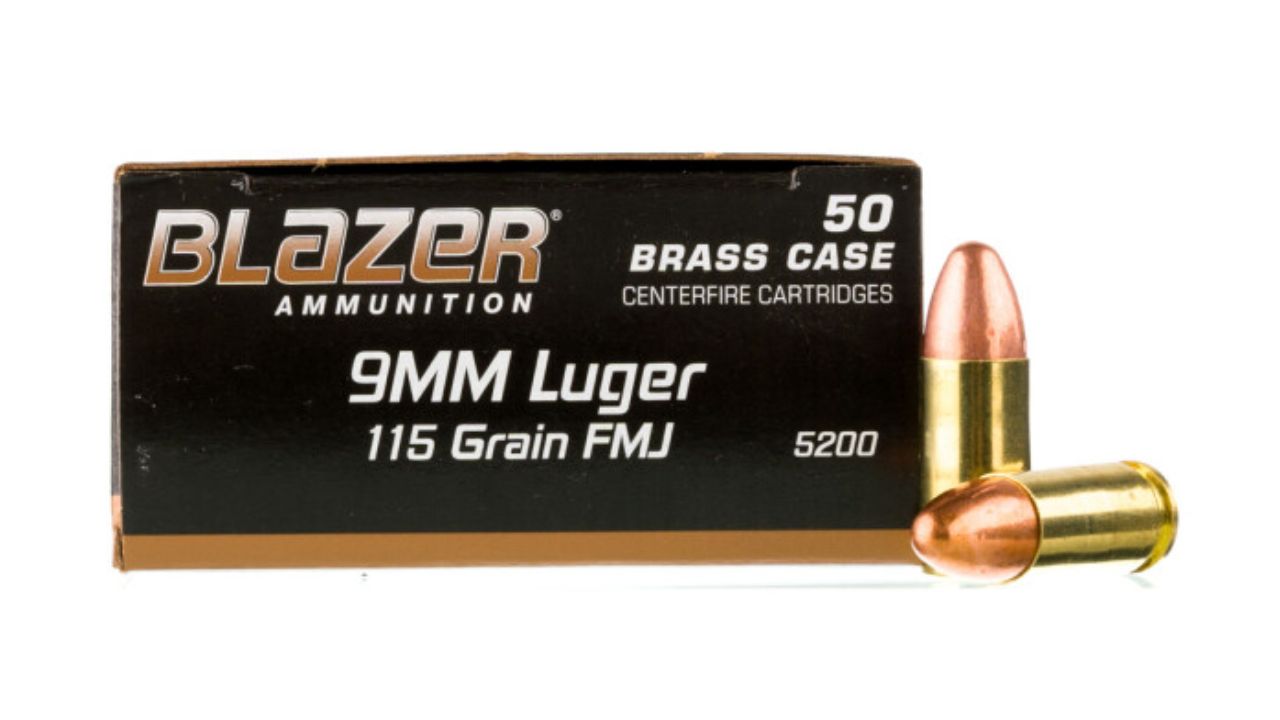
The 9mm Luger stayed respected because it became the practical defensive handgun standard for good reasons. It offers manageable recoil, good capacity, broad ammunition availability, and modern bullet performance that made it far more capable than old arguments suggested. It is easy to train with and easy to support.
It also works across almost every handgun size that matters. Full-size duty pistols, compact carry guns, micro-compacts, pistol-caliber carbines, and competition pistols all use it well. People can argue about bigger calibers forever, but the 9mm’s real strength is balance. It never needed hype once shooters accepted how practical that balance is.
.45 ACP

The .45 ACP earned respect through history, shootability, and the confidence people have in a heavy, moderate-speed bullet. It is not the capacity king, and it does not shoot as flat as smaller, faster handgun rounds. But it remains respected because it is controllable in full-size pistols and has a long record in defensive and military use.
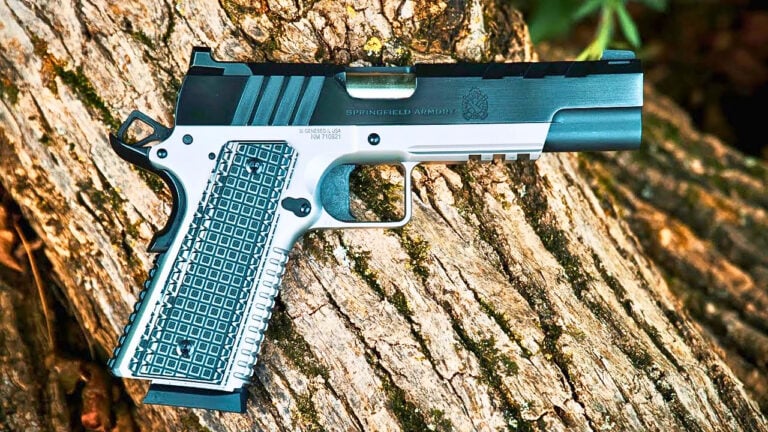
Its best home is still in pistols that manage it well, especially 1911s, HKs, SIGs, and other full-size platforms. The .45 ACP is not magic, but it also is not just nostalgia. It stays respected because it shoots smoothly, hits with authority, and still appeals to people who prefer big-bore handguns.
.357 Magnum

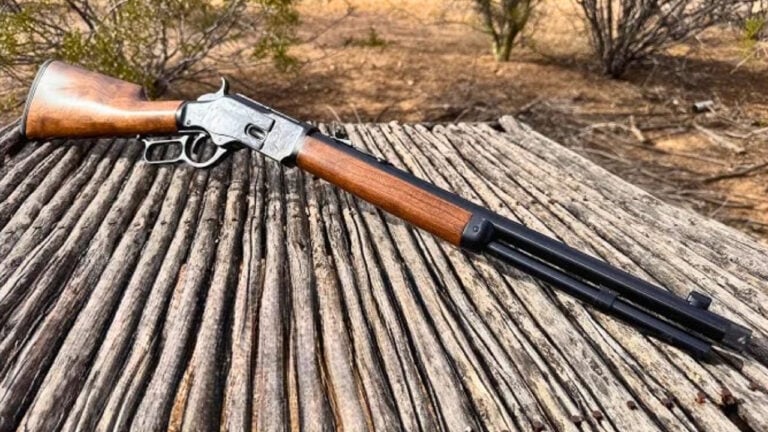
The .357 Magnum never needed hype because it became one of the most useful handgun cartridges ever made. In revolvers, it works for defense, field carry, and hunting in the right setup. In lever-action rifles, it becomes even more versatile, gaining velocity and turning into a capable short-range deer or utility cartridge with the right loads.
Its flexibility is the key. A .357 Magnum revolver can also shoot .38 Special for practice or lower-recoil use, which makes ownership easier. Loaded properly, it can be mild, serious, or very powerful depending on the job. That kind of range keeps the .357 respected long after newer handgun rounds come and go.
.38 Special
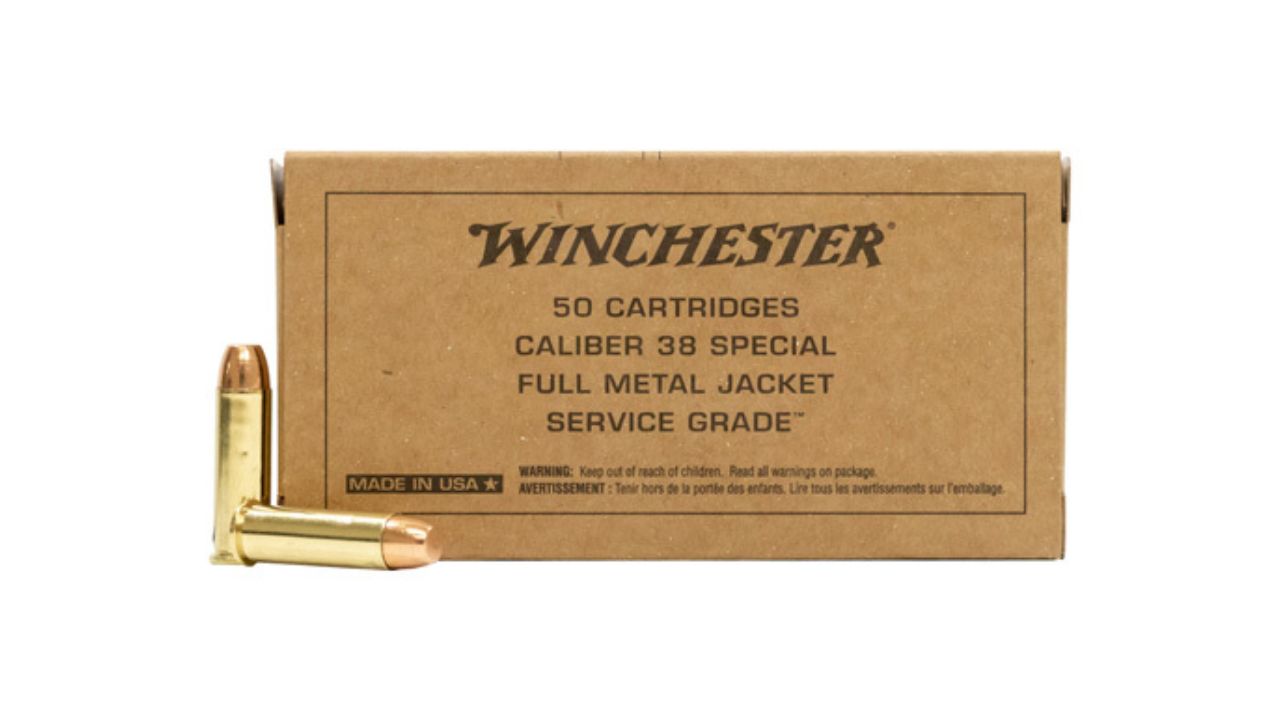
The .38 Special is not flashy, but it stayed respected because it is accurate, pleasant, and useful in the right revolver. It spent decades as a law enforcement and civilian defensive standard, and even now it remains relevant for people who value simplicity and control. From a good revolver, it is easy to shoot well.
The cartridge has limits, especially from very short barrels with weak loads. But quality .38 Special +P ammunition in a controllable revolver still makes sense for many defensive roles. It also remains one of the best revolver practice cartridges ever made. Respect does not always come from power. Sometimes it comes from being easy to shoot accurately.
.44 Magnum

The .44 Magnum stayed respected because it delivers real handgun power. It is not for everyone, and it is not the best choice for casual defensive carry. But for hunting, field carry, and serious revolver use, it still has a place that smaller cartridges cannot fully replace.
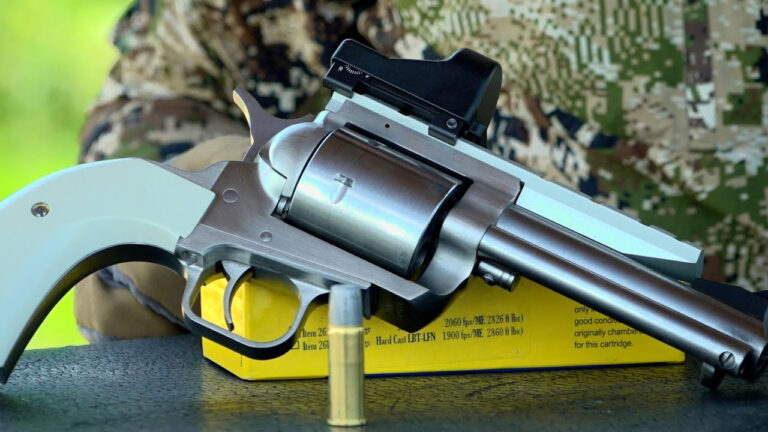
The cartridge shines when loaded with proper hunting bullets in a revolver or lever-action rifle. It can take deer, hogs, black bear, and other game at reasonable ranges with authority. The recoil is real, but so is the performance. The .44 Magnum does not need internet hype because its reputation was built with noise, recoil, and results.
10mm Auto

The 10mm Auto has had hype cycles, but its lasting respect comes from what it can actually do when loaded properly. It gives semi-auto shooters more power than common service pistol cartridges while keeping useful capacity. For hunters, hikers, and outdoorsmen, that combination matters.
The important part is ammunition choice. Light defensive loads do not show what the cartridge can really do. Proper hard-cast, bonded, or deep-penetrating loads are what give the 10mm its field reputation. It is not necessary for everyone, but when someone wants a semi-auto woods pistol, the 10mm remains one of the most respected choices.
12 gauge
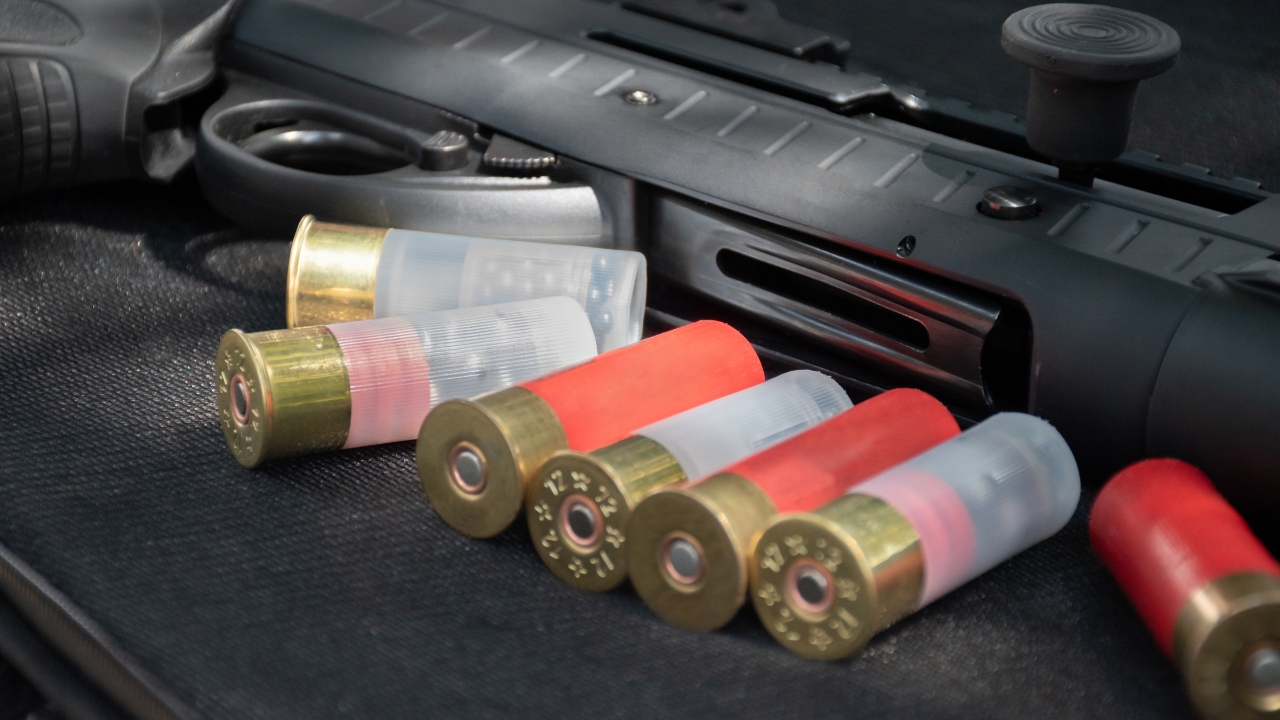
The 12 gauge is respected because it may be the most versatile common firearm chambering in America. Birdshot, buckshot, slugs, turkey loads, waterfowl loads, target loads, and defensive loads all exist under the same broad umbrella. One shotgun can cover more jobs than almost anything else in the safe.
That versatility is why the 12 gauge never needed hype. Hunters use it for ducks, geese, doves, pheasants, rabbits, squirrels, deer, turkey, and hogs depending on load and setup. Homeowners trust it for defense. Clay shooters use it constantly. It has recoil, but it also has unmatched flexibility. Respect came naturally.
20 gauge

The 20 gauge stayed respected because it gives many hunters the shotgun performance they need with less weight and recoil than a 12 gauge. For upland birds, rabbits, squirrels, doves, and even deer with slugs in the right setup, it is more capable than some people assume.
It is also a great choice for hunters who walk a lot. A lightweight 20 gauge can be easier to carry all day, easier to shoot well, and more pleasant for smaller-framed hunters. It may not replace the 12 gauge for every heavy-duty job, but it never had to. The 20 gauge earned respect by being practical, not loud.
.410 bore
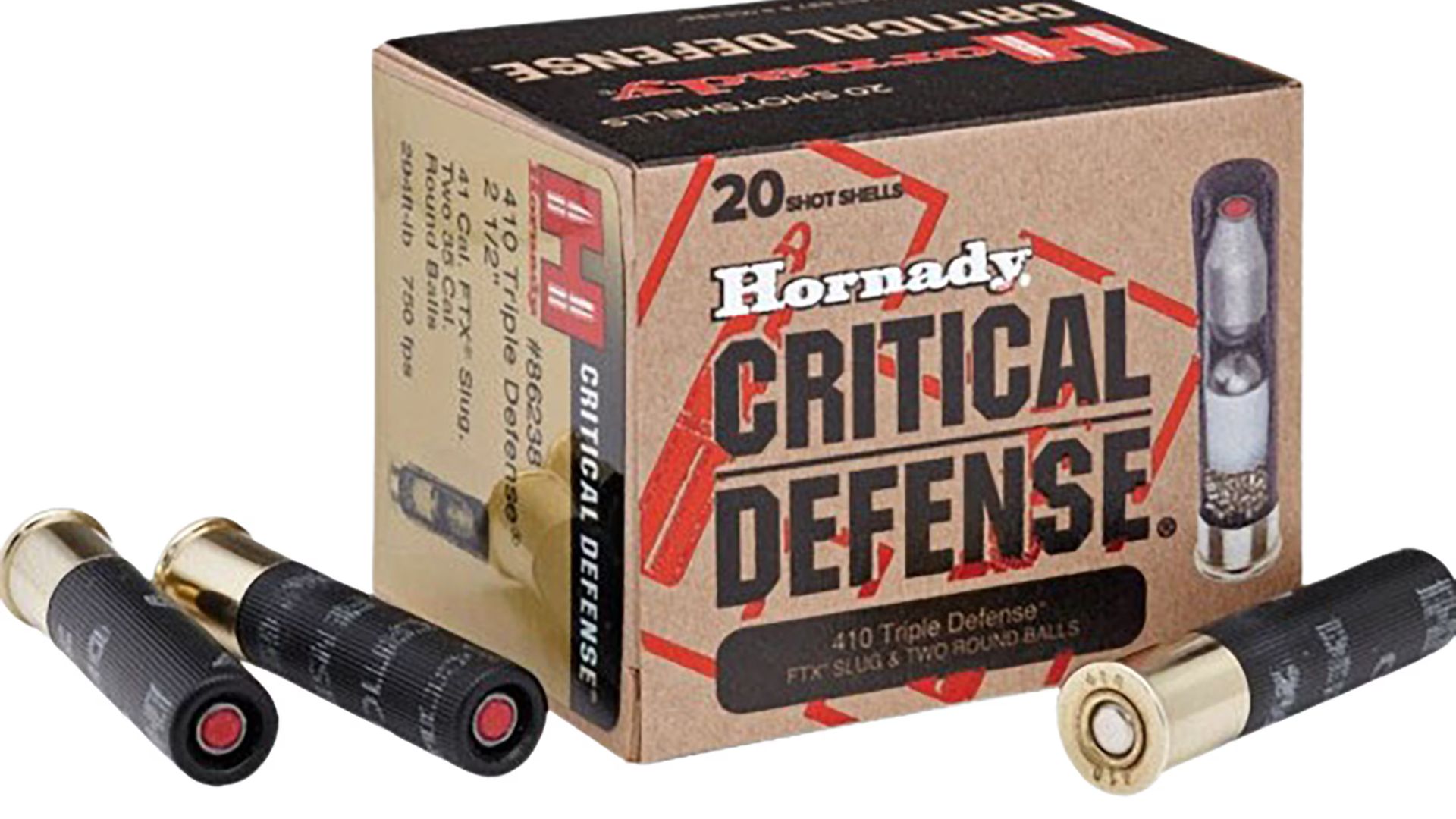
The .410 bore is often misunderstood, but it still deserves respect in its proper role. It is not a beginner shotgun in the way people sometimes claim, because the small pattern can make wing-shooting harder. But for experienced shooters, small game, pests, and light field use, it has real charm and usefulness.
The respect comes from discipline. A .410 does not give much margin, so the shooter has to know range, pattern, and limitations. In the right hands, it is a clean little small-game tool. It should not be oversold, and it should not replace larger gauges for serious jobs. But it has stayed around because it still does something worthwhile.
.223 Remington

The .223 Remington earned lasting respect because it is affordable to shoot, accurate, low recoiling, and useful in a wide range of rifles. It dominates varmint and predator work, fuels endless AR-15 setups, and serves as one of the easiest centerfire rifle cartridges to train with.
Its limits on larger game are real and depend heavily on law, bullet choice, and distance. But inside its proper role, the .223 is one of the most practical cartridges ever made. It does not need hype because shooters keep buying it by the case and using it for everything from coyotes to range work to defensive rifles.
.22 Long Rifle

The .22 Long Rifle stayed respected because no cartridge teaches, trains, and entertains more people for less money. It is the cartridge many shooters start with and the one many experienced shooters never stop using. Small game, plinking, target practice, pest control, and new-shooter instruction all keep it relevant.
It is not a big-game cartridge and should never be treated like one. But judged honestly, the .22 LR may be the most useful cartridge in the country. It lets people shoot more, practice fundamentals, and enjoy rifles and pistols without burning through expensive ammunition. That is the kind of respect hype cannot buy.
Like The Avid Outdoorsman’s content? Subscribe to our newsletter so you never miss an article.
Here’s more from us: