Photo credit: The Avid Outdoorsman
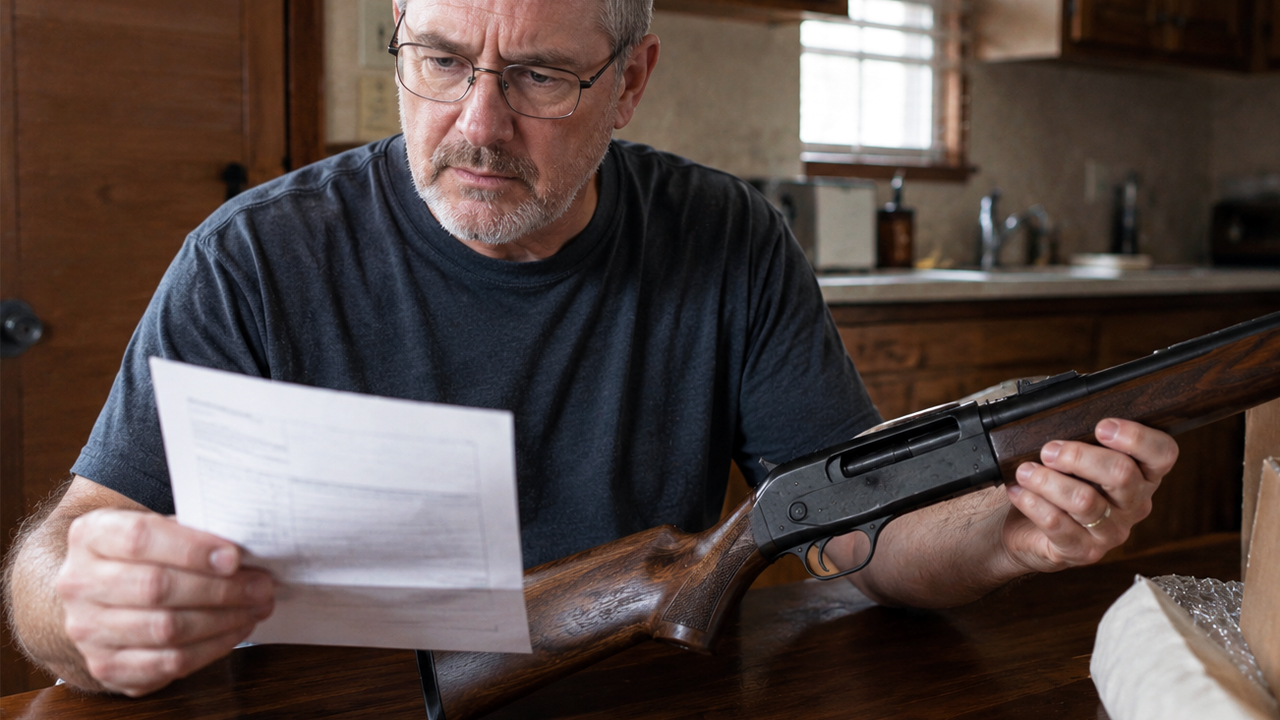
It’s a good feeling when a stolen gun finally makes its way home. You get the call, you grab your ID, you sign the paperwork, and you’re thinking you can put that whole mess behind you. Then you look down at the form you just signed and realize the firearm you’re taking home is still tagged as evidence in an open case.
That’s where one gun owner found himself after doing everything the way you’re supposed to do it—file the report, provide the serial number, cooperate, wait. The firearm came back, but the paperwork didn’t match the moment. And that’s the kind of detail that can turn a “good news” pickup into a new round of headaches.
The theft was straightforward, but the aftermath wasn’t
The gun had been taken during a property crime, the kind a lot of rural folks and hunters have dealt with at least once—truck break-ins at a trailhead, a garage hit while you’re at work, a storage shed popped open. The owner had kept his purchase records, had the serial number, and reported it quickly. That part matters, because the faster a gun goes into the system as stolen, the better the odds it gets flagged when it turns up.
Months later, law enforcement recovered it during another call. Sometimes it’s a traffic stop. Sometimes it’s a search warrant on a theft ring. Sometimes it’s a domestic call where officers find a pile of guns that don’t belong to the person holding them. However it surfaced, the serial number finally got it back on the owner’s radar.
The pickup felt normal until the paperwork hit the counter
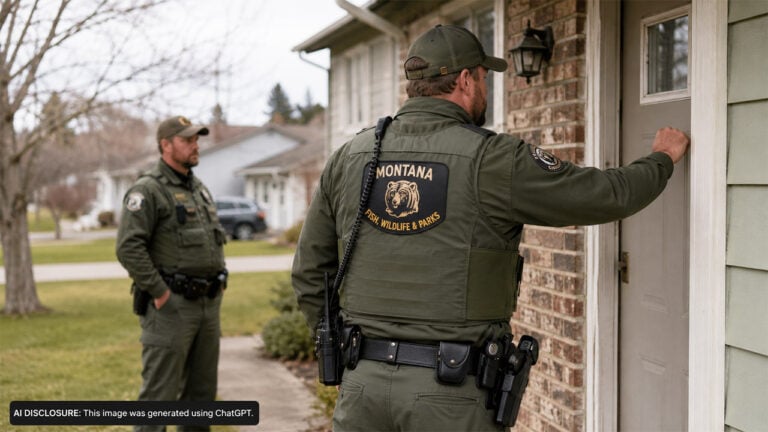
When the owner went to retrieve the firearm, it wasn’t like buying a new rifle at the gun counter. It was a back-office transaction—inventory tags, property receipts, a quick once-over for make/model/serial number, and a signature saying you’re the lawful owner and you’re taking possession.
But the return form wasn’t just a “property release.” It included language that treated the gun like it was still being held as evidence tied to a pending case. In plain terms, the form read like the firearm hadn’t fully been cleared to go home, even though it was physically being handed across the counter.
That detail isn’t just a paperwork nerd issue. If a firearm is truly evidence in an active prosecution, the chain-of-custody is a big deal. Evidence goes missing, gets altered, or gets mixed up, and the defense can use that to hammer the case. On the other side, you don’t want your property stuck in limbo because a box didn’t get checked or a status didn’t get updated.
Why a gun can be “returned” and still treated like evidence
This is where things get messy, and it’s not always because someone’s being sneaky. A lot of agencies have separate tracks for “found property,” “stolen property,” and “evidence,” and those tracks don’t always merge cleanly in their software or their policies.
One common scenario is that the firearm was test-fired, photographed, or otherwise processed for a case involving someone else—possession by a prohibited person, theft, burglary, or another crime where the gun is an exhibit. The agency might be willing to release it to the rightful owner, but they still need the ability to prove what it was, where it was, and what condition it was in when recovered. That can mean retaining photos, test-fire results, and documentation while letting the owner take the gun.
The other scenario is simpler: administrative lag. The detective marks it “OK to release,” the property room prints a standard evidence release form, and nobody catches that the wording is wrong for a stolen-gun return. It happens. The problem is that the owner is the one standing there wondering whether he’s about to become part of the case file.
The practical consequences for the owner aren’t small
First off, there’s the safety and condition issue. A stolen gun may have been carried hard, stored wet, or “cleaned” by someone who thinks sandpaper counts as maintenance. The owner now has to treat it like a firearm of unknown history. A careful inspection, a function check, and a trip to a competent gunsmith if anything feels off is just common sense. If it was used in a crime, it may also have been fired a lot more than you ever put through it.
Then there’s the legal and logistical side. If the firearm is labeled as evidence in a pending case, it raises questions: Can the owner sell it? Can he take it across state lines for a hunt? What happens if a future traffic stop runs the serial number and an old status still shows “evidence” or “stolen” because the database wasn’t updated? That’s where a simple range day can turn into an unnecessary delay on the shoulder of the road.
Finally, it creates a real worry about being recalled. Some agencies will release a firearm with the understanding they can subpoena it later if needed for trial. That can be reasonable, but it should be clear and properly documented. The owner shouldn’t have to guess whether he’s going to get a call two days before deer season telling him to bring his rifle back downtown.
What people zeroed in on: receipts, serial numbers, and getting it in writing
When gun folks talk about situations like this, the same themes come up every time. Keep your records. Save the box label, the bill of sale, the photos, and the serial number list. If you ever have to prove ownership, “it’s the one with the sling” isn’t going to help you.
Another big point is documentation at pickup. A clean property receipt matters. It should list the make, model, serial number, and clearly state it was released to the lawful owner. If the form says something that doesn’t fit—like calling it evidence in a pending case—people tend to recommend stopping right there and asking for clarification, a corrected form, or a supervisor who can explain the status. Not to be difficult, but because the paper trail follows the gun.
And plenty of outdoorsmen brought up a hard truth: stolen guns often come back in worse shape than they left. Not just cosmetically, either. Springs get swapped, parts go missing, optics get stripped, and screws get buggered up by someone with the wrong tool. A firearm returned from a property room shouldn’t be loaded and carried until you’ve personally verified it’s safe and mechanically sound.
The best path forward is boring: verify, document, and don’t rush
If you ever find yourself holding a returned firearm with confusing wording on the release, the goal is to make the situation boring again. Verify the serial number on the firearm matches the paperwork. Confirm the firearm is no longer listed as stolen. Ask—politely—for the status in writing, especially if the form includes evidence language. If the agency says they may need it later, get that condition spelled out instead of implied.
None of this is about picking a fight with the person behind the counter. It’s about protecting yourself from a database mistake and protecting your ability to use your own property without surprises. Guns are tools, but they’re also heavily tracked items in the eyes of the law. When the paper doesn’t match the reality, slow down and get it straight.
Getting a stolen firearm back should feel like closing a chapter. With the wrong form in your hand, it can feel like the story’s still being written. A few extra minutes to make sure the status and documentation are correct can save you a lot of trouble later—especially if that gun is something you rely on for the woods, the range, or the nightstand.
Like The Avid Outdoorsman’s content? Subscribe to our newsletter so you never miss an article.
Here’s more from us: