Photo credit: AvidOutdoorsman
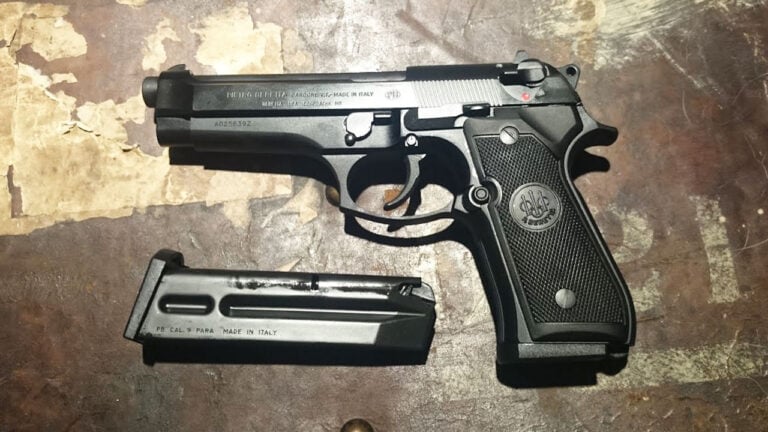
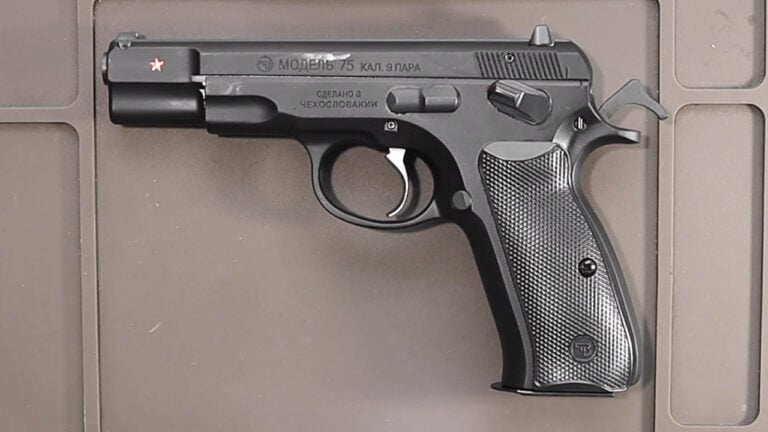
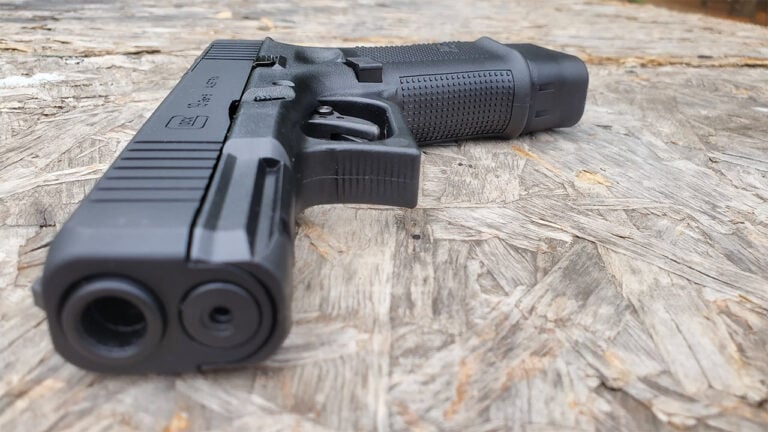
It started like the kind of responsible, by-the-book gun sale most of us wish everyone would do. A hunter decided to part ways with a compact pistol he’d carried in the truck during predator season and kept in the nightstand the rest of the year. He didn’t want a “parking lot deal,” didn’t want drama, and didn’t want to wonder later if the gun ended up in the wrong hands.
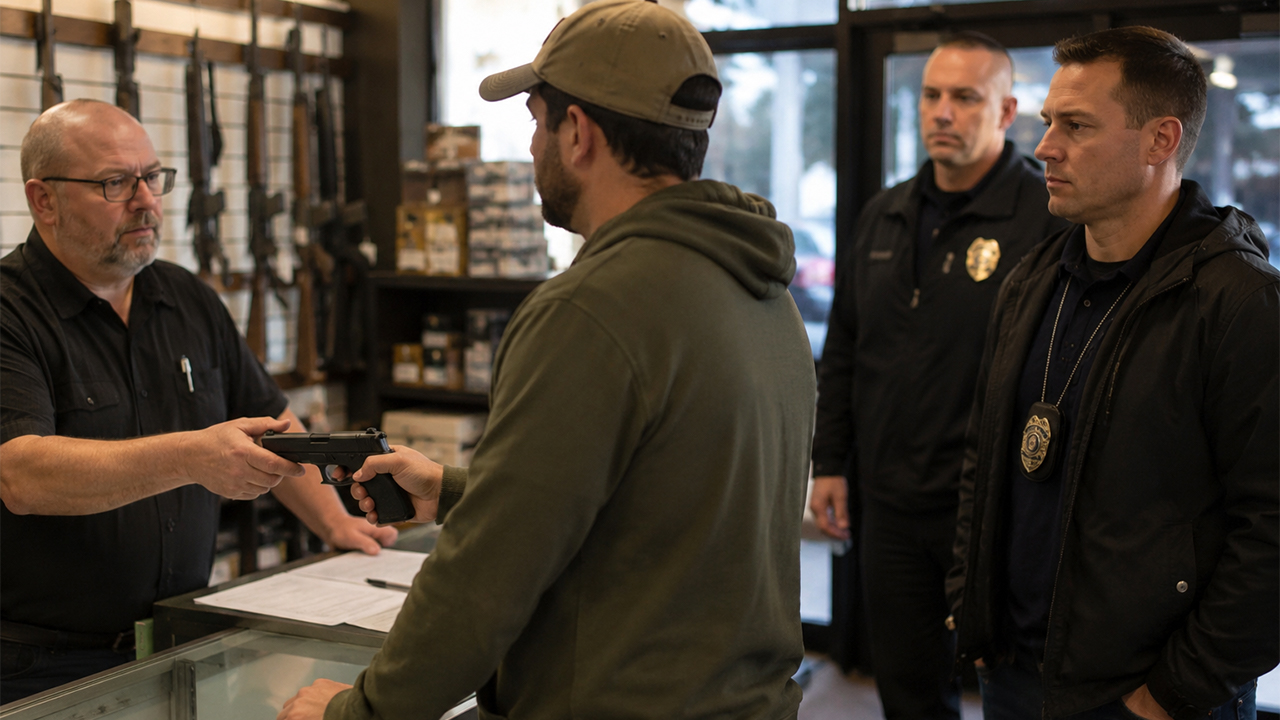
So he walked it into a licensed dealer, did the paperwork, and let the shop handle the transfer. Money changed hands. The pistol was gone. End of story—until it wasn’t.
A clean transfer still leaves a paper trail that points both directions
Months later, a robbery crew hit a small business at a bad hour. Someone flashed a handgun, the clerk complied, and the suspects took off. The gun didn’t get fired, but it did get noticed—enough that investigators treated it like a major lead when the weapon later turned up during a traffic stop or a search tied to the case.
Once that pistol’s serial number got entered and traced, it walked backward through the system. The most recent “official” stop in the chain was the licensed dealer who handled the transfer. From there, it kept walking—right back to the original owner who had sold it through that dealer.
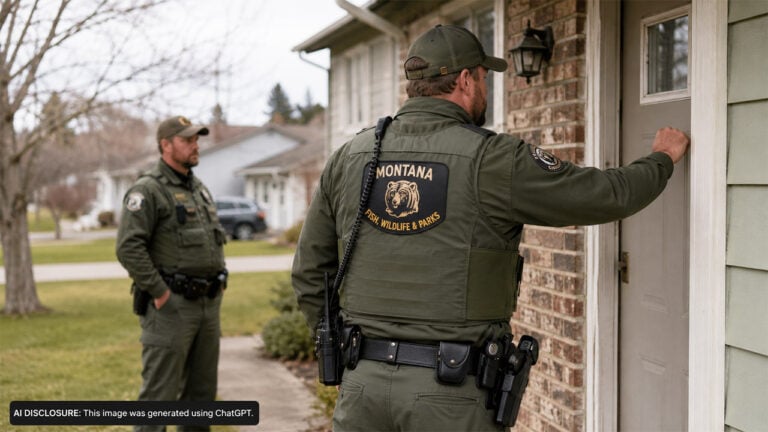
Investigators came knocking, and the questions weren’t optional
When law enforcement circles back to a gun, they’re not coming to chat about deer season. They’re trying to account for the firearm’s path and eliminate loose ends. The hunter who sold the pistol found that out when investigators showed up and asked when he bought it, how long he owned it, where it was stored, and why he sold it.
Even if you did everything right, the moment feels accusatory. It’s not personal—it’s process. They want to make sure the gun didn’t get “lost” in a way that suggests a straw purchase, an off-the-books sale, or a story that keeps changing.
In this case, the hunter had one major thing working in his favor: he’d used a licensed dealer. That meant there was documentation showing the pistol left his possession legally and went into the shop’s books before it ever reached the buyer.
The uncomfortable truth: a dealer transfer doesn’t prevent misuse
A lot of outdoorsmen assume that if a gun changes hands through a storefront, it’s basically insulated from bad outcomes. It’s safer than a random cash sale, no doubt. But it doesn’t magically guarantee the next person won’t do something stupid or criminal.
A buyer can pass a background check and still end up making terrible decisions later. A buyer can also buy for themselves and then let a girlfriend, cousin, or buddy get access to it. Guns get stolen out of vehicles, out of closets, and out of “hidden” spots that were never really secure.
What the transfer does do is create a clear chain of custody—at least up to the moment the paperwork is signed. After that, the real world takes over, and the same old problems show up: poor storage, careless handling, and the wrong people hanging around the right tools.
Why hunters sell pistols in the first place—and where risk creeps in
Most guys I know don’t sell a handgun because they’re bored. They sell because they’re consolidating calibers, moving to a different carry setup, needing cash for a new rifle, or simply realizing a certain pistol doesn’t fit their hand or their lifestyle. Sometimes it’s as plain as, “I don’t shoot it anymore.”
In the story that played out here, the hunter’s reasons were normal: he’d upgraded to a different carry gun and wanted to put the old one toward optics and ammo. The risk wasn’t in the decision to sell—it was in assuming that a “proper” transfer means you’ll never hear about that gun again.
If you’re selling, it’s smart to treat it like selling a truck: keep records, keep dates straight, and make sure you can prove when it left your possession. A dealer receipt, a transfer date, even a note in your safe log—those aren’t paranoid habits anymore. They’re basic adulting in a world where a serial number can boomerang back into your life.
What people latched onto: storage, receipts, and “why not keep it?”
Whenever a gun gets tied to a crime after being sold, the peanut gallery splits fast. One camp says, “This is why you never sell guns.” Another says, “This is exactly why you use a dealer.” Both have a point, and both miss part of the picture.
A lot of folks focus on storage because that’s where these stories often go sideways. If the buyer left the pistol in a vehicle, in a console, or in a nightstand with no lock, it doesn’t take a mastermind to get it. And if the buyer’s household is chaotic—roommates, frequent visitors, substance issues—then “I keep it at home” doesn’t mean much.
The other thing people harp on is documentation. Hunters who’ve never been interviewed about a traced firearm don’t realize how much the little stuff matters: the approximate date you sold it, the dealer you used, and any paperwork you kept. When you can answer those questions calmly and consistently, the temperature drops.
The practical lessons for gun owners who sell (or plan to)
The hunter in this situation didn’t get dragged into the robbery itself because a lawful transfer provides a clean off-ramp. But he still got a visit, still got questions, and still had to relive the timeline. That’s the part nobody thinks about when they’re cleaning out the safe to fund a new rifle build.
If you’re going to sell a firearm, using a licensed dealer is one of the best ways to protect yourself. Keep your receipt and record the date. If your state allows private sales and you choose that route, you’d better know the law cold and consider what proof you’ll have later if the gun resurfaces.
And if you’re buying, take storage seriously. A pistol that ends up in a robbery often didn’t start its journey there—it got left in a glove box, tossed in a drawer, or handled like a tool that couldn’t hurt anyone after the day was done.
The outdoors has a way of teaching accountability. Guns do the same thing, just in a different arena. You can do everything right and still get pulled back into the story by a serial number—but doing it right is what lets you step back out clean.
Like The Avid Outdoorsman’s content? Subscribe to our newsletter so you never miss an article.
Here’s more from us: