Photo credit: New World Ordnance/YouTube
Some pistols seem good enough at the range. They feed a box or two of ball ammo, hit paper at short distance, and feel harmless when nobody is under pressure. That is not the same as being a gun you want to trust when your hands are shaking, your grip is ugly, and the situation is moving faster than you expected.
A defensive pistol has to do more than work on a calm Saturday afternoon. It needs to run with carry ammo, tolerate imperfect handling, offer usable sights, give you enough grip to control it, and hold up to actual practice. These pistols may shoot fine in limited use, but they can become harder to trust when the moment matters.
Remington R51
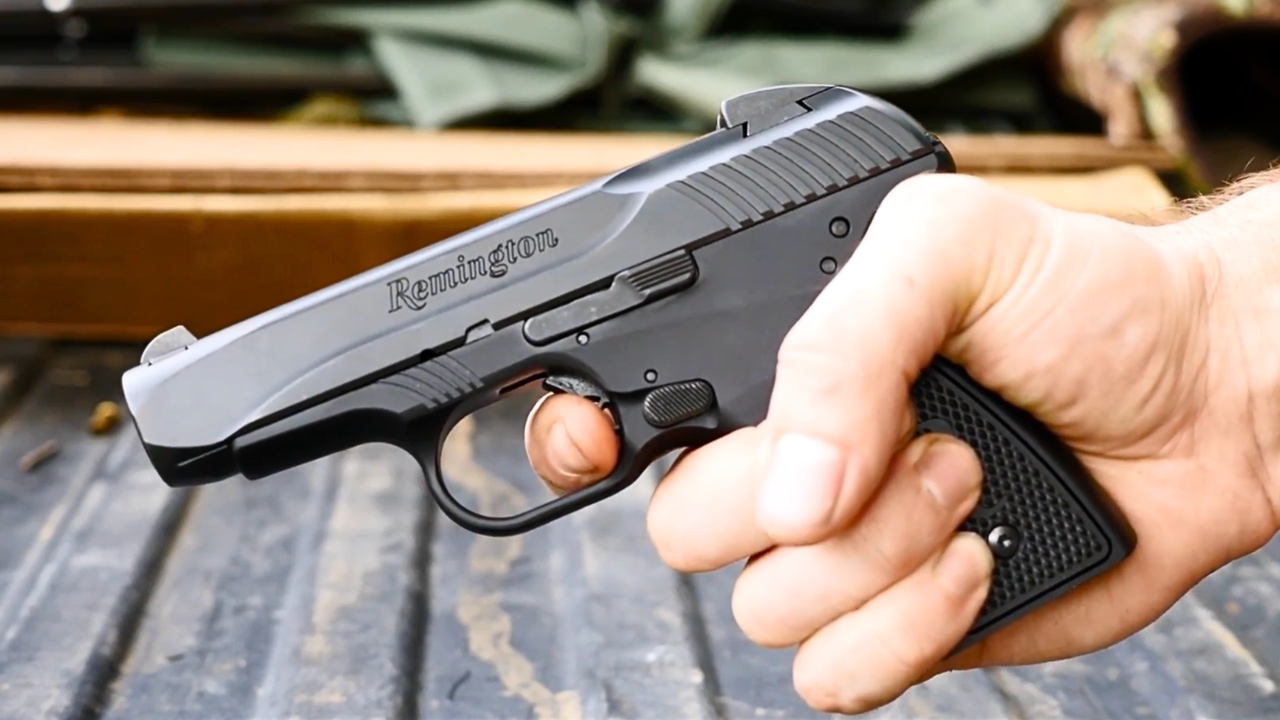
The Remington R51 is one of those pistols that looked promising until real-world confidence became the issue. It had an interesting design, a low bore axis, and a shape that made people hope it would be a soft-shooting compact 9mm. On a good day, an individual R51 might shoot acceptably.
The problem is that defensive pistols cannot live on good days. The R51’s reputation for reliability and quality-control problems made it hard to trust, even if a specific gun seemed okay during casual range use. A pistol you have to explain, excuse, or test endlessly before carrying is already behind better options. When you need a handgun, doubt is one of the worst features it can have.
Kimber Solo
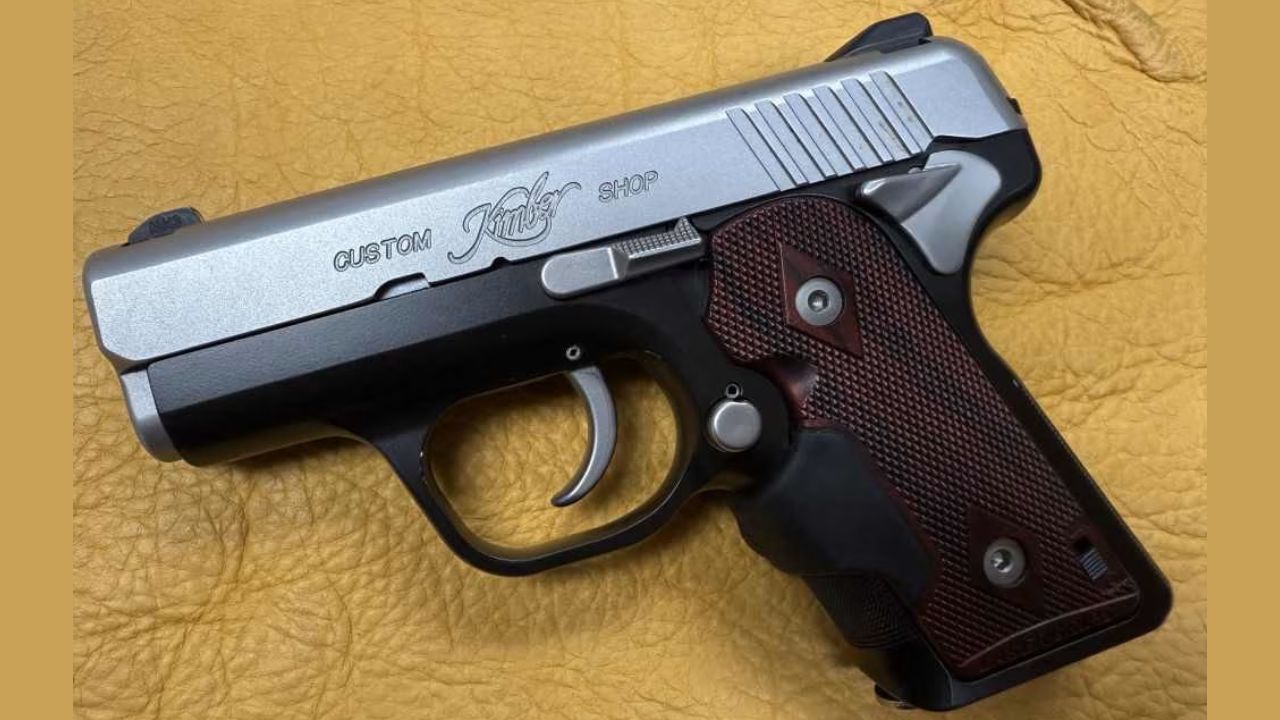
The Kimber Solo had the look of a premium carry pistol, and that fooled a lot of people into wanting it badly. It was sleek, compact, and more refined-looking than many polymer pocket 9mms. At the range, with the right ammo and a careful grip, some examples could shoot just fine.
The issue was ammunition sensitivity and trust. A carry pistol that is picky about loads or grip technique puts too much pressure on the owner. Under stress, people do not always get perfect wrist lock, perfect stance, or perfect conditions. The Solo may look nice in the case, but defensive pistols need to be boringly dependable. This one never earned that kind of confidence.
Taurus Curve
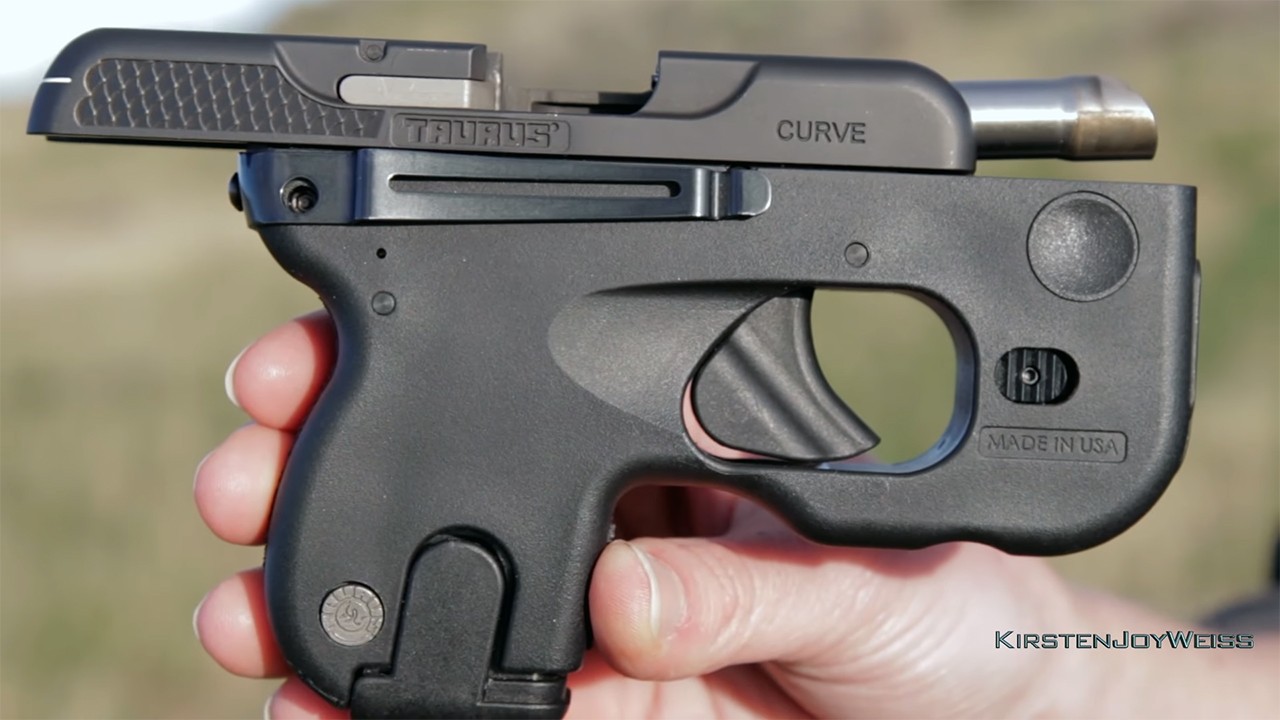
The Taurus Curve was designed to look like a carry solution, but it was built around a gimmick that did not age well. Its curved frame, unusual shape, and built-in light-and-laser concept made it stand out. For a buyer wanting something different, it probably seemed clever.
Actually needing it is where the design gets questionable. The controls, aiming system, holster situation, and general handling are too far outside the normal habits most shooters build. A defensive pistol should make things simpler under stress, not force you to rely on an oddball design. The Curve may fire rounds at the range, but it is not the gun most people should trust when everything goes bad.
Beretta Pico

The Beretta Pico is extremely thin, and that made it appealing for deep concealment. It disappears better than many pistols, which is why people gave it a look. If all you judge is how easy it is to carry, the Pico can make a decent first impression.
But a pistol you barely notice carrying can still be hard to shoot when it matters. The thin grip, small controls, and difficult trigger feel can make fast, accurate shooting harder than expected. Small .380s already ask more from the shooter than people realize. The Pico takes that challenge and makes it even less forgiving. It is easy to carry, but not easy enough to fight with.
KelTec P-3AT
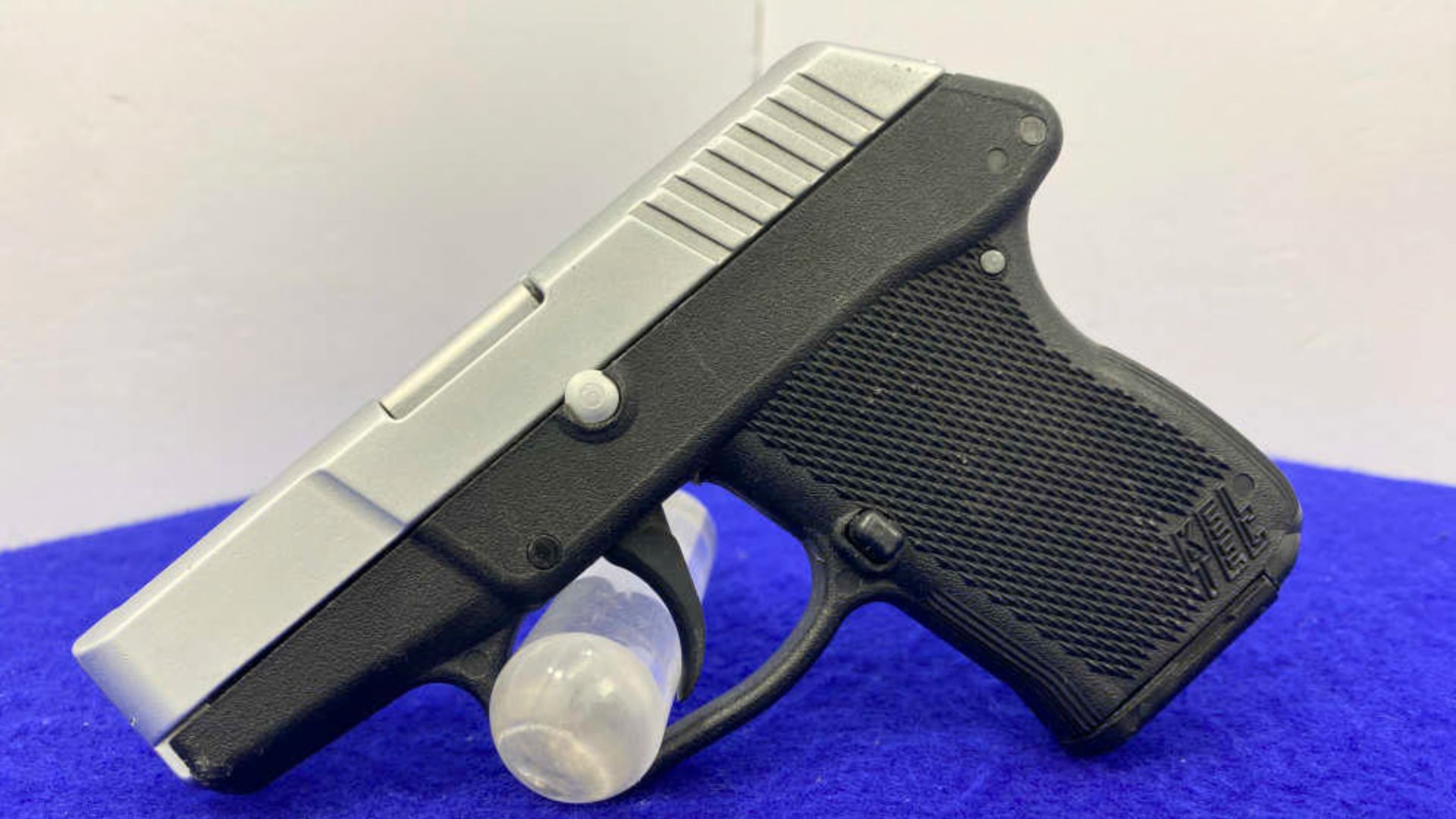
The KelTec P-3AT deserves credit for helping create the modern pocket .380 market. It is light, flat, and easy to carry when almost anything else feels too big. That kind of convenience sells guns because everyone wants a pistol they will actually keep on them.
The problem is that the P-3AT is a hard pistol to shoot well under pressure. The sights are tiny, the grip is minimal, the recoil is snappy for its size, and the trigger is not exactly confidence-building. It may run fine when you slowly fire a magazine at close range. But when you need a clean draw, fast sights, and controlled follow-up shots, it starts showing why convenience is not the same as capability.
Ruger LCP
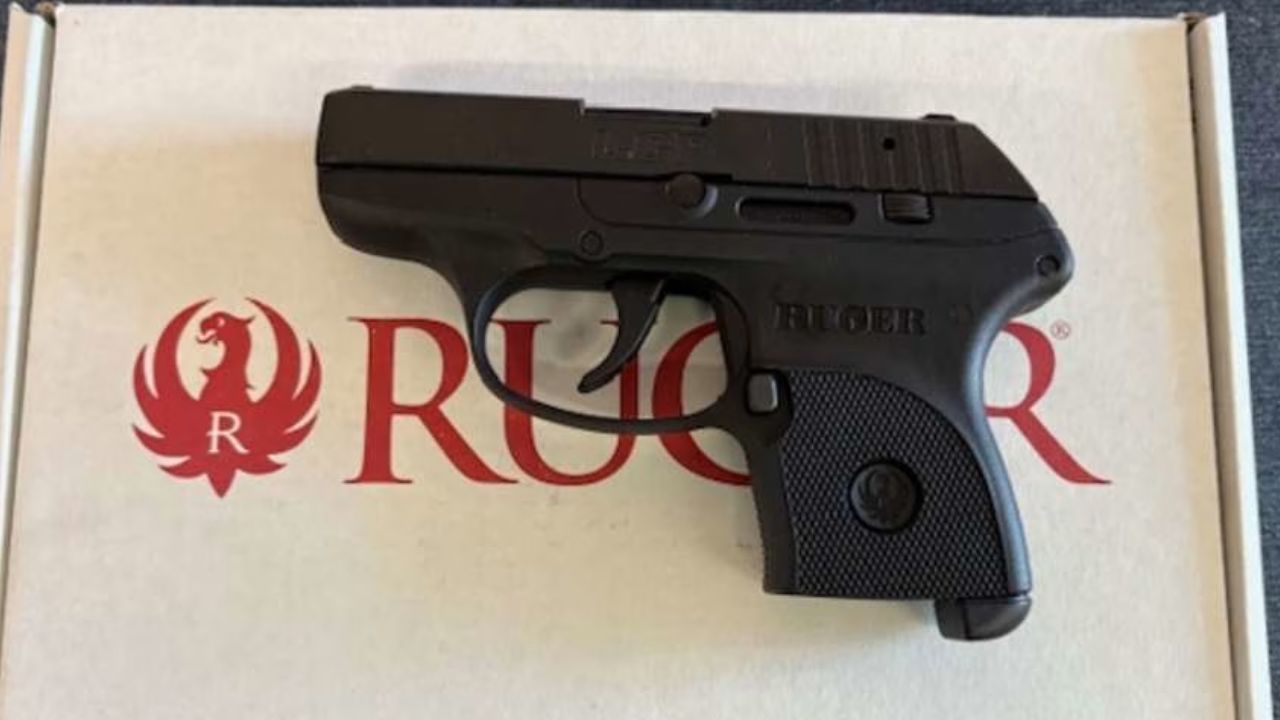
The original Ruger LCP is another pistol that works better as a carry convenience than a fighting handgun. It is small enough to go almost anywhere, and that has value. Plenty of people bought one because it solved the problem of carrying when larger guns got left at home.
Still, the original LCP is not very forgiving. The sights are minimal, the grip is tiny, and the trigger takes real practice to manage well. It can shoot fine when nothing is rushed. Under stress, it becomes much easier to yank shots, lose control, or struggle with follow-ups. It is better than being unarmed, but it should not be confused with an easy pistol to actually use well.
SCCY CPX-2

The SCCY CPX-2 appeals to buyers because it is affordable, compact, and chambered in 9mm. On paper, that sounds like a practical carry gun for someone on a tight budget. At the range, it may shoot acceptably if the owner is patient with the long trigger.
That trigger is the problem when things get serious. A long, heavy pull can be safe, but it can also make accurate defensive shooting harder for newer shooters. Add snappy recoil, budget construction, and mixed owner confidence, and the CPX-2 becomes hard to recommend as a gun you want under stress. It may be cheap enough to buy, but that does not mean it is easy enough to trust.
Diamondback DB9

The Diamondback DB9 tried to give shooters an extremely small 9mm, and that idea always gets attention. Everyone wants service-caliber performance in a pistol that carries like a .380. The DB9 looked like it could solve that problem without adding much size or weight.
In practice, tiny 9mm pistols can be brutal little guns to manage. The DB9 is light, snappy, and not especially forgiving of weak grip or poor technique. Even when it functions, shooting it well is not easy for many owners. A defensive pistol should encourage practice. If the gun punishes the shooter every time they train, it is less likely to be ready when needed.
Kimber Micro 9
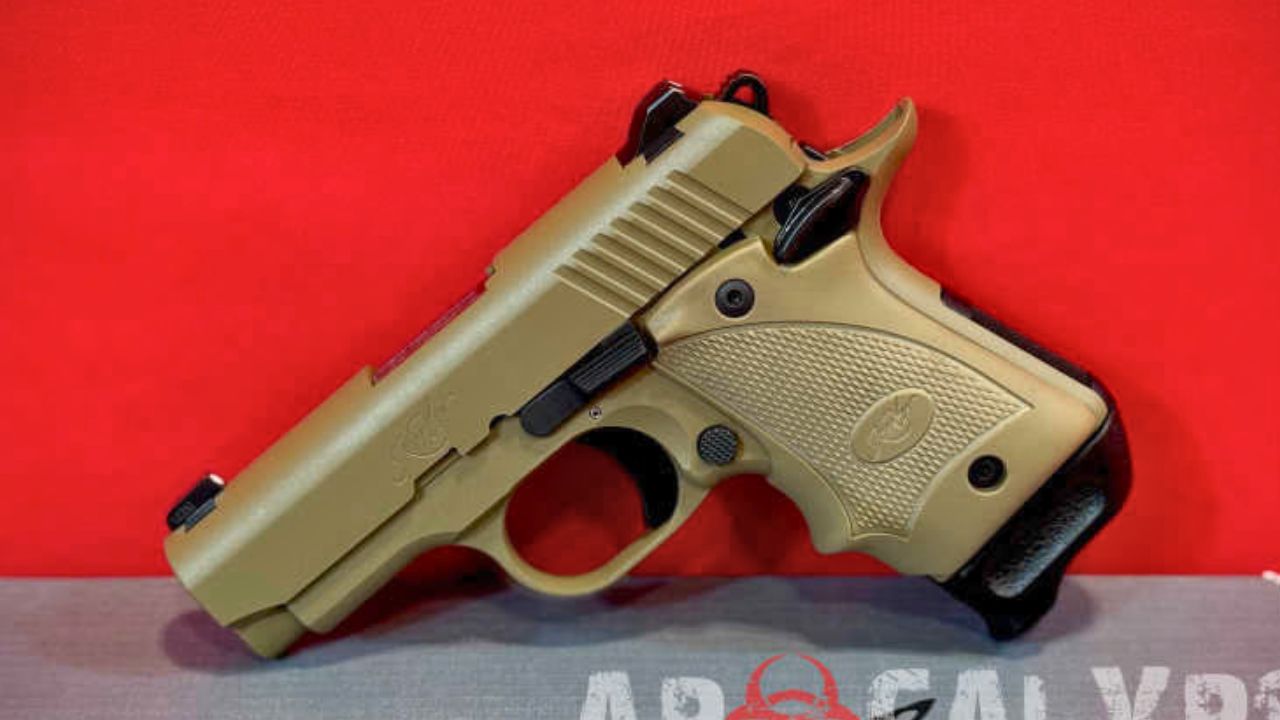
The Kimber Micro 9 looks and feels better than many small carry guns. It has metal-frame appeal, 1911-inspired controls, and a style that makes polymer pistols seem plain. At the range, it can shoot fine for someone who understands small single-action pistols.
The concern is whether it is a smart gun when stress takes over. The small grip, limited capacity, manual safety, and snappy recoil all ask for real training. None of that is impossible, but it leaves less margin for a newer carrier. A defensive pistol should not depend on charm. The Micro 9 can work, but it is not as forgiving as better modern carry pistols.
SIG Sauer P938

The SIG Sauer P938 is well-made and easy to like, but it falls into the same trap as other tiny single-action carry pistols. It can shoot fine in careful hands, and many owners enjoy it. The problem is that “fine at the range” is not the same as “easy under pressure.”
A short grip, small controls, and manual safety require consistency. If the shooter does not train often, the system can become one more thing to think about at the worst possible time. The P938 is not a bad pistol, but it asks more from the owner than many modern striker-fired micro-compacts. When you actually need the gun, simpler can be a real advantage.
Springfield Armory XD-S .45 ACP
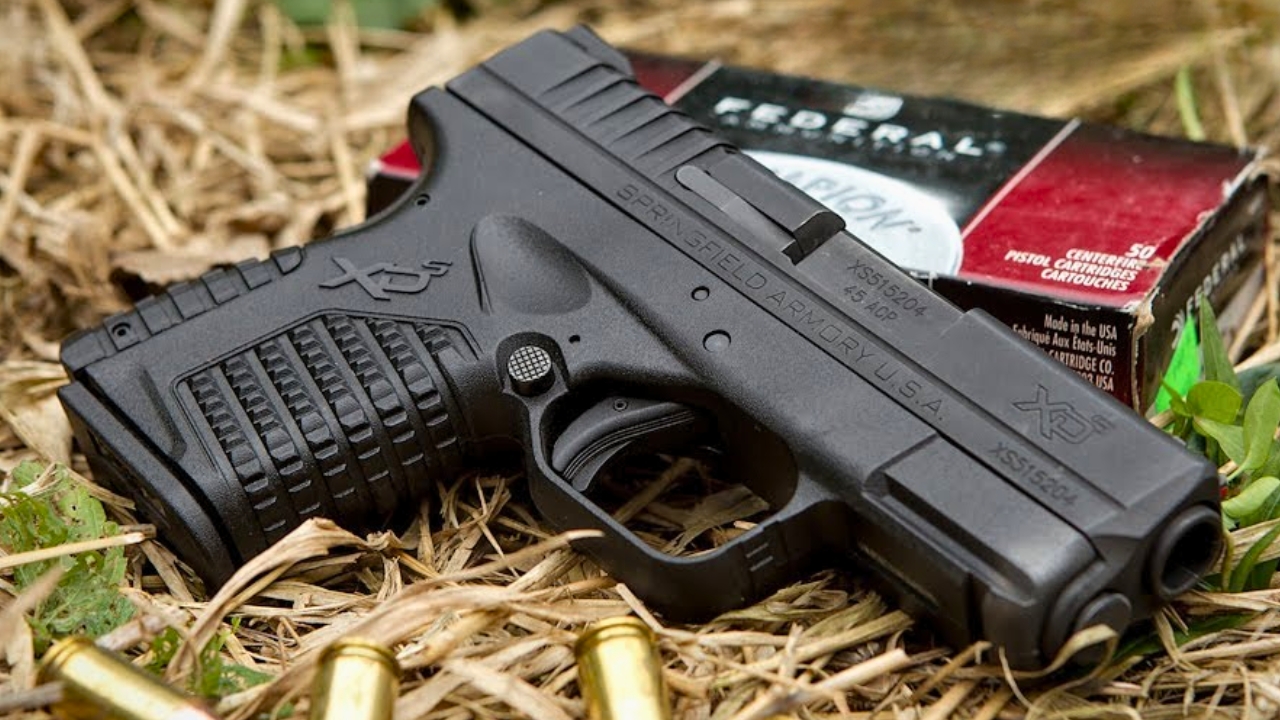
The Springfield Armory XD-S in .45 ACP gives buyers the big-bore carry idea in a slim package. That sounds reassuring until you spend enough time shooting it. A small .45 can be sharp, slow, and less pleasant than people expect, especially for follow-up shots.
At the range, a shooter may fire a magazine or two and decide it is manageable. Defensive use is different. Recoil control, grip pressure, and fast second shots matter a lot. The XD-S .45 can work for an experienced owner who trains with it, but it is not a pistol that gives much help back. For most people, a compact 9mm is easier to shoot well when it counts.
Colt Mustang

The Colt Mustang has pocket-pistol charm, but charm is not a defensive feature. It is small, classic-looking, and easy to carry. For people who like old-school metal pistols, it has a lot more personality than most polymer .380s.
The problem is that the Mustang gives up capacity and requires a manual of arms that needs practice. Its tiny size also makes it less forgiving when the draw is rushed or the grip is imperfect. It can shoot fine on a quiet range, but modern carry pistols have made the Mustang harder to justify as a serious first-line option. It is cool, but cool does not help much under pressure.
Walther PPK/S

The Walther PPK/S is iconic, but it is not as easy to run well as its reputation might suggest. It is heavier than many modern .380s, has limited capacity, and uses a blowback action that can feel surprisingly sharp. A lot of people like the idea of carrying one more than the reality of training with one.
It can certainly shoot fine. The issue is whether it gives you the best chance when you need fast, accurate hits. The heavy first double-action pull, smaller controls, and older design all require commitment. The PPK/S has style and history, but defensive guns should be judged on performance first. Plenty of newer pistols are easier to shoot, carry, and support.
Taurus PT111 Millennium
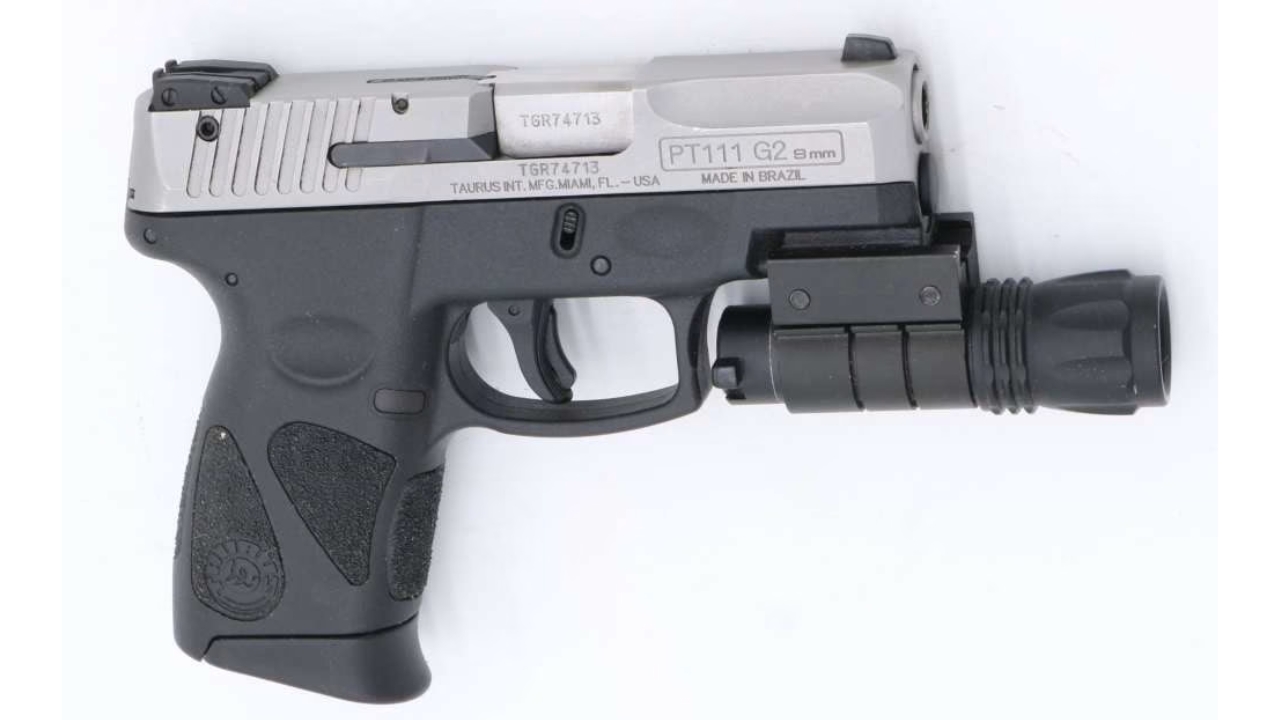
The Taurus PT111 Millennium sold well because it was compact, affordable, and gave buyers a defensive 9mm at a price many could reach. That made it popular with people who wanted a carry gun without spending Glock or Smith & Wesson money. In casual range use, some owners got acceptable performance from them.
The problem is that the older Millennium line never built the same level of trust as more proven carry pistols. Trigger feel, long-term durability, and brand reputation all worked against it. A defensive pistol should not leave the owner wondering whether they should have upgraded. If the gun is being counted on for life-and-death use, “good enough for the price” starts sounding weak.
Jimenez JA-9

The Jimenez JA-9 is the kind of pistol that can technically shoot, and that is about where the praise usually ends. It exists in the very low end of the handgun market, where price does most of the selling. For someone who only sees that it is a 9mm pistol, it may look like a bargain.
A defensive gun has to be judged by a higher standard than simply firing rounds. Reliability, durability, parts quality, sights, trigger, and confidence all matter. The JA-9 does not offer enough of that to be a serious choice when better budget pistols exist. It may function at the range for a while, but when the gun actually matters, this is not the one most people should want in their hand.
Cobra CA380

The Cobra CA380 is another low-end pistol that may get through a casual range trip but still does not inspire much confidence. It is inexpensive, small, and chambered in .380 ACP, which makes it attractive to buyers who just want something affordable for personal protection. On paper, that sounds reasonable enough.
The problem is that defensive pistols are not the place to accept bottom-shelf compromises. The trigger, sights, fit, and overall build quality do not help the shooter much under stress. A pistol like this may fire when tested slowly, but it does not give the owner the same confidence as a better-made Ruger, Smith & Wesson, Glock, SIG, or even a stronger budget Taurus. When you actually need the gun, bargain pricing stops mattering.
Hi-Point C9
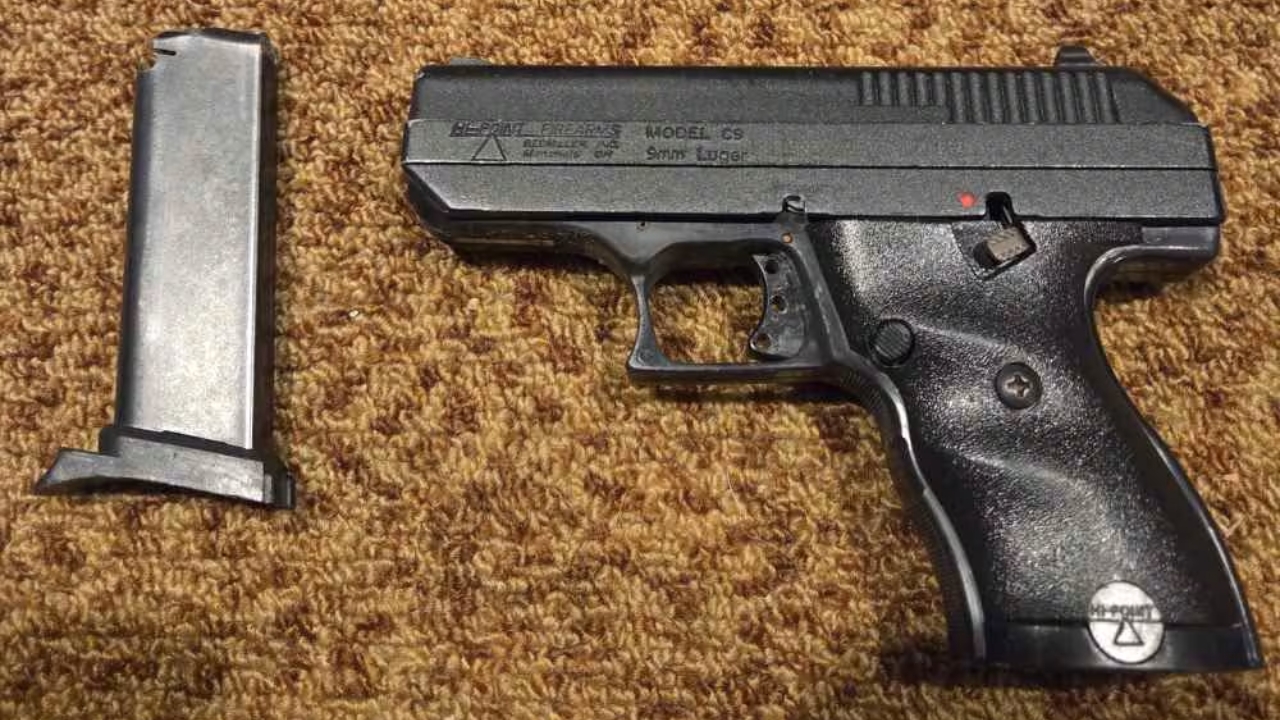
The Hi-Point C9 gets defended because it is cheap and usually goes bang. That matters to people on a tight budget, and nobody should pretend price is not a real concern. For a low-cost range pistol or last-resort option, it has its place. But as a serious defensive pistol, it asks the owner to accept a lot.
The C9 is bulky, top-heavy, low-capacity for its size, and awkward compared with modern compact 9mm pistols. It may shoot fine slowly at the range, but carrying it, drawing it, and running it under stress are different matters. A defensive handgun should be easy to handle and easy to trust. The C9’s biggest selling point is price, and that is not enough to make it a first-choice fighting pistol.
KelTec PF-9

The KelTec PF-9 was appealing because it gave shooters a very slim, lightweight 9mm before the micro-compact market exploded. It was easy to carry, inexpensive, and much thinner than many older compact pistols. For its time, that made it interesting.
But the same traits that made it easy to carry also made it harder to shoot well. The PF-9 is snappy, has a long trigger, and does not offer much grip to hang onto. It can run fine for limited practice, but it is not a pistol most people enjoy training with heavily. When a carry gun discourages practice, that becomes a serious problem. Better slim 9mm pistols have made the PF-9 feel dated.
AMT Backup

The AMT Backup has old-school pocket-gun appeal, especially for people who like stainless pistols and discontinued oddballs. It was compact, solid-feeling, and available in several chamberings over the years. At the range, a working example can be interesting and even fun in a retro way.
The problem is that interesting does not equal ideal for defense. The Backup can have heavy triggers, limited sights, limited capacity, and varying reliability depending on model and condition. Many examples are old enough now that springs, magazines, and parts availability matter. If a pistol needs that much attention before it earns trust, it should not be the gun you rely on when things go bad.
Kahr PM9
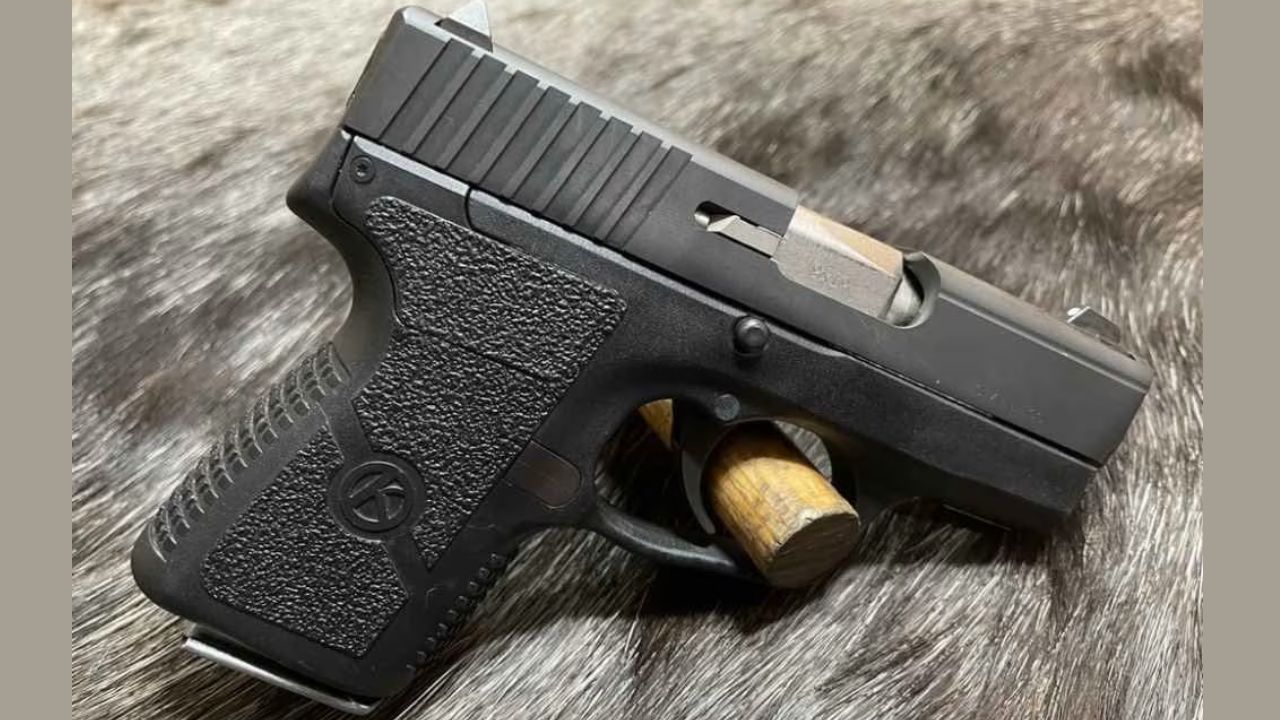
The Kahr PM9 is not a bad pistol, but it is a demanding one. It was once a strong choice for people who wanted a very small 9mm with a smooth double-action-style trigger. It carries easily and has a cleaner profile than many chunky compact pistols.
The issue is that the PM9 gives the shooter very little room for sloppy technique. The small grip, limited capacity, long trigger pull, and snappy recoil make it harder to run fast than newer micro-compacts. Some owners shoot them very well, but that usually comes from practice. For most people today, there are easier carry pistols that offer more rounds, better shootability, and less of a learning curve.
Like The Avid Outdoorsman’s content? Subscribe to our newsletter so you never miss an article.
Here’s more from us: