Photo credit: Smith & Wesson/Youtube
Some handguns disappoint slowly. The owner carries them for a while, tries different holsters, tests a few loads, and eventually admits the gun just does not fit their life.
Others disappoint immediately.
The first magazine, first cylinder, or first box of ammunition tells the whole story. The recoil is harsher than expected. The trigger is worse than the gun counter made it seem. The sights are hard to use, the grip bites, or the pistol simply does not shoot as comfortably as the buyer hoped. These are the handguns people often regret the moment they hit the range.
Lightweight .357 Magnum Snubnose Revolvers
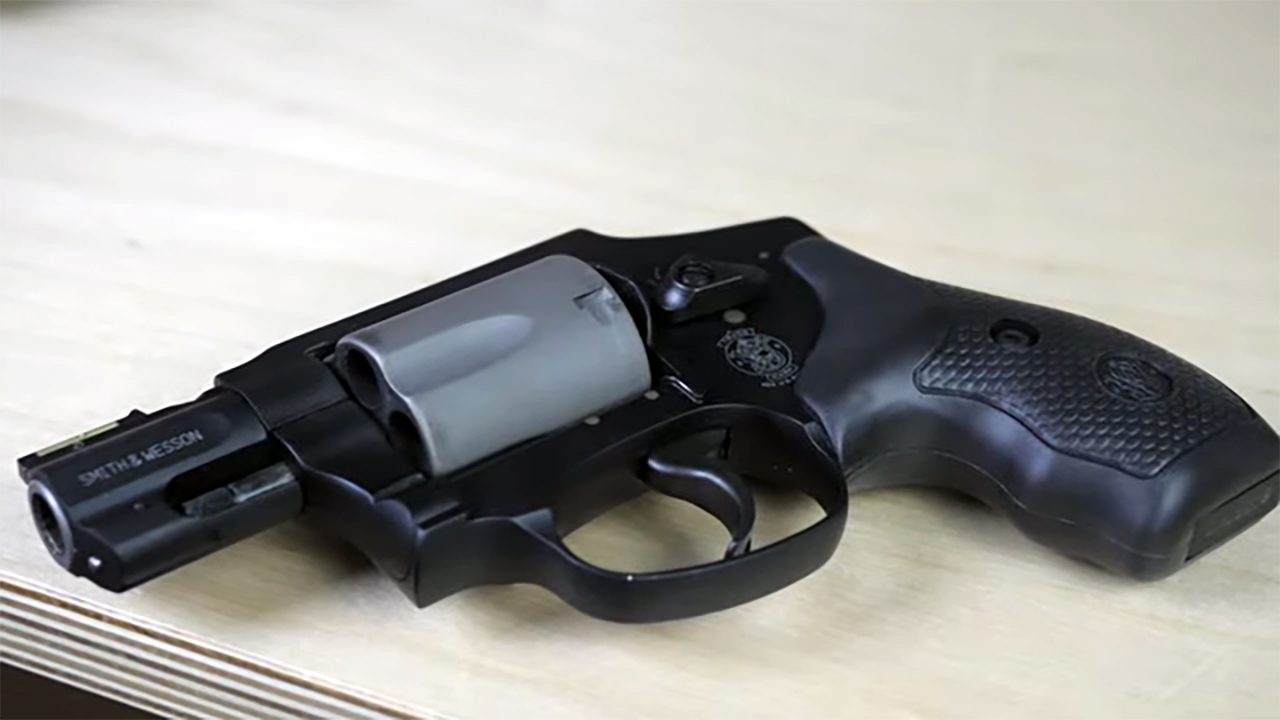
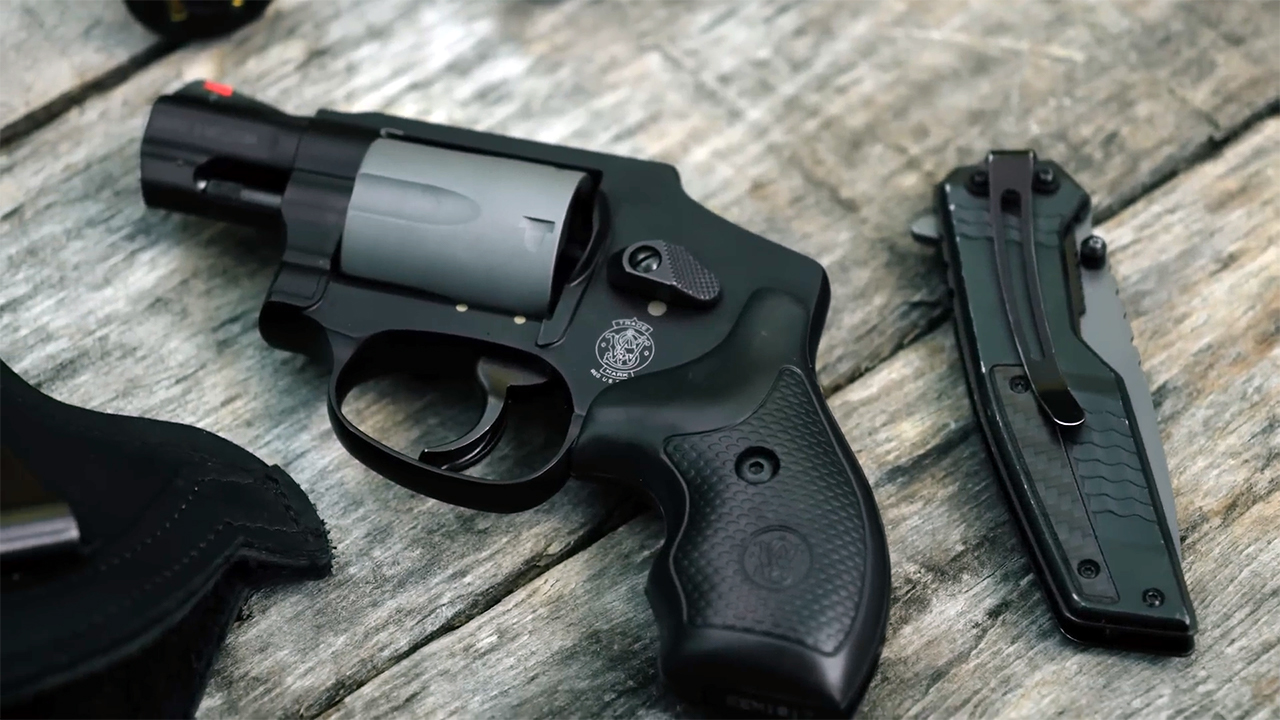
A lightweight .357 Magnum snubnose sounds like the perfect carry revolver on paper. It is small, powerful, simple, and easy to slip into a pocket or holster. Gun counter logic makes it seem like a smart choice: maximum power in minimum size.
Then the owner touches off full-power magnum loads. The blast is intense, the recoil is sharp, and the little grip gives the shooter very little help. Follow-up shots become slow, practice becomes unpleasant, and many owners end up loading .38 Special anyway. There is nothing wrong with carrying .38 Special in a small revolver if the shooter can place shots well, but it makes people question why they paid for a featherweight .357 that they hate shooting.
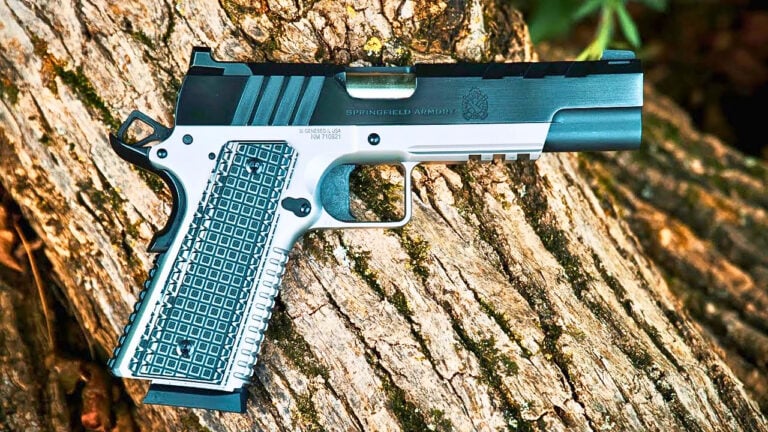
Micro 1911s in .45 ACP
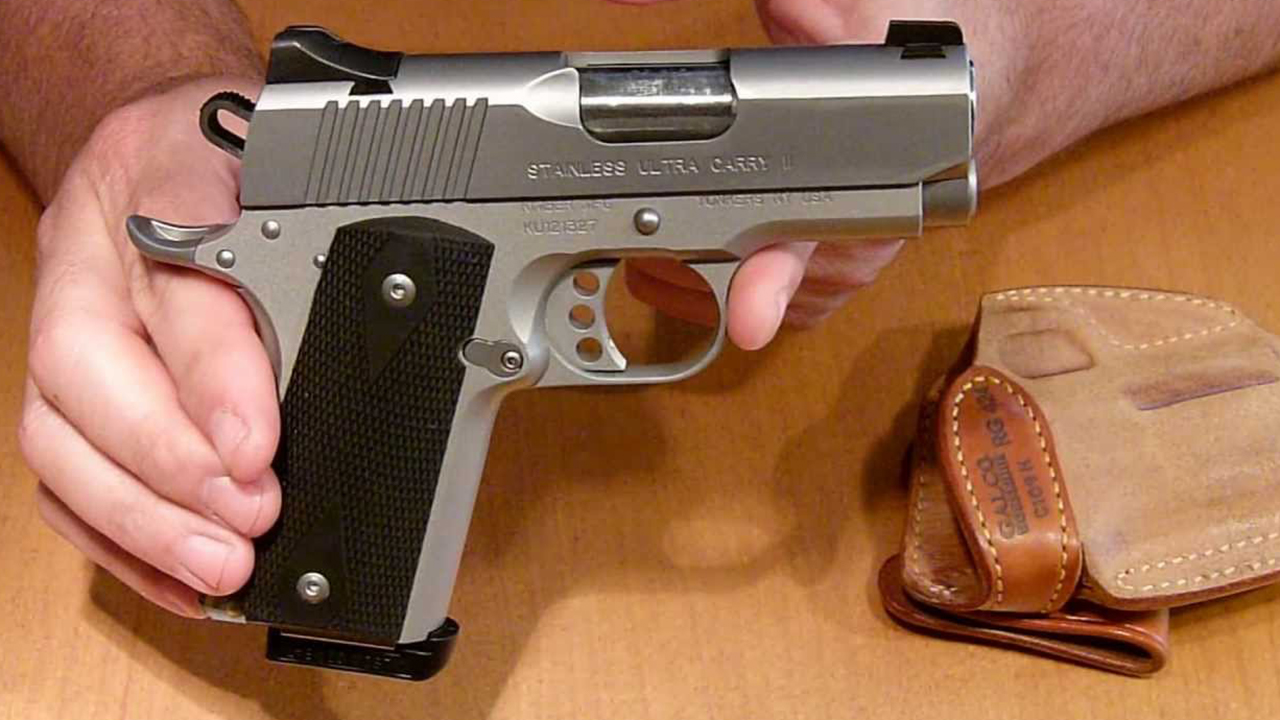
A tiny 1911 in .45 ACP has enormous appeal. It promises classic 1911 controls, a crisp trigger, big-bore power, and easy concealment. For someone who loves the 1911 platform, that sounds like the perfect carry compromise.
The range often tells a different story. The short grip makes control harder, the recoil is snappy, and the small frame can be less forgiving with ammunition and magazines. Some examples run well, but others demand more patience than buyers expect from an expensive carry pistol. A full-size 1911 can be pleasant and elegant. Shrink it too much, and the same platform can become sharp, fussy, and frustrating before the first box of ammunition is gone.
Taurus Judge Public Defender
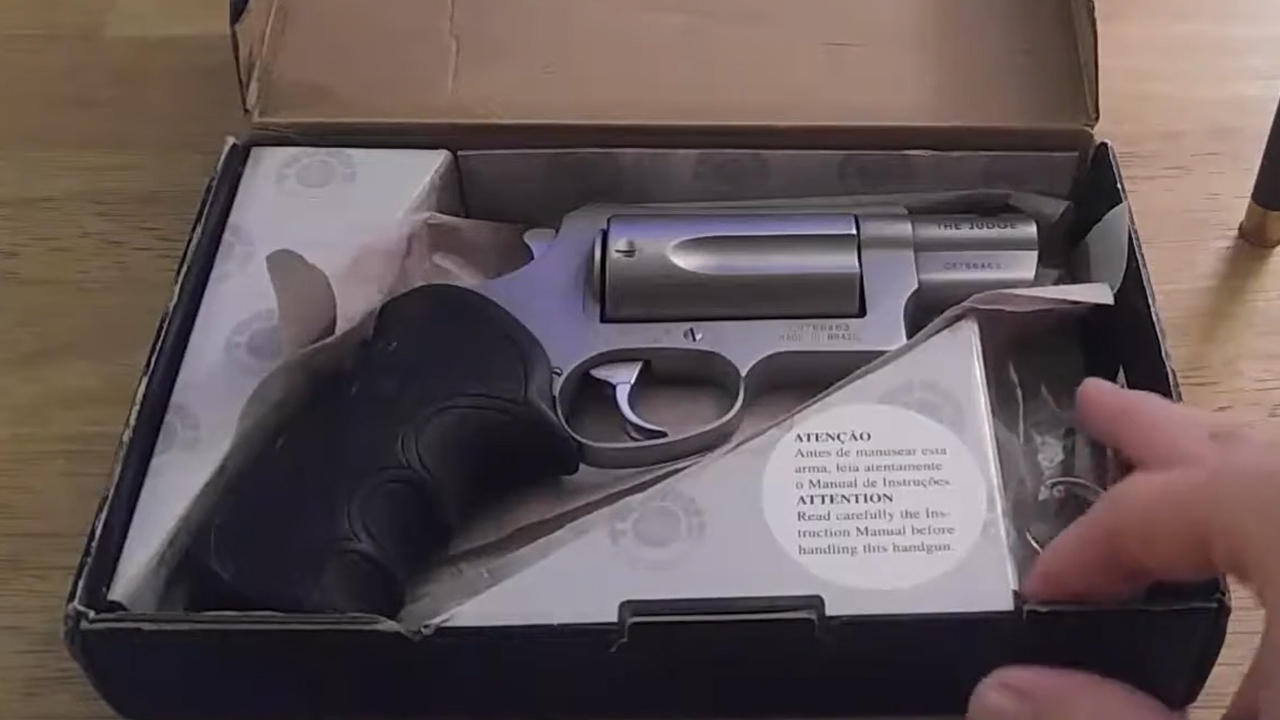
The Taurus Judge Public Defender looks like a confidence booster. It is compact compared with full-size Judge models, fires .45 Colt and .410 shells, and has the kind of dramatic presence that makes buyers feel like they are getting something versatile.
At the range, that confidence can fade quickly. The gun is still bulky for what it does, the trigger can be heavy, and .410 handgun loads do not always perform the way people imagine. Recoil and blast can feel awkward, while accuracy with .45 Colt may not impress everyone. Instead of feeling like a revolver and shotgun rolled into one, it can feel like a compromise that does neither job as well as a dedicated firearm.
KelTec PF9
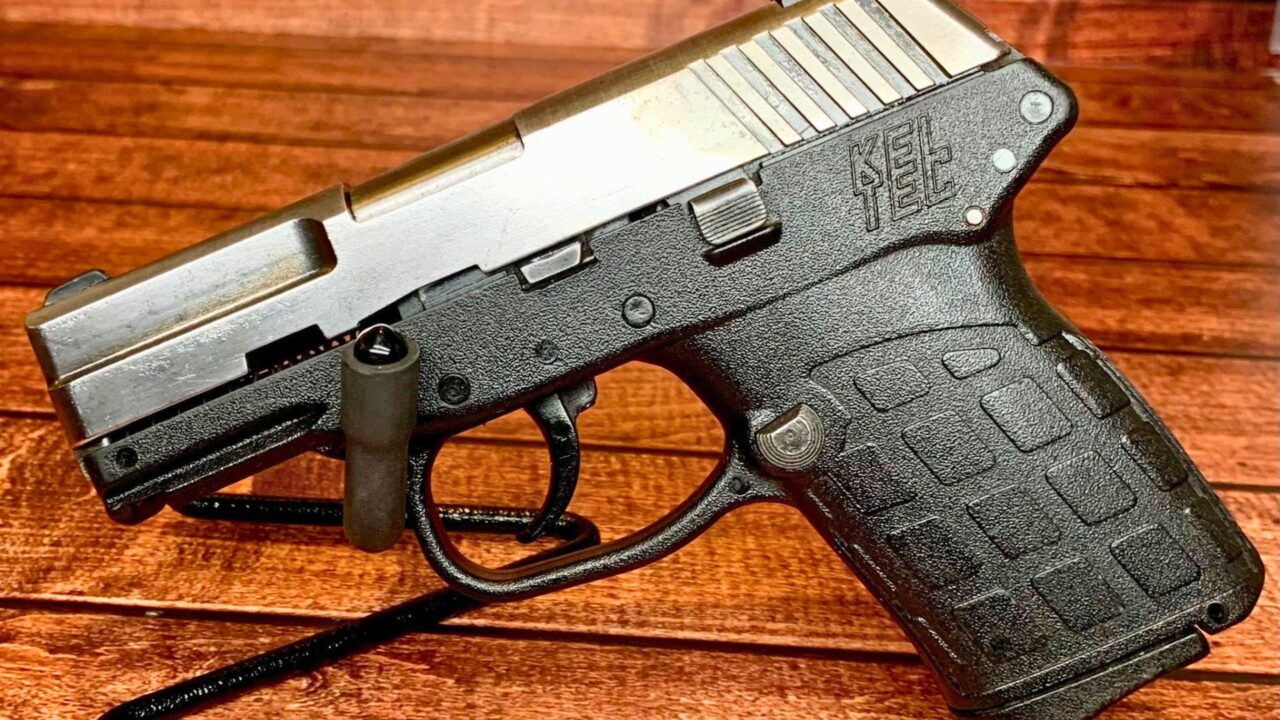
The KelTec PF9 earned attention because it was thin, light, affordable, and easy to carry. Those are all real advantages, especially for someone who wants a 9mm pistol that disappears under clothing. It makes sense until the shooting starts.
The PF9 is not known for being a range-day sweetheart. The recoil can feel sharp, the trigger is long, and the small grip gives the shooter limited control. It may fill a carry niche for people who understand its limitations, but many buyers regret expecting it to feel like a pleasant practice pistol. A handgun that is easy to carry but unpleasant to shoot can create a real problem: the owner carries it more than they train with it.
Ruger LCP
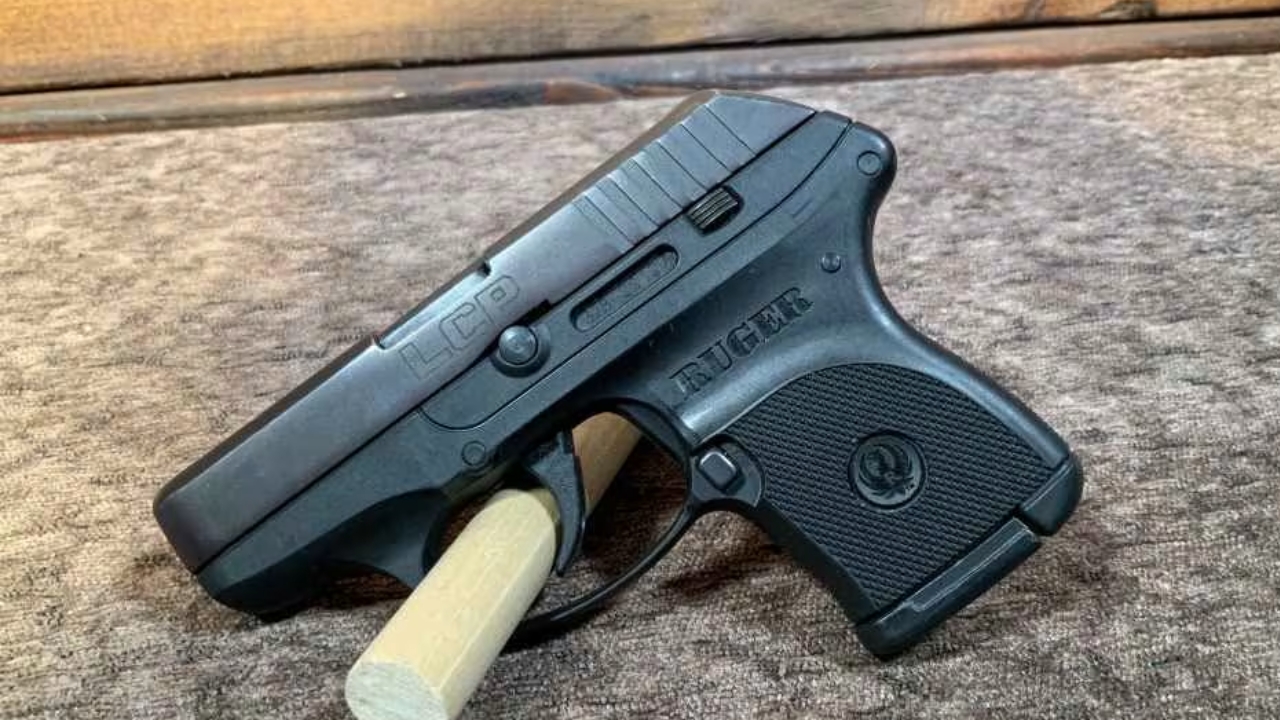
The Ruger LCP became popular because it solved a real problem. It is tiny, lightweight, affordable, and easy to carry almost anywhere legal. As a deep-concealment pistol, it makes obvious sense.
The regret comes when new owners expect it to shoot like a larger handgun. The small sights, tiny grip, long trigger pull on older models, and snappy recoil for such a small pistol can make range time humbling. It is not designed to be fun. It is designed to be carried. Experienced owners understand that tradeoff, but first-time buyers often do not. The first range trip can turn excitement into the realization that pocket pistols demand more skill than their size suggests.
Smith & Wesson 329PD
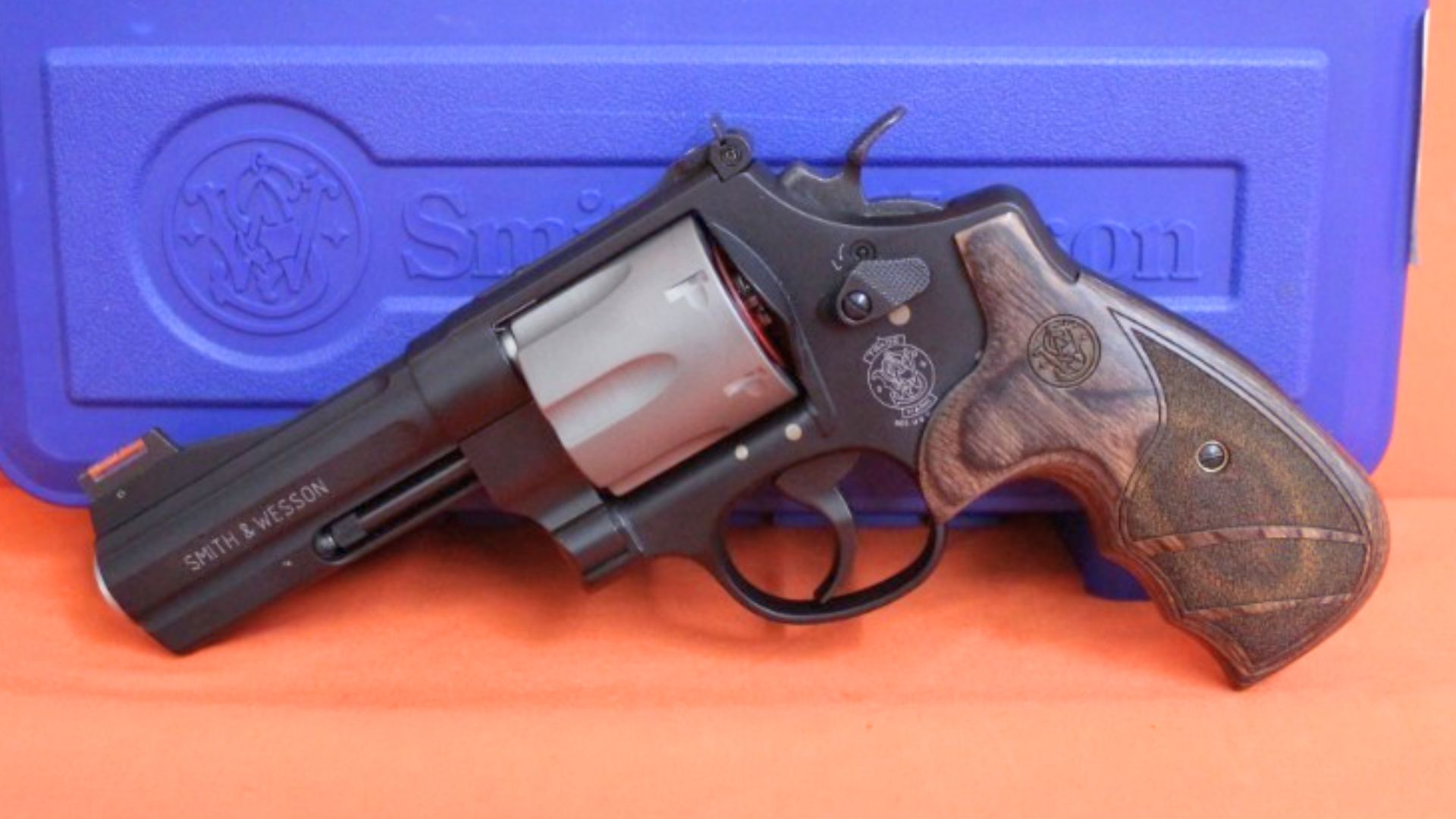
The Smith & Wesson 329PD is one of the most dramatic examples of a handgun that punishes unrealistic expectations. A lightweight .44 Magnum revolver sounds amazing for backcountry carry. It offers serious power in a package that is much easier to pack than a heavy steel magnum.
Then the owner fires full-power loads. The recoil can be brutal, the muzzle rise is intense, and practice becomes something many shooters avoid. The gun makes sense for a narrow role: carrying a lot and shooting little, with loads the owner has proven they can control. But anyone expecting a pleasant .44 Magnum range revolver learns the truth fast. The 329PD is convenient to carry because it is light. It is punishing to shoot for the same reason.
Desert Eagle .50 AE

The Desert Eagle .50 AE is exciting before the first shot. It is huge, famous, powerful, and instantly recognizable. People buy it because they want an experience, and it definitely provides one.
The issue is that the experience is not always something owners want to repeat often. The gun is heavy, the grip is large, ammunition is expensive, and the blast gets old quickly. It can be fun for a few rounds, especially with friends watching, but long practice sessions are another story. Many owners realize at the range that they bought a spectacle, not a handgun they will use regularly. Spectacle is fun, but it can feel expensive once the novelty fades.
Glock 29
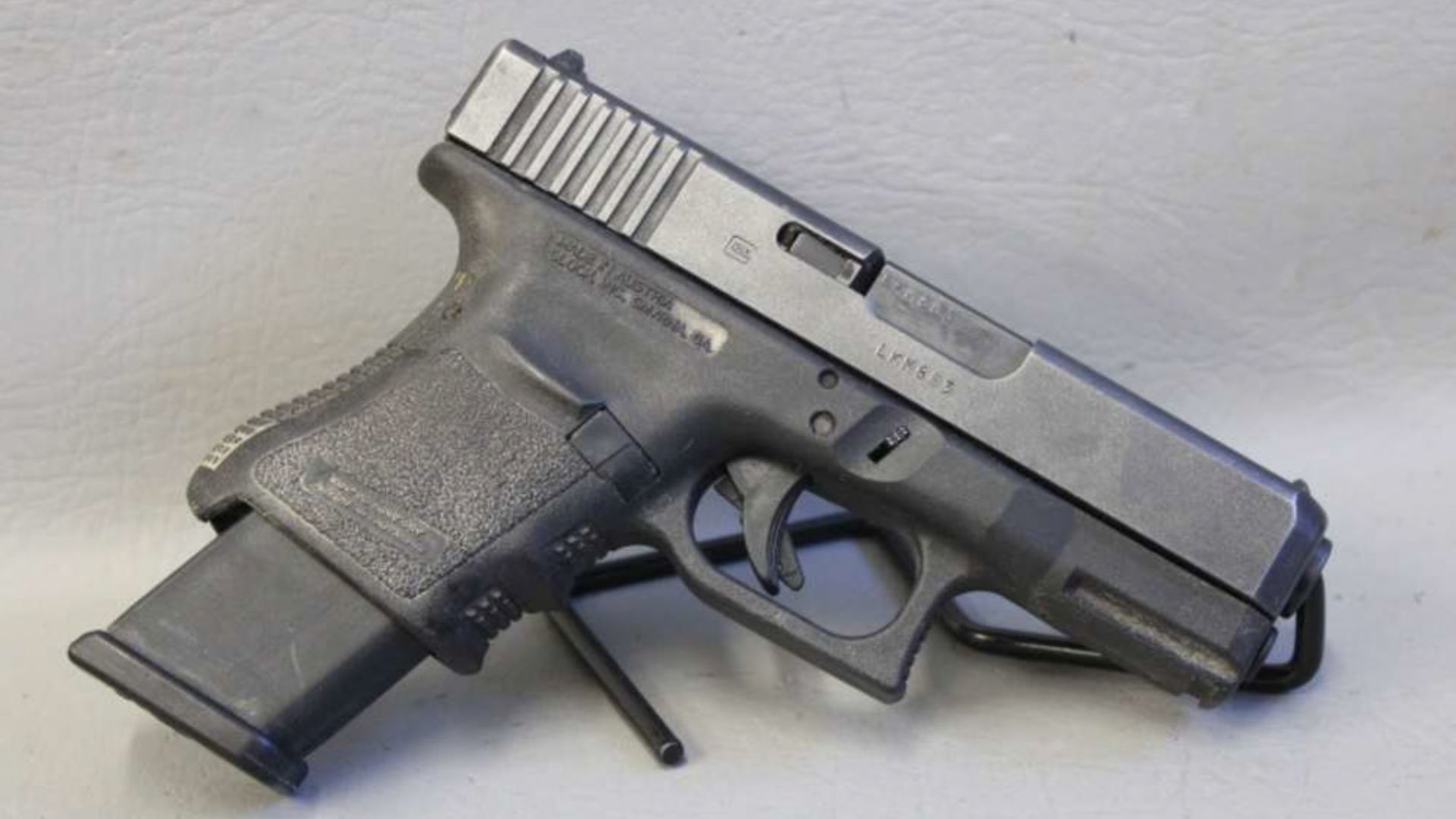
The Glock 29 has a strong following because it puts 10mm Auto power into a compact package. For woods carry or people who want serious power in a smaller pistol, the idea has real appeal. It is also a Glock, which gives buyers confidence about reliability and support.
But compact 10mm is not gentle. The short grip and stout cartridge can make the Glock 29 harder to shoot well than people expect, especially with full-power loads. Some owners add grip extensions or carry milder ammunition, which can make the pistol more manageable. Still, the first range trip often shows the tradeoff clearly. The Glock 29 offers real power, but it asks the shooter to work for it. Not everyone enjoys that bargain.
Bond Arms Derringers
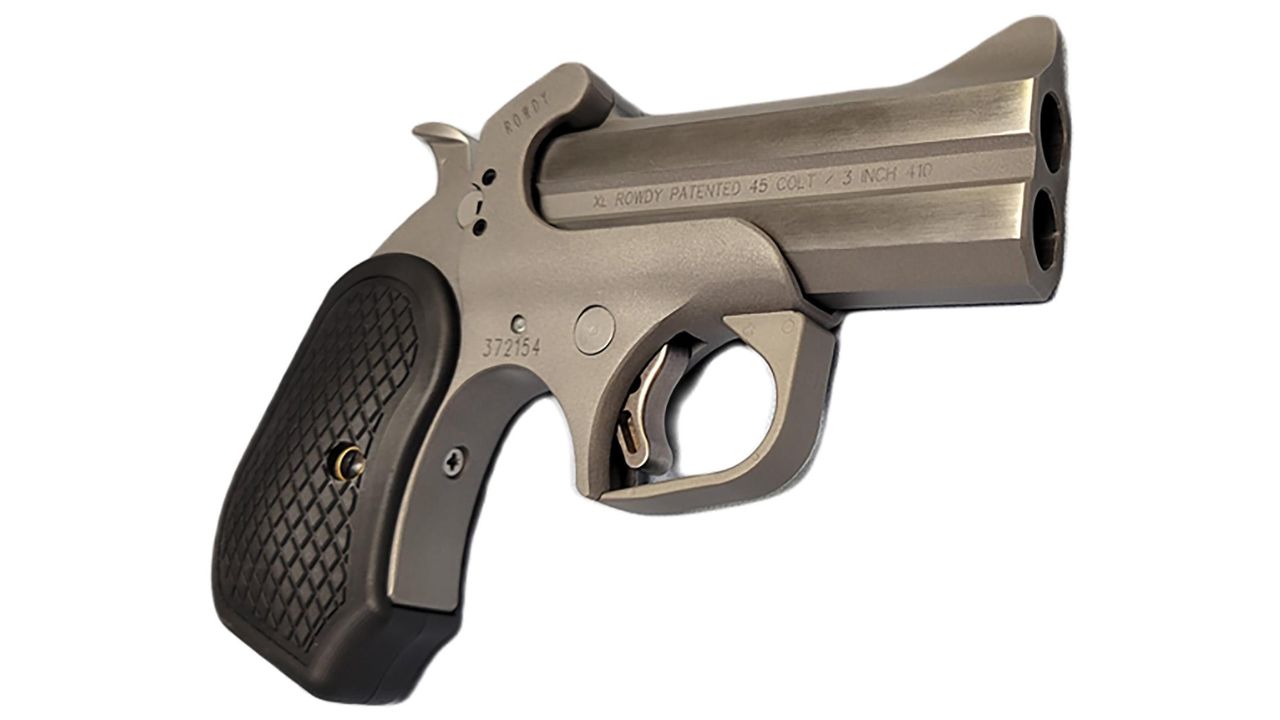
Bond Arms derringers are well-made and undeniably charming. They feel solid, look tough, and offer serious chamberings in a tiny two-shot package. For someone who likes old-school backup-gun style, they are easy to want.
At the range, the charm can turn into surprise. Many models are heavy for their size, the triggers can take getting used to, the sights are minimal, and recoil can be sharp depending on chambering. The short sight radius and two-shot capacity also make practical shooting very limited. These guns can be fun collectibles or niche carry pieces for people who understand them. But buyers expecting an easy-shooting pocket cannon often regret that assumption quickly.
North American Arms Mini Revolvers

North American Arms mini revolvers are tiny, clever, and beautifully made for what they are. They also trigger impulse buys because they are so small that owners imagine carrying one anywhere.
The first range trip can be sobering. The grip is extremely small, the sights are minimal, and cocking and firing accurately takes real care. Even in .22 Magnum, the cartridge is coming out of a very short barrel, so expectations need to stay realistic. The gun is a marvel of miniaturization, but it is not easy to shoot well. Many buyers discover that “easy to carry” and “easy to hit with” are not the same thing.
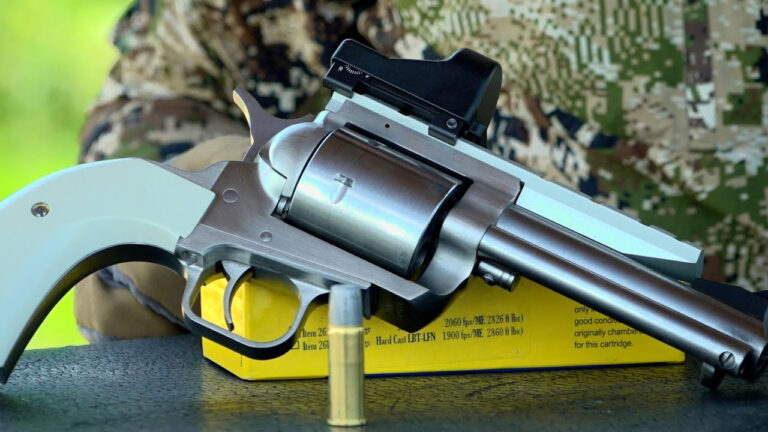
Magnum Research BFR in Heavy Chamberings
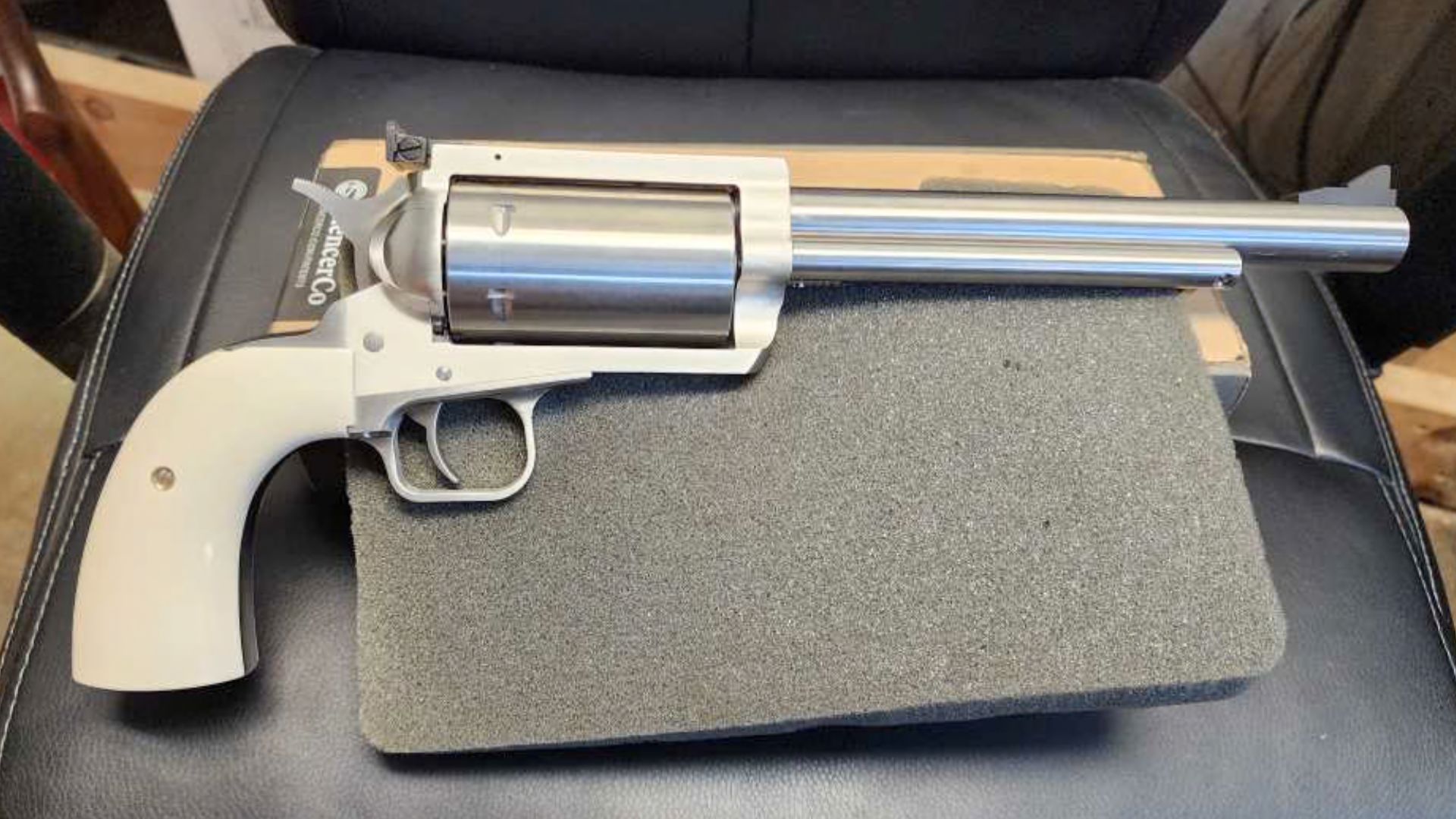
The Magnum Research BFR is not pretending to be mild. It is a massive single-action revolver chambered in serious cartridges, and that is the appeal. For handgun hunters and big-bore enthusiasts, it can be impressive and effective.
The regret comes when someone buys one for the wow factor rather than because they actually enjoy heavy-recoiling handguns. Big cartridges in a revolver are expensive, loud, and demanding. The gun may be accurate and well-built, but the shooter still has to manage the blast and recoil. Some owners realize quickly that they like the idea of a hand cannon more than the reality of practicing with one. Big power is only fun if the shooter wants the whole experience.
SIG Sauer P938

The SIG P938 looks like a very appealing small carry pistol. It has metal-frame charm, 1911-like controls, and a compact size that makes it easy to conceal. Compared with many polymer micro pistols, it feels classy.
At the range, some owners discover it is not as easy to shoot as they hoped. The small grip, short sight radius, and snappy recoil can make it demanding. The single-action manual of arms also requires consistent safety habits, which may not suit every buyer. It can be a solid pistol for someone who trains with it, but it is not automatically easier just because it is small and attractive. The first range trip can reveal that the owner bought charm when they needed shootability.
SCCY CPX Pistols
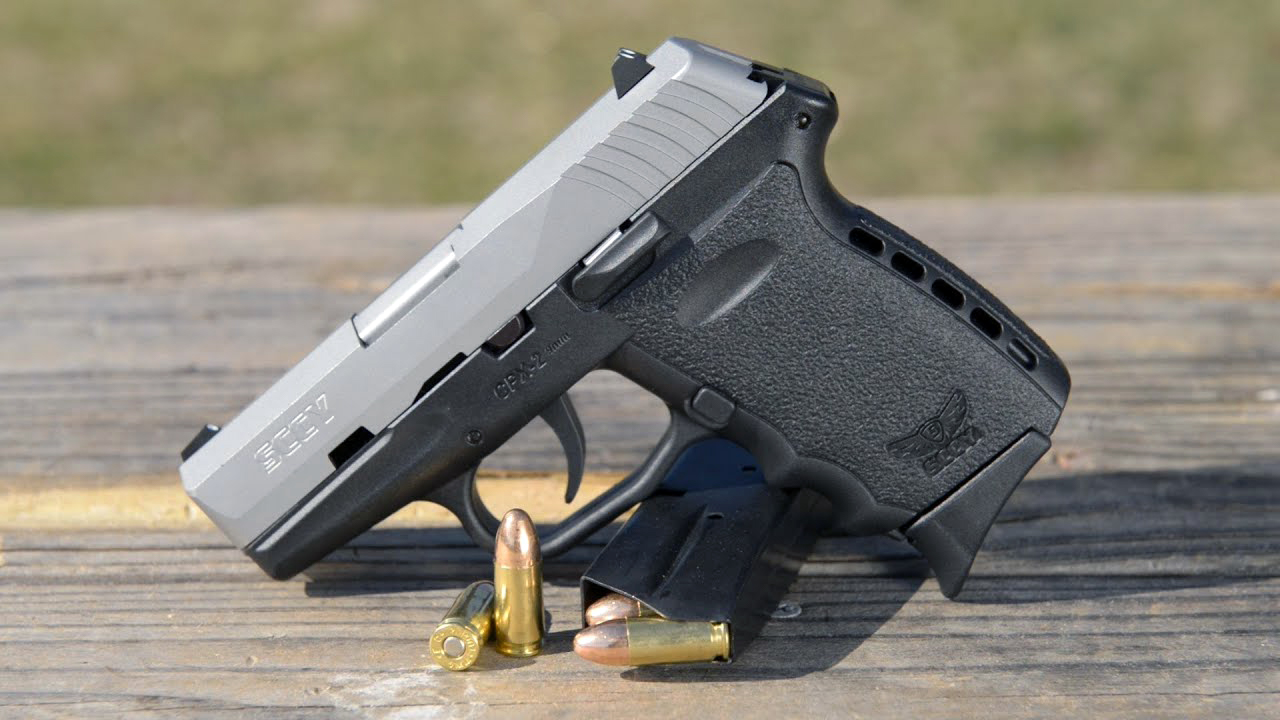
SCCY pistols attract buyers because they are affordable, compact, and chambered in 9mm. For someone on a tight budget, the idea of a low-cost defensive pistol can be tempting. The price makes the risk feel small.
The range can make the tradeoffs obvious. The triggers are long and heavy, recoil can feel unpleasant, and the overall shooting experience is not as refined as more expensive options. Some owners get reliable service from them, but others quickly wish they had saved a little longer for something easier to shoot well. Budget matters, but a defensive handgun still needs to inspire practice. If the pistol makes practice feel like a chore, the savings start to look less impressive.
Ultra-Light .44 Special Revolvers
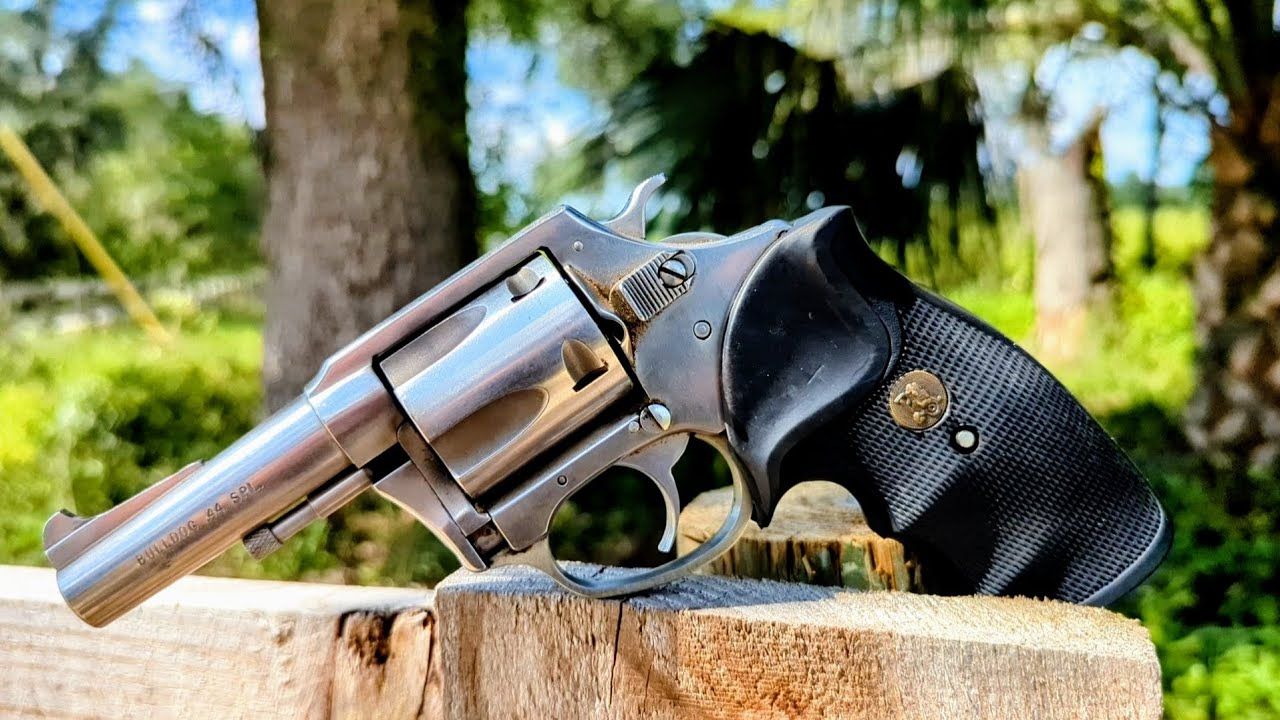
A lightweight .44 Special revolver has a very specific appeal. It sounds like a big-bore carry gun with milder manners than .44 Magnum. In theory, that should make it powerful, simple, and easier to manage.
In practice, the recoil can still be sharper than expected because the guns are often light and compact. Ammunition can be expensive, and the grip shape makes a huge difference. Some dedicated revolver fans love the combination, especially with carefully chosen loads. But a casual buyer may hit the range and realize the gun is not the soft big-bore experience they imagined. The cartridge may be gentler than .44 Magnum, but the platform can still bite.
Cheap 1911 Clones With Poor Fit
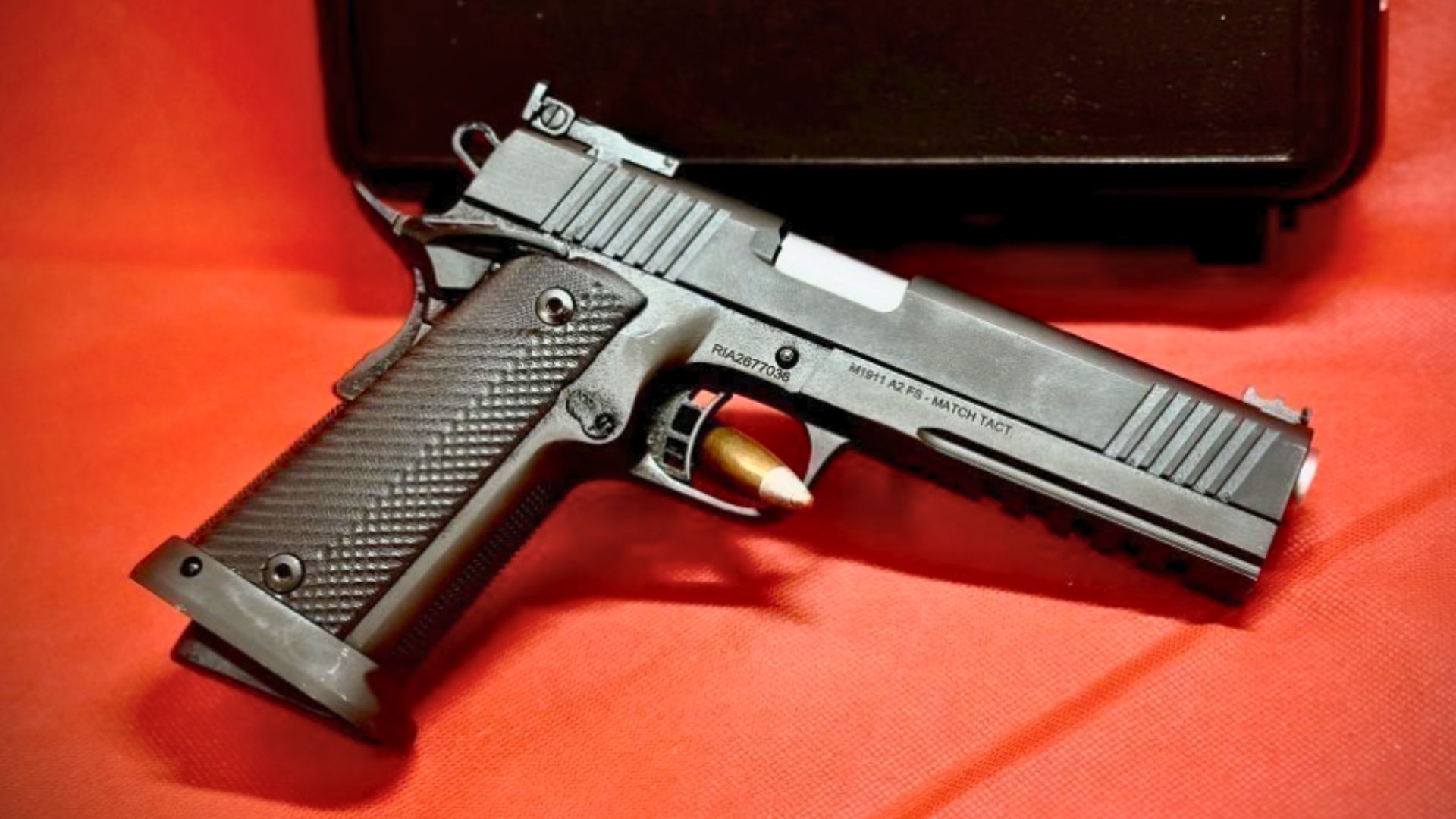
An inexpensive 1911 clone can be very tempting. The buyer gets classic styling, a single-action trigger, and .45 ACP appeal without paying Colt, Springfield, Dan Wesson, or custom-shop money. Sometimes that works out fine.
Other times, the first range trip explains why the gun was cheap. Rough triggers, sharp edges, unreliable magazines, poorly fitted extractors, weak sights, and inconsistent feeding can turn excitement into frustration fast. The 1911 is a platform where small details matter. A budget version that needs immediate work may erase its own savings. Many owners regret not buying a simpler modern pistol or saving for a better-built 1911 from the start.
Like The Avid Outdoorsman’s content? Subscribe to our newsletter so you never miss an article.
Here’s more from us: