Photo credit: Yeti Firearms/GunBroker
Some handguns breeze through torture tests without a hiccup. Others start shedding springs, sluggish cycling, or wandering sights long before you hit the round counts manufacturers brag about. If you’ve ever had a pistol choke halfway through a long weekend class, you know the kind of frustration I’m talking about.
Endurance failures don’t happen because a gun is “bad.” They happen because real-world shooting exposes every shortcut in materials, machining, and design. And when a sidearm starts fading under heat, grit, or volume, you lose trust fast.
These are the pistols that love the sales counter but struggle everywhere else.
Kimber Micro 9
The Kimber Micro 9 draws people in with its looks and size, but it’s one of the fastest‑fatiguing pistols you’ll run through an endurance cycle.
The alloy frame sees accelerated wear after sustained shooting, especially around the slide rails. Springs lose tension sooner than you’d expect, and many shooters report extraction issues once they’ve put real volume through it.
It’s a fun carry piece on paper, but if you run regular drills, you’ll notice reliability slipping long before the odometer gets high.
Taurus PT709 Slim
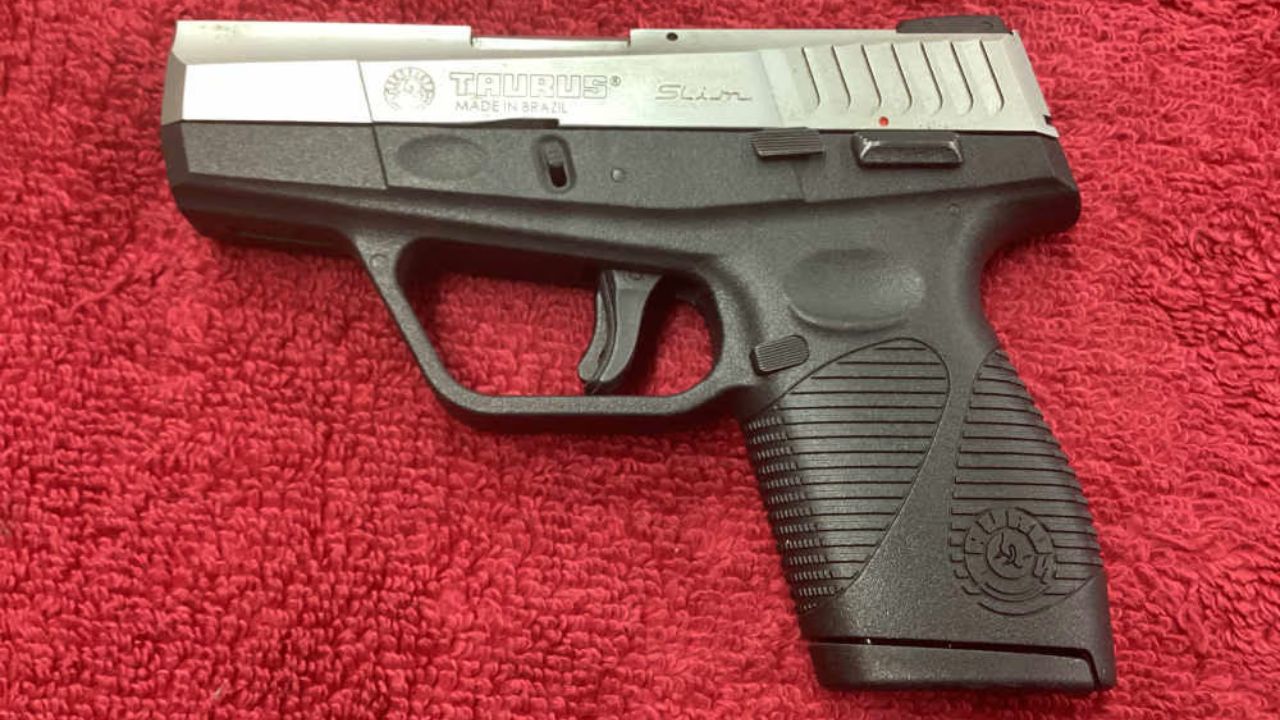
The PT709 Slim earned fans for being lightweight and affordable, but those traits come at a cost once you start pushing round counts.
The trigger system is known to degrade under heavy use, and the magazines loosen up enough to cause intermittent feeding issues. The extractors also tend to chip or lose tension once you hit the higher end of practice schedules.
For casual shooting, it limps along. Under endurance testing, it’s one of the first to tap out.
SIG Sauer P250
The modular idea was ahead of its time, but the execution didn’t win any endurance competitions.
The long, spongy DAO trigger slows shooters down and shows noticeable inconsistency as internal wear accumulates. The fire‑control unit can handle moderate volume, but once grit enters the system, reliability becomes shaky.
Many owners sold theirs after learning how quickly carbon buildup and heat produced sluggish resets and weak primer strikes.
KelTec PF9

The PF9 is incredibly thin and lightweight, and that’s part of why it struggles past modest round counts.
The polymer frame flexes under recoil, and over time the pins start walking and the slide rails show visible wear. It also doesn’t tolerate heat well; repeated rapid strings cause feeding issues almost immediately.
It’s a “carry a lot, shoot a little” gun—and endurance tests reveal that fast.
SCCY CPX‑2
The CPX‑2 hits the market with good intentions, but once you push it through prolonged training, the cracks show—sometimes literally.
Frame flex causes shifting tolerances, and the DAO trigger becomes noticeably inconsistent as parts settle and wear. Magazine springs also weaken faster than most pistols in this class.
Plenty of new shooters buy one because of the price. Few stick with it after their first long training cycle.
Walther CCP (Original Version)

The gas-delayed system was clever, but the early CCPs struggled with heat, fouling, and wear.
Once carbon builds up in the gas piston, the slide slows so much that failures become routine. The recoil spring weakens quickly, and some components wear unevenly, leading to inconsistent cycling.
Walther fixed much of this in later generations, but the original CCPs remain notorious endurance failures.
Taurus PT111 G2 (Early Runs)
Later versions improved significantly, but early PT111 G2 models had real longevity issues.
Striker drag caused premature wear, and extractors wore out well before other pistols in its price bracket. The polymer frame also developed stress marks around the locking block after sustained fire.
A lot of folks carried these pistols confidently—right up until an intensive training weekend exposed everything they didn’t know.
Desert Eagle .50 AE

Nobody buys a Desert Eagle for long training blocks, but once you try it, the weaknesses become very clear.
The gas system gums up fast under heavy use, and the massive reciprocating slide accelerates metal fatigue in areas that weren’t designed for high-volume fire. Springs, in particular, give up early.
It’s a novelty that’s fun for a few magazines. Beyond that, it’s one of the quickest pistols to reach its limits.
Beretta 9000S
The Beretta 9000S had pedigree behind it, but endurance performance was never its strength.
The chunky frame doesn’t manage heat well, and the locking block system shows accelerated wear once you put serious volume through the gun. Feeding and extraction issues creep in as tolerances shift.
A lot of shooters wanted to love it, but long days at the range usually changed their mind.
Kahr CW380
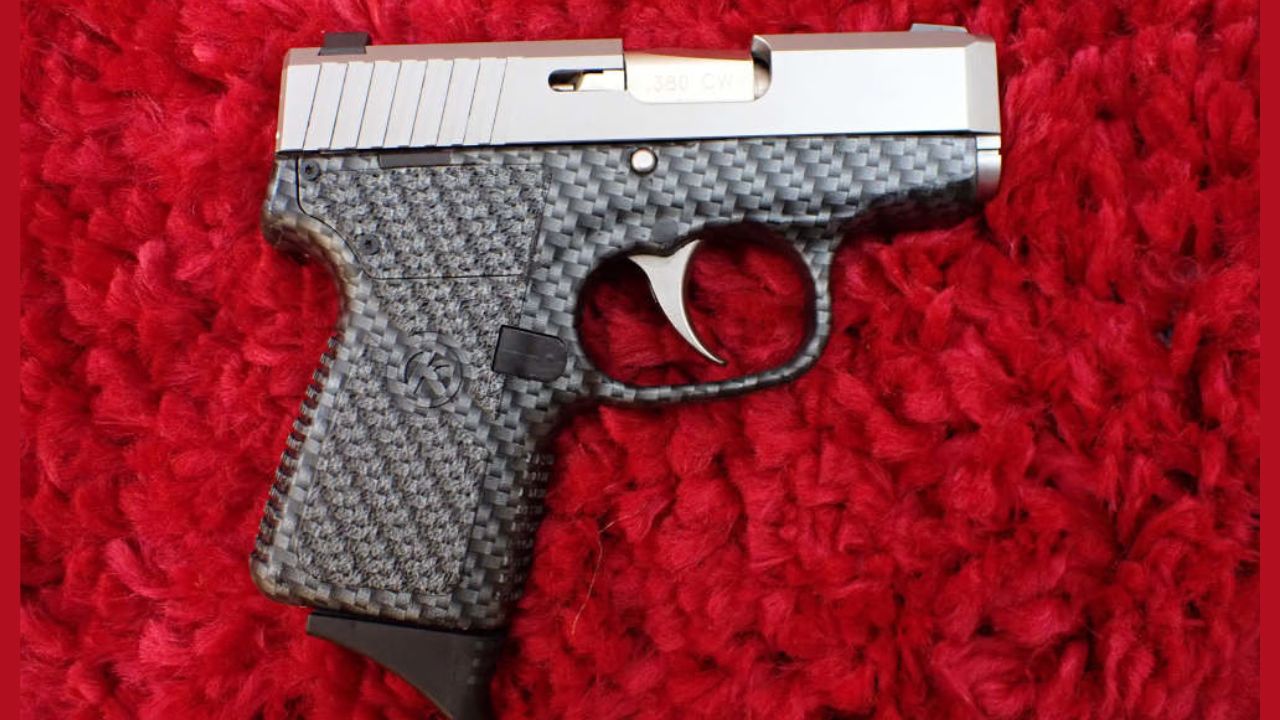
The CW380 is incredibly convenient to carry, but tiny pistols often struggle in endurance tests—and this one leads the pack.
Short slides and small springs take a beating with every cycle, and after heavy use the gun shows sluggish return-to-battery, weak ejection, and occasional light strikes. It’s also extremely sensitive to fouling.
It’s a backup gun, not a high‑round‑count performer, and endurance testing proves that quickly.
Like The Avid Outdoorsman’s content? Be sure to follow us.
Here’s more from us:
*This article was developed with AI-powered tools and has been carefully reviewed by our editors.