Photo credit: Mr. Madness/YouTube
When you’re carrying a sidearm or rifle in the field, reliability isn’t a luxury—it’s the whole point. The gun doesn’t need to be pretty, or even comfortable, but it sure as hell better run. And yet, there are plenty of firearms out there that’ve built a name on looks, nostalgia, or marketing, not track record. You might get a clean mag through them at the bench, but out where it matters—dust, mud, heat, cold, stress—they cough, fail, and leave you hanging. Some are picky with ammo. Others hate being dirty. And a few seem like they’re allergic to working at all. Here are the guns that have earned their reputation the hard way—by locking up when it counted most.
Remington R51
The R51’s return was hyped hard, but in the real world, it never delivered. Between the awkward ergonomics and a design that never quite worked right, it quickly earned a reputation for unreliability. Early models suffered from constant feeding issues, failure to return to battery, and weird malfunctions that couldn’t be chalked up to limp-wristing or bad ammo.
Plenty of shooters tried to give it a fair shake, but it seemed like every range trip brought a new kind of headache. Even after Remington tried to fix the problems with a revised model, the damage was done. You never want to second-guess whether your carry gun is going to go bang when it matters—and the R51 made you do that every time.
Kimber Solo Carry

This little 9mm was supposed to be Kimber’s answer to the micro-compact market, but it quickly turned into a cautionary tale. It demanded premium ammunition to run reliably—anything less, and it choked. Hollow-points that ran flawlessly in other pistols would nose-dive or hang up mid-cycle.
The trigger was decent and it looked sharp, but neither of those things matter when the thing won’t cycle more than three rounds without a hiccup. Kimber eventually discontinued it, but not before a whole lot of folks got burned on the promise of a sleek, high-end carry pistol that couldn’t pass a basic function check under pressure.
Desert Eagle .50 AE
This one’s the poster child for big, flashy guns that don’t belong in real-world scenarios. Yes, it’s a monster at the range—loud, heavy, and cartoonishly powerful—but try running a full mag without a failure. The Desert Eagle is incredibly sensitive to grip, ammo, and cleanliness. Even with proper technique and factory loads, it still struggles to run consistently.
Its gas-operated system needs regular attention, and it gums up fast. Add in the fact that it’s nearly impossible to carry and overkill for most hunting or defense roles, and you’re left with a gun that spends more time jamming than working—unless you’re cleaning it like a race car after every use.
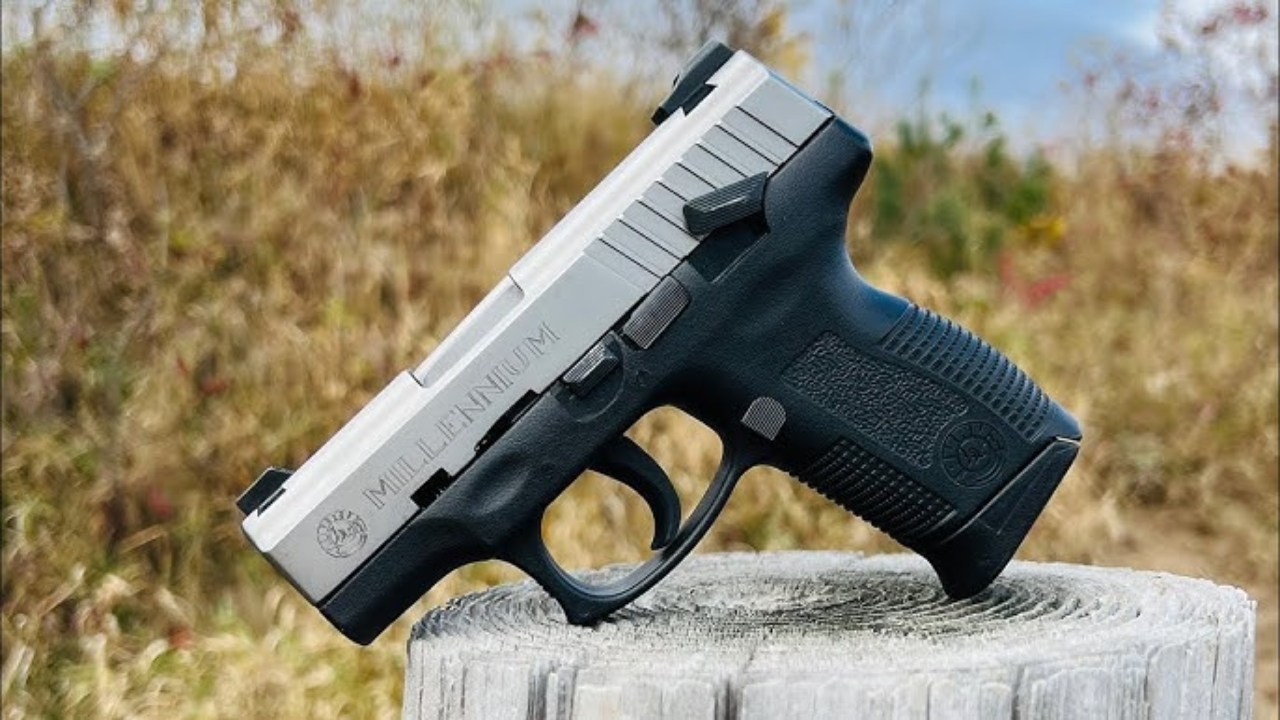
Taurus PT140 Millennium Pro

Taurus has made strides in recent years, but the older PT140 Millennium Pro models were plagued with problems. Between inconsistent extraction, slide lock issues, and chronic feed failures, it gave owners a lot to complain about. It didn’t help that the trigger felt like it was full of gravel and the reset was vague at best.
Plenty of folks bought it because it was cheap and compact. But as the stories piled up, it became clear it couldn’t be trusted as a carry gun. You don’t want to babysit your pistol, and this one demanded constant attention if you wanted it to function at all. Most owners eventually moved on.
Remington 597
This .22 LR rifle had the potential to give the Ruger 10/22 a run for its money, but it never quite got there. The main culprit? Feeding issues. The factory magazines were notoriously inconsistent, leading to nose-dives, stovepipes, and double feeds—often all in the same magazine.
Some shooters had decent luck after replacing mags or tinkering with the action, but many others spent more time clearing malfunctions than actually shooting. In theory, it was a good idea. In practice, it turned into a frustrating mess. If you need a .22 that runs reliably, the 597 usually isn’t the one you reach for.
FN FiveseveN (Early Models)

The FiveseveN gained a lot of attention because of its unique cartridge and massive magazine capacity, but early models weren’t exactly confidence-inspiring. They were picky about ammo—especially anything outside FN’s own factory loads—and tended to choke when run hard or dirty. Ejection patterns were erratic, and the guns were prone to failure to feed and failure to eject in rapid fire.
Newer models have seen improvements, but those early versions left a bad taste in a lot of mouths. A high-velocity, high-capacity pistol doesn’t mean much when it can’t run a mag clean. It might be lightweight and fast, but reliability trumps novelty every time.
Walther P22
This little rimfire pistol is a lot of fun—until it isn’t. It was meant to be a plinker, and in perfect conditions, it does okay. But throw in some bulk .22 ammo, a little fouling, or a weak grip, and things start going sideways fast. Failures to feed, fire, and eject are common. Some owners say it gets better after a long break-in, but even then, it’s no guarantee.
Add in the fact that the slide is made of zinc alloy and prone to wear over time, and you’ve got a gun that requires constant maintenance. For a training pistol or range toy, that’s one thing. But if you’re expecting it to run like clockwork, you’re in for a letdown.
Like The Avid Outdoorsman’s content? Be sure to follow us.
Here’s more from us:
The worst deer rifles money can buy
Sidearms That Belong in the Safe — Not Your Belt
*This article was developed with AI-powered tools and has been carefully reviewed by our editors.