Photo credit: Backyard Live/Youtube
Every gun shop has that one used rack where a handful of guns sit with price tags that make you squint. Online it’s worse. You see a number that looks too high for something “old,” “weird,” or not trendy, and you keep scrolling. Then you actually handle one, or shoot one, or try to replace one after you let it go, and you realize the deal wasn’t just the gun. It was the mags you can’t find anymore, the slick action that doesn’t exist on the budget version, the factory support, or the fact that it simply works in the woods when the weather turns.
Here are 20 guns that can look overpriced until you understand what you’re really buying along with them.
1. Ruger GP100 (4-inch stainless)
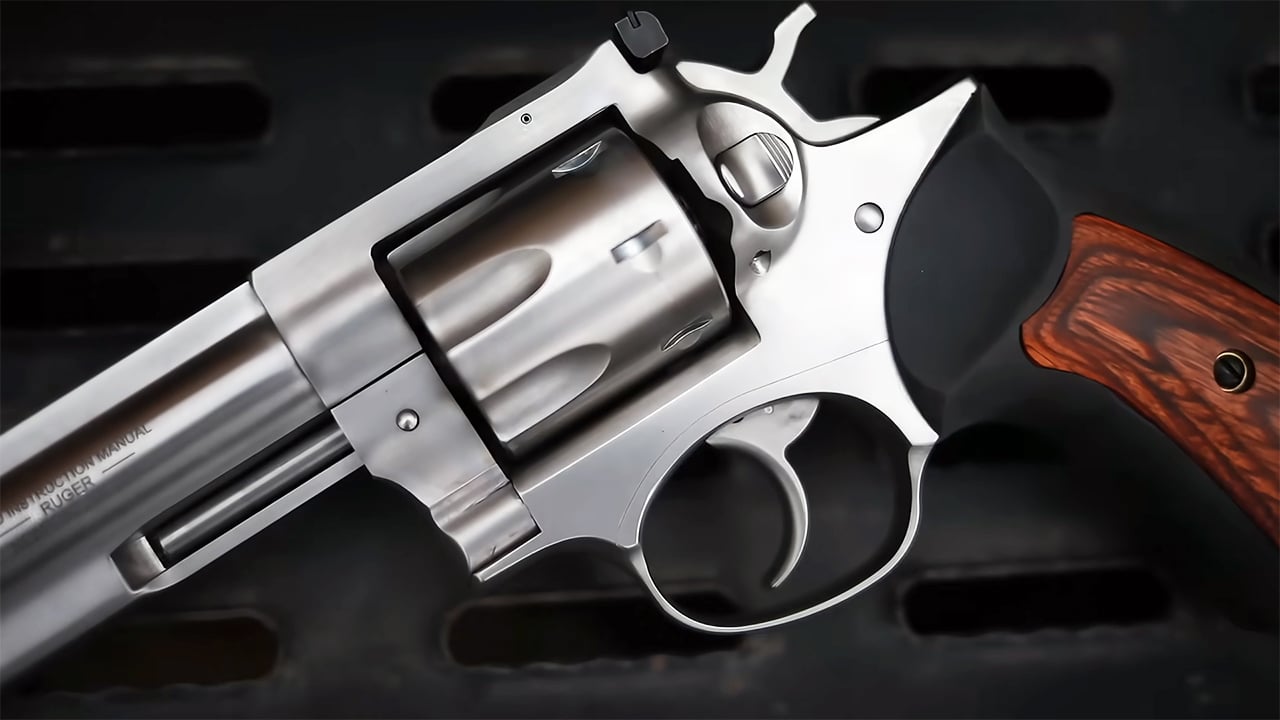
On the surface it’s “just” a .357 revolver, and the price can feel steep compared to plastic pistols. But what comes with a GP100 is the kind of durability you only appreciate after a few seasons of riding in a truck console, banging around in a camp drawer, and getting shot with everything from mild .38s to full-house magnums. The lockup is stout, the trigger can be made very good with normal use, and the gun doesn’t feel like it’s on the edge of its limits.
You also get a revolver that’s easy to keep running without chasing magazines, springs, or proprietary parts. Holsters and grips are everywhere, and the platform has a long track record for being boringly reliable. It’s heavy, yes. That weight is also why you can actually practice with magnum loads without hating life, and practice is part of what you’re “buying” here.
2. Glock 19 (Gen 5)
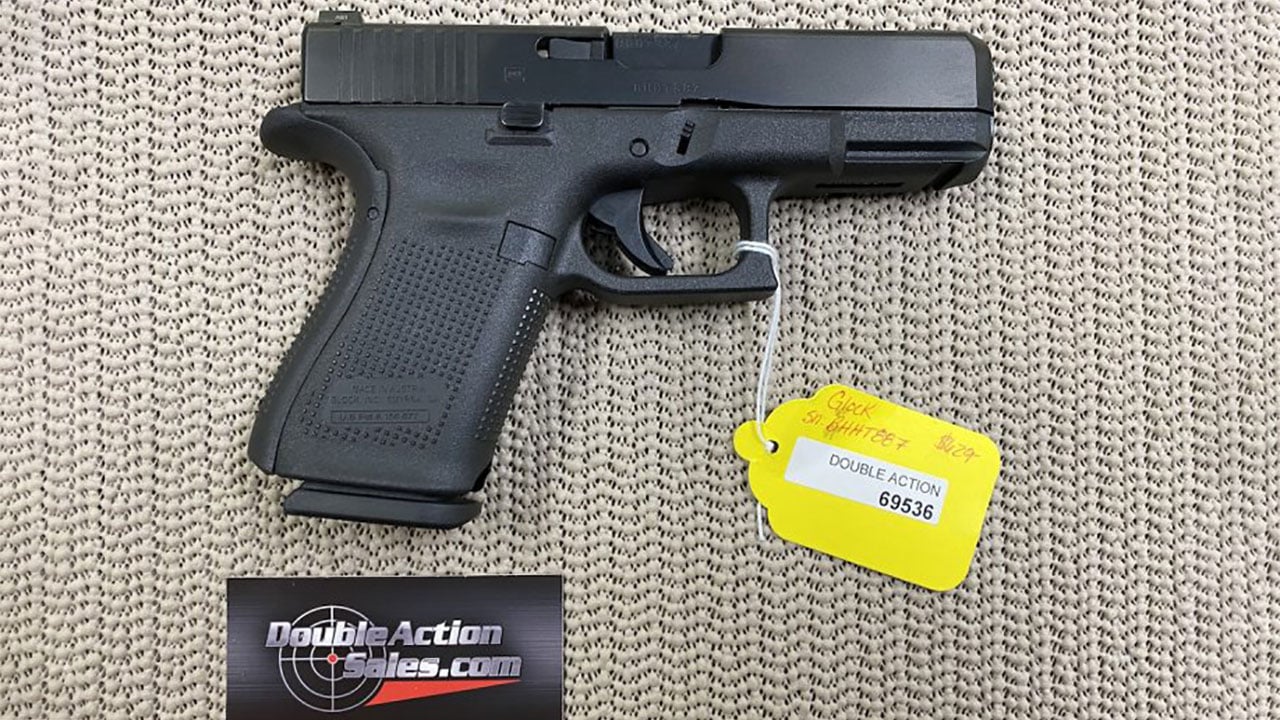
When a Glock 19 is priced close to flashier pistols with optics cuts and fancy triggers, it can look like a lazy purchase. Then you remember what comes with it: magazines stacked at every shop, parts that are everywhere, and a reliability reputation that isn’t based on one influencer’s 500-round range day. If you travel, that parts-and-mag commonality matters more than people admit.
It also comes with a simple manual of arms and an ecosystem that solves problems fast. Need a holster for a weird belt setup? It exists. Need night sights, a light, spare mags, or someone who can service it? Easy. It’s not romantic, and it’s not a “collector” gun. It’s a tool that stays a tool, and that’s what you’re paying for.
3. Ruger 10/22 (Carbine)
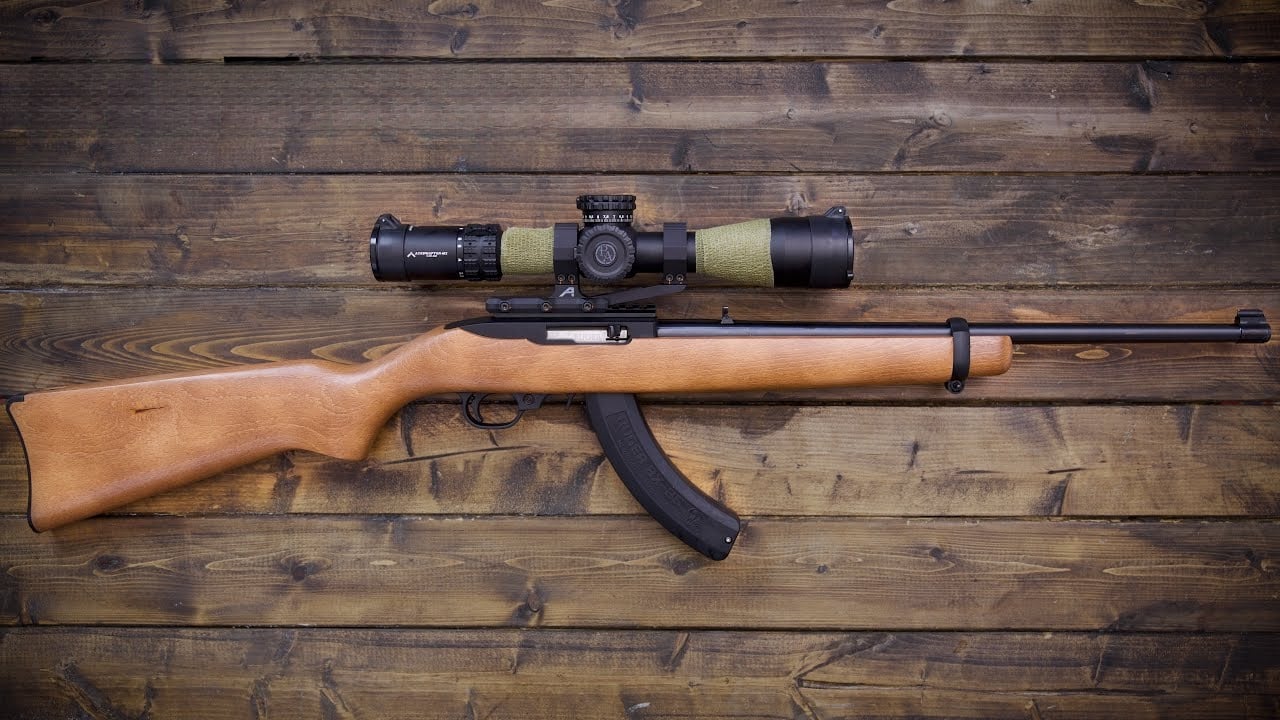
A basic 10/22 can look overpriced next to bargain .22s that come with a scope in the box. The catch is what you get long term: magazines that are reliable, parts that are everywhere, and a rifle that can be tuned from squirrel-gun simple to surprisingly accurate without needing a new receiver. You’re buying the platform more than the wood and steel in your hands.
For a lot of outdoorsmen, a .22 is the most-used rifle they own, even if it isn’t the most exciting. The 10/22 carries well, points naturally, and doesn’t beat you up. If you ever want it to do more—better trigger, better barrel, different stock—you can do that gradually instead of replacing the whole rifle. That’s why they hold value and why they keep showing up in camps.
4. Mossberg 500 (12 gauge)
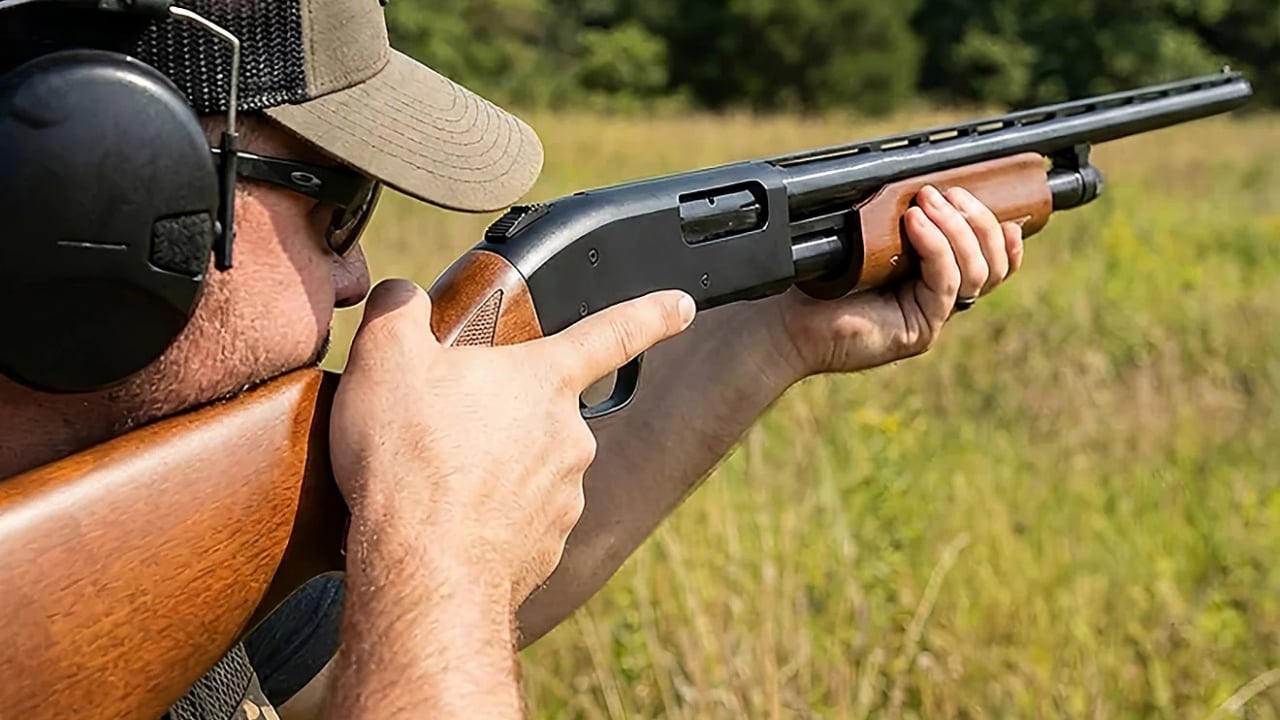
A plain Mossberg pump can look like you’re paying too much for something with a rattle in the forend. Then you start adding up what comes with the 500: a design that tolerates dirt, rain, and neglect better than it should, plus barrels and accessories that are easy to find. In the real world, “it runs” is worth a lot on a wet November morning.
It’s also a shotgun you can set up for multiple roles without getting into specialty-gun money. One receiver can cover deer with a slug barrel, birds with a vent rib, and home defense with a shorter setup—within the bounds of your local laws. The safety location works well for a lot of right-handed shooters, and the gun is easy to service. It’s not elegant. It’s useful, and that’s the bundle.
5. Remington 870 Wingmaster (older used guns)
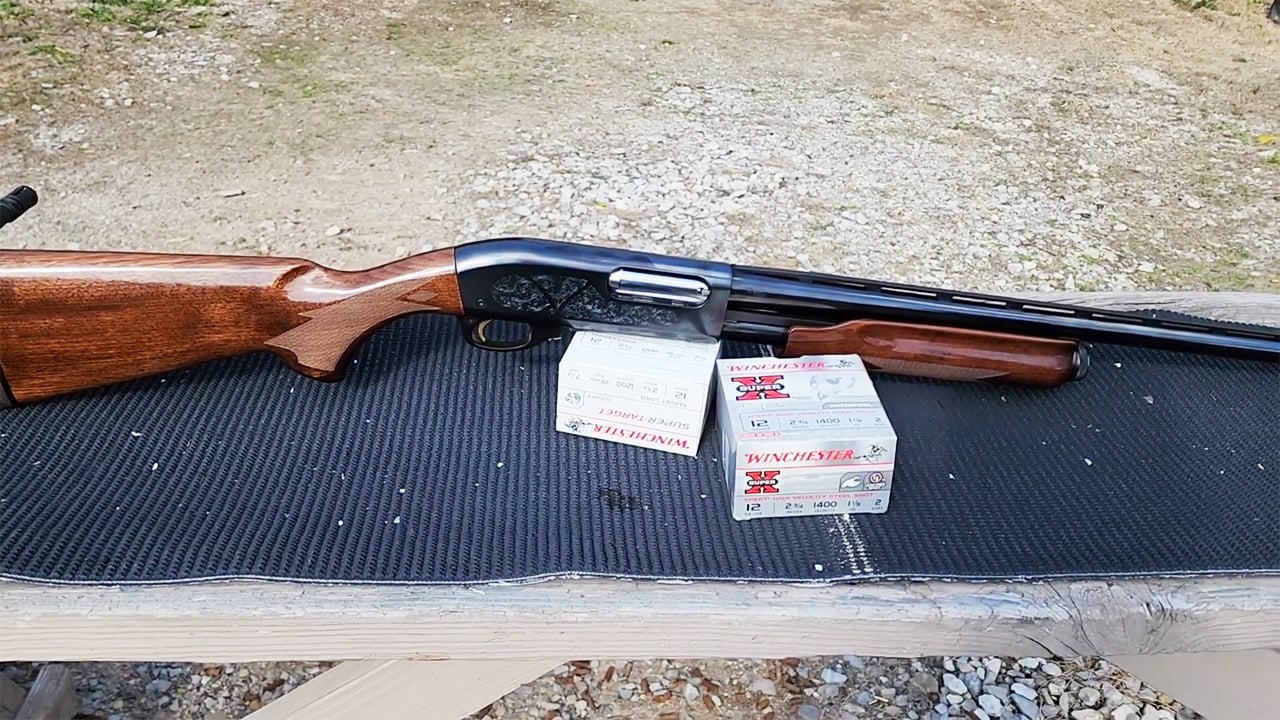
A used Wingmaster often costs more than a brand-new budget pump, which confuses buyers until they run the action a few times. The older Wingmasters come with slick machining, deep bluing, and wood that doesn’t feel like it was rushed. The action bars and fit tend to feel “right,” and that’s not nostalgia talking—it’s the difference between old-school production and cost-cutting.
You also get a shotgun that has been supported for decades. Barrels, chokes, stocks, and small parts are still out there, and every gunsmith on the planet has seen an 870. The gun carries well, balances well, and doesn’t feel like a fence post. If you want one pump gun that can be a lifetime piece, the older Wingmaster price starts making sense.
6. CZ 75B
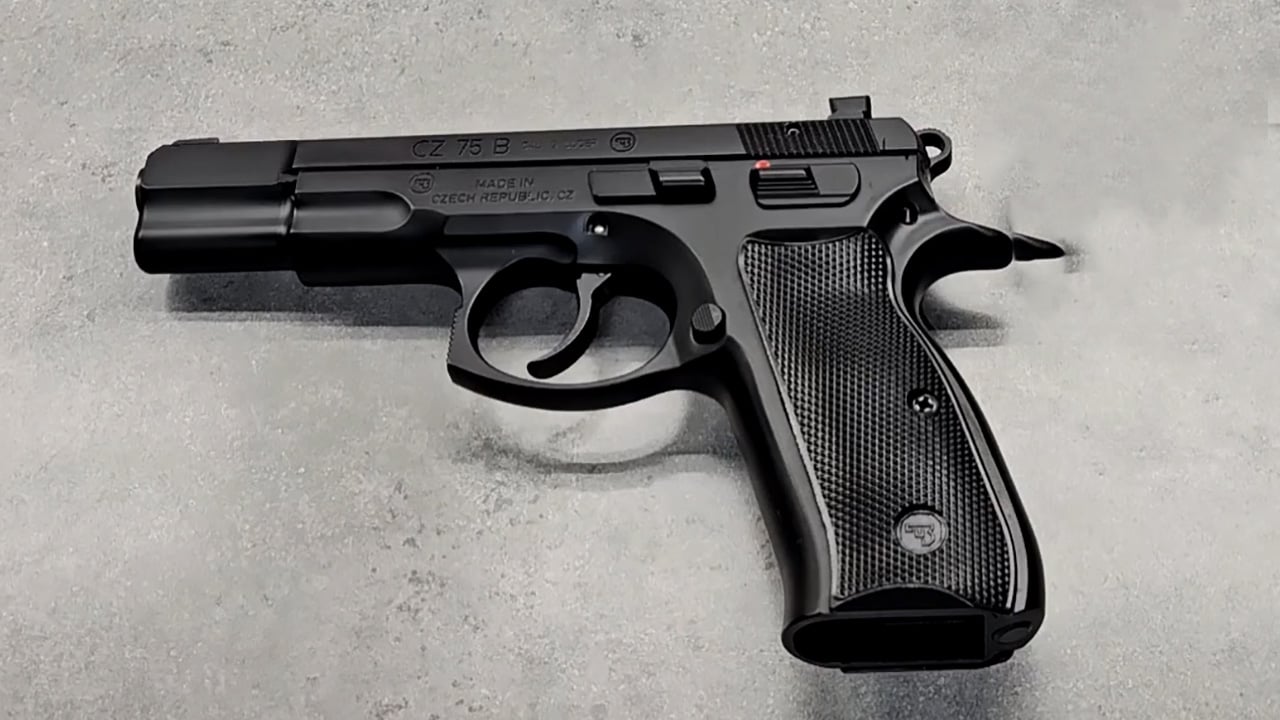
The CZ 75B can look like a heavy, old-fashioned 9mm priced against modern striker guns that are lighter and come optics-ready. What you’re buying is a shooting experience that makes you better. The grip geometry is excellent, the weight soaks recoil, and the gun tracks flat when you run it at speed. For a range gun that can still do serious work, it’s hard to beat.
You also get a design with proven longevity and a strong support network for mags and parts. The steel frame isn’t for everyone to carry all day, but it’s a pleasure to shoot, and that matters because guns you enjoy tend to get practiced with. A 75B is one of those pistols that stays in the safe even after the “new hotness” rotates through.
7. Beretta 92FS
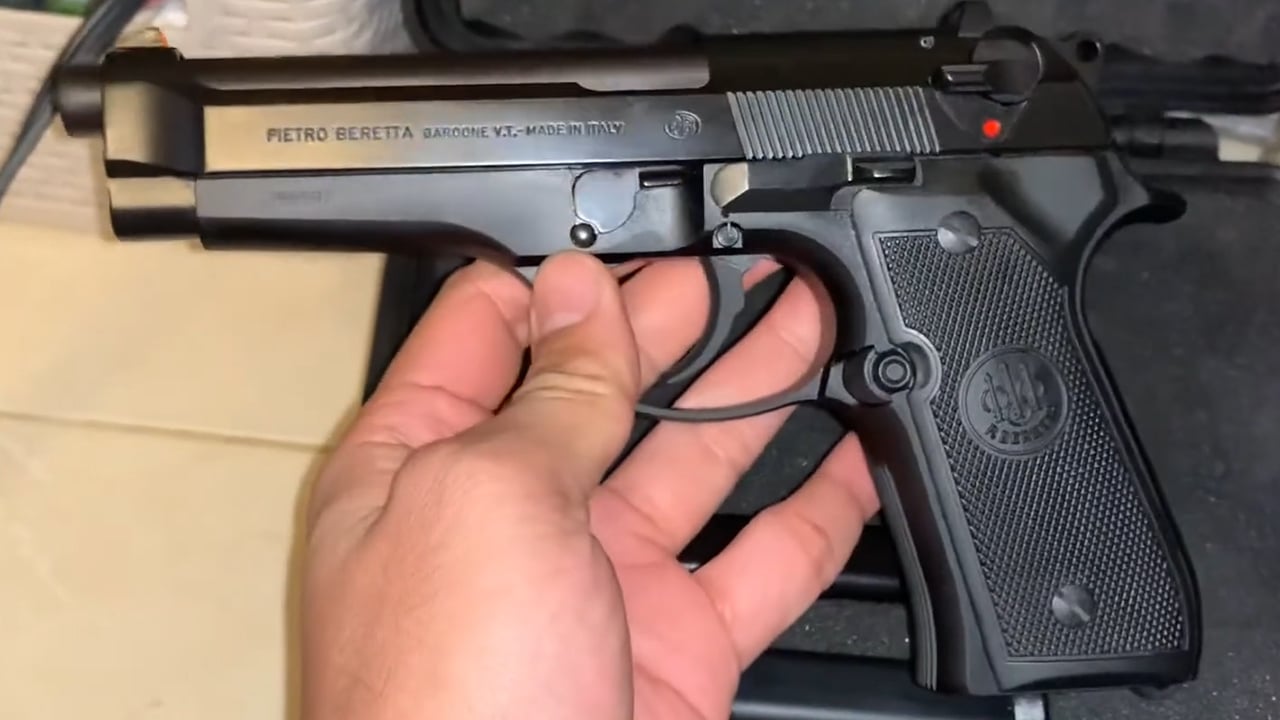
Folks see a Beretta 92FS price and say, “Why buy that big thing?” Then they shoot one and realize what comes with it: a soft, rolling recoil impulse, a barrel and slide design that runs well when hot and dirty, and a pistol that’s easier to shoot accurately than many compact wonder-nines. Size is part of the deal—big guns are often easier guns.
You’re also buying a service history and deep aftermarket support. Magazines are common, holsters are common, and the gun has been maintained and understood for a long time. The DA/SA system isn’t trendy, but it’s safe and workable if you actually practice. If your hands fit it, the 92FS is a steady, dependable piece that earns its price over years.
8. SIG Sauer P365 (standard model)
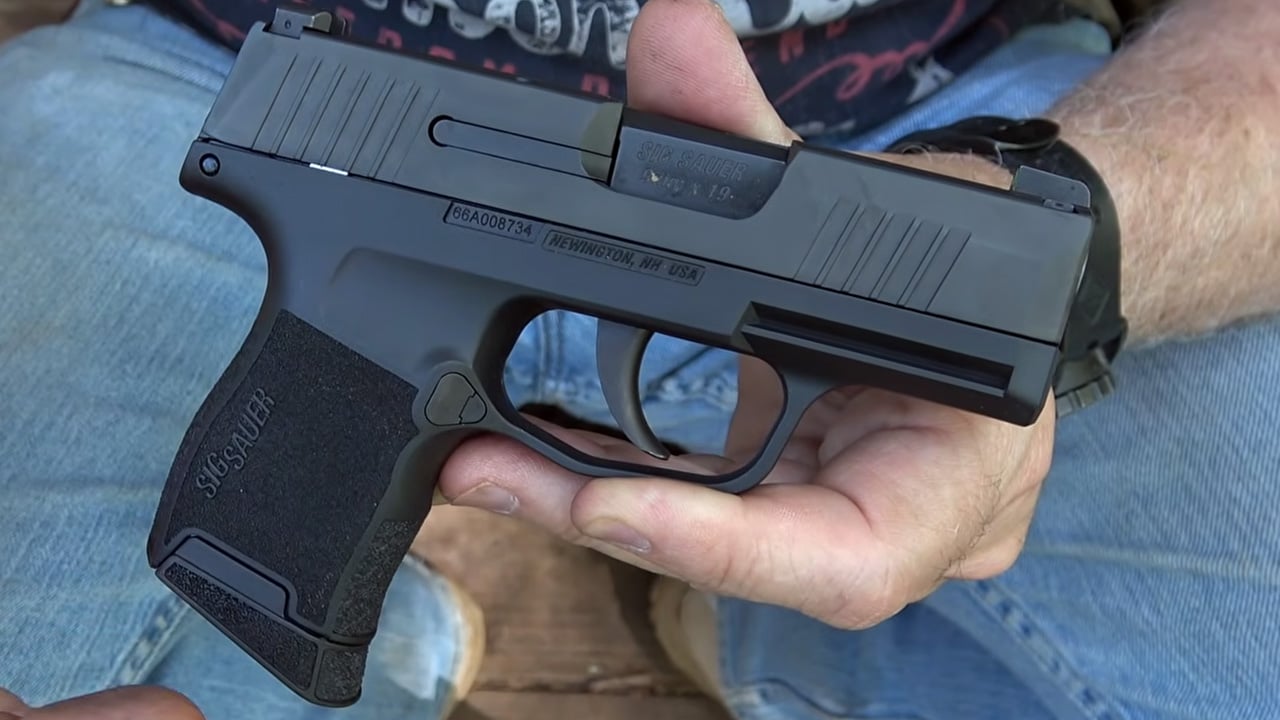
The P365 sometimes looks like a rough deal because by the time you add extra mags and a good holster, you’re into real money for a small gun. But the “comes with it” part is capacity in a package you’ll actually carry. A lot of pistols are affordable because they live in the nightstand. The P365 tends to be affordable because it’s with you.
It also comes with a massive ecosystem now—mags, grip modules, sights, and service support. The gun points naturally for many shooters, and it’s shootable enough that you can run real practice drills without feeling like you’re wrestling a pocket pistol. For everyday carry, that balance of size and capability is the hidden value.
9. Smith & Wesson J-Frame Model 642
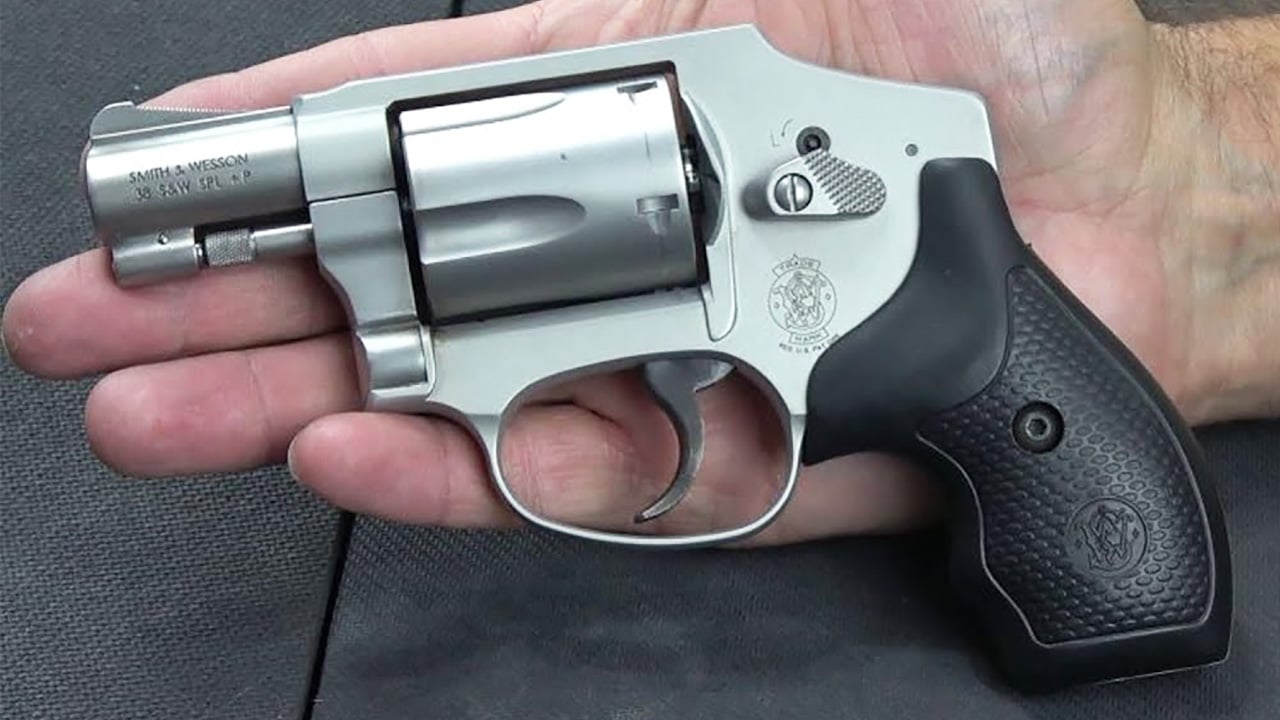
A lightweight snubnose revolver can look overpriced when you compare it to compact 9mms with twice the ammo onboard. What you get with a 642 is a carry option that doesn’t care about lint, doesn’t need magazine tuning, and works from awkward positions if you ever needed it. It’s also one of the few guns that disappears in a pocket the way people claim their compact auto does.
Yes, it’s not fun to shoot, and the trigger takes work. That’s part of the honesty of the platform: it makes you earn competence. But it comes with a kind of simplicity that’s hard to duplicate, especially for folks who want a grab-and-go gun for quick errands or as a deep-concealment backup. Add a good pocket holster and it becomes a real solution, not a novelty.
10. Henry Golden Boy (.22 LR)
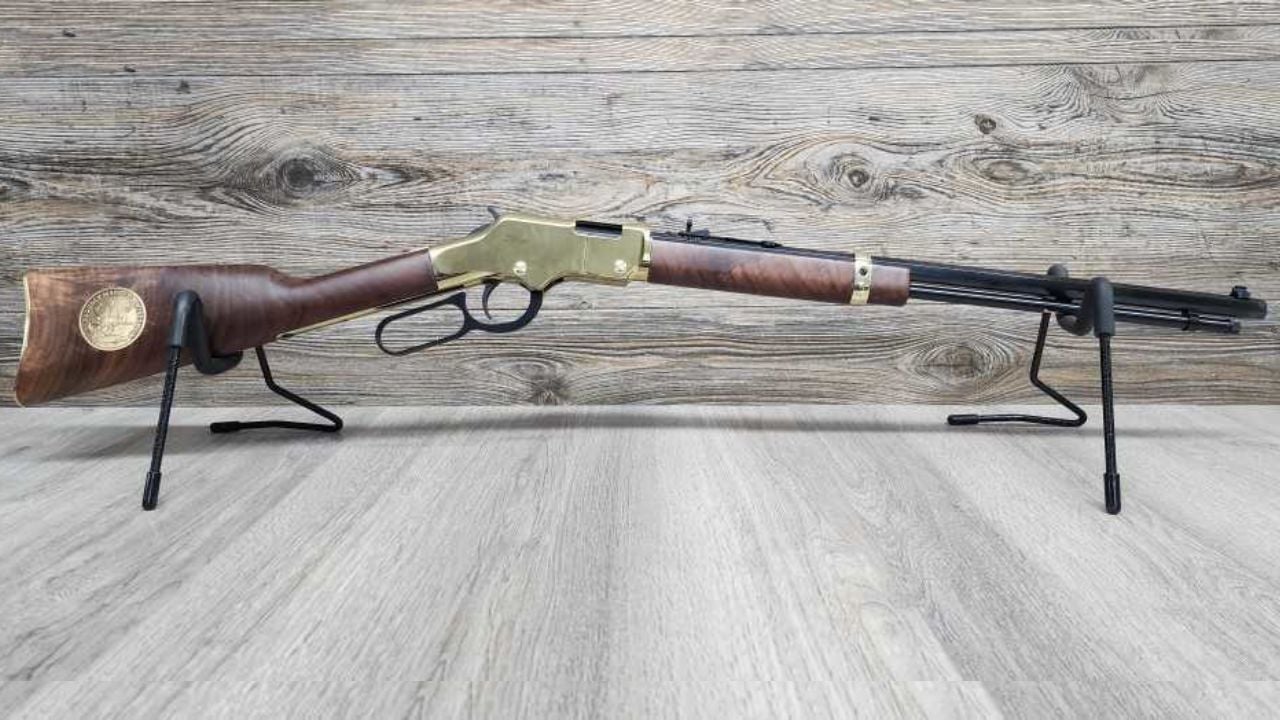
The Golden Boy looks like a shiny indulgence until you handle one. What comes with it is fit and finish you don’t get in a lot of modern rimfires, plus a lever action that makes new shooters smile and keeps experienced shooters interested. If you’re trying to get kids or grandkids into shooting safely, a friendly, “fun” rifle is worth paying for.
It also comes with a rifle you’ll actually take out for plinking, small game, and camp chores because it’s enjoyable. The sights are usable, the action is smooth, and the rifle carries nicely. No, you don’t “need” brasslite and walnut to kill a squirrel. But if a gun gets used more because it feels special, that’s part of the value you bought.
11. Marlin 336 (JM-stamped guns)
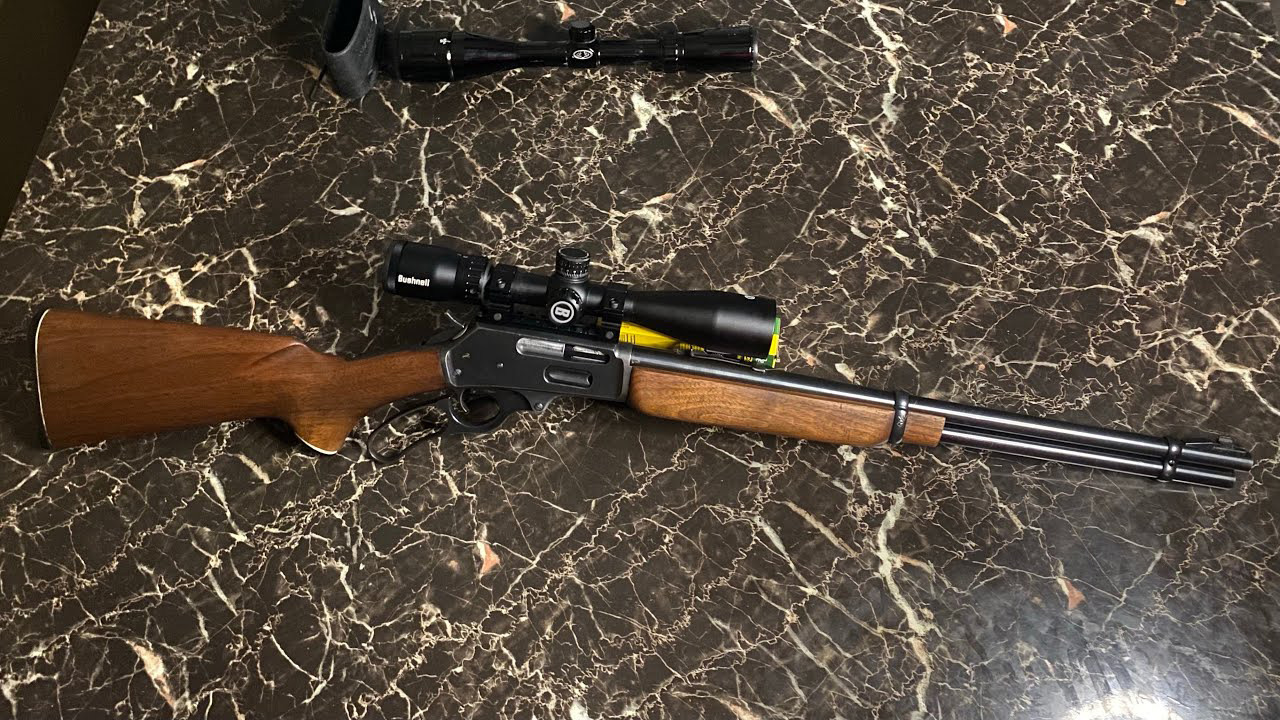
A clean Marlin 336 with the older markings can look downright expensive for what many call a “deer gun.” Then you remember what comes with it: a slick lever action that feeds well, a receiver that takes a scope easily, and a balance that carries through brush without catching on everything. In thick timber, a handy rifle is not a luxury.
There’s also a parts-and-knowledge base built from decades of real hunting use. These rifles have been dragged through rain, leaned against trees, and still put venison in the freezer. The .30-30 isn’t flashy, but ammo is usually around, recoil is manageable, and it works at the distances most woods hunters actually shoot. That practicality is why the price keeps climbing.
12. Ruger Mini-14 Ranch Rifle
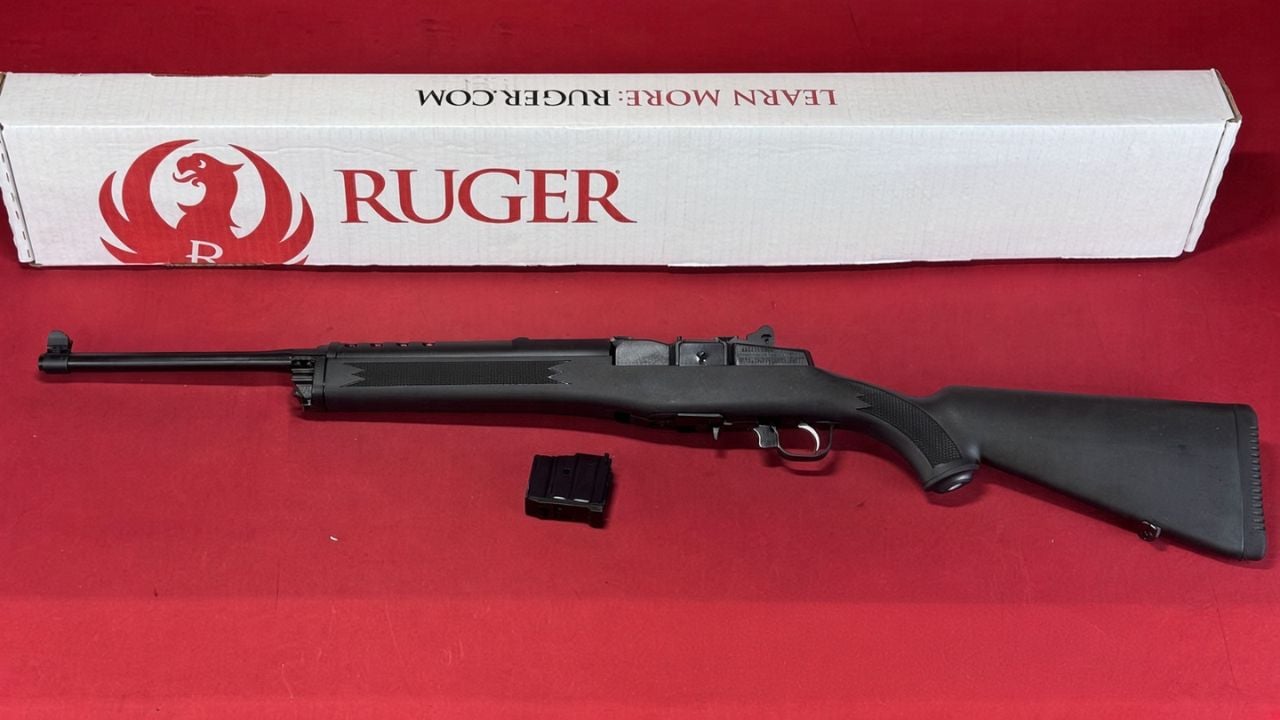
The Mini-14 often gets labeled “overpriced” because you can buy an entry AR for less. But the Mini comes with a different kind of value: it’s compact, rugged, and doesn’t scream “range toy” when it rides behind a truck seat on a ranch. It also tends to be welcome in places and social circles where a black rifle turns into a whole conversation.
Factory Ruger magazines are the key, and they’re part of what you’re paying for when you buy smart. With good mags, the rifle runs. The handling is fast, the safety is simple, and the gun points like a traditional rifle. Accuracy varies by era and setup, so don’t expect match groups. Expect a dependable working rifle that fills a real niche.
13. Tikka T3x Lite

A Tikka can look like you’re paying extra for a “plain” bolt gun with a plastic stock. Then you run the bolt and it’s like it’s on bearings. What comes with a T3x is an action that cycles smoothly when you’re cold, tired, and wearing gloves, plus a reputation for out-of-the-box accuracy that saves you from chasing upgrades.
The magazines aren’t as cheap as some, and that’s part of the sticker shock. But in the field, the rifle carries light, shoots straight, and doesn’t fight you. If you’re the kind of hunter who might hike ridges all day, a pound matters. A rifle that groups well with normal hunting ammo matters too. There’s nothing fancy about it, and that is kind of the point.
14. Browning X-Bolt

The X-Bolt often gets side-eyed because it costs more than the basic “package rifle” options. What you’re paying for is refinement: a clean-feeling bolt throw, a solid rotary magazine system, and a trigger that’s usually very usable from the factory. When a rifle fits and functions smoothly, you tend to shoot it better under pressure.
It also comes with thoughtful design features that matter in hunting season, like decent bedding and good ergonomics for scoped use. Is it the only rifle that will kill a deer? Of course not. But if you’ve ever fought a sticky bolt when a buck is quartering away, you understand why a smoother action is worth money. The X-Bolt is a “buy once, cry once” gun for a lot of hunters.
15. Benelli Nova (12 gauge)
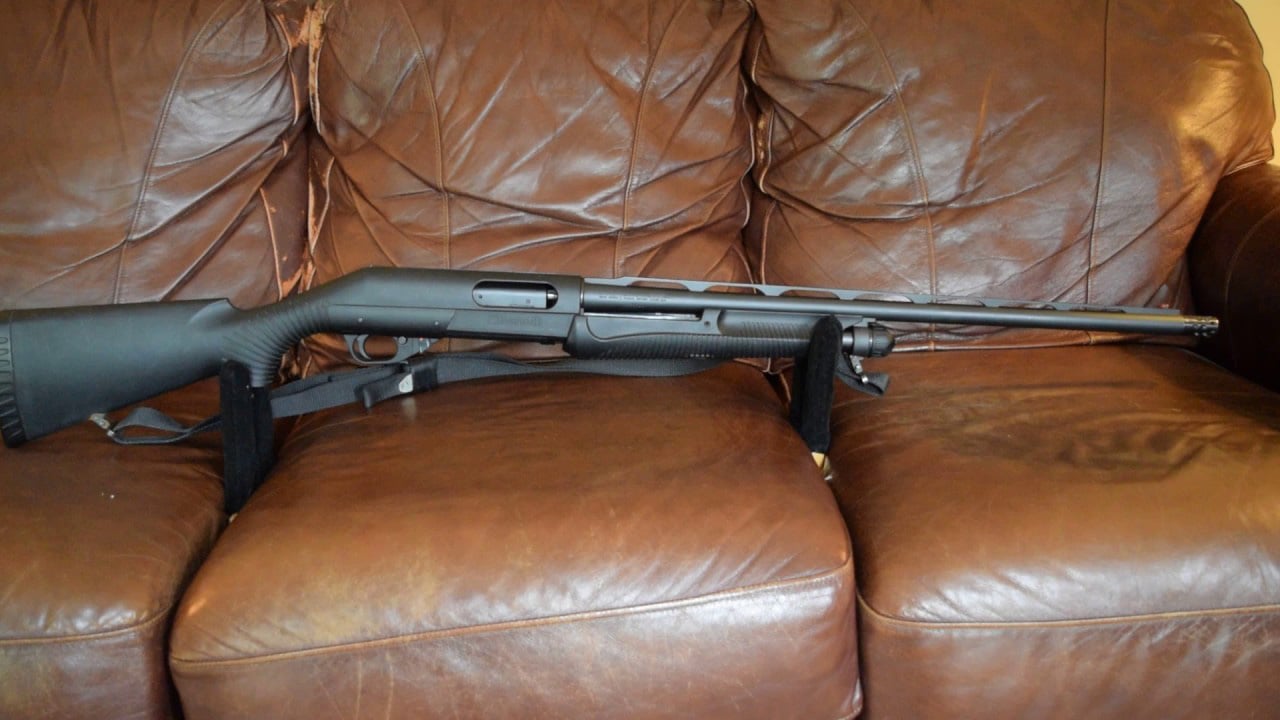
A Nova can look like too much money for a polymer pump that feels big in the hands. Then duck season happens. What comes with the Nova is a shotgun that shrugs off water, mud, and cold better than many pretty guns. The one-piece receiver/stock setup is not glamorous, but it’s tough, and it’s hard to mess up.
The action tends to run even when things get gritty, and the gun is easy to clean without babying walnut or worrying about every scratch. It is bulky, and smaller shooters may not love it. Still, if you want a no-nonsense waterfowl gun that can live in a boat, get rained on, and keep cycling, the Nova’s price starts looking more reasonable.
16. Ruger Mark IV Target

A .22 pistol that costs “centerfire money” makes people pause. The Mark IV earns it with what comes with it: a rimfire that actually runs, a barrel and sight setup that can be very accurate, and a takedown system that doesn’t require a wrestling match. Ask anyone who fought older .22 pistols after a brick of ammo. Easy cleaning means you’ll shoot it more.
The Mark IV also has a huge aftermarket, but you don’t have to chase parts to enjoy it. It’s a legitimate training tool for trigger control and sight work without burning through expensive ammo. For folks who hunt small game with a pistol, it’s steady and practical. It’s not tiny and it’s not tacticool by default. It’s a workhorse .22 that pays you back in range time.
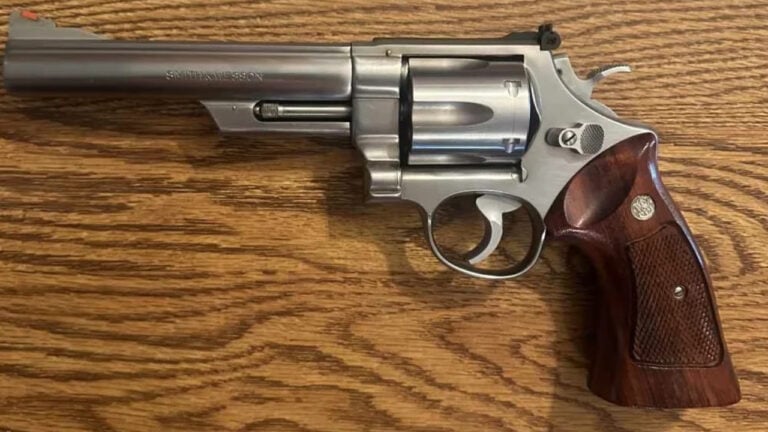
17. Smith & Wesson Model 686 (4-inch)

The 686 is another revolver that can look like an “old guy purchase” until you actually put it to work. What comes with it is strength, smoothness, and a balance that makes .357 feel manageable. The L-frame size is a sweet spot—big enough to handle magnums regularly, not so massive that it feels like a boat anchor on the belt.
It’s also a gun that holds up to real use. If you like revolvers, you already know timing and wear are real things, especially with hot loads. The 686 is built for it. It’s a great woods sidearm, a solid house gun for folks who prefer wheelguns, and a range piece that doesn’t punish you. When you factor in how long it lasts and how little it “needs,” the price isn’t as crazy.
18. Colt Python (new production)
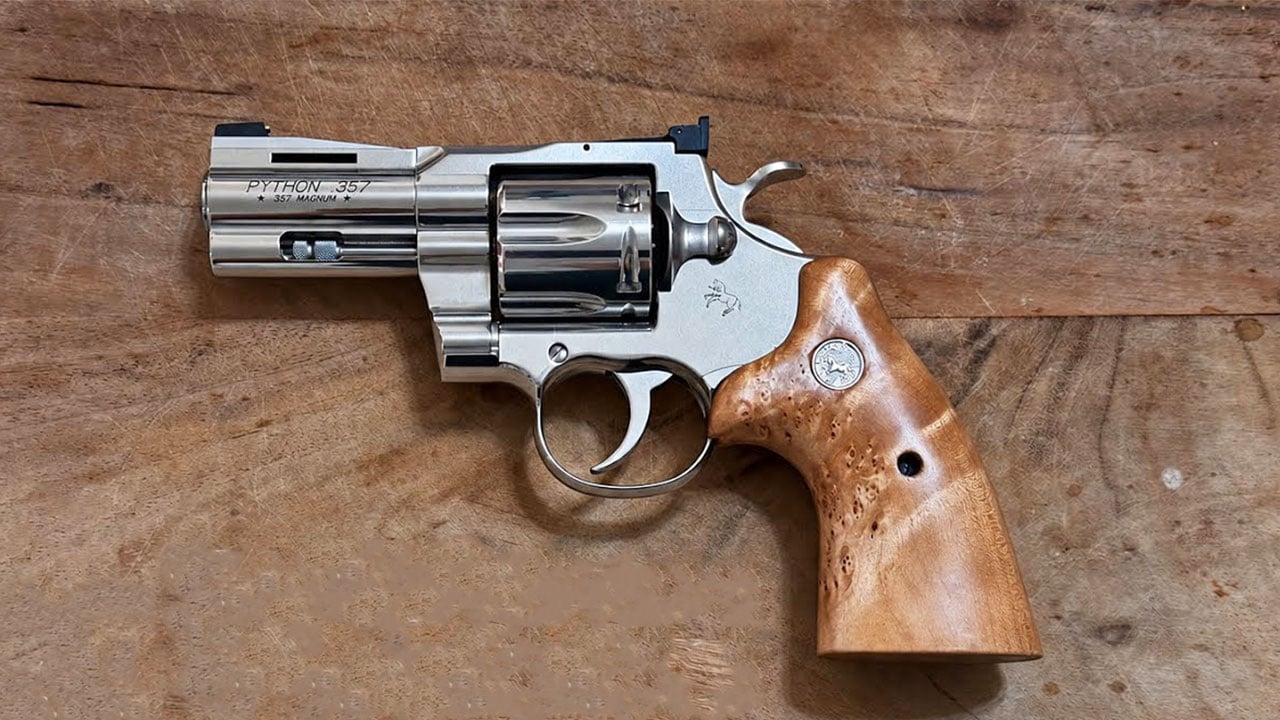
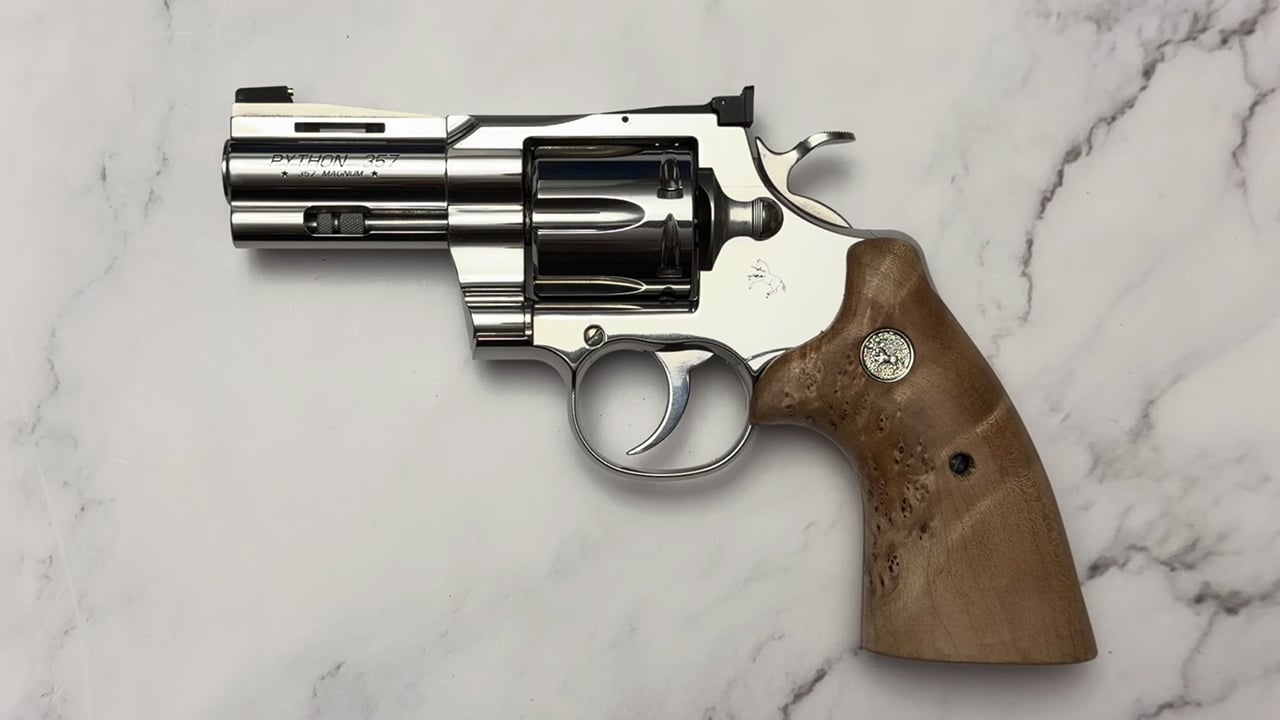
A new Python price tag can make a man laugh, and I get it. But what comes with it is not just a .357 revolver. You’re buying top-tier fit and finish, a trigger that feels different than most production guns, and a level of pride-of-ownership that actually keeps some folks practicing. It sounds silly until you’ve owned a gun you enjoy enough to shoot regularly.
It’s also a gun that holds interest. Even if you’re not a collector, the Python name carries weight, and there’s a reason they don’t sit long when priced fairly. Is it necessary? No. Is it the best choice for a hard-use truck gun? Also no. But for someone who wants a premium revolver experience without chasing an older one of unknown history, the “extra” money is buying certainty and craftsmanship.
19. HK USP Compact (9mm)
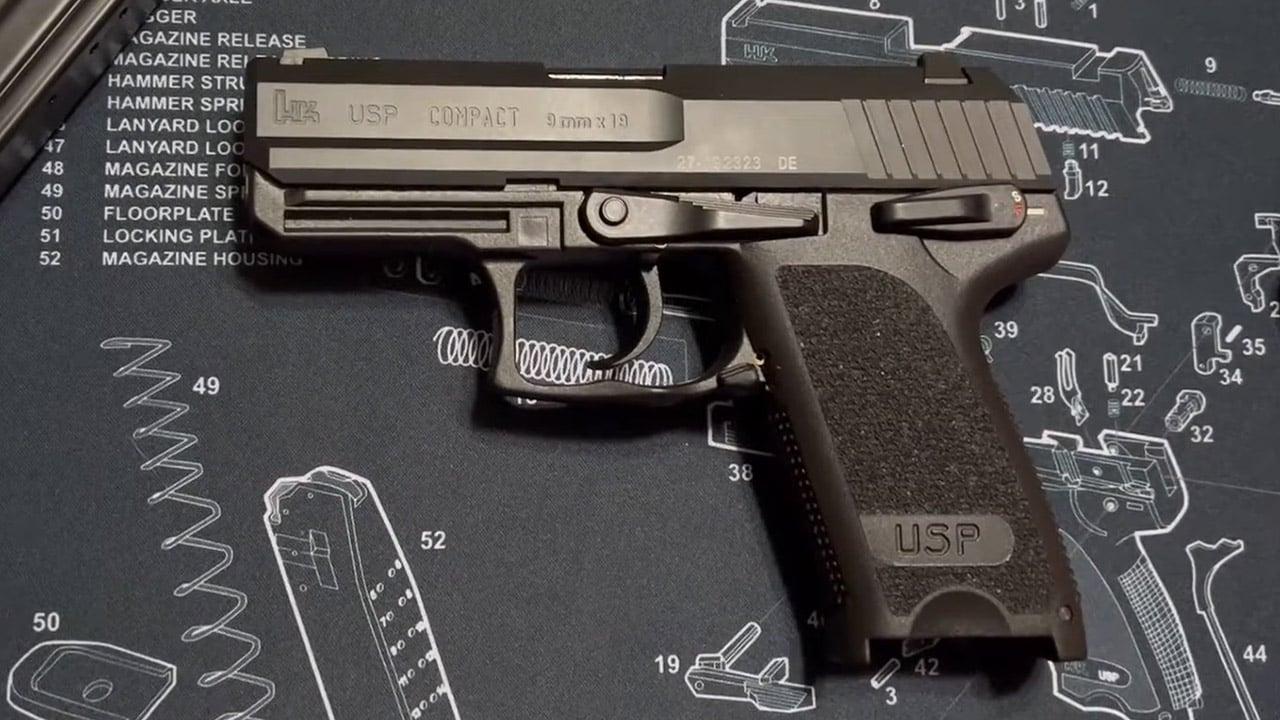
The USP Compact often looks overpriced because it’s not the newest HK and it doesn’t come with modern bells and whistles. What comes with it is a tank-like build, a proven recoil system, and a pistol that runs for a long time with minimal drama. The controls and variants aren’t for everyone, but the gun has a reputation for eating ammo and staying together.
Magazines cost more than bargain brands, and that’s part of why the sticker shocks people. But you’re buying into a durable system with real service history and good support. The gun carries well for its size, points naturally for many shooters, and handles hotter defensive loads without feeling snappy. If you want a compact that’s more “duty grade” than “micro,” the USP Compact makes sense even when the tag stings.
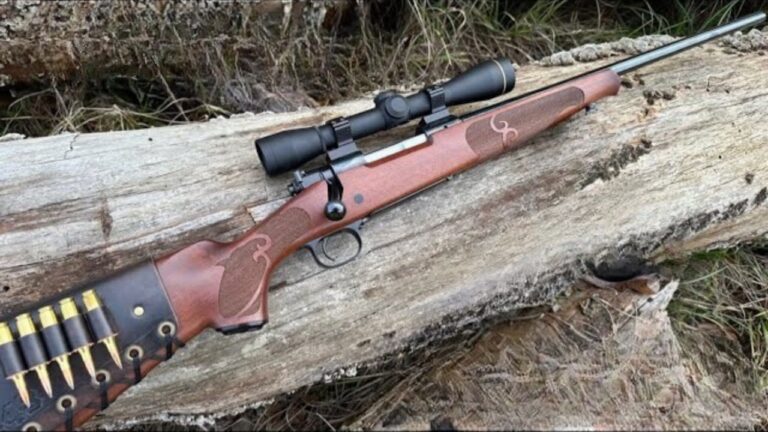
20. Winchester Model 70 (controlled-round feed)
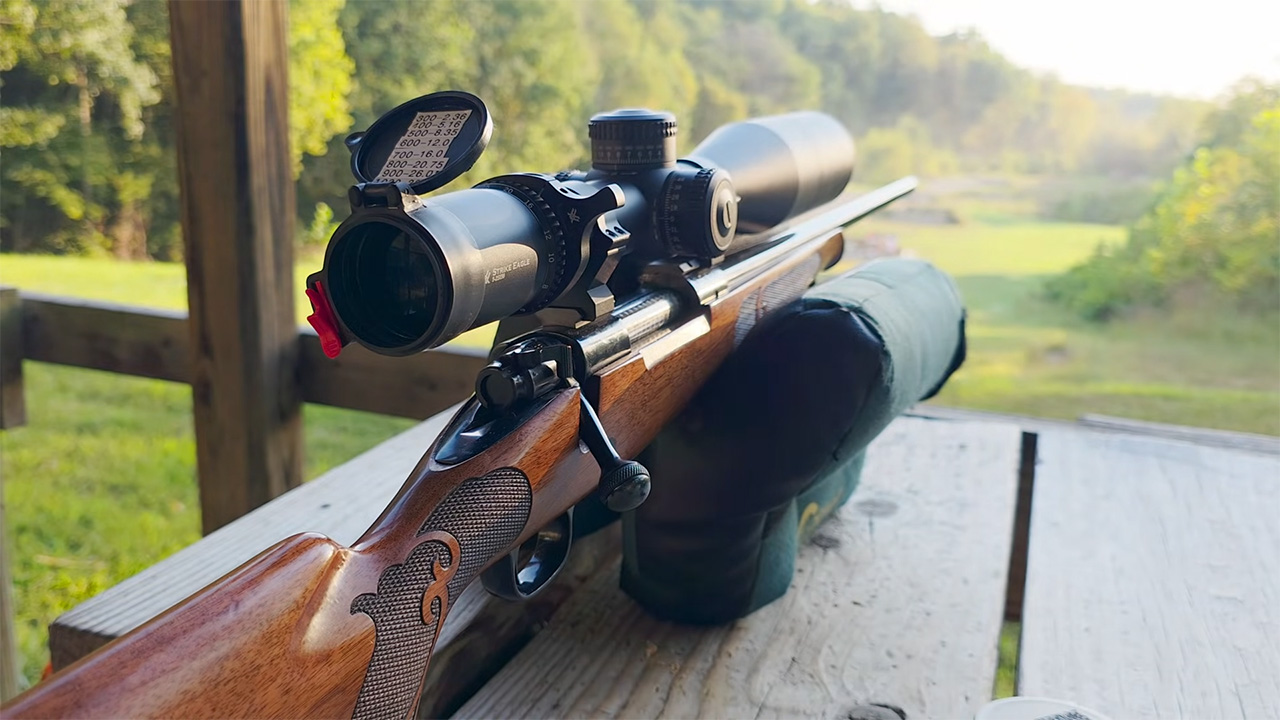
A controlled-round feed Model 70 can look like an expensive throwback next to modern rifles with detachable mags and chassis stocks. What comes with it is confidence when things go sideways. The action design is built for reliable feeding, especially in awkward positions or when the rifle gets handled rough. If you hunt in steep country, bad weather, or thick cover, that matters more than internet arguments.
You’re also buying a rifle with a long tradition of being a serious hunting tool. The safety is solid, the rifle carries well, and the whole package feels like it was meant to live outdoors, not just on a bench. It’s not the cheapest way to punch holes in paper. But if you want a rifle you can hand down, one that feels right in the hands and runs when it’s dirty and cold, that “bad deal” starts looking like a smart one.
The older I get, the more I notice how many “good deals” are cheap because they don’t come with much besides the gun itself. The models above usually come with something extra—support, durability, shootability, or a role they fill better than the spec sheet suggests. You don’t have to buy expensive guns to be well-armed or successful in the woods. But it pays to recognize when the price tag is attached to more than metal and polymer.
Like The Avid Outdoorsman’s content? Subscribe to our newsletter so you never miss an article.
Here’s more from us: