Photo credit: Snowball042/Youtube
Walk into a gun shop in October and watch what happens. Most hunters drift straight to whatever’s on sale in a familiar chambering with a plastic stock and a scope already mounted. Nothing wrong with that. But there’s another class of rifles that gets passed over because they look dated, feel “too nice” to drag through briars, don’t fit the current trend, or take a little work to understand. Collectors, on the other hand, pay attention to what’s discontinued, what’s well-made, and what has a story.
Here are 20 rifles that tend to make collectors lean in while the average deer hunter keeps walking.
1. Winchester Model 70 Pre-64
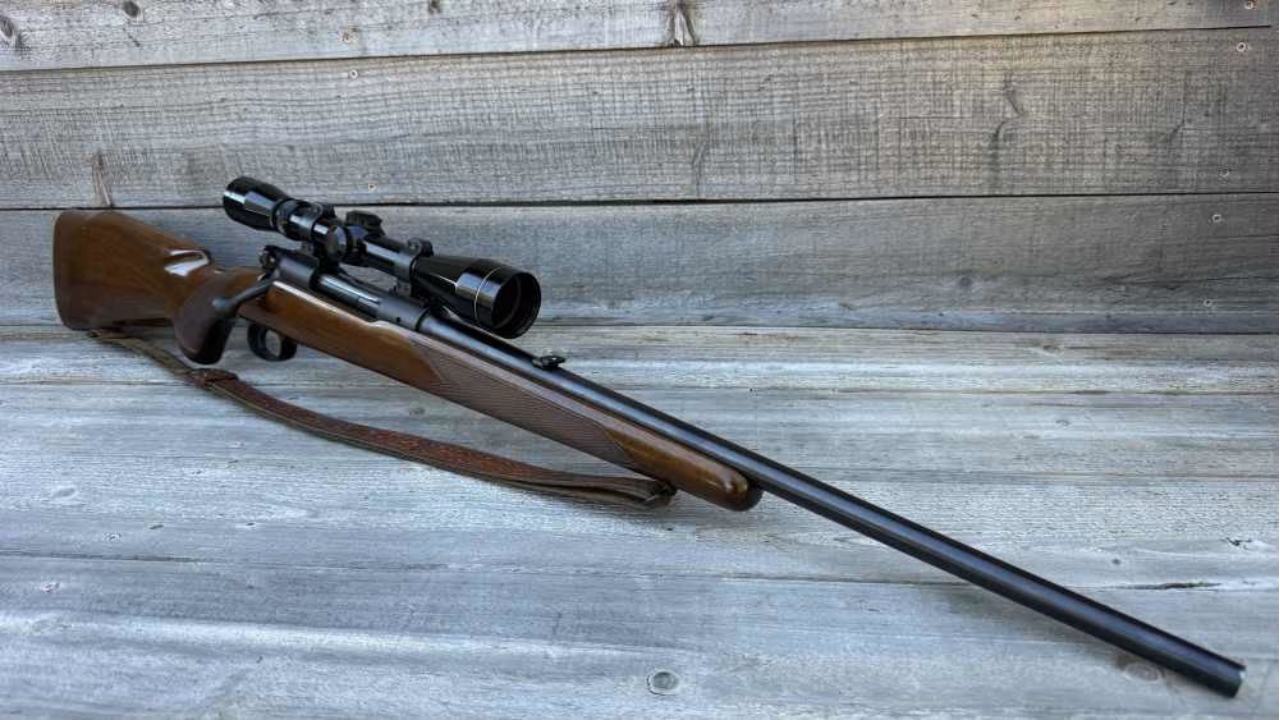
Pre-64 Model 70s have a way of making modern rifles feel disposable. The controlled-round feed action is the big talking point, but it’s more than that. The bolt lift feels right, the machining looks like somebody cared, and the whole rifle has a steadiness to it that’s hard to describe until you’ve carried one up a ridge.
Hunters walk past them because they’re not cheap, and a clean one can feel “too nice” for a wet week in deer camp. I get it. Still, the irony is these rifles were built for hard use, not glass cases. A Pre-64 in .30-06 or .270 isn’t a safe queen by nature—it’s a working rifle that just happens to be collectible now.
2. Remington Model 721
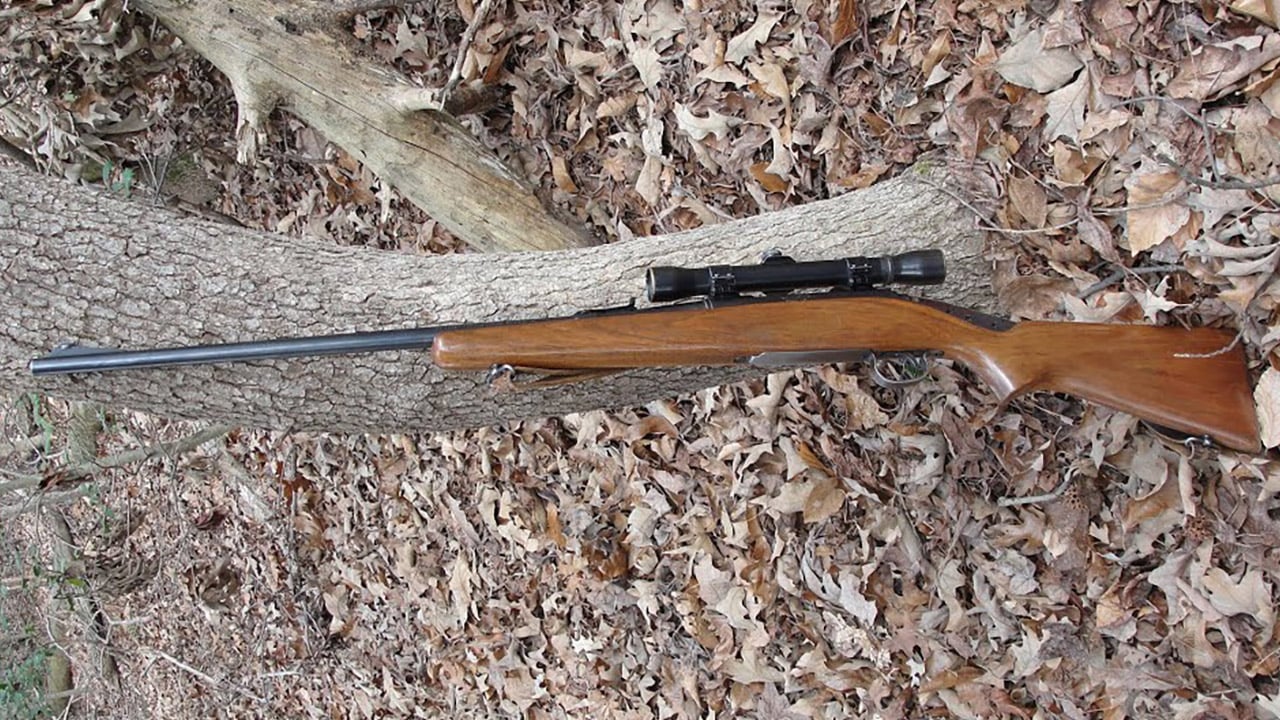
The 721 is the plain sandwich of old bolt guns: not fancy, not trendy, and usually sitting on a rack with honest wear. But it’s the foundation for what later became the 700, and collectors appreciate seeing the original idea before it got refined and mass-marketed.
Hunters skip them because the stocks are bulky, checkering can be worn slick, and they don’t come with the “new rifle smell.” The smart move is to shoulder one and work the bolt. Many of them shoot far better than their looks suggest, and the simple design is rugged. Find one that hasn’t been messed with, and you’ve got a legitimate piece of American rifle history that still drops deer just fine.
3. Remington Model 760 Gamemaster
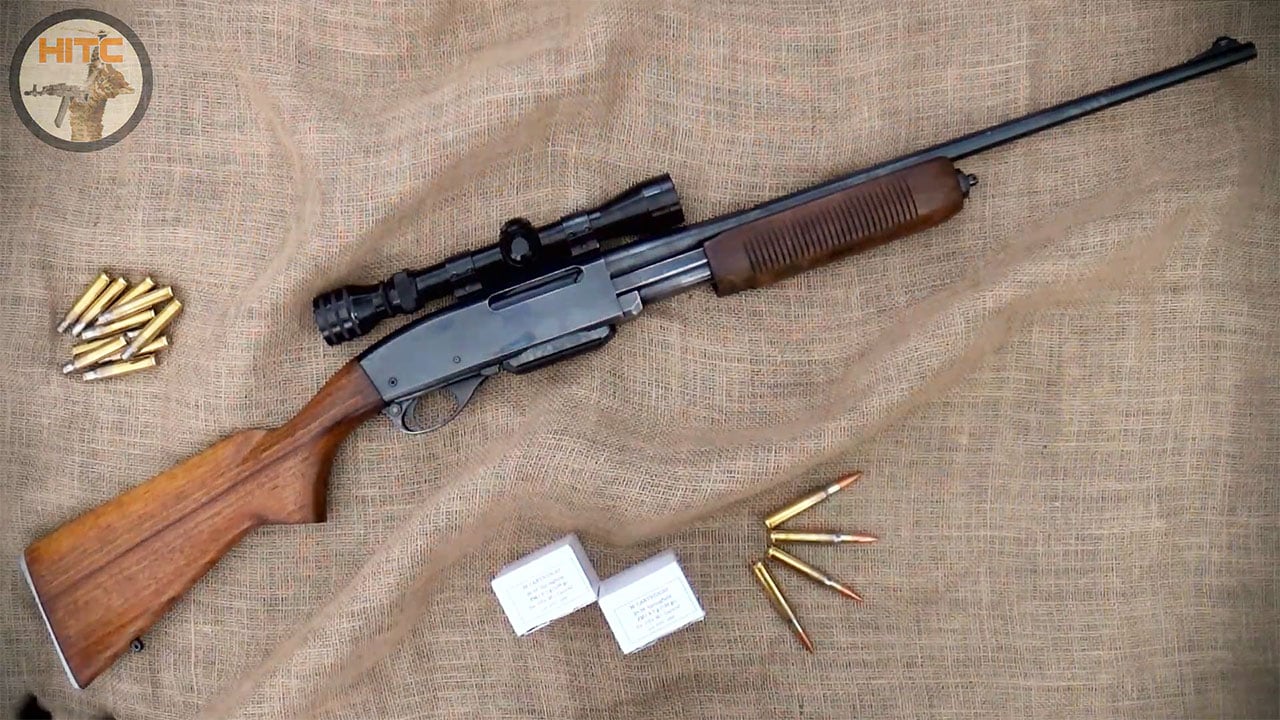
A pump rifle confuses some hunters. It shouldn’t. The 760 points fast, cycles fast, and in thick timber it handles like a bird gun that happens to hit like a .30-06. In places where quick follow-up shots matter, these rifles built reputations the hard way.
Collectors want them because they’re tied to a certain era of Eastern hunting culture, and clean examples are drying up. Hunters walk past because they assume “pump equals cheap,” or they worry about accuracy compared to a bolt gun. A good 760 with a decent scope and a shooter who practices is plenty accurate for real-world distances. The bigger issue is finding clean magazines and un-abused rifles, which is exactly why collectors pounce.
4. Savage Model 99
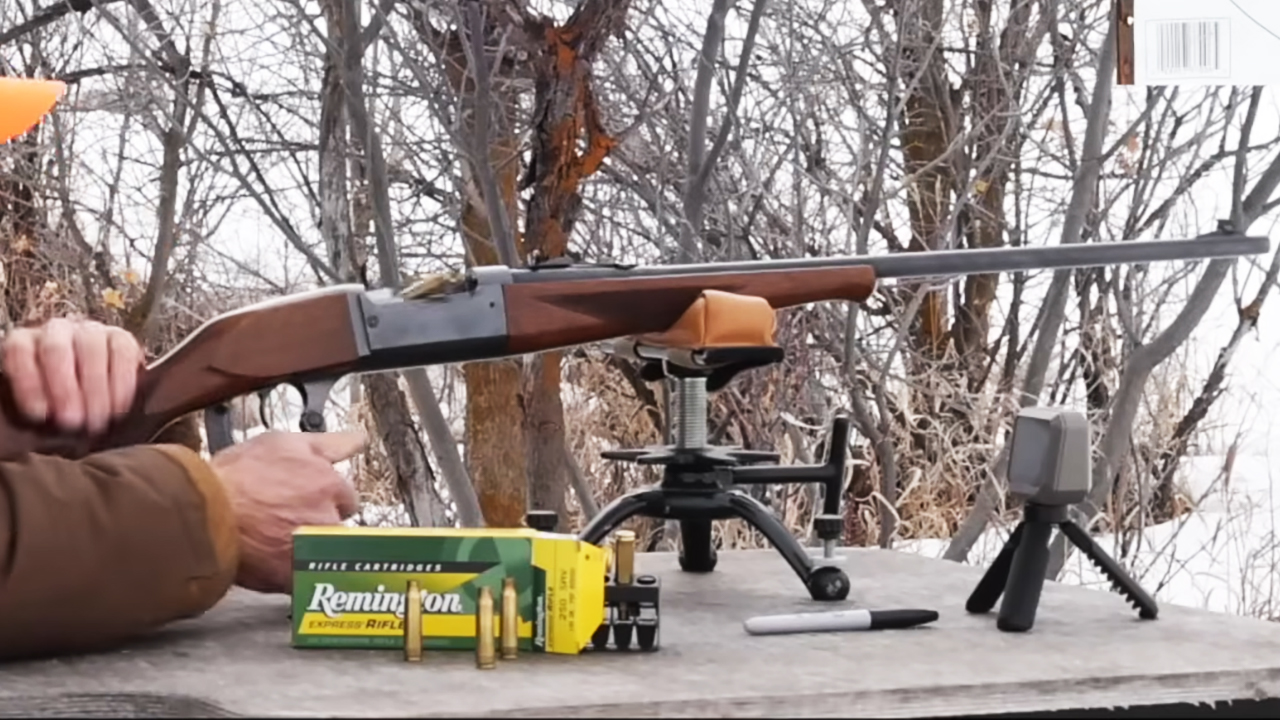
The Savage 99 is one of those rifles that feels like it shouldn’t work as well as it does. Lever action, rotary magazine, sleek lines, and chamberings like .300 Savage that still make sense in the woods. Pick one up and it carries flat against your side, not like a fence post.
Many hunters don’t want to deal with older sights, older optics mounting, or the idea of a “collector lever gun” in the rain. Meanwhile, collectors chase variations, condition, and the classic cartridges. If you find one with a good bore, it’s more than nostalgia. It’s a practical rifle that balances beautifully, and you don’t need a 700-yard dial to appreciate that.
5. Ruger No. 1
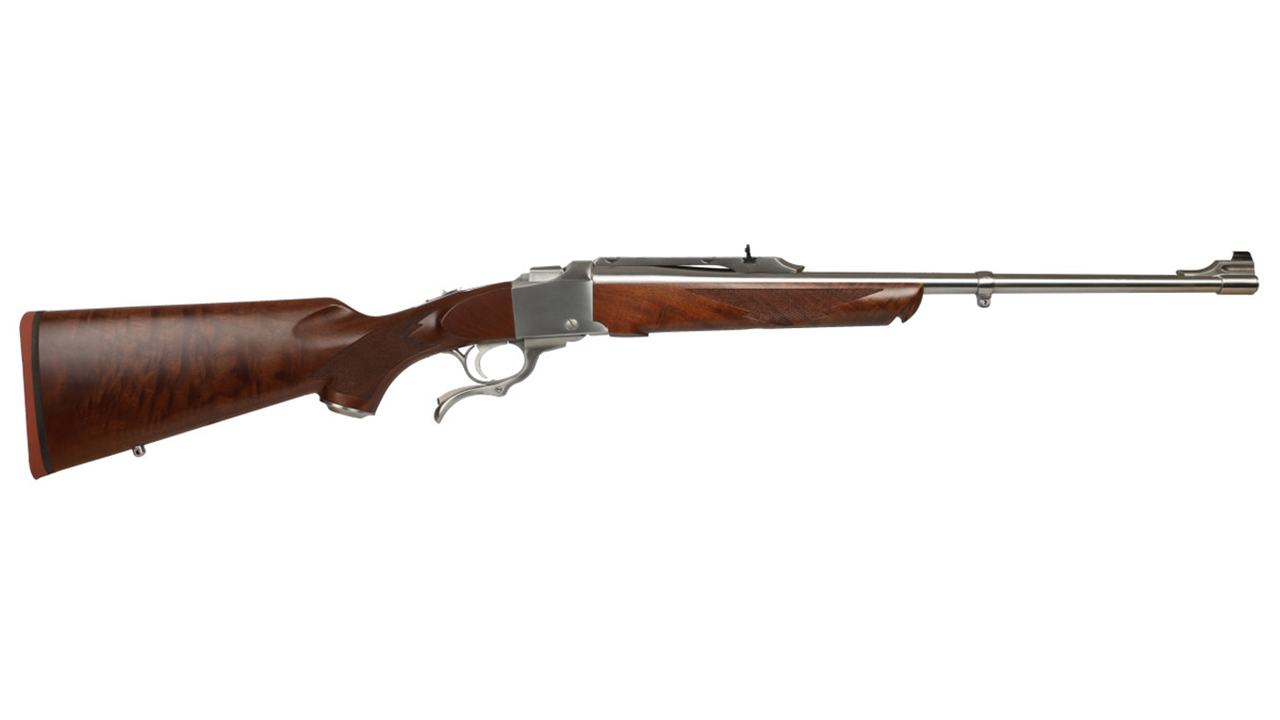
The Ruger No. 1 is the single-shot that makes a lot of hunters nervous. One round in the gun and no quick follow-up? That’s the argument. The counter-argument is that the rifle is compact for its barrel length, it carries like a dream, and it has a certain pride-of-ownership that polymer rifles don’t even try for.
Collectors love the No. 1 because Ruger put it in all kinds of chamberings and configurations, some of them oddball and scarce. Hunters often walk past because they don’t want to scratch a nice blued finish, or they’ve heard stories about picky accuracy. Some No. 1s need load tuning to really shine, but plenty shoot great. If you’re the kind of hunter who slows down and makes the first shot count, the No. 1 makes a lot of sense.
6. Browning BLR

The BLR is a lever gun for folks who want modern cartridges without giving up lever-action handling. The detachable magazine makes it different from traditional tube-fed levers, and the box magazine allows pointed bullets. That opens the door to chamberings like .308 and .270, and in the woods it’s a quick-pointing, fast-cycling rifle.
Collectors pay attention because there are multiple generations, manufacturing changes, and some chamberings that are tough to find. Hunters tend to pass because BLRs can feel “busy” compared to a simple bolt gun, and they’re not cheap. Also, spare mags aren’t always sitting in a bargain bin. If you find one that fits you, it’s a practical hunting rifle that stands apart from the standard bolt-action crowd.
7. Marlin Model 336 (JM-stamped)
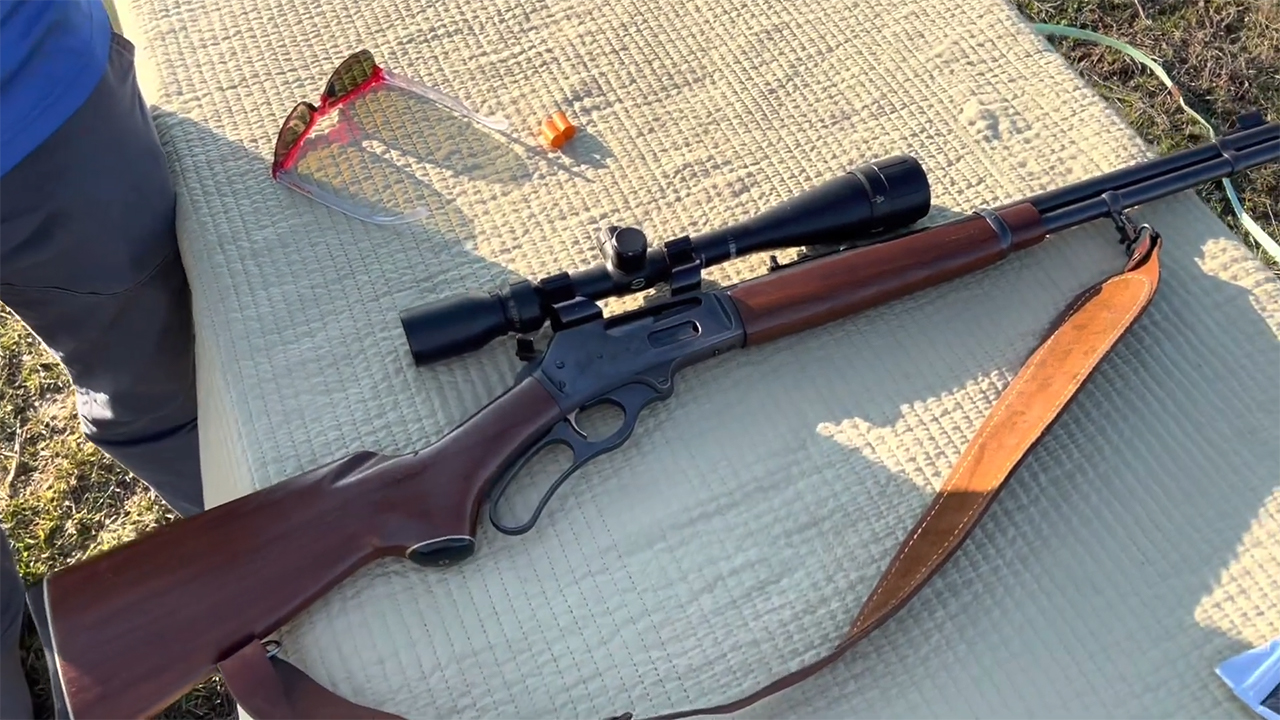
A JM-stamped 336 is one of those rifles that makes a collector start checking screw heads and wood-to-metal fit. It’s not that every one is magical. It’s that a good one feels like it was assembled by somebody who understood what a lever gun is supposed to be.
Hunters walk right past because “it’s just a .30-30,” and .30-30 isn’t exciting on the internet. In real deer woods, it’s exciting enough. The other reason is fear of overpaying when new-production lever guns exist. The catch is that the older Marlins have a feel—smooth cycling, solid lockup, and a kind of honest durability—that keeps demand high. Try finding a clean one with tight wood and a sharp bore for cheap. That one hurts.
8. Winchester Model 94 (Pre-64)

The pre-64 Model 94 is another rifle that gets dismissed as “grandpa’s gun” until you handle a good one. It’s light, carries easy, and it’s about as classic a saddle gun as America produced. Collectors care about the little things: finish, markings, barrel length, and condition.
Hunters skip them for the same reason they skip a lot of older rifles: they want scope-ready convenience. Top-eject models complicate traditional scope mounting, and not everyone wants a receiver sight. But if you actually hunt thick cover, the factory iron sights or a peep sight are fast and effective. A clean pre-64 isn’t just nostalgia; it’s also a reminder that hunting rifles used to be made to carry all day.
9. Springfield Armory M1 Garand (CMP-type rifles)

Most hunters see an M1 Garand and think “war rifle,” not “collector piece.” Collectors see history you can still shoot. The Garand has a presence—weight forward, solid wood, and that unmistakable action sound when it runs right. It’s not a casual buy, and it’s not a casual rifle to feed.
Hunters usually walk past because it’s heavy, long, and not exactly a tree-stand rifle. Also, the .30-06 ammo question comes up, and you do need to be thoughtful about what you feed it and keep it maintained. But as a collectible shooter, it’s hard to beat. It’s a rifle that forces you to slow down, learn the system, and respect the tool. And it will flat run if you treat it right.
10. Springfield Armory M1A (National Match and early builds)

The M1A is one of those rifles that can feel like a solution in search of a problem for the average hunter. It’s not light. It’s not cheap. And it isn’t as easy to “tactical up” as an AR if that’s your thing. But collectors like early rifles, specific configurations, and the connection to the M14 lineage.
Hunters tend to pass because they’re thinking about climbing stands, crossing fences, and hiking ridges. An M1A can wear you out before noon. Still, there’s something about a well-set-up M1A with good sights that’s addictive. It’s also one of the few rifles where iron sights can genuinely make you better as a shooter. Magazines and accessories exist, but quality matters, and collectors know which variants are worth chasing.
11. Colt AR-15 SP1
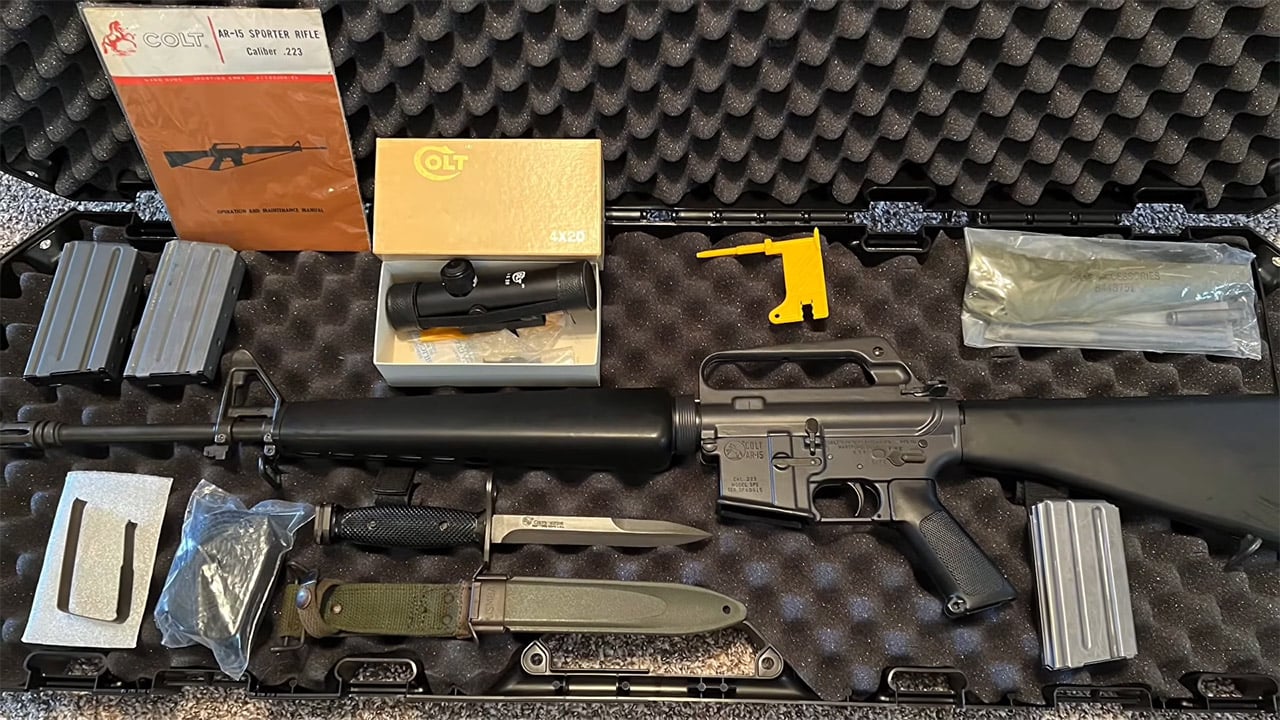
The SP1 is the “before everything got chunky” AR. Pencil barrel, slick-side upper, lightweight feel. If you grew up thinking ARs should handle like a fence rail, an SP1 will surprise you. It’s quick in the hands and carries like a real field rifle, not a bench toy.
Hunters often ignore it because it’s “just an old AR” and they’d rather buy a modern flattop with rails and a red dot. Collectors see a rifle from an earlier era of the platform, and that matters now. The SP1 also tends to be treated gently, which helps condition. The downside is you’re not buying it because it’s the best tool for hogs this weekend—you’re buying it because it’s a clean slice of AR history that still shoots well.
12. Ruger Mini-14 (180- and 181-series)

Early Mini-14s have a reputation for being “minute of barn.” Some earned it. But collectors want the early series because they represent the beginning of Ruger’s ranch rifle idea, and there are variations that get scarce fast. A clean early Mini is a neat thing, even if it isn’t a precision rig.
Hunters walk past because they want predictable accuracy and easy optics mounting, and the Mini has always been its own animal. Magazines can be a sore spot too—good ones cost money, and cheap ones can be headaches. Still, for a handy rifle that carries well in a truck and points fast, the Mini has a place. Later Minis generally tightened up accuracy, but collectors keep circling back to those early guns with the classic look.
13. SKS (Russian and early imports)

The SKS is the rifle that got treated like a shovel for a long time. Cheap surplus meant folks tossed them behind truck seats, shot questionable ammo, and didn’t worry about it. Collectors now want the nice ones: early production, correct markings, matching numbers, and rifles that haven’t been bubba’d into something unrecognizable.
Hunters ignore SKSs because 7.62×39 is seen as “not a hunting cartridge” by some crowds, and the rifles aren’t exactly light or sleek. Also, mounting optics can turn into a goofy science experiment if you’re not careful. But a solid SKS with good irons is a reliable woods rifle inside sane distances, especially for hogs or thick-cover deer where legal. Collectors value them because the supply of clean originals keeps shrinking.
14. FN Browning BAR (Belgian-made, early production)
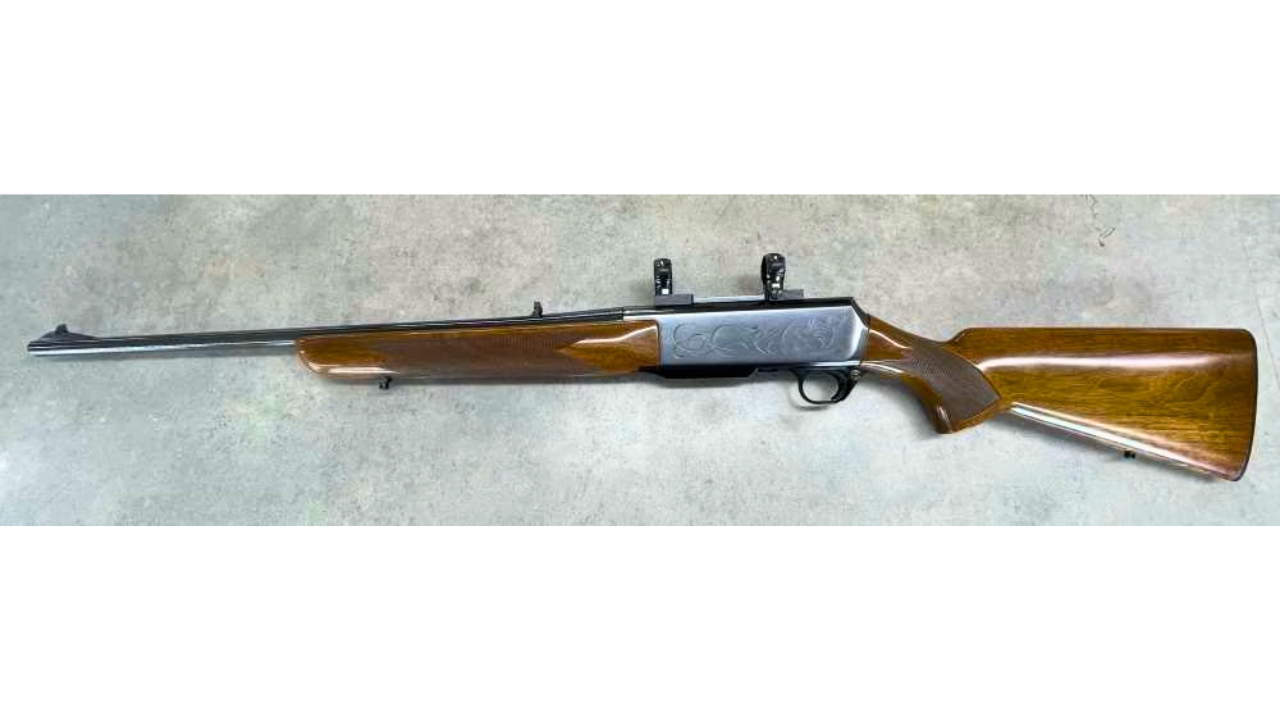
This isn’t the modern hunting BAR most folks think of first. The Belgian-made Brownings have a fit and finish that stands out, and collectors watch them closely, especially in clean condition. They’re not dainty rifles, but they have a smoothness to the action and a quality feel that’s hard to fake.
Hunters pass because they’re heavier than the average bolt gun and can be more involved to service. The other issue is that semi-autos in traditional deer camps can bring opinions, fair or not. Still, these rifles were bought by hunters who used them, and many of them shoot extremely well. If you find one that hasn’t been beat up and it runs right, you’re looking at a classic that still belongs in the field, not just a display rack.
15. Remington Model 742 Woodsmaster

The 742 has a mixed reputation, and that’s exactly why it ends up overlooked. When they’re good, they’re handy, familiar, and fast on a second shot. When they’re neglected, they can become a problem—especially if someone ran them dry, dirty, and hard. Collectors still want certain examples because they’re part of the American deer-hunting story in a big way.
Hunters walk past because they’ve heard “jam-o-matic” jokes for years, and because parts and gunsmith support can be spotty. Here’s the truth: a well-maintained 742 that isn’t abused can be a fine hunting rifle. A rough one can be a money pit. Collectors look for condition and correct parts, and they know which versions tend to hold up better. If you inherit one that runs, don’t be too quick to dump it.
16. Sako L61R Finnbear
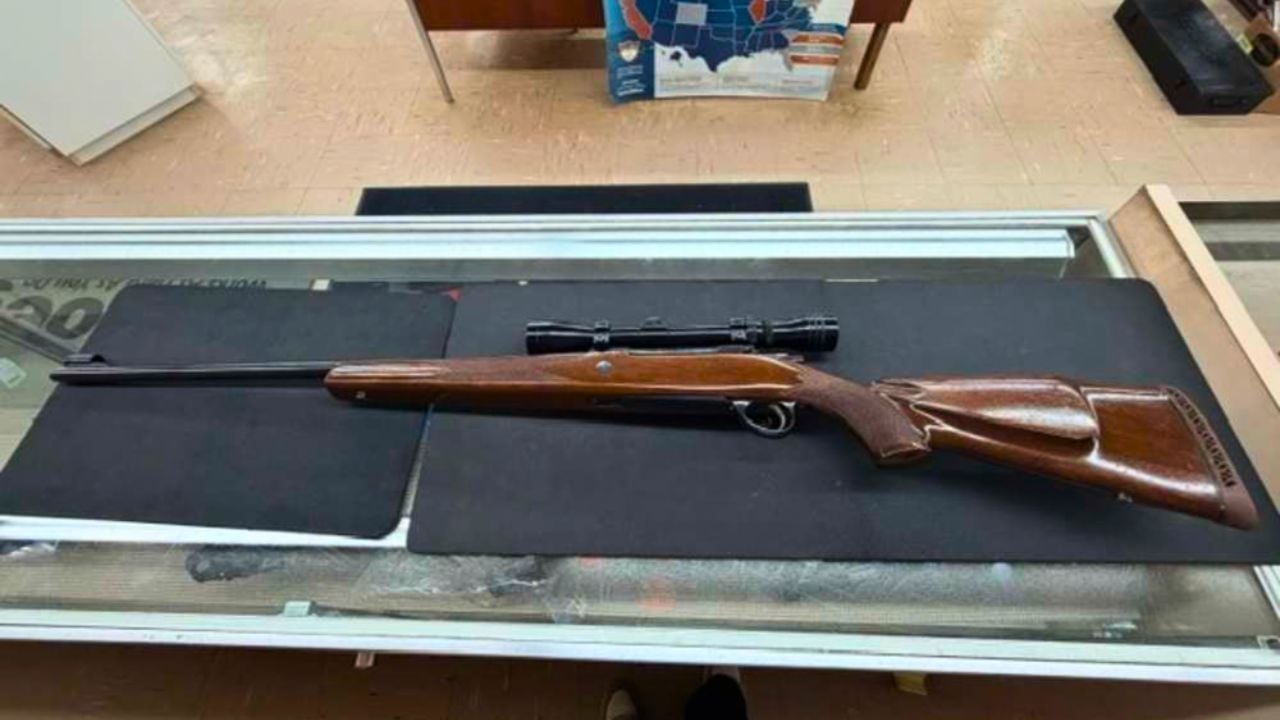
Pick up a Finnbear and you’ll understand the collector interest immediately. The bolt travel is smooth, the metalwork is clean, and even the “boring” details like the safety and magazine system feel well thought out. They were built like a serious hunting rifle should be built.
Hunters bypass them because the name doesn’t have the same campfire familiarity as Remington or Winchester, and because they often cost more than a new rifle with a warranty. Also, many Finnbears wear gorgeous wood that feels too pretty for hard use. I’m not saying you should drag one through a swamp, but these rifles were made to hunt. If you find one in a common chambering with a healthy bore, it’s a rifle that’ll make you appreciate what quality feels like every time you run the bolt.
17. CZ 550 Full Stock (FS)

The CZ 550 FS is the kind of rifle that makes you stop in your tracks because it doesn’t look like everything else. Full-length stock, classic lines, and a “walk the woods” vibe. Collectors like them because they’re distinctive, discontinued, and tied to a time when CZ was cranking out old-world style at reasonable prices.
Hunters often pass because they think full stocks are fragile, or they don’t like the extra wood out front. Some worry about point-of-impact shifts if the stock swells with weather. Those are fair concerns. But as a carrying rifle, the 550 FS is slick—balanced and compact in the hands. It’s also a conversation piece that can actually hunt, not just sit. If you find one that shoots well with your chosen load, it’s hard not to smile every time you sling it up.
18. Mannlicher-Schönauer Model 1952
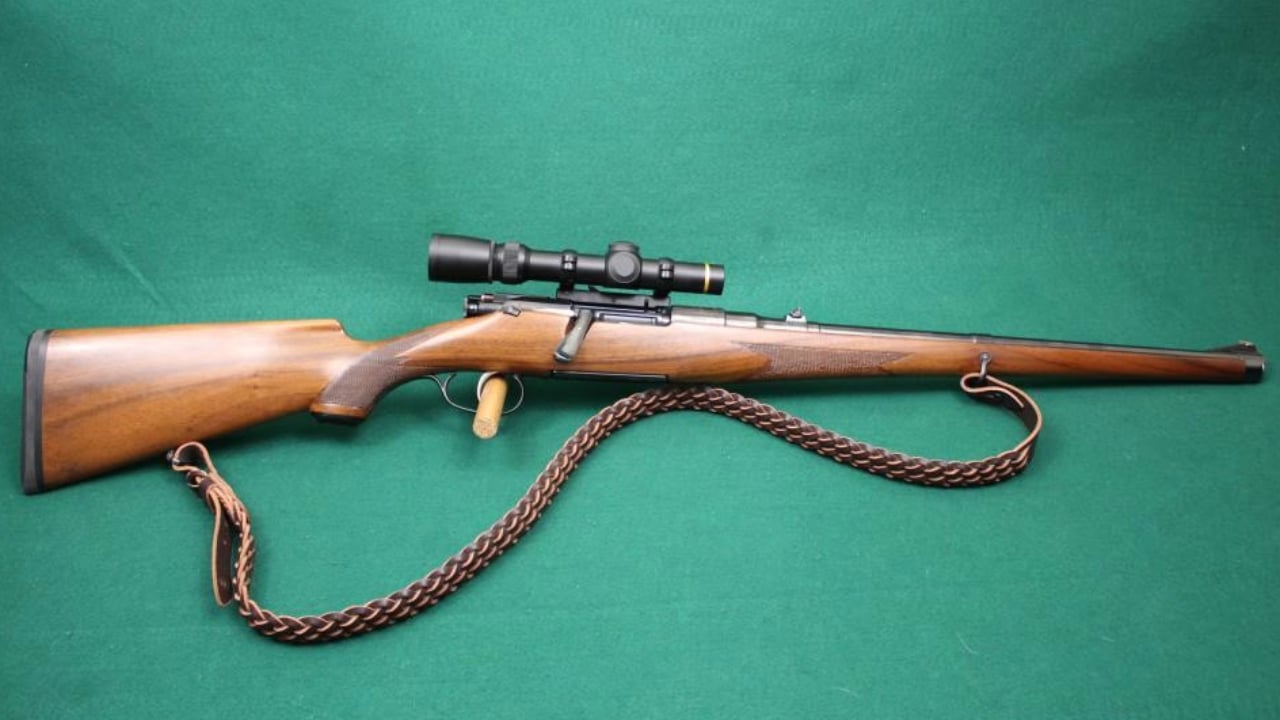
This one is pure collector bait: butter-smooth action, rotary magazine, and old-school European craftsmanship. It’s not the kind of rifle most hunters grew up around, which is exactly why it gets ignored at estate sales and back-rack consignment counters. The rifles have a refined feel that’s tough to match.
Hunters walk past because they don’t want to deal with older metric chamberings, finding the right clips or parts, or worrying about dinging a classic. Also, they can be pricey for what looks, on paper, like “just another bolt gun.” But if you care about how a rifle handles and what good machining feels like, these are special. They’re not ideal for a beater role, but as a once-in-a-while woods rifle and collector piece, they’re hard to beat.
19. Winchester Model 88
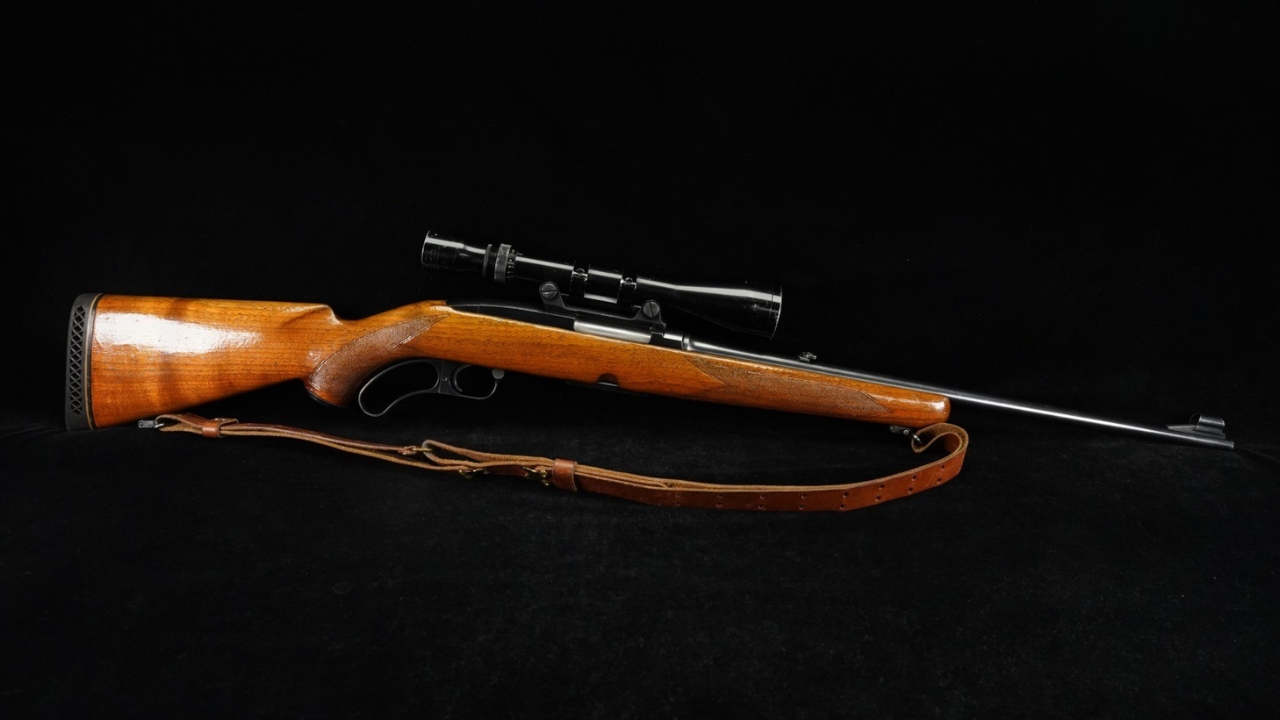
The Model 88 is the lever gun for the bolt-gun guy. Box magazine, modern cartridges, and a lever action that feels more like a solid hunting tool than a cowboy prop. Collectors like them because they’re discontinued, they have a loyal following, and condition matters a lot with these rifles.
Hunters tend to ignore them because the lever throw feels different, the trigger isn’t like a classic 94, and some don’t trust a lever gun in .308 or .243 even though it makes perfect sense. They’re also not as common as other Winchesters, so fewer folks have hands-on experience. A good 88 carries well, shoots well, and gives you something different without being weird. The problem is finding one that hasn’t been beat or modified. When you do, it’s a real sleeper.
20. Ruger Model 77 RSI (International)
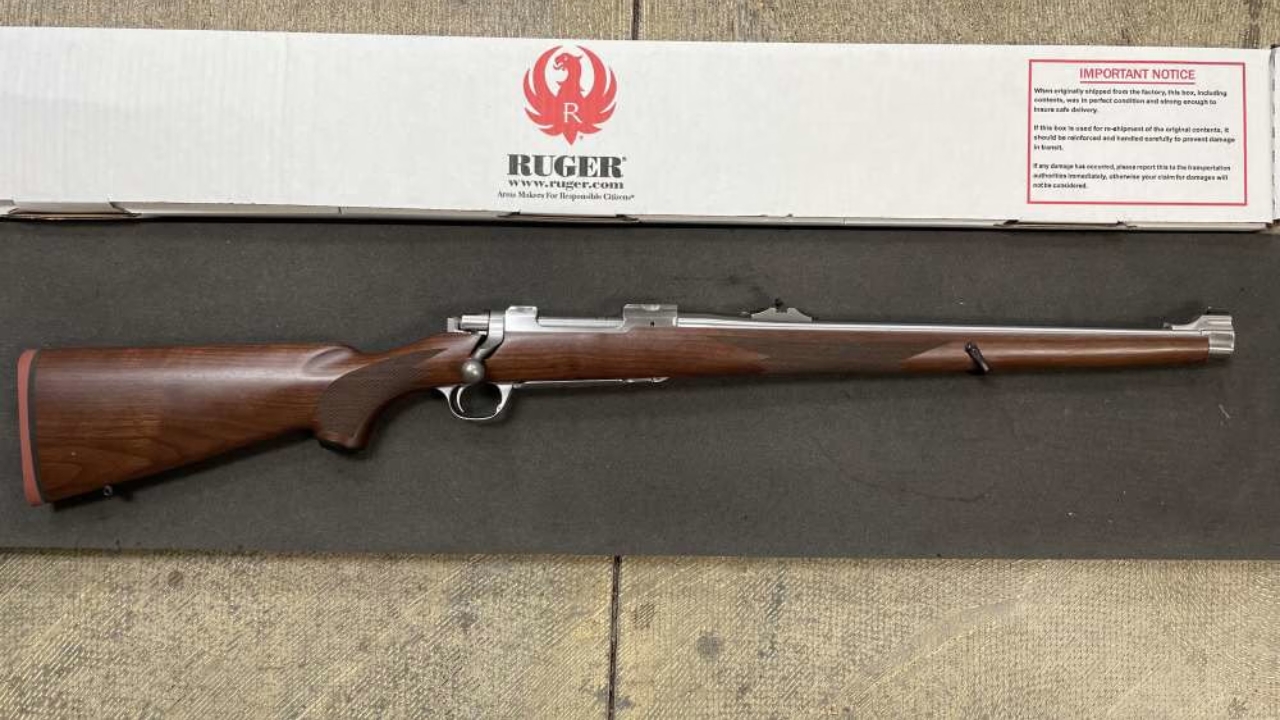
The Ruger 77 RSI has that full-stock look that splits opinions. Some hunters see extra wood and think “gimmick.” Collectors see a classy, uncommon configuration that Ruger didn’t make in endless numbers, especially in certain chamberings. They’re compact, handsome rifles that stand out in a safe full of black plastic.
Hunters pass because they want a cheap tool, not a pretty rifle, and because the RSI’s full-length stock can be picky about barrel pressure and consistent accuracy. Some shoot lights-out, some want load tuning, and some just behave like a light hunting rifle should—good enough for hunting, not a benchrest contest. As a carry rifle, though, the RSI is hard to fault. It comes to the shoulder quick, it rides well on a sling, and it has a classic look that never goes out of style.
None of these rifles are magic, and a few have real quirks. But that’s kind of the point. Collectors chase history, scarcity, craftsmanship, and the “they don’t make them like that” factor. Hunters chase convenience, price, and whatever’s easy to mount a scope on before the weekend. If you slow down at the gun counter and actually handle a few of these, you might find yourself walking out with something better than the trendy pick—something you’ll still be proud to own 20 seasons from now.
Like The Avid Outdoorsman’s content? Subscribe to our newsletter so you never miss an article.
Here’s more from us: