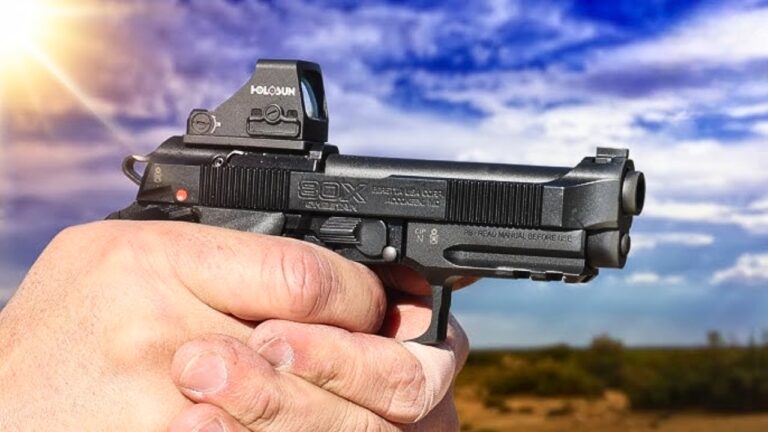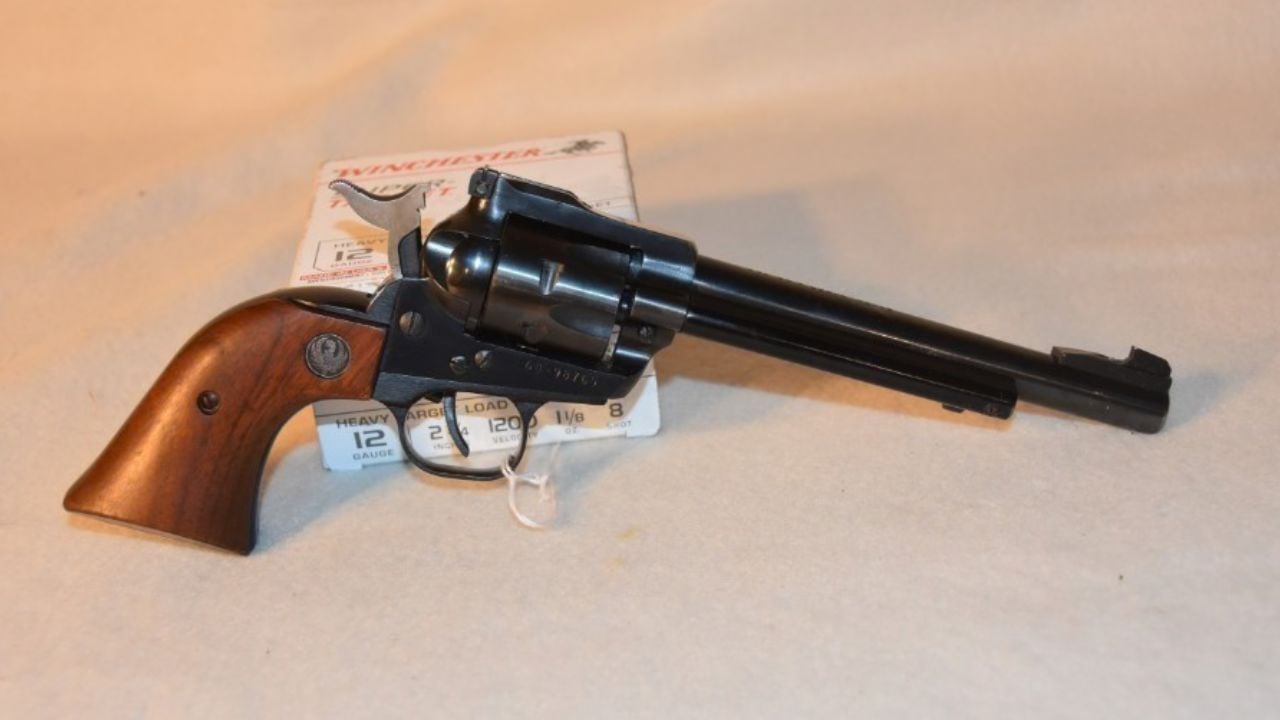
Photo credit: bigguntwo/GunBroker
Walk into any gun shop and you’ll see it: the glass case full of revolvers that aren’t “cool” anymore. Polymer wonder-nines get the spotlight, and the wheelguns end up looking like leftovers. That’s fine by me, because a lot of these revolvers will flat-out shoot better than you’d expect for the money, especially when you find one used that’s already had the box and papers lost to time.
I’m not talking about safe queens or collector pieces. I’m talking about the kind of revolver you can actually carry around a farm, toss in a tackle bag, or run hard on the range without feeling like you’re burning cash with every cylinder. Here are 20 that routinely surprise folks once they quit judging them by the tag.
1. Ruger Wrangler
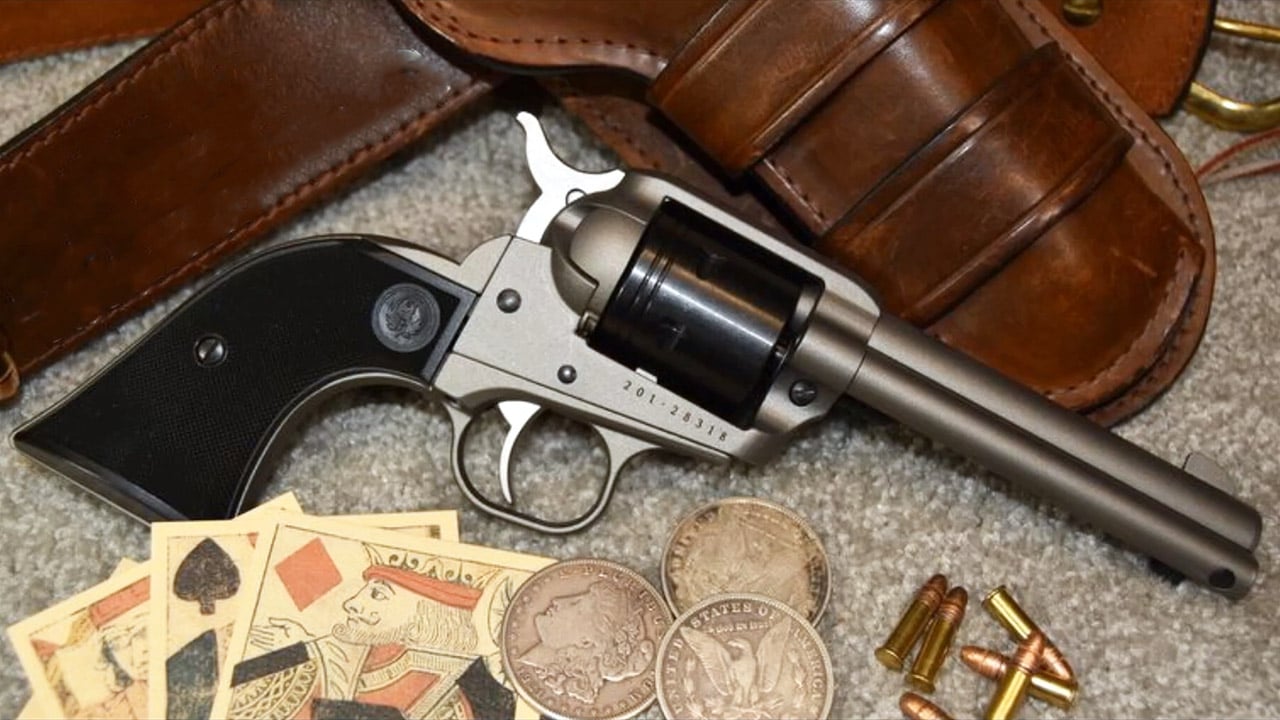
The Wrangler gets dismissed because it’s inexpensive and wears that “plinker” vibe. Then you actually shoot it. For a basic single-action .22, the sights are usually more usable than they have any right to be, and the fixed-sight regulation is often close enough for tin-can work and small targets at sane distances.
It’s not a target pistol, and the finish is what it is. Still, the simple action and decent barrel make it easy to shoot well if you do your part. It’s also a revolver you’ll actually take with you—camp, trapline, back pasture—because you’re not babying it. For teaching new shooters, it’s hard to beat the grin-per-dollar ratio.
2. Ruger Single-Six
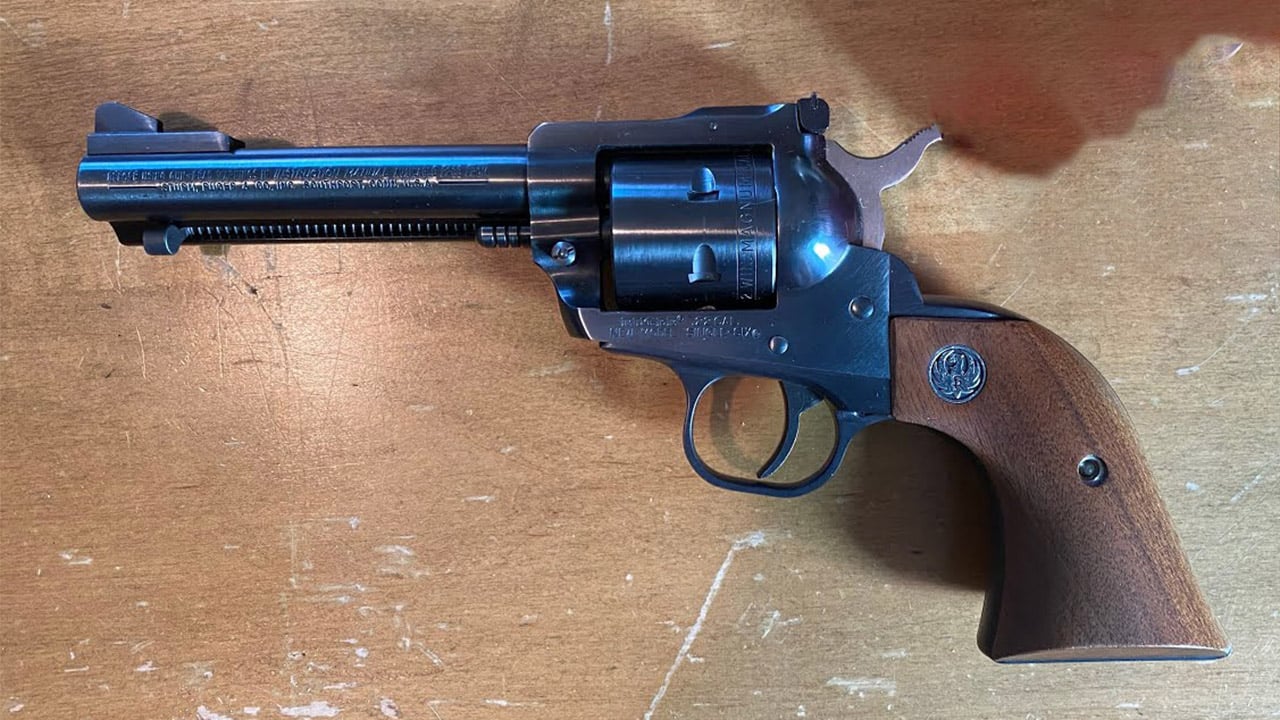
The Single-Six costs more than a Wrangler, but it still lives in that “why isn’t everyone buying these?” territory when you find one used. Plenty of them shoot tighter groups than budget rimfire autos, and they do it without being picky about ammo. The trigger can be surprisingly clean on older examples, and the balance just feels right.
If you hunt small game or keep a .22 around for chores, this is the kind of revolver that earns its keep for decades. The adjustable-sight models are especially forgiving when you’re swapping loads. It’s not fast, and reloads are old-school slow. But for deliberate hits, it’s a quiet little hammer.
3. Smith & Wesson Model 10
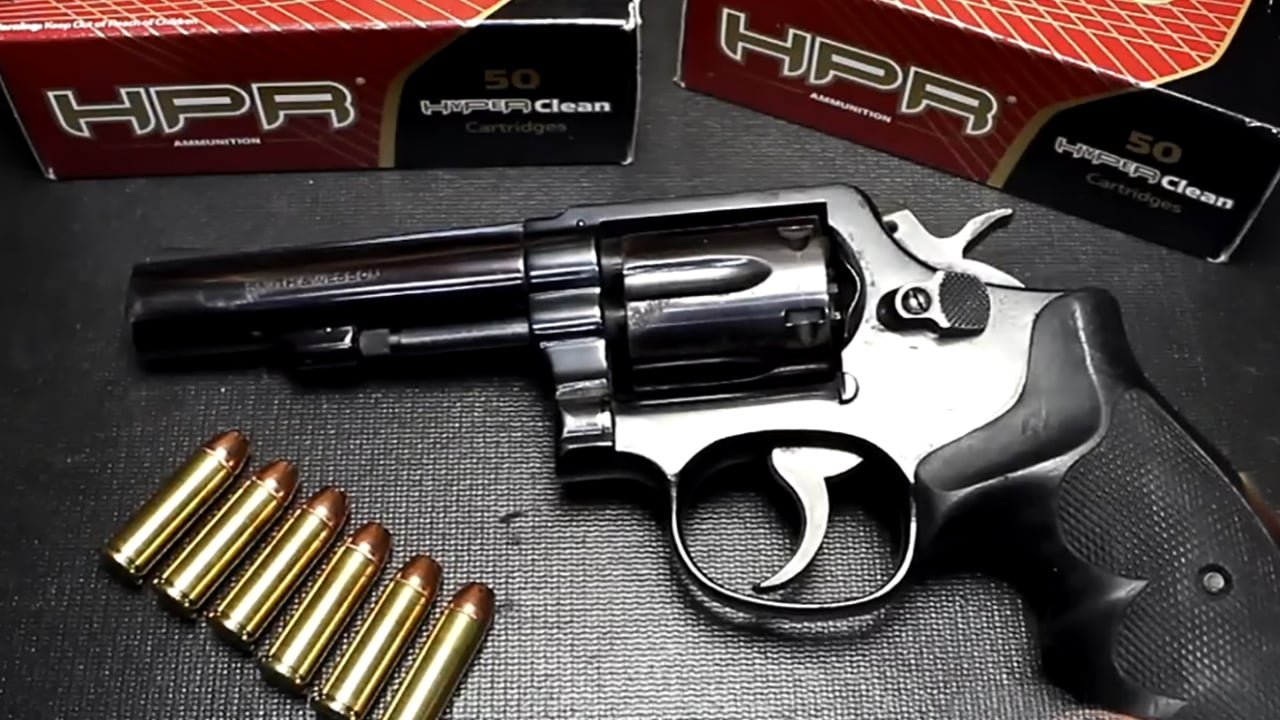
Police trade-in Model 10s are one of the best “working gun” deals ever, and they shoot like they’ve got something to prove. A good K-frame points naturally, the sights are honest, and the double-action pull—especially on older guns—can be smooth enough to make you look better than you are.
.38 Special out of a 4-inch Model 10 is also easy to shoot well. Less blast, less flinch, more hits. The downside is you’re buying used history, so check timing and lockup like you mean it. But when you find a solid one, it’s the revolver that makes you wonder why anyone thinks they need more gun for most real-life tasks.
4. Smith & Wesson Model 64
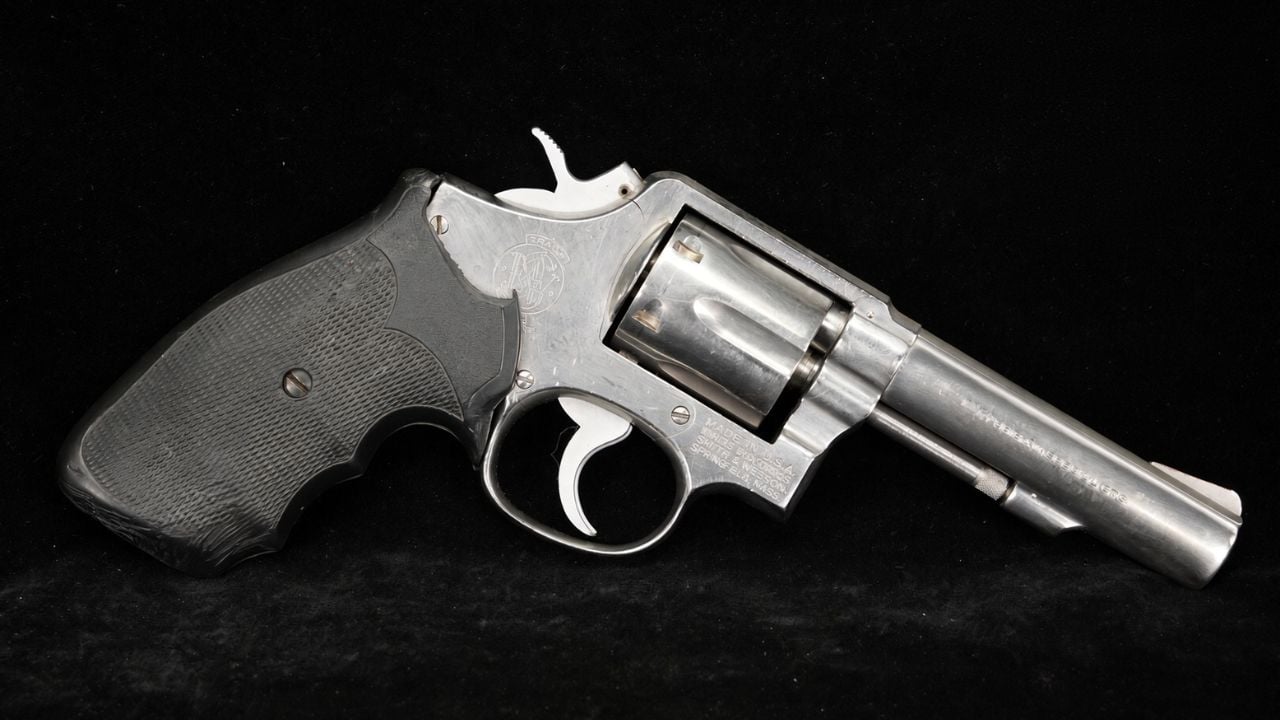
The Model 64 is basically the stainless, no-nonsense cousin to the Model 10, and it’s one of the most practical revolvers ever made. Stainless matters if you live where it’s humid, you sweat on guns, or you end up in the rain checking fence. The accuracy is typically “better than me,” and that’s the standard I care about.
They’re not glamorous. They’re also not fragile. If you stumble into a trade-in with decent grips and a clean bore, you’ve got a revolver you can practice with a lot and not hate the recoil. With .38 +P it’s plenty for defensive use, and for trail carry it’s a steady companion.
5. Smith & Wesson Model 67
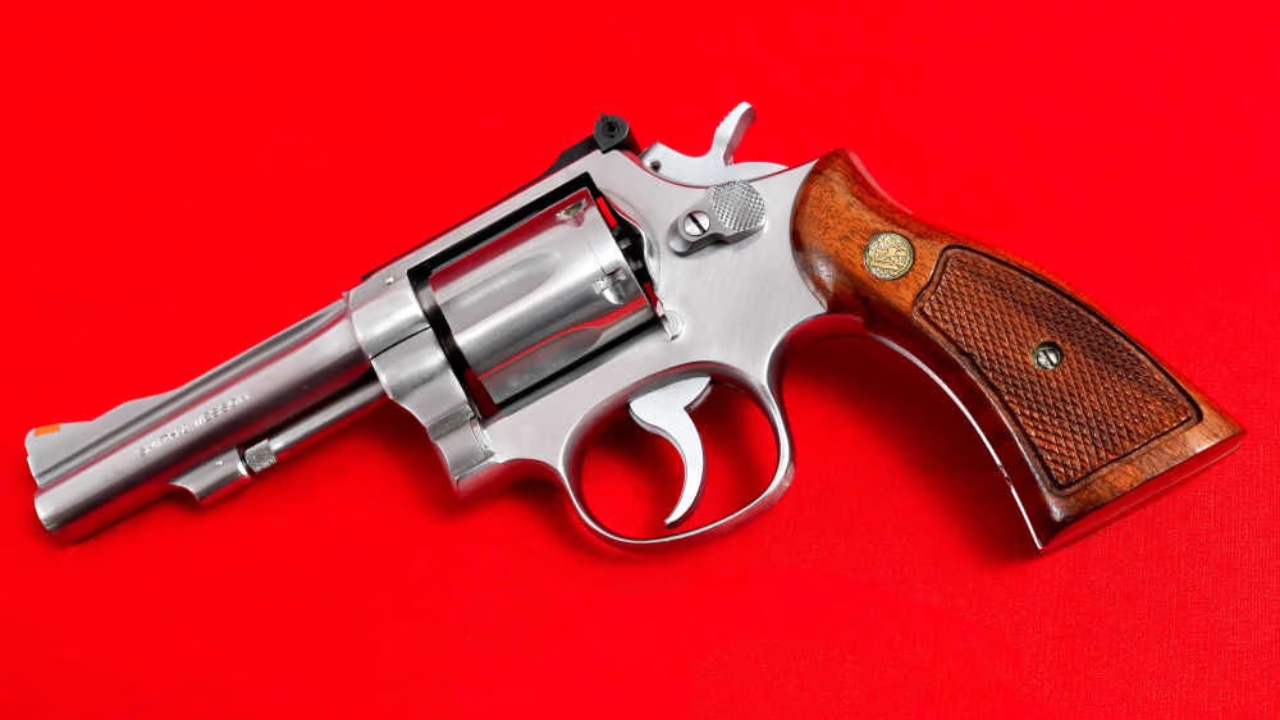
The Model 67 is another stainless K-frame .38 that tends to get overlooked because it’s “just a .38.” Meanwhile, it’s one of the easiest revolvers to shoot accurately at speed. The sight picture is clean, the weight soaks up recoil, and the gun doesn’t fight you during a long range session.
If you’re the type who actually practices double-action, this model rewards that effort. Used prices can still be reasonable compared to flashier Smiths, and you’re buying into a platform with wide support for grips and holsters. It’s not a pocket gun, and it’s not a hunting gun. It’s a “hit what you aim at” gun.
6. Smith & Wesson Model 15
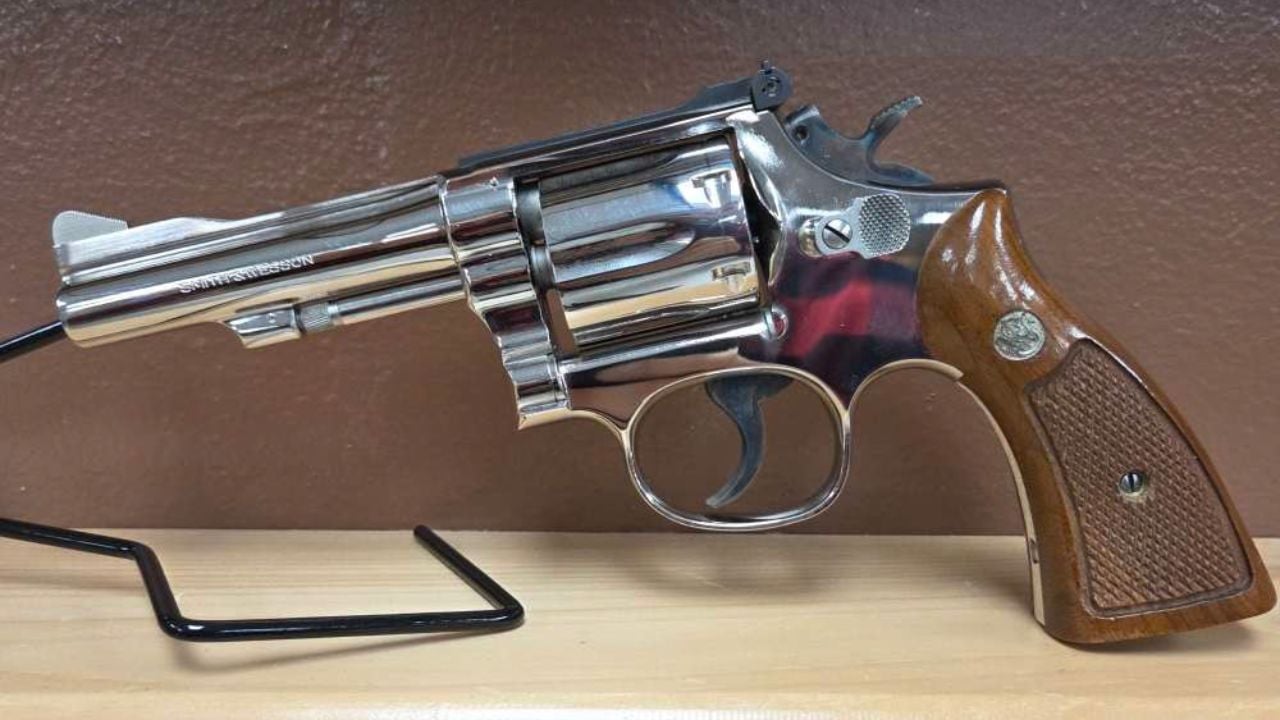
The Model 15 “Combat Masterpiece” has a reputation, but it still doesn’t always bring the money it should, especially if it’s got honest wear. A tight Model 15 with decent sights is one of those revolvers that makes bullseyes feel less mysterious. The longer sight radius and good trigger help, sure, but the whole package just settles in.
It’s also a revolver that teaches you what a good double-action feels like. That matters when you start comparing newer, rougher actions. Downsides? Older blued guns can rust if you neglect them, and you should avoid bargain-basement reloads in any used revolver. Treat it like a working tool and it’ll shoot like a much pricier one.
7. Ruger GP100
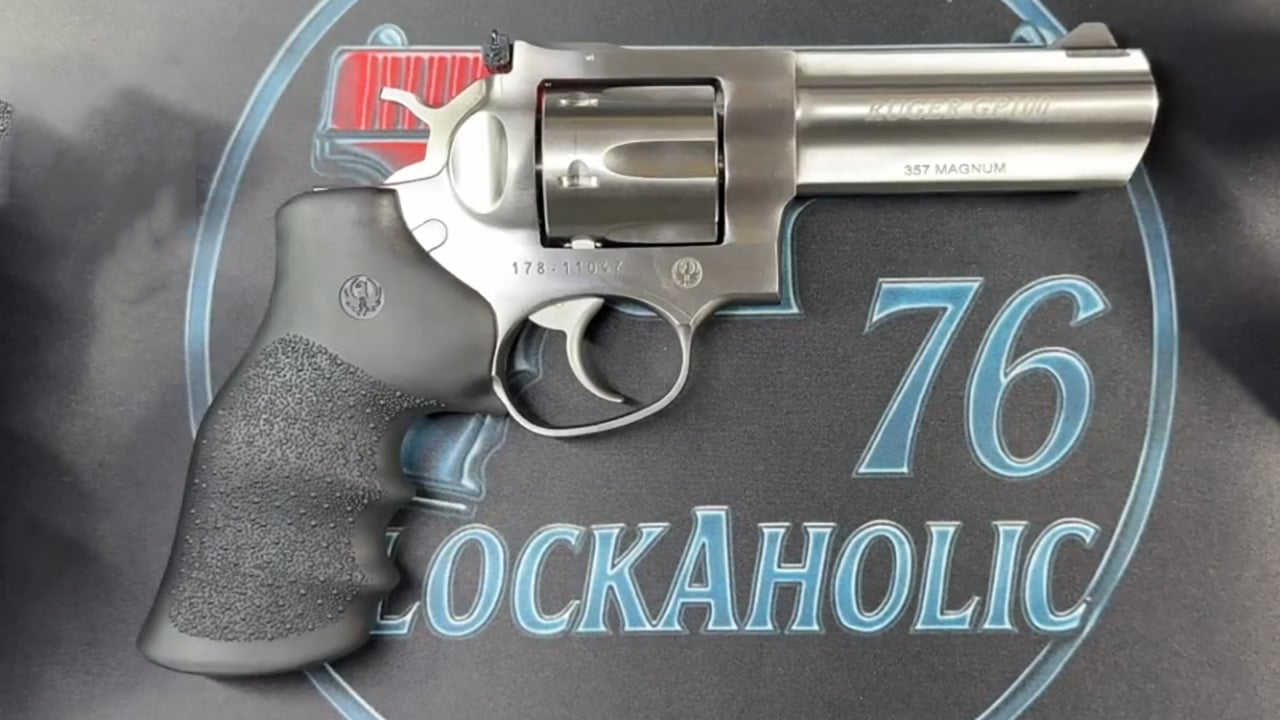
If you want a revolver that doesn’t care about round counts, the GP100 is the one. They aren’t always “cheap,” but they’re often cheaper than the performance suggests, especially used. They’ll digest full-house .357 without loosening up, and the weight makes magnum recoil manageable for regular humans.
The factory trigger can feel a little stiff, and the gun is built like a fence post. That’s the trade. In return you get a revolver that’s accurate, durable, and not finicky. Put decent grips on it and it becomes a serious woods sidearm, a home-defense option, and a range gun that won’t shake itself apart when you actually practice.
8. Ruger SP101
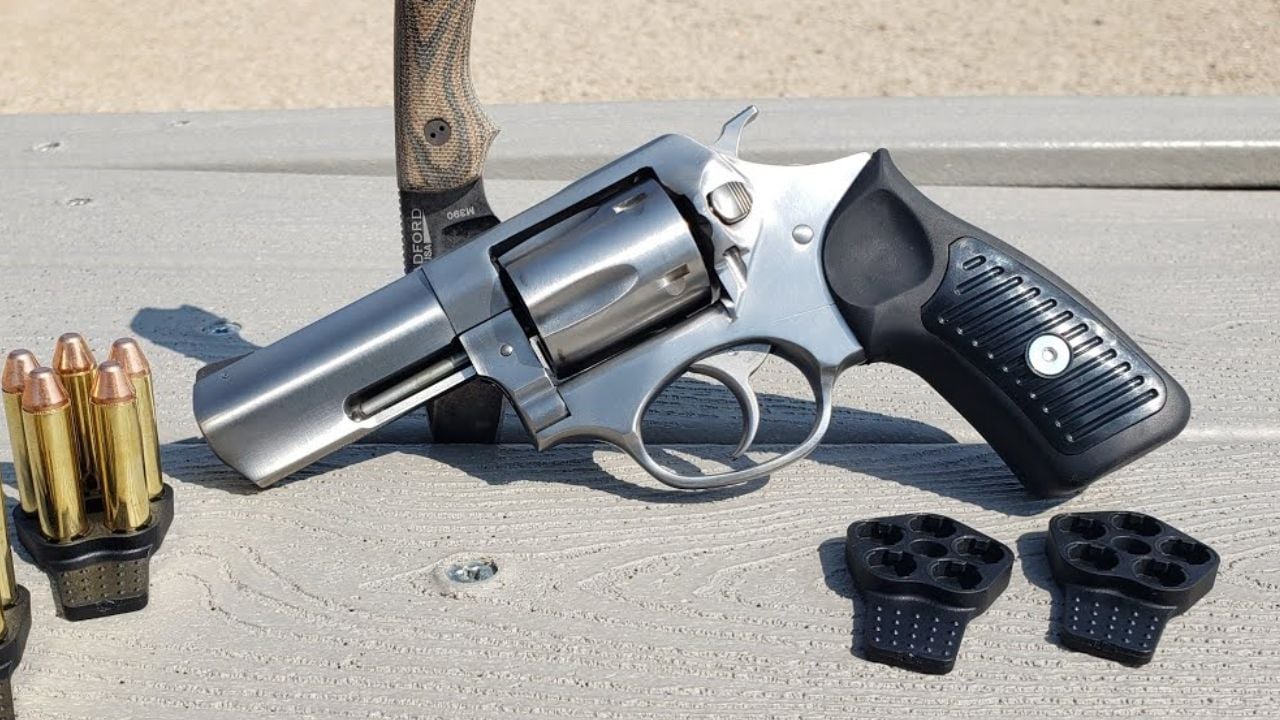
The SP101 lives in a sweet spot: small enough to carry, heavy enough to shoot. A lot of small revolvers are miserable with magnums, but the SP101 at least gives you a fighting chance. With .38s it’s downright pleasant, and that means you’ll practice more, which is where the real value shows up.
Accuracy is usually better than snub-nose stereotypes suggest, especially with the 3-inch models. The trigger is often improved with use, and the lockup feels solid. It’s not a featherweight, and pocket carry isn’t for everybody with this gun. But for belt carry on a farm or in the timber, it’s a tough little workhorse.
9. Ruger LCR (.38 Special)
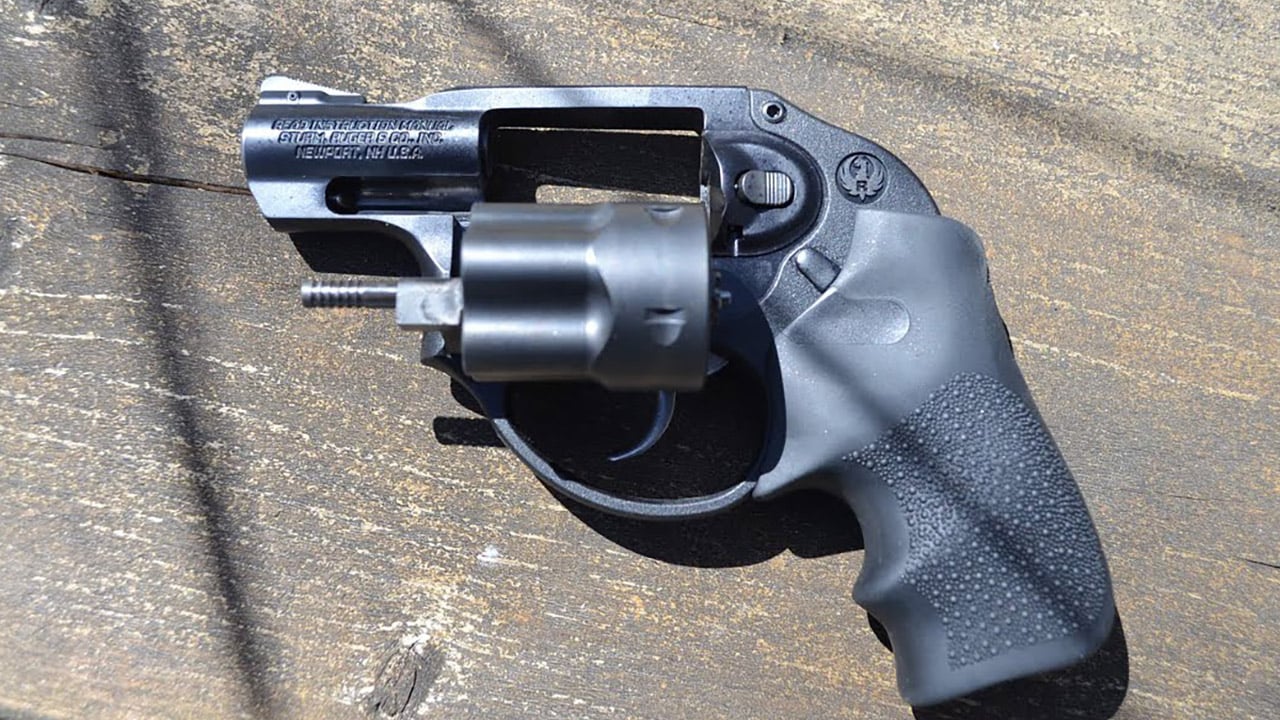
The LCR looks like a cordless drill in revolver form, and I get why some folks never warm up to it. Then you shoot one. That cammed trigger system is legitimately good, and it helps real shooters make real hits with a light gun. For the price, it’s a very shootable snub.
Recoil is still recoil, and +P in a light revolver will get your attention. But the LCR is a gun you’ll actually carry when it’s hot out, when you’re in gym shorts, or when you’re running errands and don’t want a heavy rig. It’s also one of the few lightweight revolvers that doesn’t feel like a compromise in the trigger department.
10. Taurus 856
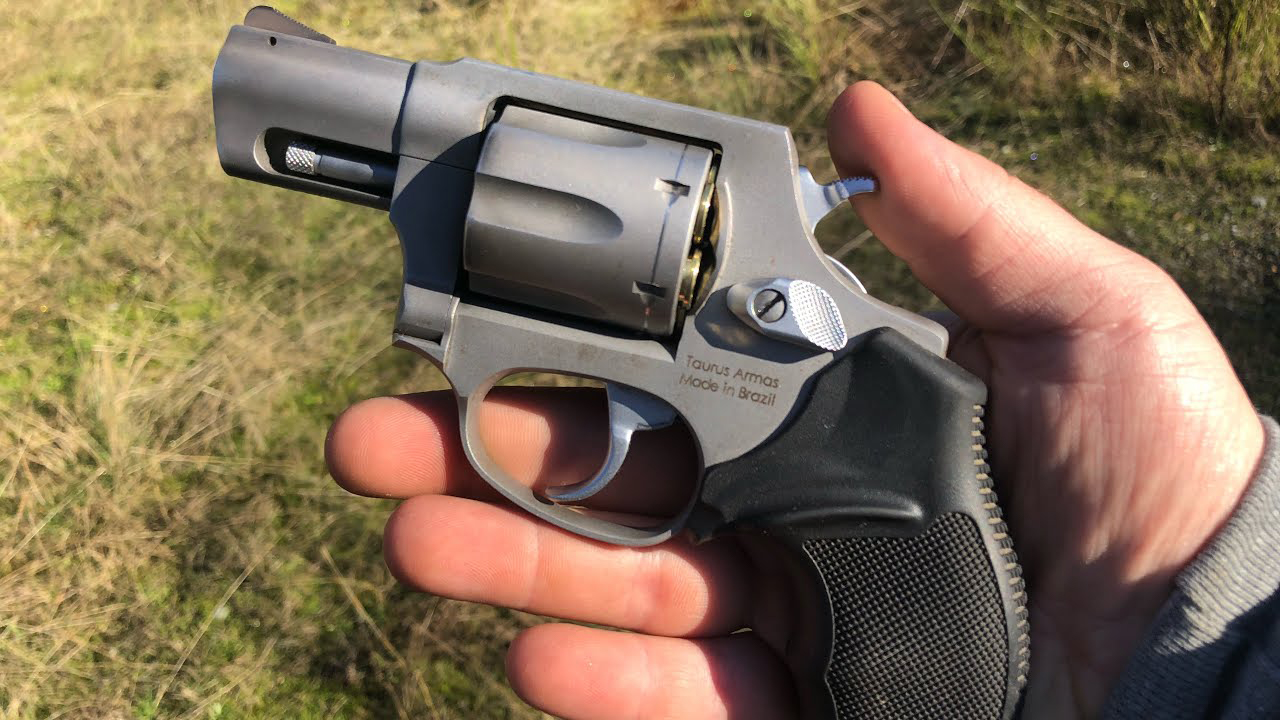
Six shots in a small-frame .38 is a practical upgrade, and the Taurus 856 gets you there without draining your wallet. When you find one that’s put together right, it shoots better than the price suggests. The extra round matters, and the grip shape on many models makes it more controllable than you’d expect.
This isn’t a “buy it sight unseen and never check it” situation. With any budget revolver, you want to verify timing, cylinder lockup, and a consistent trigger. But a good 856 is a legitimate carry revolver that you won’t be afraid to sweat on. It’s not fancy. It’s just useful, and a lot of shooters end up surprised by how well they run it.
11. Taurus 605
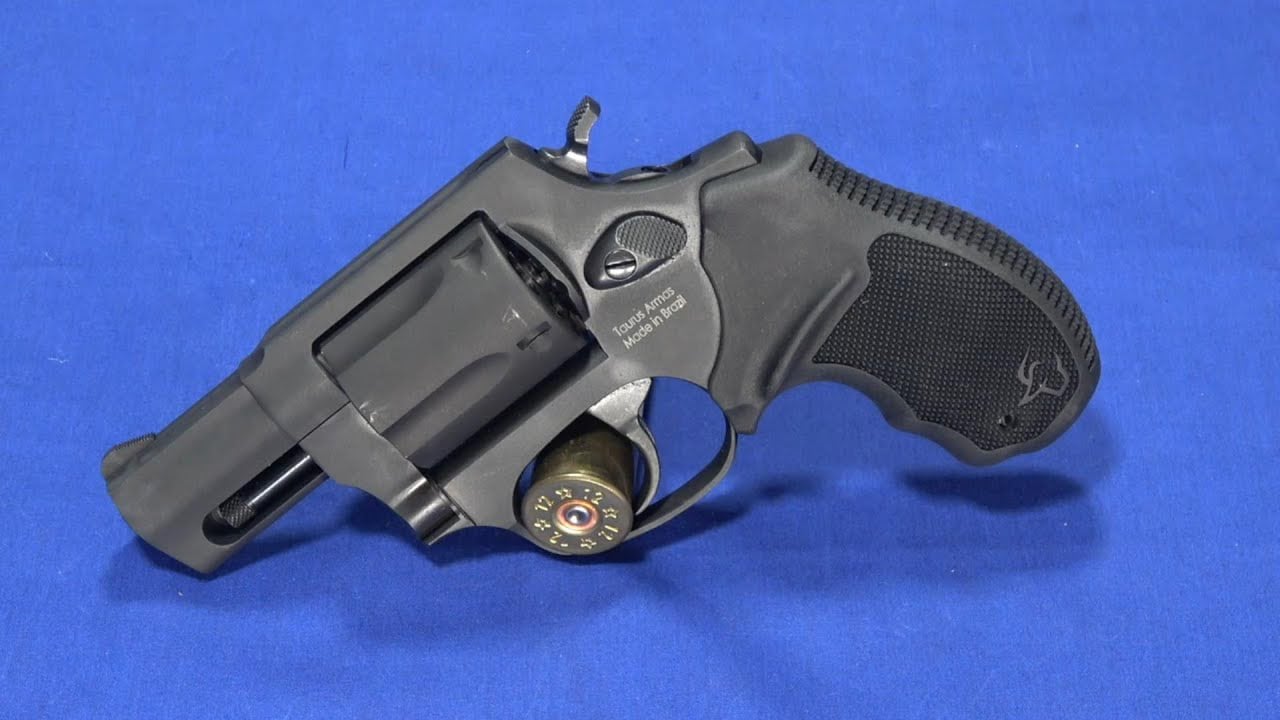
The Taurus 605 is one of those revolvers that gets bought as a first magnum and then either loved or traded off fast. When it’s tuned decently from the factory, it can be a solid shooter with .38s and a tolerable shooter with .357s. The sights are basic, but the gun can still print respectable groups.
The real trick is being honest about what you’ll actually shoot. If you practice mostly with .38 and carry .357, fine—just confirm point of impact with your carry load. The 605 is compact, easy to stash in a truck console, and simple to live with. It’s not a heirloom piece, but it can be a better tool than its reputation suggests.
12. Charter Arms Undercover (.38 Special)
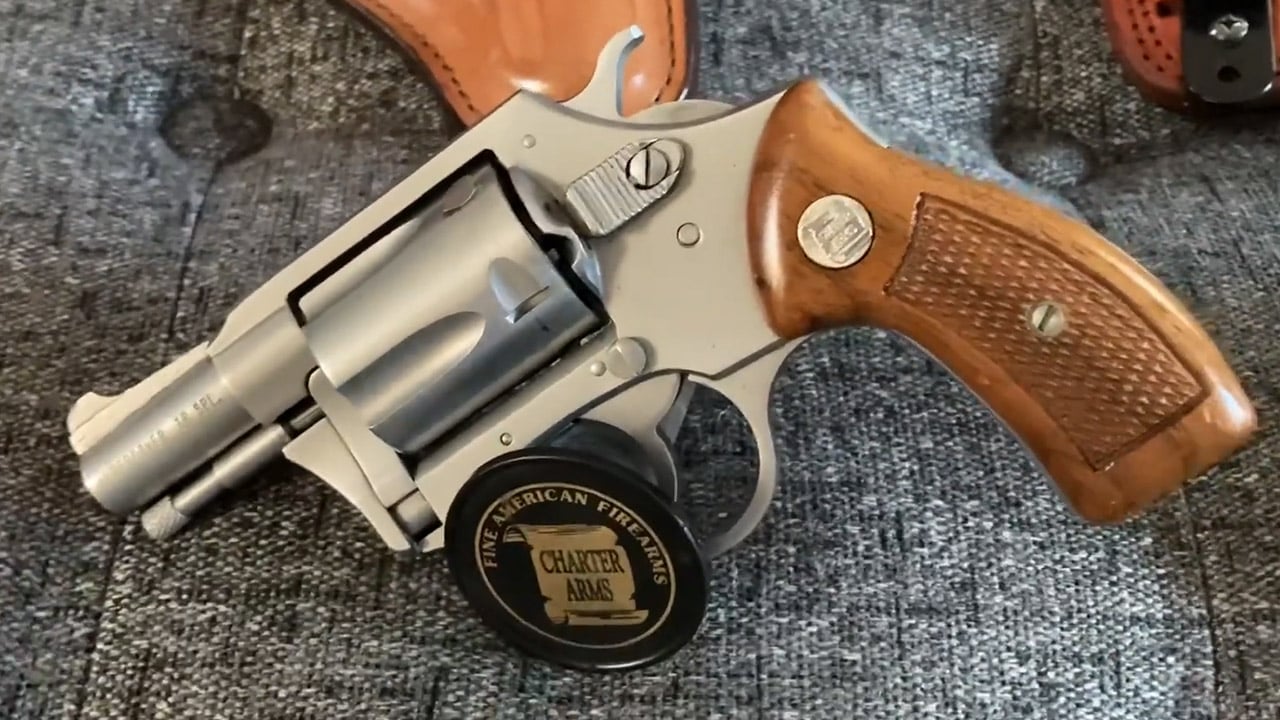
Charter Arms revolvers don’t get much respect at the counter, and that’s partly because the finish can look rough next to more expensive guns. But the Undercover has been quietly getting the job done for a long time. They’re light, they carry easy, and plenty of them are more accurate than a “budget snub” has any business being.
You’re not buying refinement. You’re buying a simple revolver that can ride in a tackle bag or a coat pocket without drama. The triggers vary, so if you can handle one before buying, do it. If you end up with a good one, it’s the kind of revolver that’s always around when you need it, which is more than I can say for a lot of safe-sitters.
13. EAA Windicator
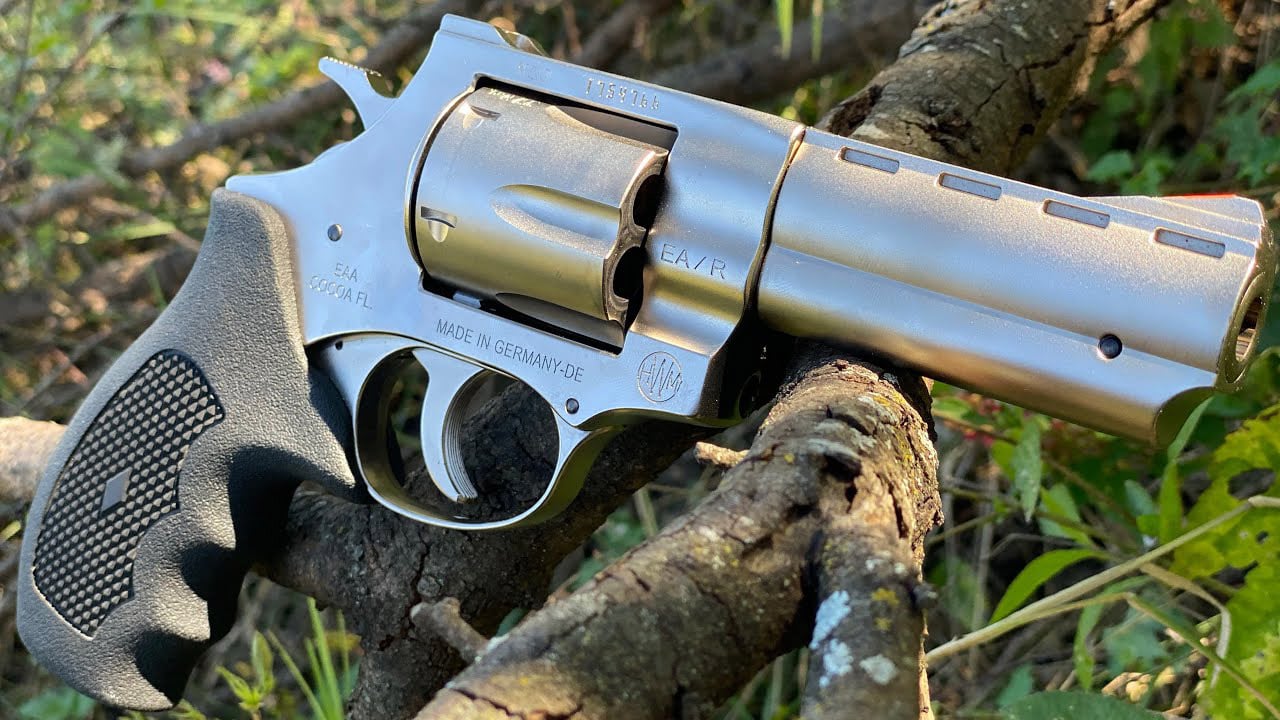
The Windicator is a sleeper. It’s chunky, not especially pretty, and it doesn’t have the brand-name cool factor. But it often shoots straight, and the weight helps with recoil in .357/.38. The fixed sights are simple, and for a basic defensive or trail revolver, simple isn’t a bad thing.
Where it surprises folks is how controllable it is for the money. If you’ve been fighting a featherweight snub and wondering why you can’t keep rounds where you want them, a heavier budget revolver can be a revelation. Downsides include limited aftermarket and a feel that’s more “tool” than “art.” If you can live with that, it can be a heck of a shooter.
14. Rossi RP63
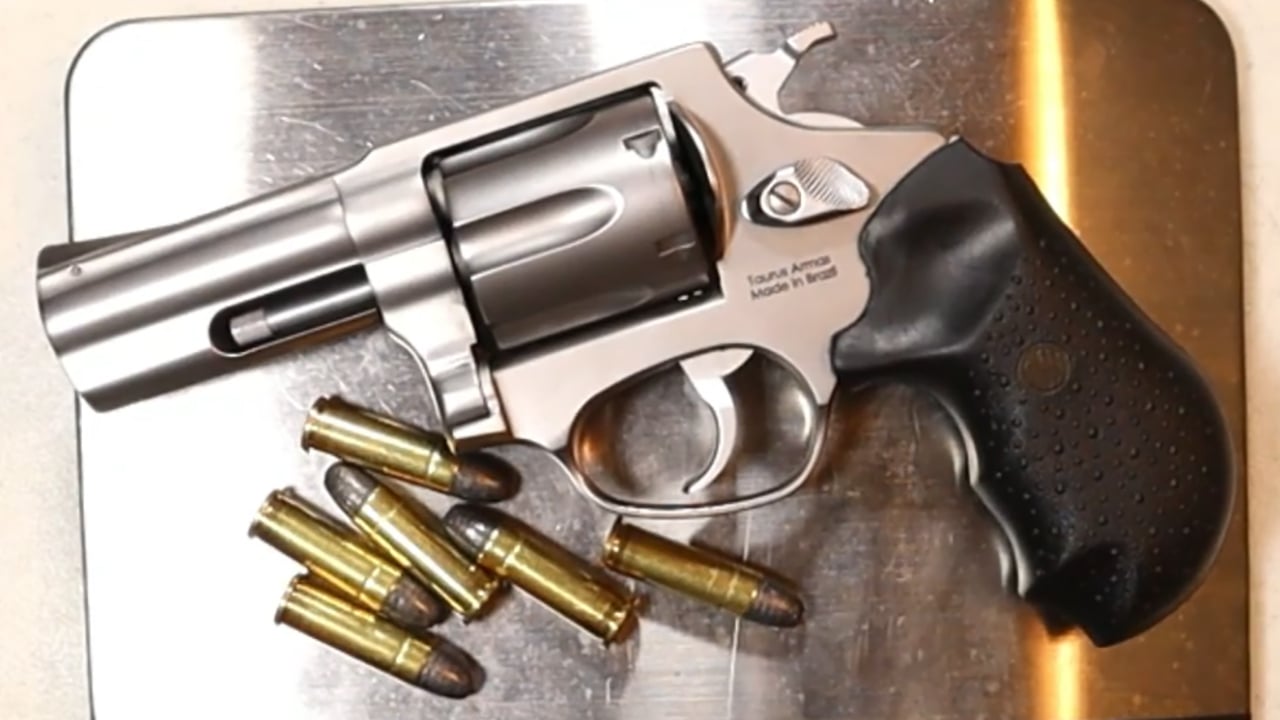
Rossi has had ups and downs over the years, but the newer RP63 has gotten a lot of range time with regular shooters, and the reports tend to sound similar: it shoots better than expected. A 3-inch .357 with decent sights is a practical format, and the RP63 gives you that without asking premium money.
The trigger may not match a polished Smith, and you should still inspect any revolver carefully before you bet your safety on it. But when you find one that’s right, it’s accurate enough for serious practice and steady enough for woods carry. It’s also a revolver you won’t feel bad about scratching up while working around a property.
15. Smith & Wesson Model 19 (older, used examples)
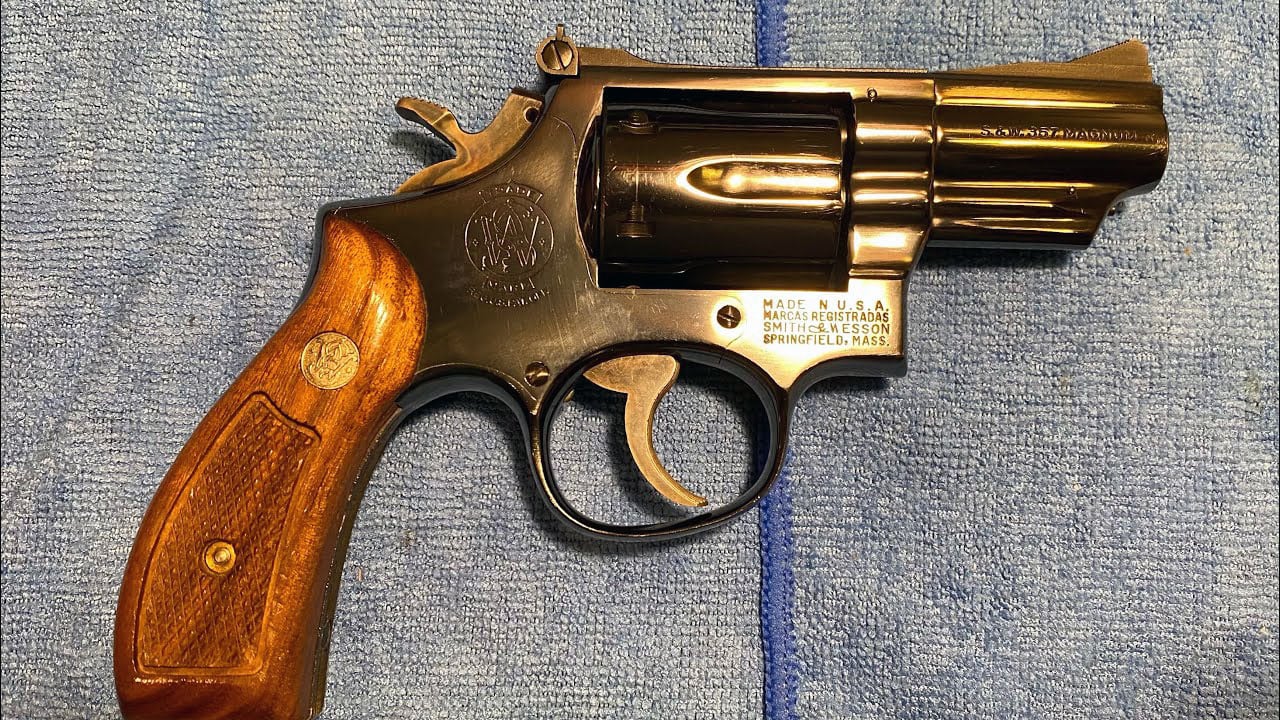
A used Model 19 can feel like you found a cheat code, assuming the previous owner didn’t abuse it. The K-frame .357 carries nicely and points fast, and the trigger on many older examples is what folks are trying to buy when they chase “custom” work. With .38s it’s soft shooting and flat accurate.
There’s a reason the Model 19 has a following, and it’s not just nostalgia. The trade is you need to be sensible about a steady diet of the hottest .357 loads, especially lightweight screamers. For most real use—practice with .38, occasional magnums—it’s a revolver that shoots like a much more expensive handgun.
16. Smith & Wesson Model 65
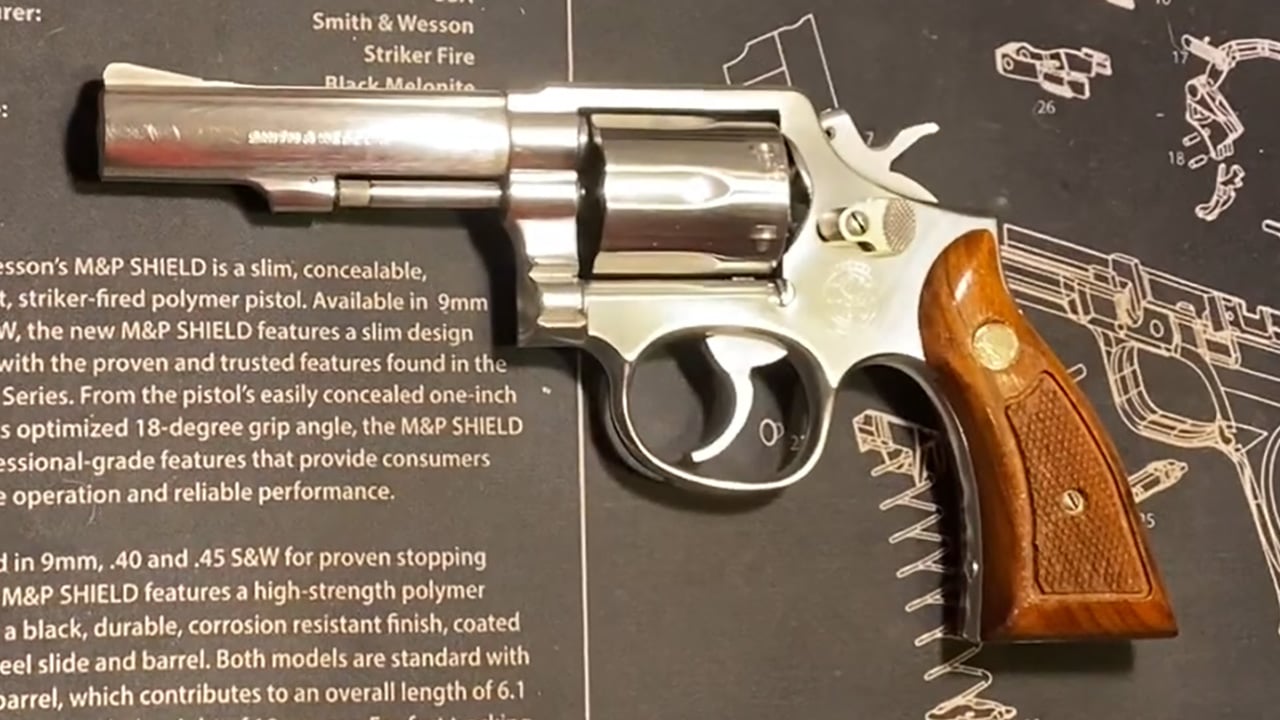
The Model 65 is the stainless, fixed-sight brother in the K-frame .357 family, and it’s one of the best “real world” revolvers Smith ever turned out. Fixed sights don’t snag, they don’t drift, and they’re plenty adequate for defensive distances and most trail work. With a 3- or 4-inch barrel, it balances right where your support hand wants it.
Used prices can still be sane compared to trendier Smiths, and you get a revolver that’s easy to maintain. It’s not delicate, and you don’t have to worry about bluing when it rides against sweat all summer. Shoot it with .38 to build skill, step into magnums when you want to remind yourself what recoil feels like, and it’ll keep printing.
17. Ruger Security-Six
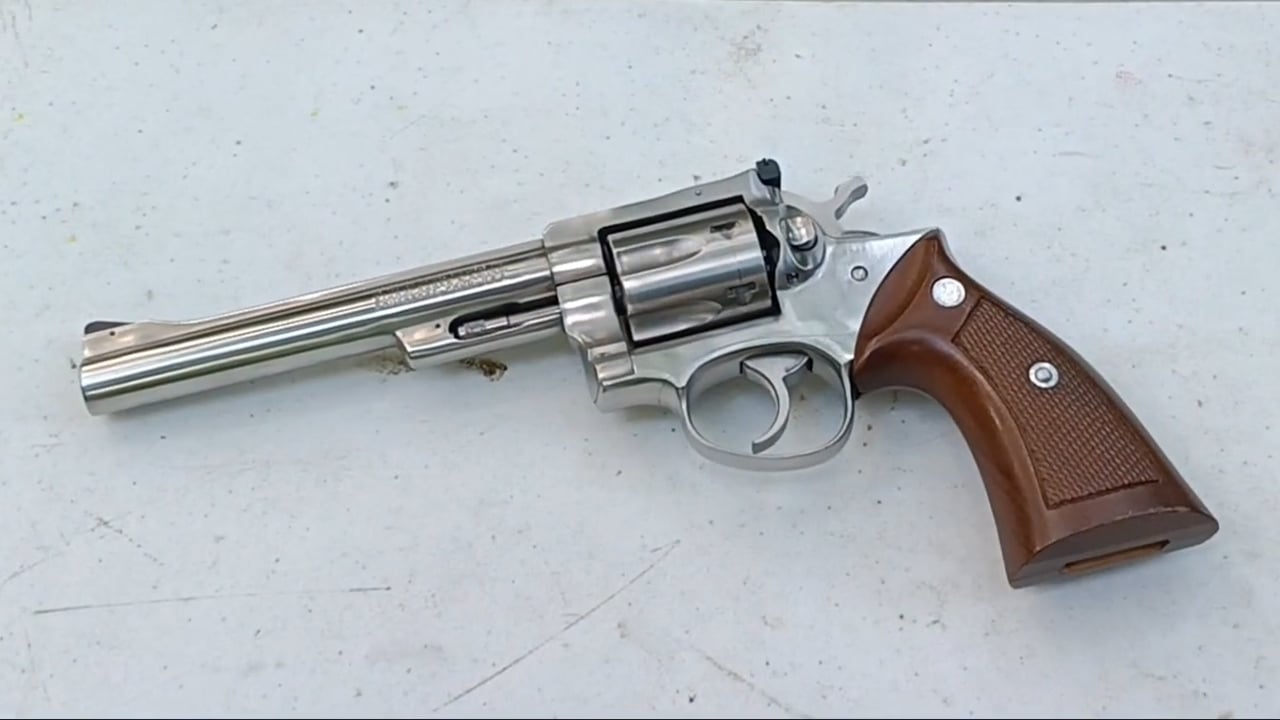
The Security-Six series is one of those “they don’t make them like that” Rugers that’s still floating around at reasonable prices. They’re slimmer than a GP100, tough as nails, and often surprisingly accurate. The action can be very good once it’s worn in, and the guns carry well for their strength.
They aren’t as supported with new parts as current-production models, but these revolvers were built to last. If you find one that locks up tight, you can end up with a .357 that does almost everything: range work, woods carry, even light hunting duty with the right barrel length and load. It’s a practical revolver that never needed a marketing campaign.
18. Colt Police Positive (used .38 models)
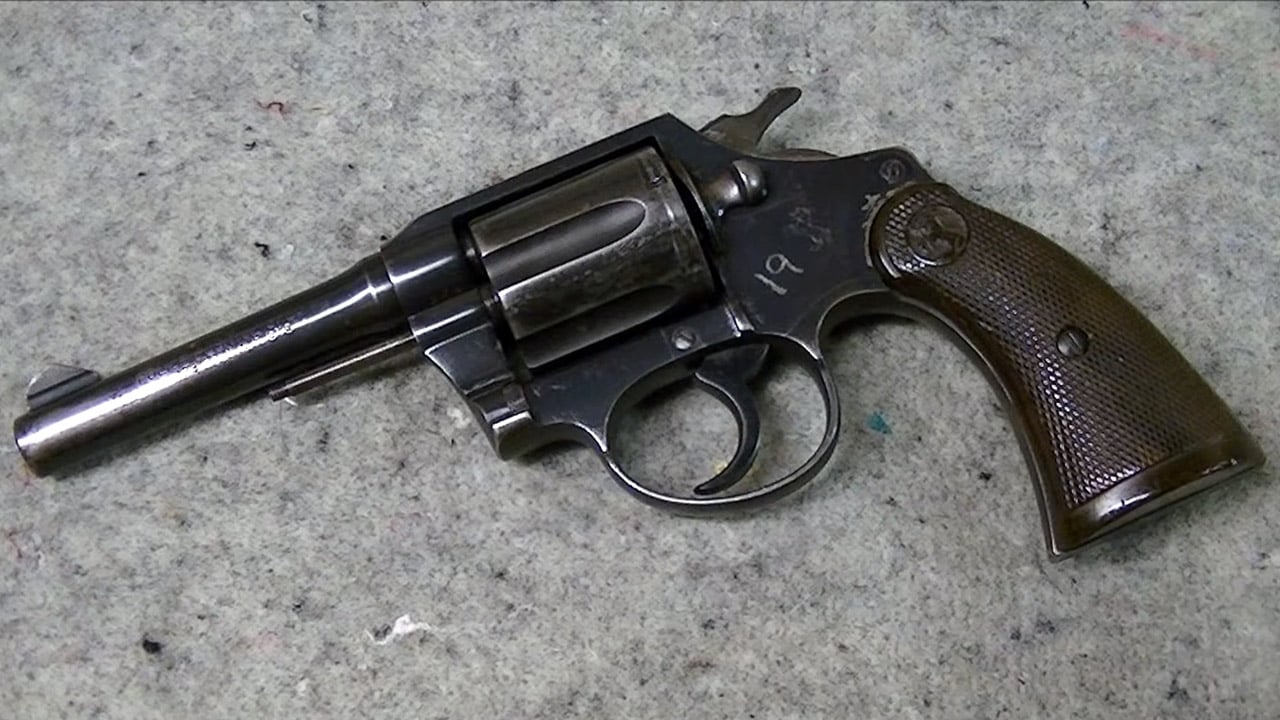
The Colt Police Positive doesn’t always get priced like a Colt “should,” mostly because it’s not a Python and it’s not aimed at collectors first. For a shooter, that can be good news. The Colt trigger feel is different, and when you get a good one, it’s smooth in a way that’s hard to describe until you run it side-by-side with something else.
These are older guns, so condition matters more than brand name. Have the lockup and timing checked if you’re not confident evaluating it yourself. With standard-pressure .38 loads, they can be accurate and pleasant, and they carry well. It’s an easy revolver to like if you appreciate classic lines and you want something that shoots better than its pawn-shop price tag suggests.
19. Smith & Wesson Model 36 (Chief’s Special)
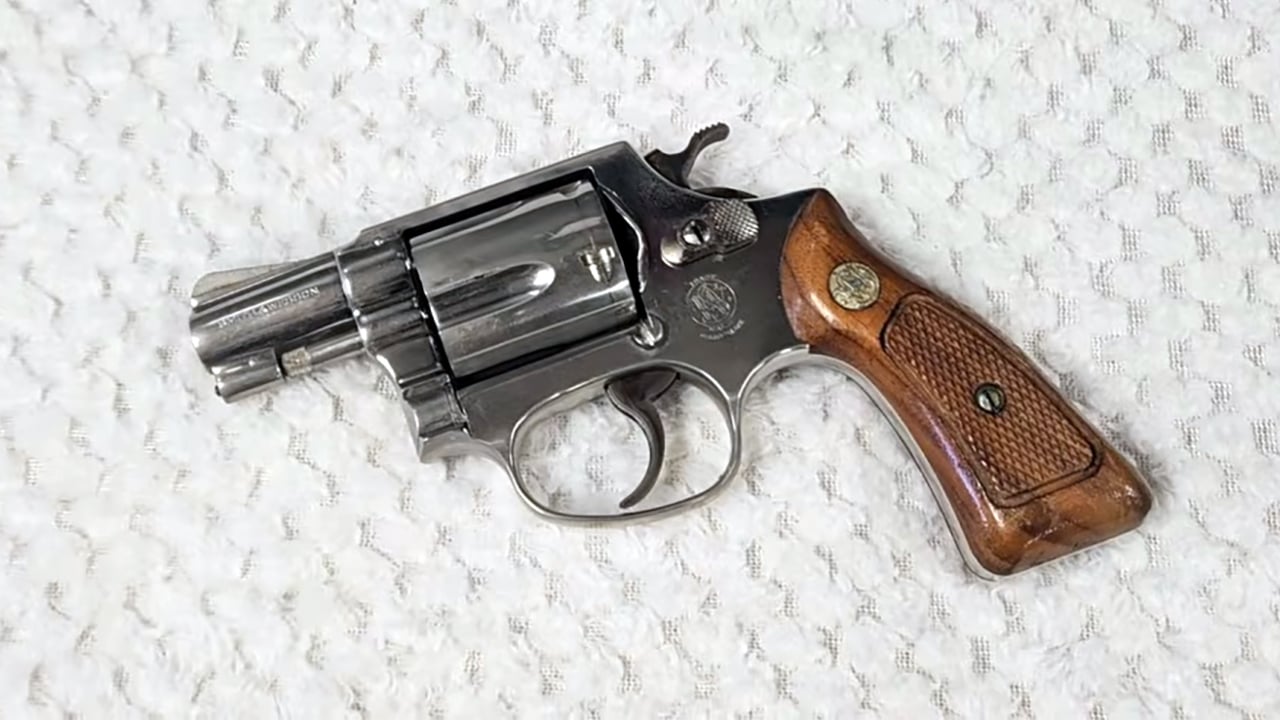
A good Model 36 is proof that small doesn’t have to mean sloppy. For a classic J-frame .38, they can be remarkably accurate at realistic distances, and the all-steel weight helps. If you’ve only tried ultralight snubs, a steel Model 36 can feel like you suddenly learned how to shoot a revolver.
They’re not the easiest guns to run fast, and the sights are small. That’s the price of the compact format. Still, the Model 36 has a way of sticking around in a person’s life because it’s simple, reliable, and not hard to keep on you. You may not win any matches, but you can absolutely make clean hits, and that’s what matters.
20. Smith & Wesson Model 637 Airweight
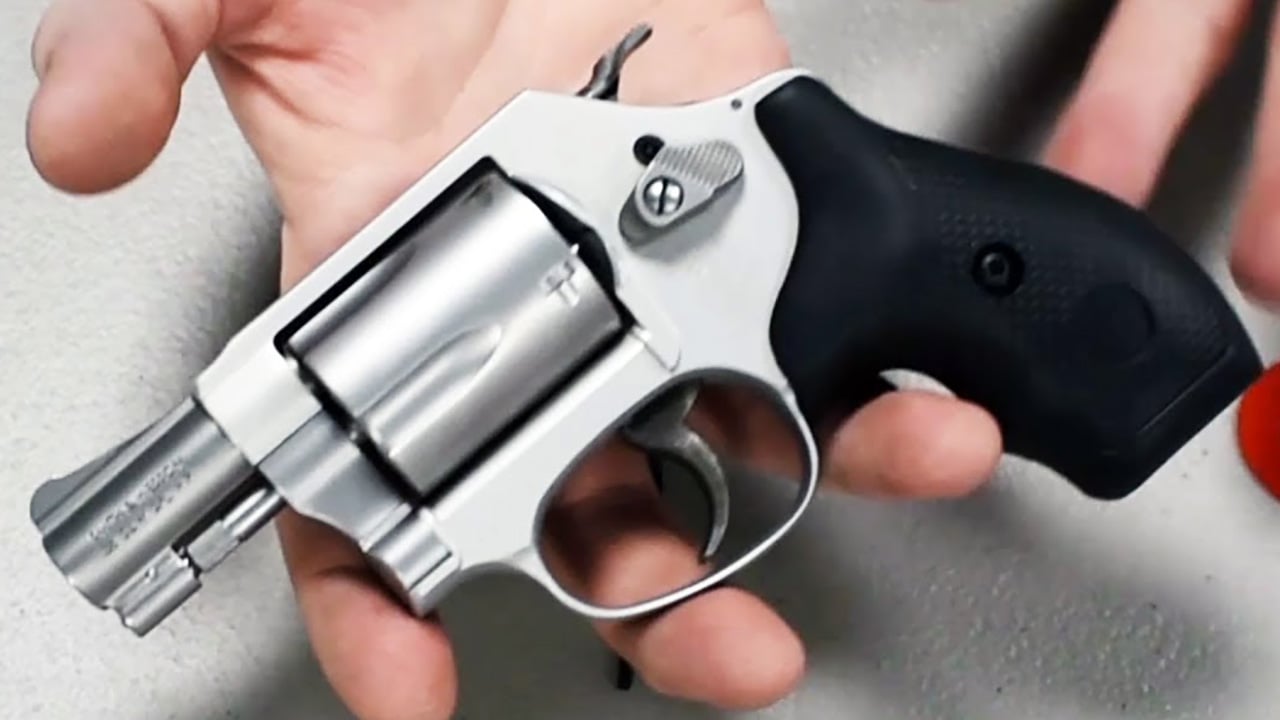
The 637 is one of those revolvers that’s easy to underestimate because it’s common and it’s light. Here’s what it does well: it gets carried. That alone puts it ahead of a lot of “better” guns. And for an Airweight, many of them shoot surprisingly close to point of aim with good defensive .38 loads.
You pay for the light weight with recoil, especially if you insist on spicy ammo. But the trigger is usually workable, and with a little practice you can run it accurately enough for the role it was built for. It’s also a revolver that doesn’t require a whole support system of magazines and small parts. Keep it clean, use a quality holster, and it’s ready when you are.
None of these are magic, and every revolver can have issues if it’s worn out or abused. But if you’re willing to shop with your eyes open—checking lockup, timing, and general condition—you can end up with a wheelgun that shoots far above what you paid. The best part is you’ll actually want to practice with it, and that’s where “value” stops being a sales word and starts being real.
Like The Avid Outdoorsman’s content? Subscribe to our newsletter so you never miss an article.
Here’s more from us: