Photo credit: Mason Leather Outdoors/YouTube
I like new rifles as much as the next guy. New triggers, slick coatings, muzzle-threaded barrels, and lightweight stocks all sound good under fluorescent lights. But if you spend any time at a public range right before deer season, you start noticing a pattern: plenty of brand-new guns that don’t feed quite right, won’t hold zero in cheap rings, or feel “busy” in the hands when a cold morning and a fast shot show up.
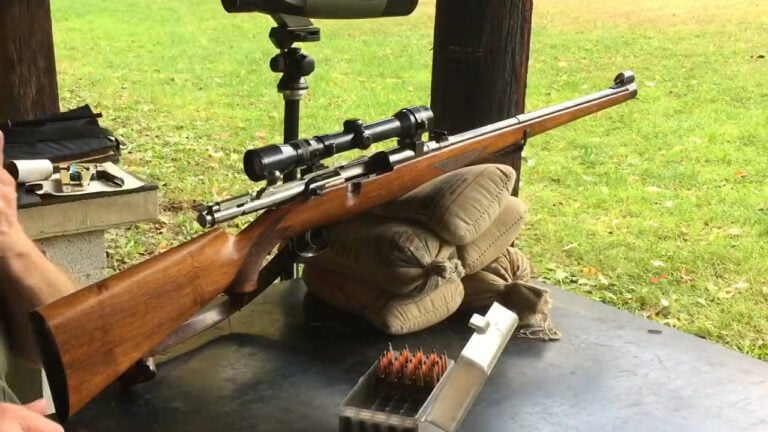
Meanwhile, a bunch of older hunting rifles just keep doing the work. They’re not always pretty, and they’re rarely trendy. They just shoulder right, cycle smooth, and put bullets where they’re supposed to go without drama. Here are 20 rifles I’d take over most of what’s sitting new-in-box on the rack today.
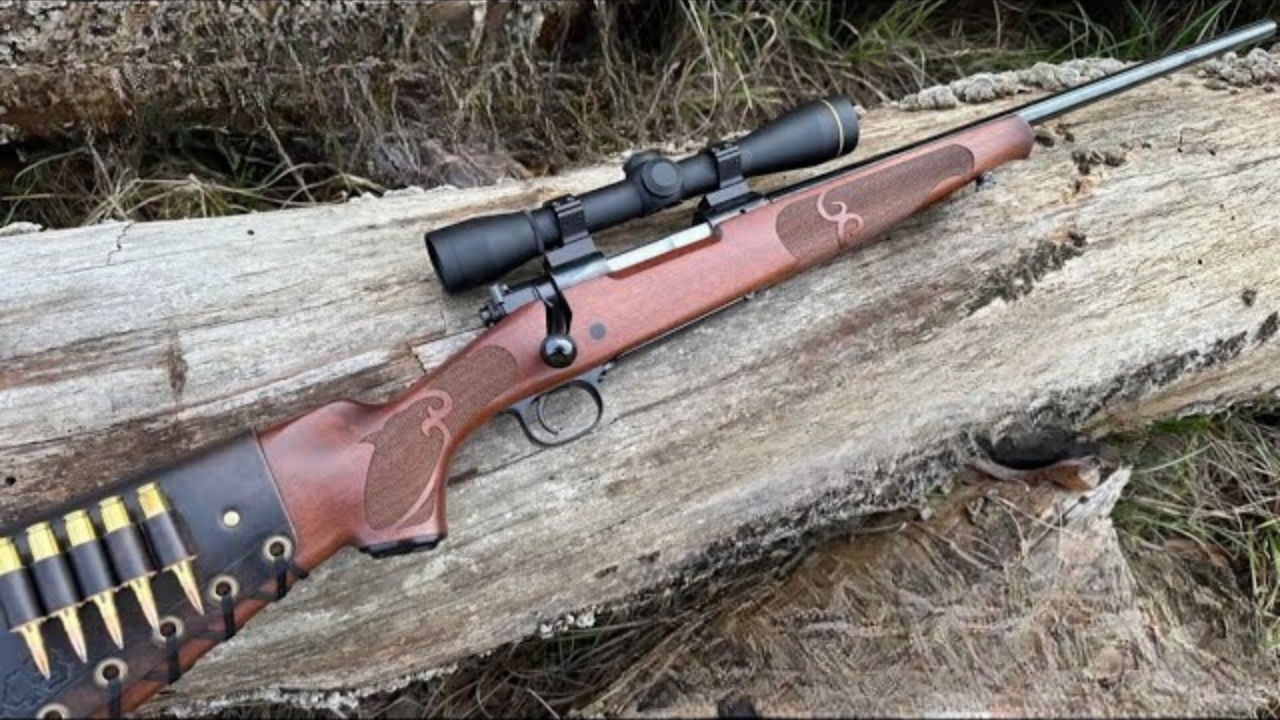
1. Remington Model 700 BDL (older production)

If you’ve carried one of these through oak ridges or river-bottom thickets, you know why they’re still everywhere. The BDL balances well, the floorplate is simple and reliable, and the rifle points naturally when you’re shooting offhand or braced on a tree. The older walnut-and-blue guns also tend to have a “settled” feel—like everything has worn in together instead of being forced.
It’s not perfect. The glossy wood can get slick in rain, and you’ll want to pay attention to screw torque and a decent bedding job if you’re chasing tiny groups. Still, with a basic 3-9x and good mounts, these rifles have been stacking freezer meat for decades. There’s nothing fancy about it, and that is kind of the point.
2. Winchester Model 70 Featherweight (controlled-round feed)
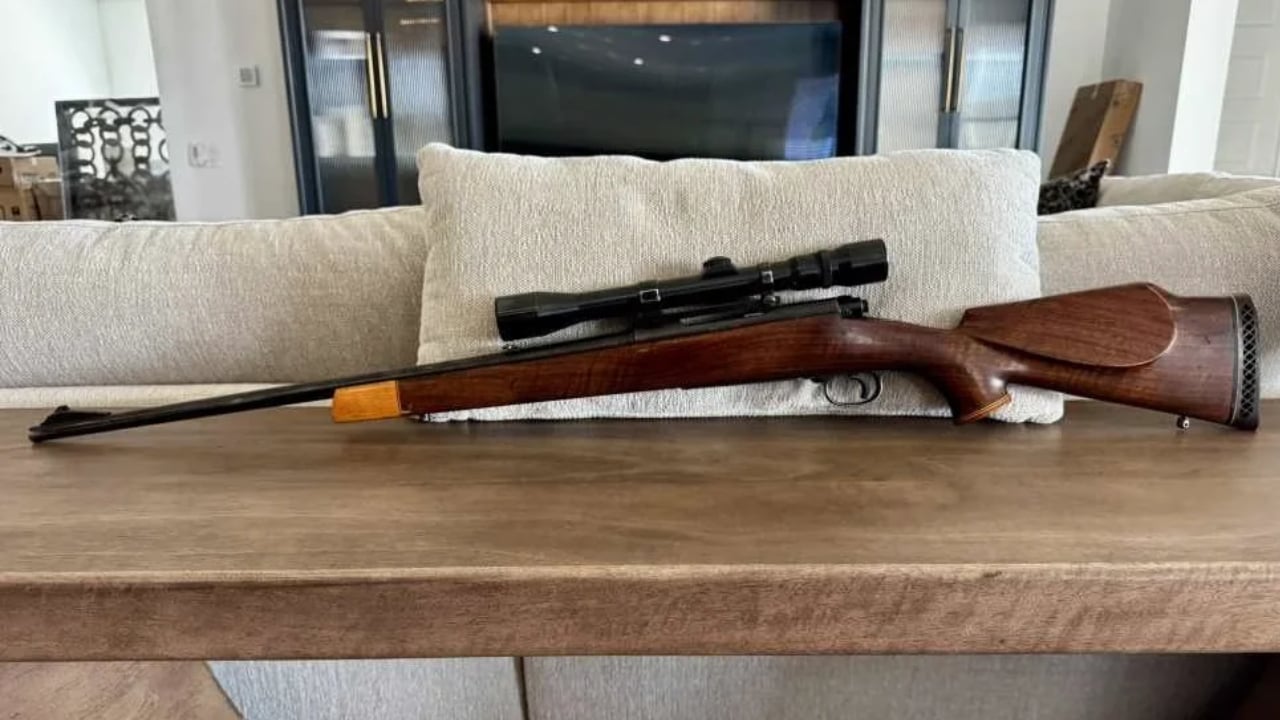
The Featherweight is the rifle you notice the second you pick it up. It carries like a hunting rifle should—lively, not whippy, and easy to keep in one hand while the other drags a pack strap back onto your shoulder. The controlled-round feed setup also has a way of making people relax, especially when the bolt is moving fast and the angle isn’t perfect.
They aren’t the cheapest, and some of the lighter ones can be a little more honest about recoil in the usual elk cartridges. But the safety is excellent, the action is confidence-inspiring, and the whole package feels built for field use rather than bench bragging. If you find a good one, it’s hard not to keep it.
3. Ruger M77 Mark II (tang safety versions get love, too)
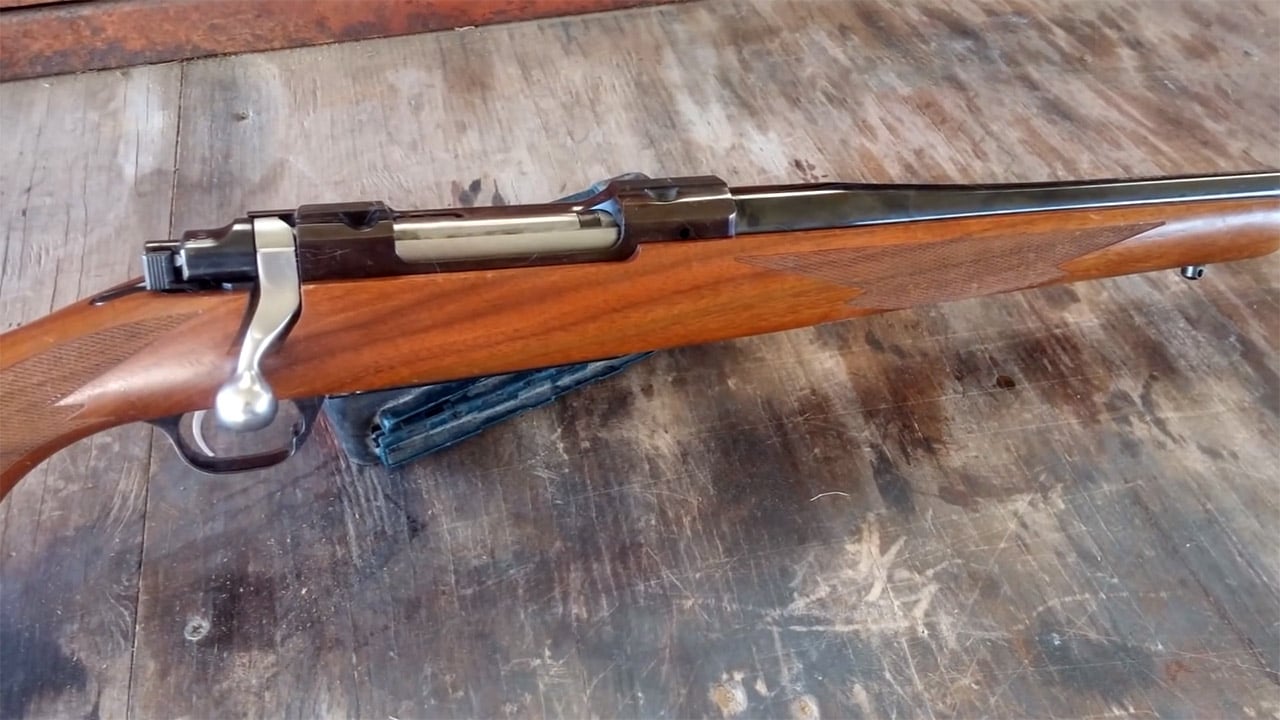
The M77 Mark II is a working man’s bolt gun. The integral scope bases are a real advantage in the real world, where rings get swapped between rifles and screws get rounded out at camp. With Ruger rings, you can mount an optic and feel like it’s part of the rifle, not an afterthought.
Triggers on older Rugers can be heavy, and not everyone loves the feel compared to a modern competition-style trigger. But for hunting, the action is stout, feeding is usually boringly reliable, and the rifle handles abuse without acting precious. Rain, dust, and riding behind a truck seat don’t bother it much, and that matters more than internet group photos.
4. Savage Model 110 (older flat-back and “pre-AccuTrigger” guns)

These are the rifles that quietly embarrassed plenty of more expensive options. They’re not prom queens. The stocks can feel hollow, and the finish won’t make you stare at it in the safe. But the barreled actions tend to shoot, and shoot well, even when the rifle looks like it’s been through a few hard seasons.
The real advantage is how many of them are still out there with honest miles on them. If you find one that feeds smooth and locks up tight, you can usually get it printing good hunting ammo into a tight cluster without turning it into a project. They’re the definition of “boring but effective,” and I mean that as a compliment.
5. Tikka T3 (early blued/synthetic models)
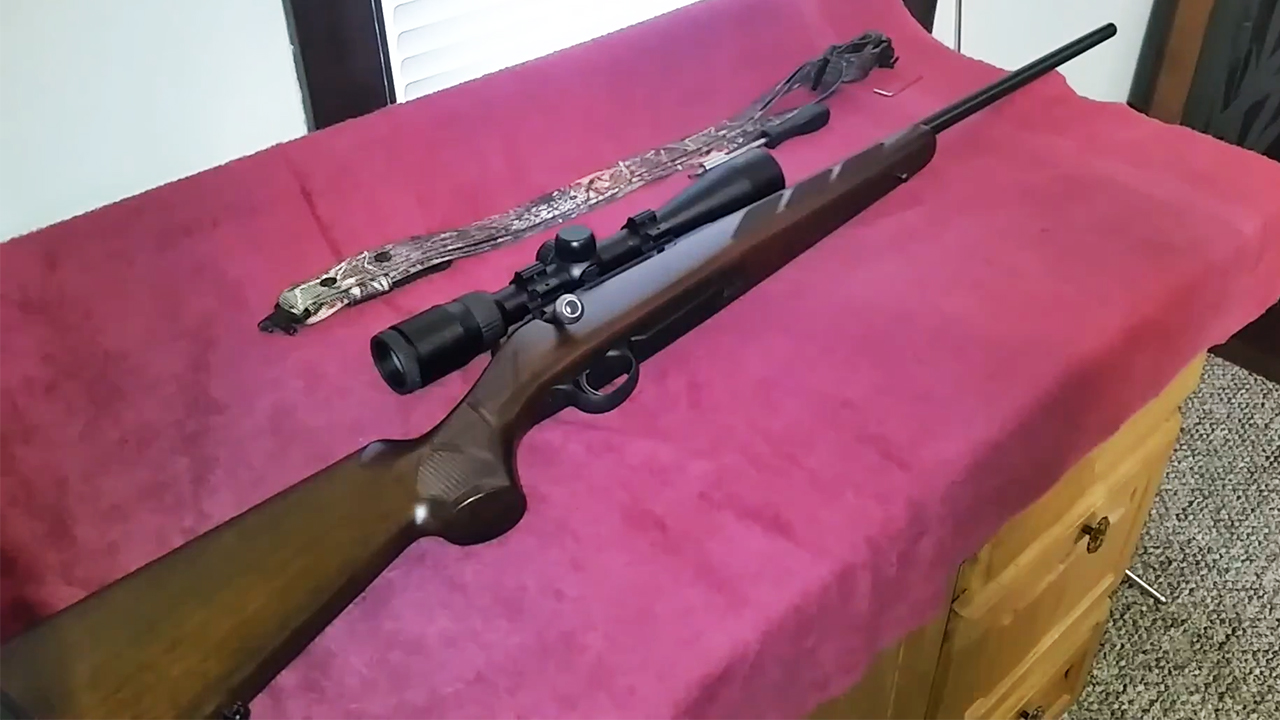
Tikkas earned their reputation the old-fashioned way—guys bought them, shot them, and didn’t have much to complain about. The action is slick without feeling loose, the magazines work, and the triggers are usually clean enough that you don’t feel a need to immediately replace anything. When you’re trying to make a calm shot with gloves on, that matters.
The downside is the polymer feel isn’t for everyone, and the factory magazine system is different than the “pile of spare mags in the drawer” approach some hunters like. Still, the rifles tend to be accurate with regular hunting ammo, and they stay that way. If you want one rifle that just behaves, this is a strong bet.
6. Browning A-Bolt (and A-Bolt II)
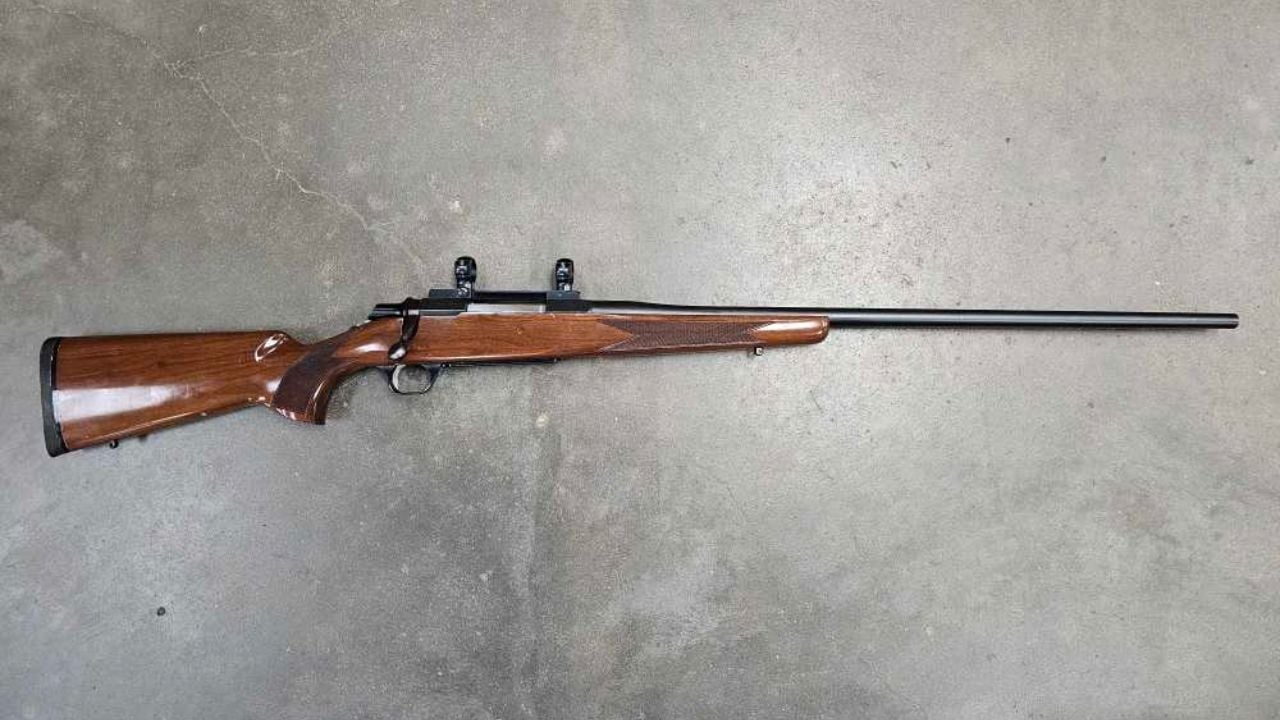
The A-Bolt is one of those rifles that often gets sold because it’s “just a hunting rifle.” Then the new rifle shows up, and suddenly the old Browning is missed. The A-Bolt tends to carry flatter than you’d expect, and they come to the shoulder fast. In a tree stand or still-hunting, that quick pointability is not a small thing.
They’re not as easy to tinker with as some other actions, and parts aren’t as universal as a Model 700. But for a set-it-and-hunt rifle, they’re excellent. The bolt lift is smooth, the fit and finish are usually solid, and they’ve been quietly reliable for a long time.
7. CZ 550 (standard or American)
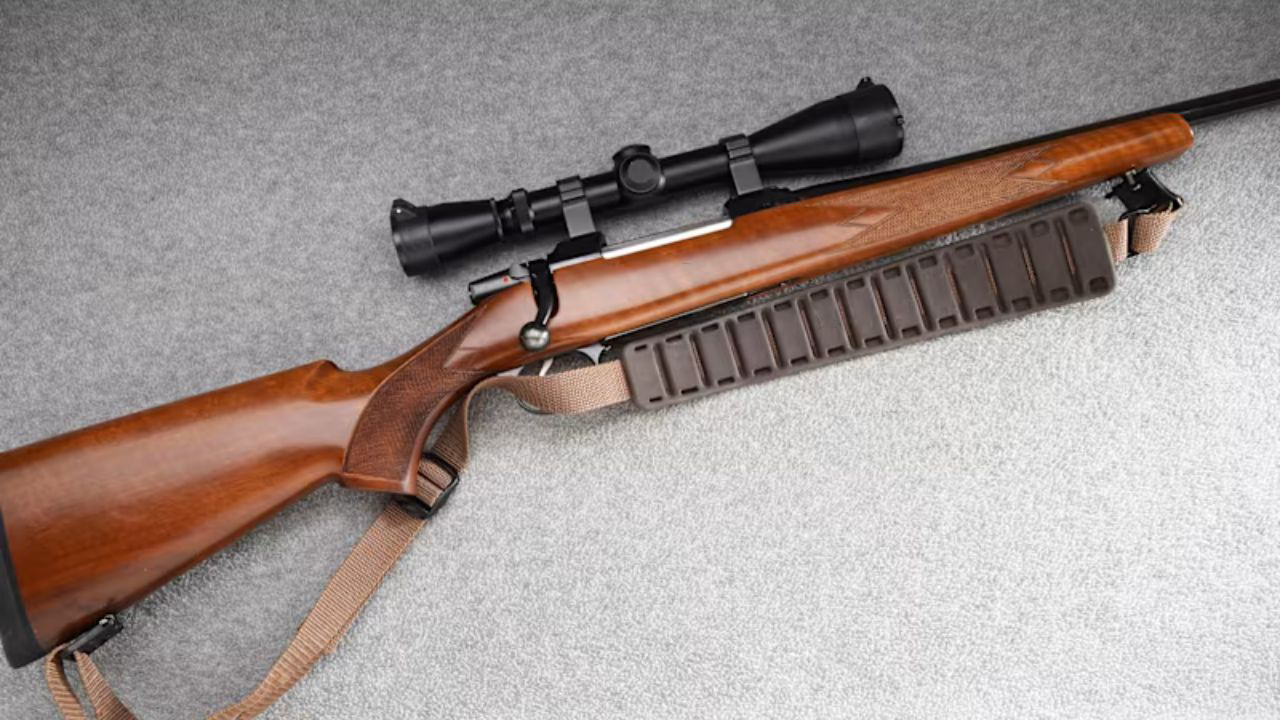
If you like rifles that feel like rifles, the CZ 550 has a lot going for it. The action has some heft, the magazine system is straightforward, and the whole gun feels built to be used hard. In bigger cartridges, that weight and stock shape help recoil feel like a shove instead of a slap.
They can be long and a bit nose-heavy in certain chamberings, especially with a bigger objective scope. But they settle down on shooting sticks and they track well when you’re following an animal through the scope. If you find one with a good trigger and a barrel that likes your load, it’s tough to beat as a no-nonsense hunting tool.
8. Sako Forester (L579) / Sako 75 (classic hunting trims)
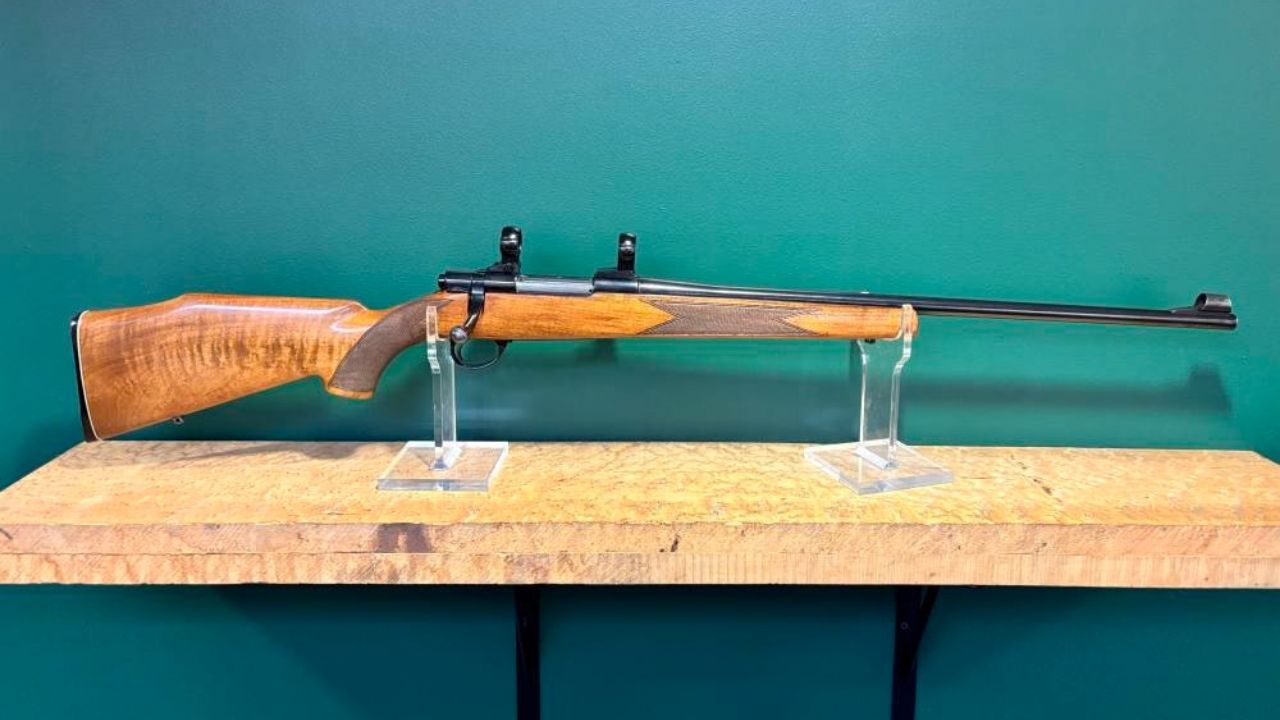
Sako rifles have a way of making a lot of new production guns feel rough. The bolt travel is typically smooth, the machining is clean, and they just feel “right” when you run them. In the field, that shows up when you need a follow-up shot and the gun cycles without you thinking about it.
The drawback is cost and collectability—some folks baby them, and I get why. Still, these are hunting rifles, not safe ornaments. If you’ve got one that’s already wearing a few honest dings, it’s a perfect candidate to hunt hard and enjoy. Good Sakos don’t need excuses to shoot well.
9. Weatherby Mark V (Fibermark and older Deluxe guns)
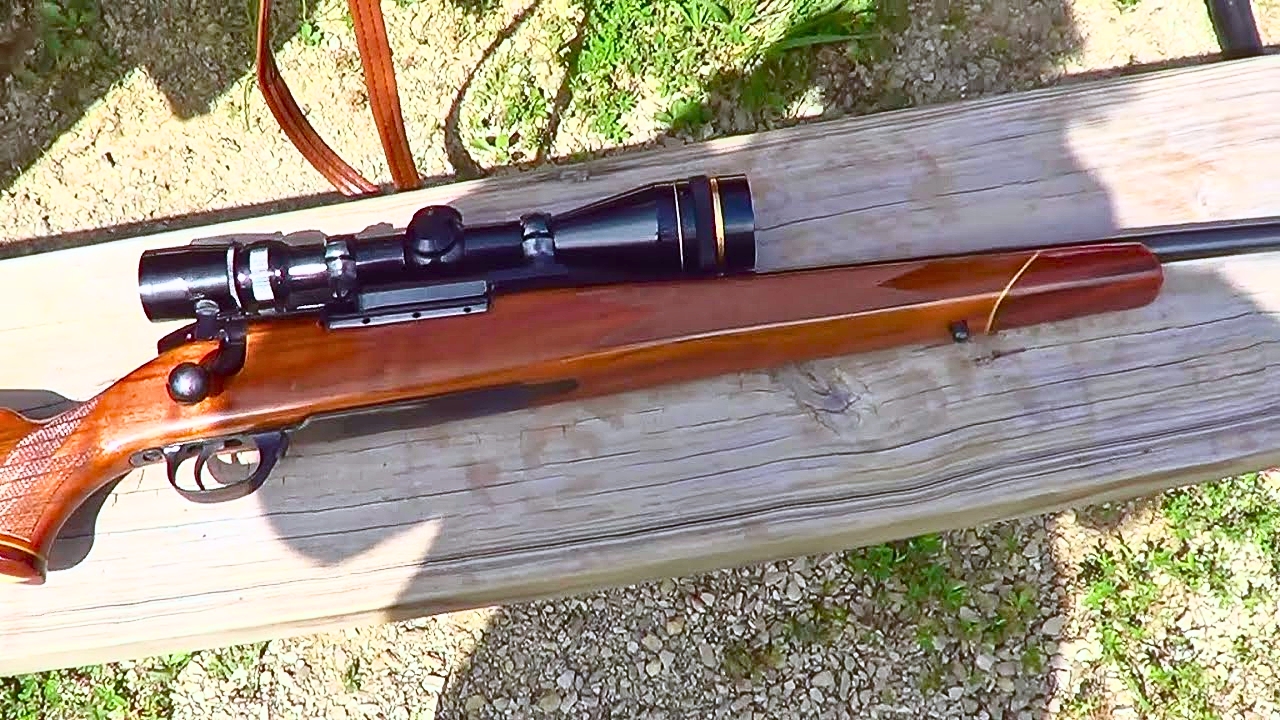
Mark Vs aren’t for everyone, but they do a couple things extremely well. The action is strong, the bolt is fast, and the rifles often feel surprisingly sleek for what they are. In open country where longer shots can happen, they tend to hold their own with quality ammo and a scope that can take a beating.
They can also be loud and sharp in the magnum chamberings, especially with lightweight setups. I’m not pretending a .300 Weatherby is gentle. But if you want a rifle that feels like it was built with serious hunting in mind—and you can shoot it well—these older Weatherbys can still outclass plenty of new “magnum-ready” rifles that feel cheap the moment you fire them.
10. Remington Model 721/722
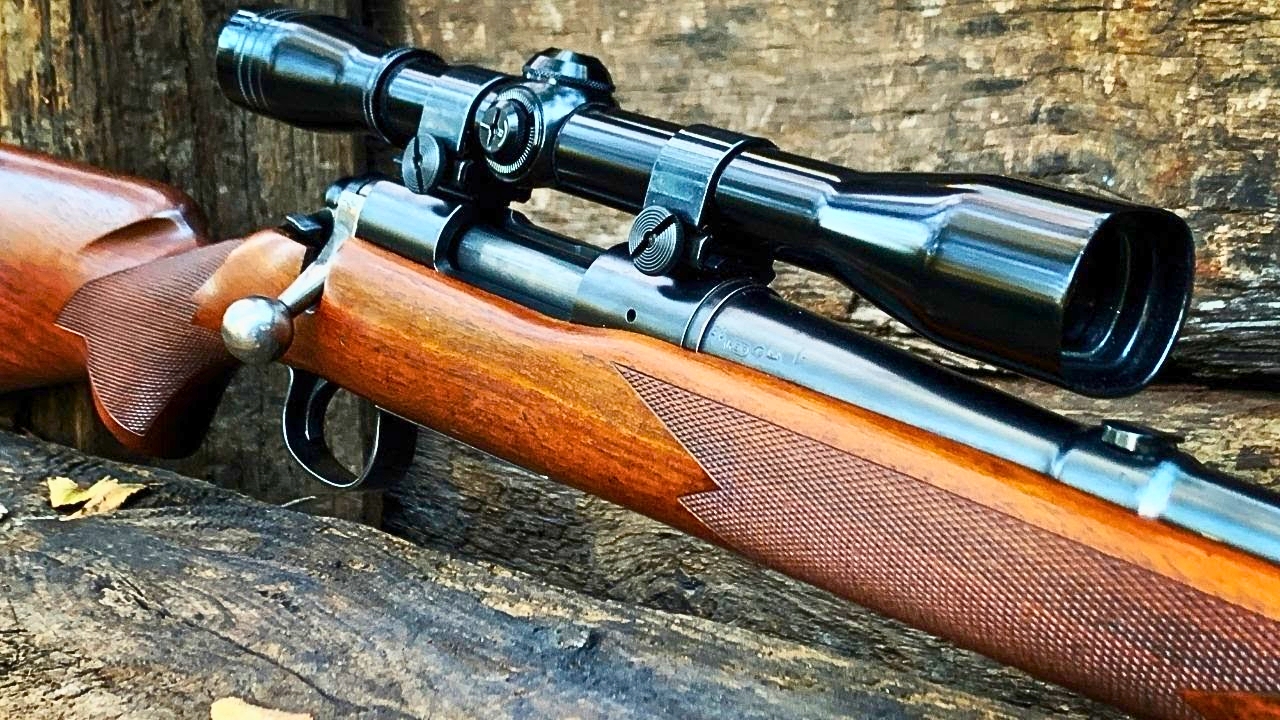
These old Remingtons don’t get the social media love, but they flat-out work. The actions are simple, sturdy, and usually smoother than you’d expect for their age. They also tend to have a solid, straightforward feel when you load and unload—nothing complicated, nothing finicky.
Stocks and sights vary depending on how the rifle’s been treated over the years, and you might see old scope bases that need updating. But if you find one that hasn’t been “gunsmithed” to death, it’s a dependable deer rifle with real character. They’re the kind of gun that makes you wonder why so many modern rifles feel over-designed.
11. Winchester Model 94 (pre-64 carbines)
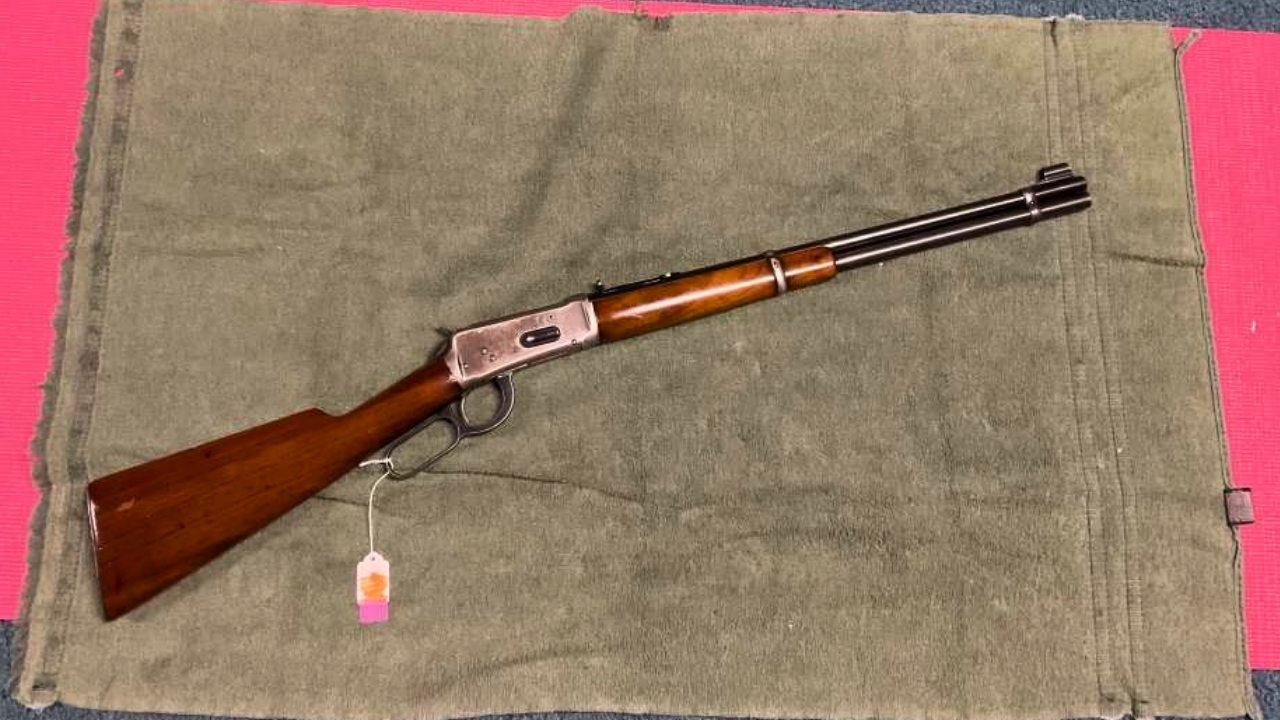
A lever gun isn’t a benchrest toy, and it doesn’t need to be. In thick woods, a good Model 94 carries like a dream, comes up fast, and rides close to the body when you’re climbing or pushing brush. There’s a reason so many “one rifle” hunters kept one in the truck for decades.
Ammo availability helps too—.30-30 is still around everywhere, and it still kills deer cleanly inside its lane. These rifles also teach good habits: pick your shot, know your distance, and don’t pretend it’s something it isn’t. If your hunting is under 150 yards in timber, a solid older 94 can make a lot of new bolt guns feel unnecessary.
12. Marlin 336 (JM-stamped rifles)
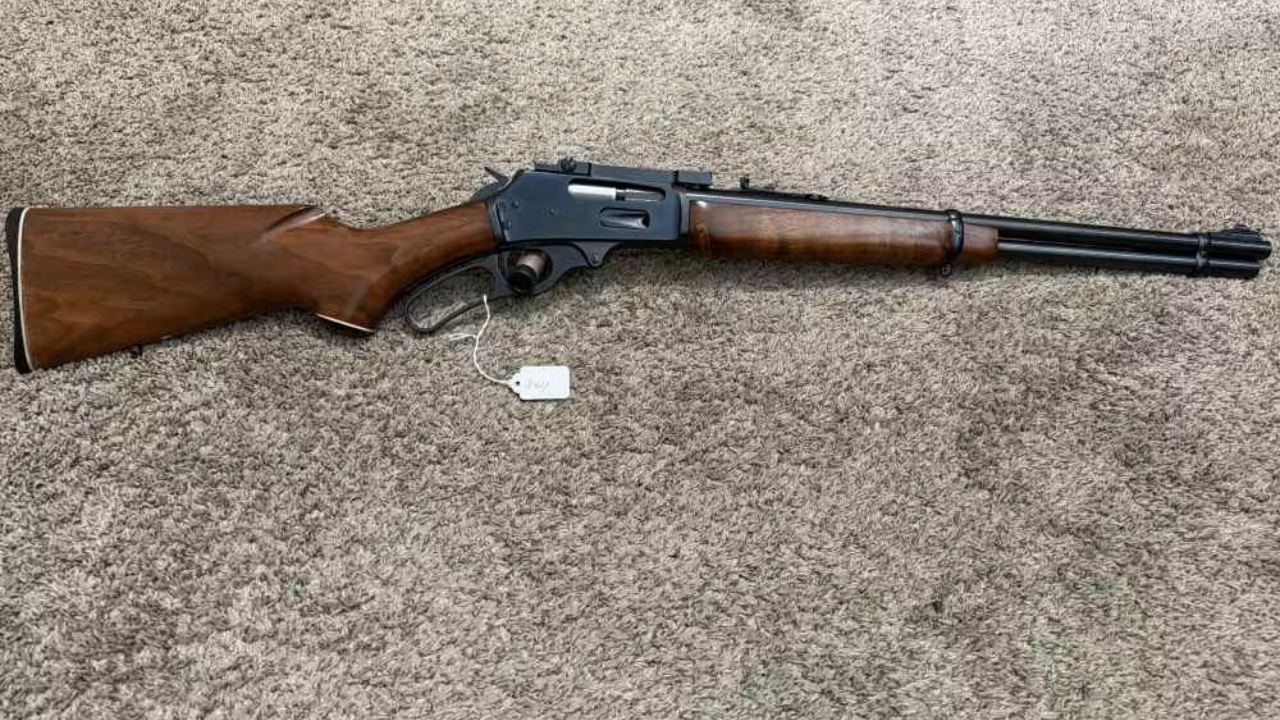
The Marlin 336 has probably put more venison on tailgates than most “premium” rifles ever will. The side-eject design makes scoping simple, the actions tend to be smooth after a little use, and the rifles feel steady when you’re leaning against a tree trying to thread a shot through branches.
The JM-stamped guns have a reputation for good reason—fit and finish are often better, and the rifles just feel more consistent. They’re not light with a scope and a sling, but they carry well. In wet weather, keep it oiled and don’t let debris pack into the action, and it’ll keep trucking.
13. Ruger No. 1
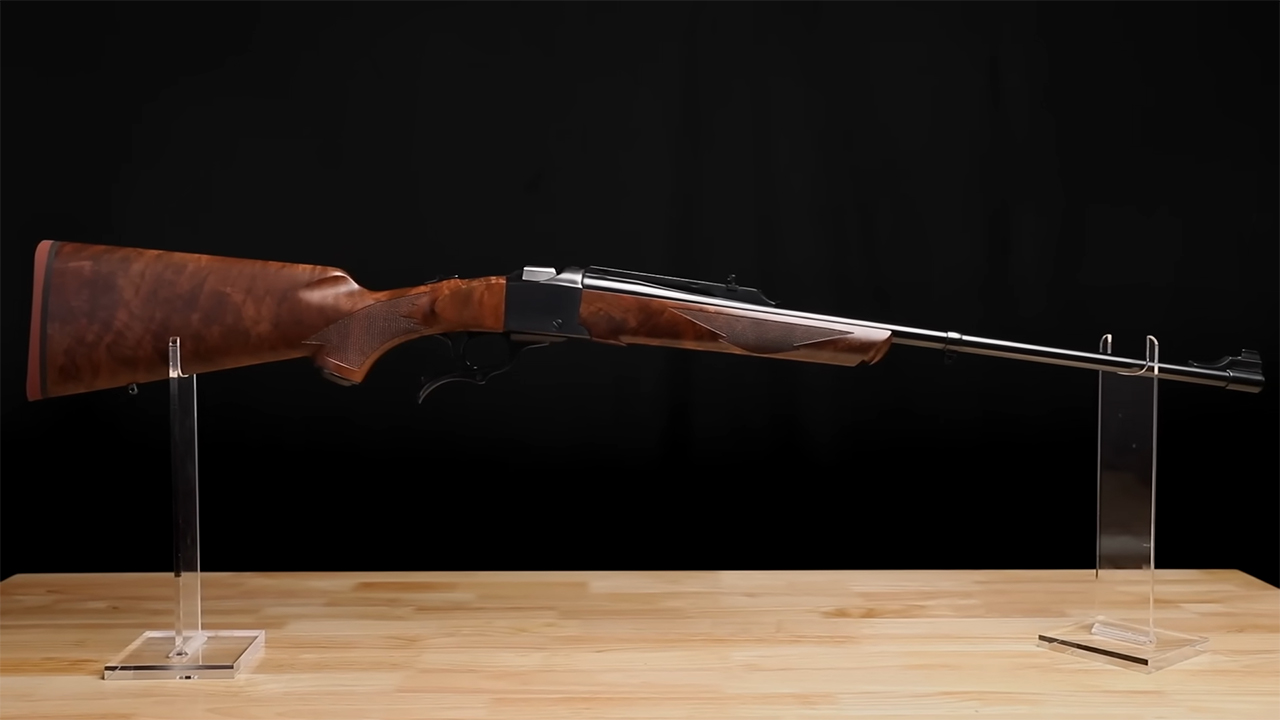
Single-shots force you to slow down, and that’s not always a bad thing. The Ruger No. 1 is compact for its barrel length, balances beautifully, and carries in one hand better than most bolt guns. If you hunt in steep stuff where the rifle is constantly in your hands, that matters more than folks admit.
They can be finicky about what they shoot best, and some take a little experimenting to find the load they really like. They’re also not the cheapest way to get a hunting rifle. But when you get one dialed, they’re accurate, classy in a no-nonsense way, and they make you a better hunter because you stop relying on a fast second shot to fix a bad first decision.
14. Springfield Armory M1A (Standard model)
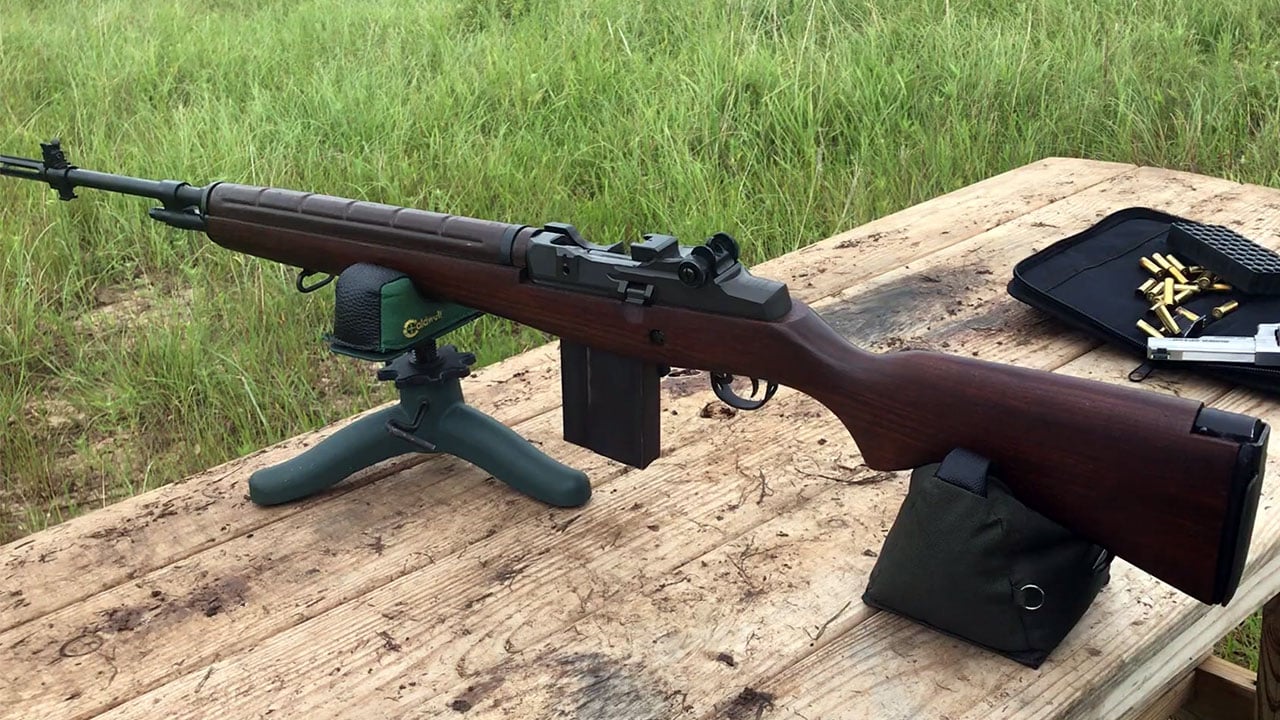
I’m not calling the M1A the perfect deer rifle for everybody. It’s heavier than it needs to be, and it’s not the quietest thing to handle in the woods. But as a rugged, accurate semi-auto .308 that can ride in a truck and still do its job, it’s a serious piece of kit.
Where it shines is practical accuracy and reliability with good magazines and decent ammo. The sights are excellent if you know how to use them, and the rifle settles in well for field positions. If you hunt big woods, cutovers, or hog country where a quick follow-up can matter, an M1A that’s been proven at the range will feel more trustworthy than a lot of plastic-and-gadget rifles that haven’t been vetted.
15. Ruger Gunsite Scout Rifle (bolt-action practicality)
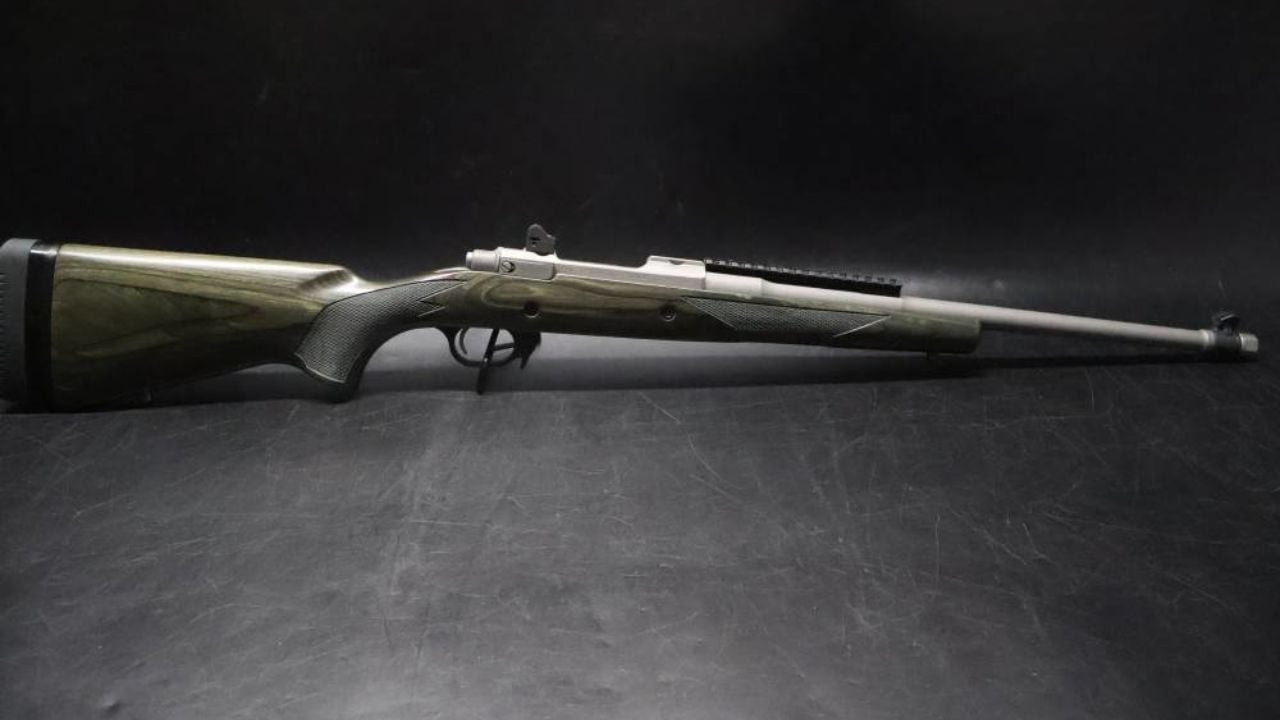
This rifle gets argued about more than it gets hunted with, which is a shame. The Gunsite Scout is handy. The short barrel moves through brush well, it carries comfortably slung tight to the body, and it’s set up for rugged use with iron sights and a simple magazine system.
It’s not a long-range hammer, and the forward optic setup isn’t everyone’s favorite. Still, for the hunter who wants one .308 that can do camp chores, predator duty, and deer season without changing personalities, it’s hard not to respect. Good magazines are easy to find, the rifle is dependable, and it won’t punish you for actually using it.
16. Remington Model 760/7600 (pump rifle)

Pump rifles look odd until you hunt thick cover with one. Then it clicks. A 760 or 7600 carries like a shotgun, points fast, and gives you quick follow-up shots without coming off the target much. In places where deer jump up close and vanish fast, that speed is real.
The downside is they’re not as common on shelves anymore, and some have been ridden hard. Check lockup, make sure it feeds correctly, and pay attention to how the action bars feel. But a good one in .30-06 or .308 is a serious whitetail tool. I’ve seen more than one guy go right back to a pump after a modern bolt gun felt too slow in the brush.
17. Kimber 84M (Classic and Montana variants)
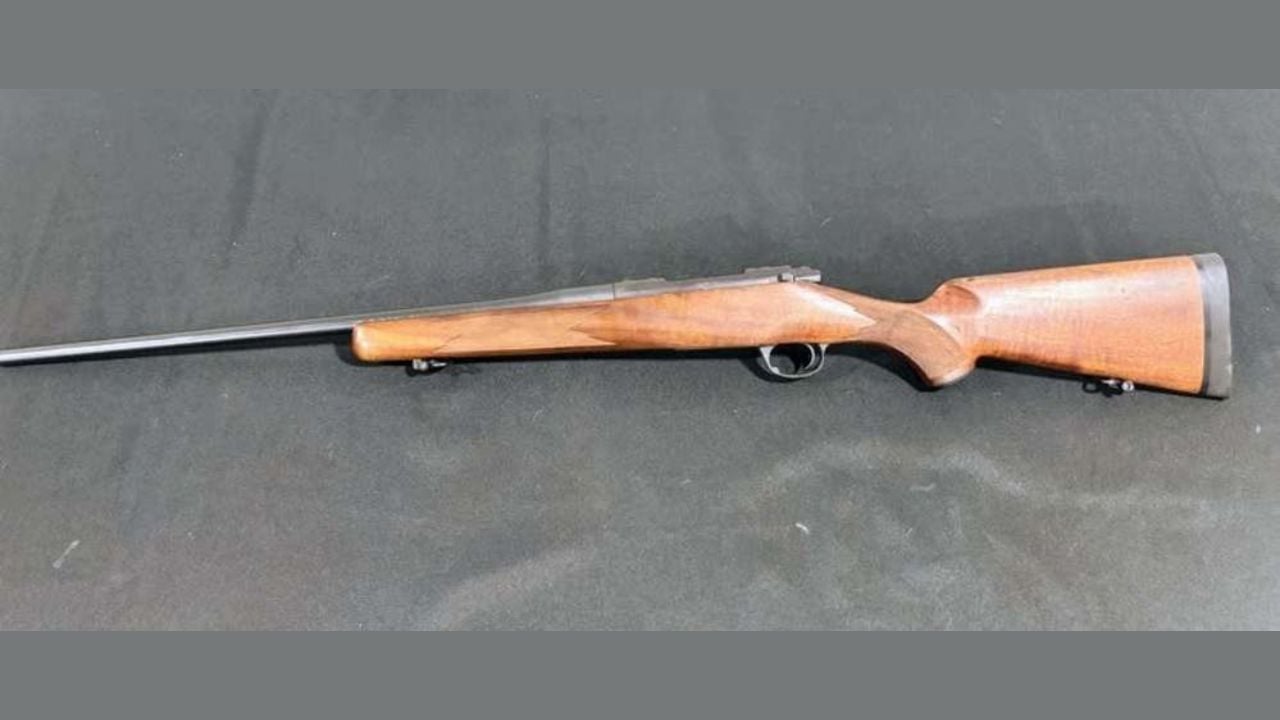
When you start counting ounces because you’re climbing all day, rifles like the 84M make sense. They’re trim, they carry like a walking stick, and they don’t snag on everything. In cartridges like .308 or 7mm-08, they’re a sweet spot of power and portability for the kind of hunting that’s more hiking than sitting.
Light rifles can be picky about how you shoot them off a bench, and recoil feels sharper than a heavier gun in the same caliber. That’s normal. In the field, though, the quick handling and easy carry can be the difference between enjoying a hunt and suffering through it. If you’ve ever hit mile three and started hating your rifle, you already understand the appeal.
18. Husqvarna Model 1640
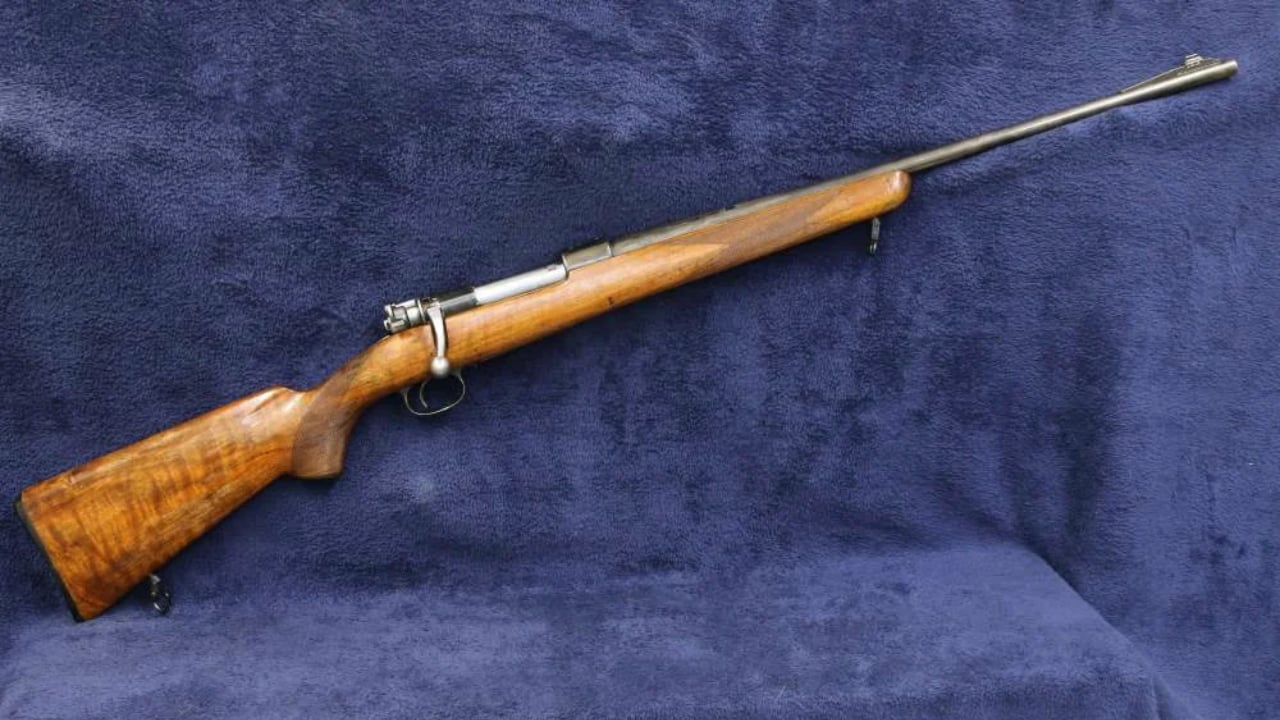
This is one of those sleepers that makes you grin when you find a clean one. The 1640 actions are smooth, the rifles are generally light and well-balanced, and they have an old-world hunting feel without being delicate. They’re the kind of rifle you carry all day and don’t think about until it’s time to shoot.
They show up in classic cartridges, and that’s part of the charm. You’re not trying to reinvent ballistics—you’re trying to put a bullet through ribs at reasonable distance. The only real caution is parts and gunsmith familiarity, depending on where you live. But if you find one that’s been cared for, it’ll hunt just as hard as anything new and do it with more personality.
19. Lee-Enfield No. 4 Mk I (well-sorted sporters included)
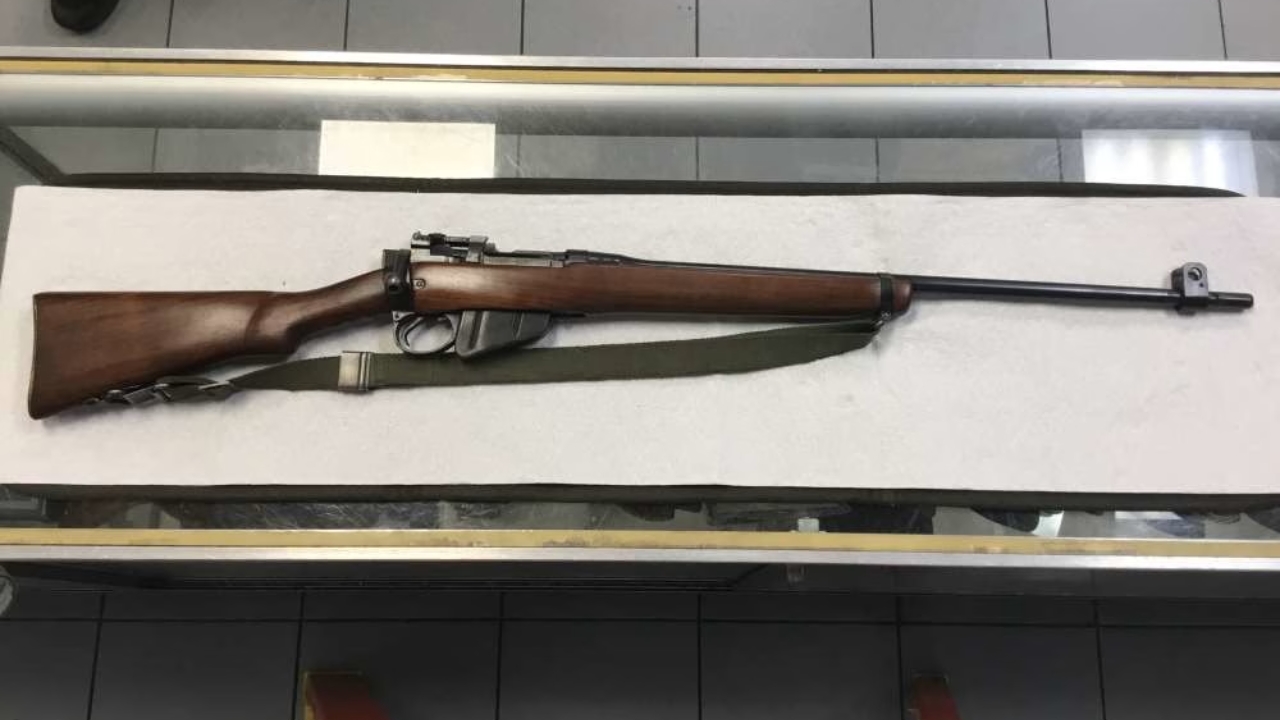
I know, I know—military surplus isn’t everyone’s idea of a hunting rifle. But a good No. 4 action is fast, and the rifle is tough as fence posts. In .303 British with proper soft points, it has been taking game for a long time, and it still does the job when the shooter does theirs.
Original rifles can be heavy, and some of the old sporter jobs are ugly. I get why people turn their noses up. But a well-done sporter with a decent trigger and a solid scope mount can be a dependable hunting rifle that shrugs off weather and hard use. If you run the bolt a few times, you’ll understand why Enfield fans won’t shut up about them.
20. Ruger American Rifle (first-generation “plain” models)
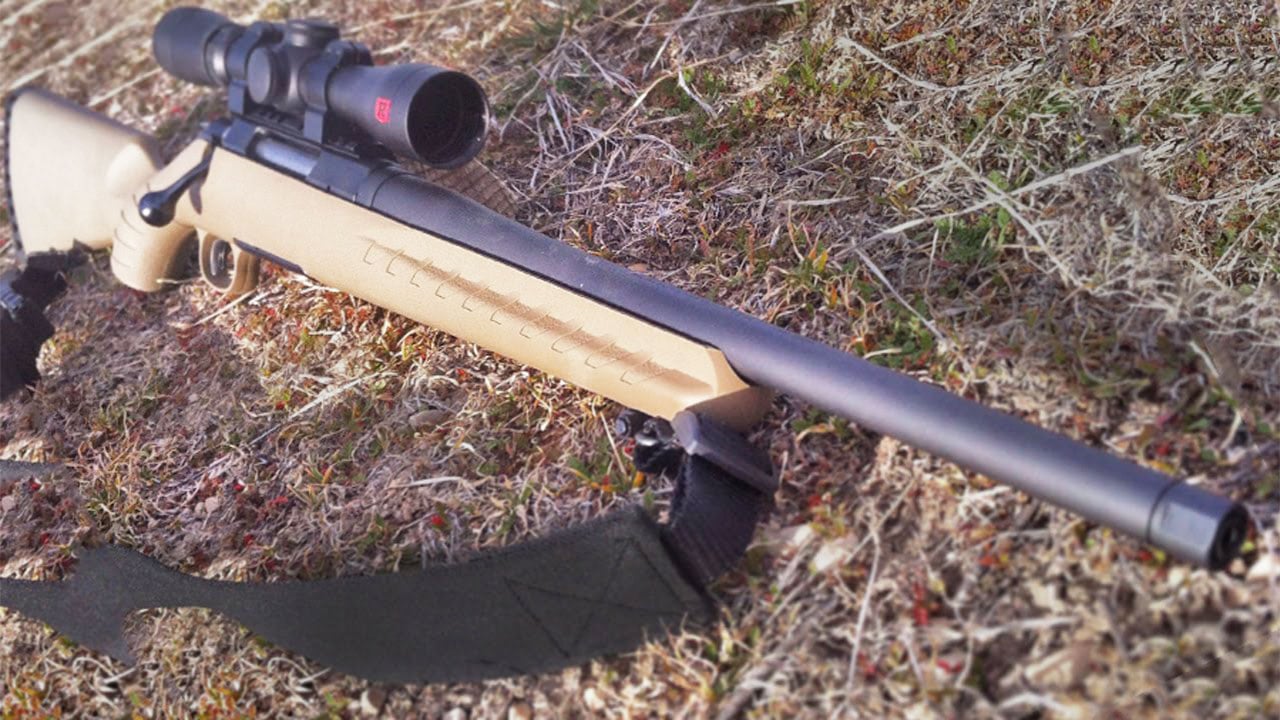
This one surprises people because it’s not old-school walnut and blue. But the early Ruger Americans—basic, no-frills, not trying to be tactical—have proven to be better field rifles than a lot of flashier new options. They’re light, they shoot, and they don’t ask for much beyond decent ammo and decent glass.
The stocks aren’t fancy and they can feel flexible, especially if you’re hard on a bipod. Still, for a rifle that gets tossed behind a seat, carried in the rain, and used by hunters who actually hunt, they hold up. The magazines and feeding are usually straightforward, and the accuracy-to-dollar ratio is tough to argue with. It’s not glamorous. It’s useful.
None of this is meant to say new rifles are junk. Plenty of them are excellent. But “new” doesn’t automatically mean “better,” and a lot of older hunting rifles were built around real field use instead of feature checklists. If you’ve got one of these proven models already, don’t be too quick to trade it off just because a new paint job and a buzzword trigger caught your eye. The deer won’t care, and your shoulder probably won’t either.
Like The Avid Outdoorsman’s content? Subscribe to our newsletter so you never miss an article.
Here’s more from us: