Photo credit: mavgar3/GunBroker
Walk into any gun shop on a Saturday and you can almost predict the traffic pattern. Half the counter is striker-fired 9mms, and the other half is folks asking which micro-compact has the best trigger “for the money.” Meanwhile, the wheelguns sit quiet in the case like they always have. That’s fine by me. Revolvers aren’t trendy, and they don’t need to be. They just keep working, keep riding in chest rigs and tackle bags, and keep doing jobs that a finicky semi-auto sometimes makes harder than it needs to be.
Here are 20 revolvers I see experienced shooters pick up on purpose—usually when the rest of the room is busy comparing polymer frames and optics cuts.
1. Ruger GP100 (4-inch .357 Magnum)
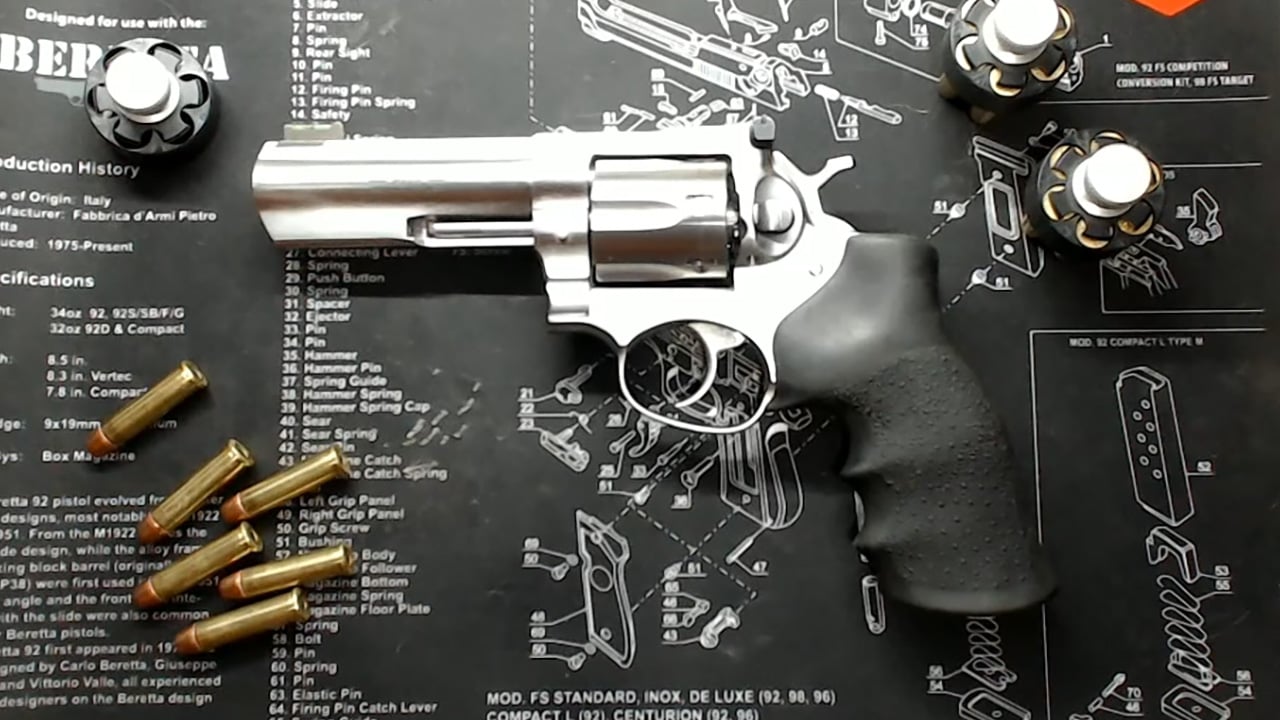
The GP100 is one of those revolvers that feels like it was built for people who actually shoot, not just collect. The lockup is solid, the weight helps with magnum loads, and the grip frame makes it easy to tune the feel with different panels. If you’ve ever run a steady diet of .357 through lighter guns, you understand why the GP100 keeps coming home with folks who know better.
It’s also a practical “do a lot” revolver. .38 Special for cheap practice, .357 for woods carry, and enough sight radius in the 4-inch to hit what you’re aiming at without squinting. It’s not light, and it’s not supposed to be. In a belt holster under a coat or in a chest rig while cutting firewood, it just makes sense.
2. Smith & Wesson Model 686 (L-Frame)
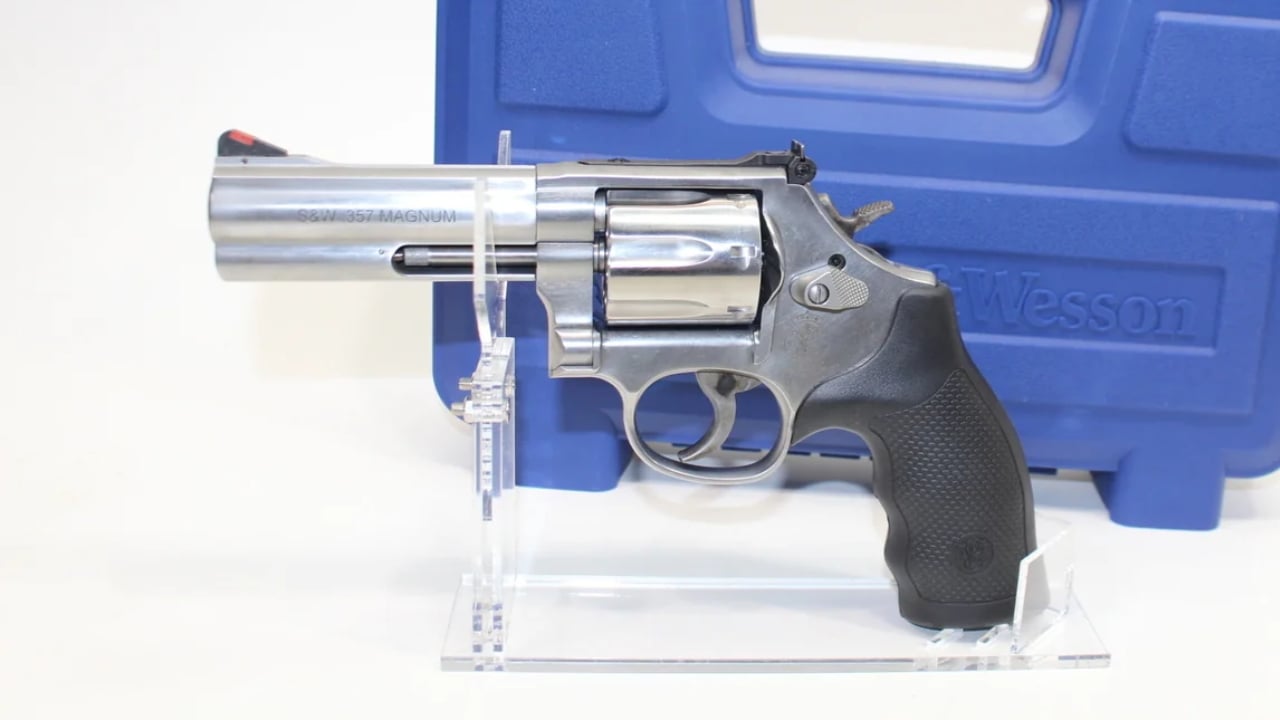
The 686 is what a lot of shooters land on after they’ve tried to make smaller revolvers do big revolver work. The L-frame size sits in a sweet spot: strong enough for full-house magnums, but still sized like a normal belt gun. The double-action pull on a good 686 is the kind of thing that makes you shoot better than you meant to.
It’s also a revolver that doesn’t fight you. Controls are where they should be, speedloaders and holsters are everywhere, and the gun points naturally for most hands. The downside is price—especially for clean examples—and the fact that some folks baby them too much. It’s a tool. If you find one that hasn’t been “improved” by backyard gunsmithing, hang onto it.
3. Ruger SP101 (3-inch .357 Magnum)
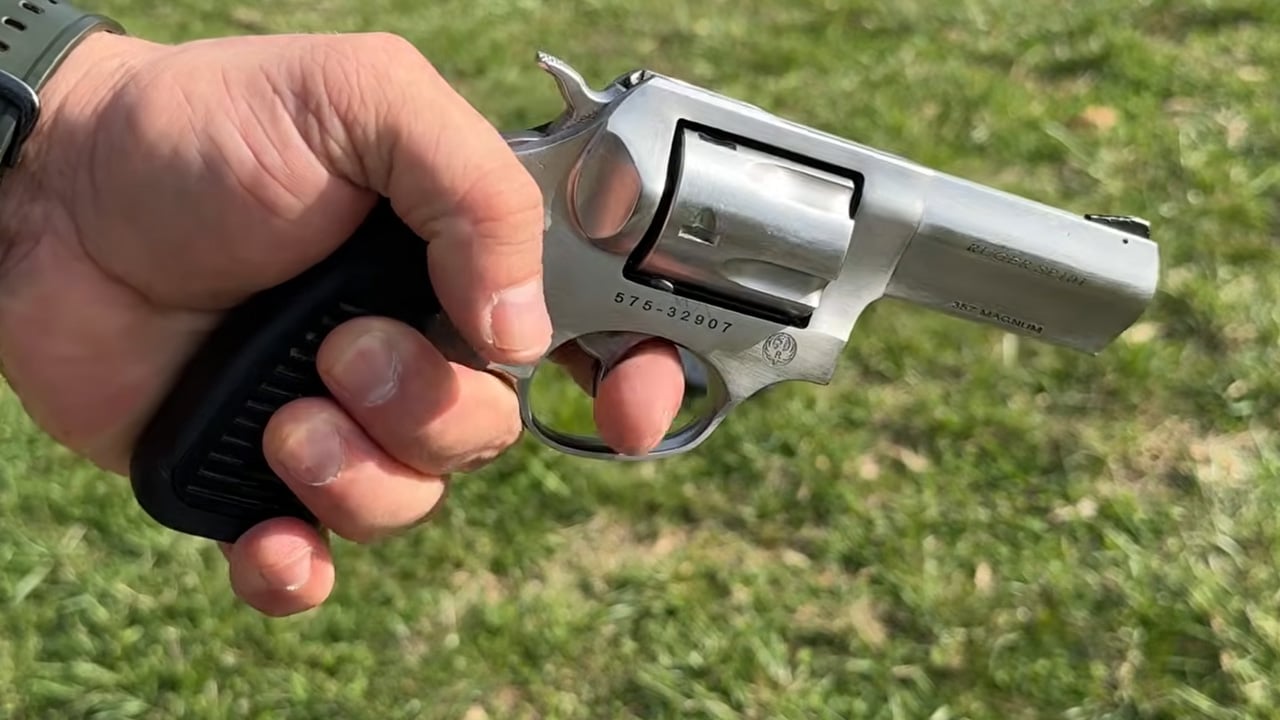
The 3-inch SP101 is a working person’s compromise: small enough to carry, heavy enough to shoot. That extra barrel length over the snub versions matters. You get a longer ejector rod for more reliable extraction and sights you can actually use past “bad breath distance.”
This is one I see in fly-fishing waist packs and in glove boxes on ranches—not because it’s fancy, but because it’s hard to kill. The trigger can be stiff out of the box, and it’s not a revolver you buy for effortless reloads. Still, for someone who wants a compact .357 that won’t feel like punishment with real loads, it’s a smart pick.
4. Smith & Wesson Model 640 (J-Frame, .357 Magnum)

A 640 is the revolver guys buy when they’re done experimenting. It’s an enclosed-hammer J-frame that draws clean and rides in a pocket without snagging. In real life, that matters more than internet arguments about capacity. It’s a “grab it and go” gun that doesn’t ask much from you.
Yes, .357 Magnum in a small steel J-frame is stout. Most owners end up practicing with .38s and carrying something they can control. That’s not a flaw; it’s honesty. The 640’s appeal is that it’s simple, durable, and low-drama. In a world where little semi-autos can be ammo picky, a 640 just keeps turning.
5. Smith & Wesson Model 442 (Airweight .38 Special)
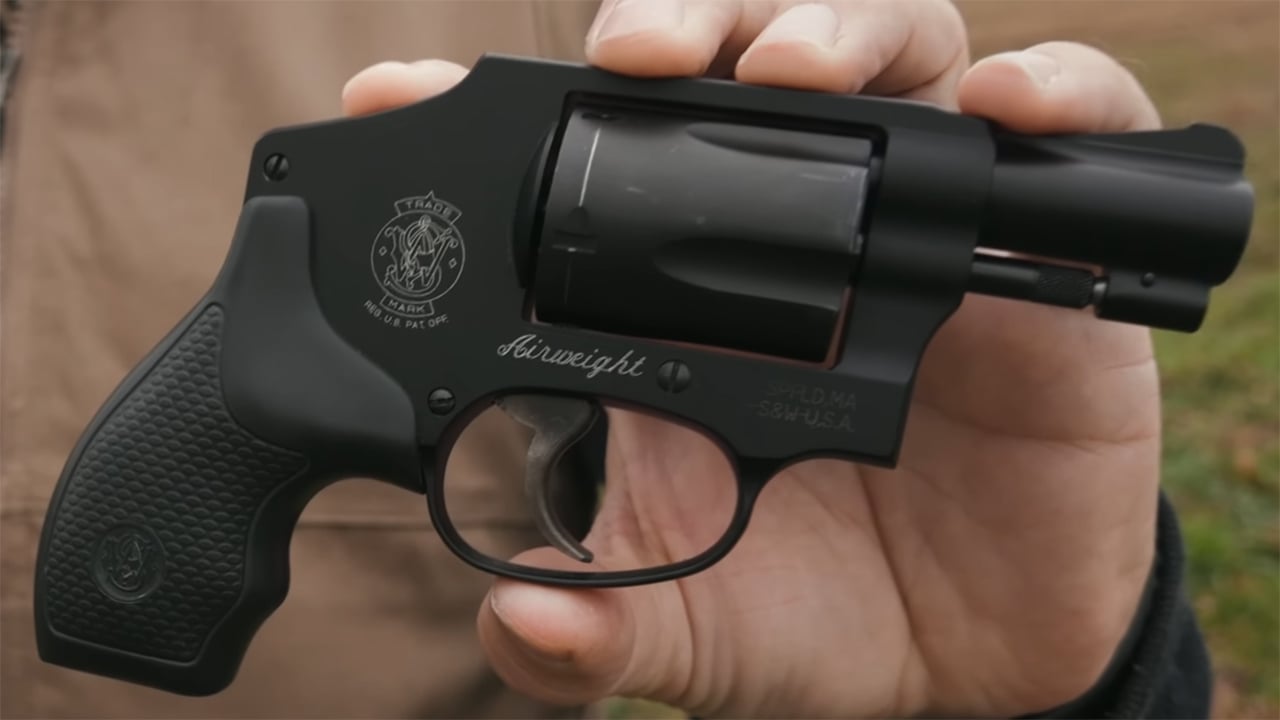
The 442 is one of the best “actually carried” revolvers ever made. Light enough that it doesn’t get left at home, simple enough that you can run it under stress, and common enough that holsters and grips are easy to find. It’s not a range toy. It’s for the days you really will carry a gun, not just talk about it.
Recoil is real with +P loads, and the sights aren’t winning any competitions. But the whole point is convenience without being fragile. For a lot of experienced shooters, the 442 is the baseline. They’ll own other guns, but this one still ends up in a pocket on quick runs to town or while checking fence lines.
6. Colt King Cobra (3-inch)
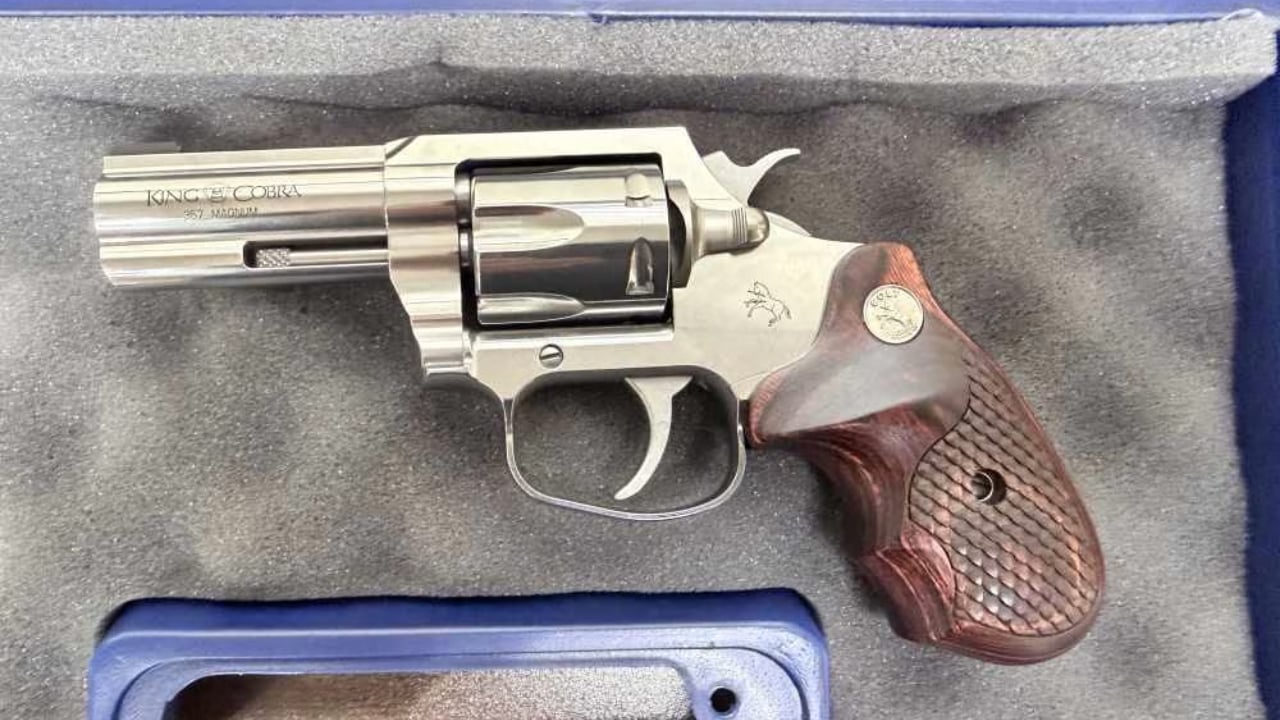
The 3-inch King Cobra is one of those modern revolvers that feels like it belongs. It’s compact, but it doesn’t feel flimsy. The trigger is typically very good, and the overall balance is about perfect for a belt carry revolver that might also see some range time.
Where it shines is “real carry with real power.” It’s not as chunky as some competitors, and it’s easier to live with day to day than a full-size .357. The only knock is that Colt pricing can sting, and you may not find one sitting around in every small-town shop. If you do, don’t expect it to last long in the case.
7. Smith & Wesson Model 19 (Combat Magnum)
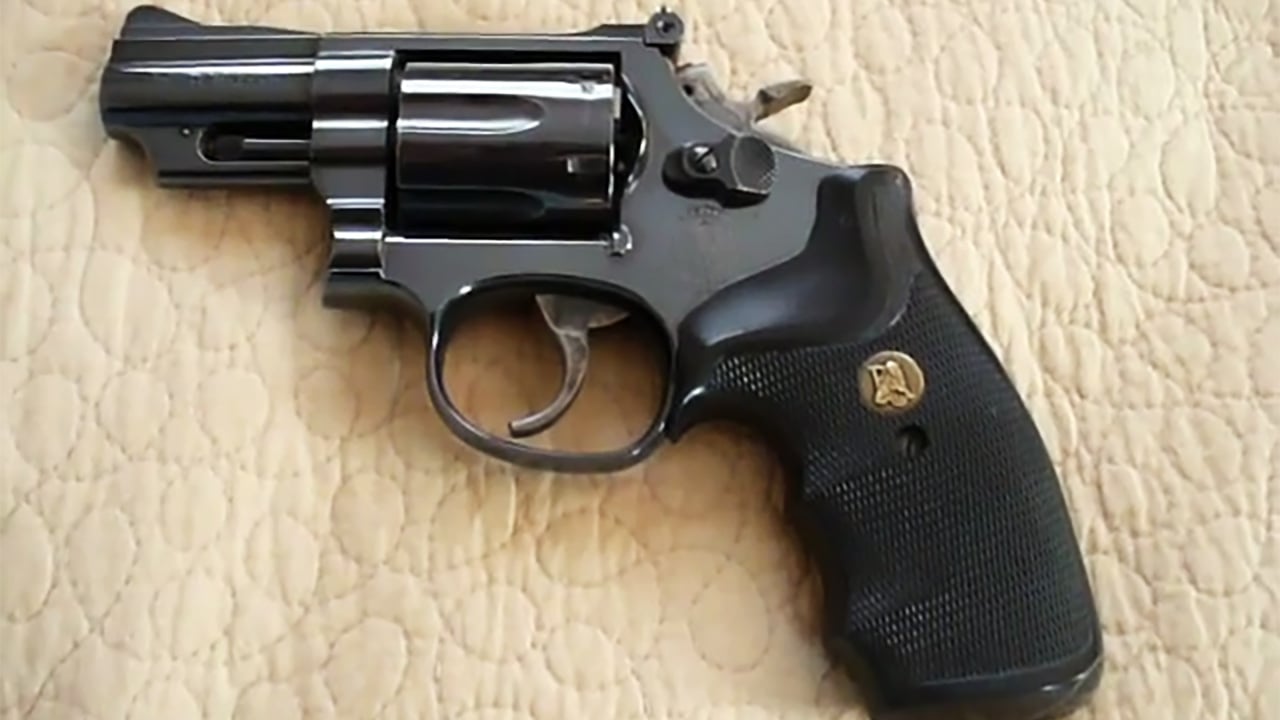
The Model 19 has been making sense for a long time. It carries well, points fast, and has that classic S&W feel that’s hard to describe until you’ve run one in double-action for a while. It’s the kind of revolver that makes you want to practice.
Here’s the part experienced shooters remember: it’s not a steady diet gun for the hottest .357 loads. Treat it like a fighting and field revolver, not a proof-test device, and it will last. With .38s and reasonable magnums, it’s a joy. A clean Model 19 is also the kind of gun you regret selling. Ask me how I know.
8. Smith & Wesson Model 10 (.38 Special)
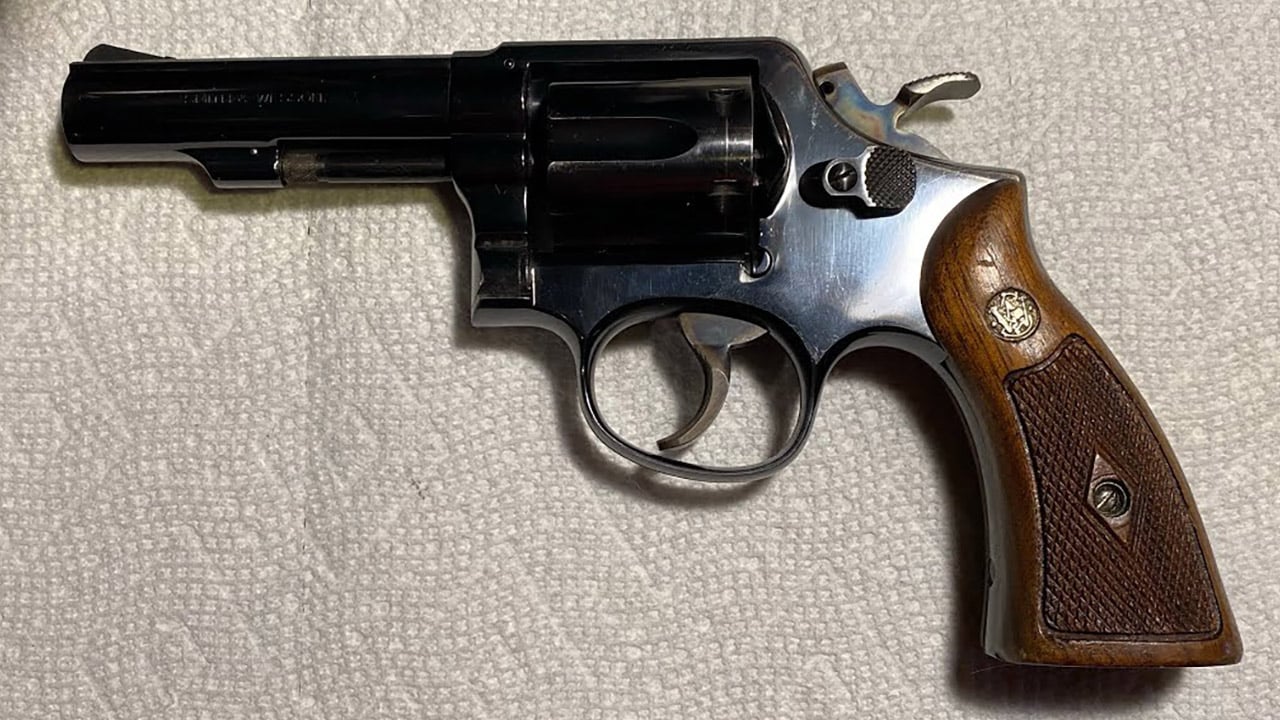
The Model 10 is boring in the best way. It’s a no-nonsense K-frame .38 that has put in decades of real work. The balance is right, the recoil is mild, and the trigger on a worn-in one can be downright smooth. For learning double-action fundamentals, it’s hard to beat.
This is also where smart buyers go when they want a revolver but don’t want to chase magnum ammo prices. A Model 10 with good timing and a decent bore will shoot all day without drama. It’s not flashy, but it’s the revolver equivalent of a good old pump shotgun—always useful, never impressive on Instagram.
9. Ruger LCR (.38 Special +P)
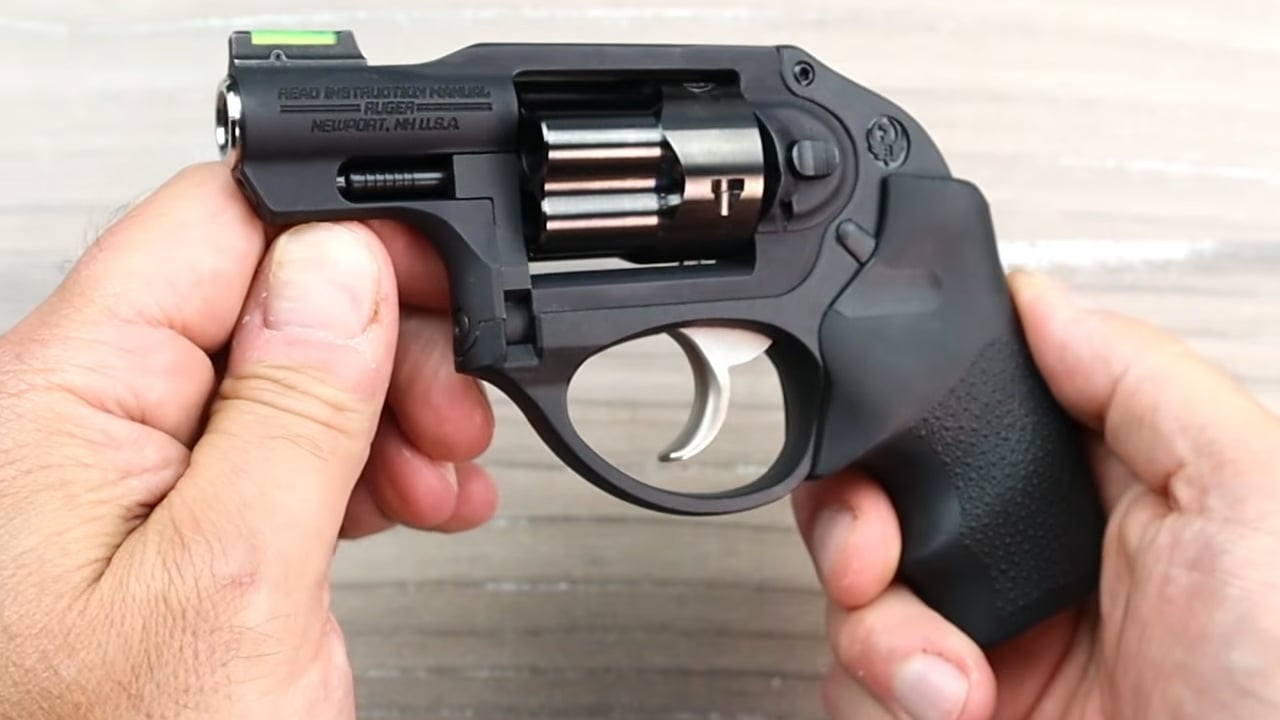
The LCR doesn’t get love from traditionalists because it looks like a cordless drill married a revolver. Still, it earns its keep. It’s light, it carries easy, and the trigger design tends to be smoother than you’d expect in a small defensive wheelgun. When someone says they want a pocket revolver they’ll actually carry, this is usually what I hand them to try.
It’s not the most pleasant gun to shoot for long sessions, and the light weight makes recoil noticeable. That’s the tradeoff. The reason experienced shooters buy it anyway is simple: it’s reliable, simple, and it disappears. For quick errands, dog walks, or a last-ditch backup, the LCR fits real life.
10. Ruger LCRx (3-inch)
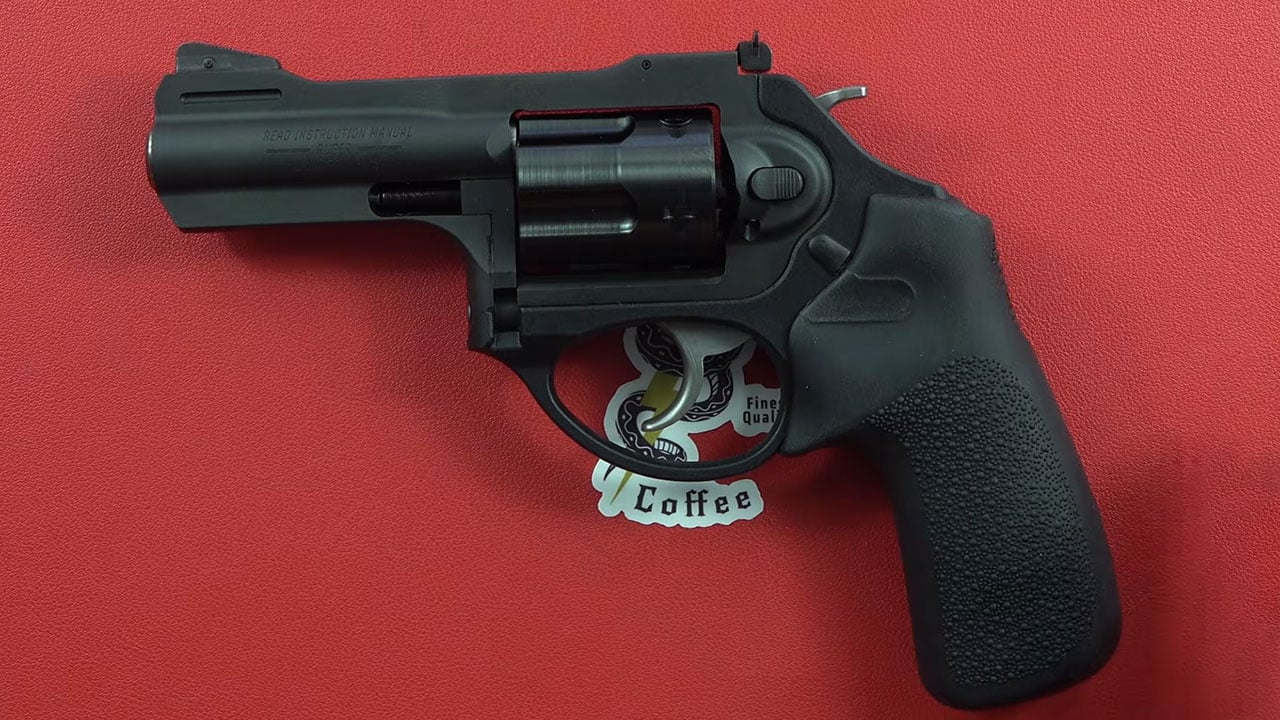
The 3-inch LCRx is the LCR concept done in a way that makes more sense for outdoors carry. You get a longer barrel, better sight radius, and more velocity without giving up the light carry advantage. The exposed hammer also gives you the option of single-action for careful shots.
This is a handy trapline and fishing revolver. It’s light enough to ride high on the belt or in a chest rig, but it’s controllable enough that you’ll actually practice with it. The gun won’t feel as “solid” as an all-steel revolver, and that bothers some folks. In the field, what matters is that it goes bang and carries comfortably for hours.
11. Taurus 856 Defender (3-inch)
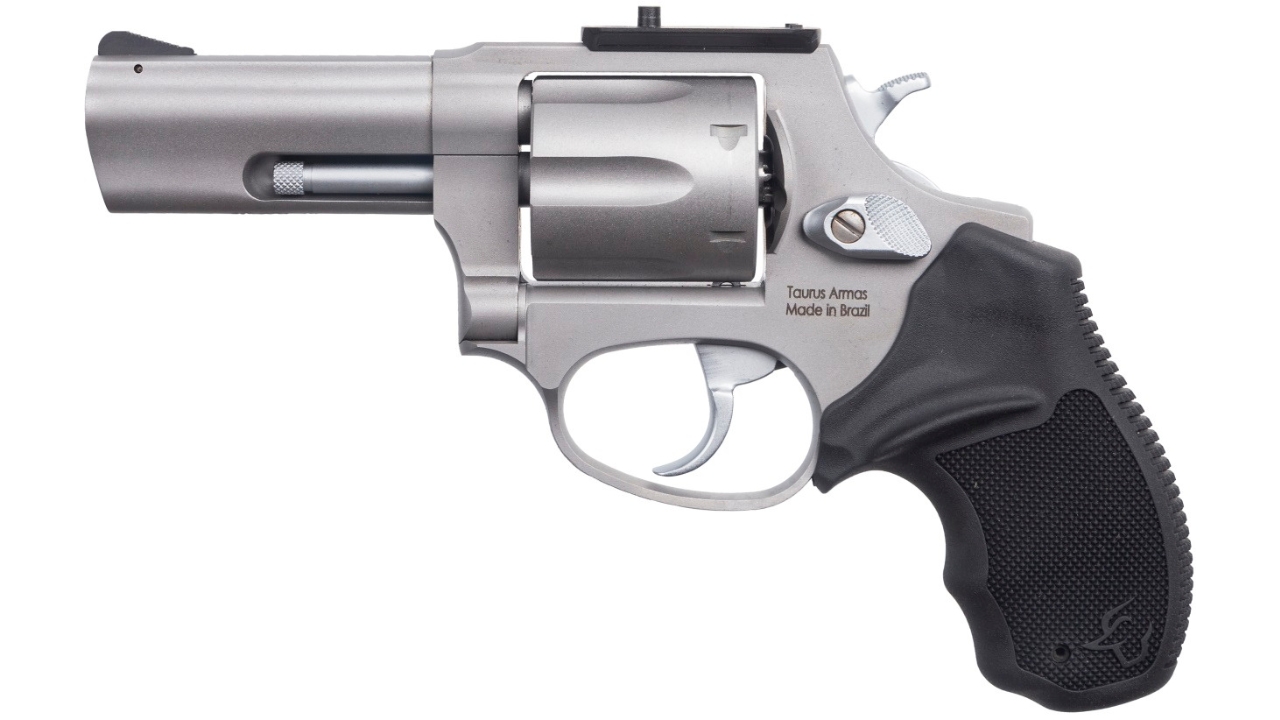
I get why Taurus gets side-eye, and I’m not here to pretend every one of them is perfect. But the 856 Defender is one I keep seeing show up with shooters who want a practical revolver without paying premium prices. Six shots in a compact frame is useful, and the 3-inch barrel helps with shootability and extraction.
The reason experienced folks buy this one is usually simple math: they want a beater revolver for a tackle box, ATV, or truck, and they don’t want to cry if it gets scratched. You still need to check timing, cylinder lockup, and general fit like you would with any revolver. If you get a good one, it can be a lot of gun for the money.
12. Charter Arms Undercover (2-inch .38 Special)
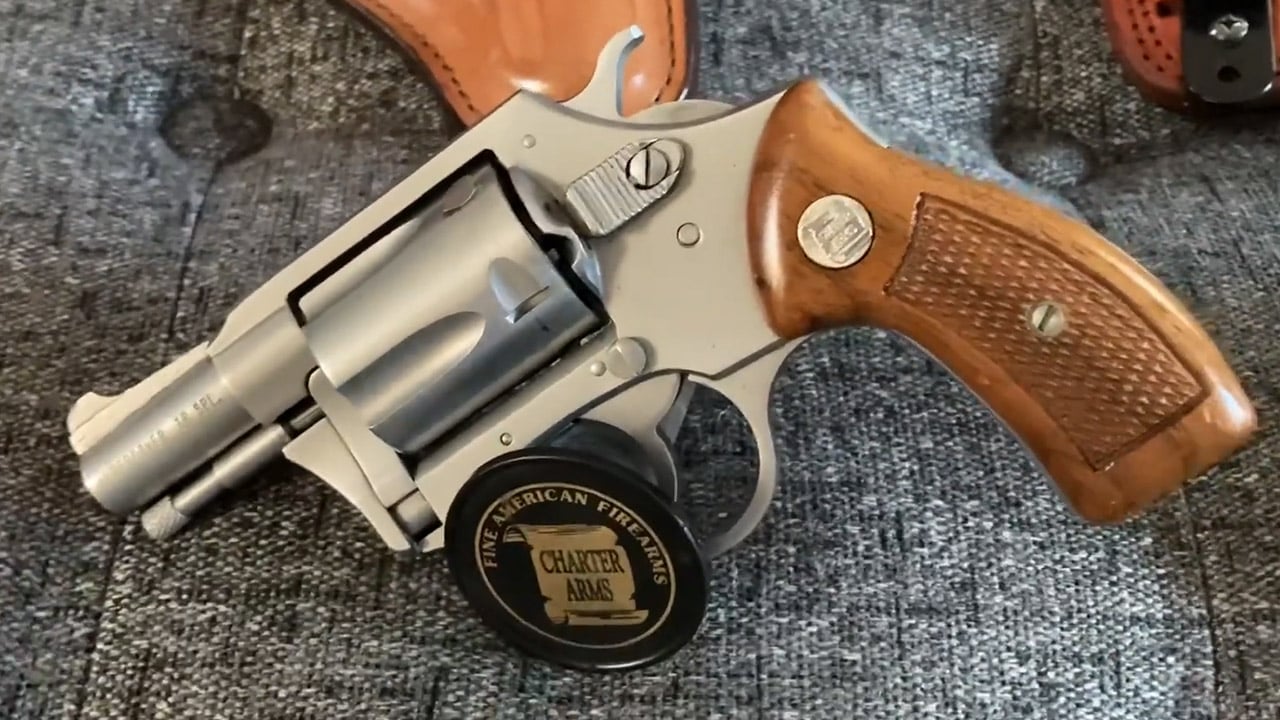
Charter Arms revolvers don’t have the polished reputation of the big names, but the Undercover fills a real niche: a basic, affordable snub that’s lighter than steel and simpler than most small semi-autos. These are the revolvers I see as “stash guns” in a legal, responsible sense—kept secured where a quick-grab defensive option makes sense.
Don’t buy one expecting target sights and showpiece bluing. Buy it because it’s straightforward. They can be a little rough around the edges, and triggers vary. Still, if you want a revolver you can keep clean, load with sensible ammo, and rely on without magazine drama, the Undercover does the job.
13. Ruger Blackhawk (.357 Magnum or .45 Colt)
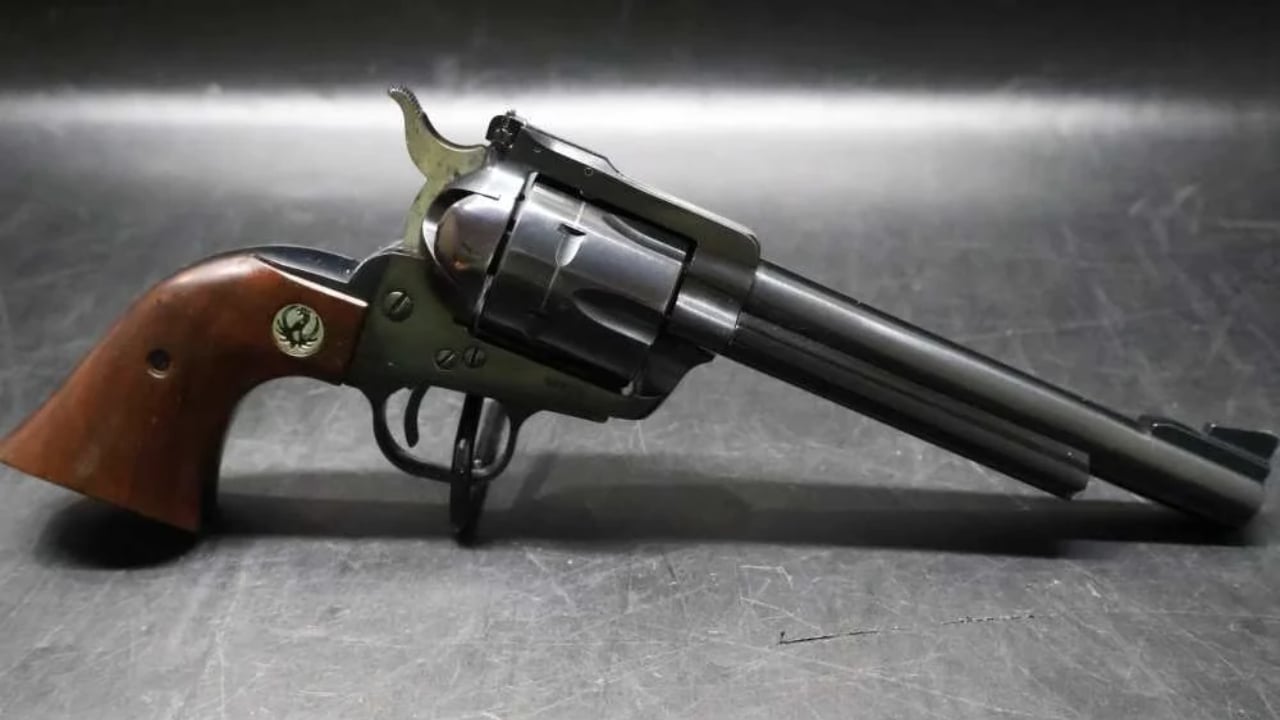
A single-action revolver isn’t for everybody, but the Blackhawk keeps getting bought by shooters who appreciate sturdy and simple. It’s strong, accurate, and it’ll digest loads that would make lighter guns complain. For folks who spend time on property, in the woods, or around varmints, a Blackhawk on the belt can be a steady companion.
It’s also one of the best “slow down and shoot well” handguns out there. The manual of arms is different, and you need to respect safe handling and loading procedures with any single-action. But as a field sidearm, it’s hard to argue with. There’s nothing fancy about it, and that is kind of the point.
14. Ruger Super Blackhawk (.44 Magnum)
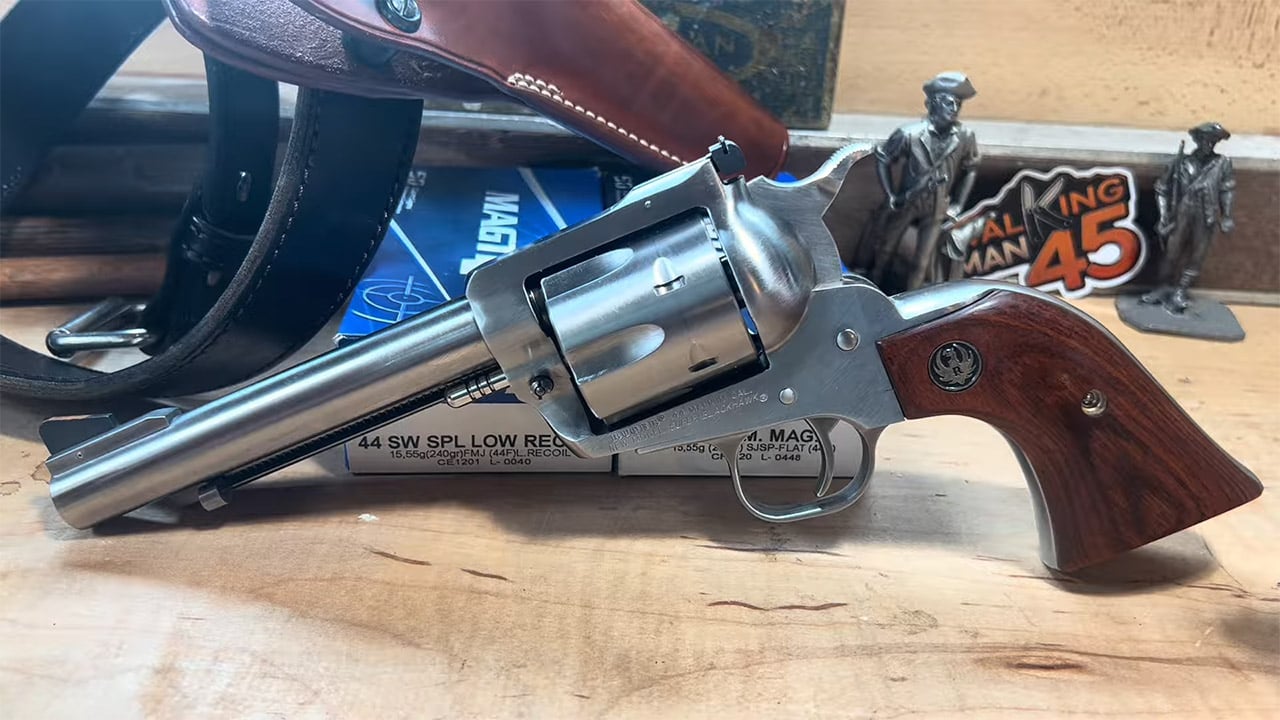
The Super Blackhawk is for the shooter who’s accepted that recoil is part of the deal and wants a revolver built to handle it. In hunting camps, this is the one that comes out when someone wants to stretch a handgun’s legs on hogs or as serious bear-country insurance. It’s not light, and it’s not subtle.
What experienced shooters like is the strength and consistency. With the right loads, it’s accurate enough to make you think hard about what “handgun hunting” really means. The tradeoff is that .44 Magnum practice isn’t cheap, and it can teach flinches if you’re careless. Still, if you want a hard-use magnum revolver that won’t loosen up quickly, this one has a track record.
15. Smith & Wesson Model 629 (.44 Magnum)
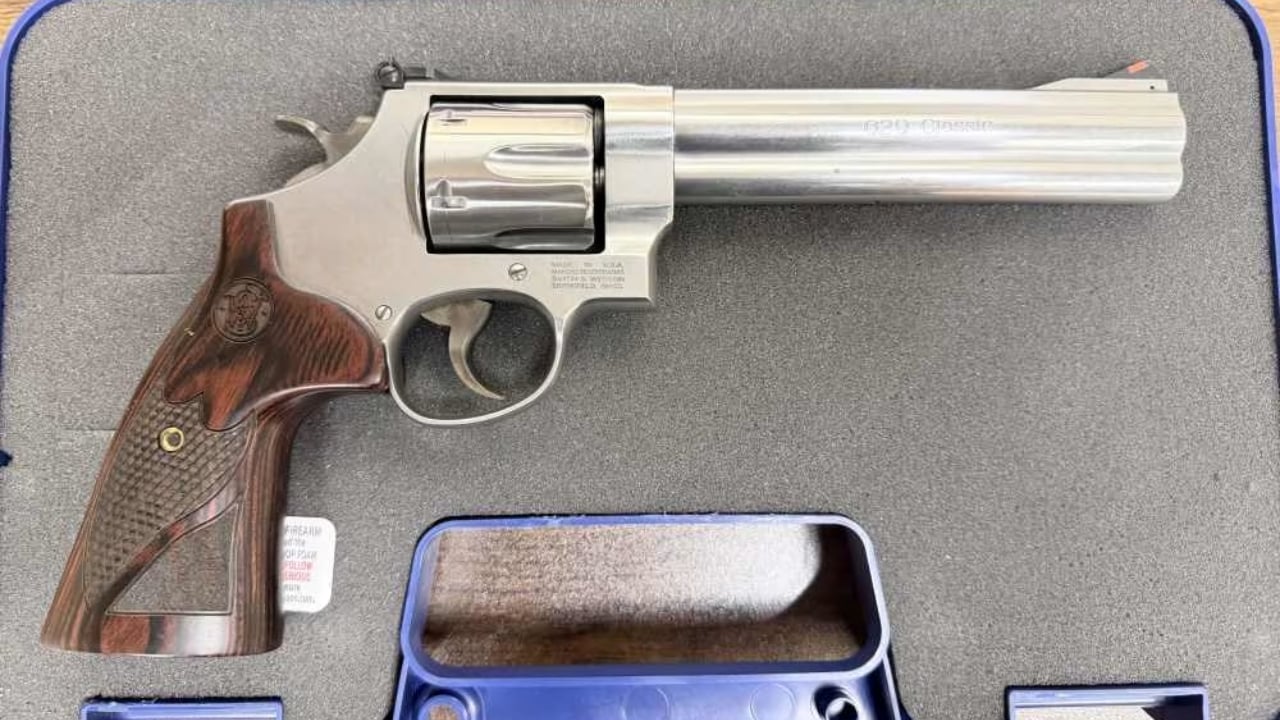
The 629 is the stainless .44 that a lot of folks end up with after trying to make do with something smaller in big country. It carries differently than a single-action, reloads faster, and has that familiar S&W double-action feel. In a chest holster, it’s a solid companion when you’re packing meat or checking trail cams in rough areas.
It’s not a beginner gun, and it’s not cheap to feed. But it’s a revolver you can tailor to your reality. Many owners run .44 Special for practice and keep stout loads for the woods. The 629 also tends to hold up well if you don’t abuse it. For a serious outdoors revolver that still has everyday ergonomics, it’s a classic for a reason.
16. Smith & Wesson Model 25 (.45 Colt / .45 ACP variants)
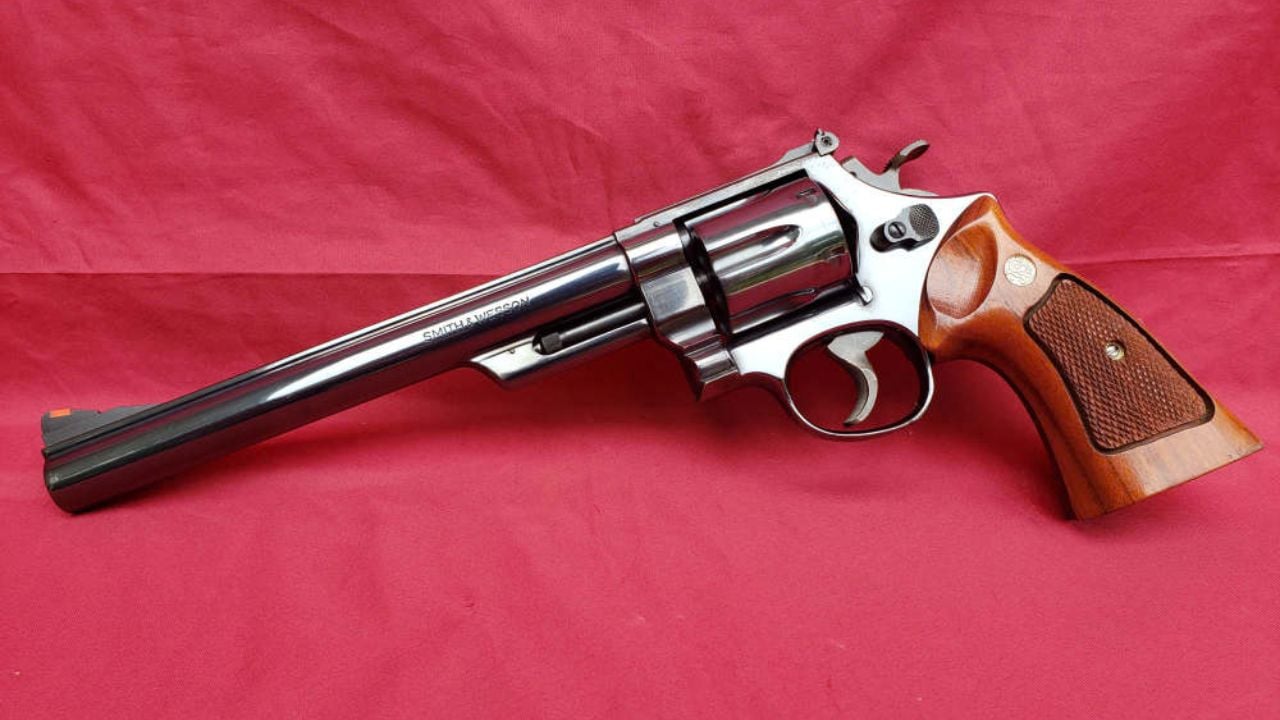
The Model 25 is one of those revolvers that experienced shooters buy because they already know what they like. Big-bore revolvers have a different feel—more push than snap—and a good N-frame makes it downright pleasant. If you’ve got land, livestock, and pests, a .45-caliber wheelgun can be a practical tool, not just a novelty.
These aren’t always “cheap finds,” but they show up used when someone’s thinning a collection. What you’re looking for is condition: timing, endshake, and a clean bore. When you get a good one, it’s a shooter. It’s also a revolver that gets attention at the range, even when the next lane is running the newest red dot pistol.
17. Ruger Redhawk (.44 Magnum / .45 Colt)
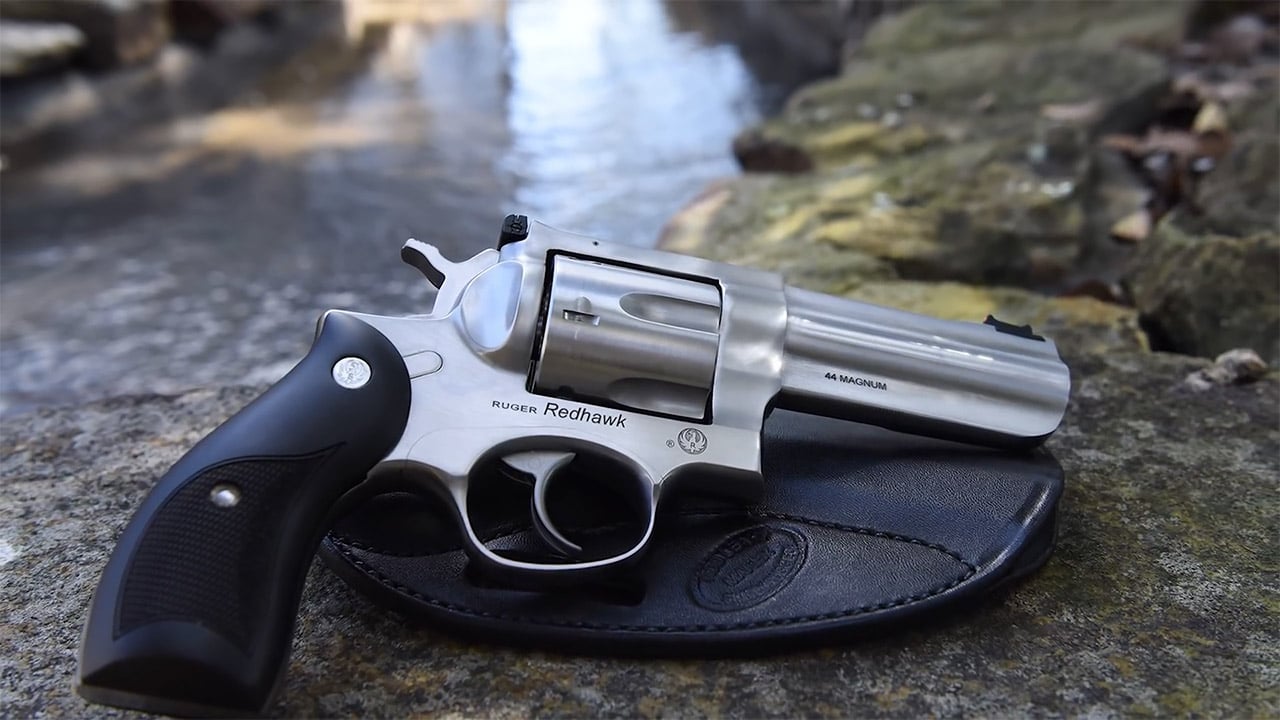
The Redhawk is the revolver you buy when you want durability more than elegance. It’s chunky, it’s overbuilt, and it’ll take hard use. In the real outdoors world—mud, sweat, rain, dust—there’s something comforting about a handgun that doesn’t feel delicate.
The double-action trigger can be heavy, and the gun is not light on the belt. That’s why a lot of folks who own one also own a good chest rig. But if you want a “one revolver for serious work” and you don’t mind the weight, the Redhawk is a smart purchase. It’s a gun you can shoot for years without worrying about it getting loose.
18. Ruger Super Redhawk Alaskan (2.5-inch)
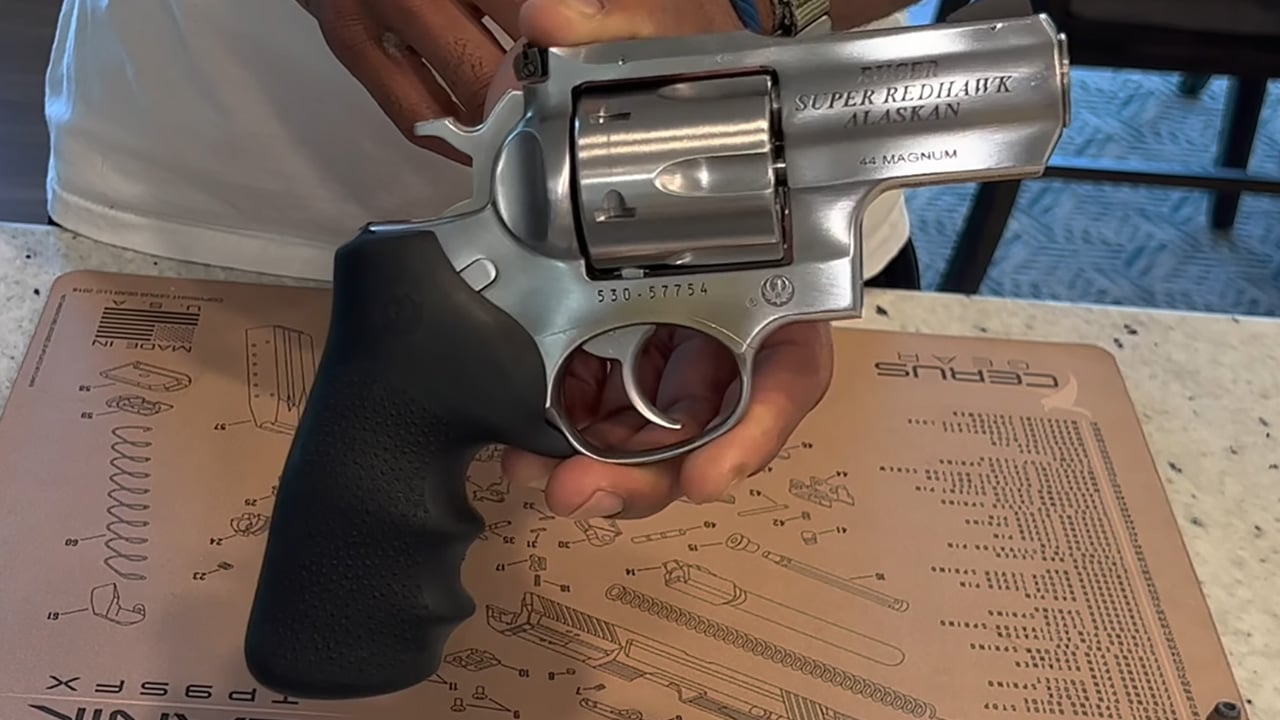
The Alaskan is not a casual buy. It’s short, stout, and built for ugly situations at close range. You don’t buy it for fun plinking. You buy it because you spend time in places where four-legged problems can happen fast, and you want a revolver that can handle powerful cartridges without becoming a maintenance project.
It’s also one of those guns that separates “cool idea” from “actual commitment.” Recoil is no joke, and most shooters won’t enjoy long practice sessions. Still, it’s a serious tool. For the handful of people who really need it, the Alaskan makes more sense than trying to force a small semi-auto to do a big revolver’s job.
19. Kimber K6s (2-inch or 3-inch)
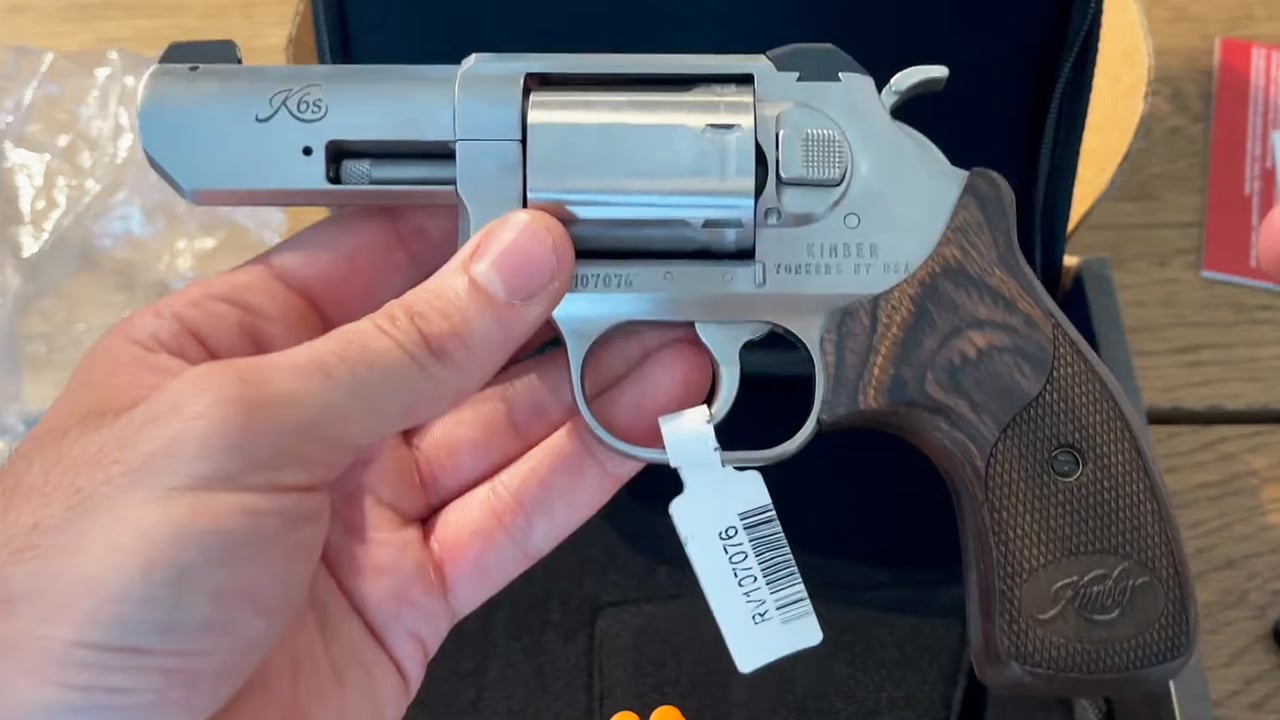
The Kimber K6s surprised a lot of revolver folks because it’s a small-frame gun that feels more refined than many expected. The big selling point is six rounds in a compact package, along with good sights and a trigger that tends to be clean. For concealed carry, those details matter.
It’s not bargain-priced, and it’s not immune to personal preference. Some shooters simply do better with a slightly larger frame. But for someone who wants a carry revolver that feels modern without being gimmicky, the K6s fits. It’s also a good reminder that revolvers didn’t stop evolving; they just stopped being the loudest thing in the room.
20. Colt Python (4.25-inch or 6-inch)
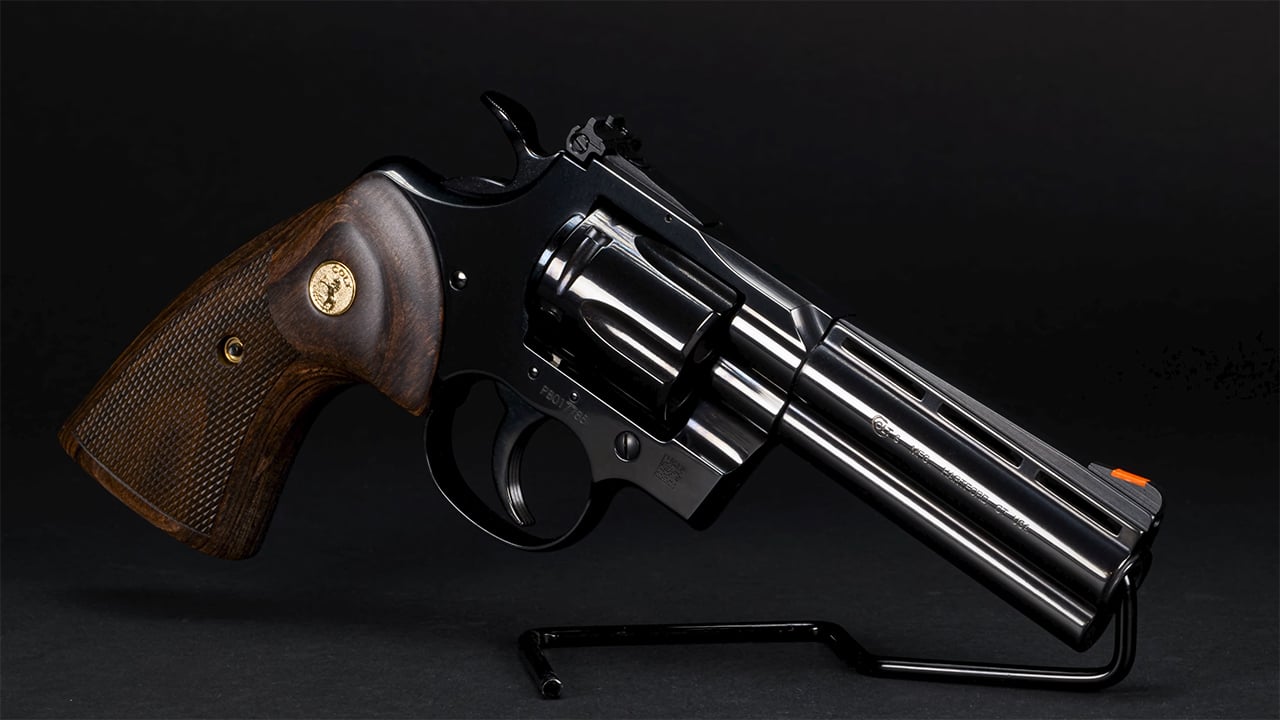
The Python gets treated like a trophy, and that’s part of the problem. It’s still a revolver, and it still wants to be shot. Experienced shooters buy Pythons for the trigger feel, the smoothness, and the way the gun tracks under recoil. When you run one side by side with other .357s, you usually understand the appeal fast.
The downside is obvious: price and the temptation to make it a safe queen. I get it. Still, a Python is one of those guns that makes range days memorable, and it can be a serious field revolver in the right holster. If you’re the kind of shooter who appreciates craftsmanship but also values performance, this one checks both boxes—assuming you can stomach what they cost now.
Revolvers aren’t magic, and they aren’t the answer to every problem. They’re heavier than a lot of 9mms, they carry fewer rounds, and they demand decent technique if you want to run them well. But they also bring a kind of reliability and simplicity that plays nicely with real life outdoors. When the shelves are picked clean of the “hot” polymer pistol of the month, the smart buys are often still sitting there with a cylinder and a set of fixed sights, waiting on somebody who knows what they’re looking at.
Like The Avid Outdoorsman’s content? Subscribe to our newsletter so you never miss an article.
Here’s more from us: