Photo credit: LifeSizePotato/YouTube
Some guns have a way of making owners defend them harder than they shoot them. Every malfunction gets blamed on the magazine, the ammo, the break-in period, the shooter’s grip, the lube, the weather, or some tiny part that “just needs tuning.”
Sometimes that is fair. Guns are machines, and outside factors matter. But when the excuses keep stacking up, eventually you have to admit the gun itself might be the problem.
Kimber Solo

The Kimber Solo is one of those pistols that made owners become detectives. If it choked, people blamed the ammo first. Then the grip. Then the break-in. Then the magazine. Then the recoil spring. Before long, the gun needed a perfect set of conditions just to act normal.
That is a rough place for a small carry pistol to live. The Solo looked sharp and felt premium enough to make people want to defend it, but too many examples were picky. A defensive gun should not make you build a spreadsheet of acceptable loads before you trust it.
Remington R51

The Remington R51 had enough interesting design history behind it that people wanted it to work. When early guns had problems, some owners blamed production teething issues, bad ammo, poor cleaning, or shooters who did not understand the pistol.
At some point, though, the pattern became hard to ignore. The modern R51 never built the kind of confidence a carry pistol needs. If a handgun keeps making people explain away failures instead of simply running, the problem is not just perception. It is the gun asking for more patience than it deserves.
Springfield Armory XD-S

The XD-S gets defended because plenty of them do work, and Springfield has a loyal crowd. But when owners struggle with the small grip, snappy recoil, grip safety, or inconsistent comfort during practice, the blame often gets shifted to the shooter.
Sometimes it is the shooter. Sometimes it is also a small pistol that is not especially forgiving. The XD-S made sense in the single-stack era, but newer carry guns have made its compromises harder to ignore. If a pistol only feels good when everything is perfect, that is worth admitting.
SIG Sauer Mosquito

The SIG Mosquito caused a lot of owners to blame ammunition before anything else. With .22 LR, ammo matters, so that excuse had some truth behind it. The trouble is that the Mosquito seemed to need the right ammo more than a fun rimfire pistol should.
A .22 handgun is supposed to make cheap practice easy. When every range trip turns into testing loads, clearing failures, and wondering whether the pistol is clean enough, the fun fades. The SIG name made people want to defend it, but the gun itself did not earn enough trust.
Kahr PM9

The Kahr PM9 is small, slim, and well-liked by some serious carriers, so people are quick to defend it. If it gives trouble, the break-in period usually gets mentioned right away. Then limp-wristing. Then ammo. Then magazine seating.
There is truth in some of that, but it still means the pistol asks for more patience than many buyers expect. A small 9mm can be demanding, and the PM9 is not a beginner-friendly gun. If it takes a long time before an owner feels fully confident, that confidence may have been too expensive.
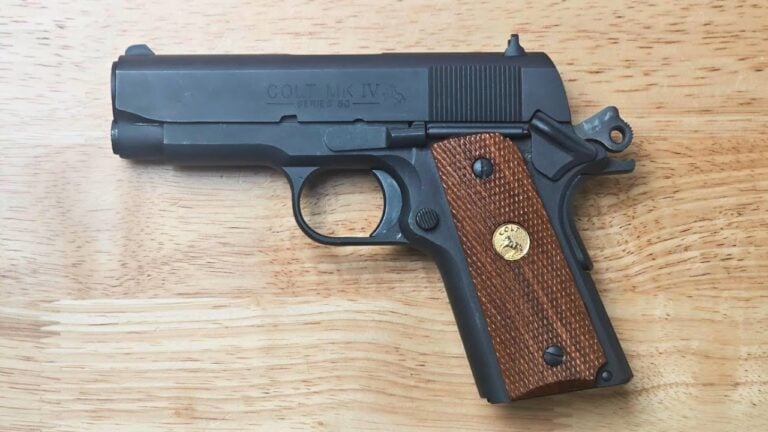
Colt Mustang

The Colt Mustang has enough charm that people forgive a lot. It is small, light, and has that miniature single-action feel that makes it more interesting than many pocket pistols. When things go wrong, owners often blame old magazines, weak springs, or bad maintenance.
Those things matter, especially on older pocket autos. But the Mustang is also a tiny .380 with small controls, limited capacity, and less tolerance for neglect than many modern carry guns. It is easy to love as a neat little pistol. It is harder to defend as a gun that should be trusted without caveats.
AMT Backup

The AMT Backup has the kind of stainless toughness that makes people assume it should be better than it is. When one runs poorly, the excuses usually start with ammo, polishing, springs, magazines, or the idea that “these little guns just need work.”
That is the issue. A small defensive pistol should not feel like a project before it earns basic confidence. The Backup filled a role when small carry options were limited, but heavy triggers, sharp recoil, and mixed reliability made it easy for owners to blame everything around the gun before admitting the design aged poorly.
Walther CCP

The Walther CCP feels good enough in the hand that owners want to believe in it. The grip is comfortable, the recoil system sounds smart, and the pistol points naturally. When problems show up, people often blame cleaning, heat, ammo, or misunderstanding the gas system.
But a carry pistol does not get extra credit for being complicated. If heat buildup, takedown complaints, or reliability doubts keep coming up, the comfort only carries it so far. The CCP is one of those guns that makes people defend the concept even when a simpler pistol would make life easier.
Beretta Nano

The Beretta Nano had a major brand behind it and a clean, snag-free design. That made owners more willing to explain away its problems. If it struggled, people blamed light target loads, grip pressure, break-in, or the fact that it was built as a defensive pistol first.
That may explain some issues, but it does not erase the frustration. The trigger was not loved, the grip felt odd to many shooters, and the pistol never fully won the slim-9mm fight. When newer carry guns arrived and ran better for more people, the Nano’s excuses started sounding thinner.
Para-Ordnance Warthog

The Para-Ordnance Warthog had a strong hook: a tiny double-stack .45 with 1911 DNA. That sounds impressive until you start thinking about how much timing, spring pressure, magazine geometry, and recoil control matter in a gun that small.
When they act up, owners can blame almost everything because almost everything matters. That does not make the gun easier to trust. Compact 1911-style pistols already demand attention. A short, wide .45 that depends heavily on magazines and spring condition can turn normal ownership into constant troubleshooting.
Taurus PT709 Slim

The Taurus PT709 Slim looked like a smart answer when slim 9mm carry pistols were hot. It was affordable, thin, and easy to carry. When problems came up, owners often blamed ammunition, limp-wristing, break-in, or the idea that people were just being hard on Taurus.
The reality is that the PT709 was from an era when affordable slim carry pistols still had plenty of rough edges. Trigger feel, long-term durability concerns, and mixed owner experiences made it less confidence-building over time. Better budget options eventually made the excuses harder to accept.
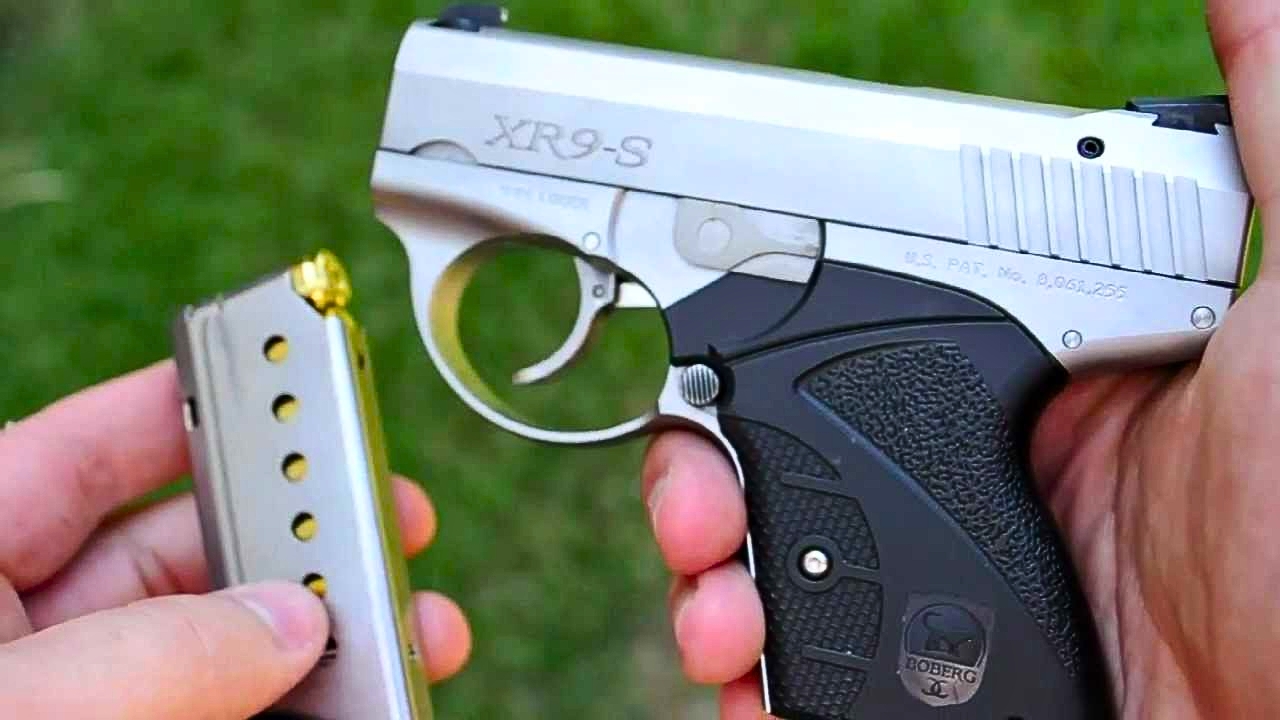
Boberg XR9-S
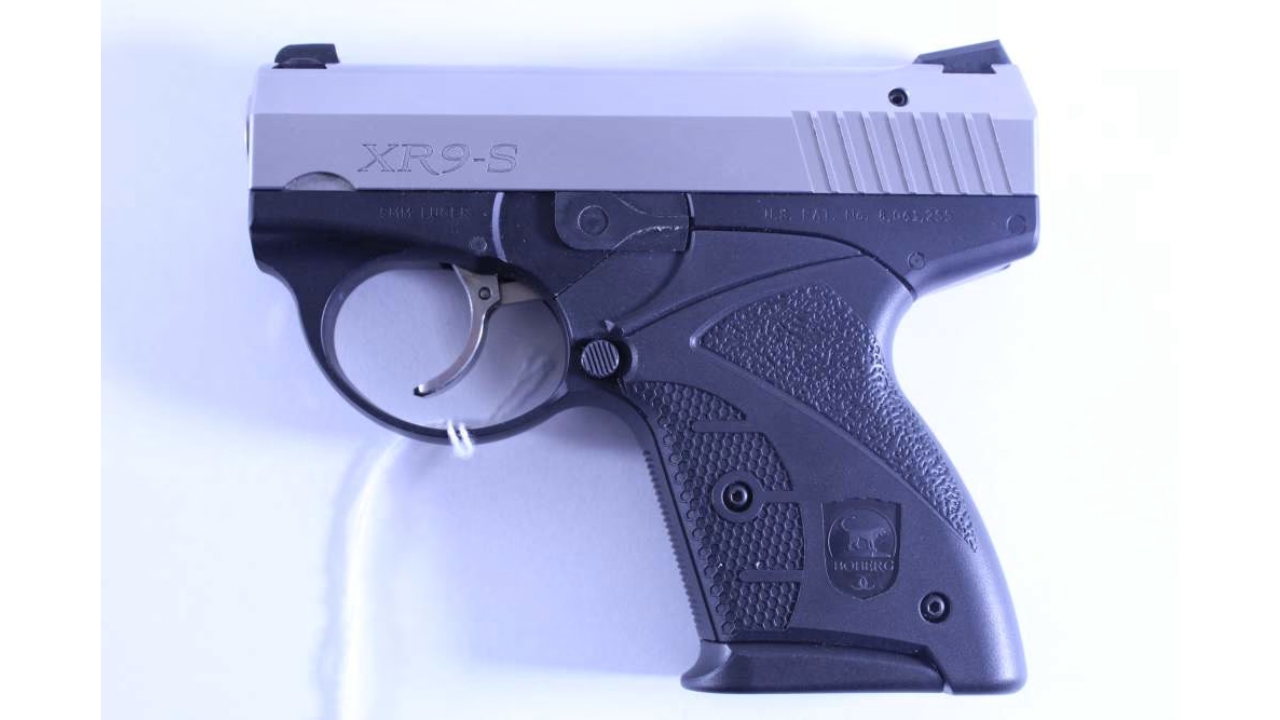
The Boberg XR9-S is mechanically interesting enough that people want to defend it. The reverse-feed system allowed a longer barrel in a small package, which was genuinely clever. When trouble showed up, the blame often landed on ammunition selection or bullets pulling under the unusual feeding process.
That is not imaginary. Ammo compatibility really mattered. But that is also the problem. A serious carry pistol should not make owners worry about whether a load can survive the gun’s own feeding cycle. The XR9-S was fascinating, but real trust usually favors boring and proven.
Desert Eagle

The Desert Eagle is famous enough that owners will blame almost anything before the gun. Weak grip, wrong ammo, dirty gas system, poor lubrication, bad magazines, and unrealistic expectations all get brought up. Some of those are completely valid.
Still, the Desert Eagle is a lot of gun with a narrow comfort zone. It is heavy, expensive to feed, and not built for casual limp handling or cheap underpowered loads. It can run well, but it makes the owner adapt to it. That is fine for a range piece. It is less fine when people pretend it is practical.
Kimber Ultra Carry II

The Kimber Ultra Carry II gets defended because compact 1911s have a loyal following and Kimber knows how to make a pistol look good. When one has feeding issues, people blame magazines, hollowpoints, extractor tension, recoil springs, break-in, or shooter grip.
The hard truth is that short 1911s are less forgiving than full-size guns. Everything happens faster, and little parts matter more. Some examples run beautifully. Others make owners chase fixes. When a carry gun needs that much explanation, the reputation may be doing more work than the pistol.
Taurus Judge
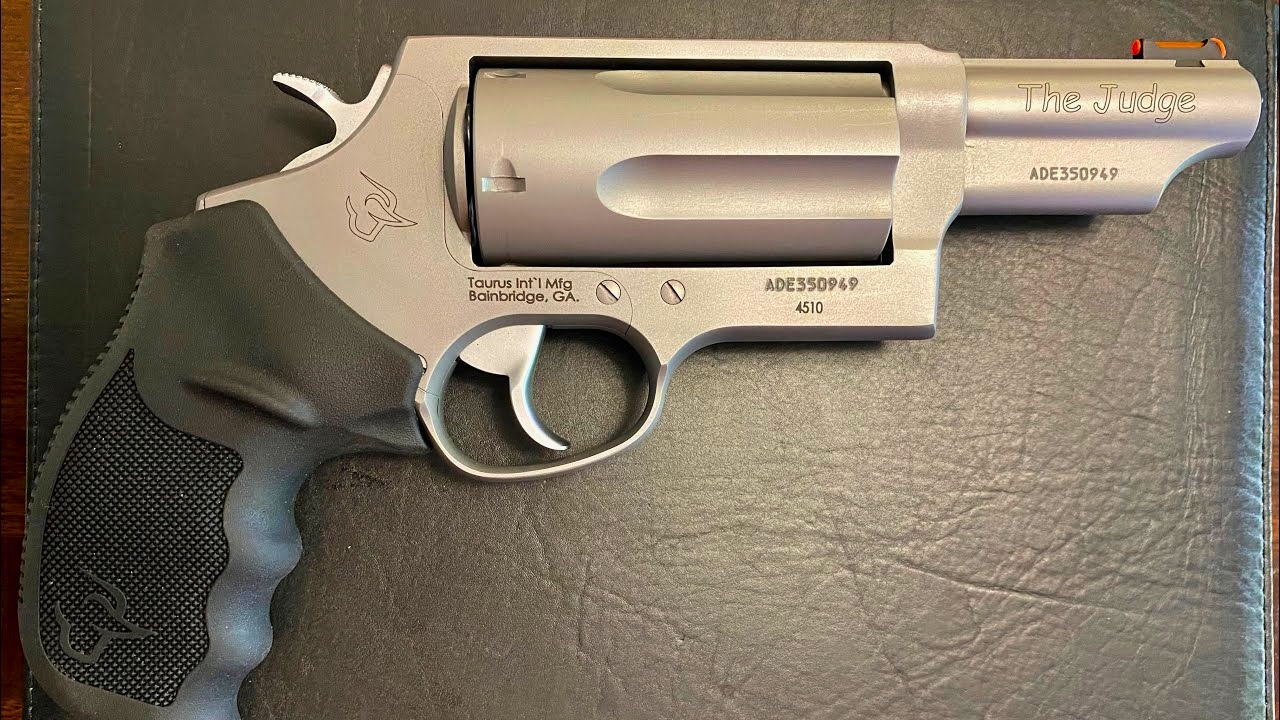
The Taurus Judge may be the king of people blaming everything except the gun. If the patterns are ugly, it is the shell choice. If accuracy is poor, it is the load. If recoil and size feel awkward, the owner gets told they are using it wrong.
The real issue is that the concept is oversold. A .45 Colt/.410 revolver sounds more versatile than it usually feels in practice. It can be fun, and it has niche uses, but it does not magically replace a proper handgun or shotgun. Sometimes the problem is not the ammo. Sometimes the idea itself is doing too much.
Like The Avid Outdoorsman’s content? Subscribe to our newsletter so you never miss an article.
Here’s more from us: