Photo credit: jackmac34/Pixabay.com
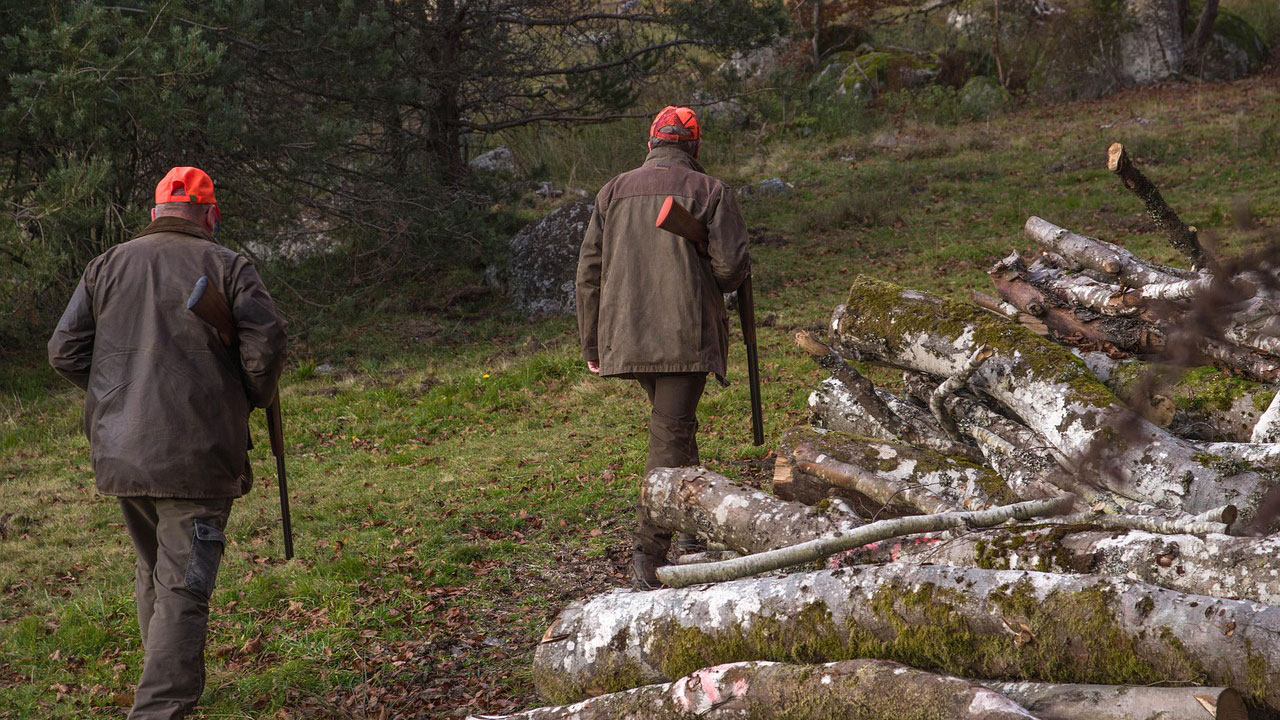
The hunters were set up before legal light, which is exactly where turkey hunters are supposed to be.
That early window is part of the whole game. You slip in while it is still dark, move quietly, find your tree, listen for birds on the roost, and try not to mess anything up before the woods wake. It is one of the best parts of turkey season, but it is also one of the times when safety matters most.
Because in that half-dark, people can make very bad decisions.
In a Reddit thread, hunters were sharing their most nerve-racking moments in the field. One story involved turkey hunters who heard pellets hit the ground near them before legal shooting light. Then they realized another hunter had fired at a bird still sitting on the roost.
That is a stomach-turning sound.
Pellets hitting near you in the dark do not leave much room for confusion. Something has gone very wrong. A shotgun has been fired somewhere close enough that shot is landing near people who should never have been in the line of fire. And because it happened before legal light, the whole thing feels even more reckless.
Turkey hunting in the dark has its own rhythm. You hear gobbles from the roost. You try to figure out where birds are sitting. You wait. You do not shoot. That waiting part matters. A turkey in a tree before legal light is not a target. It is a bird you set up on and hope to work after fly-down, once the law allows and once you can clearly identify what you are shooting at and what sits beyond it.
The other hunter apparently skipped that part.
He fired at a roosted bird, and the pellets came down near the hunters on the ground.
That is the kind of decision that makes responsible turkey hunters furious. Shooting into a tree before legal light is dangerous for more than one reason. You may not know what is beyond the bird. You may not see other hunters set up nearby. You may not know where the shot pattern will travel or fall. In the dark, you are guessing at far too much.
And guessing with a shotgun is not hunting. It is gambling with other people’s safety.
The hunters who heard the pellets had to process all of that in seconds. Before legal light, you are usually tucked against a tree, trying to stay still, listening hard. Then pellets start hitting the ground around you. For a moment, your brain has to catch up. Was that rain? Leaves? Acorns? No — shot. Someone fired.
That realization would ruin the morning instantly.
It also probably made them wonder if another shot was coming. If someone reckless enough to fire at a roosted bird before legal light had already pulled the trigger once, there is no reason to assume he is suddenly done making bad decisions. The safest move may be to make yourself known, yell, and stop the situation from getting worse, even if it blows every turkey out of the county.
Because at that point, the hunt is over anyway.
There is something especially aggravating about this kind of public-land or shared-ground mistake because the victims can do everything right and still end up in danger. They can set up legally, wait for shooting light, identify their target, and follow every rule. None of that stops another person nearby from rushing a shot in the dark because he wants a bird badly enough to ignore common sense.
That is the part that sticks with hunters.
Turkey season already requires trusting strangers not to shoot at sounds, movement, calls, fans, decoys, or shapes. When you add low light and roosted birds, the margin gets even thinner. A person sitting quietly under a tree may be almost invisible from another angle. A hunter looking up at a bird may not realize another hunter is set up beyond or below. The only safe answer is not to shoot until it is legal, visible, and absolutely clear.
The shooter in this story failed that basic test.
And the pellets hitting the ground told the other hunters exactly how close the failure came to them.
A lot of turkey hunters talk about close calls like this for years because they change how you set up. You start thinking about where other hunters might come from. You avoid certain public spots before dawn. You get more cautious with decoys. You may even call out sooner if you hear someone moving too close. Not because you are scared of the woods, but because you have learned that the woods are only as safe as the least careful person in them.
For these hunters, the sound of shot hitting nearby before legal light was all the lesson they needed.
Commenters treated the story like exactly what it was: a dangerous and completely avoidable mistake.
Several hunters said shooting a roosted turkey before legal light is reckless on multiple levels. It is not only a legal issue. It is a target-identification and backstop issue. If you cannot fully see the bird, the area behind it, and the ground around it, you have no business firing.
Others focused on how scary it would be to hear pellets landing nearby in the dark. A lot of hunters can brush off distant shots, but pellets hitting near your setup is different. That means the danger already reached your immediate area.
Some commenters said turkey hunting brings out bad decisions because people get too excited over a gobble. A bird on the roost can make hunters impatient, especially if they worry it will fly down and leave. But the whole point of turkey hunting is calling and working the bird after legal light, not blasting into a tree before the day starts.
There was also the familiar public-land warning: assume other hunters are nearby. Even if you think you are alone, you may not be. Someone could be sitting below the ridge, tucked against a tree, or set up on the same bird from another direction.
The clearest advice was simple. Wait for legal light. Identify the target. Know what is beyond it. And if the only way to get a bird is to fire into the dark at a roosted turkey, you do not deserve that bird.