Photo credit: GunBroker
Every firearm community has models that get praised to the sky, yet when you look closer, they never really lived up to the hype. Some are marketed hard, some are built on a famous name, and some arrive with lofty promises of being “the next big thing.” But the reality is, shooters vote with their wallets and their range time. Certain guns just never built the loyal following their makers hoped for. Maybe it was poor reliability, poor timing, or designs that simply didn’t offer anything meaningful. Either way, these are the firearms that hit the shelves but never hit their stride.
Colt All American 2000
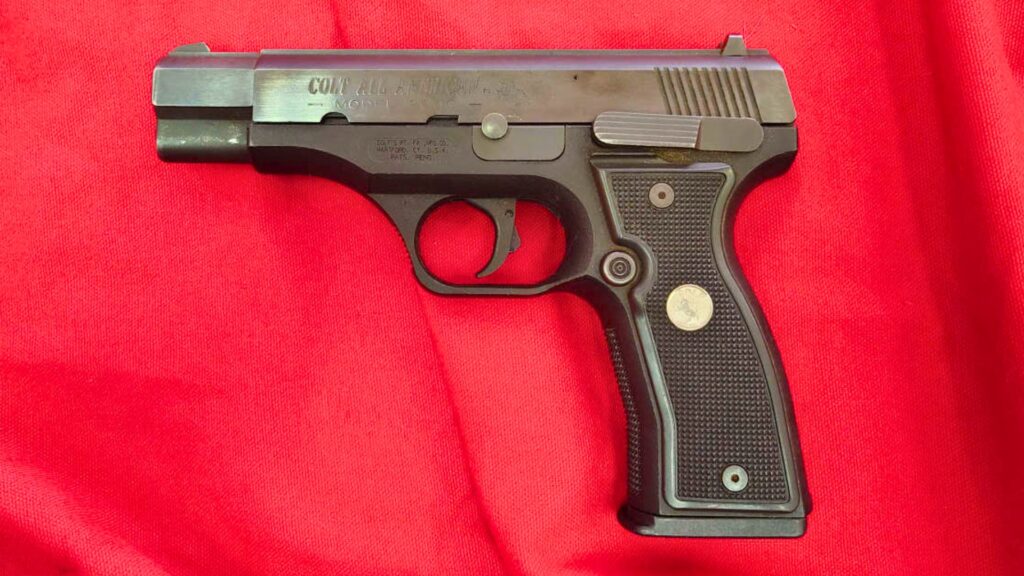
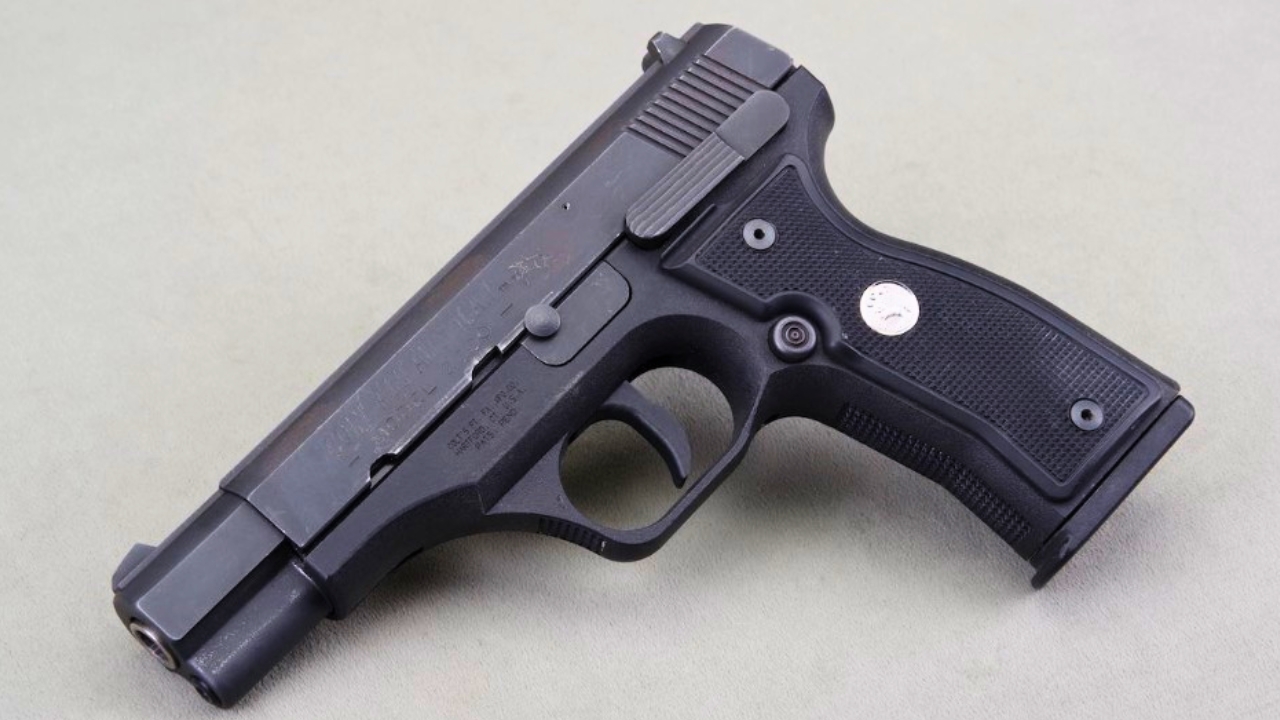
Colt tried to jump into the polymer pistol market with the All American 2000, but it never stuck. Introduced in the early ’90s, it was supposed to challenge Glock’s growing dominance. Instead, it became an example of what happens when a company tries to rush into a market it doesn’t fully understand. The pistol was heavy, had poor ergonomics, and its trigger felt spongy and unpredictable.
Shooters who gave it a chance found it lacking in accuracy and reliability. Magazines weren’t consistent, and the overall feel was behind the curve compared to other striker-fired designs available at the time. Colt banked on its reputation carrying the pistol into success, but that never happened. Today, the All American 2000 is remembered more as a failed experiment than a serious firearm. It didn’t develop a fan base and quickly faded, overshadowed by the very guns it was supposed to compete with.
Remington R51 (2014 Relaunch)

The Remington R51 made headlines when the company relaunched it in 2014, based on the original Model 51 from 1918. Many expected a solid, modern carry pistol with some old-school charm. Instead, what shooters got was a finicky gun with constant problems. Feeding issues, poor triggers, and even safety concerns turned what could have been a revival into a disaster.
The pistol had a complex operating system that added little value compared to simpler striker-fired options already dominating the market. While Remington later released a revised version, the damage was done. Shooters weren’t lining up to give it a second chance. The R51 failed to find lasting popularity with everyday carriers or enthusiasts. Instead of being celebrated as a unique offering in a crowded market, it ended up being one of those guns people warn you away from. It never gained the following Remington hoped for, and its reputation never recovered.
Smith & Wesson Sigma
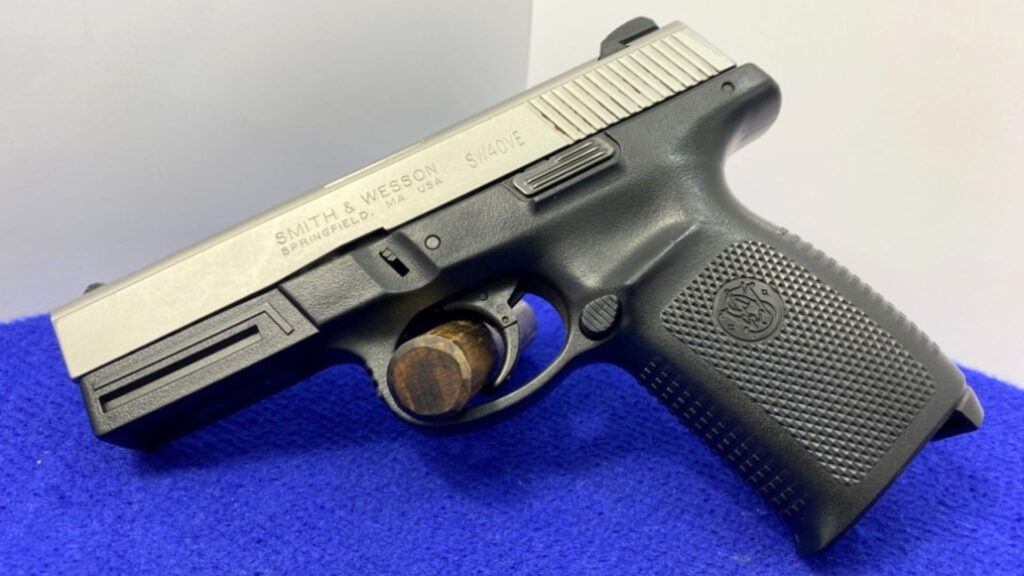
When Smith & Wesson introduced the Sigma in the 1990s, it looked like a direct competitor to Glock. That resemblance was so close it led to a lawsuit, which didn’t help its image. Beyond the legal trouble, the Sigma had problems of its own. The trigger was one of the heaviest and least pleasant you could find on a polymer pistol, making it frustrating for shooters trying to achieve accuracy.
The ergonomics were clumsy, and it lacked the refinement people expected from Smith & Wesson. While some appreciated its affordability, most quickly moved on to better options, including S&W’s later M&P line. The Sigma lingered on the market but never earned a loyal base. Many who owned one describe it as a placeholder pistol rather than something they felt attached to. Its reputation is more about being an early misstep in the striker-fired era than a firearm with staying power. Few shooters miss it.
Hudson H9
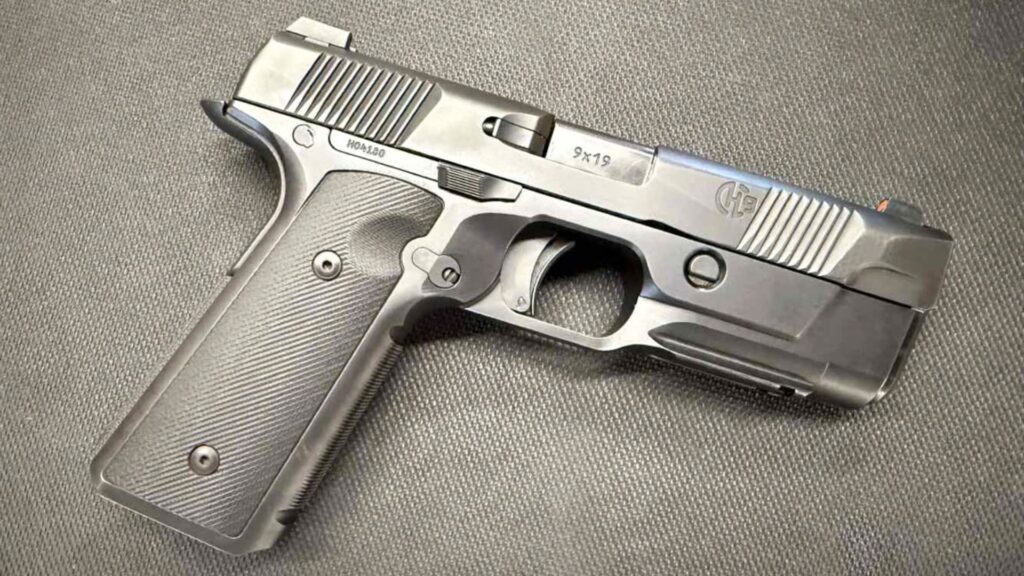
The Hudson H9 was one of the most anticipated pistols of 2017. Marketed as a hybrid of the 1911 and striker-fired modern pistols, it promised the best of both worlds. The idea was appealing: 1911-style trigger and ergonomics with modern reliability and capacity. But the execution fell short. The gun was heavy, expensive, and plagued with teething issues right out of the gate.
Early adopters reported reliability problems and poor support from the company. On top of that, Hudson Arms went bankrupt not long after launch, leaving owners stranded without parts or service. For all the buzz it created, the H9 failed to build the loyal following its makers expected. Shooters who wanted a modern 1911-style pistol found better options elsewhere. Today, the H9 is mostly remembered as a case study in over-promising and under-delivering. It had attention, but attention never translated into real, lasting popularity among shooters.
Ruger Hawkeye Pistol

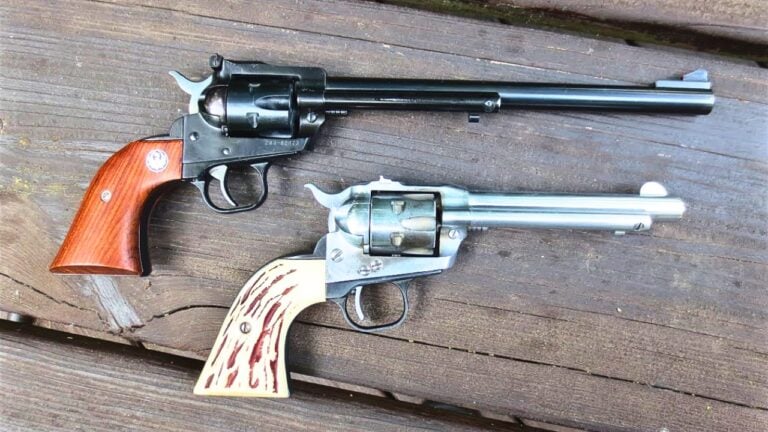
The Ruger Hawkeye pistol was introduced in the 1960s, chambered in .256 Winchester Magnum. At a time when revolvers and semi-automatics offered practical firepower, Ruger delivered a single-shot pistol that struggled to make sense for most shooters. It was bulky, awkward to handle, and the cartridge itself never gained traction. The Hawkeye felt outdated from the start, and few people saw a reason to embrace it.
Hunters didn’t find it particularly useful compared to established handguns and rifles, and recreational shooters weren’t interested in dealing with its limitations. The lack of ammunition support sealed its fate. Production numbers stayed low, and the pistol disappeared quickly. Unlike other Ruger designs that carved out a dedicated fan base, the Hawkeye remained obscure and unloved. Today it’s more of a curiosity for collectors than a firearm anyone is passionate about. It never found its following, because it never offered enough to earn one.
Steyr M9
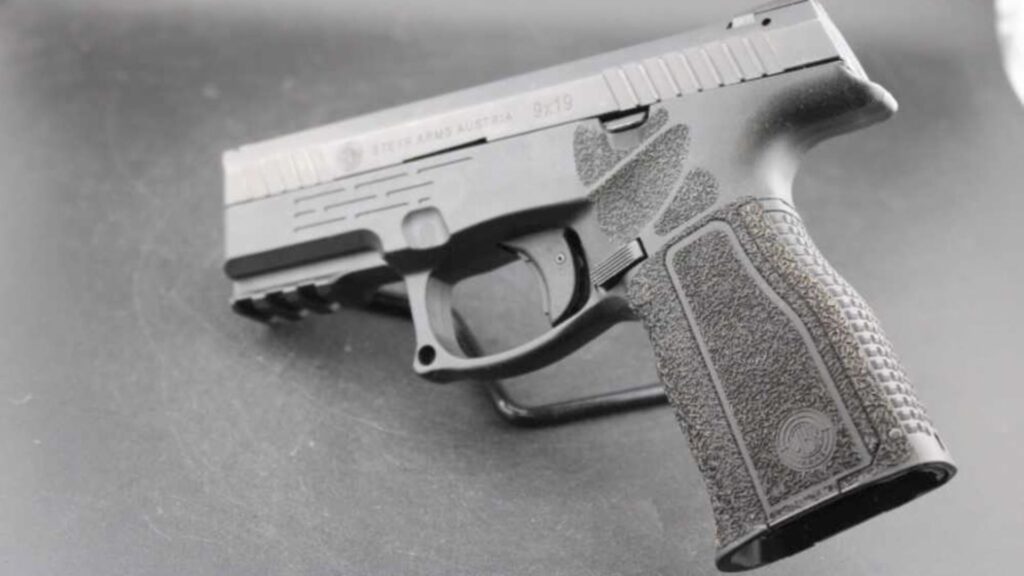
The Steyr M9 entered the market as another polymer-framed striker-fired pistol, but it never managed to break out of the Glock shadow. While it had unique features like the trapezoidal sights and an angled grip frame, most shooters found the overall feel odd and less intuitive than competitors. It didn’t help that aftermarket support was virtually nonexistent, leaving owners with few options for customization.
The pistol worked, but it wasn’t outstanding. Reliability was fine, accuracy was decent, yet nothing about it inspired long-term loyalty. Without a large law enforcement or military adoption to boost its profile, the M9 stayed a niche choice. Those who bought one often moved on, and few stuck around to build a strong user community. Despite Steyr’s reputation for quality, the M9 never earned the recognition it needed to survive in a crowded market. It exists, but without a devoted following to keep it alive.
Beretta PX4 Storm
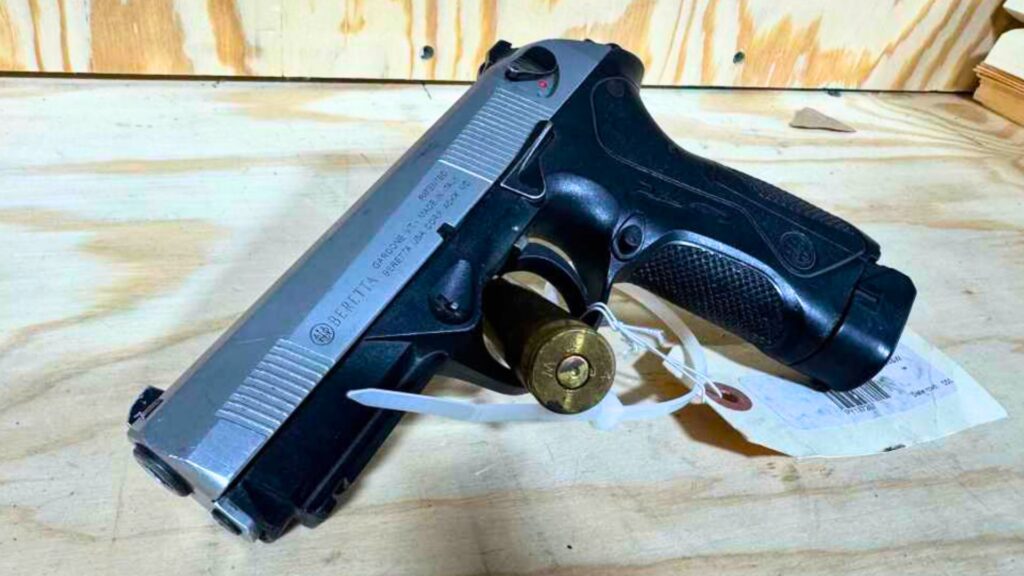
Beretta had high hopes for the PX4 Storm, marketing it as a modern sidearm for both civilians and professionals. It featured a rotating barrel system and sleek styling, but shooters were underwhelmed. The trigger felt spongy, and the grip didn’t fit everyone well. More importantly, it entered a market already saturated with reliable striker-fired pistols that were simpler and cheaper.
While the PX4 works, it never caught on the way Beretta expected. Police and military contracts were limited, and the civilian market didn’t latch onto it either. The rotating barrel system was more of a curiosity than a must-have feature, and aftermarket support stayed thin. Owners who enjoyed it often did so quietly, without building the kind of loyal community that sustains other pistols. Today, the PX4 Storm still exists, but it remains more of a side note in Beretta’s history than a celebrated success.
FN Forty-Nine

FN tried to enter the striker-fired market with the FN Forty-Nine in the late ’90s, but the pistol never gained traction. It was bulky, had a heavy double-action-only trigger, and didn’t offer anything that stood out compared to the competition. Shooters quickly compared it to Glock and saw no reason to make the switch.
The Forty-Nine had some reliability, but the shooting experience was uninspiring. The long, heavy trigger made accuracy harder to achieve, and the overall design lacked refinement. FN eventually abandoned it in favor of later models like the FNX and FNS series, which were much better received. The Forty-Nine, meanwhile, slipped into obscurity. It didn’t have the spark that drives a loyal following, and it was quickly overshadowed by better striker-fired pistols. While FN is respected for many of its firearms, the Forty-Nine is one of those models that never earned lasting fans.
Astra A-80
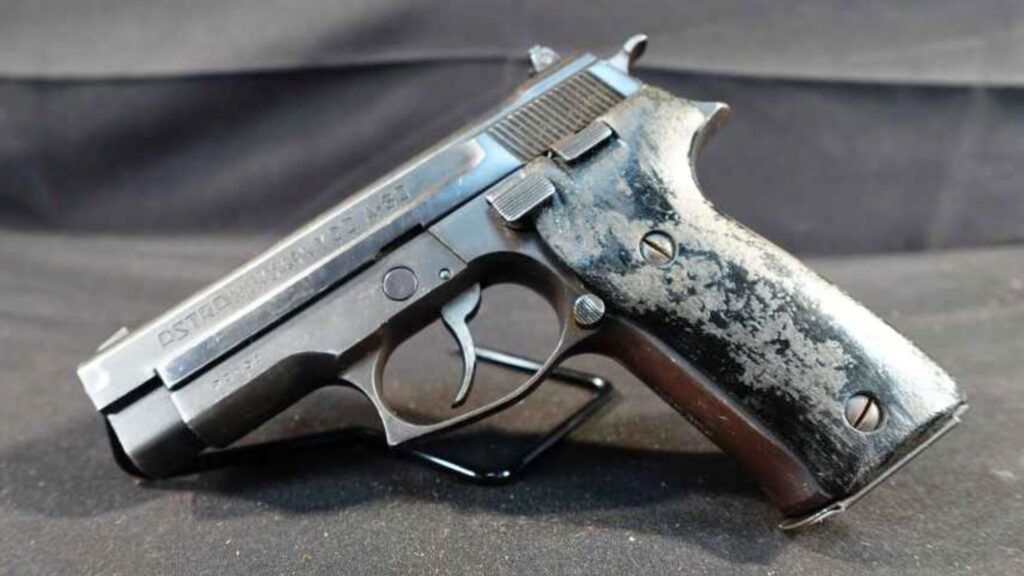
The Astra A-80 was Spain’s attempt to replicate the SIG P220, and while it looked similar on the surface, it didn’t inspire confidence. The build quality wasn’t on par with SIG, and reliability was hit or miss depending on the individual pistol. For shooters who wanted a dependable DA/SA sidearm, the Astra wasn’t worth the gamble when the original SIG models were available.
The A-80 had limited adoption by law enforcement or military groups, which meant it never gained the exposure that helps a pistol build momentum. Civilian shooters also steered toward brands with stronger reputations for durability and support. With no strong niche to occupy, the A-80 faded from relevance. While Astra produced some interesting firearms, the A-80 never developed the fan base it needed. It’s a forgotten design that came and went without leaving behind much more than a brief footnote in handgun history.
Bren Ten
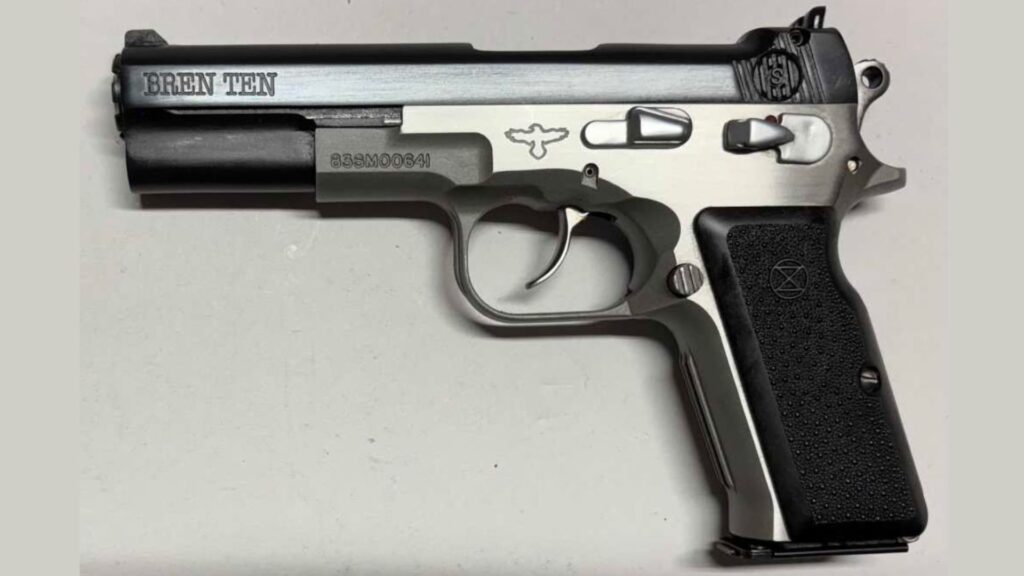
The Bren Ten was supposed to be the pistol that launched the 10mm Auto into stardom. Initially released in the 1980s, it looked promising on paper. But in reality, the gun was plagued with production delays, poor quality control, and limited magazine availability. Shooters who wanted one often found themselves with a pistol but no reliable mags to run it with.
While the design inspired interest, the company behind it couldn’t deliver. That lack of follow-through killed momentum before it ever really got started. Even though the Bren Ten appeared on shows like Miami Vice and had a cult aura, it never built a serious following among everyday shooters. The logistical headaches outweighed the novelty. By the time other companies stepped in with better-built 10mm pistols, the Bren Ten was already history. It’s a firearm that’s more famous for its reputation than its actual performance, and that says it all.
High Standard Double Nine
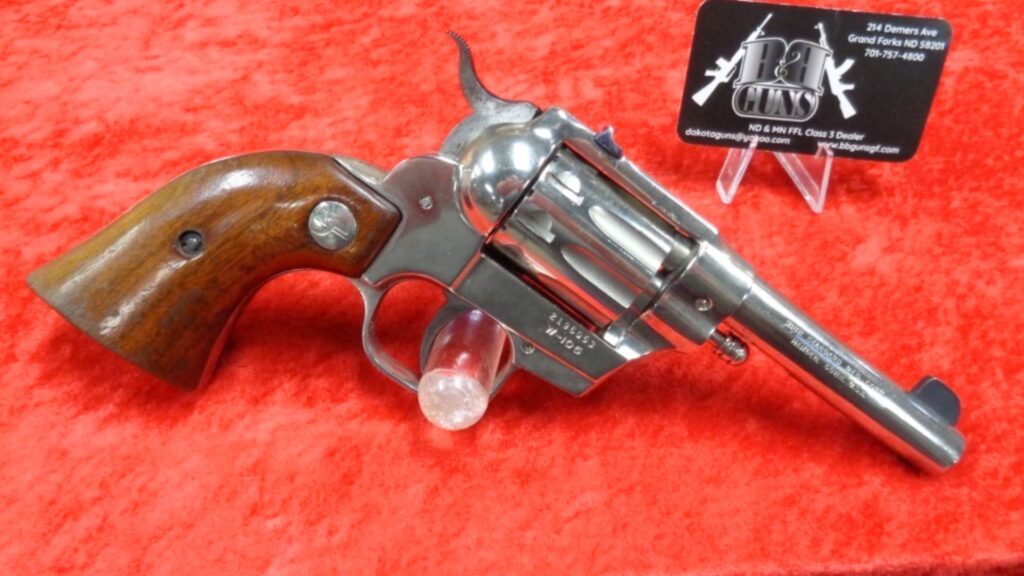
The High Standard Double Nine was a .22 revolver styled to look like a western six-shooter. While it was affordable and eye-catching, it never earned strong loyalty. The revolver’s action wasn’t particularly smooth, and accuracy was only average compared to other .22s of the era. Shooters who wanted a fun plinker usually chose Ruger Single-Sixes or Smith & Wesson rimfires instead.
The Double Nine’s construction also leaned toward budget quality, which didn’t help its case. It worked well enough for casual use, but it never became a firearm that people felt strongly about. It lacked the durability and performance that earn long-term respect. Today, it shows up occasionally at gun shows, but mostly as a curiosity or an affordable entry-level revolver from decades past. It never had a passionate base of owners, and that’s why it remains more of an afterthought than a celebrated rimfire revolver.
Colt Double Eagle
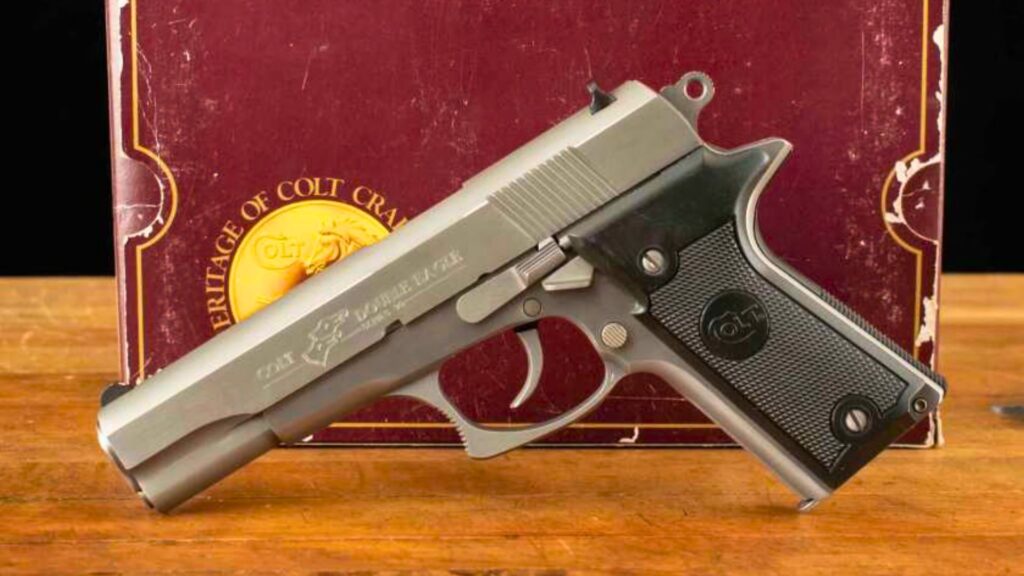
The Colt Double Eagle was meant to bring the 1911 design into the double-action world, but it missed the mark. Introduced in the late 1980s, it added a double-action/single-action trigger system to a 1911-style frame. Unfortunately, the execution was clumsy. The trigger was heavy and inconsistent, and the overall design lacked the refinement of other DA/SA pistols available at the time.
The gun also had safety and durability concerns with early models, which hurt its reputation further. Shooters didn’t see enough reason to abandon their trusted 1911s or to pick it over SIG, Beretta, or Smith & Wesson pistols that already did DA/SA better. Colt discontinued it after a short run, and it never built a strong fan base. Today, the Double Eagle is remembered more as an odd detour in Colt’s history than a serious contender. It’s another example of a pistol that never earned the following its maker hoped for.
*This article was developed with AI-powered tools and has been carefully reviewed by our editors.