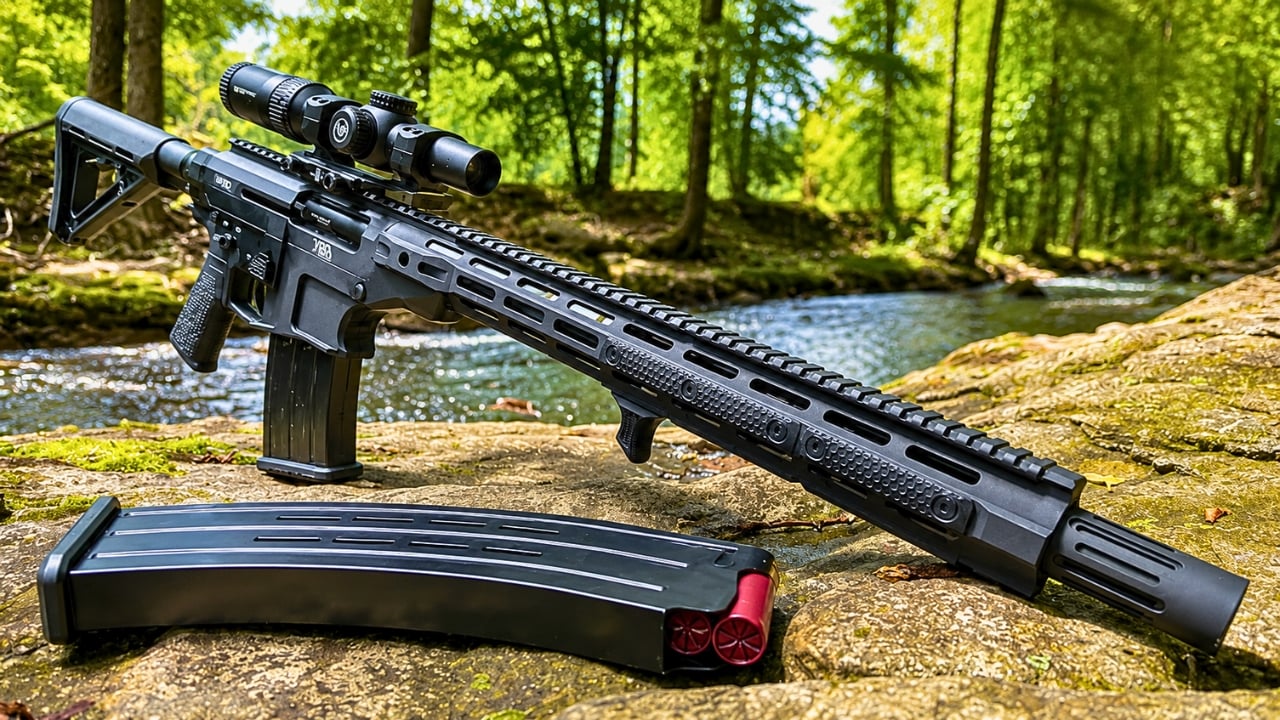
Photo credit: C4 Defense/YouTube
A firearm can look like an outstanding deal when the specifications are compared on paper. Buyers see high capacity, an optic-ready slide, a threaded barrel, common magazines, or a respected brand name at a price below the competition. The gun feels acceptable at the counter, early reviews are positive, and the savings seem too good to ignore.
The problems often appear after the return period is over. Magazines begin causing failures, screws loosen, parts break, or the manufacturer releases an updated version that quietly corrects weaknesses in the original. Some owners spend enough on replacement parts and troubleshooting that the bargain disappears completely. These 20 firearms are not guaranteed failures, but each has given enough buyers reason to wonder whether the attractive purchase price was worth the trouble that followed.
Springfield Armory Prodigy

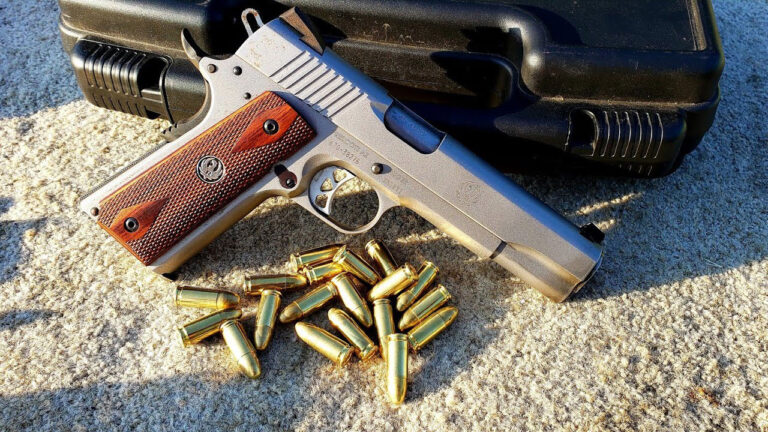
The Springfield Armory Prodigy looked like one of the best deals in the handgun market when it arrived. It offered double-stack 1911 capacity, an optic-ready slide, an accessory rail, and the familiar single-action trigger at a price far below most established 2011-style pistols. Buyers who could not justify Staccato money finally had a recognizable factory option.
Early owners soon began reporting failures to feed, sluggish slide movement, extractor problems, and guns that needed more break-in or tuning than expected. Some examples ran well immediately, while others required springs, magazines, polishing, or gunsmith attention. Later production appears better, but the launch permanently changed how buyers approach the model. The Prodigy can still be a strong value, especially for someone comfortable maintaining a 1911-style platform. It stopped looking inexpensive once owners began calculating the cost of upgrades needed to make certain pistols dependable.
Canik Mete MC9

The Mete MC9 appeared ready to dominate the affordable micro-compact category. Canik already had a reputation for giving buyers excellent triggers, useful accessories, and impressive capacity for less money than major American and European competitors. Shrinking that formula into a carry pistol sounded like an easy win.
The early ownership reports were far less consistent. Some buyers encountered magazines that would not drop freely, feeding problems, failures to return fully into battery, or dimensional issues that required factory attention. Plenty of MC9 pistols have worked correctly, and updated production may be more dependable, but a carry gun does not receive much patience when reliability questions appear. The pistol still offers a strong trigger and attractive price. Buyers now understand that saving money on a defensive micro-compact is not worthwhile unless the individual gun is tested extensively.
Taurus GX4

The Taurus GX4 gave buyers modern micro-compact capacity, a slim frame, and a usable trigger at a price considerably below the SIG P365 and several other category leaders. It looked like proof that Taurus had finally moved beyond the inconsistent budget pistols that shaped its older reputation.
A safety recall damaged that momentum. Even after corrective work, owners had to live with the uncertainty and reduced resale value that follow a recall involving possible unintended discharge concerns. The gun also faced the ordinary challenges of a lightweight micro-compact, including sharp recoil and limited grip space. A corrected GX4 can function well, but buyers who chose it to save a relatively small amount sometimes wished they had purchased a more established carry platform. Confidence is part of a defensive handgun’s value, and once that confidence disappears, the original bargain becomes difficult to appreciate.
SIG Sauer P320

The P320 initially looked like an unusually smart purchase because one serialized fire-control unit could support multiple grip sizes, slides, and calibers. Military adoption added credibility, while broad factory and aftermarket support made the platform seem like a long-term investment rather than a single fixed handgun.
The ownership story became much more complicated. Early drop-safety concerns led to a voluntary upgrade program, and later allegations involving unintended discharges created years of public controversy. Many P320 pistols have served without incident, but owners still had to understand which generation and configuration they possessed. The modularity also proved less valuable for people who never changed the gun after buying it. The P320 remains successful and widely supported, yet some buyers who expected a simple, proven duty pistol found themselves following product updates, lawsuits, and technical debates they never wanted to join.
Kimber R7 Mako
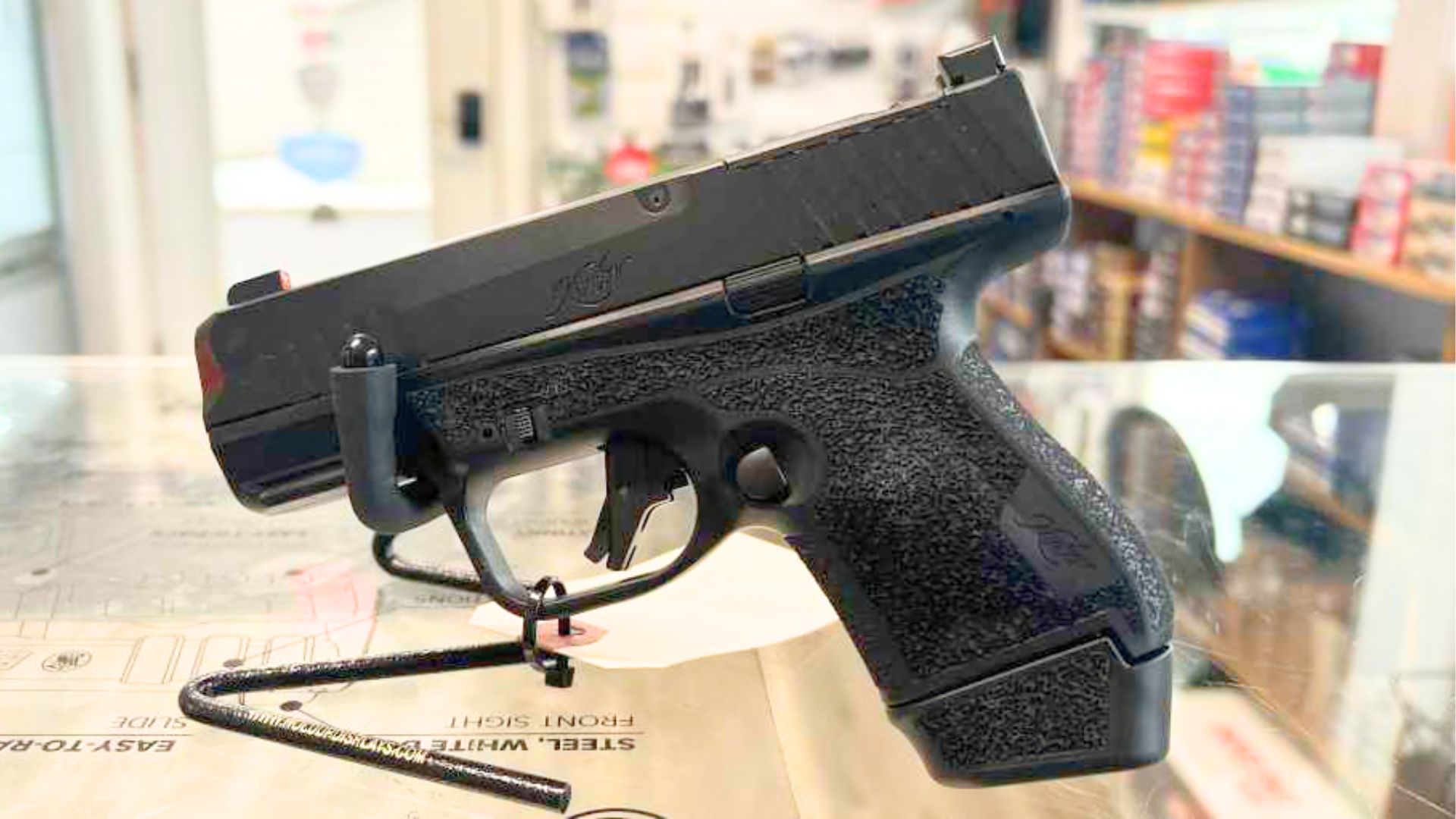
The Kimber R7 Mako seemed like an attractive way to get an optic-ready, high-capacity micro-compact with more personality than the usual polymer carry gun. Kimber offered versions with an installed optic, an enclosed ejection-port design, and a grip that felt comfortable in many hands.
The value became less convincing for owners who encountered inconsistent reliability, difficult magazine availability, or limited holster and parts support. Kimber’s previous reputation for uneven defensive-pistol performance also meant even minor problems created more concern than they might have with another brand. The Mako can be accurate and pleasant to shoot, but it entered a category filled with mature platforms supported by countless magazines, sights, and holsters. A discounted purchase price matters less when replacing a magazine or locating a specific component becomes harder than it should be.
Remington R51
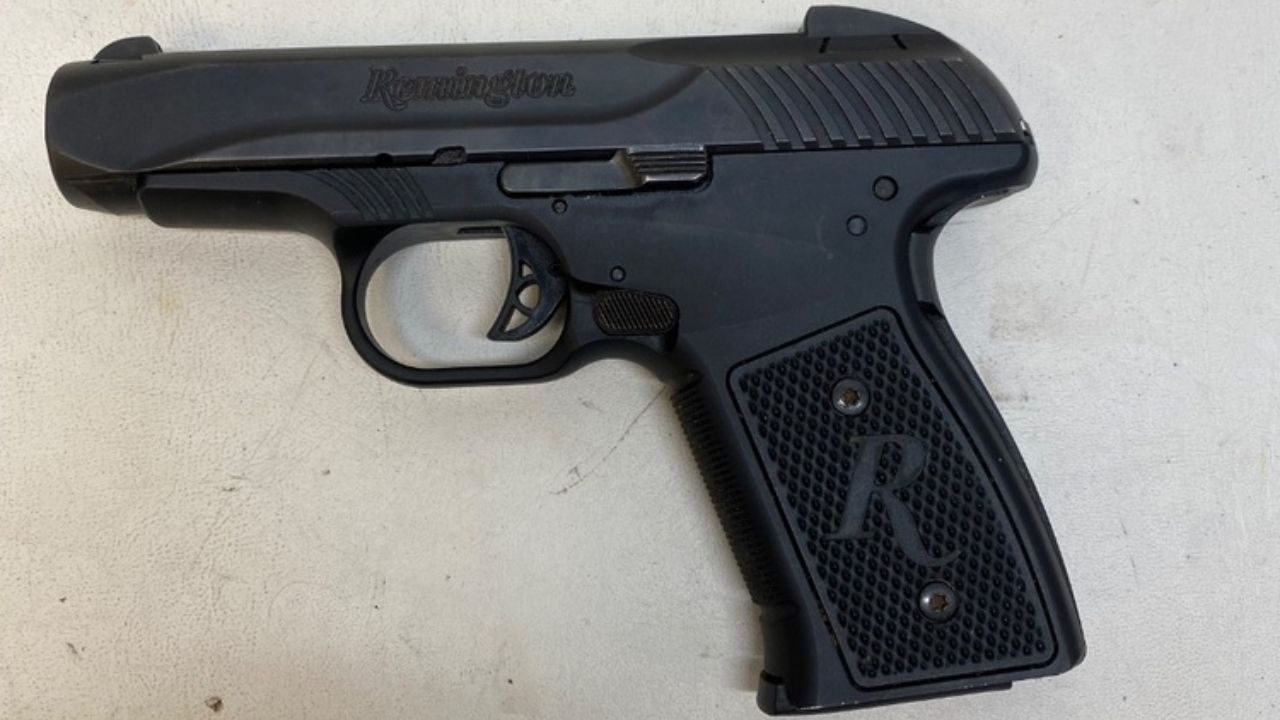
The Remington R51 was marketed as a slim metal-framed 9mm with mild recoil and a low bore axis. Its hesitation-lock action was based on an older design, giving the pistol both historical interest and the promise of a more refined shooting experience than ordinary polymer carry guns.
The first production run quickly became one of the most damaging handgun launches in recent memory. Owners reported rough operation, reliability failures, poor fitting, and difficult disassembly. Remington recalled the pistols and eventually produced a revised version, but trust never returned. Buyers who thought they had purchased an innovative carry gun instead became involved in a lengthy correction process. Even functional replacement pistols carried the reputation of the original launch. The R51 looked like a great value because it offered unusual engineering at a mainstream price. The problems showed why unusual engineering must be thoroughly proven before it reaches buyers.
Colt All American 2000

The Colt All American 2000 appeared to offer enormous value because it carried the Colt name and involved respected designers Eugene Stoner and Reed Knight Jr. Its rotating-barrel system and polymer frame suggested Colt had created a modern American service pistol capable of competing with Glock.
The production gun suffered from a poor trigger, disappointing accuracy, and inconsistent reliability. Whatever promise existed in the original concept did not survive manufacturing and final execution. The pistol was discontinued quickly, leaving owners with limited parts support and a gun that never established a meaningful service record. Today it has some collector interest because of its unusual history, but that does not change the original ownership experience. Buyers thought they were getting Colt’s next major duty pistol and ended up with a short-lived experiment that the company itself abandoned.
KelTec CP33
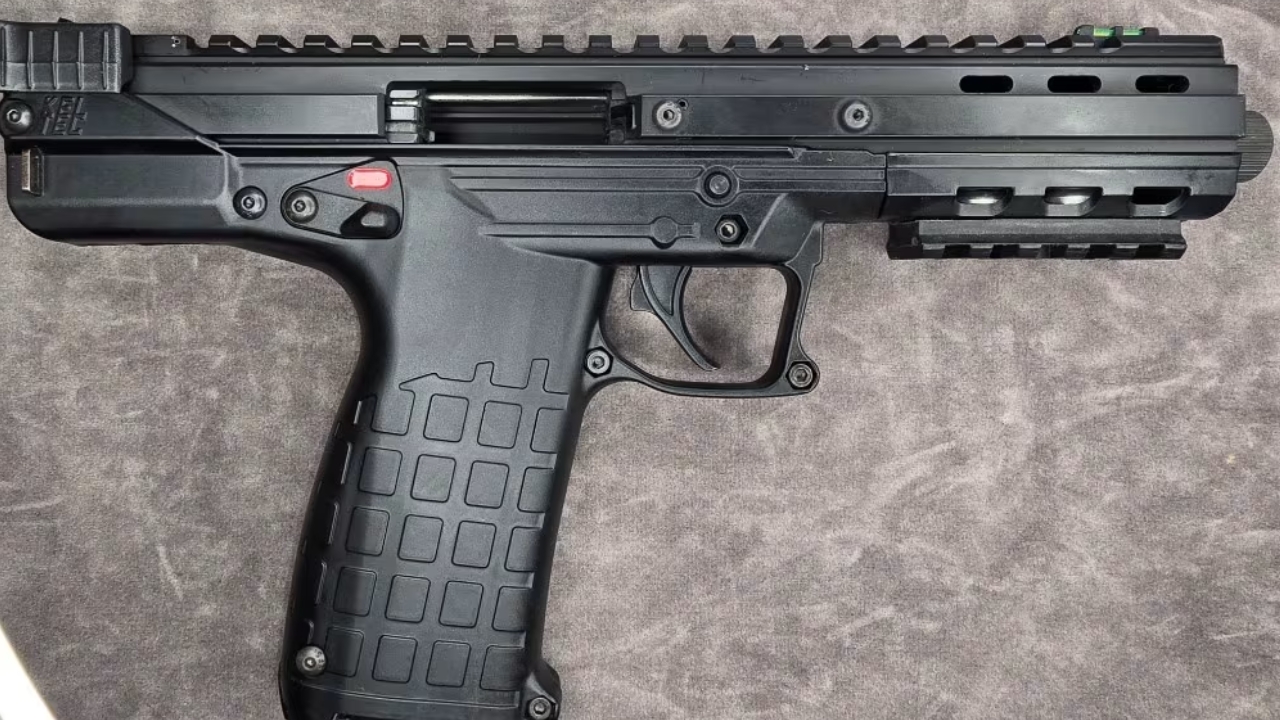
The KelTec CP33 attracted buyers with an extraordinary 33-round magazine, threaded barrel, optic-ready top rail, and futuristic layout. It appeared to offer unmatched rimfire capacity in a compact pistol that could become a range toy, suppressor host, or small-game setup.
The magazine design requires careful loading. Rimmed .22 Long Rifle cartridges must stack correctly, and a single loading mistake can create failures that interrupt the entire shooting session. Ammunition quality, cleanliness, and magazine technique all matter more than many owners expect from a recreational gun. The CP33 can be extremely enjoyable when everything is correct, but the high capacity that sells the pistol is also the source of much of its frustration. Some buyers eventually decide that loading fewer rounds into a conventional magazine is preferable to repeatedly diagnosing a 33-round stack.
KelTec PMR-30

The PMR-30 seemed like an unbeatable value for shooters who wanted high capacity and the increased energy of .22 Magnum. It was light, held 30 rounds, and cost far less than most unusual high-capacity pistols. The combination sounded almost perfect for range use and field carry.
Ownership often became an exercise in ammunition selection and magazine management. The long rimmed cartridges need to be loaded carefully, and certain ammunition may cycle better than others. Owners have also reported feed issues, cracked components, and guns that required factory service or updated parts. A reliable PMR-30 is one of the most entertaining pistols available. The trouble begins when buyers expect it to tolerate cheap ammunition, careless loading, and infrequent cleaning like a simpler rimfire. Its attractive capacity can become meaningless if the owner never trusts the magazine to run from top to bottom.
ATI Omni Hybrid

The ATI Omni Hybrid promised an extremely affordable and lightweight entry into the AR-15 market. Its polymer-based receiver construction reduced manufacturing cost and allowed new buyers to purchase a complete rifle for less than many aluminum-receiver alternatives.
The savings created doubts about rigidity, wear, and long-term durability. Even when the rifle functioned, experienced owners often disliked the feel of the polymer receiver and questioned whether the small price difference justified moving away from the standard aluminum design. Entry-level aluminum AR-15s became so affordable that the Omni’s main advantage nearly disappeared. Owners who later replaced the receivers, trigger, furniture, or other components often spent more than they would have on a stronger rifle from the beginning. The Omni looked like a great first AR until buyers realized the market already offered conventional construction for only a little more money.
Century Arms C39V2
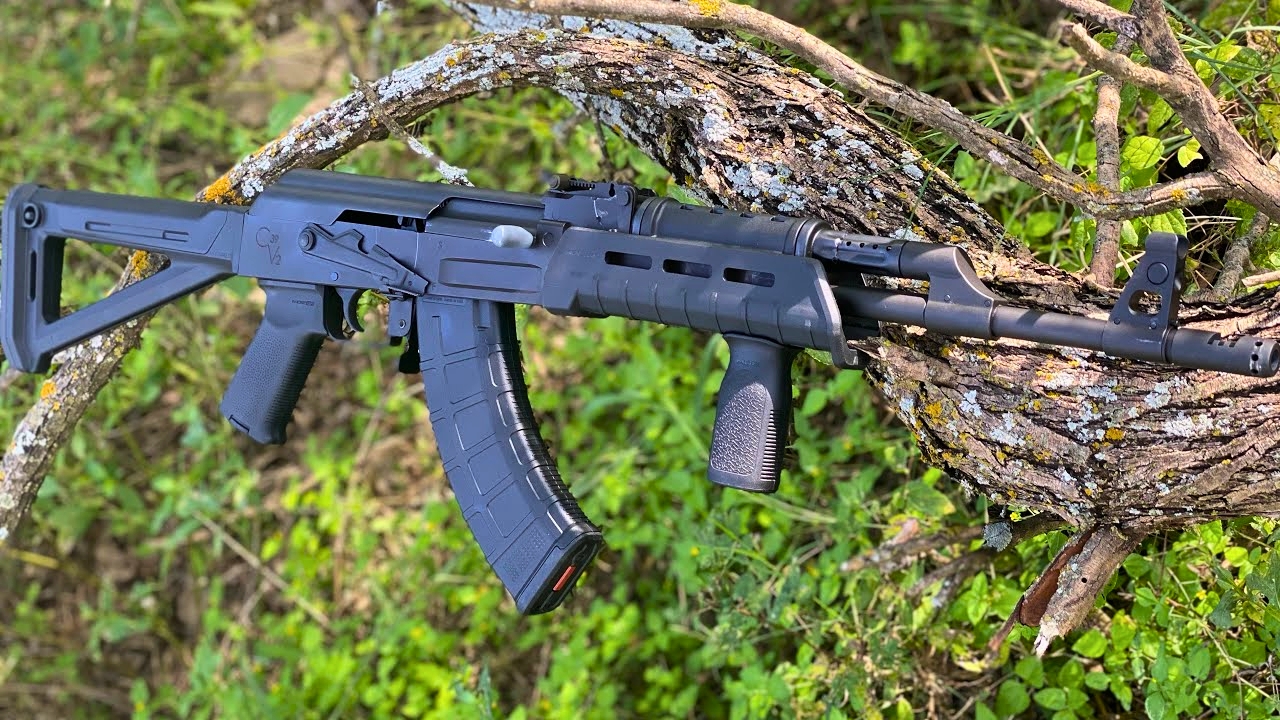
The C39V2 appealed to buyers who wanted an American-made AK with a milled receiver and attractive furniture. Its solid receiver gave it a substantial feel, while the Century Arms name and broad availability made it easier to find than many imports.
Concerns involving bolt and carrier wear, headspace, and the use of cast internal components severely damaged the rifle’s reputation. The AK platform is purchased largely because owners expect exceptional durability, so reports of premature wear strike directly at the reason for buying one. Some C39V2 rifles may continue operating without obvious problems, but the uncertainty makes high round counts difficult to enjoy. Buyers who selected the rifle because it seemed like a less expensive premium AK often wished they had chosen a proven imported model instead.
Century Arms RAS47

The RAS47 arrived when buyers wanted inexpensive American-made AK-pattern rifles and imported supply appeared increasingly uncertain. It accepted common magazines, looked correct enough, and was marketed around rugged American construction.
The long-term durability concerns became impossible to ignore. Reports and testing showed abnormal wear involving bolts, carriers, and trunnion components in some rifles. That damaged confidence and resale value even for owners whose individual examples had not yet failed. An AK that may require constant inspection for wear defeats much of the platform’s appeal. The RAS47 looked like a practical way to enter the AK market without paying inflated import prices. Many owners later discovered that saving money on the rifle meant worrying about parts that should have lasted for thousands of rounds without serious thought.
Pioneer Arms AK Sporter
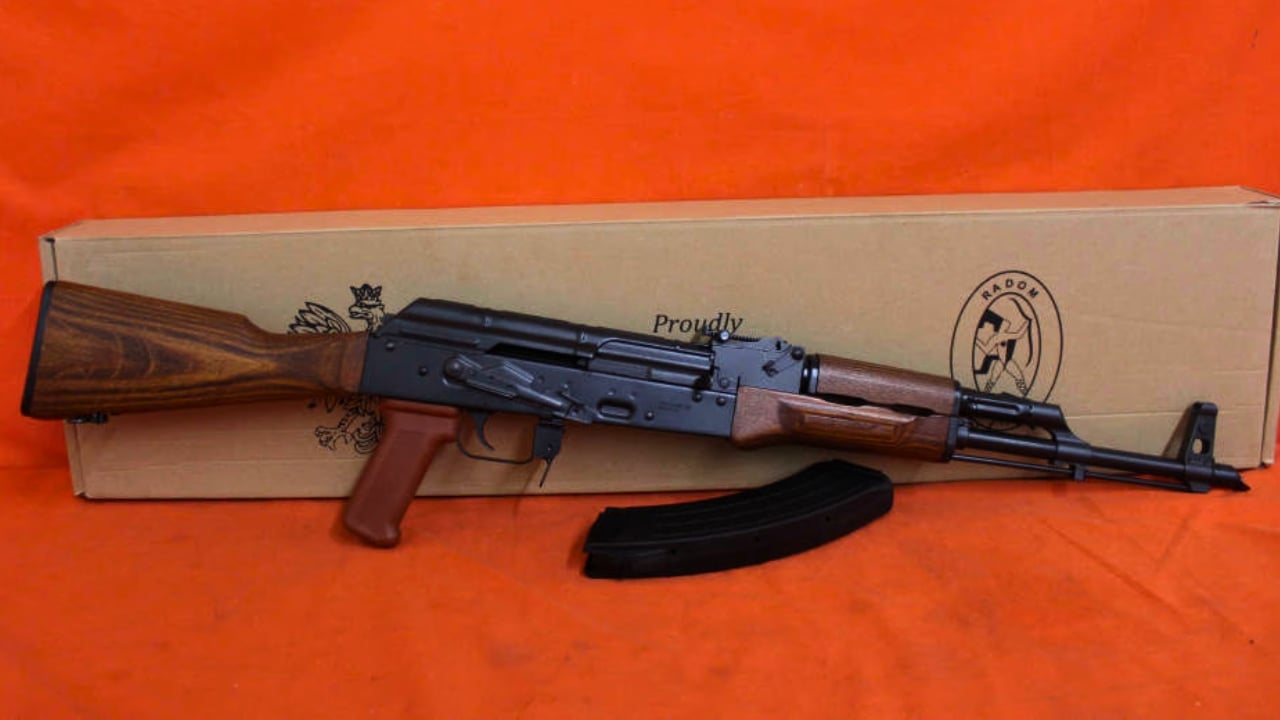
Pioneer Arms rifles have often been priced below many established imported AKs, making them tempting to buyers who want the appearance and basic operation of the platform without paying premium prices. Attractive furniture and familiar configurations helped them stand out on store racks.
Earlier examples developed serious reputational problems involving cast components, headspace, and long-term durability. Production changes may improve newer rifles, but buyers must understand exactly which generation and component set they are purchasing. That research requirement alone weakens the value proposition. A rifle bought for simplicity should not require a detailed investigation into which internal parts were used during a particular production period. Owners who bought based on price sometimes learned that the cheapest AK is rarely the least expensive one to own with confidence.
Mossberg Patriot

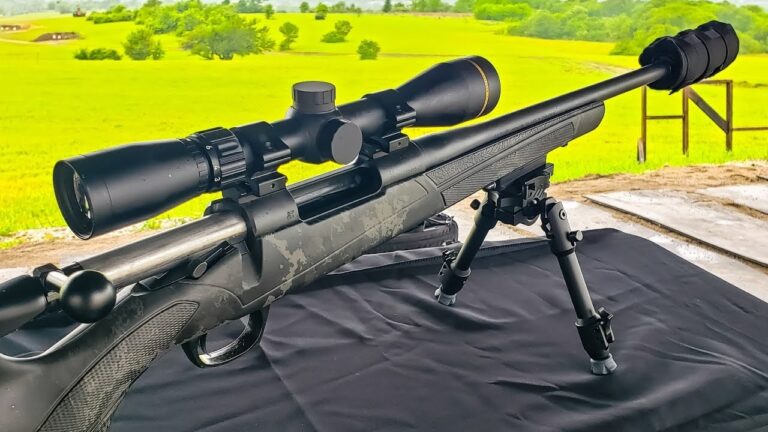
The Mossberg Patriot looks like an excellent hunting-rifle value. It is available in many useful chamberings, often includes an adjustable trigger and detachable magazine, and can be purchased in packages with an optic already installed.
The weak point is often everything surrounding the barrel and action. Synthetic stocks can feel flexible and hollow, magazines may not feed as smoothly as expected, and bolt operation can feel rough. Some rifles shoot very well, but others produce inconsistent groups or require experimentation with stock pressure and ammunition. The Patriot may still be adequate for ordinary deer hunting, yet buyers who expected a refined rifle because of the feature list can become frustrated. Replacing the stock, magazine, bases, rings, and package optic can erase the savings that made the rifle attractive.
Savage Axis XP

The Savage Axis XP remains one of the easiest rifles for a first-time hunter to purchase. It often comes with a mounted scope, covers most popular hunting cartridges, and has a strong reputation for producing usable accuracy at a low price.
The problems start when the owner expects the entire package to be as good as the barrel. The factory stock can flex, bolt operation may feel rough, and the included optic, rings, or mounts are frequently the weakest parts of the setup. Feeding from the detachable magazine can also be less smooth than on more expensive rifles. Many Axis rifles shoot surprisingly well, but owners often begin replacing components almost immediately. The initial deal becomes less impressive after a better scope, stronger mounts, improved stock, and extra magazine are added.
Black Aces Tactical Pro Series
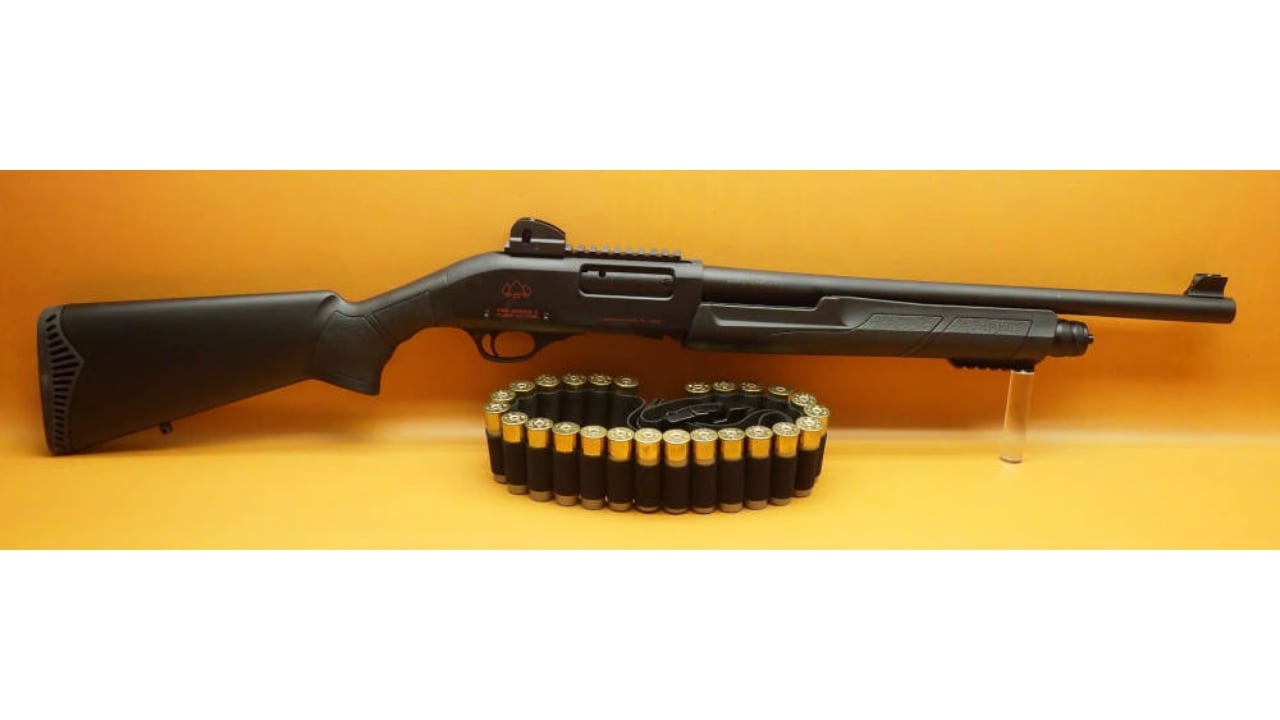
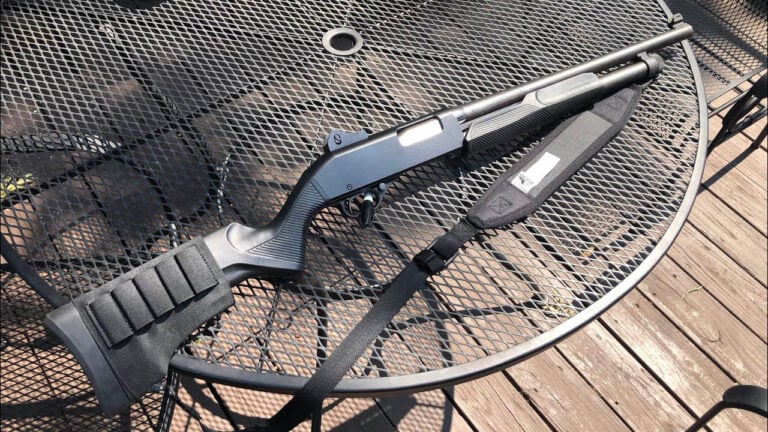
Black Aces Tactical shotguns have attracted buyers with aggressive styling, detachable magazines, semi-automatic operation, and prices far below premium defensive shotguns. From across the counter, they appear to offer Benelli-like capability at a fraction of the money.
The problems tend to involve ammunition sensitivity, rough controls, inconsistent cycling, and bulky magazines. Some guns require a substantial break-in period with heavy loads before they will handle lighter ammunition. Magazines can be awkward to load and carry, while replacement parts and technical support may not feel as established as they do with major shotgun manufacturers. A functioning example can be entertaining, but many buyers eventually realize they purchased a project rather than a defensive shotgun ready to trust immediately.
Rock Island Armory VR80

The VR80 made magazine-fed AR-style shotguns more accessible. It offered adjustable furniture, familiar rifle-like controls, detachable magazines, and enough aftermarket interest to become common in recreational and competition shooting.
The first problems often appear during break-in. Light loads may fail to cycle, magazines can require fitting or careful loading, and the large box magazines are awkward compared with conventional shotgun tubes. The gun is also heavy, and cleaning the gas system becomes more important than some buyers expect. Competition shooters may be willing to tune and maintain the platform, but casual owners often purchase it expecting an easy tactical shotgun. By the time they buy multiple magazines, upgraded parts, and enough heavy ammunition to prove reliability, the low entry price no longer feels like the complete cost.
UTAS UTS-15

The UTS-15 looked like one of the most advanced pump shotguns available. Its bullpup configuration, twin magazine tubes, selectable feeding system, and high capacity promised a compact firearm with tremendous flexibility.
Early guns developed reports involving feeding failures, broken components, and controls that felt less durable than the appearance suggested. Loading and clearing the twin-tube system also required more knowledge than operating a basic pump shotgun. Later examples may be improved, but the design remains complicated and difficult to support compared with a Mossberg 590 or Remington 870. Buyers who were attracted to the capacity and futuristic shape often discovered that every additional mechanism created another possible source of trouble.
Remington Model 770
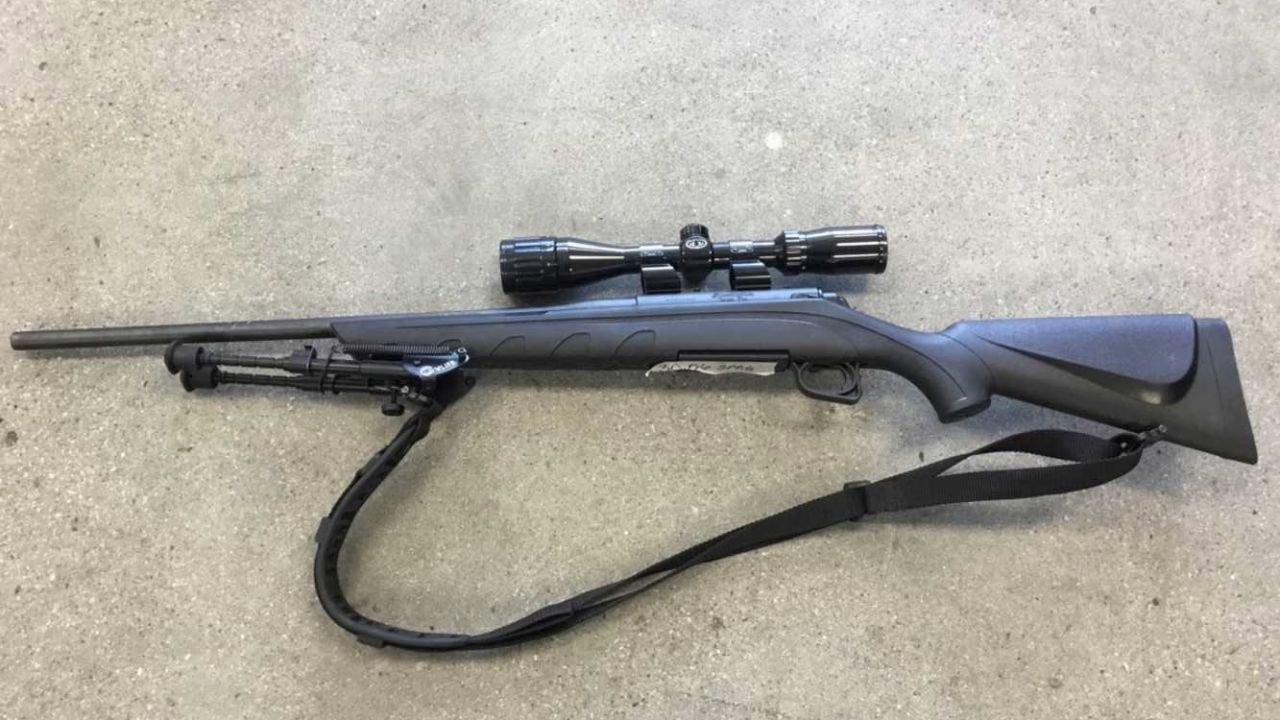
The Model 770 appeared to be an affordable way to get a complete Remington hunting rifle with a factory-mounted scope. It carried a respected American name and arrived ready for the range, making it especially attractive to new hunters.
The action, stock, magazine, and optic all revealed heavy cost cutting. Bolt operation could be exceptionally rough, the detachable magazine felt inexpensive, and the pressed-in barrel design limited future work. Accuracy was sometimes adequate, but the rifle lacked the durability and ownership appeal people associated with the Remington name. Buyers who intended to use it for a few deer seasons may have been satisfied. Those expecting a rifle worth improving or handing down often discovered that nearly every dollar spent upgrading it would have been better applied to a stronger rifle.
Winchester Wildcat

The Winchester Wildcat seemed like a smart modern alternative to the Ruger 10/22. It was lightweight, easy to disassemble, used widely available magazines, and included features such as an integrated rail and threaded-barrel options on certain versions.
The extremely light construction can make the rifle feel less durable than its styling suggests. The trigger housing, stock, and controls have a molded quality that may disappoint buyers expecting traditional Winchester craftsmanship. Accuracy and reliability can be perfectly acceptable, but the gun offers limited reason to choose it over platforms with decades of aftermarket development. The Wildcat remains a practical rimfire, especially for younger shooters. Some owners still wish they had spent slightly more on a rifle with a more substantial feel and stronger long-term support.
Smith & Wesson M&P15-22
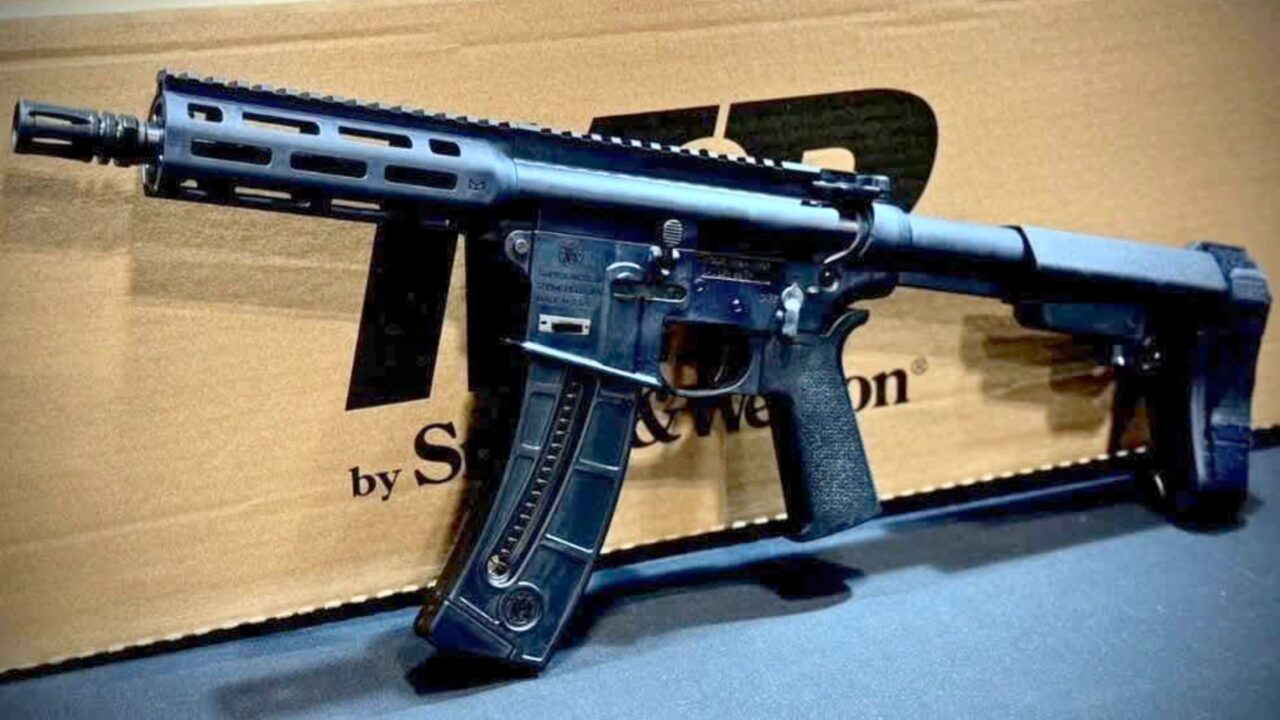
The M&P15-22 has long looked like one of the smartest training-rifle purchases available. It copies the controls and general handling of an AR-15 while using inexpensive .22 Long Rifle ammunition. Its lightweight polymer construction also makes it approachable for new shooters.
Certain production periods were affected by safety notices and inspections involving bolt-face dimensions, and some owners encountered extractors, magazines, or ammunition-related reliability issues. Rimfire ammunition is inherently less consistent than centerfire ammunition, but buyers sometimes blamed the rifle after repeated malfunctions. The M&P15-22 remains one of the better AR-style rimfires when properly maintained. It stops feeling like a great bargain when the owner begins replacing extractors, testing multiple ammunition brands, and checking whether the individual rifle falls within a problem production range.
Like The Avid Outdoorsman’s content? Subscribe to our newsletter so you never miss an article.
Here’s more from us: