Photo credit: AI-generated image created using ChatGPT. Illustrative only
When a parent starts slipping into dementia, you learn quick that the biggest emergencies aren’t always medical. Sometimes they’re sitting in the nightstand, or leaning in a closet, and the wrong person knows exactly where to find them.
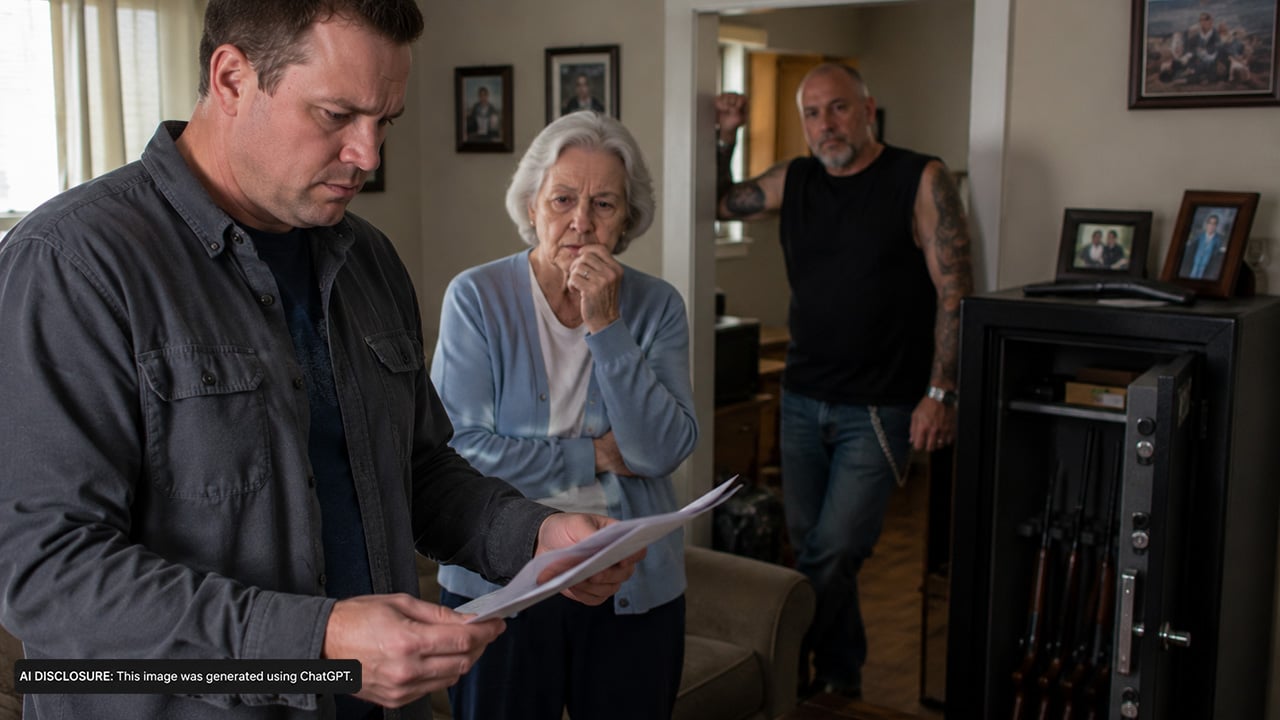
That’s the corner one Arkansas man found himself backed into after sharing details in the original post: his mother has dementia, she’s been renting a room to the same man for nine years, and he’s a convicted felon with a history that includes multiple burglaries involving guns, a standoff with police in 2016, and drug charges. The family is trying to move her into his brother’s home for care, but the roommate keeps talking her into staying—because, as he tells her, he’ll be homeless otherwise.
The roommate wasn’t just a bad influence—he was a real safety risk
A lot of folks who live rural or spend time in the woods have seen versions of this: someone down on their luck gets a place to stay, and over time they become part of the property—until they start calling the shots. In this case, the family says the roommate has never had a job, and he’s able to get their mom on the phone and pressure her into keeping the current living situation.
With dementia in the mix, that pressure isn’t just annoying; it’s potentially coercive. When someone’s mental capacity is sliding, the line between “agreement” and “being talked into something” gets blurry fast. And if the person doing the talking has a violent or weapons-related background, you don’t get the luxury of waiting around to see how it plays out.
Then the gun showed up, and everything got urgent
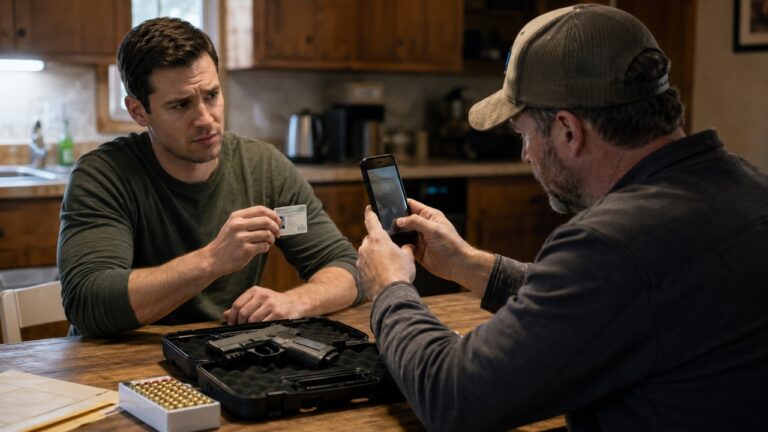
The big shift came when the son visited her house and discovered a handgun in his mother’s room. He took it with her permission—something most responsible gun owners would do when they realize an at-risk person has immediate access to a firearm in a shaky home environment.
But it didn’t end there. The roommate confronted him and demanded that the handgun be left in the house. During that confrontation, the roommate also claimed he had eight other guns. Whether that number was accurate or not, the message was clear: this wasn’t just a caregiver situation anymore. It was a firearms-in-the-wrong-hands situation, with a vulnerable adult caught in the middle.
Out in the outdoors world, we talk constantly about safe handling and safe storage. This is what that looks like in real life: not just locking up around kids, but recognizing when a household has become unstable and the safest move is to remove access—especially when someone with a felony record is right there under the same roof.
“Can a felon have guns?”—not in the normal way
The son’s first question was straightforward: is there any reason a felon with that kind of background would be able to legally own guns? In practical terms, most people know the rule of thumb: if you’re a convicted felon, firearms are generally off-limits under federal law, and many states add more restrictions on top of that.
There are rare exceptions—things like rights being restored, a conviction being reduced or expunged, or other legal mechanisms depending on the jurisdiction and the underlying offense. But the poster later spoke with an old military buddy who spent 30 years in law enforcement, and his take was blunt: with priors like burglaries with guns and a standoff with police, it’s “very very unlikely” the roommate’s inability to own firearms has been wiped clean.
That same buddy also raised another hard-nosed point that outdoorsmen understand: when somebody can’t pass a background check but still has a pile of guns, those guns didn’t come from a normal, legal purchase path. The poster believed that likely meant private-party purchases—exactly the kind of gray market where guns can trade hands without much documentation in some places, and exactly the kind of pipeline that can put stolen guns and crime guns back into circulation.
The handgun in your possession can become your problem fast
The second question the son asked is the one that keeps gun owners up at night: if they insist he return the handgun to his mother in the house she shares with that roommate, is he legally required to do so?
He also worried it might be illegal to hand it back, given the circumstances. That worry isn’t paranoia. When firearms are floating around a household with a prohibited person, it’s easy for a well-meaning family member to accidentally become the “last known handler” if that gun later gets used in a crime or even just seized in an investigation.
He added an important detail after talking to his law-enforcement contact: if those other guns were acquired informally and could have been used in crimes, then any handling now could put the family’s DNA on them. That’s not something most folks consider in the moment—especially when they’re just trying to keep Mom safe—but it’s a real-world consequence of touching unknown firearms in a bad situation.
The poster’s update said he believed he was legally required to turn the handgun he had into the police. That move may feel extreme to some gun owners, but when you’ve got a dementia patient, an aggressive roommate, and a claimed cache of firearms tied to a felon, you’re not in “let’s talk it out” territory anymore.
Adult Protective Services was the lever that made sense
One of the most practical suggestions the son got from his contact was to involve Adult Protective Services. In the outdoors community, we’re used to solving our own problems—fix the fence, handle the trespasser, talk to the neighbor. But dementia changes the game. At some point, this isn’t a family disagreement; it’s a vulnerable-adult safety issue.
APS exists for situations where an adult can’t protect themselves and may be subject to manipulation, neglect, or exploitation. A long-term roommate with no job who keeps steering a cognitively impaired woman away from family care, while reportedly having guns in the home, is exactly the kind of scenario that gets attention.
Even if the mother insists she wants the roommate there, dementia can make “consent” complicated. Getting professionals involved creates documentation and a pathway for action that doesn’t rely on a family member trying to physically manage a volatile household.
What this looks like through a common-sense gun owner lens
This story hits hard because it’s not about politics or internet arguments. It’s about the basic rules most of us live by: keep guns secured, keep them out of the hands of people who shouldn’t have them, and don’t escalate a situation that can turn dangerous in one sentence.
If you find yourself in something similar, the practical priorities are pretty simple: don’t confront the roommate, don’t go digging through the house looking for “the other eight,” and don’t start moving firearms around like you’re doing spring cleaning. Document what you saw and when you saw it, loop in the right authorities for a vulnerable adult, and get legal guidance for your state before you do anything that could boomerang back on you.
The son in this situation did what most good people would do when they saw a handgun sitting in an unsafe environment: he removed it with his mother’s permission. But the moment the roommate demanded it back and admitted to multiple other firearms, it stopped being a family matter and became a safety-and-liability emergency. Sometimes acting fast means knowing when to stop trying to personally control the situation—and start bringing in the people who can.
Like The Avid Outdoorsman’s content? Subscribe to our newsletter so you never miss an article.
Here’s more from us: