Some guns just can’t hang. Whether it’s soft internals, sloppy fitment, or bad materials, there are certain firearms that lose their edge way too soon. You expect to replace springs and clean carbon, but cracked frames and blown barrels? That’s a whole different story. If you shoot often or depend on your gear, these are the guns worth thinking twice about.
Here are 15 guns that have a reputation for giving up earlier than they should.
Remington R51

This gun had high hopes but didn’t deliver. Users ran into major reliability issues early on, with parts wearing oddly fast—especially the slide and internal linkages.
Even with the updated second gen, reports kept coming in about failures to feed, broken extractors, and peening. Not what you’d expect from a carry pistol that isn’t seeing thousands of rounds a month.
KelTec PF-9

The PF-9 is light and slim, but it’s not exactly built for the long haul. The frame rails are molded into the polymer, and they can start showing wear early on with regular use.
Throw in a gritty trigger and a slide that feels like it’s riding gravel, and you’ve got a gun that feels tired way before it should. Many folks retire these after just a few hundred rounds.
Taurus PT709 Slim

This compact 9mm didn’t age well. Owners have reported broken triggers, mushy reset issues, and extractor problems after fairly light use. It just doesn’t seem to hold up.
Even with careful cleaning and moderate use, the internals feel cheap and tend to wear faster than most other pistols in its category. It’s not the worst range toy, but don’t count on it long term.
Kimber Solo

Kimber’s attempt at a pocket 9mm looked sharp but fell flat in practice. It had a picky appetite for ammo and suffered from repeated parts failures, including the ejector and slide stop.
Some shooters couldn’t get through a single range session without something going sideways. For a gun at that price point, the early wear and tuning issues left a bad taste.
S&W Sigma Series

The Sigma’s design wasn’t terrible, but the materials didn’t do it any favors. The slide-to-frame fit gets loose quickly, and the trigger has been known to degrade with use.
Many owners noticed a decline in accuracy and function well before the 2,000-round mark. Add in a trigger that feels like dragging a brick and you’ve got a gun that just doesn’t wear well.
Desert Eagle .50 AE

It’s fun, it’s loud, and it’s expensive—to shoot and to fix. The massive .50 AE round puts a ton of stress on the gun, and it shows in the wear patterns.
Gas systems clog up, recoil springs get tired fast, and frames sometimes crack under repeated abuse. This isn’t a high-mileage pistol. It’s more of a “shoot it once, show it off, and put it away” kind of deal.
FN Five-seveN (Early Gen)
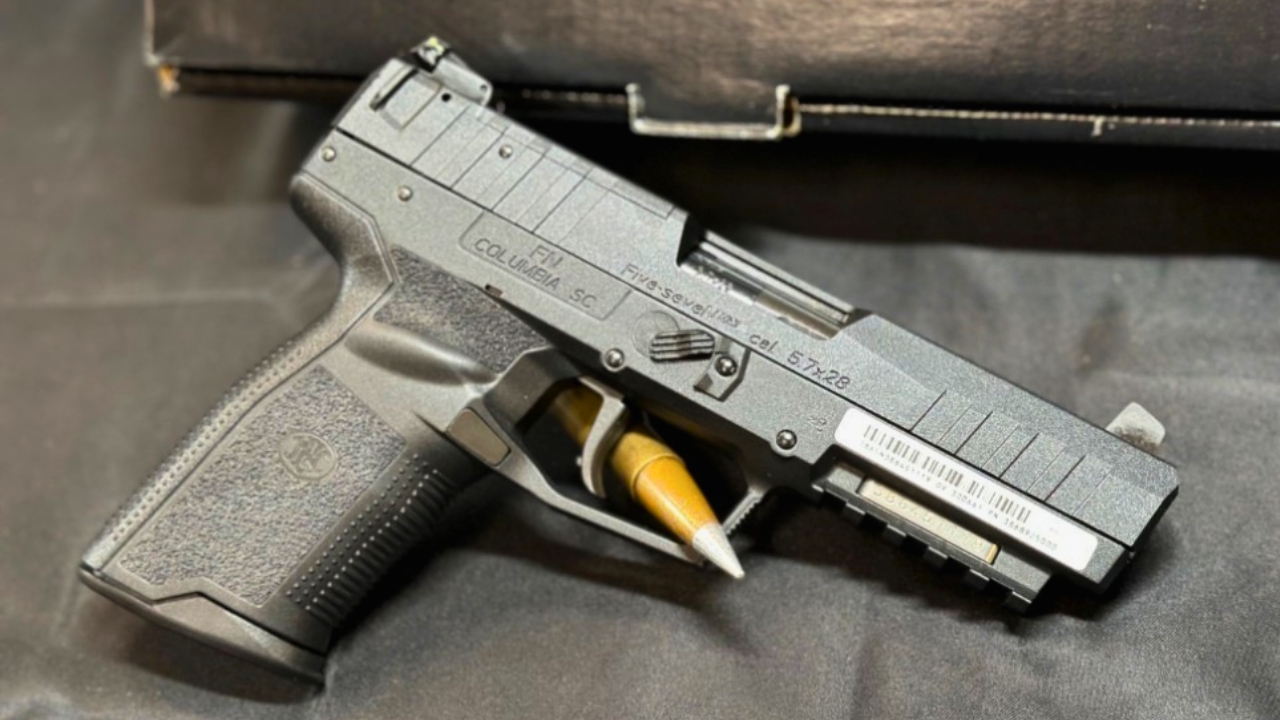
While newer versions have improved, the original Five-seveN had wear issues in the polymer rails and slide interface. It just wasn’t built for heavy use out of the gate.
Many found that the accuracy dipped as the fitment loosened, and some saw small parts giving up under normal use. Lightweight is great, but it came at a cost in long-term durability.
SCCY CPX Series

These are budget-friendly carry guns, but they often don’t stand up to regular range use. Trigger resets get lazy, takedown pins walk, and recoil springs can wear unevenly.
Some shooters report cracked frames or peened slides after just a few hundred rounds. They’re okay as backup guns, but don’t expect them to be range workhorses.
Walther CCP (First Gen)

The first-generation CCP had some real teething problems. The gas-delayed blowback system got dirty quickly and became unreliable, and takedown was awkward without tools.
Beyond the quirks, wear on the internals—especially around the gas system—set in fast. Walther made improvements later, but early adopters got burned by premature wear and function issues.
Colt M1991A1 (Low-End Models)

Not all Colts are created equal. Some of the 1990s-era M1991A1s, especially budget batches, had sloppy tolerances and soft parts that wore down quickly.
Barrel bushings and slide rails showed early peening, and the trigger group often felt mushy by a thousand rounds. Some of these were solid, but plenty felt worn before they were broken in.
Charter Arms Pitbull
The Pitbull tried to be a rimless revolver solution without moon clips—but it came with tradeoffs. The extractor system wears quickly and can cause reliability issues over time.
The overall finish and fit leave something to be desired, and many users note that timing and lock-up degrade after regular shooting. It’s a clever idea, but longevity isn’t its strong suit.
Remington 597

The 597 was meant to compete with the Ruger 10/22, but its internals couldn’t keep up. Feed problems, extractor issues, and worn-out bolt guides were common complaints.
Even light use would sometimes lead to inconsistent cycling or cracked buffer parts. It’s been discontinued for a reason—it just didn’t hold up the way it should have.
Glock 44

Glock’s .22LR model had promise, but early buyers ran into cracked slides and reliability issues. Being a polymer slide .22, it couldn’t handle bulk ammo abuse like some hoped.
The lightweight build helped with training, but the long-term durability just wasn’t there for many users. If you shoot a lot of rimfire, this one may not be the workhorse you’re looking for.
Rossi RS22

Another rimfire option that wears faster than expected, especially around the bolt and charging handle. Fitment gets sloppy after a few bricks of ammo, and some report broken firing pins.
It’s a great price, but the long-term use starts to reveal shortcuts in design and materials. If you shoot often, this one will start showing its limits pretty early.
Rock Island 1911 (Basic GI Models)

Rock Island makes affordable 1911s, but the base models can wear down faster than mid-tier options. Barrel fit and slide/frame mating often show early signs of wear.
They’re fine for casual use, but frequent shooters often end up replacing small parts sooner than expected. With some tuning and parts swapping, they can last—but out of the box, they can feel tired early.
*This article was developed with AI-powered tools and has been carefully reviewed by our editors.