Photo credit: Arms Studio/YouTube
Online, every gun looks like a cheat code. The camera angle is perfect, the split times are fast, and the comment section swears it “runs flawless” after one range trip. Then you finally handle one in person and realize the hype was built around a very specific setup, a very specific use case, and sometimes a very forgiving audience.
A gun can be well-made and still disappoint you. Maybe it’s heavier than you pictured, the controls don’t land where your hands want them, or the recoil impulse feels sharp even though the caliber is “manageable.” Sometimes it’s price versus reality—paying premium money for a gun that still needs aftermarket parts to feel finished. These are the kinds of guns that get a ton of online love, but can leave you thinking, “That’s it?”
FN SCAR 17S

The SCAR 17S has a reputation that’s bigger than most shooters’ actual needs. In your hands, the first surprise is how “busy” it feels—tall optic height, a tall-ish bore line, and a recoil pulse that’s more springy than you expect from a modern 7.62 rifle. It’s not painful, but it can feel jumpy compared to a heavier .308 you shoot better.
Then the practical stuff hits. It’s expensive to buy, expensive to feed, and the setup gets expensive fast once you add a good mount, optic, and mags. The trigger and ergonomics are fine, but not magical. If you wanted a do-it-all rifle that feels instantly natural, the SCAR sometimes feels like a specialist tool you’re paying general-purpose money for.
Barrett M82A1 / M107-style .50 BMG rifles

A .50 BMG semi-auto looks like the ultimate flex online. In real life, it’s a giant, loud, heavy machine that turns every range trip into a logistics plan. The rifle itself is long and awkward to move around, and it’s not something you casually toss into a truck for a Saturday session. Even on a bench, it feels like you’re managing the gun as much as you’re shooting it.
The disappointment usually isn’t accuracy—it’s reality. Ammo cost, range limitations, and pure bulk mean you shoot it less than you imagine. The recoil is more of a shove than people expect, but the blast and concussion are the real tax. For most shooters, it ends up as a “once in a while” gun, not a regular part of your rotation.
Desert Eagle (any caliber)

The Desert Eagle is internet-famous because it looks like power. In your hands, it’s a brick with a grip that feels like it was designed around someone else’s fingers. If you don’t have big hands, reaching the controls and getting a consistent grip can feel like wrestling a chrome cinder block. The gun also has a very particular recoil rhythm—more of a heavy flip and bounce than a clean push.
Then you find out it’s picky. It wants full-power ammo, a firm grip, and a little respect for how the gas system works. It’s not a “dump whatever in the mag” pistol, and it’s not a casual range blaster unless you enjoy clearing malfunctions and burning money. Fun? Yes. Practical? Not really. The hype makes it sound like a daily driver. It usually isn’t.
Taurus Judge

The Judge sells an idea: “one gun for everything” with .410 and .45 Colt on tap. In your hands, it often feels like a compromise that’s loud, bulky, and harder to shoot well than you expected. The grip and cylinder size make it big for what it does, and the trigger pull can feel long when you’re trying to make real hits.
The bigger letdown is performance expectations. .410 defensive loads don’t behave like a magic hallway broom, and patterning can be erratic depending on the load and distance. .45 Colt can work, but now you’re holding a large revolver that’s not especially pleasant to practice with in volume. If you bought it because videos made it look like the ultimate “truck gun,” you can end up with a gun that’s mostly good at being interesting.
Kel-Tec KSG

The KSG looks like the perfect compact shotgun solution online—short, high capacity, and futuristic. In your hands, the first thing you notice is weight and balance. It’s compact, but it isn’t light, and the center of gravity feels odd until you put real time behind it. The pump stroke can also feel stiff, and if you short-stroke it under speed, you’ll create your own reliability problems.
The controls are where expectations crash into reality. Tube selection, loading, and clearing stoppages take practice, and it’s not always intuitive under stress. The recoil can feel sharper than you expect because the gun is short and tends to move more in the shoulder. It can be a solid tool with training. It can also be the shotgun you show friends twice and then quietly stop grabbing.
Benelli M4

The Benelli M4 is legendary online, and it’s a genuinely serious shotgun. The disappointment comes when you realize how much you paid for “serious,” then feel how heavy it is once you add a light, sling, and a full tube. It carries like a duty gun, not a featherweight bird gun, and that matters the minute you’re moving around with it.
It also isn’t automatically perfect for every load and every shooter. Some people expect it to run the lightest bargain shells forever, and that’s not always how inertia and gas systems behave across all ammo. The M4’s controls and loading feel are fine, but not life-changing. If you thought the price tag meant you’d shoot twice as well overnight, you can end up with an excellent shotgun that still demands practice—and still feels like a lot of money for “excellent.”
Remington 870 Express (newer-production examples)

The 870 name gets hyped like it’s an unbreakable heirloom. A lot of newer Express guns, especially from certain production eras, can feel rough right out of the box. The action can be gritty, the finish can be thin, and you’ll notice small stuff—sharp edges, sticky extraction with cheap shells, or a general “needs smoothing” feel that doesn’t match the legend you heard online.
That doesn’t mean the platform is bad. It means the internet is often talking about older Wingmasters or well-worn police guns, not a budget Express you pulled off a rack today. If you buy one expecting silky cycling and perfect consistency, you may end up chasing fixes: polishing a chamber, swapping small parts, or fighting rust if you live somewhere wet. The hype is about the design. Your hands are dealing with the execution.
Ruger Precision Rifle

The Ruger Precision Rifle gets marketed as a shortcut to long-range performance. In your hands, you quickly learn it’s a heavy, awkward beast—especially if you imagined hiking it anywhere. The chassis and adjustability are nice, but it can feel like a range appliance more than a rifle you bond with. It’s also a gun that invites constant tinkering.
The disappointment usually shows up as time, not failure. You start chasing the perfect load, the perfect bipod, the perfect bag setup, and suddenly you’re testing gear instead of building skill. Feeding issues can pop up if you bounce between random AICS mags, and bolt feel can vary with grit and neglect. It can shoot very well. But if you wanted a rifle that feels natural and effortless from the first magazine, the RPR can feel like a project that never stops being a project.
SIG Cross

The SIG Cross is a pack-friendly rifle that looks perfect in photos. In your hands, it can feel lighter and sharper than you expect—more vibration, more movement, and less forgiveness if your support and position aren’t consistent. Light rifles do that. They don’t hide mistakes, and they don’t always feel “smooth” if you’re used to heavier bolt guns that settle in.
It also has a modern, modular vibe that makes people assume it’s plug-and-play. If your mounts aren’t torqued correctly, if your scope choice is heavy, or if you run it hard without keeping an eye on hardware, you can end up chasing shifts that feel mysterious. The Cross can be a great field rifle, but the internet often sells it like a do-everything precision rig. In real hands, it’s a field tool that rewards careful setup.
Micro-compact 9mm pistols (like the Hellcat and similar)

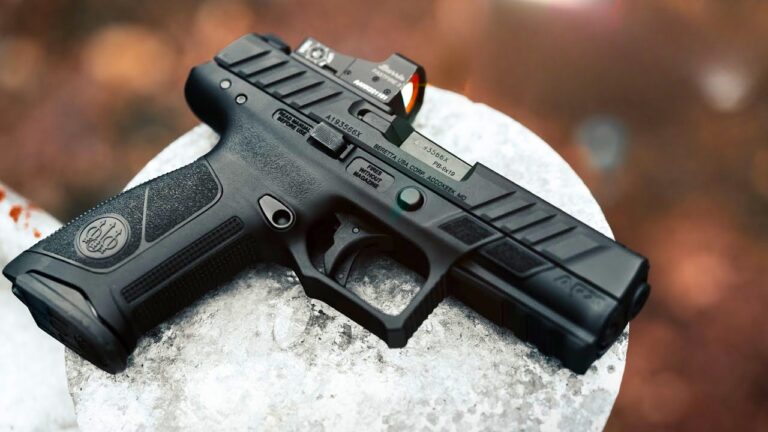
Micro-compacts get hyped as “full power, pocket size.” In your hands, you find out physics is still real. The guns are small, the grips are short, and the recoil impulse can feel snappy—especially when you’re trying to shoot fast and keep hits tight. Even if the gun is reliable, it may not be comfortable, and that matters because comfort is what makes you practice.
The other letdown is how sensitive they can be to grip and technique. Some shooters get along with them immediately. Others feel like the gun is always on the edge of slipping or flipping. Triggers can feel different under stress, and tiny sight radiuses magnify mistakes. These pistols are valuable tools, but the hype sometimes pretends they shoot like duty-size guns. A lot of hands disagree the first time the timer comes out.
Compact 1911s in .45 ACP (3-inch “carry” models)

A compact 1911 looks classy online, and people talk about them like they’re the ultimate carry solution. In your hands, the short-barrel .45 version can feel like a gun that’s always working against itself. The recoil is quick, the timing window is tighter, and reliability can be more sensitive to springs, magazines, and ammo choice than the internet admits.
The disappointment usually comes from expectations of “1911 smoothness.” A full-size 1911 can feel like it’s on rails when it’s built right. A 3-inch .45 can feel abrupt and finicky if it isn’t tuned well. You may also find the grip safety and thumb safety are great—until you’re rushing a draw and your grip is slightly off. Plenty of people love them. Plenty of people sell them after realizing they practice less with a gun that demands more attention.
CZ Scorpion EVO 3

Blowback PCCs get hyped as soft-shooting, easy fun. In your hands, the Scorpion can feel more punchy than you expected because straight blowback has a distinct slap as the mass cycles. It’s not painful, but it’s not the “laser-beam smooth” experience some videos imply. Add a short barrel and a muzzle device, and the noise and blast can be a bigger factor than you planned on.
Ergonomics are another common surprise. Controls, grip angle, and stock/brace setup can feel awkward until you tune it. That’s fine if you enjoy tinkering. If you expected it to feel perfect out of the box, you can end up pricing upgrades immediately: trigger, safety levers, grip, charging handle, and more. The Scorpion can be a great PCC, but the internet rarely mentions the “after you spend another pile of money” part.
MP5 clones

The MP5 vibe is strong online: smooth recoil, classic looks, and that roller-delayed mystique. With clones, the disappointment can be inconsistency. Some run beautifully. Some need a break-in, specific mags, or small tweaks before they feel like the dream you bought. When you get a good one, it’s fantastic. When you don’t, you spend range trips diagnosing feeding or ejection instead of enjoying the gun.
Even when everything works, expectations can be off. MP5-style guns are soft, but they aren’t magic. The sights are dated, mounting optics can be awkward depending on the setup, and controls aren’t as modern as today’s PCCs. If you wanted “modern performance with classic style,” you might end up with “classic style that requires modern patience.” The hype is about the original. Your hands are holding the copy.
Ruger LCP and ultra-light pocket .380s

Pocket .380s get sold as “always with you,” which is true. The disappointment is how they shoot. In your hands, the tiny grip, light weight, and small sights can make them feel like a chore past a couple magazines. The recoil isn’t brutal, but it’s sharp for the size, and the gun doesn’t give you much leverage to control it. Under speed, it’s easy to throw shots low or wide.
The second letdown is confidence. You buy it for self-defense, then you realize you don’t love practicing with it, so you practice less. That’s how a capable tool turns into a talisman. Many of these pistols are reliable when you keep them clean and feed them decent ammo, but they’re still hard to shoot well compared to something slightly larger. Online, they look effortless. In real hands, they’re a compromise you feel immediately.
Short-barreled 5.56 AR pistols (7.5–10.3-inch builds)

Short 5.56 builds look aggressive online, and the videos are always shot in bright daylight with ear pro and a lot of confidence. In your hands, the blast is the first reality check. It’s loud, concussive, and obnoxious indoors and around other people on the line. Even with a good muzzle device, it’s not pleasant, and that affects how often you want to run it.
Then there’s performance reality. Short barrels reduce velocity and change how some loads behave, and you can end up with a rifle that’s harder on parts and more sensitive to gas tuning. Some run fine. Some are finicky until you get buffers, springs, and gas right. If you wanted a compact do-it-all rifle, a short 5.56 can feel like a range toy that punishes you for shooting it—exactly the opposite of what the hype promised.
“Super lightweight” mountain rifles in magnum cartridges

The internet loves the idea: carry-all-day weight with magnum performance. In your hands, a sub-6-pound rifle in a hard-hitting chambering can feel like it’s trying to escape the moment it fires. The recoil isn’t just stout—it’s fast and sharp, which makes consistent shooting harder. You may still kill animals cleanly, but you might not enjoy practice, and practice is where confidence is built.
The disappointment often shows up as reality at the bench. Light rifles heat quickly, they’re sensitive to how you hold them, and they don’t forgive sloppy form. You start chasing loads and bedding and optics when the real issue is that the rifle is doing exactly what physics says it will do. These rifles make sense for certain hunts and certain shooters. The hype sells them as a free lunch. Your shoulder knows better.
Bullpup rifles (AUG-style and modern bullpups)

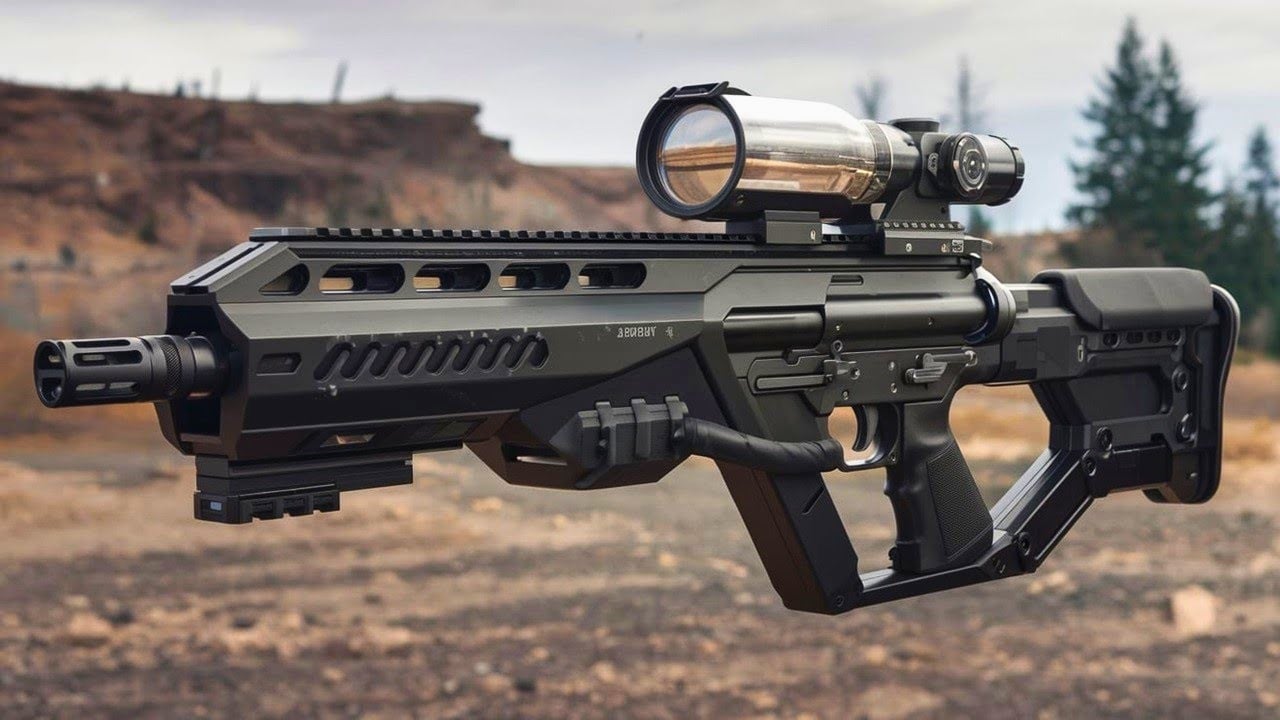
Bullpups look like the answer to everything: short overall length with a full barrel. In your hands, many bullpups feel different in ways the internet glosses over. The trigger often feels longer and less crisp because of the linkage, the balance is rear-heavy, and reloads can be slower until you train the motions. None of that is fatal. It’s just not the effortless “better AR” story people like to tell.
The other disappointment is ergonomics under stress. Controls vary, cheek weld can feel odd, and ejection patterns can be annoying if you’re a lefty or you shoot from unconventional positions. Some bullpups are excellent. The platform still asks you to adapt. If you bought one expecting instant comfort and speed because it looked slick online, you can end up with a rifle that’s cool to own and less fun to run.
The “do-it-all” revolver marketed as a survival answer

Certain revolvers get hyped as the ultimate backcountry tool—able to handle defense, hunting, and everything in between. In your hands, you may find the weight, recoil, and muzzle blast make it less practical than the legend suggests. Big-bore revolvers can be effective, but they’re also demanding, and many shooters don’t actually enjoy practicing with them enough to stay sharp.
The other disappointment is how quickly the mission gets fuzzy. A revolver that’s great for one job can be awkward for another. Barrel length, holster fit, reload speed, and sight setup all matter more than the comment section admits. You can absolutely run one well. But if you bought it because online hype made it sound like the one handgun that replaces all others, your hands may tell you it’s a specialist—just an expensive, heavy one.
The “tactical” shotgun build that’s worse than a plain one

You see a shotgun online with a big optic, side saddle, oversized everything, and it looks ready for anything. In your hands, that setup can feel front-heavy, snaggy, and slower to mount. Shotguns already demand good technique. Adding weight and bulk in the wrong places can make the gun harder to run, not easier. The hype is usually visual, not functional.
The disappointment also shows up in recoil management. If the stock fit is off, if the optic sits too high, or if the fore-end setup forces a weird support-hand angle, you’ll feel it immediately. A plain, well-fitted shotgun with good sights and a light often runs better than a “loaded” one that looks cooler in photos. Online builds get clicks. Practical builds get hits.
Like The Avid Outdoorsman’s content? Be sure to follow us.
Here’s more from us: