

Photo credit: TFB TV/Youtube
Some pistols make a decent first impression. They feel okay at the counter, the price looks right, the size seems practical, and the feature list sounds good enough. Nothing jumps out as a dealbreaker while you’re standing there thinking through the purchase.
Then range day gets honest. The trigger feels worse under live fire. The recoil is sharper than expected. The sights are harder to track. Magazines act up. The grip that felt fine for thirty seconds suddenly feels wrong after fifty rounds. These pistols may not all be terrible, but they’ve taught plenty of owners that “seems fine” is not the same thing as “shoots well.”
Kimber Solo
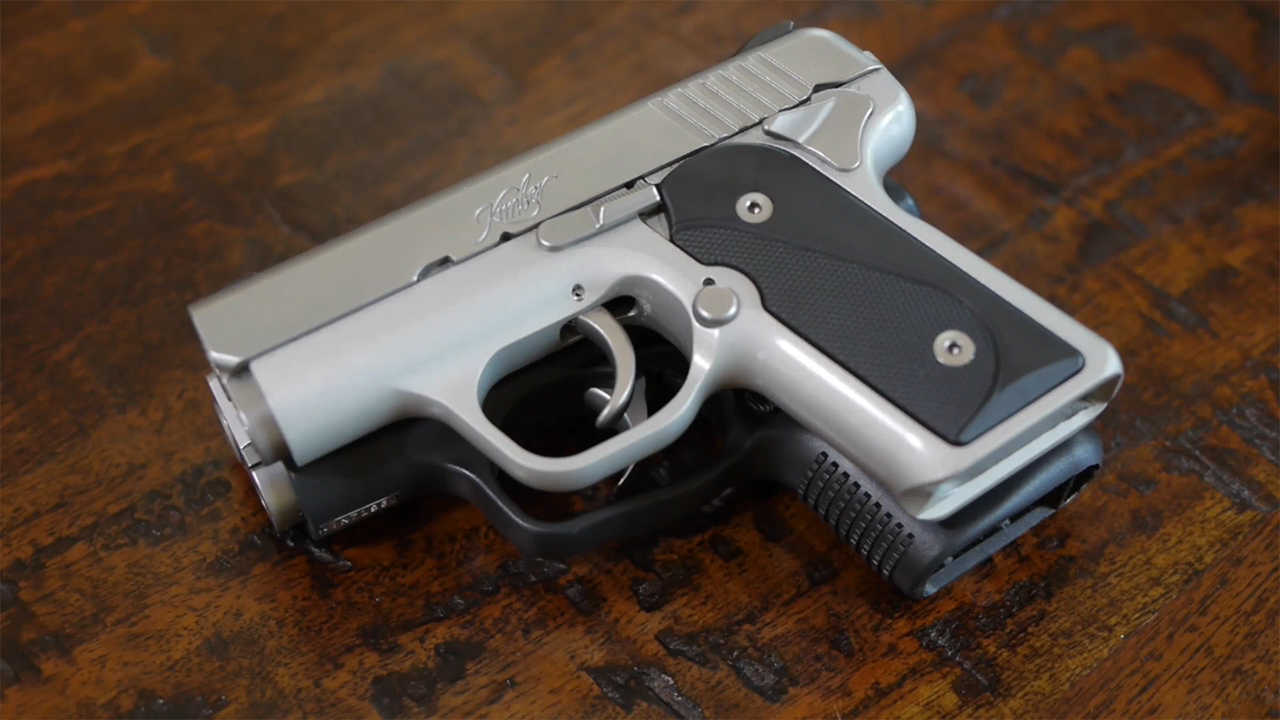
The Kimber Solo looked like a smart little carry gun when it first hit the market. It was compact, sleek, metal-framed, and far better-looking than most tiny defensive pistols in its class. At the counter, it had the kind of polish that made buyers feel like they were getting something more refined than the usual pocket 9mm.
Range day exposed the problem for a lot of owners. The Solo had a reputation for being picky about ammunition and less forgiving than a carry pistol should be. Some ran fine with the right premium loads, but that’s not the confidence most people want from a defensive gun. When a pistol is small, expensive, and still asks for careful ammo selection and perfect handling, the shine starts wearing off fast.
Remington R51
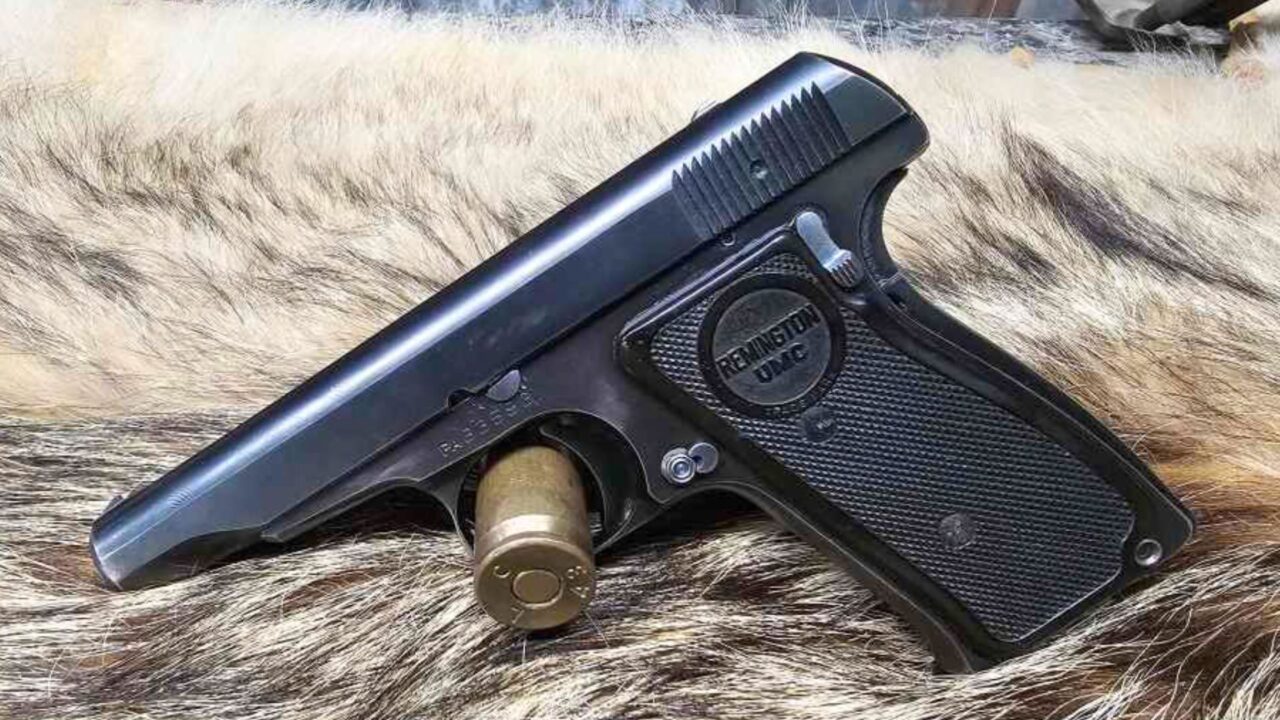
The Remington R51 had enough interesting ideas to make shooters curious. The low bore axis, slim grip, and unique action system made it seem like a carry pistol that might stand apart from the usual striker-fired crowd. It felt different in a market where a lot of compact pistols were starting to look the same.
Then early buyers started shooting them. Reports of failures, rough cycling, feeding problems, and general quality issues hit the R51 hard. Remington eventually went through a recall and relaunch, but the damage to trust was already done. A pistol can be unusual and still earn respect, but it has to work first. For many owners, range day turned curiosity into frustration.
Taurus Curve
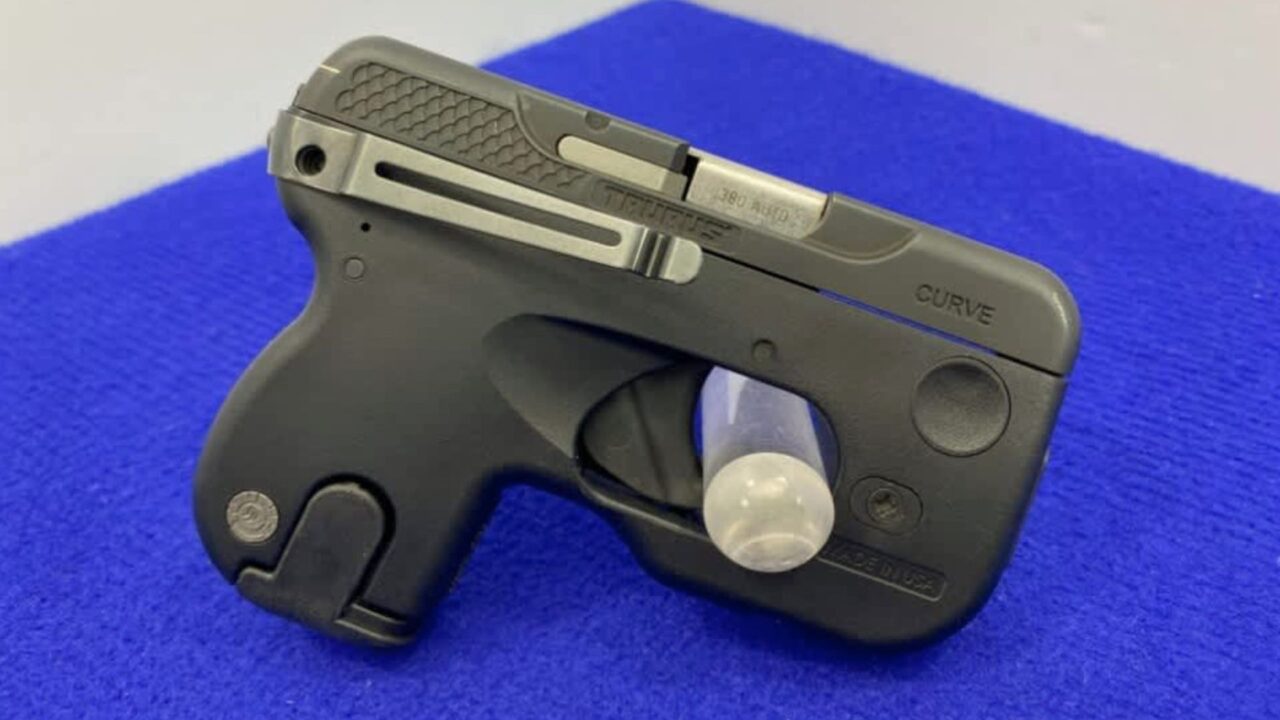
The Taurus Curve seemed clever in theory. A curved .380 designed to fit against the body, with a snag-free shape and built-in light and laser on some versions, sounded like an interesting answer for deep concealment. It was easy to understand why people stopped to look at it.
Actually shooting it made the compromises harder to ignore. The unusual shape did not feel natural to everyone, the sighting setup was limited, and the overall handling felt more like a concept than a serious training tool. A carry pistol needs to be easy to draw, aim, and shoot confidently. The Curve looked like it solved a concealment problem, but the range exposed how much shootability had been sacrificed.
SCCY CPX-2
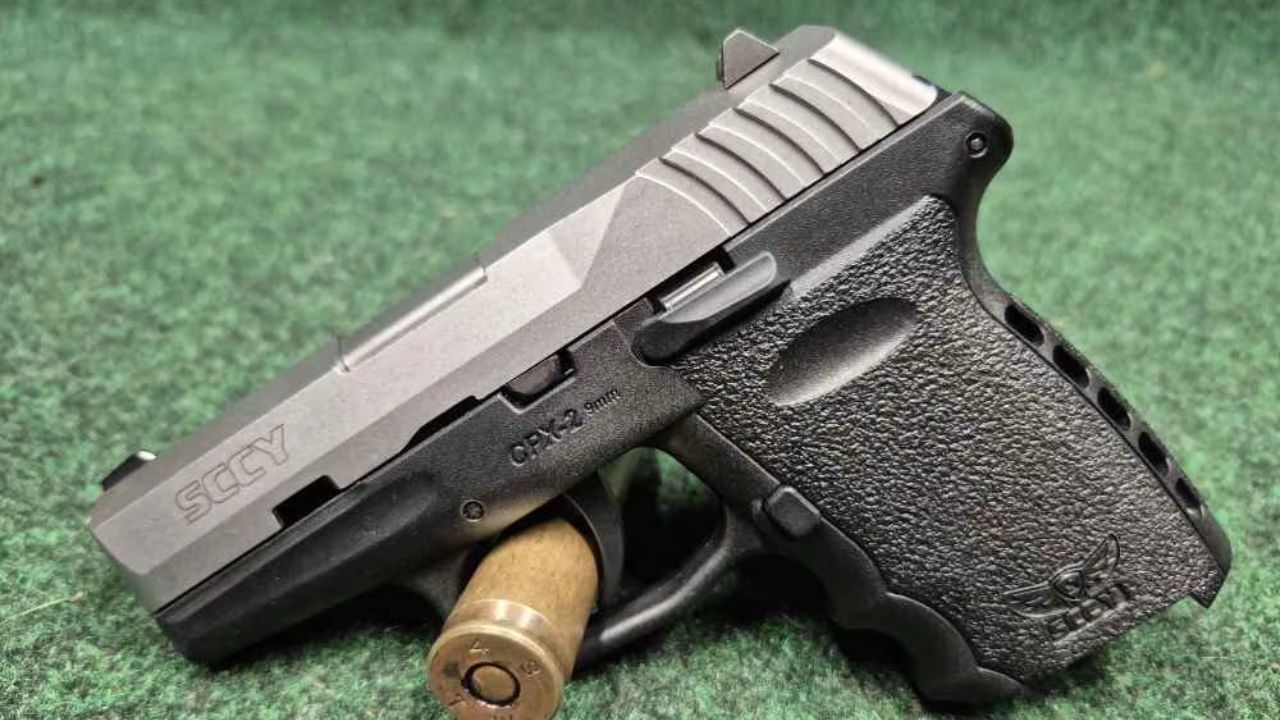
The SCCY CPX-2 looked reasonable for buyers who needed an affordable compact 9mm. It was small, lightweight, simple, and backed by a warranty that helped budget-minded owners feel safer about the purchase. On paper, it seemed like a practical entry-level carry gun.
The range told a tougher story. The long, heavy trigger made accurate shooting harder for many owners, and the light frame could make recoil feel sharper than expected. Some people ran them without trouble and accepted the trigger for what it was. But once better budget pistols became easier to find, the CPX-2 started feeling harder to justify. A carry gun has to be carried, sure, but it also has to be trained with.
KelTec PF-9
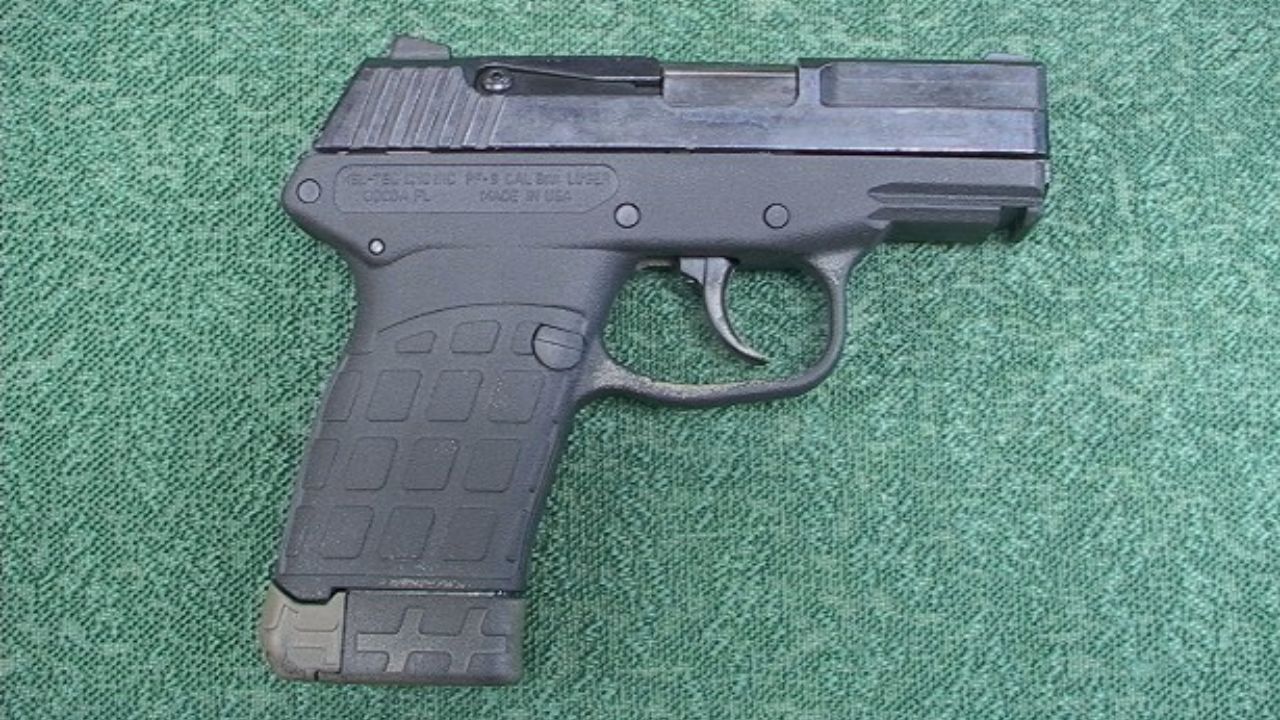
The KelTec PF-9 made sense when slim 9mm carry pistols were not as common as they are now. It was thin, light, affordable, and easy to conceal. For someone trying to carry a 9mm without spending much, it looked like a smart solution.
Range day exposed the tradeoff: that little gun could be unpleasant. The recoil felt sharp, the trigger took work, and the light frame did nothing to hide mistakes. Plenty of owners carried them because they were easy to hide, but easy to hide and easy to shoot are very different things. The PF-9 filled an important lane at the time, but many shooters learned they didn’t want to practice with it nearly enough.
SIG Sauer Mosquito

The SIG Mosquito sounded like a great range pistol before people started living with it. A .22 LR pistol with SIG styling, cheaper ammo, and trainer potential should have been an easy win. At the counter, it looked like a fun way to get more trigger time without burning through centerfire money.
Unfortunately, too many owners found themselves fighting reliability instead of building skills. The Mosquito developed a reputation for being ammunition-sensitive and frustrating with anything it didn’t like. Rimfire pistols can be picky by nature, but this one seemed to test patience more than it should have. A .22 should make range day easier. For a lot of Mosquito owners, it became the gun that made cheap practice feel like troubleshooting.
Beretta Nano
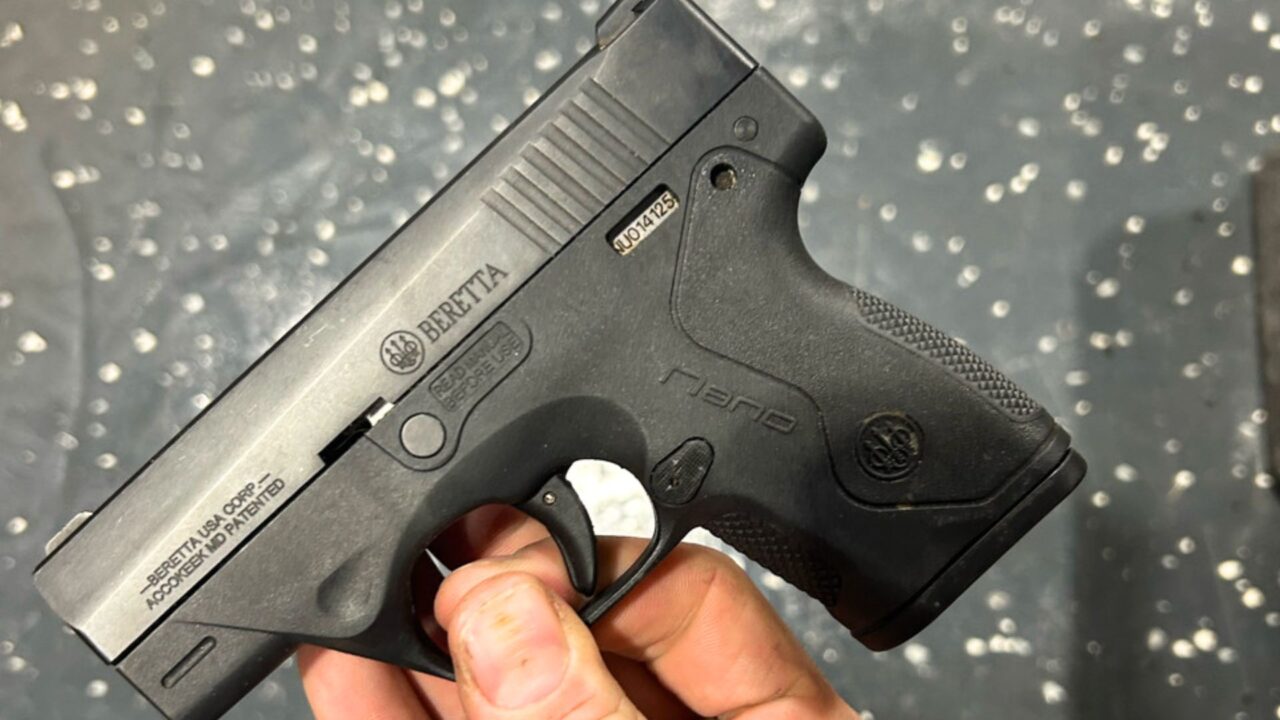
The Beretta Nano looked like a serious early answer to the slim 9mm carry market. It was smooth-sided, snag-free, compact, and built around a modular chassis-style system. It seemed thoughtfully designed for concealed carry, especially for buyers who liked Beretta but wanted something smaller than the company’s classic duty pistols.
Once shooters got it to the range, the complaints became clearer. The trigger was heavy, the grip was short, and the lack of an external slide stop lever frustrated some owners who trained regularly. It could also feel snappier than expected for a pistol that already gave up some control. The Nano wasn’t useless, but the range made its compromises obvious once newer slim 9mms started shooting better.
Smith & Wesson Bodyguard 380

The Bodyguard 380 seemed fine when judged as a pocket pistol. It was small, light, easy to conceal, and available with an integrated laser in earlier versions. For deep carry, especially in hot weather or light clothing, it made a lot of sense at first glance.
The range is where many owners learned how hard tiny .380s can be to shoot well. The long trigger, small sights, and limited grip made accurate practice challenging. That doesn’t make it worthless. It means it demands more work than its size suggests. A pistol that disappears in a pocket can still expose bad trigger control and weak fundamentals fast. The Bodyguard carried easy, but it didn’t make range day easy.
Ruger LC9

The Ruger LC9 was a big deal when slim 9mm carry pistols were still maturing. It was thin, affordable, and came from a company a lot of owners trusted. For many buyers, it looked like a practical concealed-carry answer before the market filled up with better-shooting options.
Then people started spending real range time with it. The long trigger on the original LC9 was the main complaint, and it made the pistol harder to shoot well than many expected. Recoil was also snappy enough to remind owners they were shooting a very small 9mm. Later LC9s and the striker-fired LC9s improved the formula, but the original taught plenty of people that slim carry guns can look better in the holster than on target.
Remington RP9
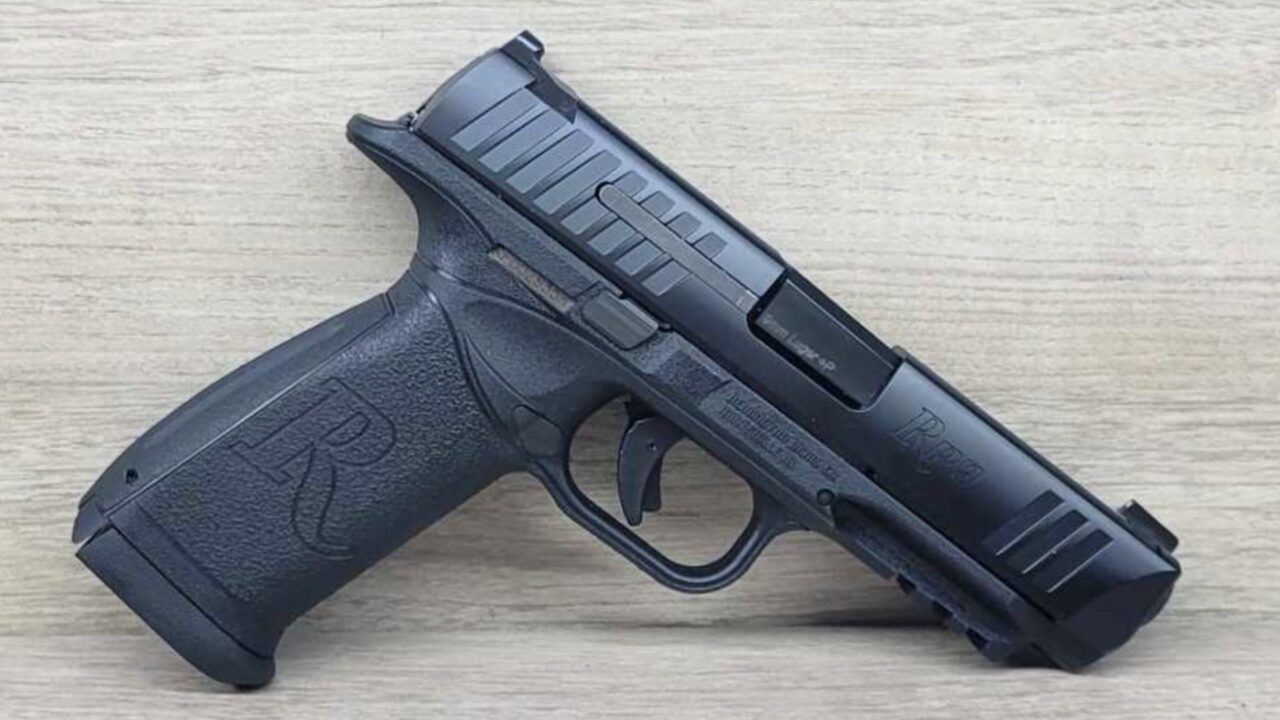
The Remington RP9 looked like it could be a smart full-size 9mm for the money. It had good capacity, interchangeable backstraps, and a price that undercut many better-known duty pistols. On paper, it seemed like Remington was trying to give shooters a practical polymer handgun at a budget-friendly price.
Range impressions were not kind enough to save it. The grip shape felt awkward to many shooters, the trigger didn’t impress, and the pistol never built the trust needed to compete in a crowded striker-fired market. It wasn’t helped by Remington’s wider struggles at the time, either. The RP9 seemed fine as a spec-sheet gun, but range day made it feel like an answer to a question most shooters were no longer asking.
Taurus PT709 Slim

The Taurus PT709 Slim looked appealing when slim single-stack 9mms were in demand. It was affordable, compact, easy to carry, and chambered in 9mm at a price that regular buyers could reach. For someone wanting a thin defensive pistol without paying premium money, it made sense on the shelf.
At the range, owners often ran into the usual budget-carry tradeoffs. The trigger could feel odd, recoil was sharper than expected, and reliability varied enough that careful testing mattered. Some pistols worked well for their owners, but others made people wish they had spent more on a Shield, Glock, or later micro-compact. The PT709 helped fill an important price point, but range day separated decent examples from frustrating ones quickly.
Diamondback DB9
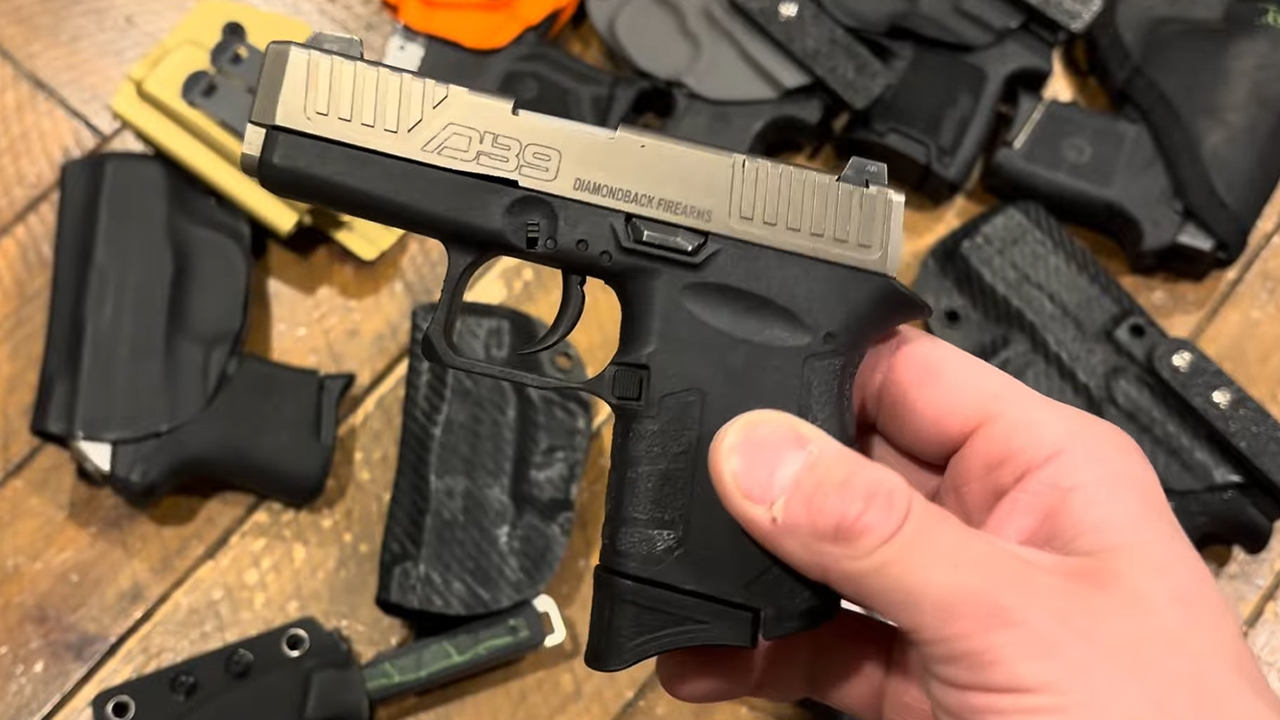
The Diamondback DB9 looked like a bold little pistol because it was extremely small for a 9mm. For buyers who wanted something close to pocket-size but more powerful than a .380, it had obvious appeal. The size alone made it interesting.
Shooting one reminded owners that physics still collects payment. The DB9 could be snappy, difficult to control, and unpleasant over longer practice sessions. Early generations also had reliability and durability complaints that made some shooters cautious. A tiny 9mm can sound great until you’re trying to put steady rounds on target. The DB9 proved that making a gun small enough to carry anywhere can make it hard to enjoy shooting anywhere.
Walther CCP
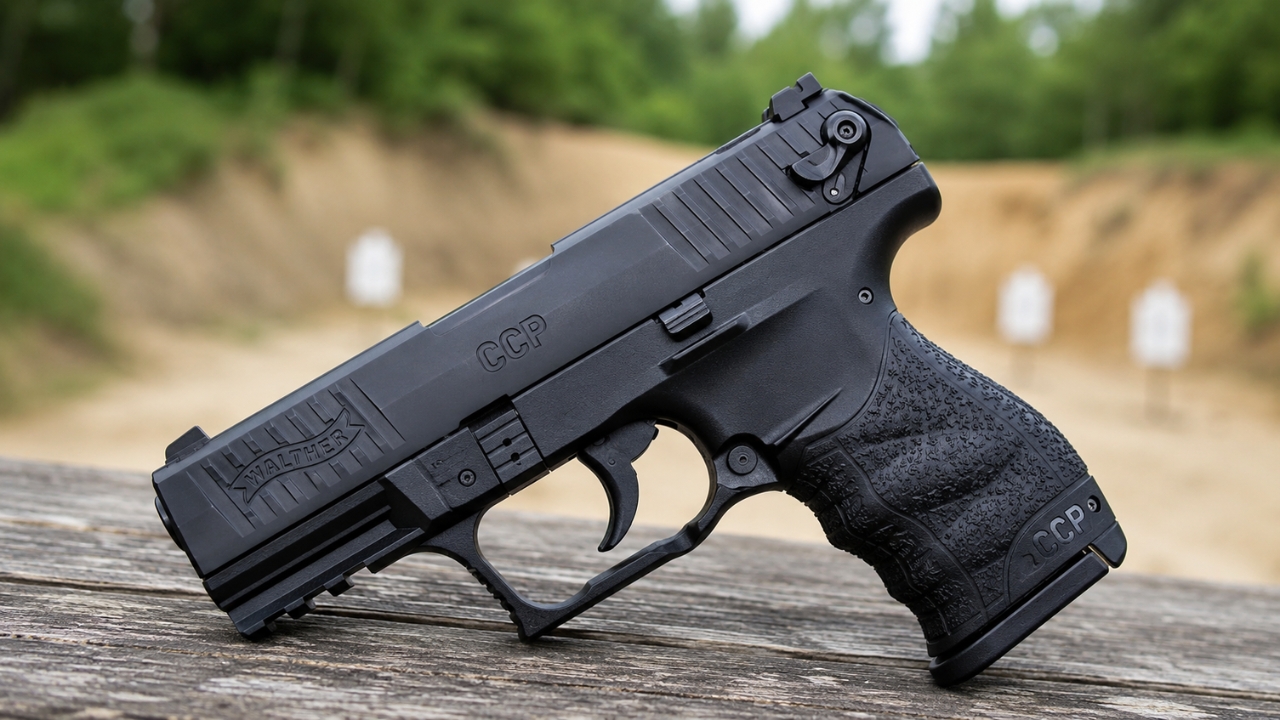
The Walther CCP had a smart idea behind it. The gas-delayed system was designed to reduce felt recoil, and the pistol was aimed at shooters who wanted an easier-handling concealed-carry option. At first, that sounded like a great alternative to harsh little carry guns.
The range experience was mixed enough to complicate the story. Some shooters liked the softer feel and comfortable grip, but others complained about the trigger, heat buildup around the gas system, and takedown process on earlier models. The CCP had a real purpose, but it wasn’t as cleanly executed as many hoped. It seemed fine in concept, but range day showed that solving one problem can create new ones.
Jennings J-22
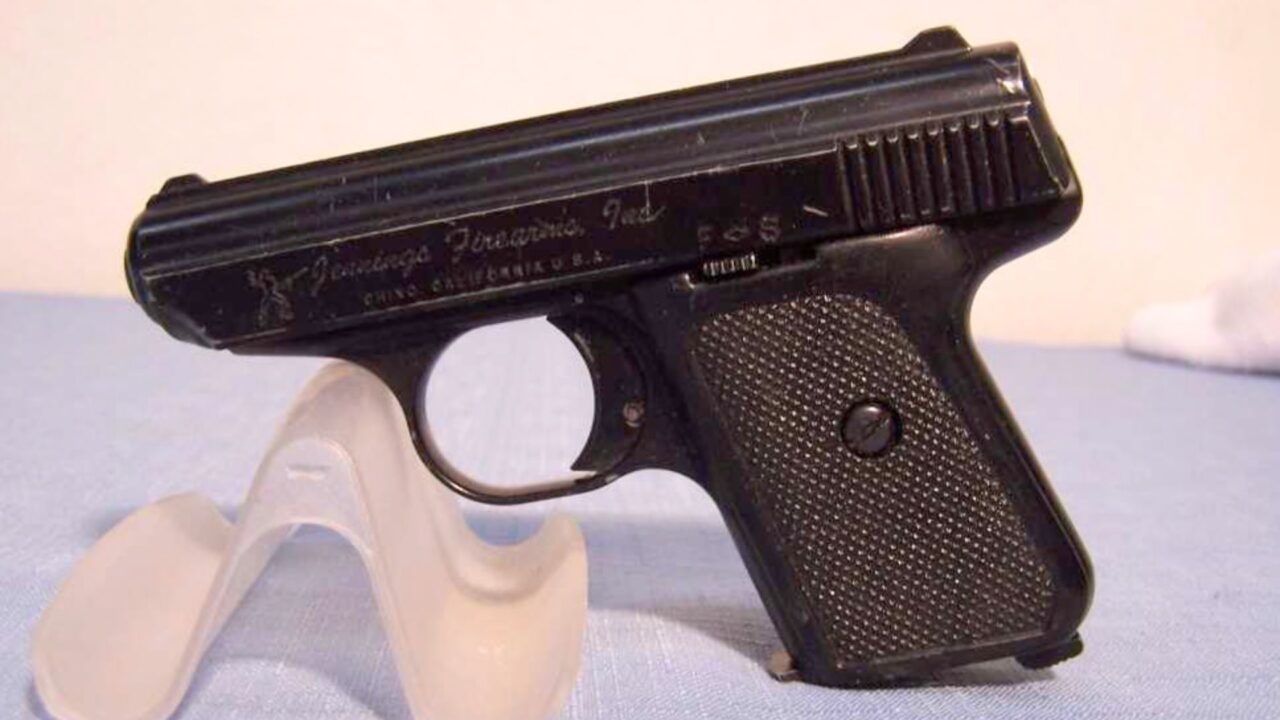
The Jennings J-22 looked fine only in the narrowest sense: it was cheap, small, and chambered in .22 LR. For someone who just wanted an inexpensive little pistol, that could seem tempting. It was the kind of gun people bought because the price made the decision feel low-risk.
Then shooting and ownership exposed why cheap can get expensive in other ways. Reliability, durability, safety concerns, and general quality complaints followed these pistols for years. A pocket pistol has to be trusted, and a range pistol has to be enjoyable. The J-22 struggled to make a strong case for either. It’s a reminder that the cheapest handgun in the case can quickly become the one that teaches the hardest lesson.
Desert Eagle .50 AE

The Desert Eagle .50 AE doesn’t usually trick people into thinking it’s practical, but it does make a powerful first impression. It’s huge, iconic, and dramatic in a way few handguns can match. At the counter, it feels like buying an event, not just a pistol.
Range day exposes both the fun and the reality. It’s expensive to feed, heavy to hold, loud, picky compared with simpler handguns, and not useful for much beyond entertainment, collecting, or very specific hunting roles. That doesn’t make it bad. It makes it honest. The Desert Eagle is a blast when it works and when expectations are realistic. But for owners who thought it would be more than a range spectacle, the first real session usually tells the truth.
Like The Avid Outdoorsman’s content? Subscribe to our newsletter so you never miss an article.
Here’s more from us:


