
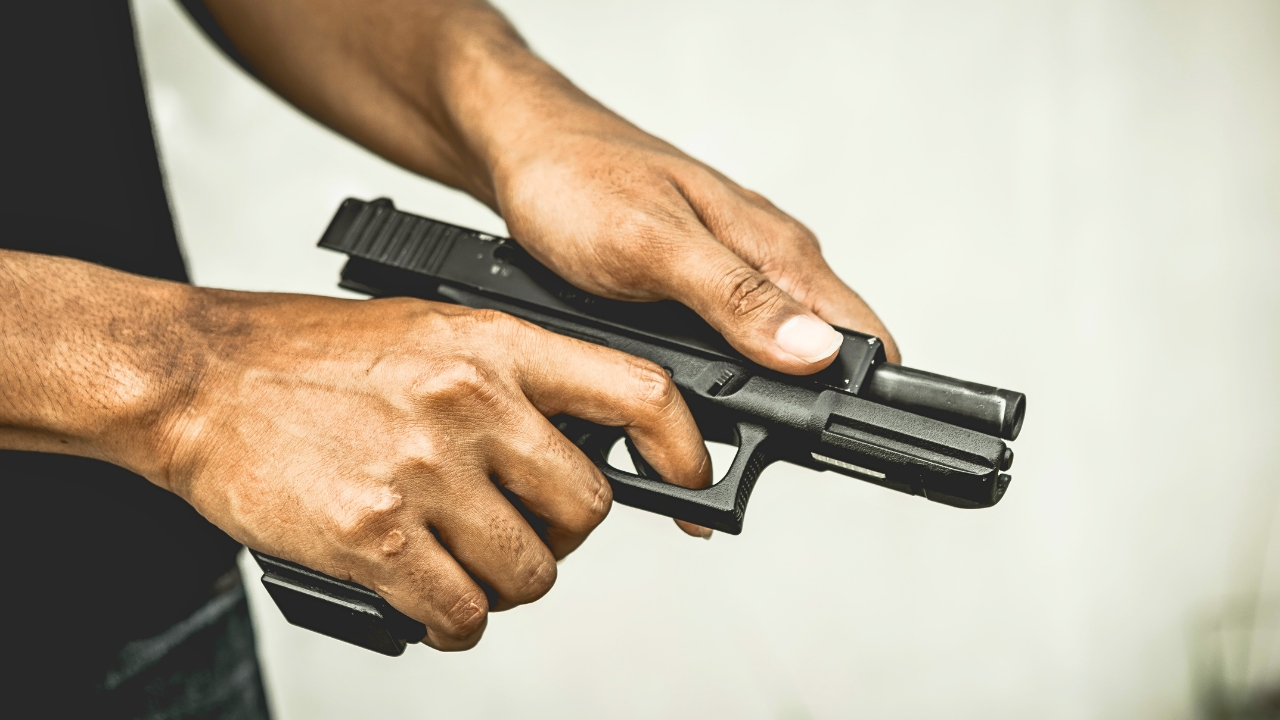
Photo credit: BR Photo Addicted/Shutterstock.com
Daily carry decisions get derailed by bad advice more often than people want to admit. A lot of shooters buy a handgun based on what sounds good at the counter, what looks good online, or what somebody else swears is the only smart option. The problem is that carry size is personal, and the wrong assumptions can push you toward a pistol that is too large to carry consistently or too small to shoot well when it counts.
That is where myths do real damage. A carry gun is not chosen in a vacuum. It has to fit your hand, your clothes, your tolerance for weight, and the way you actually live day to day. If you get the size wrong, the gun usually ends up left at home, carried uncomfortably, or shot poorly in practice. These are the myths that keep sending buyers in the wrong direction.
The smallest gun is always the easiest to carry
This is one of the most common mistakes in the carry world. People assume that the tiniest pistol will automatically be the easiest to live with because it takes up less space. In reality, the smallest gun is often only easier to hide, not easier to carry well. Tiny pistols can be harder to grip, harder to draw cleanly, and more annoying to manage if they shift around in a bad holster or feel unstable on the belt.
The other problem is that extremely small guns are often less comfortable to shoot, which means people practice less with them. A gun that disappears well under a shirt but feels miserable on the range can quietly turn into a bad trade. For a lot of people, a slightly larger handgun actually carries better because it rides more predictably and gives them a fuller, more confident grip.
A full-size handgun is too big for normal concealed carry
A lot of people hear “full-size” and immediately assume the gun is out of the question for everyday concealed carry. That is not always true. A full-size handgun can absolutely be harder to hide, especially with light clothing or poor holster choices, but the idea that it is automatically uncarryable is too broad to be useful. Body type, clothing style, holster design, and carry position matter more than many buyers realize.
Plenty of experienced carriers do well with larger pistols because those guns give them better control, better sight radius, and a shooting experience they trust more. The real issue is not whether the gun is technically large. The issue is whether you can conceal it consistently and comfortably enough to actually keep it on you. A full-size gun is not automatically wrong. It is only wrong if it does not fit your life.
A smaller grip always prints less
This sounds logical until you actually live with different handguns. Yes, grip length is often the hardest part of the handgun to conceal, and shorter grips can help. But buyers take that truth too far and assume the smallest grip possible is always the best answer. In real carry, a grip that is too short can make the gun harder to draw cleanly, harder to lock into, and more likely to shift in the hand as you establish your grip.
Sometimes a slightly longer grip actually helps because it gives you a cleaner purchase during the draw and keeps the pistol from feeling like a tiny object floating in the holster. Printing is not only about raw size. It is also about angle, holster ride height, belt support, and how the gun sits against your body. A shorter grip can help, but it is not the universal fix people treat it as.
If it feels good in the store, it will carry well all day
Gun-counter comfort fools a lot of buyers. A handgun can feel excellent in your hand for thirty seconds under bright lights and still turn into a nuisance after eight or ten hours on your belt. Store feel tells you almost nothing about how the gun carries under real weight, how it presses into your side when you sit, or how it behaves once you add a loaded magazine and a serious holster.
That is why buyers often end up with a pistol that felt “perfect” in the hand but becomes tiring, awkward, or irritating in daily use. Carry comfort comes from the full setup, not the bare gun alone. Holster shape, belt quality, loaded weight, and where the gun rides all matter. A pistol that feels ideal in a glass case can become a constant reminder on your waist once you actually start living with it.
Capacity always matters more than size
Capacity matters, and nobody should pretend otherwise. But a lot of buyers let round count bully them into a handgun that is bigger, thicker, or heavier than they realistically want to carry every day. That becomes a problem when the “better armed” gun spends more time in the safe than on the belt. A handgun with great capacity does you no favors if you avoid carrying it because it feels like a brick by noon.
The right balance is not the highest number you can cram into a magazine. It is the most gun you will actually carry consistently and shoot well. For some people, that is a compact double-stack. For others, it is a slimmer single-stack or micro-compact. More rounds can be a real advantage, but they are not the only factor. If capacity pushes you into a size you hate carrying, it may be costing you more than it gives you.
A lightweight handgun is always more comfortable
This sounds true until you spend real time carrying and shooting different pistols. A lighter handgun is easier on the belt in one obvious sense, but light weight can also make a gun feel less stable, more prone to shifting, and less pleasant to shoot. A very light pistol may seem like the smart daily carry answer until you realize it moves around more than you want and snaps harder in practice than a slightly heavier gun would.
Comfort is not only about ounces. It is about balance, how the gun rides, how it distributes weight, and whether the setup feels predictable through the day. Sometimes a slightly heavier handgun in a better holster actually feels more comfortable because it sits where it should and stays put. The idea that lighter automatically means better carry usually leaves out the part where you still need the gun to feel controllable and worth practicing with.
You should buy the same size gun everyone recommends online
Internet carry advice is full of confident answers that ignore how individual this choice really is. One person swears micro-compacts are the only realistic option. Another insists anything smaller than a compact is a waste of time. Both can be wrong for you. The problem starts when buyers treat the most repeated advice online as if it were universal truth instead of a reflection of somebody else’s body, clothes, tolerance, and priorities.
A gun that works beautifully for someone built differently than you may print badly, feel awkward, or shoot poorly in your hands. The reverse is also true. Carry size is not solved by consensus. It is solved by honest testing. If you buy a handgun only because it is the current crowd favorite, you may end up forcing yourself into a size that was never a natural fit for how you actually carry day to day.
A bigger gun is always easier to shoot, so that should decide everything
There is truth here, which is exactly why this myth hangs around. In general, larger handguns are easier to shoot well. They usually give you more grip, better sight radius, and softer recoil behavior. But buyers often take that truth too far and start acting like shootability alone should decide the carry size question. That is how people end up with pistols they shoot beautifully on the range and leave at home the rest of the week.
Daily carry is always a compromise between concealment, comfort, and shootability. If the gun is so large that you resent carrying it, the extra control does not matter much. A slightly smaller gun that you train with consistently and keep on you every day may be the smarter choice. Bigger is often easier to shoot. It is not automatically easier to live with, and carry guns have to survive real life first.
Micro-compacts are the best answer for everybody now
Micro-compacts changed the market in a big way, and for good reason. They offer more capacity in smaller footprints than older carry guns did, and that makes them very appealing. The mistake is assuming that because they are popular and genuinely useful, they must now be the automatic answer for everybody. They are not. A micro-compact can be harder to shoot well, easier to mishandle under speed, and less forgiving for larger hands than buyers expect.
For some people, they are the right balance. For others, they are a little too small to control confidently, especially under pressure or through long practice sessions. That does not make them bad. It makes them specialized tools with clear strengths and clear tradeoffs. The myth is that the newest size trend replaces all older carry logic. It does not. You still need the handgun that fits your hand, your clothes, and your willingness to actually carry it.
Like The Avid Outdoorsman’s content? Subscribe to our newsletter so you never miss an article.
Here’s more from us:


