Photo credit: TheHumbleMarksman/YouTube
A handgun can feel fine with mild range ammo and turn into a very different experience once recoil steps up. That is where design starts telling the truth. Weight, grip shape, bore axis, frame size, trigger reach, and sight picture all matter more when the pistol begins moving harder in your hands. A gun does not need to be soft to shoot well, but it does need to stay predictable if you want useful practice instead of flinching your way through a box of ammo.
That is why experienced shooters often appreciate full-size pistols and well-balanced all-metal guns more as range time goes on. They are usually easier to track through recoil, easier to grip consistently, and less punishing when the gun starts snapping harder. If your goal is better practice and cleaner follow-up shots with standard factory loads that feel a little sharper than usual, these are the kinds of handguns that tend to stay manageable instead of turning the session into work.
Glock 17
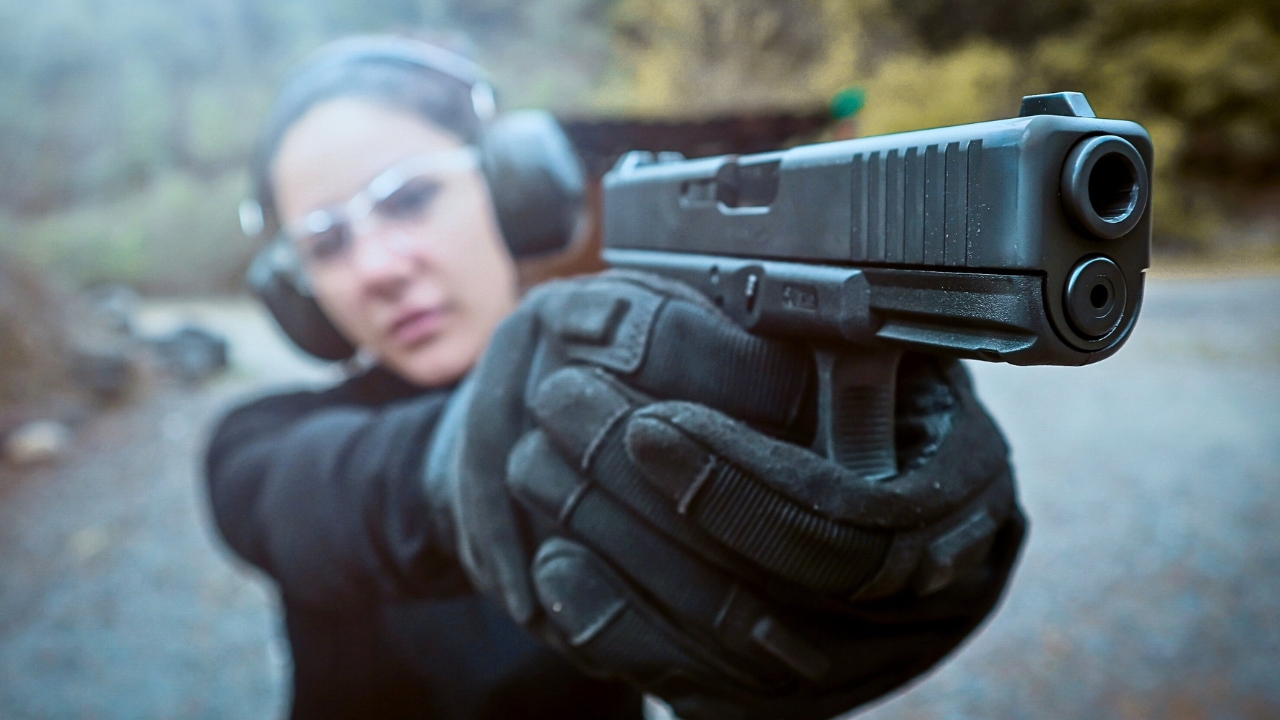
The Glock 17 has stayed popular for years because it does the basic things well, and recoil control is one of them. You get a full-size frame, enough grip to lock both hands in place, and a slide mass that helps the pistol cycle in a steady, predictable way. It is not the softest-shooting handgun ever made, but it is one of the easier service pistols to run consistently when the ammo feels brisker than your usual range load.
That matters once your practice session starts stretching out. The grip is large enough for real leverage, the sight radius gives you room to track the front sight, and the overall size keeps the gun from feeling jumpy. You may not think of the Glock 17 as exciting, but it earns respect because it stays composed when smaller guns start feeling busy. For extended range work, that kind of predictability counts more than flair ever will.
Glock 34
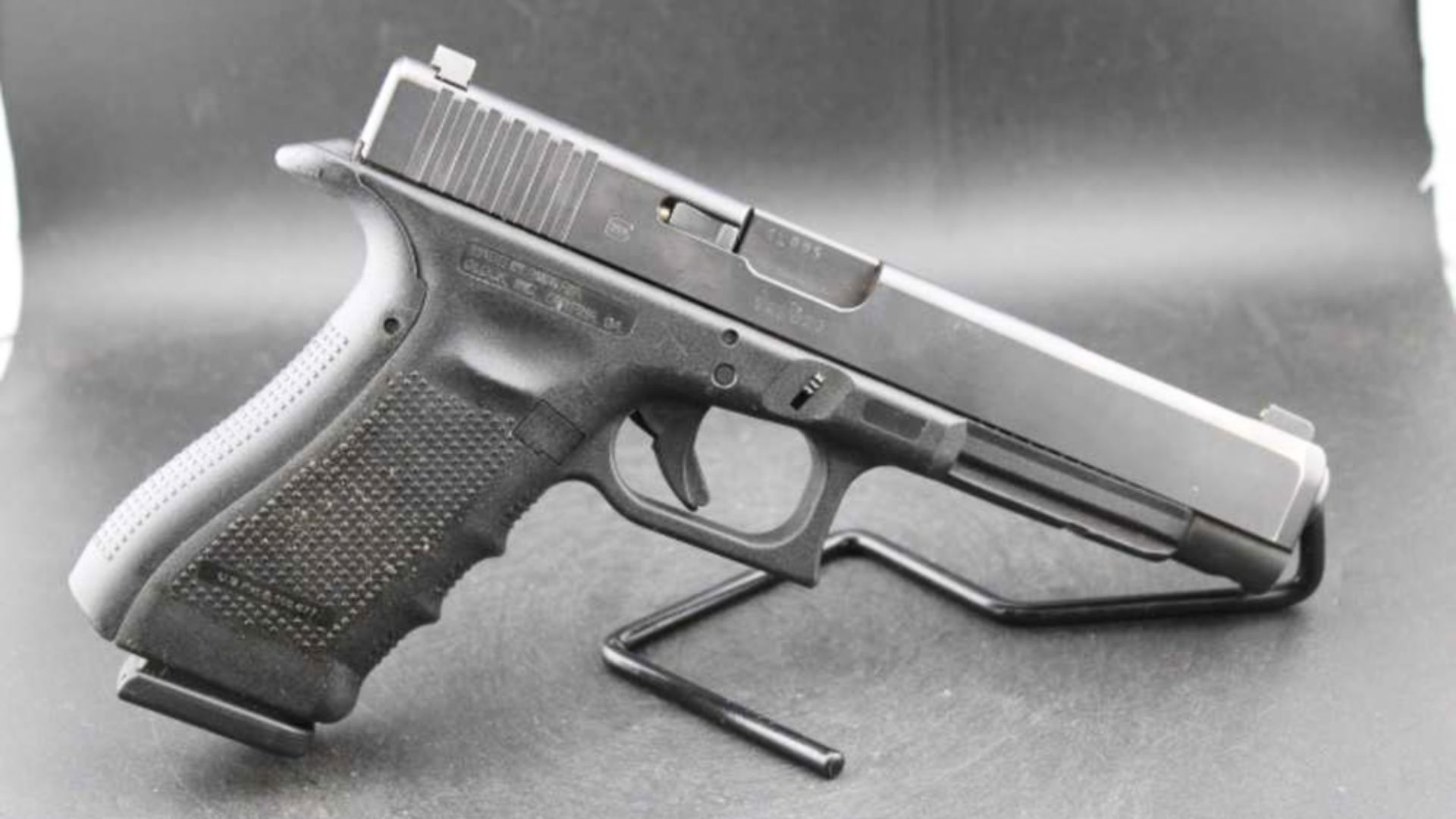
The Glock 34 tends to feel even calmer than the Glock 17 once recoil sharpens up, and that is not an accident. The longer slide and barrel give you more sight radius, a little more weight out front, and a softer visual rhythm when the gun cycles. It is still very much a Glock, but it carries itself more like a purpose-built range and competition pistol than a general-duty sidearm.
When the ammo feels snappier, that longer setup helps the gun settle back into the sights with less drama. The extra length is not always ideal for carry, but on the range it makes real sense. You can see more, track more, and usually shoot faster without feeling like the gun is trying to get away from you. If your goal is comfortable, repeatable practice with a full-size 9mm that handles sharp recoil well, the Glock 34 keeps making a strong case.
Smith & Wesson M&P 2.0 Full Size

The Smith & Wesson M&P 2.0 Full Size is one of those pistols that makes more sense the harder you shoot it. The grip texture is more secure than many older duty pistols, and the frame shape gives you a planted feel once you settle your hands into it. That combination starts paying off when recoil gets more abrupt, because the gun stays anchored better during fast strings than smoother, slicker-framed pistols often do.
The full-size configuration also gives you enough sight radius and enough grip length to keep the gun feeling stable through repeated shots. It does not need to be flashy to be useful. What matters is that the pistol stays predictable and easy to manage when range ammo feels a little hotter than usual. If you want a striker-fired handgun that rewards a firm grip and does not become annoying during longer sessions, the full-size M&P 2.0 holds up well.
SIG Sauer P226

The SIG Sauer P226 has long had a reputation as a pistol that feels planted, and that steady feel becomes even more obvious when recoil increases. The all-metal construction gives the gun real weight, and that weight helps soak up some of the sharpness that lighter polymer pistols pass straight into your hands. Add in a full-size grip and solid sight radius, and the result is a handgun that tends to stay composed during extended range use.
It also helps that the P226 has a balanced feel that keeps the gun from feeling overly top-heavy in recoil. It does not snap the way lighter pistols can when the ammo feels energetic. You still know the gun fired, but the movement is usually easier to track and recover. If you value a pistol that feels steady and substantial instead of lively and abrupt, the P226 remains one of the easiest serious handguns to appreciate during longer practice sessions.
Beretta 92FS

The Beretta 92FS stays comfortable in part because it is large, heavy enough to matter, and built around a design that often feels smooth in recoil. The full-size frame gives you plenty of grip surface, and the broad slide profile tends to make the pistol feel more settled than many compact or lighter service handguns. Some shooters find it bulky, but on the range that size pays you back.
When recoil gets sharper, the 92FS usually remains easy to track because it does not feel overly abrupt in the hand. The longer sight radius helps too, especially when you are trying to stay honest during fast strings. It is not the best fit for every hand size, but when it fits you, it can be one of the more forgiving full-size 9mms to practice with. That smooth, predictable feel is exactly why so many shooters still respect it after all these years.
CZ 75 SP-01

The CZ 75 SP-01 is one of those pistols that feels like it was built for long range sessions. It has enough weight to matter, a low slide profile, and a grip shape that tends to lock the gun in place very naturally for a lot of shooters. Once recoil becomes more noticeable, those traits help the pistol stay flatter and feel less abrupt than lighter-framed alternatives.
That low, planted feeling is what makes the SP-01 easy to appreciate when the pace picks up. The gun tracks well, settles quickly, and usually gives you the sense that you are working with the recoil instead of chasing the sights back down after every shot. It is not a small pistol, and that is part of why it works so well. If your goal is comfortable practice and a handgun that does not wear you down when the range ammo feels sharper, the SP-01 is hard to ignore.
CZ Shadow 2

The CZ Shadow 2 is one of the clearest examples of a handgun built to stay composed under recoil. It has significant weight, excellent balance, and a grip shape that gives many shooters strong control right from the first magazine. On the range, especially during longer practice sessions, that matters more than people sometimes admit. A gun that stays visually steady is easier to shoot well, and the Shadow 2 is built around that idea.
As recoil rises, the Shadow 2 keeps rewarding good fundamentals instead of punishing you for every small mistake. The weight out front helps calm the gun, and the overall feel is more settled than what you get from many lighter service pistols. It is a large handgun with a clear purpose, and that purpose shows the moment you start shooting faster. For range work, it stays one of the easiest pistols to run confidently when the recoil pulse sharpens up.
Springfield Armory Echelon
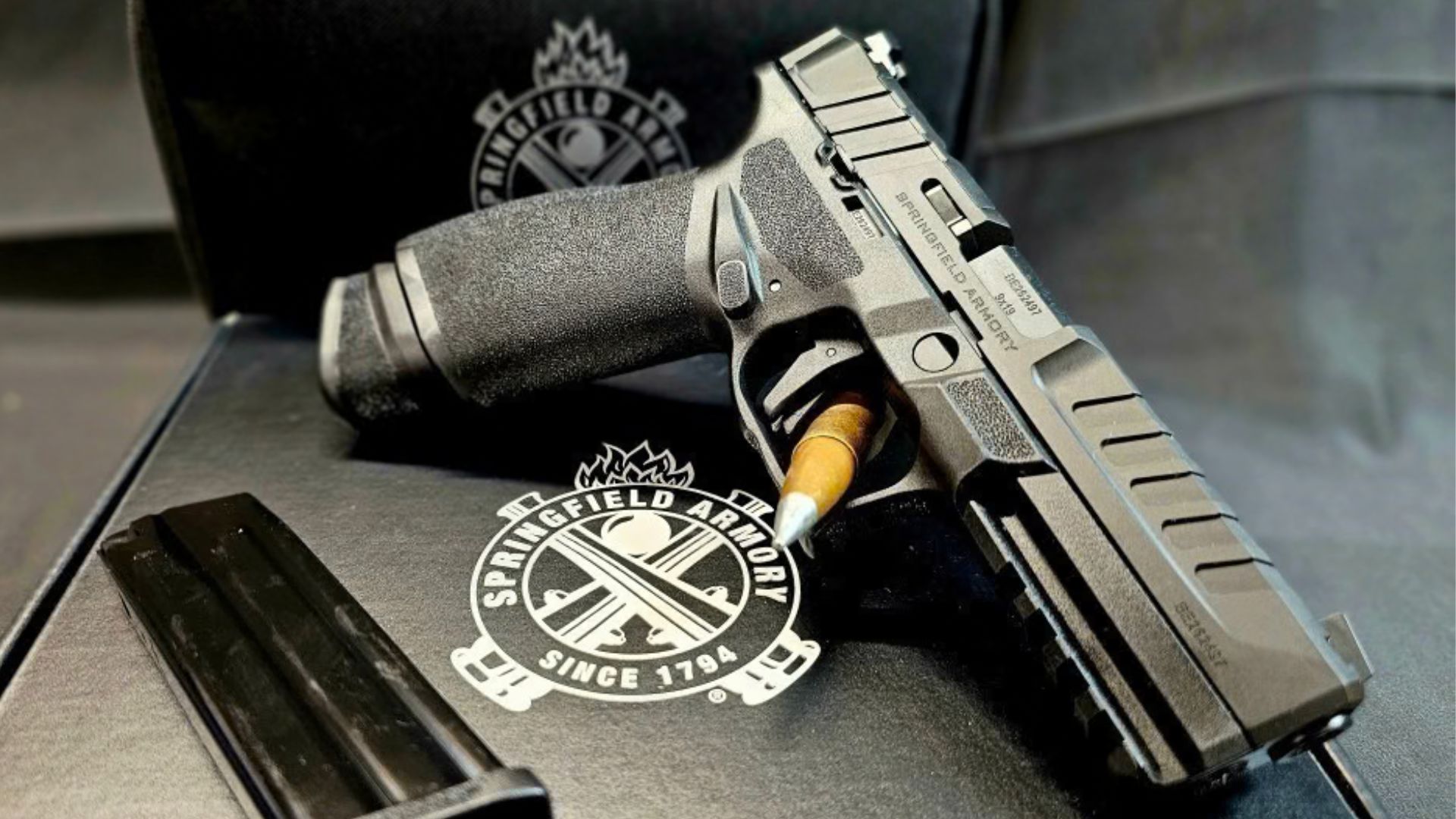
The Springfield Armory Echelon earns respect because it gives you a modern striker-fired setup that still feels stable when the ammo gets snappier than average. The grip area is generous enough to get a real hold on the pistol, and the full-size format gives you enough frame and slide mass to keep the recoil from feeling overly sudden. It handles more like a duty gun meant for real use than a trimmed-down compromise piece.
That becomes clear during longer strings. The pistol tracks in a way that feels controlled rather than hectic, and the sight picture is easier to recover than what you often get from smaller guns. It is still a polymer striker-fired handgun, so it is not going to feel as heavy or damped as a steel-framed pistol. But for a full-size modern service gun, it stays manageable and practical in a way that makes range work easier instead of more tiring.
Walther PDP Full Size

The Walther PDP Full Size has enough grip, enough frame, and enough practical size to remain pleasant when recoil gets more noticeable. It is not the heaviest gun in the class, but the full-size configuration gives you more control than the compact versions, and that extra control matters once you start shooting faster or staying on the range longer. A secure grip goes a long way when the pistol starts moving more.
The PDP line is often appreciated for how easy it is to shoot well, and that carries over here. The larger frame gives you more leverage, and the sight tracking stays clear enough that you can keep working instead of fighting the gun. It still feels lively compared with heavier steel pistols, but it does not become punishing. If you want a modern striker-fired handgun that remains comfortable through sharper practice loads, the full-size PDP is a far better choice than its smaller siblings.
HK VP9

The HK VP9 stays manageable because it gives you a full-size grip, solid ergonomics, and a frame shape that lets many shooters get a clean, repeatable hold. That matters more than people realize when recoil starts to feel sharper. If your hands land in the same place every time and the gun gives you enough surface to control it, you usually shoot better and fatigue less over a long session.
The VP9 also avoids feeling overly abrupt in recoil for a polymer pistol. It is not a heavyweight, but it has enough size and enough usable grip to stay predictable when the range load is brisker than normal. You do not spend as much time readjusting your hands or waiting for the sights to settle. That makes it a good example of how thoughtful ergonomics can keep a handgun comfortable, even without the extra mass that helps older all-metal pistols feel calmer.
1911 Government Model in 9mm

A full-size 1911 in 9mm can be a surprisingly comfortable range pistol when recoil starts picking up. You get a steel frame, a long sight radius, and a grip angle that many shooters find easy to manage under speed. In the hand, the gun tends to feel planted rather than lively, and that planted feel becomes more valuable the longer you stay on the range.
The weight is a big part of the story. A steel Government-size pistol has enough mass to take the edge off sharper recoil in a way lighter handguns simply do not. Add in a crisp trigger and good balance, and you get a gun that often feels easier to control than many polymer pistols, even if those guns are mechanically excellent. For practice, that matters. The 9mm Government Model is not the cheapest path in, but it remains one of the most comfortable ways to spend real time behind a handgun.
SIG Sauer P320 XFive Legion

The SIG Sauer P320 XFive Legion was built with range use in mind, and it shows. The added weight, longer slide, and competition-oriented setup all help keep the gun steady when recoil sharpens. Compared with lighter duty pistols, it feels calmer and less abrupt, especially during repeated strings where sight recovery matters more than anything printed on the box.
That extra weight is not there for looks. It helps the pistol stay flatter and feel more predictable in the hand, which makes longer practice sessions less tiring. The full grip and long sight radius also do their part. If you want a striker-fired handgun that behaves more like a purpose-built range gun than a carry-first compromise, the XFive Legion fits that role well. It is one of those pistols that reminds you how much easier good practice becomes when the gun itself is not fighting you.
Staccato P

The Staccato P earns a lot of praise because it combines a shootable steel-framed feel with modern practical performance, and that balance shows up clearly when recoil gets sharper. It has enough weight to stay settled, enough grip to keep your hands anchored, and the overall 2011-style layout tends to reward fast, controlled shooting when the gun is run the way it was meant to be run.
What stands out most is how the pistol returns to the sights. It feels controlled instead of jumpy, which makes it easier to keep working through longer drills without feeling beaten up by the end. It is not a budget option, and it is not trying to be. But if your standard is a handgun that stays composed during demanding range sessions, the Staccato P makes a strong argument for why size, weight, and balance still matter more than marketing language.
Beretta PX4 Storm Full Size

The Beretta PX4 Storm Full Size often gets overlooked, but it has a reputation among experienced shooters for being easier on the hands than many people expect. The full-size frame gives you a useful grip, and the pistol’s overall feel is more comfortable than its looks may suggest. It does not get the same attention as some older Beretta models, but it deserves more discussion than it usually gets.
On the range, what matters is that the gun stays manageable and does not turn sharp recoil into a tiring experience too quickly. The full-size setup gives you enough surface and enough overall presence to keep the pistol from feeling twitchy. It may not have the same broad following as the 92 series, but it remains one of those handguns that can quietly impress shooters who care more about practical control than brand familiarity or trend-driven attention.
Smith & Wesson Model 686

The Smith & Wesson Model 686 stays controllable because it brings mass, balance, and a full-size grip to the table in a way many lighter handguns do not. A medium-to-long-barreled 686 gives you real weight out front, and that helps settle the gun during recoil. If you are on the range shooting full-power factory loads, that added weight makes a clear difference in comfort and sight recovery.
A well-set-up 686 also gives you the kind of steady, deliberate shooting experience that rewards strong fundamentals instead of punishing you for every little error. It is not fast to reload, and it is not a carry-first handgun. But for range work, it remains a very strong example of how a properly sized revolver can stay pleasant even when recoil steps up. If your goal is control and a gun that does not feel nervous in the hand, the 686 still earns its place.
Like The Avid Outdoorsman’s content? Subscribe to our newsletter so you never miss an article.
Here’s more from us: