Photo credit: Dmitri T/Shutterstock.com
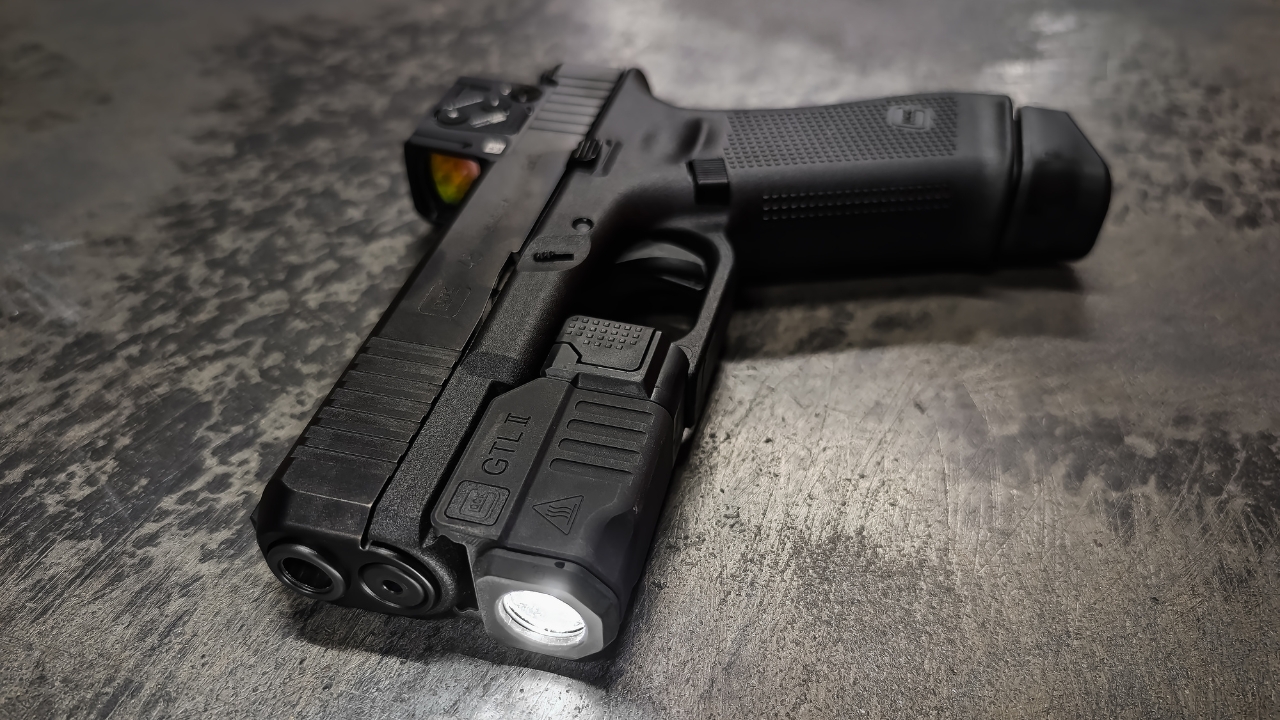
A weapon light is one of the most useful add-ons you can put on a defensive pistol. It also has a way of exposing weak spots you never noticed during casual range trips. Clamp a light to a polymer rail and you change the way the dust cover flexes. You add weight out front, change slide timing a touch, and sometimes alter how the gun returns in recoil. On top of that, some lights fit rails better than others, and overtightening can turn a reliable pistol into a malfunction machine.
None of this means lights are a bad idea. It means your pistol, your light, and your ammo become a system. If you don’t test that system, you’re guessing. These are handguns that have a real track record of being reliable—yet owners sometimes see issues once a light gets mounted, especially with certain clamps, keys, and ammo choices.
Glock 19

The Glock 19 is the poster child for “runs forever,” and most of the time it still does with a light. The problems show up when the light clamp is cranked down too hard or the key doesn’t match the rail well. That pressure can change how the frame flexes, and you’ll see failures to feed or occasional short-stroking in some setups, especially with soft range ammo.
You fix most of it by treating the light like a fitted part, not a universal accessory. Use the correct key, seat it consistently, and tighten to the light maker’s spec instead of leaning into it. Then prove it with your carry ammo and your practice ammo. When the combo is right, a G19 with a light is boringly dependable. When it’s off, it makes you doubt a pistol that normally never gives you a reason to.
Glock 17
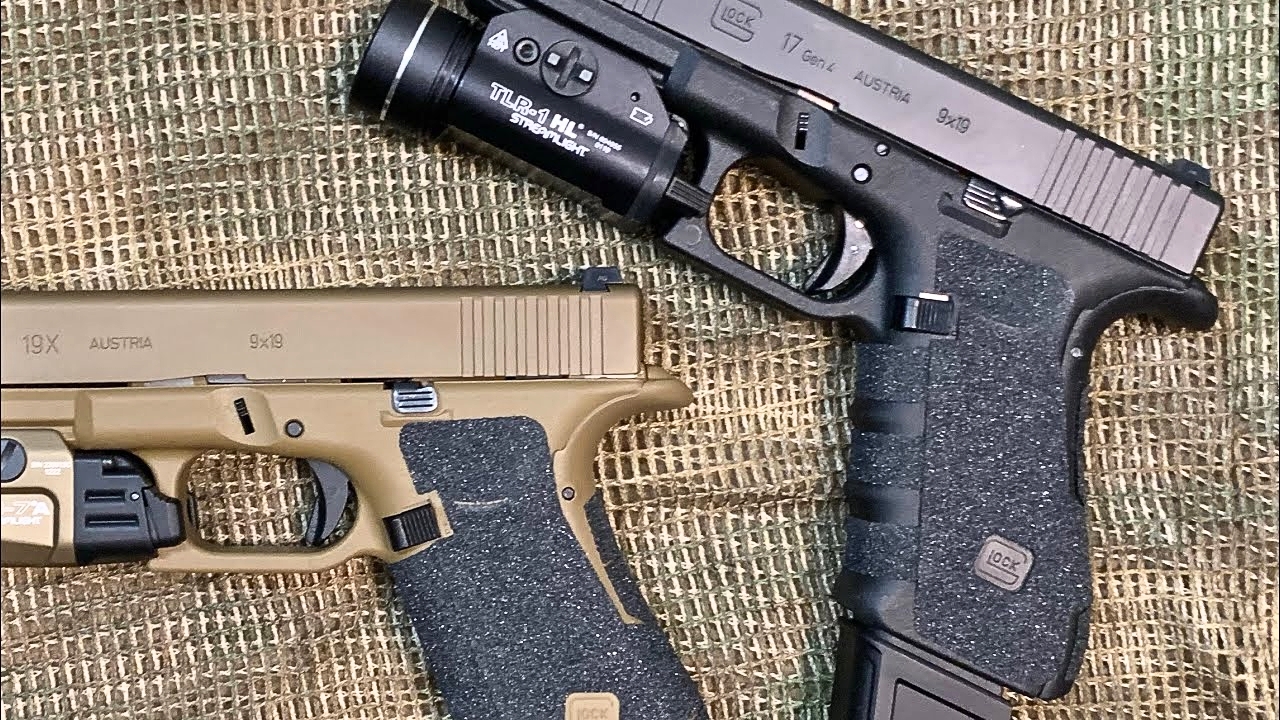
The Glock 17 often behaves better than smaller guns when you add weight up front, but it can still be sensitive to how a light is mounted. The longer dust cover and rail give you more leverage for clamp pressure, and certain lights can “bite” the rail differently depending on the key. Some owners notice intermittent feed issues that vanish the moment the light comes off.
The biggest trap is thinking “full-size means immune.” It doesn’t. The fix is the same: correct key, consistent placement, correct torque, and a real round count to confirm the setup. If you’re using a lighter recoil impulse load, that extra weight and altered flex can matter more than you expect. Set it up carefully and the G17 remains the steady, predictable tool you bought it to be.
Glock 43X MOS / 48 MOS

Slimline Glocks are great carry guns, and that’s exactly why light setups can get finicky. The smaller mass and tighter operating window mean small changes show up faster. Add a light and you’re adding forward weight and clamp pressure to a lighter frame, often paired with ammo that’s chosen for softer recoil and faster follow-ups.
If problems appear, they often look like failures to return to battery or feeding issues that come and go. That’s maddening because the gun feels “reliable” until you try to run it like a duty pistol. The path forward is controlled testing: your chosen light, your chosen ammo, your chosen mags. If the gun runs with a specific light and not another, believe what the gun is telling you. A slim carry pistol can still wear a light; it has less tolerance for sloppy fit.
SIG Sauer P320
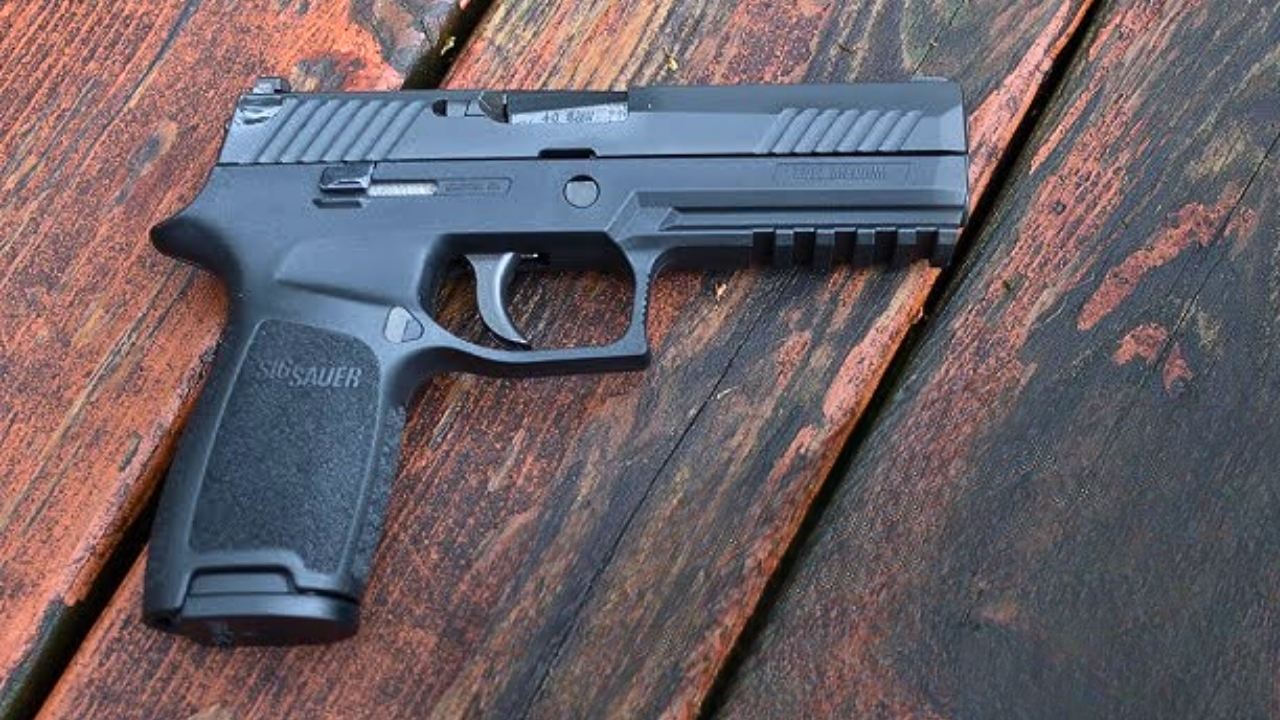
The P320’s modular chassis design makes it a strong platform, but it also means the grip module and rail interface matter a lot. Some owners see weird, inconsistent behavior with certain lights mounted tight, especially when the light’s clamp geometry doesn’t match the rail perfectly. It’s not always dramatic, but it can show up as occasional feed hiccups or sluggish cycling with softer loads.
You avoid most headaches by treating the light mount like a fitment job. Use the correct rail key, confirm it seats square, and avoid over-torquing. Also pay attention to the specific grip module you’re using, because flex characteristics can vary. Then run the gun hard with the light on—draws, one-hand strings, odd angles, and your carry ammo. A P320 can be very dependable with a light. It’s also the kind of pistol that rewards you for being picky about the exact light and mount.
SIG Sauer P365 XMacro

The XMacro gives you capacity and a rail on a pistol that still lives in the “carry gun” world. That combination is where light-related sensitivity can show up. Smaller, lighter pistols have less extra energy to burn, and adding a light can nudge the system toward occasional short-stroking if the setup isn’t ideal.
When it happens, it tends to look like intermittent failures that don’t reproduce on demand, which is the worst kind of problem. The cure is to standardize everything: the correct light key, consistent mounting position, and ammo that cycles the gun with authority. Avoid turning the light clamp into a vise. Then validate with a meaningful round count in the exact configuration you plan to carry. The XMacro can be a great light-bearing carry pistol. It also demands that you confirm, not assume.
Springfield Hellcat Pro
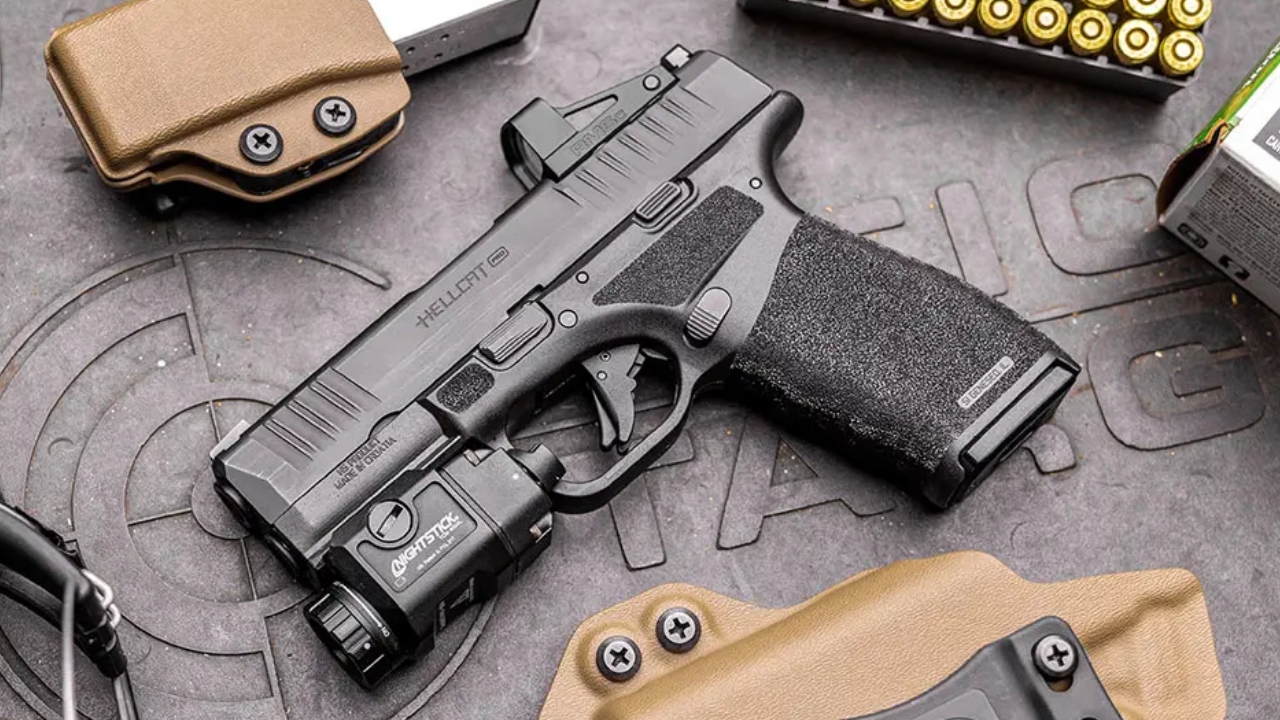
The Hellcat Pro is compact, fast-handling, and easy to carry. Add a light and you’re asking a smaller pistol to behave like a larger duty gun, and sometimes it pushes back. The added front weight and rail pressure can change how the gun tracks and cycles, particularly if you’re using low-recoil practice ammo.
If you notice failures to feed or sluggish return to battery that disappear when the light comes off, don’t ignore it. It’s often a sign the light fit is off or clamp pressure is excessive. Start with the basics: correct key, correct torque, and a known-good magazine. Then test with your carry ammo, because that’s the load that needs to run every time. The Hellcat Pro can carry a light well. It simply needs more careful setup than a full-size pistol with a stiffer front end.
Smith & Wesson M&P 2.0

The M&P 2.0 has a strong reputation, and many examples run flawlessly with a weapon light. The issues some owners report tend to come from mismatched rail keys and lights that sit slightly off in the slot, creating uneven clamp pressure. That can translate into occasional feeding problems or odd cycling behavior that doesn’t show up without the light.
The fix usually isn’t exotic. Mount the light correctly, tighten to spec, and avoid reefing down on the screw. Then confirm function with a variety of ammo, because some loads will mask a marginal setup while others expose it. Also pay attention to how the gun behaves one-handed and from less-than-perfect grips, because a light-bearing setup can change recoil feel and your interface with the gun. When you get it right, the M&P remains exactly what you wanted: consistent and easy to trust.
Walther PDP

The PDP gets praised for shootability, and it often runs great with a light. Where disappointment pops up is when the setup changes the recoil impulse in a way that makes marginal ammo or marginal grip more obvious. Some shooters interpret that as a “gun problem,” when it’s often a system problem: light weight, clamp pressure, and ammo choice stacking together.
If you see occasional feed issues after adding a light, start by checking the fit on the rail. The PDP’s rail interface can feel slightly different than the “Glock standard” some lights are designed around. Use the correct key and confirm the light is seated solidly without distortion. Then run the gun with duty-weight ammo and the magazines you actually carry. The PDP is a capable pistol. It’s also a pistol that rewards you for validating your light setup instead of assuming all rails behave the same.
HK VP9

The VP9 has a reputation for reliability and durability, and many owners have zero trouble with a light. When problems show up, they’re often tied to the light’s clamp design and how it interfaces with the HK rail profile. Slight mismatch can create pressure points, and you might see intermittent failures that are hard to replicate on the bench.
If the gun runs perfectly until the light goes on, treat that as useful information, not bad luck. Correct key selection and correct torque matter more than most people think. Also confirm the light isn’t creeping under recoil, because that movement can shift pressure on the dust cover shot-to-shot. Then run your carry ammo and pay attention to consistency across multiple magazines. HKs tend to be forgiving, but they’re not magic. A poor-fit light can make any pistol look worse than it really is.
FN 509

The FN 509 is marketed and built like a hard-use service pistol, and it can handle a light well. The hiccups some owners encounter often come from the light, not the pistol—especially lights that don’t sit perfectly on the rail or clamps that distort the dust cover when tightened aggressively. That can show up as a random failure to feed that makes you question everything.
The smart move is to mount the light with intention. Use the correct key, verify lockup, and tighten to spec. Then confirm the pistol runs with the exact ammo you plan to keep in it, including the training load you actually shoot most. If you’re using softer range ammo, you may find the gun becomes more sensitive once weight is added up front. The 509 can still be a rock. The system needs to be built correctly for it to stay that way.
CZ P-10 C

The P-10 C is one of those pistols that often runs great out of the box. Light-related issues usually show up when the light fit is off and the rail clamp pulls the front end in a way that changes cycling feel. The P-10 isn’t uniquely flawed here; it’s a polymer striker gun with a rail, and rails vary more than people admit.
If you start getting inconsistent malfunctions after adding a light, don’t start swapping internal parts first. Confirm the light is mounted correctly, with the proper key, and that it’s seated square. Tighten correctly, then test with full-power ammo to see whether the problem is ammo sensitivity. The P-10 C tends to reward good fundamentals, and a light can change how you grip and how the gun returns in recoil. Clean mounting and real testing keep it in the reliable category where it belongs.
CZ P-07
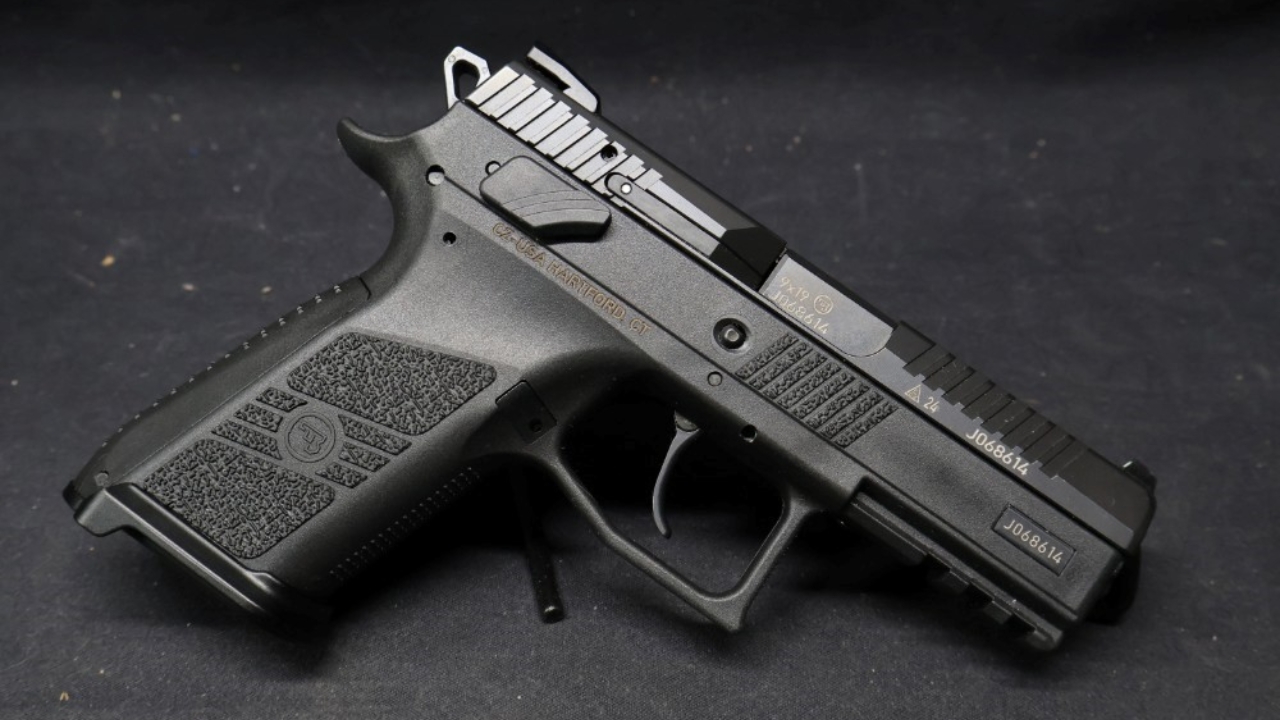
The P-07 is a compact DA/SA that a lot of shooters trust, and adding a light can be a great move for a home-defense setup. The disappointment comes when the gun’s behavior changes with certain lights, especially if the clamp pressure creates drag or alters frame flex enough to affect cycling with lighter loads.
If you notice failures that appear with the light and disappear without it, treat the light mount as the first suspect. The rail fit on compact pistols can be less forgiving, and small shifts in how the light sits can matter. Use the correct key, mount it consistently, and validate with your chosen defensive ammo. Also pay attention to grip consistency, because DA/SA shooters sometimes change their grip slightly between shots, and a light-bearing setup can amplify that. The P-07 can be extremely dependable. It still needs the system proven.
1911 Rail Guns

Rail 1911s can be outstanding pistols, and they can also be surprisingly sensitive to added weight and clamp pressure. The 1911’s timing and springing are more dependent on setup than most modern striker pistols, and adding a light changes the way the gun returns in recoil. Some examples run perfectly; others start showing feed issues that weren’t there before.
If you’re running a railed 1911 with a light, you earn reliability through validation. Make sure the light isn’t overtightened, confirm the fit on the rail, and run magazines that are known to work in your specific gun. Then test with the exact load you plan to keep in it, because 1911s can be more ammo-sensitive than polymer duty pistols. A well-sorted rail 1911 can be trustworthy with a light. A marginal setup will expose itself fast once you hang weight on the dust cover.
Staccato P

The Staccato P has a strong reputation, and many people choose it specifically as a duty-style 2011 that can wear a light. Even so, the “reliable until you add a light” story can still appear if the light fit is off or the clamp is crushing the rail area. With tight, high-performance pistols, small changes can feel bigger.
If you see issues, don’t assume the pistol is flawed. Start with the basics: correct key for the light, correct placement, correct torque. Then run known, quality magazines and duty-weight ammo. Some owners also find that certain lights simply play nicer than others, not because one is “better,” but because the clamp geometry matches the rail better. The Staccato is built to be run. It still needs to be run in the exact configuration you plan to carry, because a light changes the system more than the internet admits.
Canik TP9 (duty-size models)
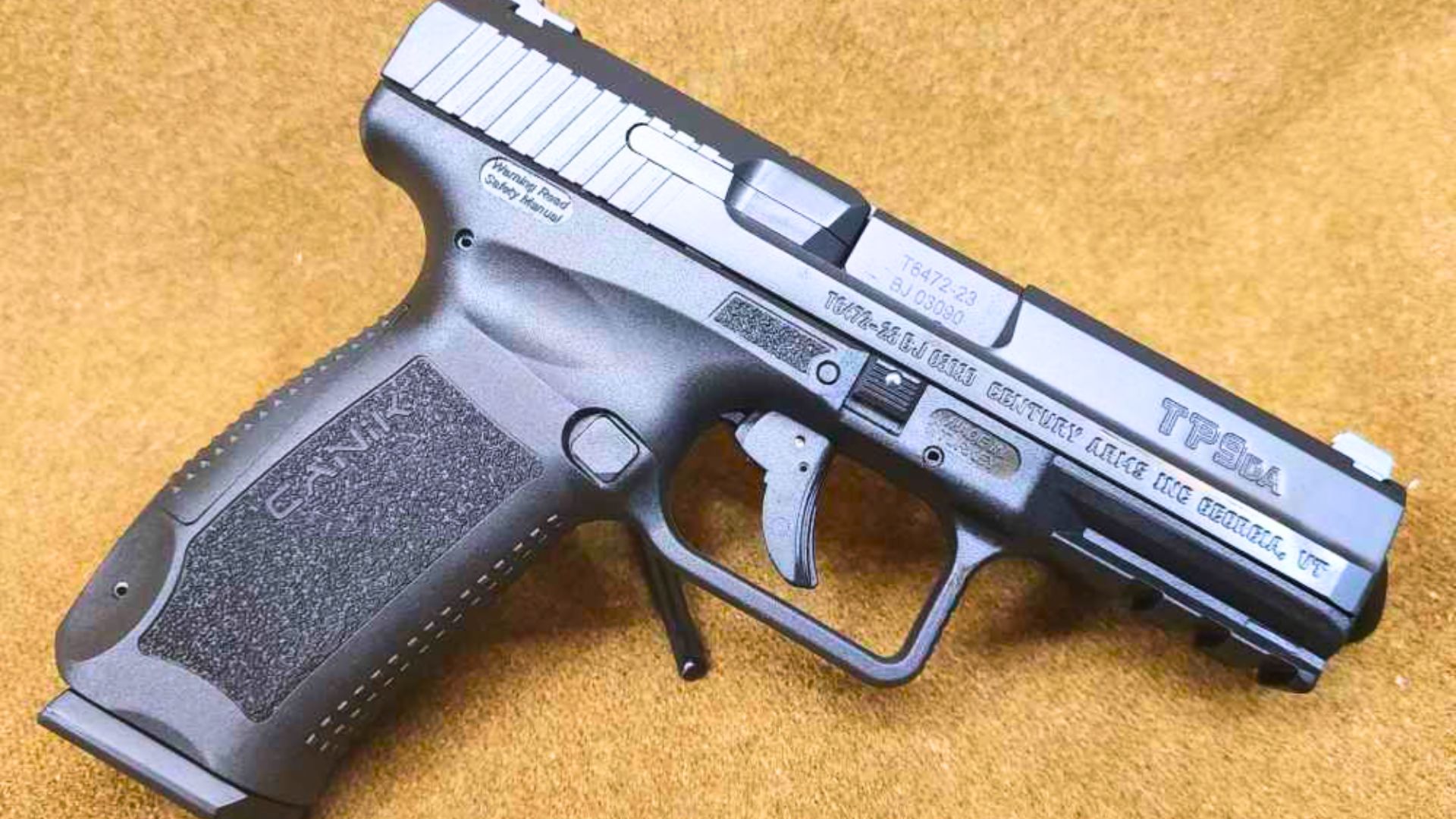
Canik duty-size pistols can be accurate and enjoyable, and many run well with lights. The trouble tends to show up when you mix a budget-friendly pistol with a light that doesn’t fit the rail perfectly, then clamp it down hard. The result can be intermittent feeding issues that appear out of nowhere and ruin your confidence.
The fix is mostly discipline. Use the correct key, confirm the light sits square, and tighten to spec instead of brute force. Then confirm function with the ammo you actually intend to use. If your pistol runs on hot ammo but chokes on softer practice loads with the light mounted, that tells you where the margin is. For a defensive setup, you want margin. Caniks can be solid. They still need the light and ammo combo proven before you treat them like a finished duty system.
Ruger Security-9

The Security-9 gets carried and kept for home defense because it can be affordable and straightforward. Add a light and you’re sometimes pushing the platform into territory it wasn’t designed to live in as comfortably as heavier-duty service pistols. The rail and dust cover can be more sensitive to clamp pressure, and light weight out front can change cycling feel with softer ammo.
If you see problems, the worst move is pretending it’s “range luck.” Confirm the light fit, avoid over-tightening, and test with your defensive load. If the pistol is ammo-sensitive with a light attached, that matters, because you want consistent cycling across conditions. The Security-9 can still be a useful handgun. The smart approach is treating the light-bearing setup as a separate reliability standard that must be earned through testing, not assumed through reputation.
Like The Avid Outdoorsman’s content? Subscribe to our newsletter so you never miss an article.
Here’s more from us: