Photo credit: G Squared Tactical/YouTube
A bad range day can teach you a lot, but there’s a difference between training and troubleshooting. When a pistol runs right, your brain stays on sights, trigger, and movement. When it doesn’t, you spend the whole session doing tap-rack drills, policing magazines, swapping ammo, and wondering what changed. That’s how you end up chasing malfunctions instead of building skill.
Some pistols earn that reputation because of design compromises—tiny slides, short recoil systems, steep feed angles, or lightweight parts that have less margin. Others get there because they’re picky about magazines, ammo, or maintenance. None of this means every example is bad. It means these models are more likely to turn your practice time into diagnostics if you don’t match them with the right mags, ammo, and upkeep.
Kimber Ultra Carry II

Short 1911s look great on paper: familiar ergonomics in a compact package. In real life, a 3-inch 1911 has less slide travel and less timing margin than a government model. That tighter window can show up as failures to feed, nose-dives, or return-to-battery problems, especially when the gun is dirty or the ammo is on the soft side.
With the Ultra-size Kimbers, owners often end up tuning the whole ecosystem—magazines, recoil springs, extractor tension, and lubrication—before the pistol feels boringly dependable. When everything is right, it can run. When one part drifts, you’re clearing stoppages and second-guessing your grip instead of shooting. If you want a compact 1911, you earn reliability with careful setup and regular spring changes.
Colt Defender

The Defender is a respected compact 1911, and plenty of them work well. The issue is that the 3-inch 1911 format can still be sensitive, regardless of whose name is on the slide. The shorter cycle increases the chance that little things—magazine geometry, recoil spring condition, and extractor setup—become big things under live fire.
When a Defender is off, it often feels like a pattern you can’t pin down. One magazine runs, another chokes. One load is fine, another starts giving you failures to feed. That’s the frustrating part: the gun can feel great in the hand, yet the range session becomes a constant test of variables. If you’re not the type to keep springs fresh and stick with proven mags, this is the kind of pistol that can steal your practice time.
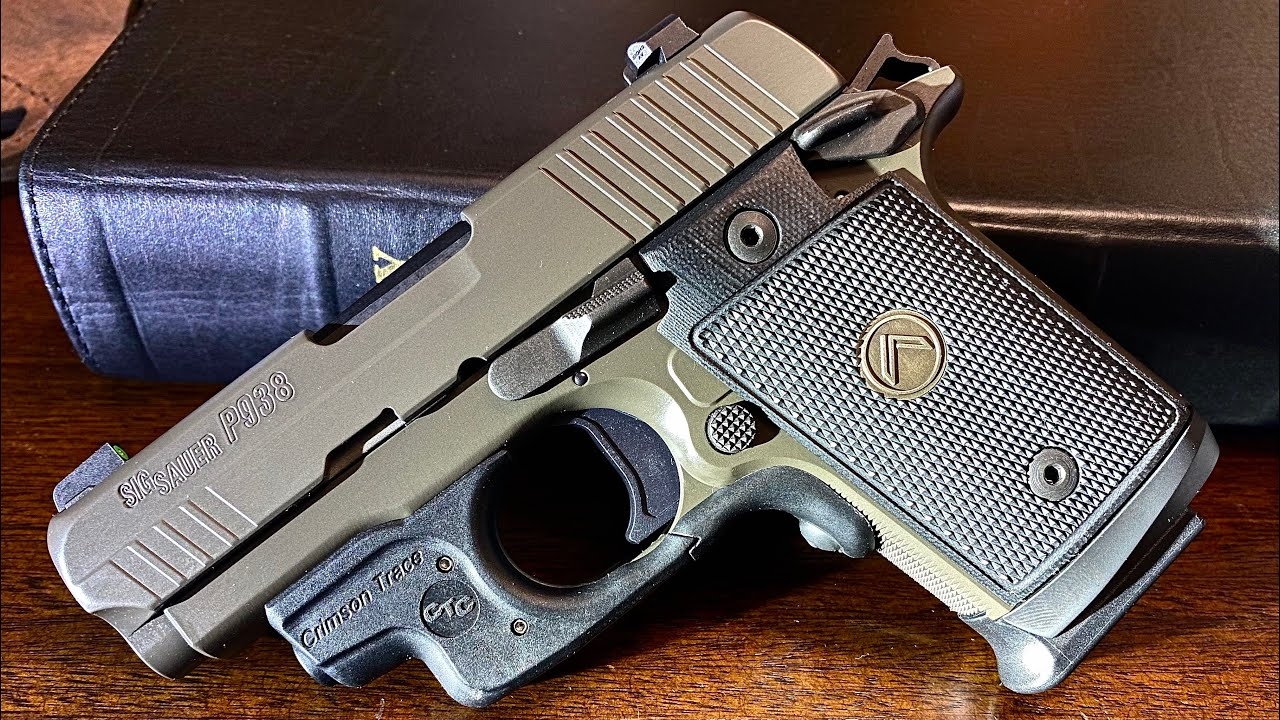
SIG Sauer P938
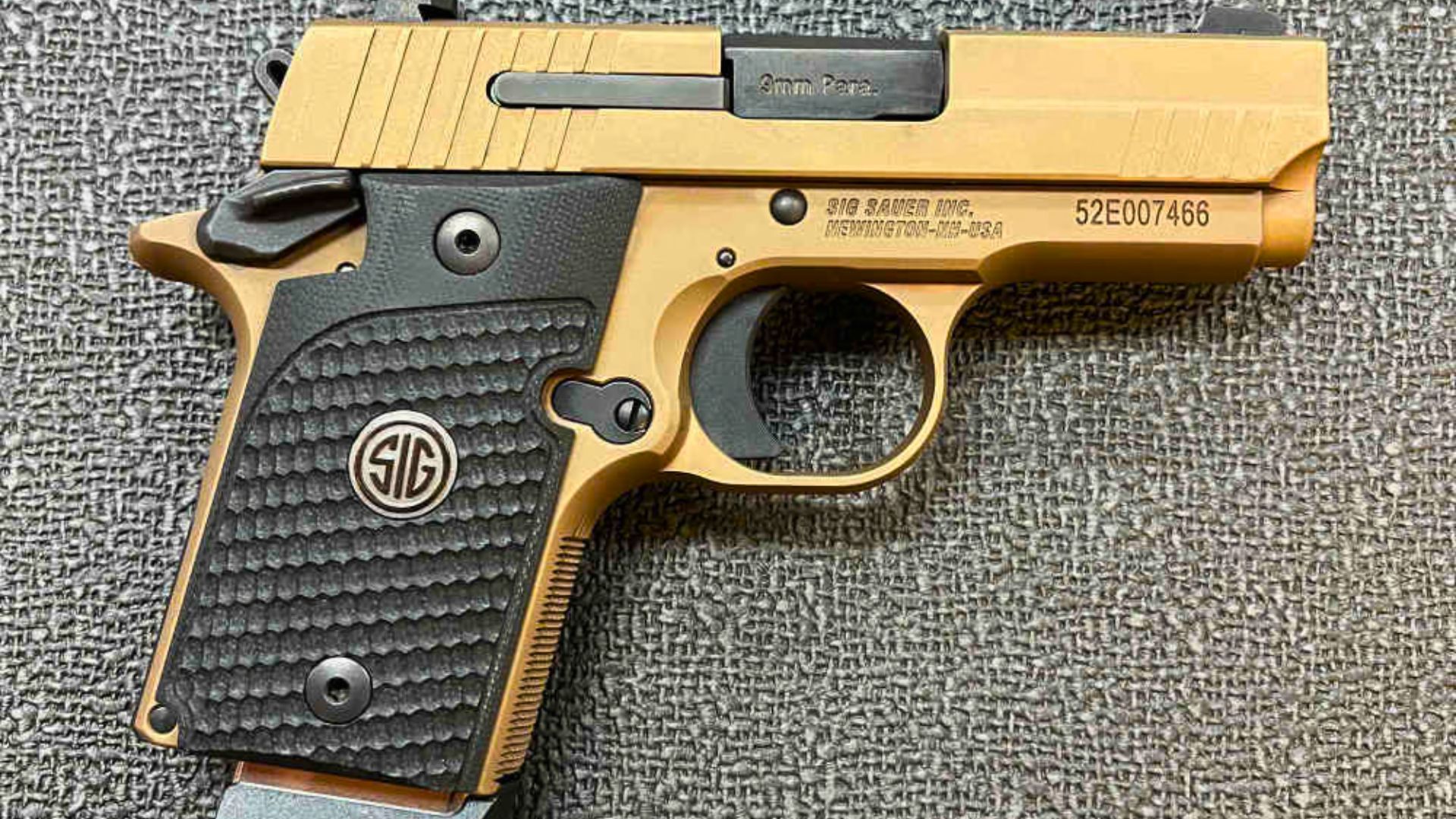
The P938 gives you a lot of capability in a small frame, and that’s exactly why it can be finicky. Micro 9mms operate with limited slide mass and short travel, so they can be less forgiving of weak ammo, limp wristing, or magazines that aren’t in top shape. When it’s happy, it’s a slick little shooter. When it isn’t, you get intermittent failures that make you burn time diagnosing instead of training.
Owners who struggle often find the same culprits: magazine issues, break-in sensitivity, and spring wear that matters more in a tiny gun. The P938 also rewards a firm, consistent grip and good maintenance habits. It can be reliable, but it’s not always the “set it and forget it” pistol people expect when they buy a premium micro-9. Small size has a cost.
SIG Sauer P238

The P238 can be a great .380, but it lives in the same small-gun reality as the P938. Lightweight slides and compact springs mean the pistol can be more sensitive to ammo choice and grip consistency than a larger handgun. If you’re trying to run the cheapest target ammo you can find, you may see stovepipes, sluggish cycling, or occasional failures to return to battery.
A lot of P238 owners end up learning what their pistol likes and staying there—specific loads, specific magazines, and consistent lubrication. When the setup is right, the gun is pleasant and easy to carry. When the setup is off, the day turns into clearing stoppages and swapping variables. That’s a rough trade when you bought the pistol to be an easy, confidence-building carry option. Tiny pistols can be trustworthy, but they rarely forgive neglect.
Remington R51

The R51 became famous for a launch that left many buyers frustrated. Early production guns developed a reputation for rough function, inconsistent reliability, and problems that took the fun out of owning one. Even if you appreciate the concept, it’s hard to enjoy a pistol when you don’t trust it to finish a magazine without drama.
For owners who ran into a problem sample, the experience often looked like constant stoppages and a long list of attempted fixes—different ammo, different magazines, multiple trips back for service. That’s the worst kind of pistol ownership because you can’t build confidence or skill when the platform won’t cooperate. Later iterations aimed to improve things, but the reputation came from real user experiences with early guns that didn’t meet expectations. When a pistol gets that label, your range time becomes a troubleshooting session by default.
Walther P22

The P22 is popular because it’s small, affordable, and fun—until it starts acting like a picky eater. Rimfire pistols are already more sensitive because .22 LR ammo varies a lot, and the P22 has a long history of being particular about what it wants. If you feed it the wrong stuff, you can spend an entire box clearing failures to feed, extract, or eject.
When it’s running well, it’s a great trainer and plinker. When it isn’t, it turns into a constant cycle of tap-rack-clear and “try a different load.” That can be valuable as a lesson in rimfire reality, but it’s frustrating if you wanted steady practice. You can improve results with high-quality ammo and good magazines, but the P22’s reputation exists because too many owners have lived that malfunction chase. Fun guns still need to run.
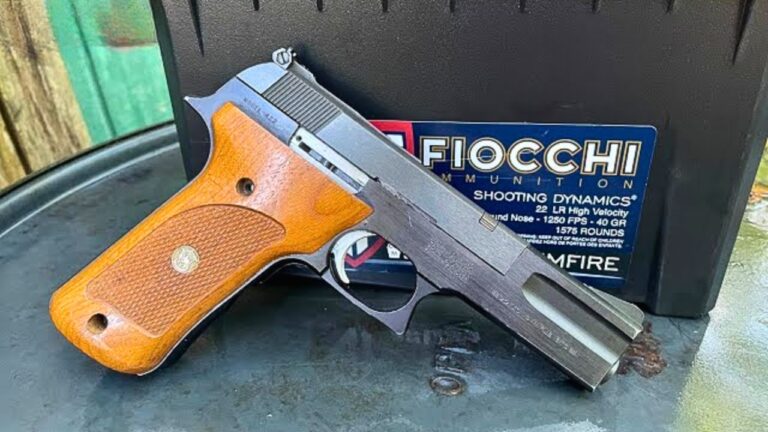
SIG Sauer Mosquito

The Mosquito has been around long enough to earn a reputation for being ammo-sensitive, and many owners have the same story: it runs well with certain high-velocity loads and gets unreliable fast with others. That’s not unusual for rimfire pistols, but the Mosquito became known for the issue more than most. When your .22 trainer won’t run, you burn your range time clearing stovepipes and failures to feed instead of building repetition.
Some shooters get theirs dialed in and keep it there—preferred ammo, clean gun, and correct springs. Others never reach the “boring and dependable” stage. The frustration comes from how inconsistent the experience can be across different ammo types and maintenance levels. If your goal is a rimfire pistol that behaves like a centerfire trainer, the Mosquito can disappoint. It teaches you patience, but it doesn’t always help you train.
AMT Backup
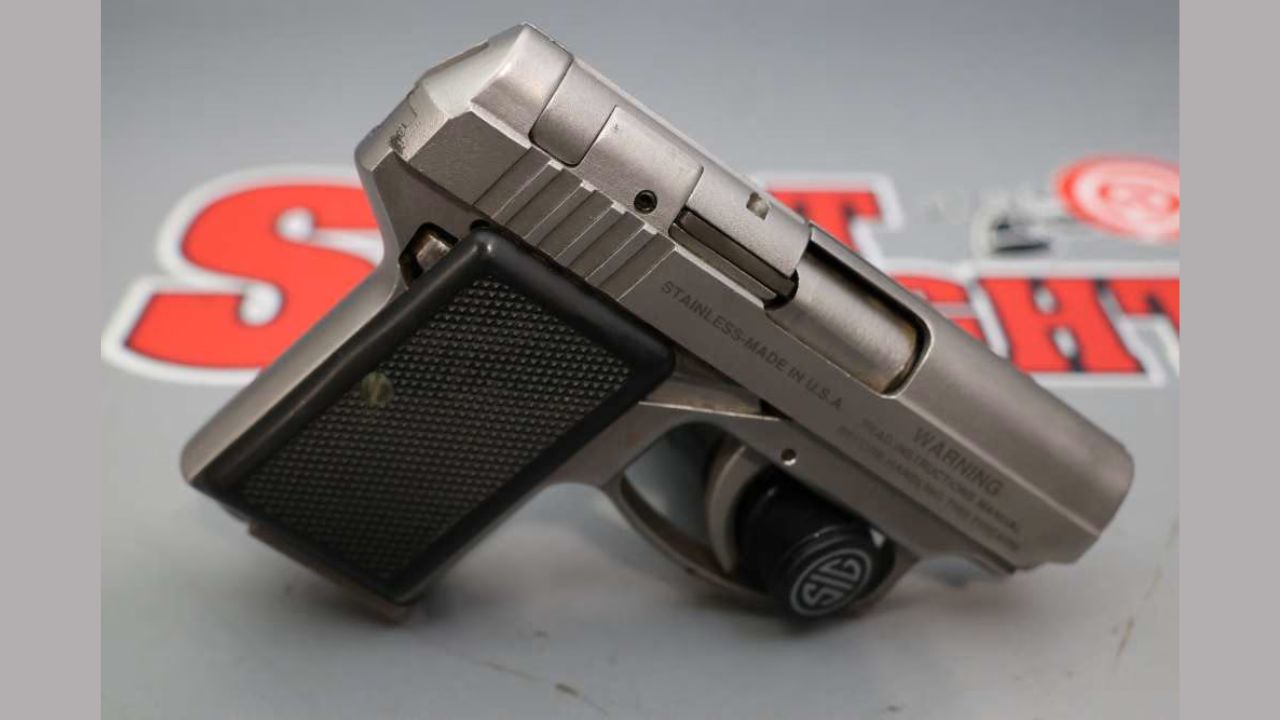
The AMT Backup is a classic example of a small pistol with a big reputation for being temperamental. It’s compact, it’s stainless, and it has an undeniable “cool factor” for collectors. The downside is that many users have reported rough reliability, sharp recoil behavior, and functioning that can vary widely depending on the specific gun and ammunition.
When a pistol is both small and chambered in serious calibers, everything gets harder—springs, feeding geometry, extraction, and shooter control. The Backup has a long history of being the kind of gun that looks like it should be useful, then turns your range session into a clearing drill. Some examples run better than others, but the model’s reputation didn’t come from nowhere. If you want dependable practice time, this is not the platform most shooters reach for. It’s more “collector story” than training tool.
Kel-Tec PF-9

The PF-9 earned popularity by being thin, light, and affordable—exactly the traits that can make a pistol less forgiving. Lightweight, snappy pistols can magnify grip issues, and they can also be more sensitive to ammo power and maintenance. If yours is on the edge, you’ll see failures that feel random: a feed issue here, an extraction hiccup there, then a clean magazine that makes you think it’s fixed.
Kel-Tecs can work well, but the PF-9 has long been known as a pistol that rewards careful attention. Magazine condition matters. Limp wristing shows up quickly. Springs and wear can change the feel faster than on heavier guns. When everything is aligned, it can be a practical carry piece. When it’s not, you spend your time adjusting variables instead of running drills. That’s not what you want from a pistol you’re trying to trust.
Kel-Tec P-11
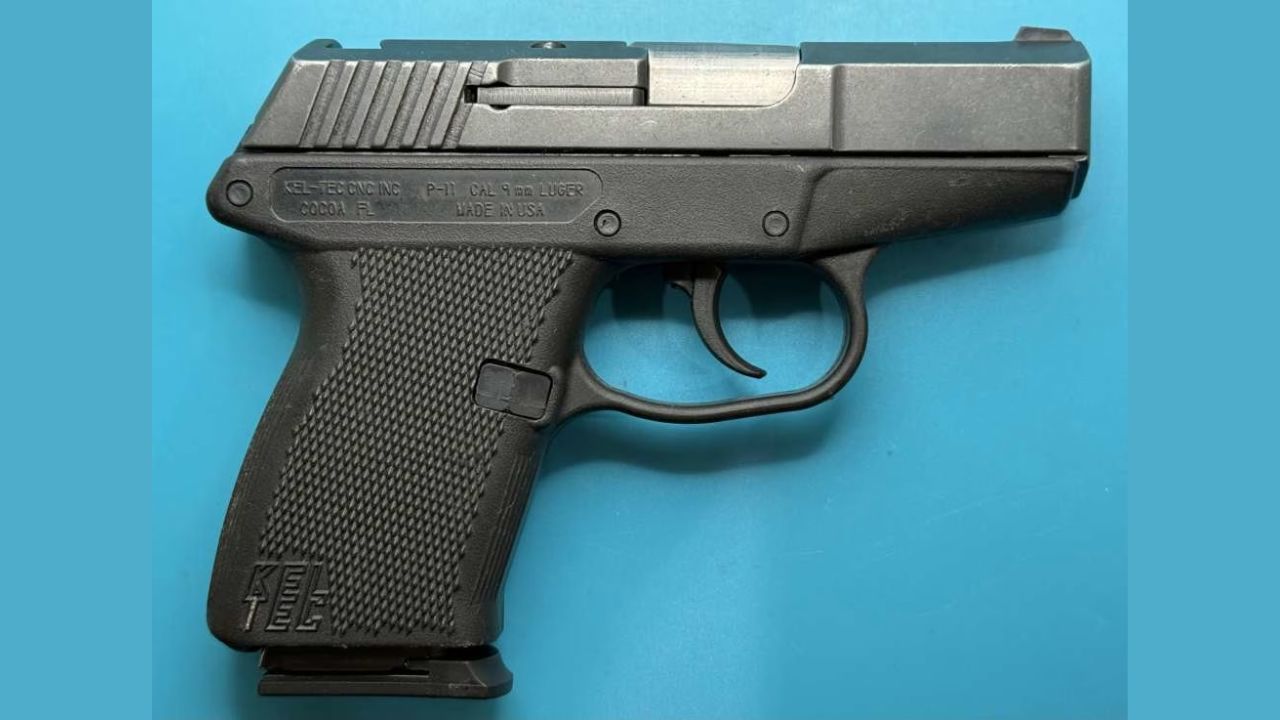
The P-11 is another compact Kel-Tec that can run, but it’s also known for an experience that varies from gun to gun. Some owners get a dependable little workhorse. Others get a pistol that needs a lot of attention to magazines, ammo, and break-in before it settles down. When it doesn’t settle down, the whole range day becomes an attempt to figure out whether the issue is the gun, the mag, or your grip.
The heavy trigger and compact dimensions can also make shooter-induced problems more likely, especially during fast strings. That creates a frustrating loop: you’re trying to practice, but the gun’s behavior keeps you guessing about what caused the stoppage. If you’re willing to tinker and confirm everything, you can get a P-11 to run. If you want a pistol that lets you focus on shooting fundamentals without distraction, this is one that can cost you time.
Diamondback DB9

The DB9 is a tiny 9mm with a lot of appeal on the counter and a mixed reputation on the range. Ultra-compact 9mms live on the edge of what’s comfortable for timing and control, and when a model has a history of inconsistent reliability, it shows up as frequent stoppages for some owners. The symptoms tend to be the frustrating ones: failures to feed, failures to extract, and inconsistent behavior that changes with ammo.
When your pistol is that small, everything matters—firm grip, clean gun, fresh springs, and magazines that aren’t tired. If you’re already doing everything right and the gun still acts up, you end up chasing fixes instead of building confidence. Some DB9s run better than others, but the model’s reputation exists because too many shooters have had range sessions dominated by malfunctions. A carry pistol should make training easier, not turn it into a repair project.
Taurus PT-22 / PT-25

The little Taurus tip-up pistols are popular because they’re convenient—especially for shooters who struggle with slide manipulation. That convenience comes with a tradeoff: many owners report that these small blowback pistols can be picky about ammunition, magazines, and maintenance. When they’re not happy, they can turn a box of ammo into a long string of failures to feed and extraction issues.
Rimfire and small-auto centerfire guns can be sensitive by nature, and these models often magnify that reality. You can find loads that run better, and careful cleaning helps, but your training time can still get eaten up by stoppage drills you didn’t ask for. If you’re using the pistol as a tool to get more range time in, that can be discouraging. The tip-up feature is legitimately useful. The reliability experience can be inconsistent enough that you spend more time clearing than shooting.
SCCY CPX-1 / CPX-2

SCCY pistols get bought because the price is right and the size feels carry-friendly. The downside is that some owners report an uneven reliability experience, especially when magazines, ammo choice, or break-in aren’t ideal. When a pistol is built to hit a low price point, you sometimes see more variation, and variation is what turns range sessions into troubleshooting.
The CPX series also leans on a long, heavy trigger, and that can make new shooters grip the gun inconsistently during recoil. That inconsistency can create stoppages that feel like the gun’s fault, then disappear when someone else shoots it. Either way, you’re still losing training time. Some SCCYs run fine, and some don’t. The reason the name comes up in reliability arguments is that enough owners have experienced the “works today, acts up tomorrow” pattern that confidence becomes hard to build.
Phoenix Arms HP22A
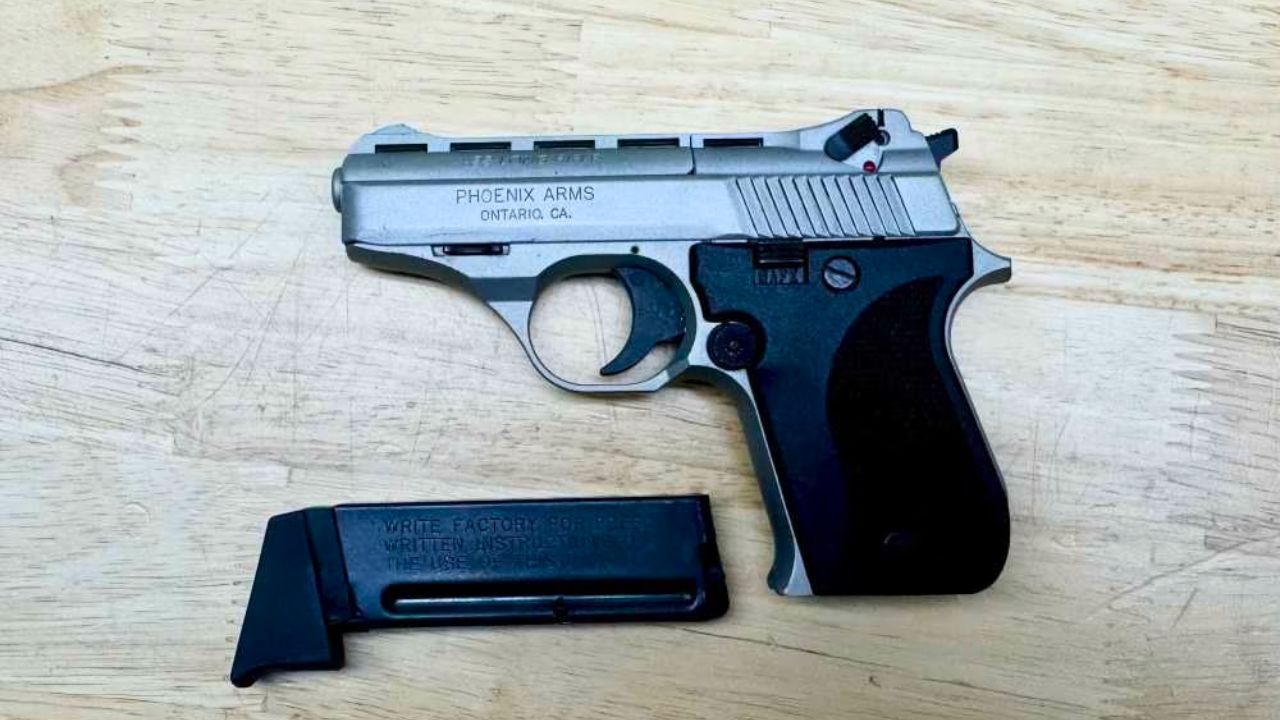
The HP22A is one of those pistols that sells on price and then teaches you why it was cheap. Many owners report frequent malfunctions, ammo sensitivity, and an overall experience that can feel more like babysitting than shooting. Rimfire pistols already demand good ammo and good magazines, and the HP22A often turns that demand into a constant struggle.
When it’s acting up, the range day becomes a loop of clearing failures to feed and stovepipes, then trying another brand of ammo and hoping it improves. That’s a rough way to learn, especially for new shooters who bought a .22 to build skill. It can still be fun in short bursts, but it’s not the pistol you grab when you want steady repetitions and confidence. If your goal is training value, a finicky .22 can waste more ammo than it teaches.
Subcompact 1911s in 9mm

A subcompact 9mm 1911 sounds like the best of both worlds: manageable recoil, familiar controls, and a carry-friendly size. The reality is that the 1911 platform was designed around a longer slide and different timing, and shrinking it tightens every tolerance. That can show up as feed issues, extractor sensitivity, and magazine dependence that feels constant rather than occasional.
When these guns run, they feel great. When they don’t, you end up swapping mags, trying different bullet profiles, and chasing spring schedules like it’s part of ownership. The short-slide 1911 doesn’t give you much margin, and the 9mm version can be especially dependent on correct magazines and tuning. If you enjoy tinkering, you can make one behave. If you want your practice time to be practice time, a subcompact 1911 is one of the easiest ways to turn a range trip into a reliability experiment.
Pocket-size .380s as a category

Tiny .380 pistols are carried a lot because they disappear in a pocket. That same small size is what makes them more likely to steal your range time. Short slides, light springs, and minimal grip surface mean they’re sensitive to ammo power and grip consistency. When things go wrong, it often looks like failures to feed, short-stroking, or the gun not fully returning to battery.
The frustrating part is that these stoppages can feel user-related one moment and gun-related the next. You change your grip and it improves, then a new magazine starts acting up, then a different ammo brand changes the whole pattern. That’s how you end up chasing the problem instead of building skill. Many pocket .380s can be reliable with the right load and a firm grip, but the category is famous for demanding more attention than people expect.
Like The Avid Outdoorsman’s content? Be sure to follow us.
Here’s more from us: