Photo credit: AvidOutdoorsman
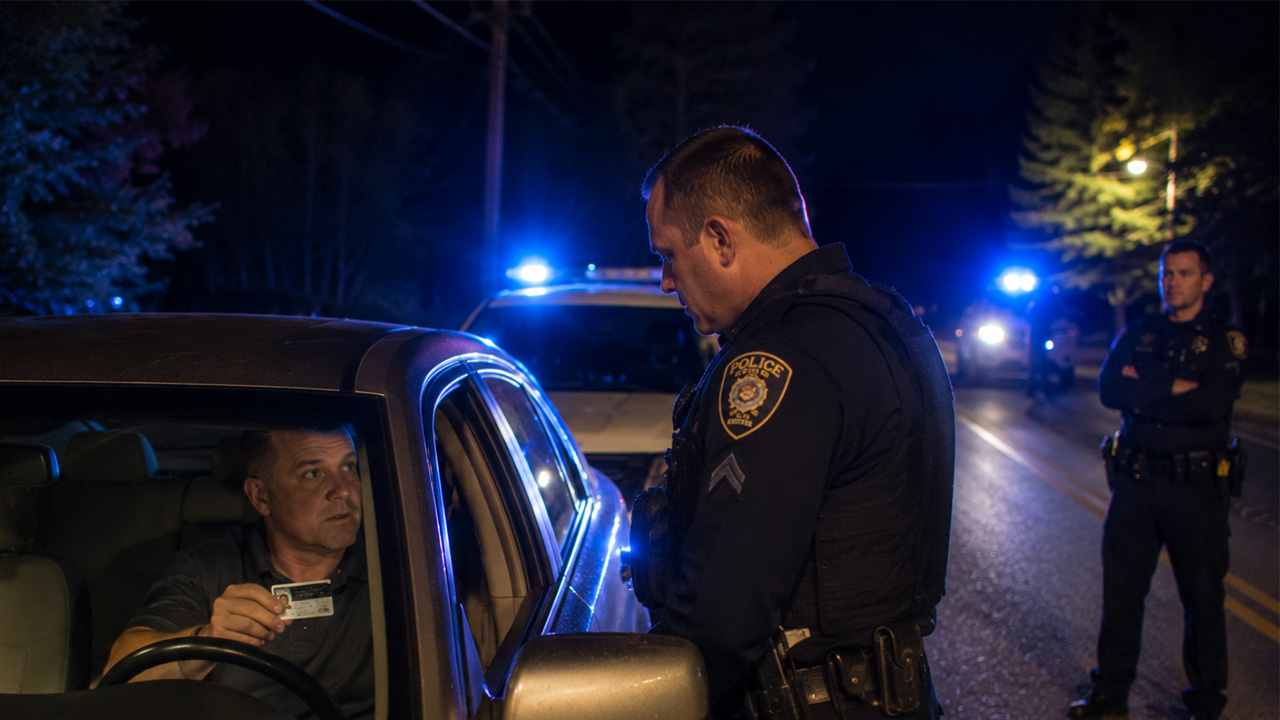
It doesn’t take much to turn a normal drive home into a long, tense sit on the side of the road. One minute you’re thinking about supper and whether you’ve got time to swing by the feed store, and the next you’ve got red and blue lights in the mirror and a trooper walking up your window.
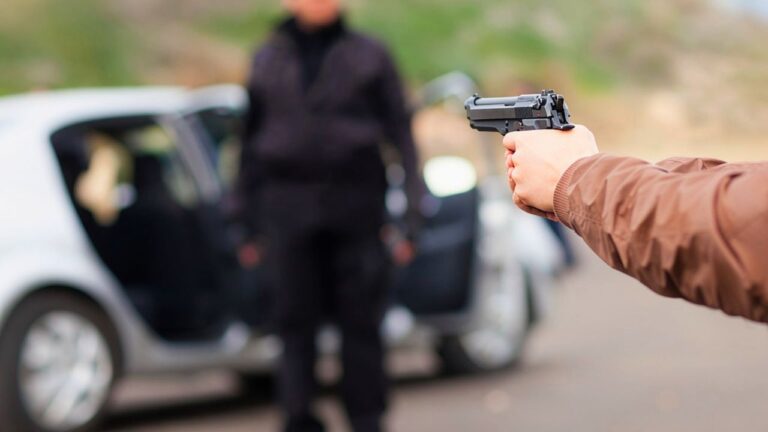
In this case, the driver did what a lot of permit holders try to do: be upfront. He produced his carry permit when asked for license and insurance, made it known he was legally armed, and kept his hands where the officer could see them. And instead of the stop getting simpler, the temperature went up. Backup got called, and the driver ended up parked on the shoulder for the better part of an hour.
How a routine stop turned into a roadside detention
The stop started like thousands of others—minor traffic reason, a quick conversation, the officer doing his job. The driver, a concealed carrier, went for his wallet and handed over the usual items. Along with that, he showed the permit, the kind of thing many instructors recommend to avoid surprises if the officer spots a holster clip, a spare mag, or a gun case in the cab.
But once the permit came out, the officer’s posture changed. Instead of a quick run of the driver’s information and a warning or citation, the officer stepped back, slowed everything down, and requested another unit. That’s a moment a lot of people don’t know how to process, because you haven’t done anything “wrong,” but you’re now clearly being treated as a higher-risk stop.
The driver was told to remain where he was. The officer stayed cautious, watching hands and movements, and the whole scene shifted from “traffic stop” to “unknown situation with a firearm.” It’s not that the permit itself is illegal—it’s that it flags the presence (or possible presence) of a gun, and some officers respond to that by adding layers of control.
Why an officer might call backup when a firearm is disclosed
To a lot of outdoorsmen, a carry permit is about as normal as a hunting license. But law enforcement training doesn’t treat “armed” as a casual detail, even when it’s lawful. Two officers can handle a stop differently than one, and the second unit gives the primary officer options if anything goes sideways.
Some departments have policies that encourage calling another unit on any stop involving a gun. Others leave it to officer discretion. Add in nighttime conditions, tinted windows, a passenger, or a vehicle full of gear—range bag, camo, coolers, even a rifle case from a weekend match—and you can see how an officer might decide to slow the process down.
There’s also the reality that not every permit is flagged the same way in every state’s systems, and not every computer return looks identical. If the officer gets a return that’s delayed, incomplete, or doesn’t match what’s in front of him, you can get stuck in limbo while it’s sorted out.
Forty-five minutes on the shoulder: what that looks like in real life
Sitting on the shoulder for that long isn’t just inconvenient—it’s physically stressful. Trucks blow by. Your mind starts running through worst-case scenarios. You’re trying to be polite and calm, but you also don’t want to say the wrong thing or move the wrong way.
In situations like this, officers often give very specific directions: where to place hands, whether to keep the engine off, whether you can reach for a phone, and whether you can step out. The driver may be told not to touch the firearm and not to reach anywhere near it—fair enough—but that can also mean you’re pinned in an awkward position, waiting, with no clear endpoint.
Sometimes the next step is a supervisor showing up. Sometimes it’s a second officer running the permit through another system or contacting dispatch again. Sometimes they want to confirm the firearm’s location and status without handling it. The big thing is that time expands, and even though you started out trying to do the “right” thing by disclosing, you end up feeling like you created the problem.
The practical choices a concealed carrier has in that moment
This is where internet advice usually falls apart, because it’s easy to talk tough when you’re not the one sitting under flashing lights. On the roadside, the smartest play is almost always the calm one: hands visible, movements slow, and no sudden grabs for paperwork that’s in the same console as your pistol.
If the officer asks where the firearm is, be specific and plain. “On my right hip” or “in a holster between the seat and console” beats a vague answer. If your registration is in the glove box and your gun is anywhere near there, say so before you open it. Most of the ugly moments at stops come from bad timing and surprise, not from lawful possession.
What you don’t want to do is argue the roadside version of constitutional law. You can ask simple clarifying questions—whether you’re being detained, whether you’re free to leave once the stop is handled—but getting combative tends to make a long stop longer. If you truly believe you were held without proper cause, that’s something for afterward, when your pulse isn’t in your ears and you’re not standing on the white line with traffic whipping by.
What other gun owners and outdoorsmen zeroed in on
When stories like this make the rounds among hunters, anglers, and concealed carriers, the comments usually split into two camps. One side says, “Always disclose, always be transparent.” The other side says, “Only provide what the law requires, because disclosure can flip a switch.”
The truth is, it depends heavily on where you live. Some states require immediate notification if you’re carrying. Some don’t. Some permit systems show up instantly when the officer runs your plate. Others don’t connect the dots until your driver’s license is run. If you’re traveling across state lines for a hunt, a match, or a fishing trip, those differences matter.
Folks also pointed out something rural drivers understand: your vehicle can look “suspicious” without you doing anything wrong. Mud on the tires, a spotlight plug in the dash, a game cart in the bed, a headlamp around your neck, or a stack of topo maps can all read differently at midnight than they do at 3 p.m. on a Sunday afternoon. Add a disclosed firearm, and some officers will shift to a more controlled approach.
How to reduce the odds of a stop going sideways
You can’t control the officer’s policies, mood, or experience level. But you can control a few things that keep misunderstandings from stacking up. Keep your driver’s license and insurance somewhere you can reach without digging around near your carry gun. If you carry appendix and your wallet is in the same front pocket area, consider a different setup when you’re driving.
If you’re hauling hunting or range gear, be organized. A rifle case laying open with loose ammo and a handgun on the seat is a recipe for a complicated conversation, even if everything is legal. Cased guns, separated ammo, and a clean cabin don’t just look responsible—they prevent unnecessary questions.
And know the notification rules for your state and any state you’re traveling through. The best way to sound calm and credible is to already know what’s required of you. When you’re clear, the officer can be clear too.
A lawful concealed carrier shouldn’t have to spend nearly an hour on the shoulder just because he did the honest thing. But traffic stops live in that gray space where officer safety, policy, and human nerves all collide. If you carry—especially if you’re the kind of person who’s always on the road for work, hunting, or fishing—set yourself up so that if the stop drags on, it’s still safe, controlled, and ends with everyone going home the same way they started: unhurt and within the law.
Like The Avid Outdoorsman’s content? Be sure to follow us.
Here’s more from us: