Photo credit: AvidOutdoorsman
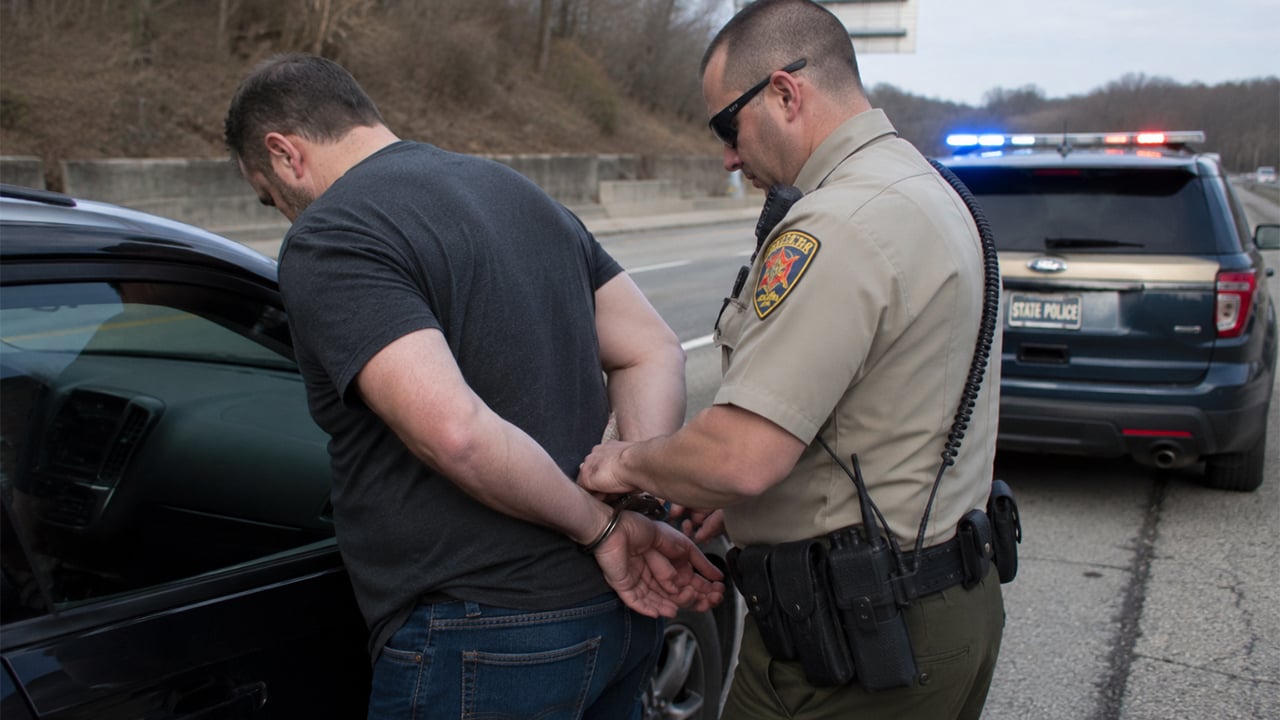
It doesn’t take much to go from “law-abiding concealed carrier” to “in handcuffs” when you cross a state line and assume your paperwork follows you. One wrong turn, one speed trap, or one burned-out tag light is all it takes to put your carry gun under a microscope. That’s exactly how a routine drive into Maryland reportedly turned into a felony arrest for a man who believed his out-of-state permit had him covered.
A normal drive turned into a not-so-normal traffic stop
The situation started like thousands of traffic stops that happen every day. An officer pulled a vehicle over for a basic violation—think speed, lane drift, tinted windows, or a minor equipment issue. No drama, no chase, no reason to think it would become anything more than a warning or a ticket.
But traffic stops are where small details matter, especially when there’s a firearm in the mix. Once the officer got to the window, the conversation moved from license and registration to the question that changes the whole tone: “Are there any weapons in the vehicle?”
He had a legal pistol, but Maryland cared about the permit
The driver wasn’t described as a prohibited person, and the pistol itself wasn’t some “exotic” item. It was the kind of handgun plenty of folks carry every day—reliable, common, and lawful where he lived. He also had a concealed carry permit issued by his home state, and he reportedly believed that meant he was doing everything right.
Maryland is where that assumption breaks down. The state is known for strict gun laws and narrow recognition of out-of-state carry permits. In plain English: a permit that’s solid gold at home can become meaningless the minute your tires hit the Maryland side of the bridge.
Once the officer learned the gun was accessible and the permit wasn’t recognized, the stop reportedly shifted from traffic enforcement to a criminal investigation. What the driver thought was “lawful carry” was treated as illegal possession/carry under Maryland law, and the consequences escalated quickly.
How the stop escalated from a ticket to a felony
When a state doesn’t honor your permit, the legal system often treats the situation like you’re carrying with no permit at all. If the pistol is loaded, within reach, and concealed or carried in a way the state defines as unlawful, you can end up facing serious charges even if you were trying to be upfront with the officer.
That’s the part that surprises a lot of otherwise responsible gun owners. You can do the “right” social thing—stay calm, keep your hands visible, notify the officer—and still get booked because the law doesn’t care about your intentions. It cares about whether you’re legally allowed to carry there, in that specific way, at that specific moment.
Add in common real-world details—like the pistol being on-body, in a glovebox, or in a center console—and you’re suddenly not arguing about a traffic violation anymore. You’re in the realm of arrest, vehicle search, evidence handling, and the expensive process that follows.
What he could have done differently before crossing the line
This is where the outdoorsman angle matters, because a lot of us travel for work, family, hunting seasons, and fishing trips. If you’re driving to a different state with a handgun, “I have a permit” is not the same thing as “I’m legal there.” Reciprocity maps change, laws change, and some states simply don’t play along.
In strict states, the safer route is often transport rather than carry: unloaded firearm, locked case, and separate storage for ammunition, depending on the state’s rules. That’s not a loophole or a trick—it’s just recognizing that some jurisdictions only allow you to pass through with the gun stored a certain way, and only under certain conditions.
Another hard truth: stopping for gas, food, or an overnight stay can complicate “safe passage” type protections. A lot of gun owners plan a road trip like it’s just highway miles. The law may see it differently when you exit the interstate and start making routine travel stops.
What other gun owners zeroed in on right away
When stories like this circulate, the comments usually split into a few camps. One group focuses on reciprocity and says, “This is why you check before you travel.” Another group argues it’s ridiculous that a person can be vetted, trained, and licensed in one state and treated like a criminal a few hours down the road.
Then you’ve got the practical crowd—folks who travel for hunts, matches, and family trips—who immediately start talking about how they stage their gear. Locked cases, separate compartments, printed copies of relevant statutes, and a habit of treating certain states like “no-carry zones,” even if that means the gun is inaccessible for the day.
There’s also debate about notification. Some states require you to inform an officer you’re armed; some don’t. In a state that doesn’t recognize your permit, volunteering the information may feel honest, but it can also be the moment the stop takes a hard left. None of that is advice to hide anything—lying to law enforcement is a great way to make a bad situation worse. It’s just reality that the legal landscape changes the second you cross the border.
The outdoorsman takeaway: travel planning matters as much as gear
If you hunt, fish, camp, or just drive a lot, you already know that little oversights turn into big problems—forget your license, misread a boundary line, or miss a regulation change, and your season can end fast. Carry laws are the same way, except the penalties can be much more severe.
The best habit a concealed carrier can build is treating interstate travel like a pre-trip checklist. Know whether your permit is honored, know the storage rules if it isn’t, and decide ahead of time whether you’re carrying, transporting, or leaving the gun at home. A reliable pistol and a clean record don’t help much if the state you’re in has a different set of rules and no patience for mistakes.
That’s a rough lesson to learn on the shoulder of a highway, and it’s even rougher when it follows you into a courtroom.
Like The Avid Outdoorsman’s content? Be sure to follow us.
Here’s more from us: