Photo credit: BattleHawk Armory/YouTube
There is nothing wrong with spending serious money on a handgun if the extra cost buys something meaningful. A better trigger, tighter fitting, superior sights, better recoil control, and durable components can all be worth paying for.
The problem is diminishing returns. Once pistols climb beyond $1,000, $2,000, or even $3,000, the extra money often buys increasingly small improvements. Some of these guns are excellent, but when you compare what they actually do with less expensive alternatives, the price becomes much harder to defend.
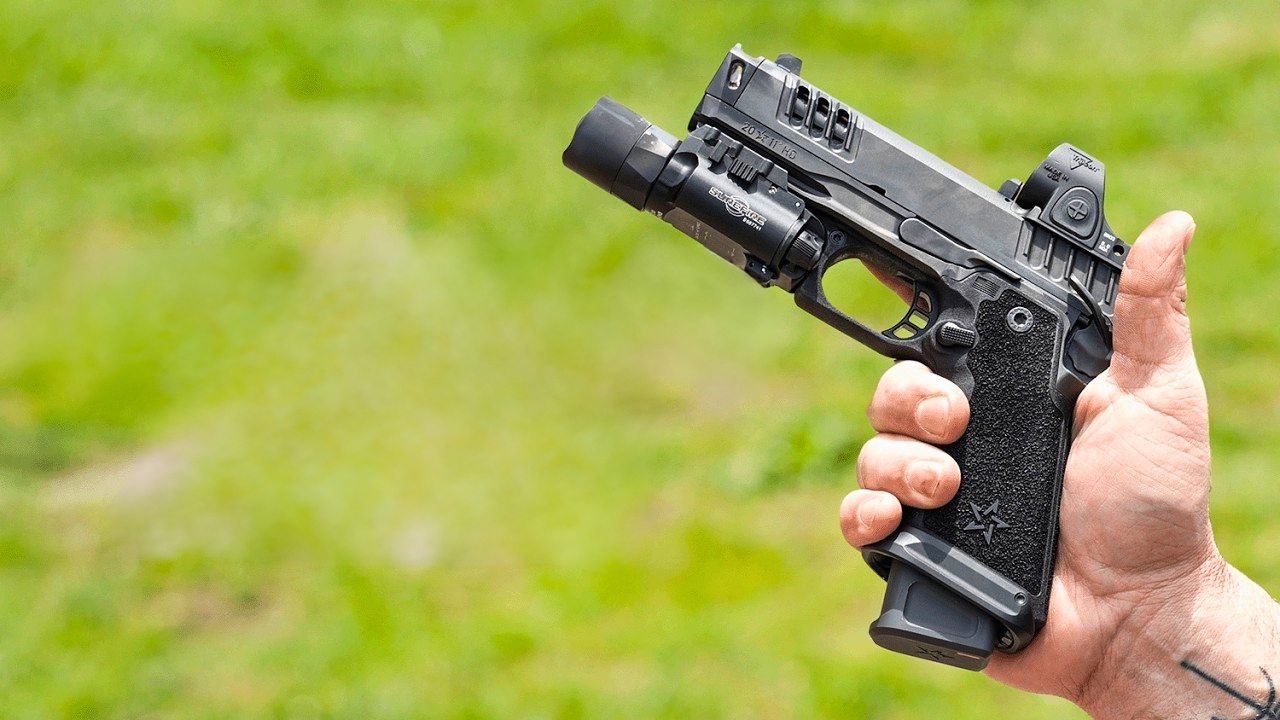
Staccato HD P4X
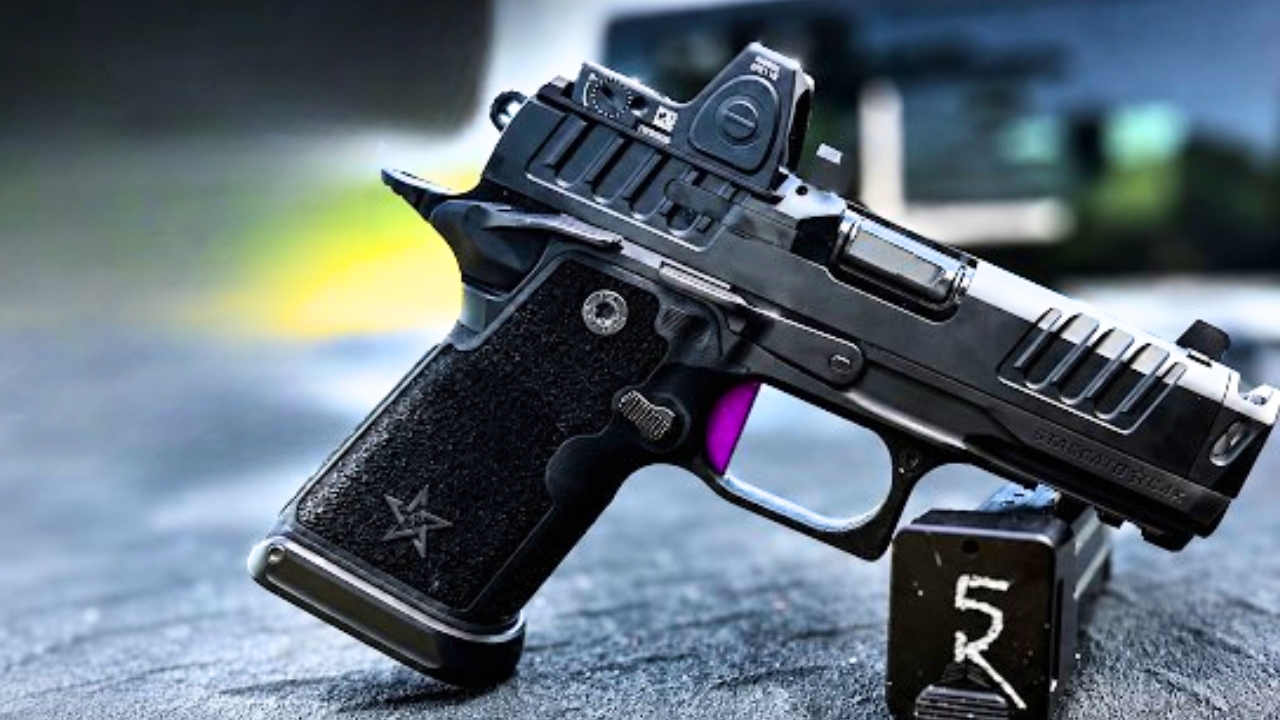
The HD P4X sits at the top of Staccato’s current duty-oriented lineup with a starting price of $3,599. Staccato positions it as a mission-ready pistol built around the shootability of the 2011 platform.
I have no doubt it shoots extremely well. The problem is what $3,600 can buy elsewhere. You could assemble an outstanding optics-equipped defensive pistol, add a quality weapon light, buy spare magazines, and still have a large ammunition budget left. Once a handgun reaches this level, you are paying for the final few percentages of refinement rather than several times the practical capability.
Staccato C

The Staccato C is arguably easier to understand because it is designed as an all-purpose pistol that can handle concealed carry, home defense, and duty use. It has a 4-inch bull barrel, aluminum frame, 15- or 17-round magazines, and currently starts at $2,599.
That is still a huge premium for a handgun expected to fill ordinary defensive roles. The trigger and recoil characteristics may be noticeably better than a conventional striker pistol, but a $600 to $900 compact can still be exceptionally reliable, accurate, optics-ready, and easy to carry. The C is desirable. Value is a different question.
HK VP9CC
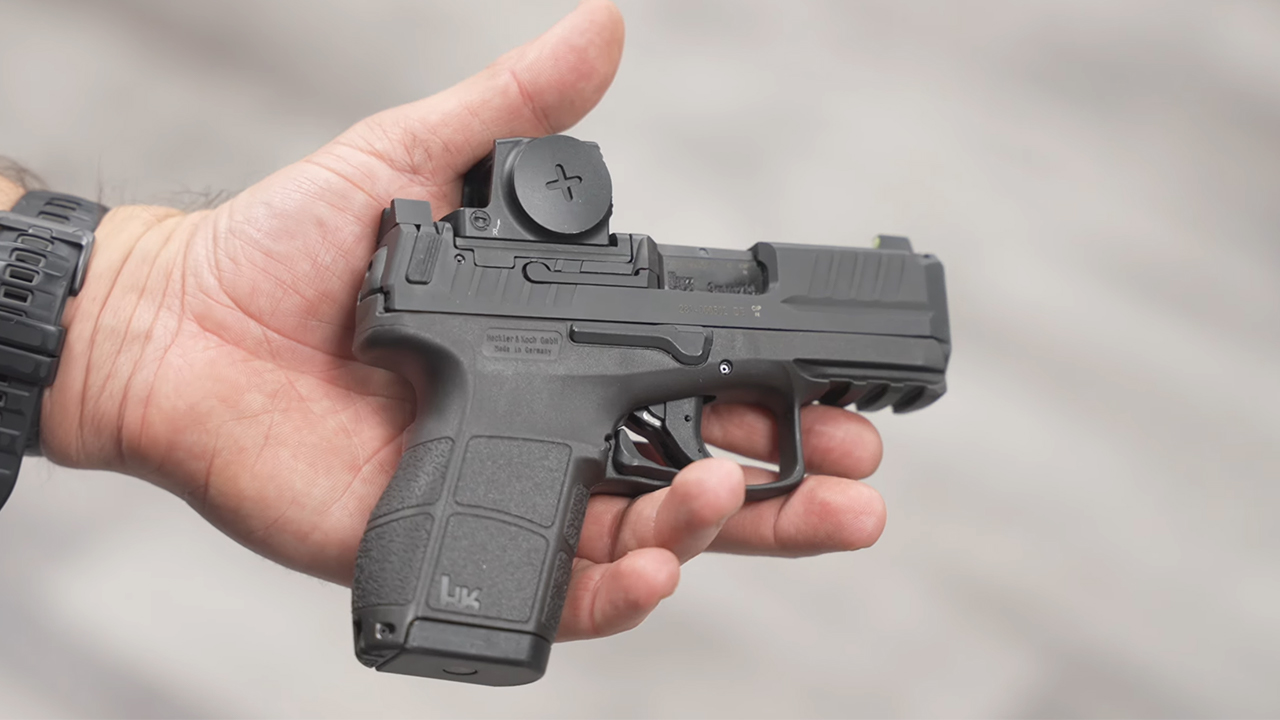
HK’s new VP9CC is one of the more interesting micro-compacts introduced for 2026. The problem appears almost immediately when you reach the price: HK lists the basic optics-ready gun at $1,049 with 10- and 12-round magazines. An optics-equipped version reaches $1,399.
That puts an HK micro-compact against some brutally strong competition. The market is full of proven small 9mm pistols offering similar or greater capacity for substantially less money. HK quality carries weight, but it is difficult to see twice the handgun simply because the logo on the slide says HK.
Beretta 92XI SAO Corsa
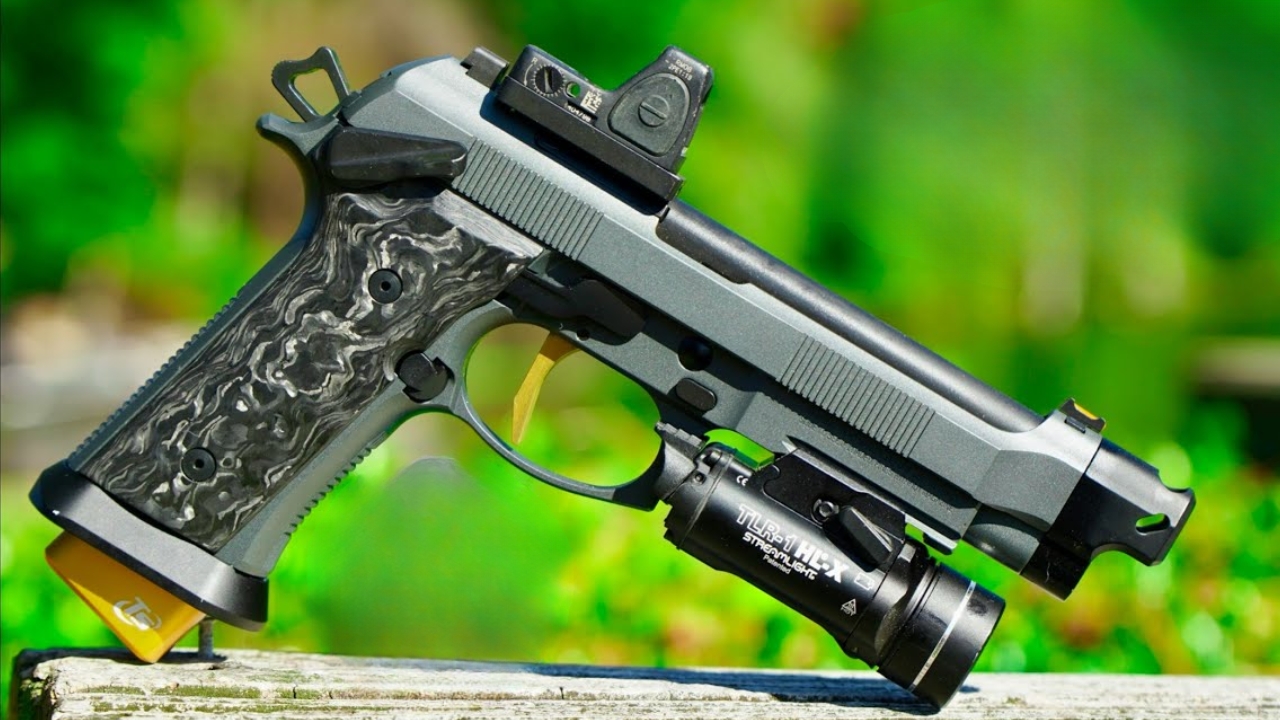
The Corsa takes Beretta’s single-action 92XI concept and pushes it heavily toward competition. Beretta lists it at $1,599.98 and equips it with an X-treme S trigger, DLC-treated components, and other race-oriented touches.
Those features are useful, but $1,600 puts the gun into serious competition-pistol territory. A standard 92XI already gives you the frame-mounted safety and single-action operating system for considerably less. Unless you are actually going to exploit the Corsa’s competition upgrades, you are paying a large premium for a version that looks and feels more special without fundamentally changing what the platform can do.
Beretta 92XI SAO Gara
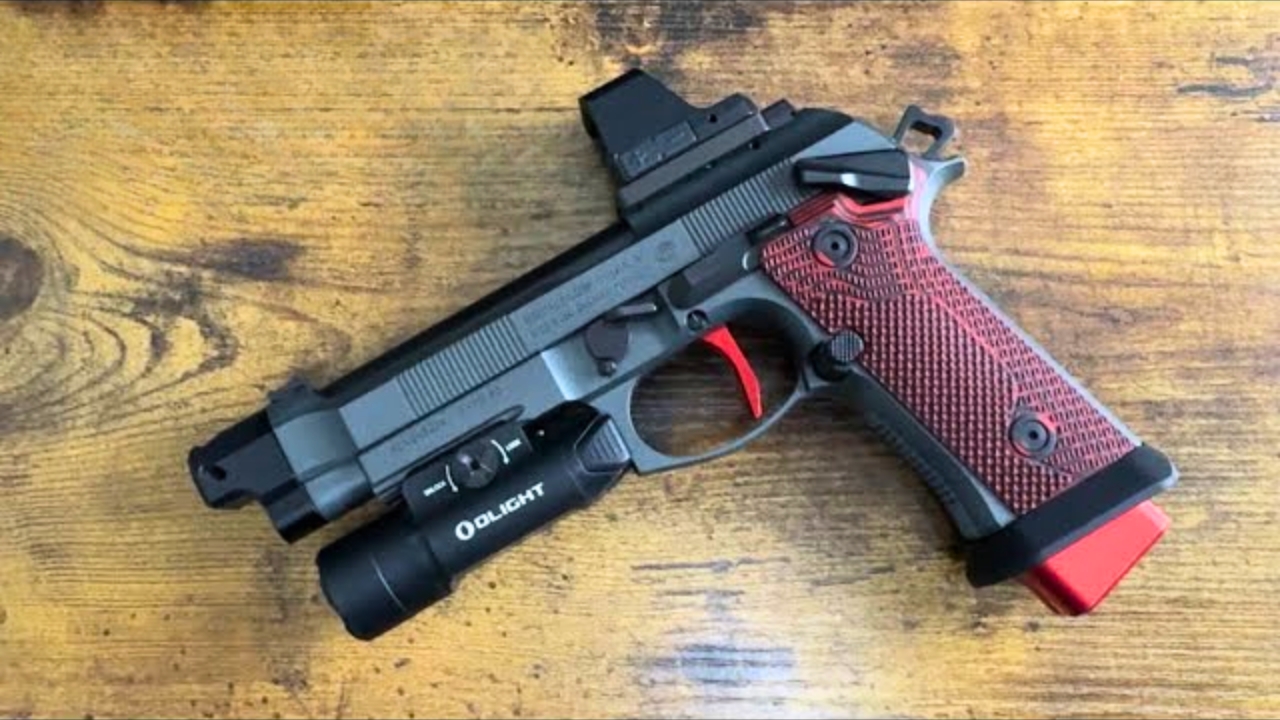
The Gara takes a similar approach with a competition-focused single-action trigger, lightweight hammer, and 22-round capacity. Beretta currently starts it at $1,499.98.
Again, the problem is not that the pistol lacks good features. It is that the regular 92XI SAO starts at $969. That leaves roughly $500 between the ordinary gun and the specialized version. For a serious competitor, the upgrades might make sense. For most owners, the standard 92XI leaves enough money for an optic and a healthy amount of ammunition.
Kimber 2K11 Target
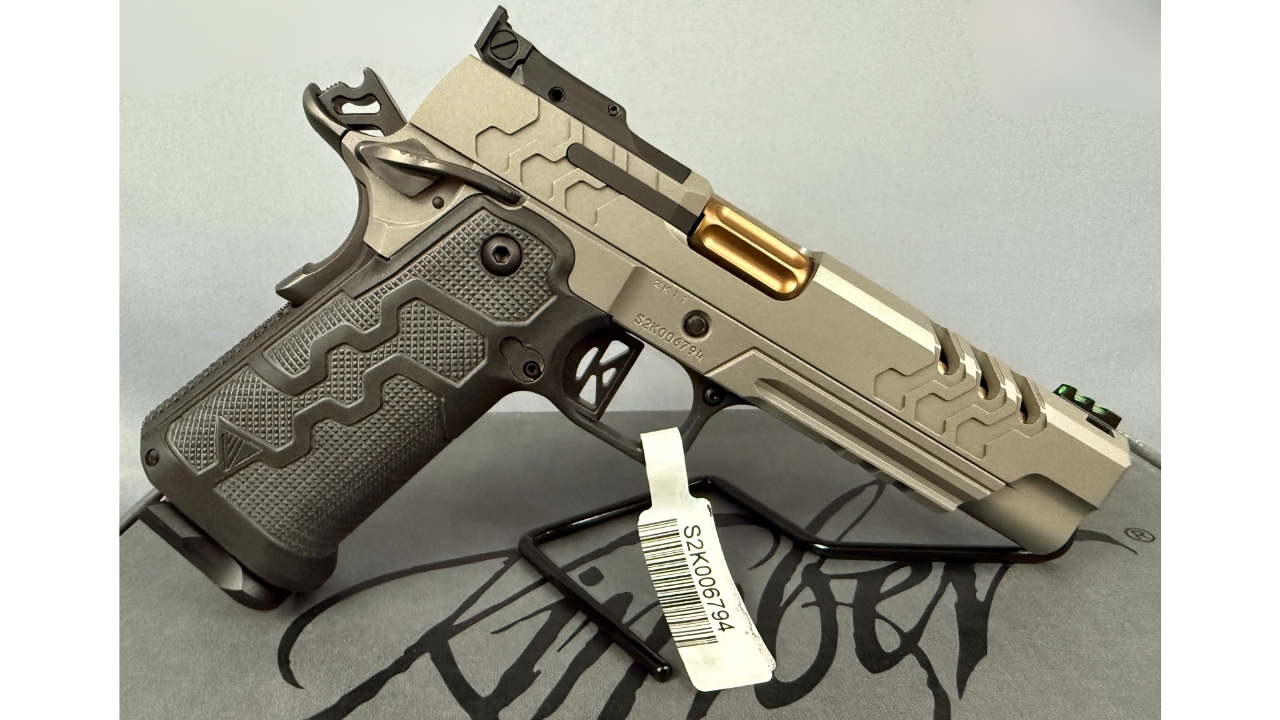
Kimber jumped aggressively into the modern double-stack 1911 market with the 2K11, and the Target version pushes the concept well into premium territory. Kimber currently lists the optics-ready Target at an MSRP of $2,945.
At nearly $3,000, buyers have access to an enormous range of competition pistols and high-end double stacks. The 2K11 may be accurate and nicely equipped, but Kimber is asking buyers to pay established premium-2011 money for a platform that does not yet have the same long-running reputation in this category. That makes the value proposition tough.
Kimber 2K11 Pro Comp
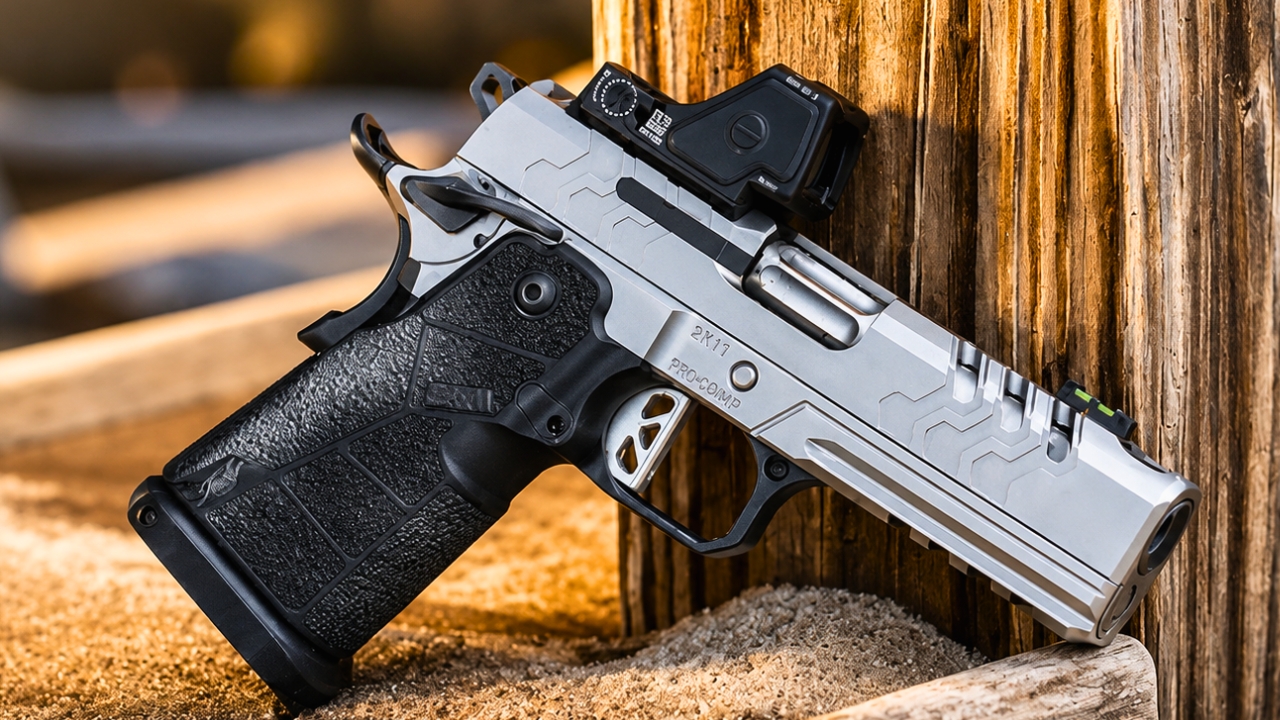
The 2K11 Pro Comp is arguably more practical than the Target because the compensated configuration gives shooters a tangible recoil-control advantage. Kimber lists the black Pro Comp at $2,599.
That is still an enormous amount for a pistol living in an increasingly crowded double-stack 1911 market. Springfield, Stealth Arms, Bul Armory, and others have made this category much more competitive than it was a few years ago. Kimber is not selling into an empty market. At $2,600, the gun has to be exceptional rather than merely good.
FN 510 Tactical
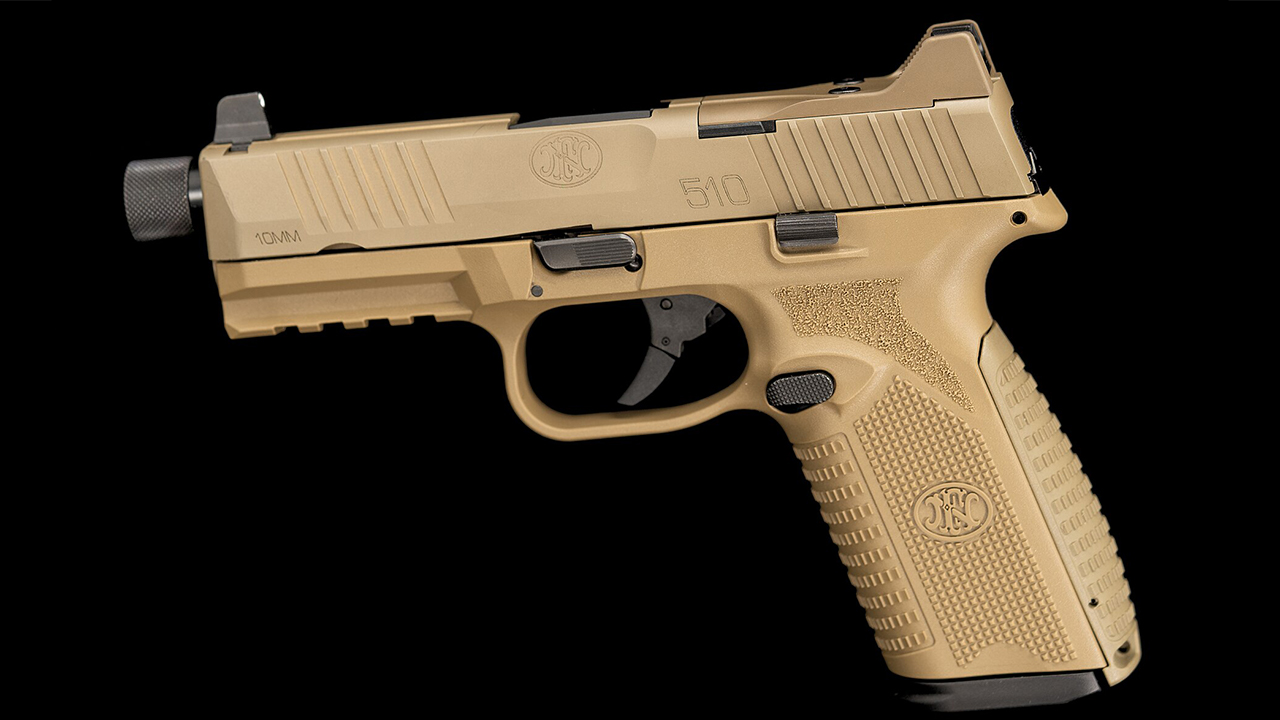
The FN 510 Tactical is one serious 10mm. It gives you an optics-ready slide, threaded barrel, and up to 22 rounds of 10mm, with FN listing the pistol at $1,151.
The capacity is impressive, but the basic gun remains a polymer striker-fired pistol. There are excellent 10mm handguns available for noticeably less money, including models from Glock and Smith & Wesson. Unless the threaded barrel and enormous magazine are essential to you, the extra money does not necessarily translate into a corresponding increase in usefulness.
FN 545 Tactical
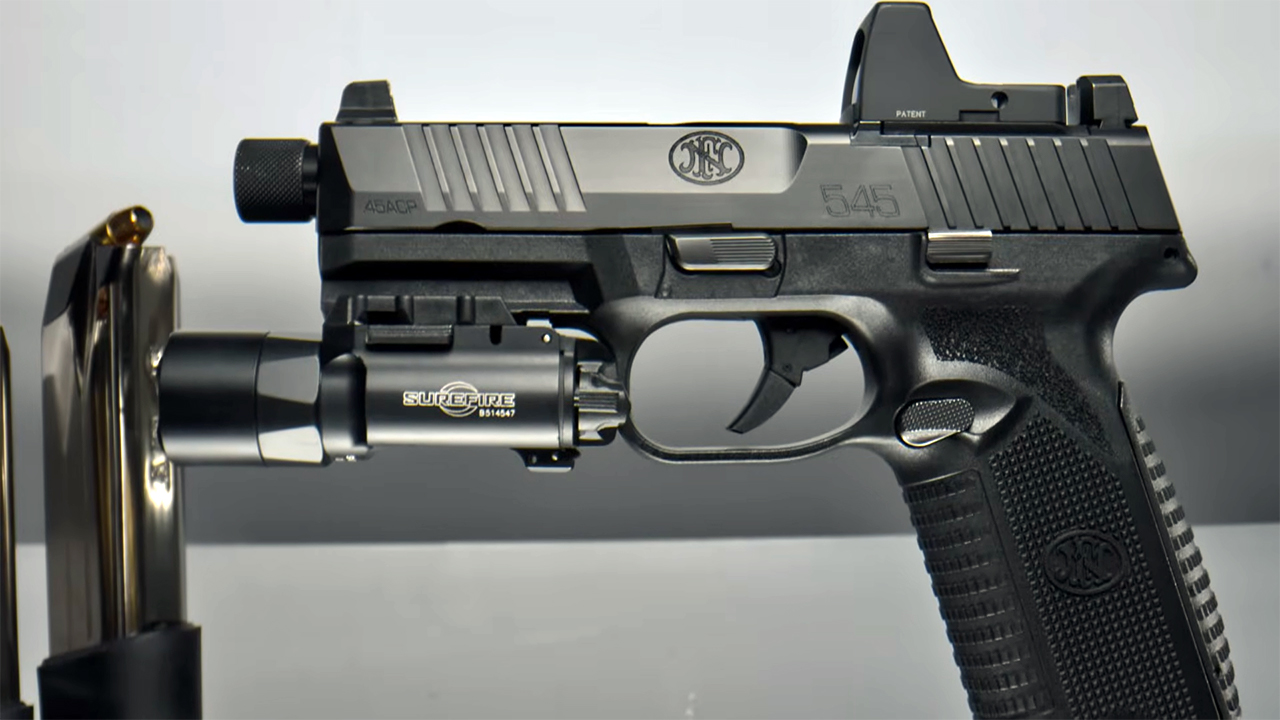
The FN 545 Tactical applies almost the same formula to .45 ACP. It is optics-ready, threaded, and offers magazines holding up to 18 rounds. FN currently lists it at $1,151.
That is impressive capacity for a .45, but it is also more than $1,100 for another polymer service pistol. If you specifically want a suppressed high-capacity .45, the package becomes easier to justify. If you simply want a dependable .45 ACP handgun, far cheaper pistols accomplish the basic job without giving up much that matters to the average owner.
FNX-45 Tactical

The FNX-45 Tactical once had a much stronger argument because very few factory pistols combined a threaded barrel, optics capability, double-action operation, and 15-round .45 ACP magazines.
FN currently lists it at $1,394. The problem is that the rest of the handgun market caught up. Optics-ready slides and suppressor-ready barrels are no longer unusual premium features. The FNX remains a capable pistol, but nearly $1,400 is harder to swallow when features that once made it exceptional have become commonplace.
Smith & Wesson Performance Center Model 327 WR
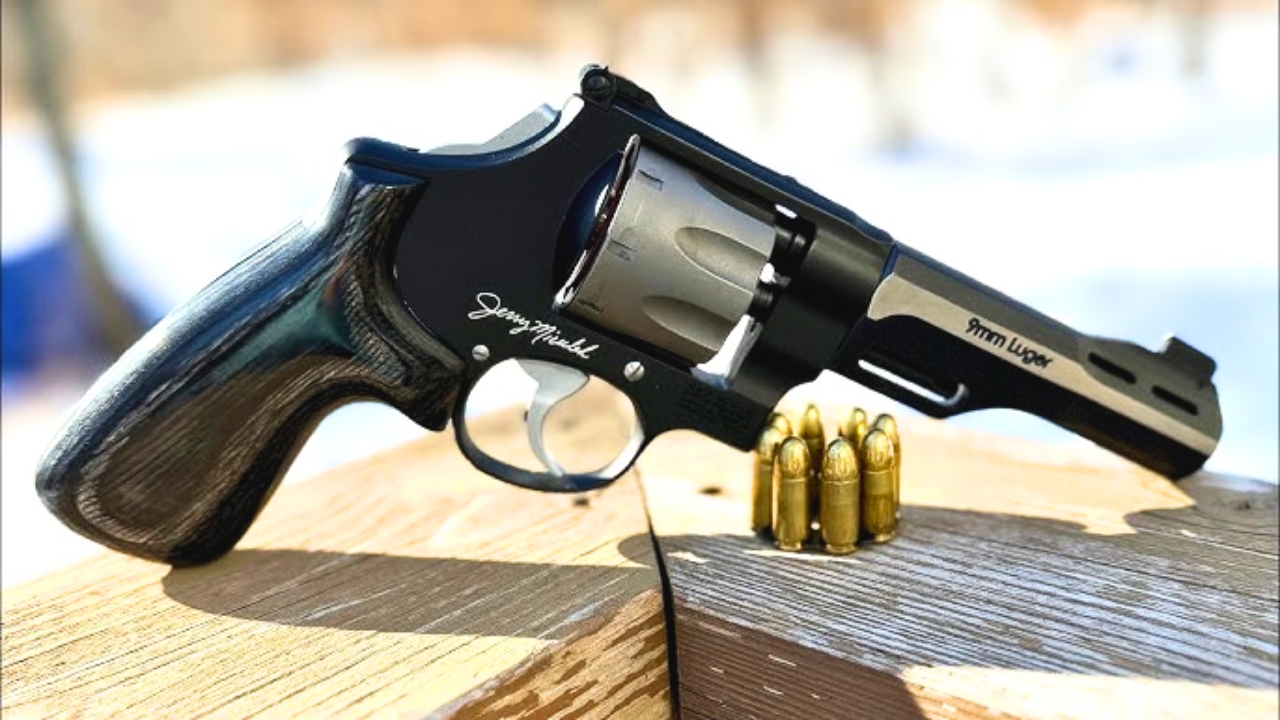
The Performance Center Model 327 WR Jerry Miculek World Record revolver sits at the extreme end of Smith & Wesson’s revolver catalog. Smith & Wesson currently lists the Performance Center model at $3,499.
There is obviously specialty appeal here, and buyers interested in a Jerry Miculek-themed Performance Center revolver are not shopping strictly by practicality. But $3,500 buys several excellent revolvers. If the goal is simply owning a fast-shooting, accurate wheelgun, you can accomplish that for a fraction of the cost. The rest is exclusivity.
Smith & Wesson Model 351C

The 351C is an extremely lightweight seven-shot J-frame chambered in .22 Magnum. Smith & Wesson currently lists it at $799.
Seven rounds, an aluminum frame, and easy carry are useful, but $800 is difficult to ignore for a small rimfire revolver. At that price you are surrounded by excellent centerfire carry pistols with higher capacity, easier reloads, optics capability, and broader ammunition availability. The 351C fills a niche very well. It is simply an expensive niche.
Smith & Wesson Model 29 Classic
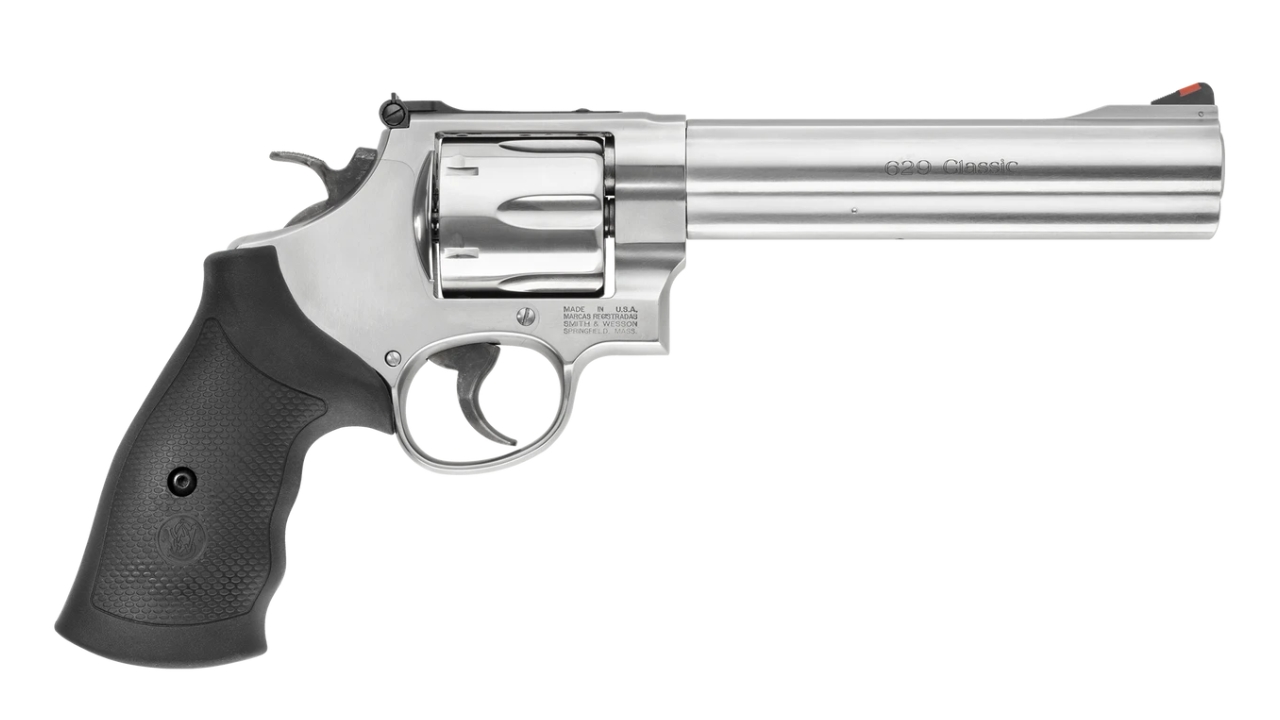
There is no denying the appeal of a Model 29. It is one of Smith & Wesson’s iconic .44 Magnum revolvers, and the current 4-inch Classic carries the traditional blued-steel and wood-grip appearance people want.
Smith & Wesson currently lists that gun at $1,229. That turns what was once a serious working magnum revolver into a fairly expensive nostalgia purchase. If you specifically want a Model 29, the price may not matter. If you simply need a .44 Magnum to hunt or carry outdoors, your money can go farther elsewhere.
Beretta 92XI SAO Tactical
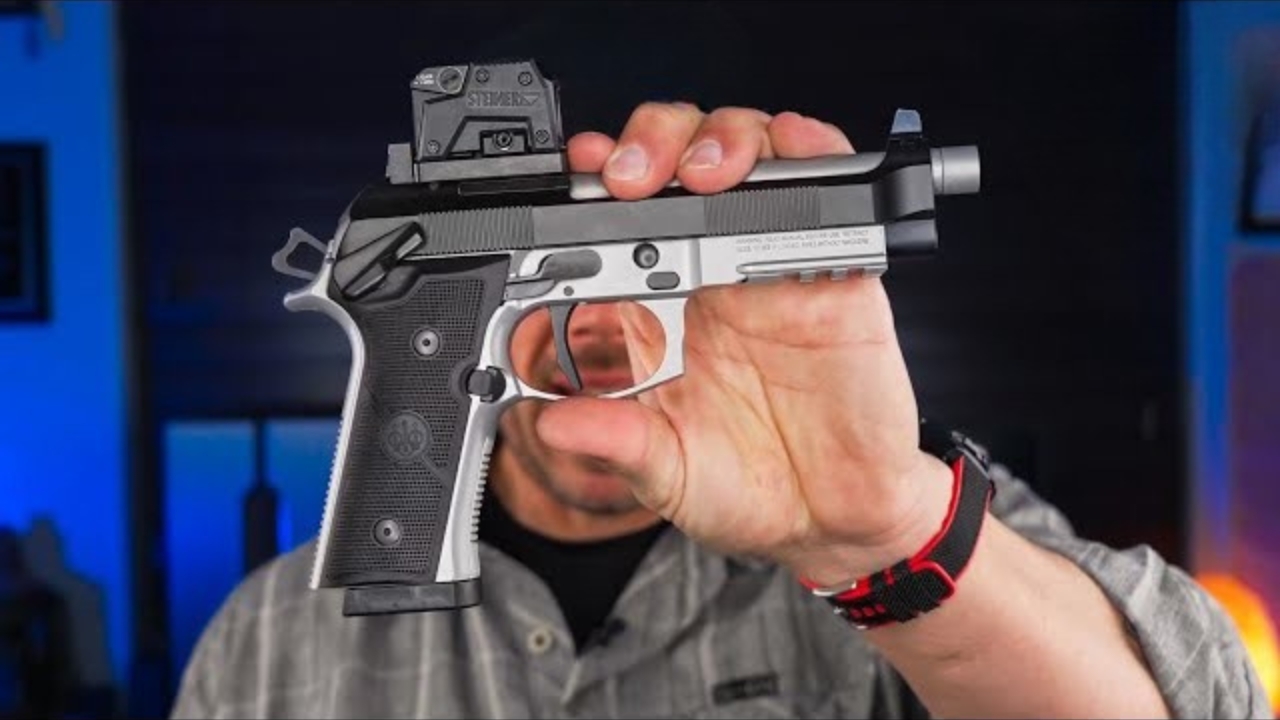
The 92XI SAO Tactical fixes one of the complaints longtime shooters have had about the 92 platform by moving the safety onto the frame. It also adds a threaded barrel and other modern features. Beretta currently starts it at $1,069.
That is not outrageous, but it puts a fairly conventional aluminum-frame 9mm over the four-figure mark. The standard 92XI starts below that, and plenty of optics-ready defensive pistols cost hundreds less. If you want a cocked-and-locked tactical Beretta, it makes sense. If you are simply shopping for capability per dollar, it is harder to recommend.
Beretta 92XI Squalo

The Squalo is another specialized member of Beretta’s growing 92XI family. Beretta currently lists it starting at $999.
Once a 92 reaches the thousand-dollar neighborhood, buyers should think carefully about which features they are actually paying for. The underlying design remains a large service pistol based on a platform that has existed for decades. The newer controls and competition touches improve it, but the practical gain over less expensive 92 variants is not always proportional to what Beretta asks.
Walther PDP Match Steel Frame

The PDP Match Steel Frame takes one of the best modern striker-fired designs and gives it the weight and stability of a steel frame. Walther specifically highlights the additional mass as a major reason the Match shoots flatter and controls recoil better.
The issue is that a normal polymer PDP already has an excellent trigger and very good ergonomics. Steel makes the Match noticeably nicer for competition and range shooting, but it also moves the pistol into a much more specialized premium category. Unless match performance is the actual goal, you can get most of what makes a PDP great without paying for the heavy frame.
CZ Shadow 2 Target
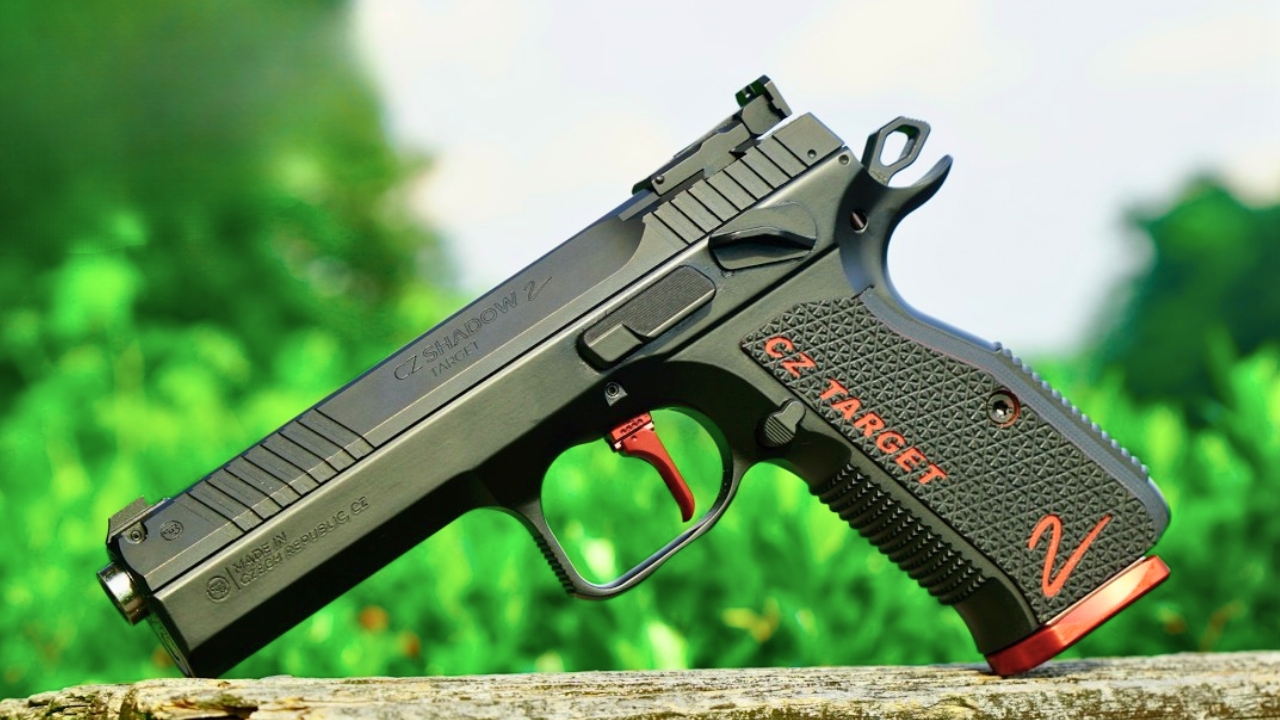
CZ’s Shadow 2 Target is a current addition to an already excellent competition-pistol family. CZ offers both 5- and 6-inch Target versions with G10 grips and a setup aimed specifically at precision shooting.
The difficult part is that an ordinary Shadow 2 is already an exceptionally capable pistol. Once manufacturers start refining an already excellent competition gun, every additional improvement becomes increasingly expensive. A dedicated bullseye shooter may appreciate the Target immediately. Most people would get far more value from the regular Shadow 2 and a case of ammunition.
SIG Sauer P226-XFIVE Reserve
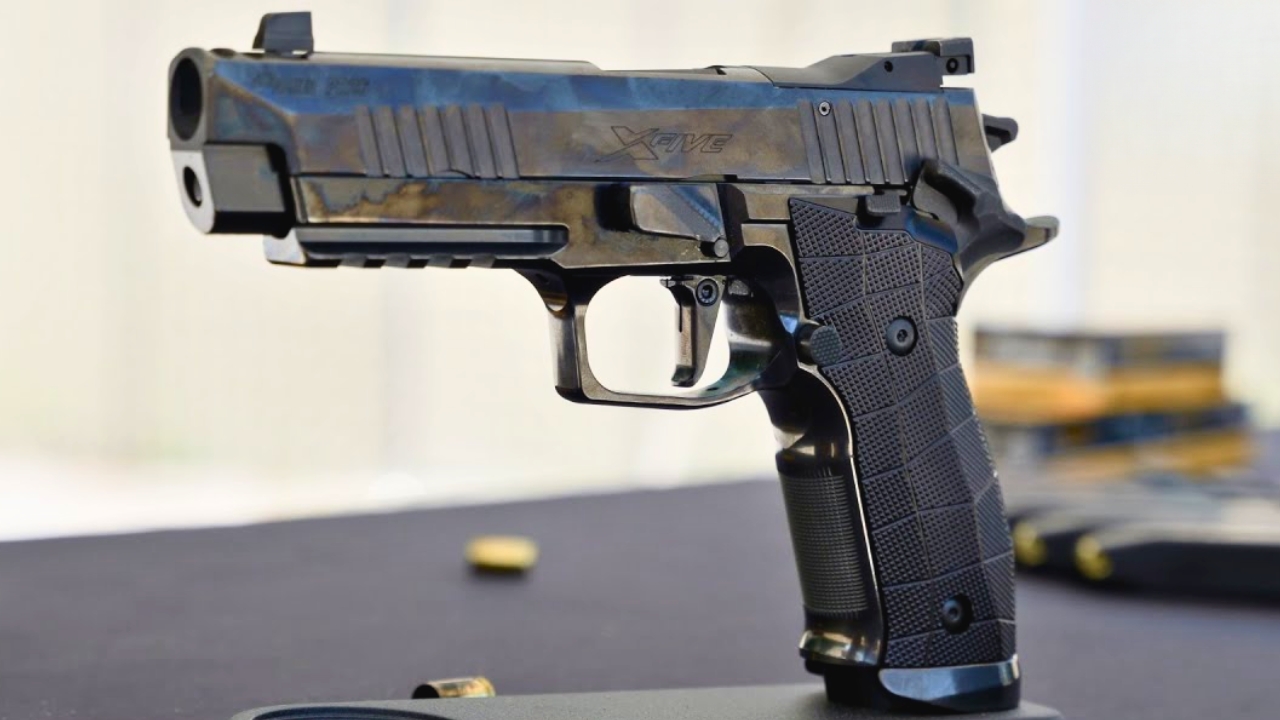
The P226-XFIVE Reserve was built specifically as a premium collector-oriented version of the P226, with a polished DLC finish, integrated compensator, adjustable trigger, and fewer than 3,000 produced. SIG itself describes it as a collector’s piece.
That distinction matters because this is not a value pistol pretending otherwise. But if we judge strictly by what the gun actually delivers on target, much of the premium goes toward exclusivity, finish, and limited production. Less expensive P226 variants can still provide the accuracy, reliability, and excellent shooting characteristics most owners actually need.
SIG Sauer P226-XFIVE Extreme
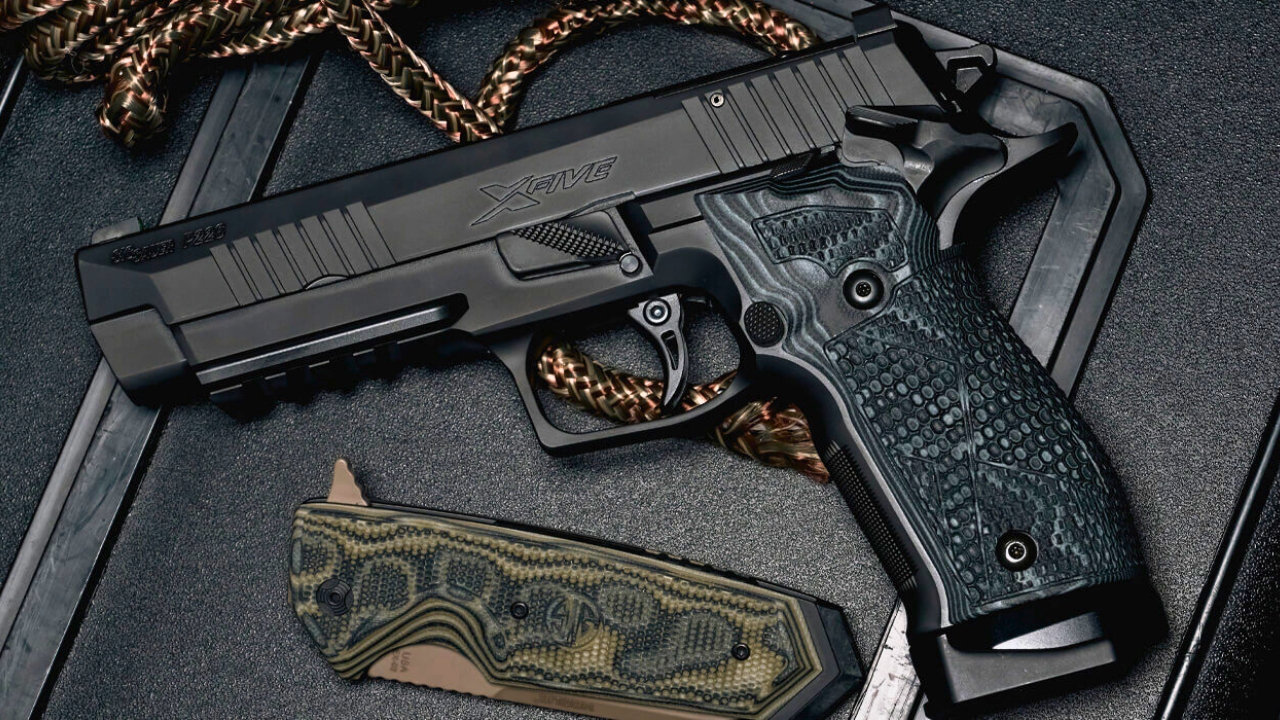
The current P226-XFIVE Extreme pushes the platform toward serious competition use with a 5-inch bull barrel, XSeries optics-ready slide, and upgraded controls. SIG describes it as a competition-ready refinement of the P226.
It is undoubtedly a serious pistol, but this is another case where an excellent platform has been pushed far enough that the remaining improvements become increasingly expensive. A regular P226 or one of several less costly competition pistols can already shoot extremely well. The Extreme makes sense when chasing performance at the margins. That is a much narrower argument than general value.
Like The Avid Outdoorsman’s content? Be sure to follow us.
Here’s more from us: