Photo credit: AI-generated image created using ChatGPT. Illustrative only
Getting your truck broken into is aggravating enough. But when the stolen property includes a handgun, that feeling changes from “I’m mad” to “this needs handled right now.” That’s exactly where one Orange County, Florida man found himself after a break-in cost him a guitar, some cash, and a firearm, as he explained in the original post.
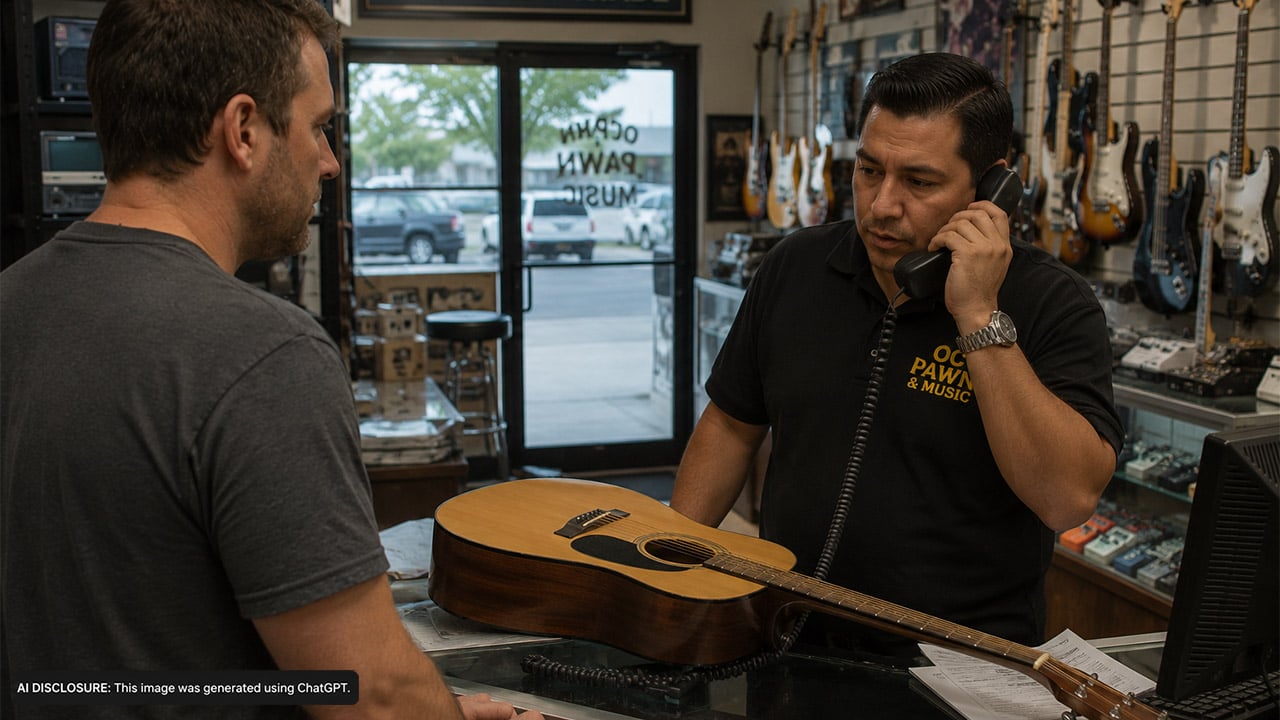
He did what most responsible folks would do: filed a police report, then started working the problem from his end by passing out flyers to local pawn shops. That effort paid off fast when a pawn shop called to say they’d taken in his guitar. The relief didn’t last long, though, because the bigger worry was still out there—the missing handgun.
The theft wasn’t just about stuff—it was about a gun on the street
The list of stolen items was straightforward: a guitar, cash, and a handgun taken from his truck. Anyone who’s spent time around hunting camps, fishing trips, or long drives to lease land knows the temptation to leave gear in a vehicle. But thieves know that routine, too, and vehicles are soft targets.
Once a firearm is involved, it’s no longer only about replacing property. A stolen handgun can end up in another crime, get sold off quickly, or disappear into a back-channel market where it’s hard to trace. That’s why the man’s urgency centered on speed—recover the gun before it gets moved again.
The pawn shop call sounded like a break—until “police hold” entered the picture
After the pawn shop contacted him about the guitar, he reached out to law enforcement hoping it would kick the case into gear. Instead, he said the detective told him a “police hold” had been placed on the guitar and didn’t seem especially interested in immediate follow-up.
That’s a frustrating spot to be in. The owner is trying to do the right thing and keep momentum, while the system moves at its own pace. The man wasn’t just thinking about getting his guitar back—he was thinking about the handgun potentially being pawned or sold next if nobody leaned into the lead.
Why a “police hold” can slow you down, even when the item is yours
In plain terms, a hold generally means the shop can’t sell or release the item while law enforcement sorts out whether it’s stolen and what needs to happen for evidence and documentation. It’s meant to keep property from walking out the door and to preserve the chain of custody if charges ever get filed.
From an outdoorsman’s perspective, it feels backwards: you’ve identified your property, you’ve got a report, and you’re ready to pick it up. But the hold can turn your “found it” moment into a waiting game—especially if a detective wants to handle recovery through procedure instead of letting you buy it back on the spot.
The owner’s real questions were practical: Can I get it back, and what should I do next?
He laid out the questions most gun owners would ask in the same situation. What does the hold actually mean for him? Can he pick up the guitar now if he buys it back, or does he have to wait until the case is closed or someone is convicted?
He also had unfinished business beyond the guitar itself: the case for the guitar and the cash were still missing, and there was damage to the truck and to the guitar. On top of that, he wasn’t even confident police had a record of those damages, which matters for restitution, insurance, or just having a complete paper trail.
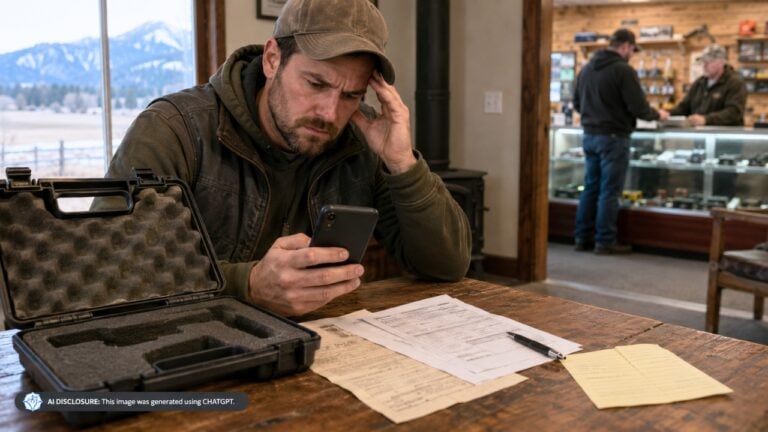
To his credit, he didn’t just sit and complain. He’d already completed an “Additional Items Stolen Inventory” form with the Orange County Police Department and had been trying to communicate with the detective via email. That’s the kind of boring documentation work that often ends up mattering most later.
The outdoorsman takeaway: documentation and speed matter more than most people think
This is where the story hits home for anyone who keeps gear in a truck. When something gets stolen, the first few days are when recovery odds are best—especially with pawned items, because there’s a window where a shop still has it, paperwork exists, and the person who brought it in may be identifiable.
It’s also a reminder to document your valuables before anything happens. Serial numbers for firearms, clear photos of guitars and cases, distinctive markings, receipts—anything that makes “that’s mine” easy to prove. If you’re a hunter with a rifle or shotgun you’ve owned for years, take ten minutes and record what you’d want if it vanished tomorrow.
And the hard truth: leaving a handgun unsecured in a vehicle is risky. Sometimes it’s unavoidable—travel, work, property runs—but if it has to be in the truck, secure storage is the difference between “stolen from a smash-and-grab” and “stolen after they had to defeat something designed to slow them down.” Even a small delay can be enough to make a thief move on.
In this case, the man’s push wasn’t about getting a free guitar back. He was trying to keep the lead warm so the gun didn’t vanish next. That’s a responsible mindset, even if the process didn’t feel responsive.
Damage, missing cash, and the messy part people forget to report
One detail that often gets lost in the shuffle is damage. A burglar doesn’t just “take items”—they break locks, pry doors, shatter glass, and tear up interiors. The man noted damage to his vehicle and guitar, and he wasn’t sure law enforcement had recorded it.
That’s worth focusing on because those details can matter later, whether you’re dealing with insurance, trying to show the total loss, or seeking restitution if someone is charged. Photos, repair estimates, and written notes taken immediately after the theft are simple, but they’re the kind of proof that holds up when memories fade.
He also asked whether police would bring him back in for a more official report if they were able to charge someone, or whether he should file something separately for the property damage. That question tells you he’s thinking beyond the initial report and trying to make sure the case file reflects the full scope of what happened.
For folks who live outdoors and out of their trucks, it’s a solid reminder: when you report a theft, make sure the report covers everything—items taken, damage done, and any identifying details you can provide. If you find an item later (like a pawned guitar), keep that information in writing and route it through the same case number so it doesn’t get split into separate, disconnected threads.
What started as a simple truck burglary turned into something more serious the moment a handgun was part of the take. The pawn shop call proved the owner’s legwork can pay off, but it also showed how quickly a good lead can stall when procedure and urgency don’t line up. If you keep gear in your rig—especially firearms—take the time now to record serial numbers, tighten up how things are stored, and have a plan for who you’ll contact first. When the worst happens, the first moves matter.
Like The Avid Outdoorsman’s content? Be sure to follow us.
Here’s more from us: