Photo credit: The Avid Outdoorsman
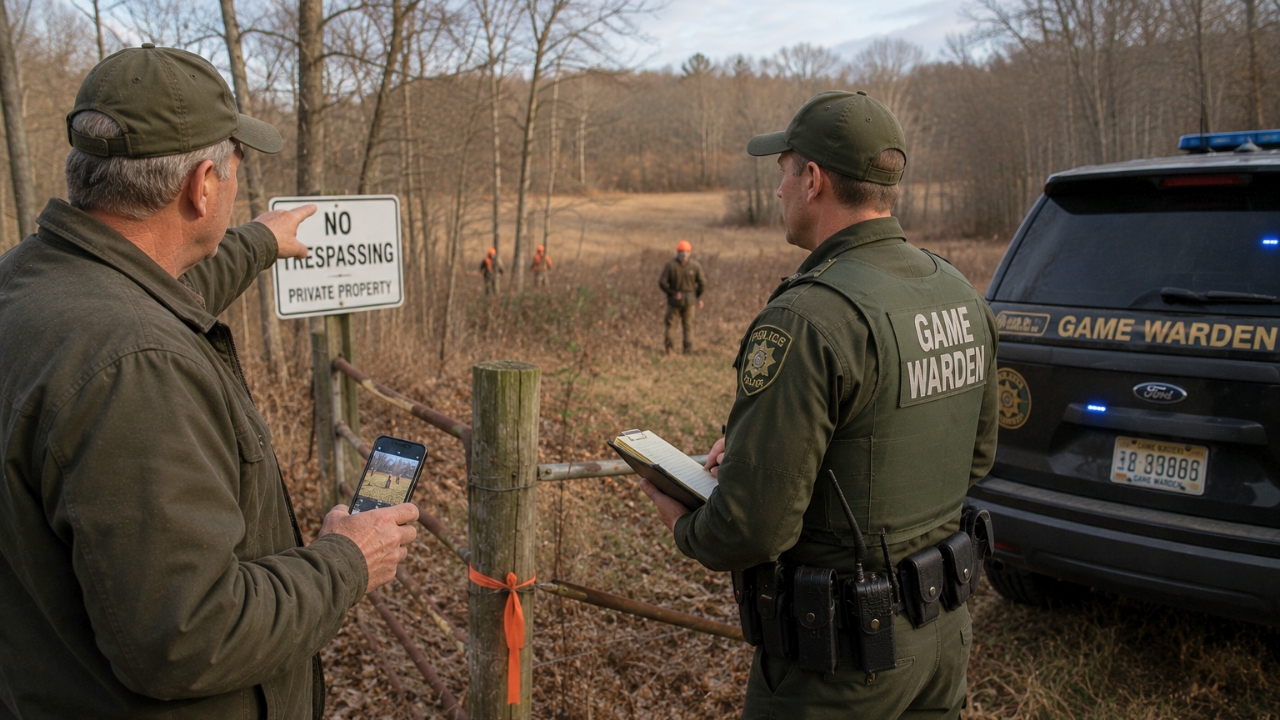
The landowner said the problem had gone past one person wandering across the wrong line. According to the Reddit post, hunters had been trespassing on private property and hunting there without permission. For anyone who owns rural land, that is the kind of problem that can make a quiet piece of property feel out of your control fast.
The original Reddit post can be found here: https://www.reddit.com/r/legaladvice/comments/17zxxlk/ward_off_hunters_trespassing_and_hunting_on_our/
A trespasser on foot is frustrating. A trespasser with a firearm or bow during hunting season is something else entirely. The landowner was not just worried about people cutting through the property. They were worried about people actively hunting where they did not belong, possibly shooting near homes, livestock, trails, family members, or others who had permission to be there.
The hard part with hunting trespass is that it often happens when the owner is not standing there watching. Someone may come in before daylight, park somewhere out of sight, slip through a fence, or use a neighboring property as access. By the time the landowner finds tracks, shell casings, blood, gut piles, tire marks, or fresh stand activity, the person responsible may already be gone.
That leaves the owner trying to figure out how to stop the behavior without creating a dangerous confrontation. Walking up on unknown hunters in the woods is not a great plan. Even if the owner is completely right about the trespass, the other person may be armed, defensive, embarrassed, or angry.
That is why the game warden angle matters. A regular trespass complaint can go through police or the sheriff, but hunting trespass and illegal take are exactly the kind of things wildlife officers deal with. They understand licenses, seasons, tagging rules, landowner permission, baiting, stands, and the difference between a boundary mistake and someone knowingly poaching.
The landowner needed proof and pressure. No-trespassing signs help, but they do not catch anyone by themselves. Cameras, written logs, vehicle descriptions, and calls to the right agency can turn a vague complaint into something enforceable.
Commenters pushed the landowner toward documentation first. They suggested writing down dates and times, photographing evidence, saving trail camera images, and keeping a record of every call made to authorities. If the trespassing continued, that pattern would matter.
Several people said the landowner should contact a game warden or conservation officer. Commenters saw that as the strongest move because the issue was not only trespass. It involved hunting, weapons, and possibly illegally taken wildlife.
Others recommended making sure the property was posted correctly under state law. Depending on the state, signs may need to be placed at certain intervals or include specific wording. Purple paint laws may also apply in some places, but only if used correctly.
A few commenters warned the landowner not to confront armed hunters alone. Even if the landowner had every right to be angry, it was safer to collect evidence from a distance and let wildlife officers or law enforcement handle the actual contact.
The post ended with the landowner facing a familiar rural problem. The property was private, but someone else was treating it like open hunting ground. The next step was not just putting up more signs. It was building enough evidence that a game warden could step in and make the trespassers understand the land was not theirs to hunt.
Like The Avid Outdoorsman’s content? Subscribe to our newsletter so you never miss an article.
Here’s more from us: