Photo credit: Backyard Live/Youtube
You spend enough Saturdays walking gun show aisles and you start to notice a pattern. There are pistols folks handle for ten minutes, argue about on the spot, and walk away from. Then there are the other ones—the handguns that get picked up, checked over out of habit, and bought like a man grabbing eggs and bread. No long pitch needed. These are the models gun show regulars already understand: they run, the parts are everywhere, the mags aren’t a scavenger hunt, and they do the job whether that job is carry, nightstand, range time, or riding in a truck on back roads.
1. Glock 19
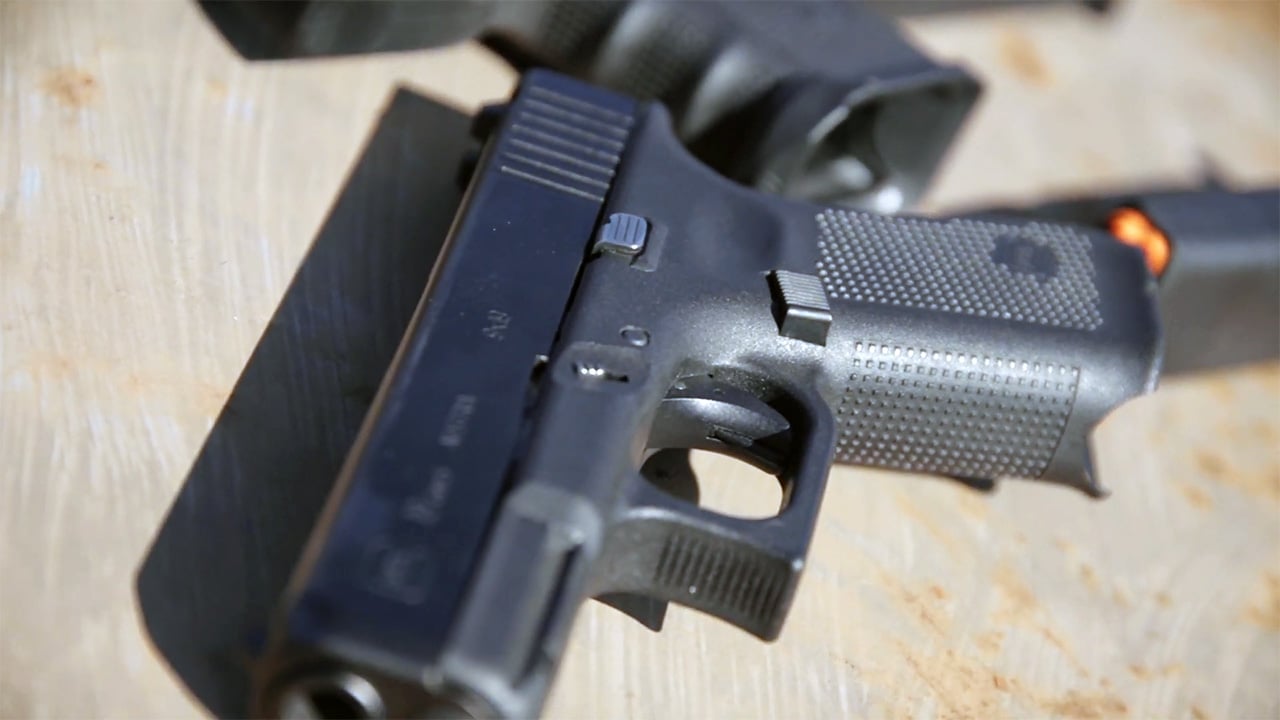
The Glock 19 is the poster child for “no surprises.” It isn’t the sexiest gun on the table, and that’s exactly why it sells. It fits a lot of hands, it points naturally for most shooters, and it’s small enough to carry without being so small it beats you up at the range. When a guy picks one up at a show, he’s usually checking the night sights, the frame rails, and the included mags—not wondering if the design is a science project.
What really seals it is support. Holsters are everywhere, magazines are everywhere, and replacement parts are everywhere. If you actually shoot your carry gun instead of just posing with it, that matters. A used Glock 19 with honest wear is often a smarter buy than a fancy unknown with “upgrades” you can’t un-upgrade.
2. Glock 17
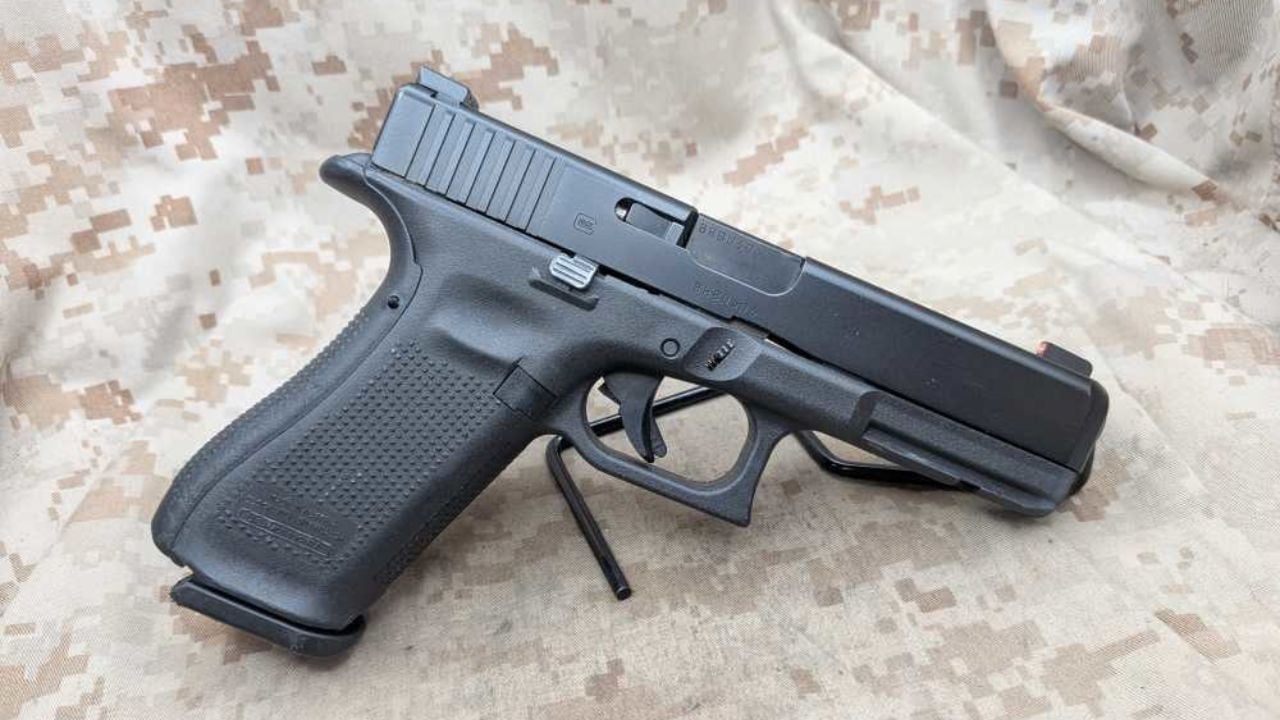
The Glock 17 is the same idea as the 19, just more of it. Full-size grip, full-size sight radius, and it tends to feel calmer under recoil for newer shooters or anyone who shoots longer strings. At gun shows, it’s the one that gets bought by folks who want a house gun or a range workhorse and don’t feel like reinventing the wheel.
You can also feed it anything decent and it’ll keep going. There’s no mystery maintenance schedule, and you don’t need a drawer full of special tools. If you’re the kind of person who keeps a pistol in a safe at deer camp or in the nightstand at the farm, the Glock 17’s boring reliability is the whole point.
3. Smith & Wesson M&P9 2.0 Compact
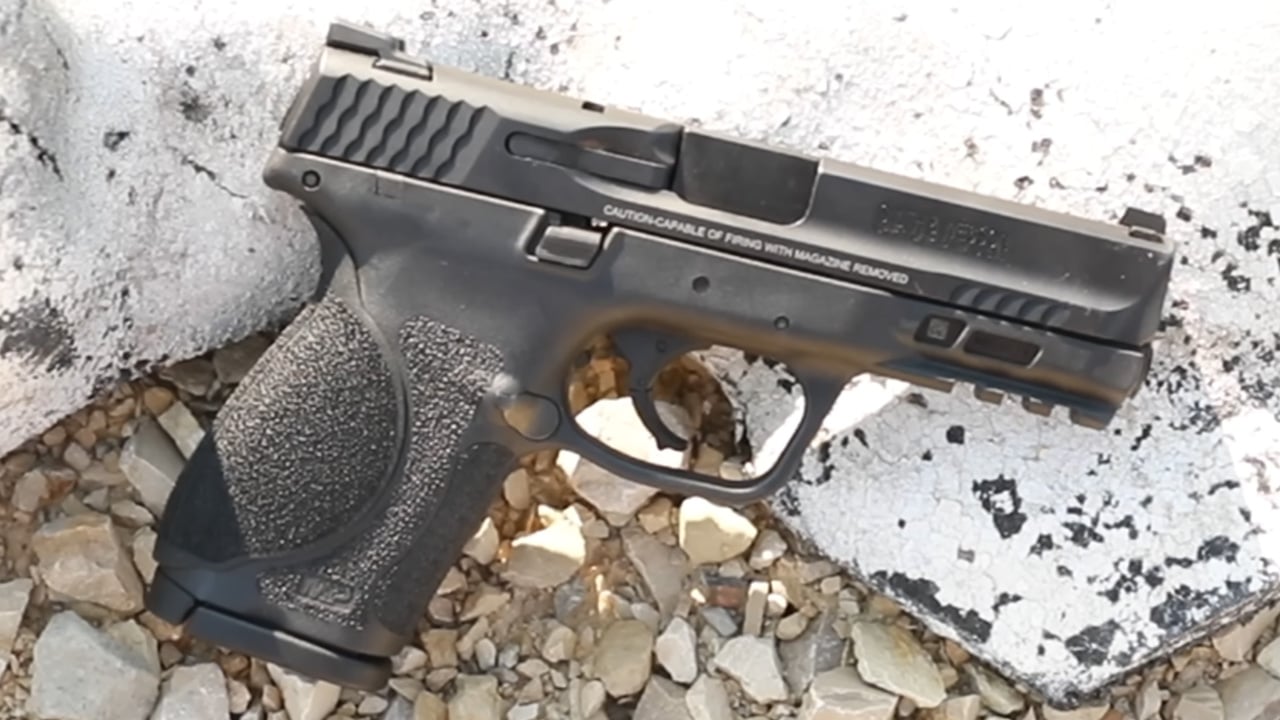
The M&P 2.0 Compact is what a lot of folks wanted their polymer striker gun to feel like in the hand. The grip texture is serious, the ergonomics make sense, and it shoots flatter than many compact 9mms. At a gun show table, it’s the one that gets picked up and you can see the buyer’s face go, “Yep, that fits.”
It also has the kind of real-world support that matters: magazines are common, sights are plentiful, and it’s not picky about holsters. The 2.0 line fixed a lot of the “almost, but not quite” complaints from earlier versions. It’s not a boutique pistol, and that’s why regulars trust it.
4. SIG Sauer P365
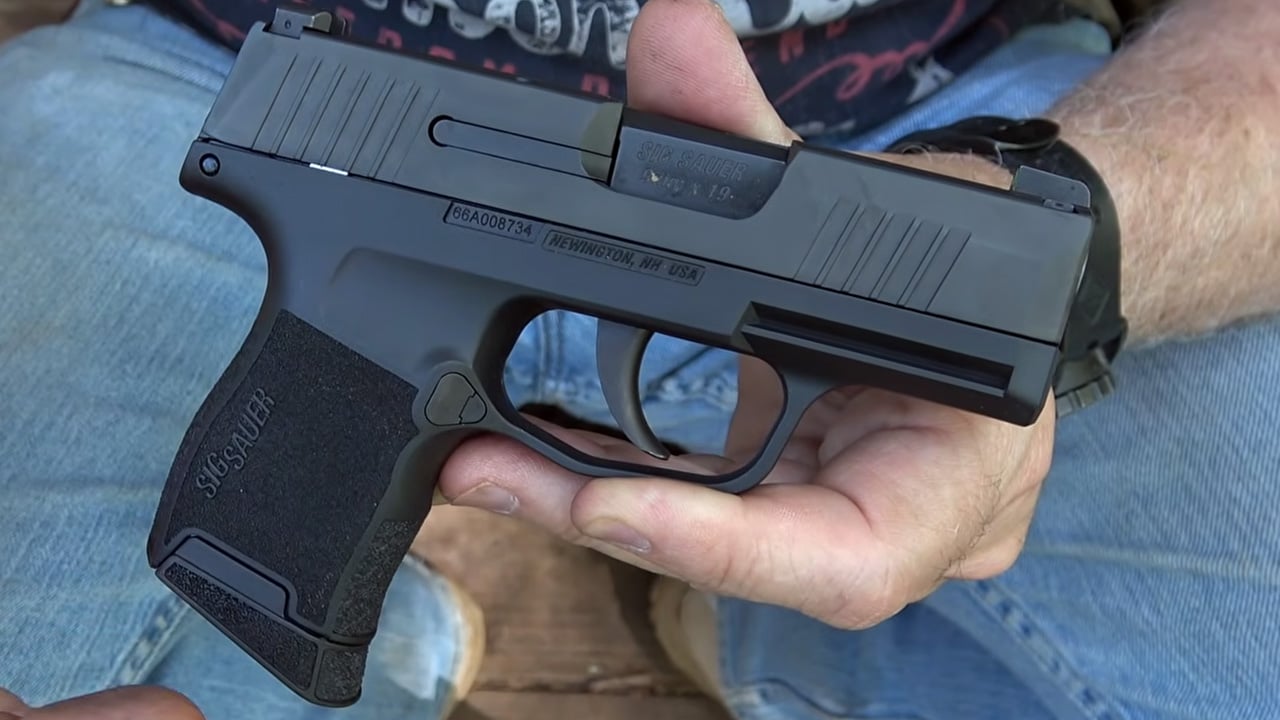
The P365 changed what “small 9mm” meant for a lot of people. It carries like a little gun but shoots like a bigger one if you do your part. It’s also one of those pistols that a lot of buyers already have time behind—either their own or a buddy’s—so they’re not gambling. They’re replacing one, adding a second, or grabbing a variant that fits their carry style.
At a show, the questions are usually about which grip module it has, whether it includes the right mags, and what the sight setup is. The platform is common enough now that parts, holsters, and mags aren’t a headache. If you actually carry every day, that’s the difference between a gun you use and a gun you “meant to.”
5. SIG Sauer P365 XL
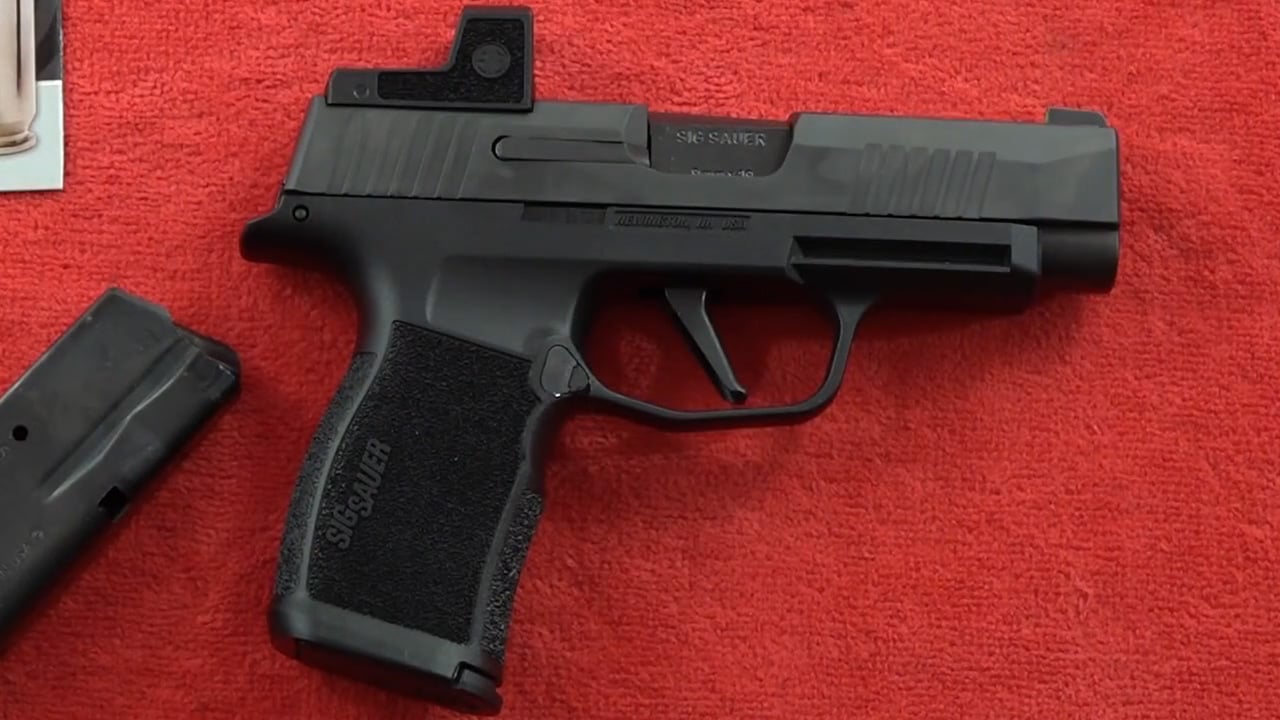
The XL is for the folks who like the P365 idea but want a little more grip and a little more sight radius. That extra length makes it easier to shoot well, especially if you’ve got bigger hands or you’re doing more than just close-range practice. It still carries well, but it’s less “micro” and more “serious small pistol.”
Gun show buyers know the deal: it’s a carry gun you can actually train with. They’ll glance at the slide for optics readiness, check the trigger feel, and see what mags come with it. It’s also one of those models where used prices can be fair, and you’re not taking much risk if it’s been cared for.
6. Ruger LCP II
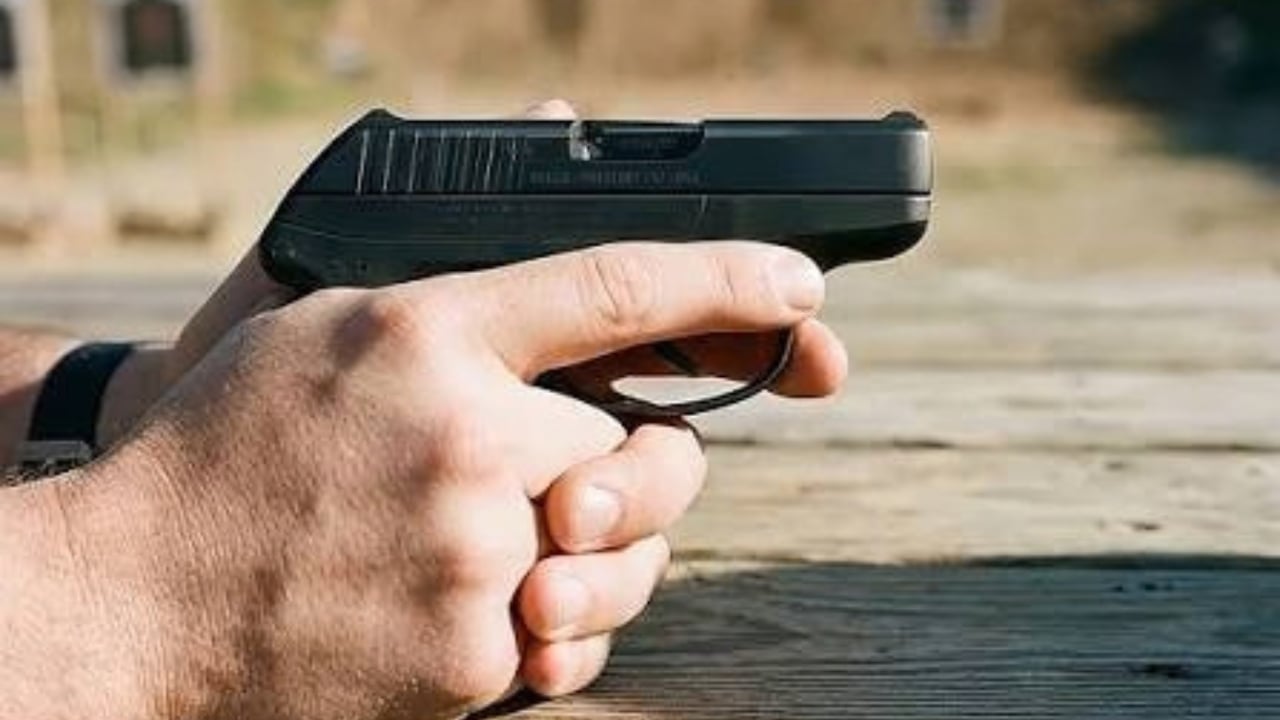
The LCP II isn’t glamorous. It’s a “get off me” pistol and a deep-carry tool, and it lives in pockets, tackle bags, and coat pockets more than it lives on Instagram. Gun show regulars buy them because they know exactly what they’re getting: light weight, easy carry, and a gun you’ll actually have when a bigger pistol gets left behind.
The tradeoff is the same as it’s always been with tiny .380s—snappy recoil and short sights. Still, for the role it fills, it’s hard to beat. The LCP II also has wide enough adoption that magazines and holsters aren’t rare. If you need a small gun for summer carry or as a backup, this is one that gets bought without drama.
7. Ruger SP101
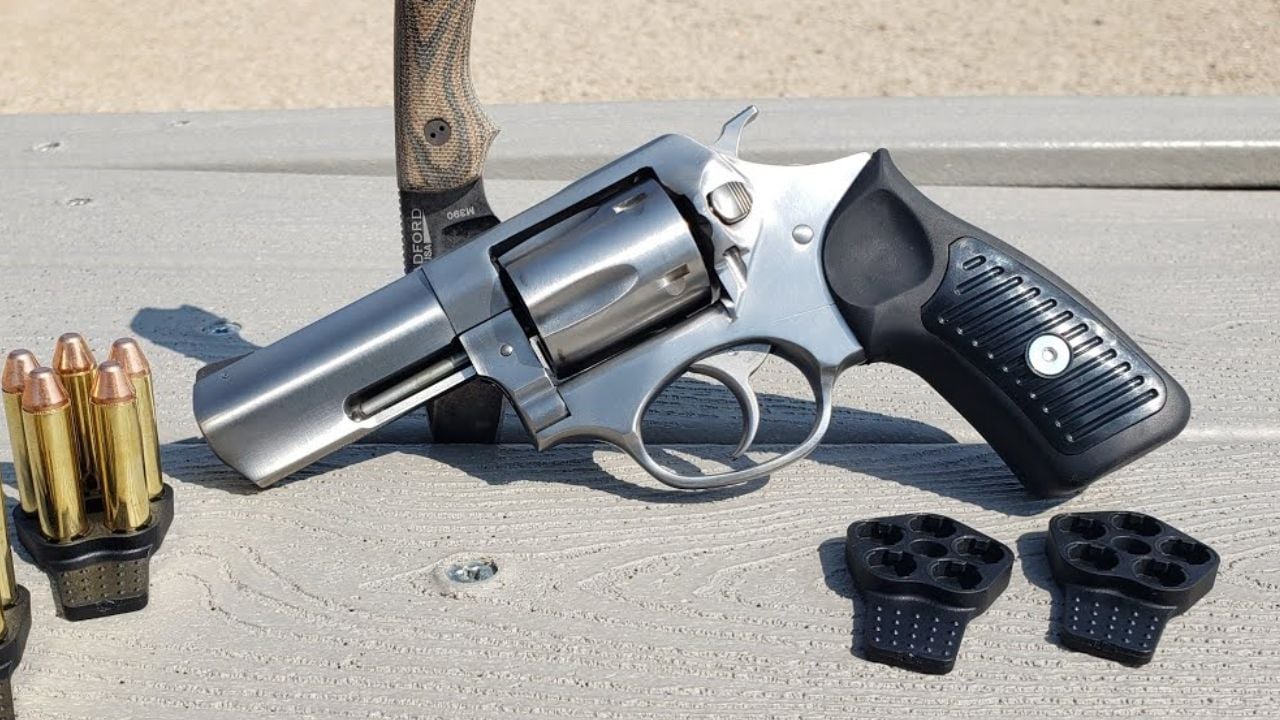
The SP101 is a revolver for folks who are tired of nonsense. It’s stout, it can take a steady diet of real loads, and it’s the kind of gun you can hand down without worrying it’ll be “unsupported” in a few years. At a gun show, you’ll see someone check timing and lockup, glance down the bore, and that’s about it.
It’s not the lightest option, and it’s not the easiest to shoot fast compared to a 9mm auto. But it’s a revolver you can trust in the rain, in the cold, and after a month in a glove box. For a camp gun, a small-property gun, or a “walk the fence line” gun, it makes sense in a way a lot of trendy pistols don’t.
8. Smith & Wesson Model 642 Airweight
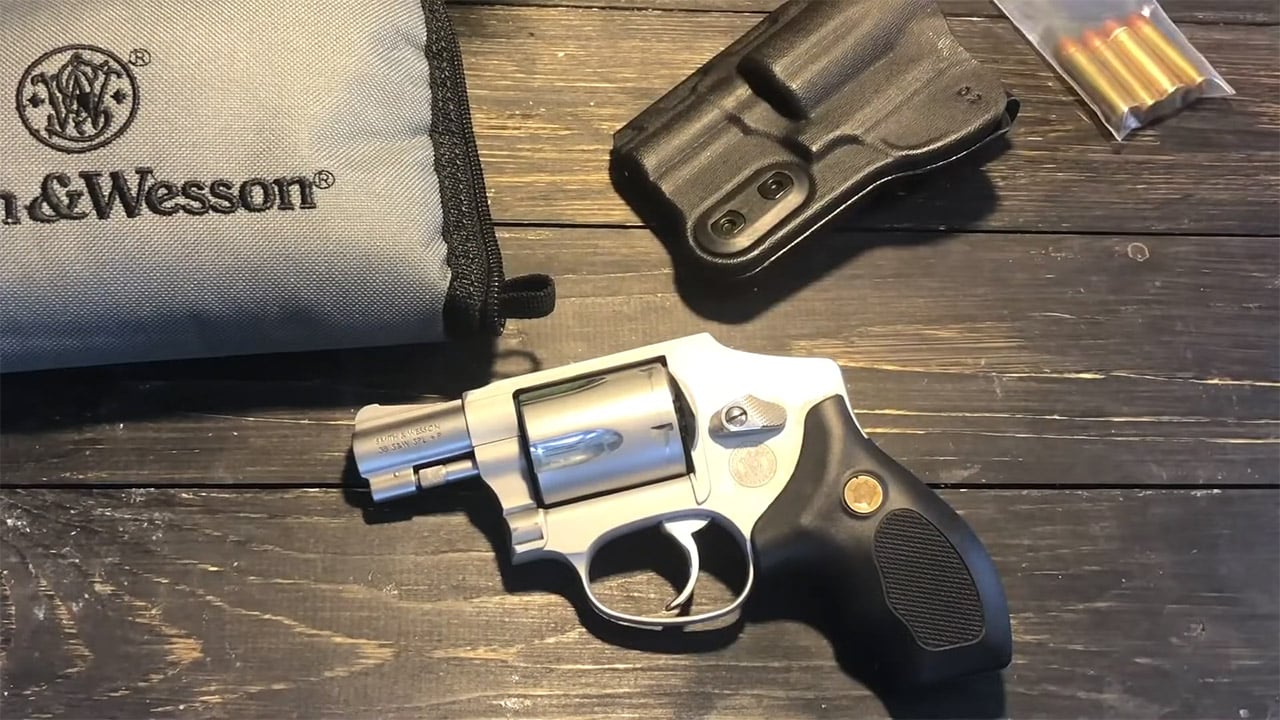
The 642 is a classic for a reason. It’s a simple revolver that disappears in a pocket holster and keeps working when lint, sweat, and neglect would make some semi-autos grumpy. Gun show regulars don’t buy it because it’s fun. They buy it because it’s there when you need it, and there’s comfort in that.
Shooting a light snub with +P loads isn’t everybody’s idea of a good afternoon—ask me how I know. But as a carry piece for quick errands, summer clothes, or as a backup, it’s hard to argue with. If you find one with a decent trigger and clean cylinder face, it’s usually a safe bet.
9. Smith & Wesson Model 686

The 686 is the revolver a lot of folks end up with after they get tired of light snubs and want something they can really shoot. The weight helps, the balance is usually excellent, and a good 686 will make you look like a better shooter than you are. That’s not magic—it’s just a solid platform with a good trigger and a longer sight radius.
At a gun show, the 686 attracts the buyer who wants one revolver that can do a lot: range use, home defense, woods carry with the right loads. They’re also easy to inspect on the spot: timing, endshake, cylinder lockup. If it checks out, a 686 is rarely a mistake.
10. Ruger GP100
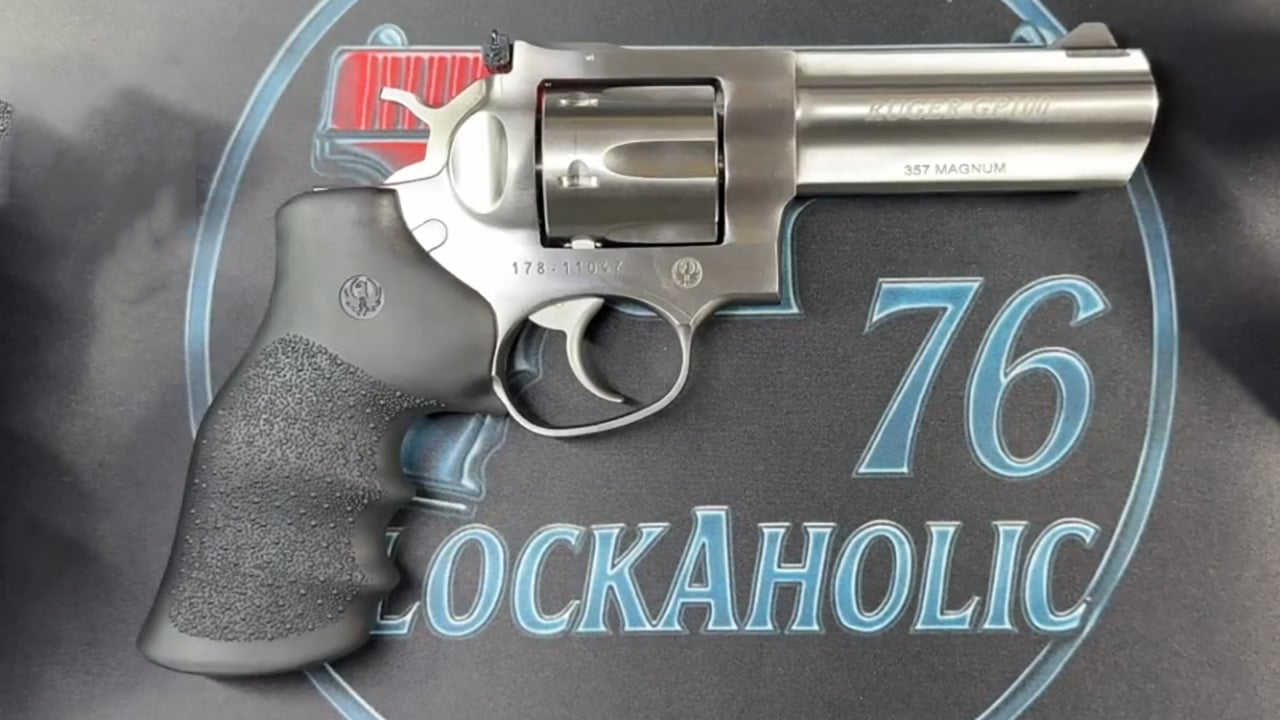
The GP100 is the blue-collar alternative to the 686, and I mean that as a compliment. It’s built like a fence post, it digests heavy .357 loads without flinching, and it’s a gun you can actually use hard. Gun show regulars like it because it’s straightforward: no delicate feel, no “collector panic,” just a tough revolver.
It’s not as refined in the trigger department out of the box as some Smiths, but it’s reliable and durable, which is what a lot of outdoorsmen care about. If you want a revolver for the woods, for a trap line, or for the back of the truck during hay season, the GP100 is one of those choices that doesn’t require a long internal debate.
11. Beretta 92FS
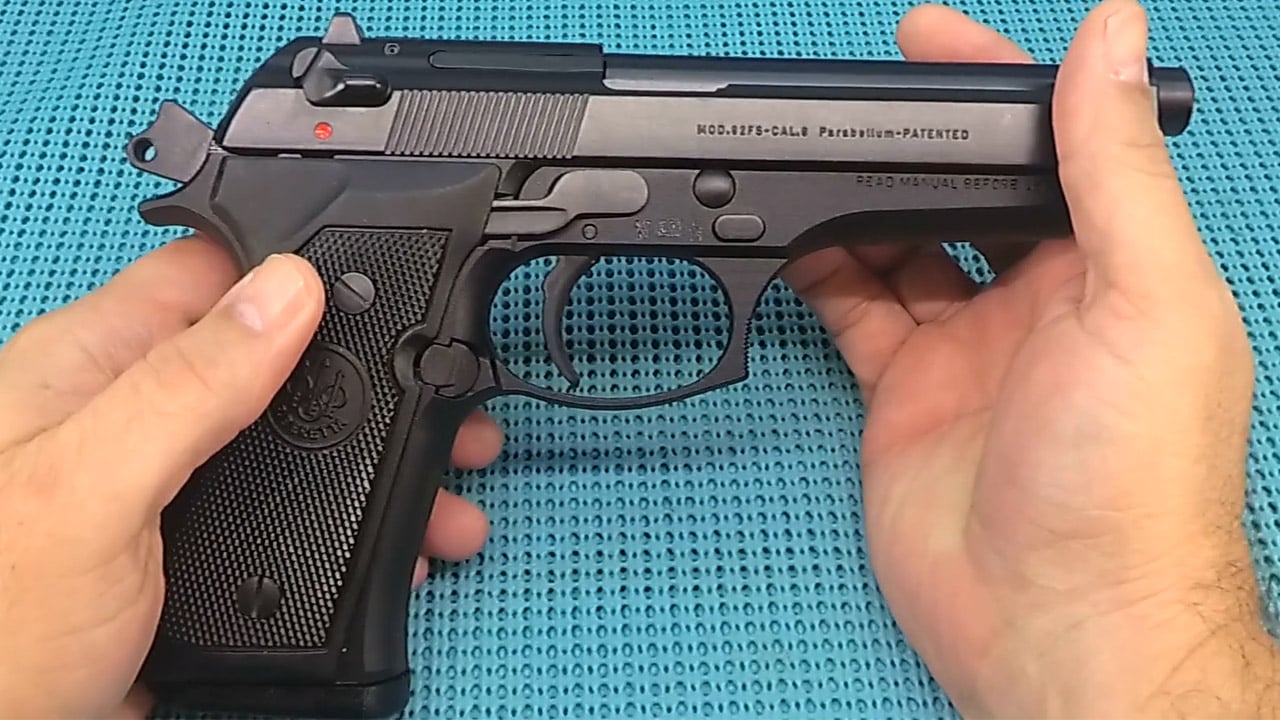
The Beretta 92FS is big, metal, and dated in some ways—and it still sells. There’s something about that smooth cycling, open-top slide feel and the way it soaks up recoil that keeps people coming back. Gun show buyers who reach for a 92FS usually already know if they like the safety/decocker setup and the grip size.
It’s also a pistol that tends to live a long time if it’s not abused. Magazines and parts are common, and there’s enough institutional use over the years that the design’s quirks are well understood. It’s not a tiny carry gun, but as a range pistol or home gun, it’s easy to shoot well. That counts for more than hype.
12. CZ 75B
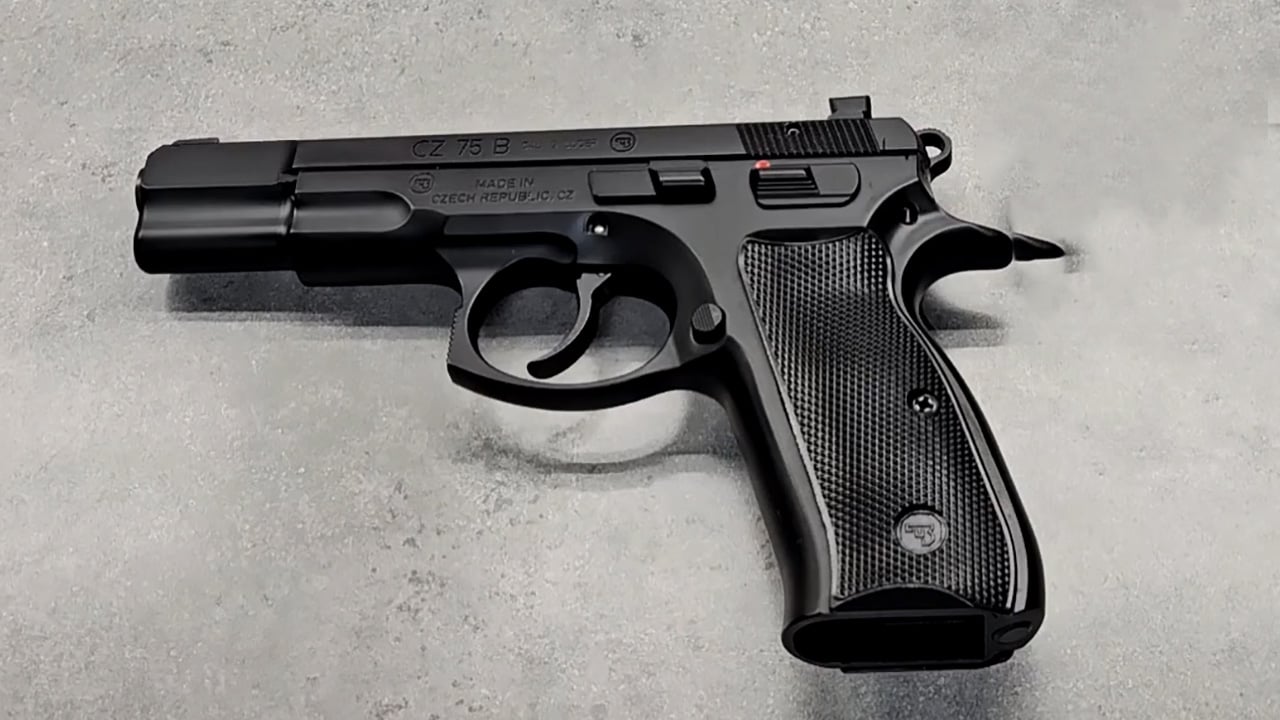
The CZ 75B is one of those pistols that surprises people the first time they actually shoot it. The weight, the low bore axis, and the way it tracks under recoil just works. At gun shows, the CZ buyers often look like they’re on a mission. They’re not browsing; they’re filling a gap because they already know how these guns shoot.
It isn’t as universally supported as Glock in every tiny town, but it’s mainstream enough now that mags and holsters aren’t a problem. The double-action/single-action system is not “beginner simple,” but it rewards practice. If you’re the kind of shooter who likes a steel pistol that feels like it was made to be fired a lot, the CZ 75B is a familiar answer.
13. Springfield Armory XD-M Elite 9mm
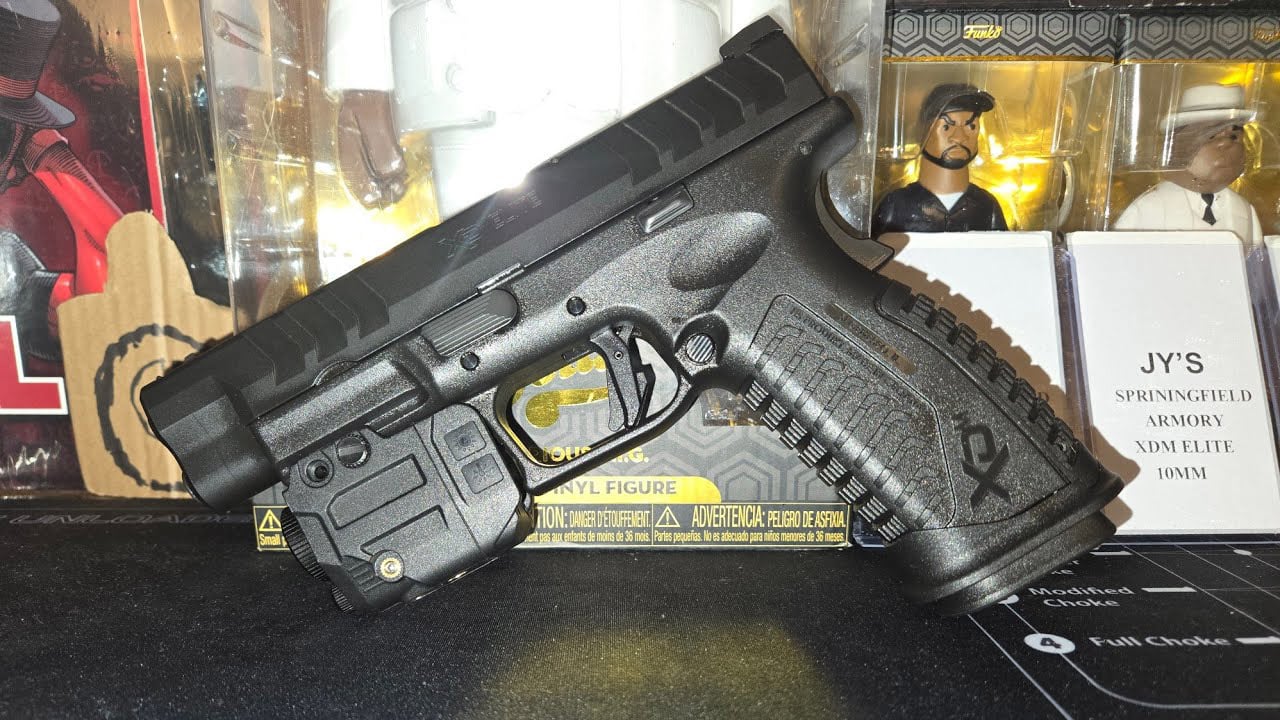
The XD line gets its share of online arguing, but the XD-M Elite versions have proven to be solid range and home-defense pistols for a lot of owners. Gun show regulars who buy them usually aren’t looking to win internet points. They’re looking for a gun that feels good in the hand, has decent factory sights, and runs without being finicky.
The grip safety is either something you like or something you tolerate, and most buyers already know which camp they’re in. The magazines are available, the pistols tend to shoot accurately, and the Elite trigger is generally an improvement over older versions. It’s not the trendiest buy on the table, but it’s one that plenty of folks have actually lived with and trust.
14. Walther PDP Compact
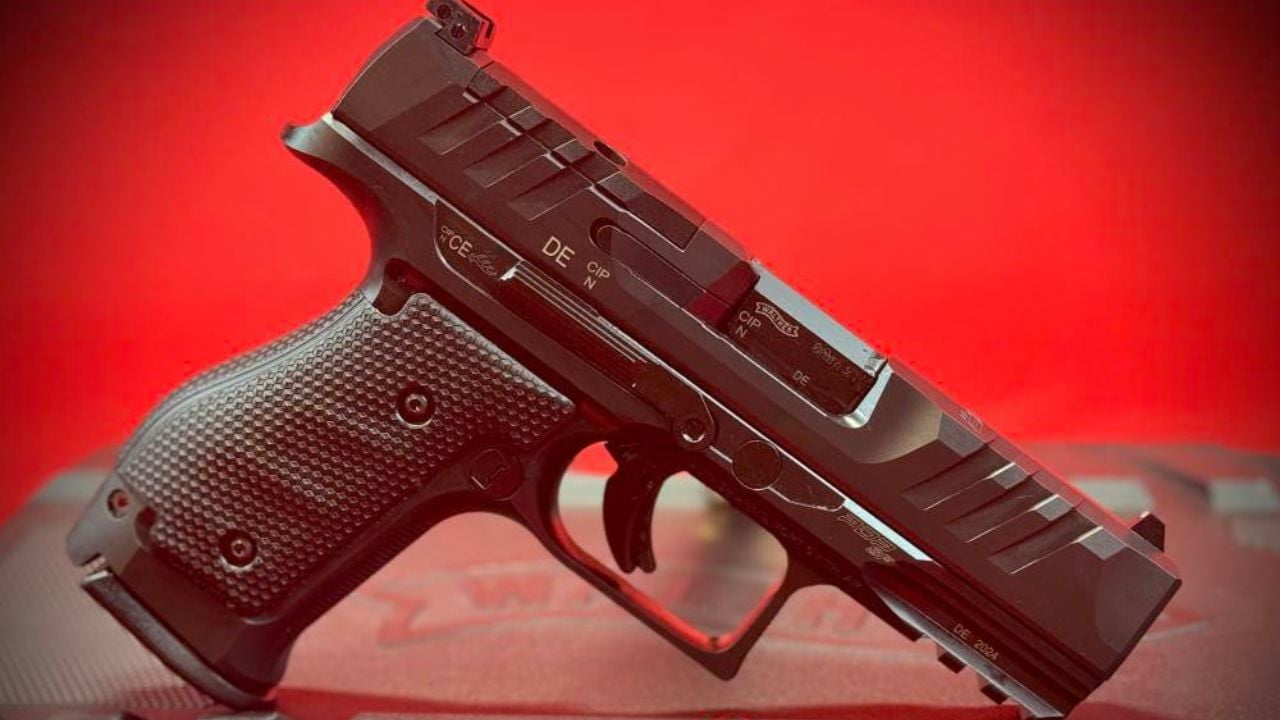
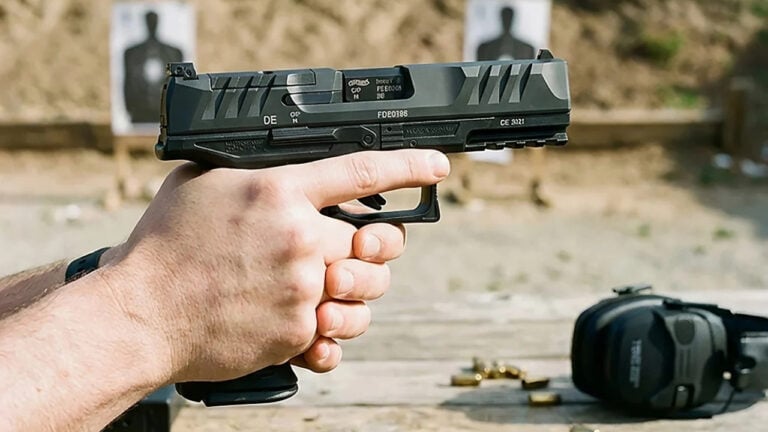
The PDP got popular for a reason: it’s one of the better out-of-the-box striker-fired triggers you’ll find in a modern duty-style pistol. It also has excellent slide serrations that are actually useful with cold hands or sweaty hands, and that matters more than people admit. Gun show regulars who’ve shot one tend to remember it.
It’s not the smallest compact, and it can feel a little blocky depending on the backstrap. Still, for a do-it-all 9mm that you can carry with the right setup and shoot hard at the range, it’s a strong choice. The optics-ready trend is real, and the PDP plays well in that world without needing a pile of aftermarket parts to feel “finished.”
15. Heckler & Koch VP9
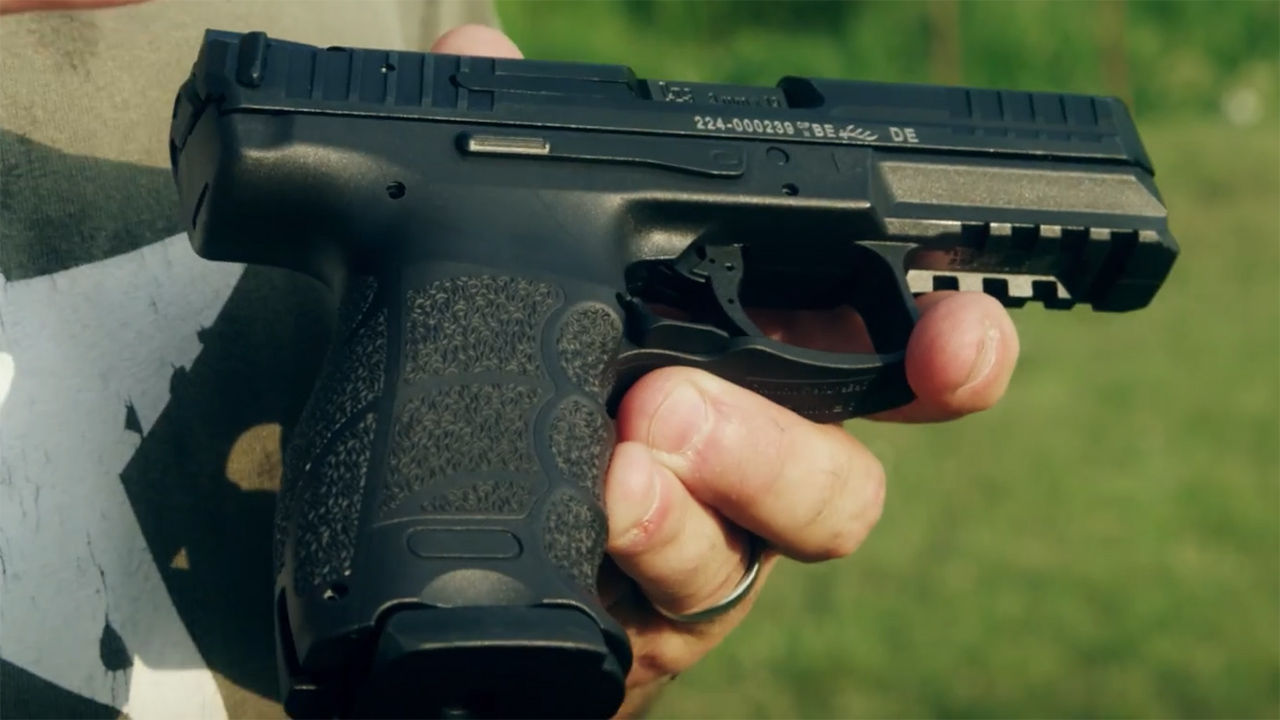
The VP9 is a pistol that wins people over the old-fashioned way: it feels good and it shoots well. The grip is comfortable, the controls are sensible, and the gun tends to be reliable with a wide range of ammo. At a gun show, VP9 buyers usually already know if they want paddle mag releases or the button version, and they’re not confused by either.
HK stuff is rarely cheap, and that’s why the used tables get attention. When you find a VP9 at a fair price with extra magazines, it moves. The gun isn’t magic, but it’s refined in the little ways that show up over long range days. If you’re buying a pistol you plan to keep for a long time, a VP9 is an easy yes for a lot of regulars.
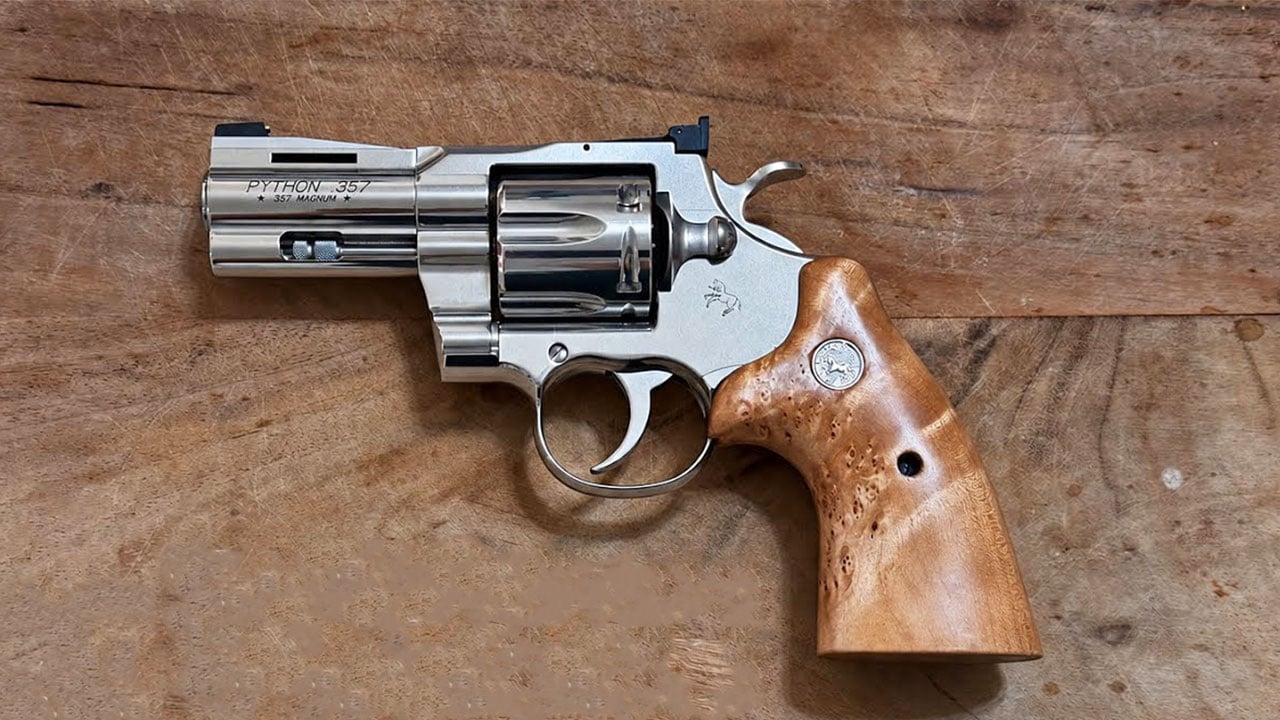
16. Colt Python (new production)
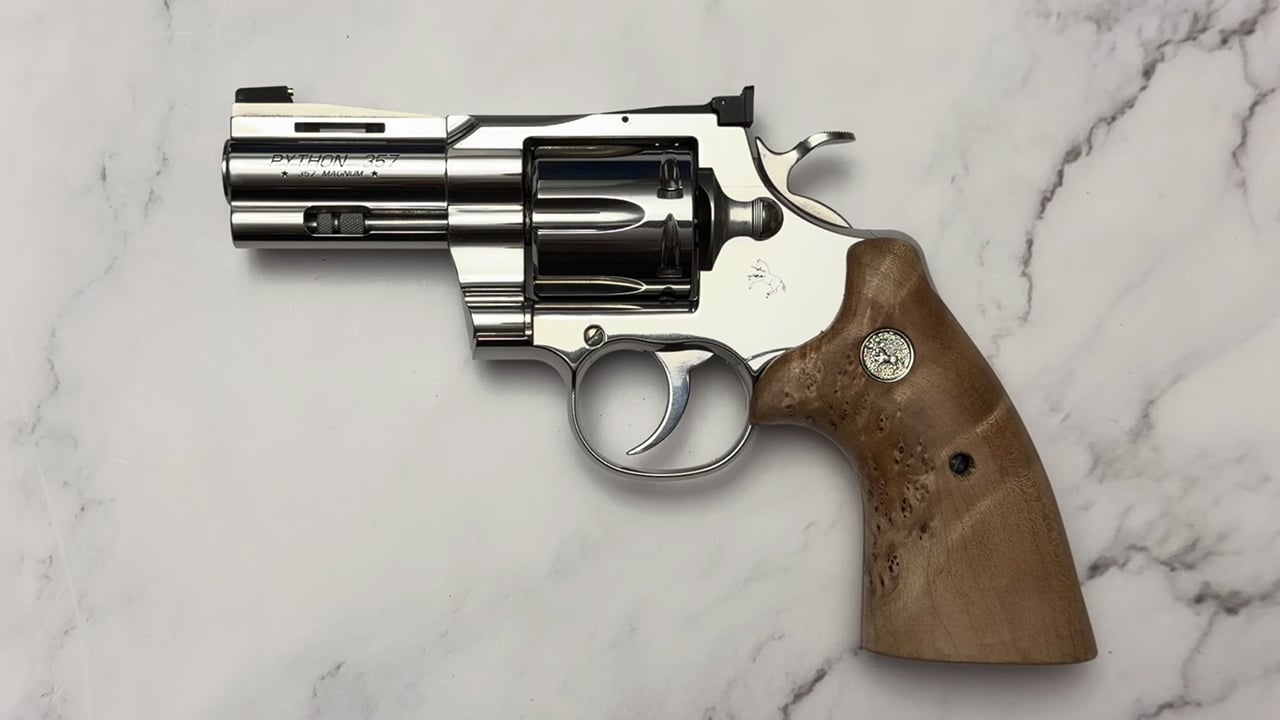
When a new production Python shows up at a gun show, the buyer usually isn’t “considering” it. They’ve already decided. It’s expensive, it’s shiny, and it scratches the itch for a premium .357 that feels like something special when you open the cylinder and work the action. There’s nothing practical about it in the bargain sense, but that’s not why it’s on the table.
The regulars know what to look at: overall fit, timing, the feel of the trigger, and whether it’s been messed with. A Python isn’t a beginner’s revolver purchase, and it isn’t the one you toss in a toolbox. It’s the one you buy because you want a serious wheelgun that you’ll still be proud to own ten years from now.
17. Ruger Mark IV

The Ruger Mark IV is the .22 pistol that turns into a permanent resident in a lot of safes. It’s for cheap practice, teaching new shooters, and knocking down steel without burning through centerfire ammo. Gun show regulars buy these because they’ve owned one before, or they’ve watched somebody else run one all afternoon with a grin.
The simple takedown on the Mark IV is a big deal if you’ve ever fought with older rimfire designs. .22 pistols get filthy, and cleaning matters. The Mark IV also has a huge accessory world, but you don’t need any of it to enjoy the gun. Find one with decent mags and a clean chamber, and it’ll do what a .22 is supposed to do: get used a lot.
18. Browning Buck Mark
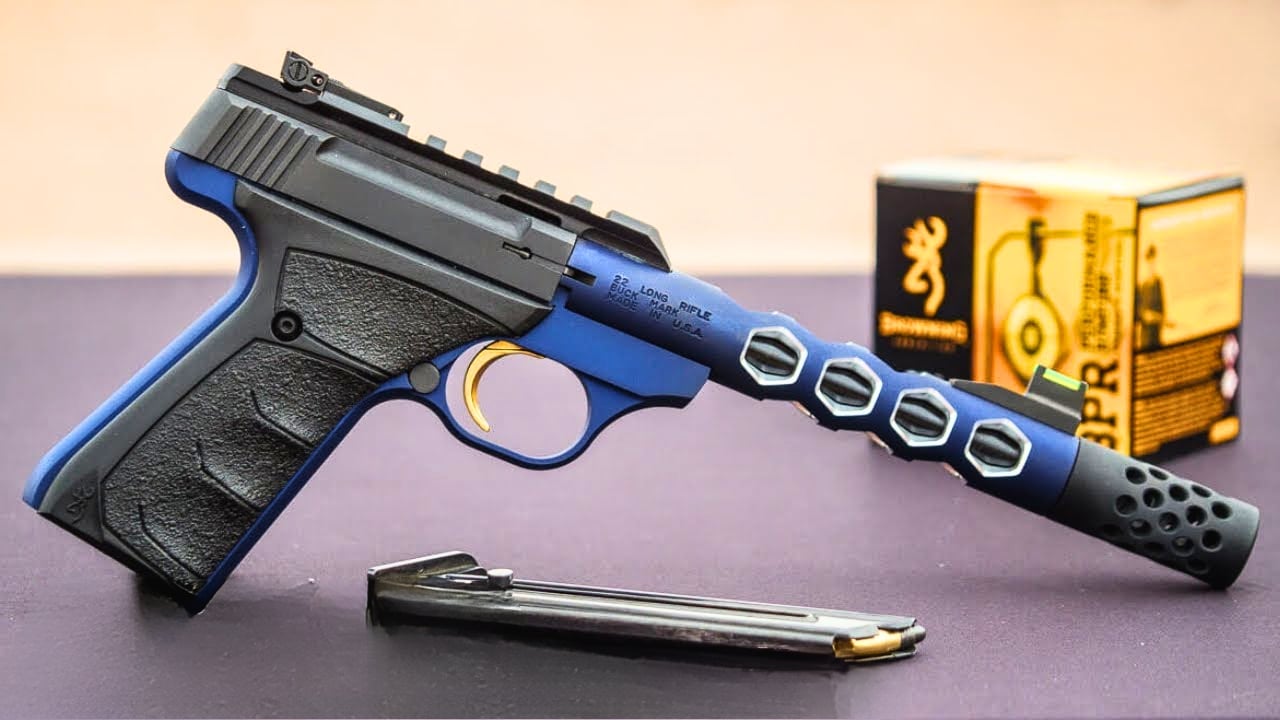
The Buck Mark is the other rimfire that seasoned shooters grab without a long conversation. They’re accurate, they balance well, and the triggers tend to be very good. If you’re the type who likes to walk the woods and pop squirrels legally where it’s appropriate, or you just want a serious .22 for the range, a Buck Mark is a solid tool.
Gun show buyers will often check the sights and the overall condition, then ask about included magazines. They know the platform isn’t finicky when it’s kept reasonably clean, and they know it’ll hold its own on accuracy. It’s not trendy. It’s just good. Sometimes that’s the best compliment you can give a handgun.
19. Smith & Wesson Model 10
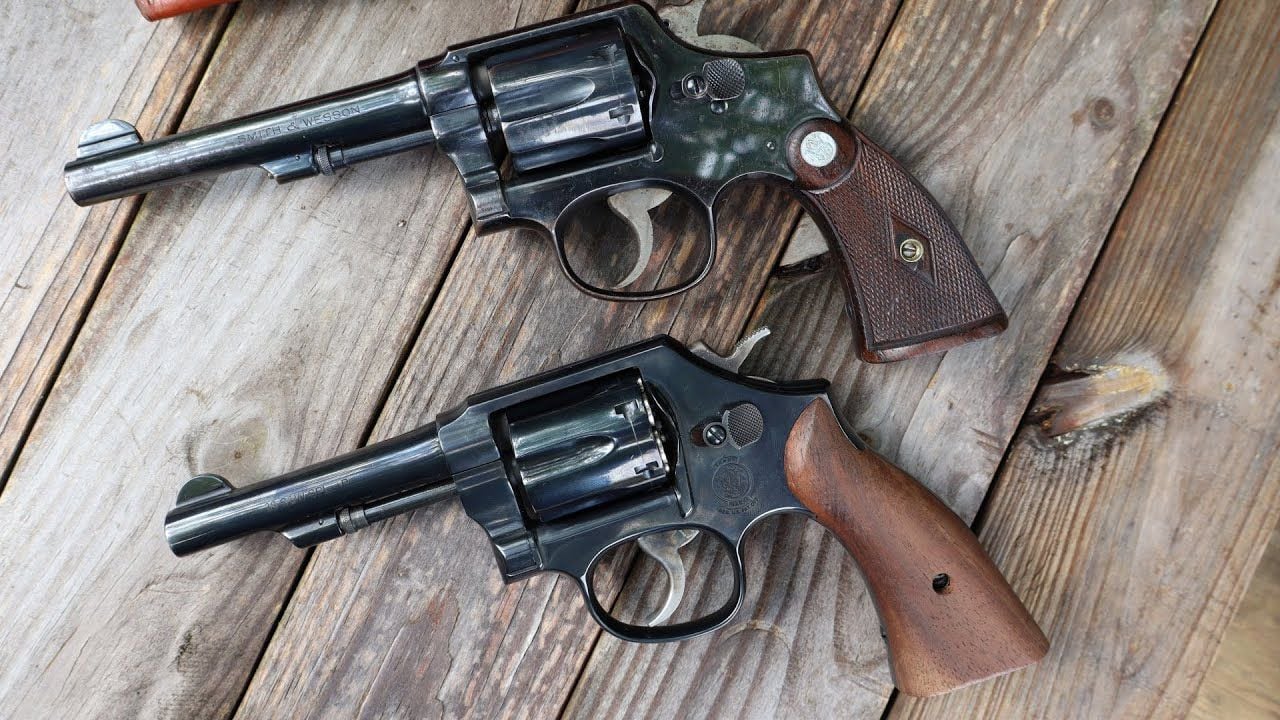
The Model 10 is what happens when a revolver design just works for decades. A lot of them at gun shows are old service guns with honest wear—thin bluing, rounded edges, maybe some character in the grips. Regulars buy them because they’re usually smooth, accurate, and simple. They also tend to have triggers that modern production guns struggle to match.
It’s not a magnum, and that’s fine. For range use, for learning double-action, for a house revolver with standard-pressure loads, it does the job. The key is checking that it locks up right and hasn’t been abused. When you find a good one, it’s hard not to appreciate how much practical handgun you get for the money.
20. Glock 43X
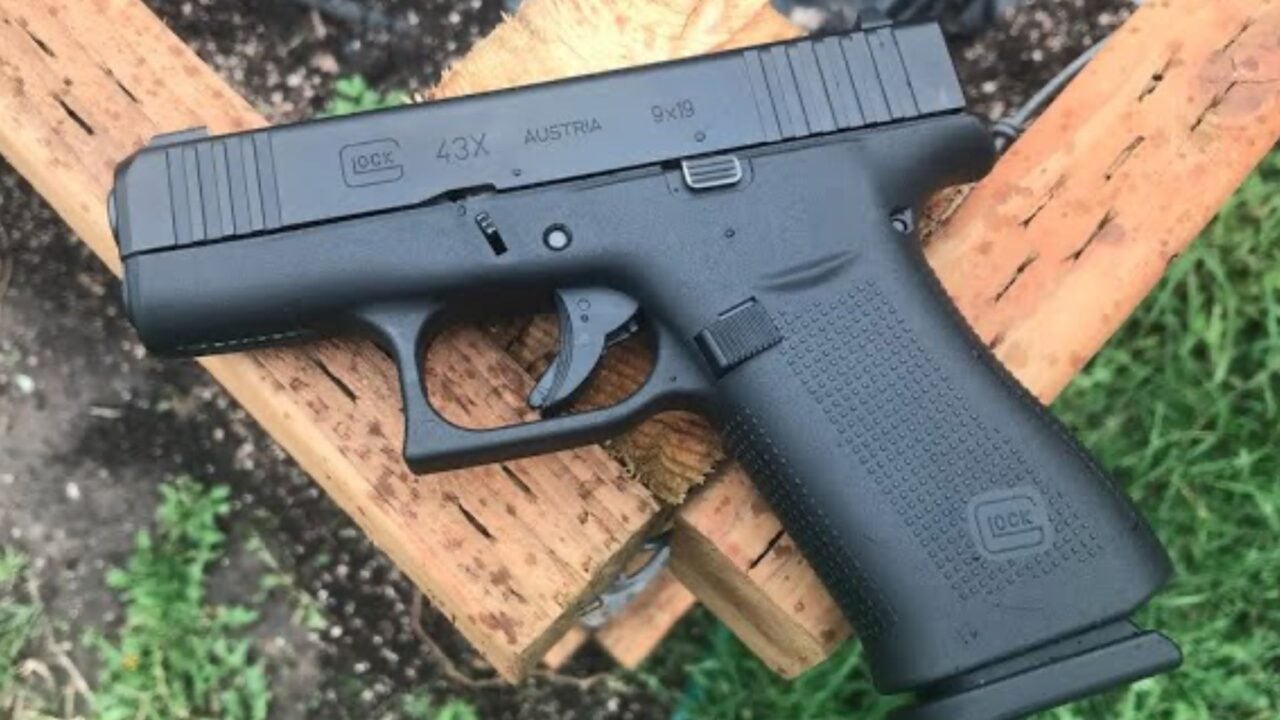
The 43X is one of those pistols that fits a real-world carry niche: slim enough to carry comfortably, big enough to actually control, and common enough that you’re not hunting for magazines and holsters. At gun shows, 43X buyers usually already tried micro-9s and decided they wanted a little more grip without going back to a double-stack brick.
It’s also a pistol that runs like a Glock should. Nothing fancy about it, and that is kind of the point. Folks will check sight height, inspect the condition of the rails and barrel hood, and count the mags. For everyday carry, consistency matters more than cleverness. The 43X sells because it’s an easy gun to live with day after day.
If you notice a theme here, it’s not “best handgun ever made.” It’s familiarity, support, and guns that keep working after the new-gun excitement wears off. A gun show is full of temptations and one-off deals, but regulars tend to buy the stuff they know they can keep running. If you’re building a practical handgun lineup for carry, camp, or home, boring and proven will beat rare and exciting most of the time.
Like The Avid Outdoorsman’s content? Subscribe to our newsletter so you never miss an article.
Here’s more from us: