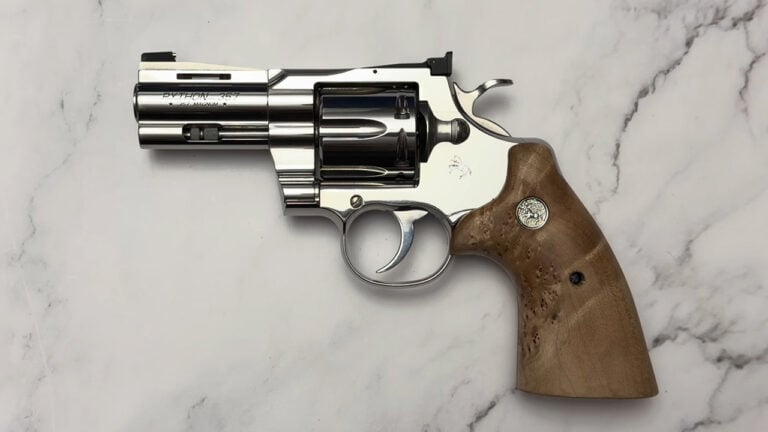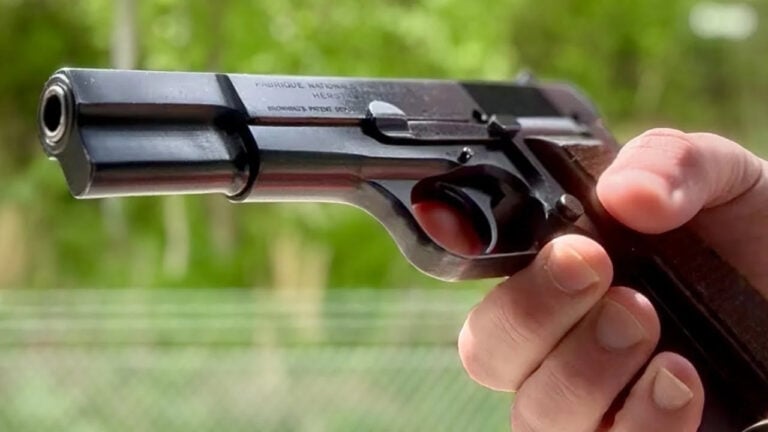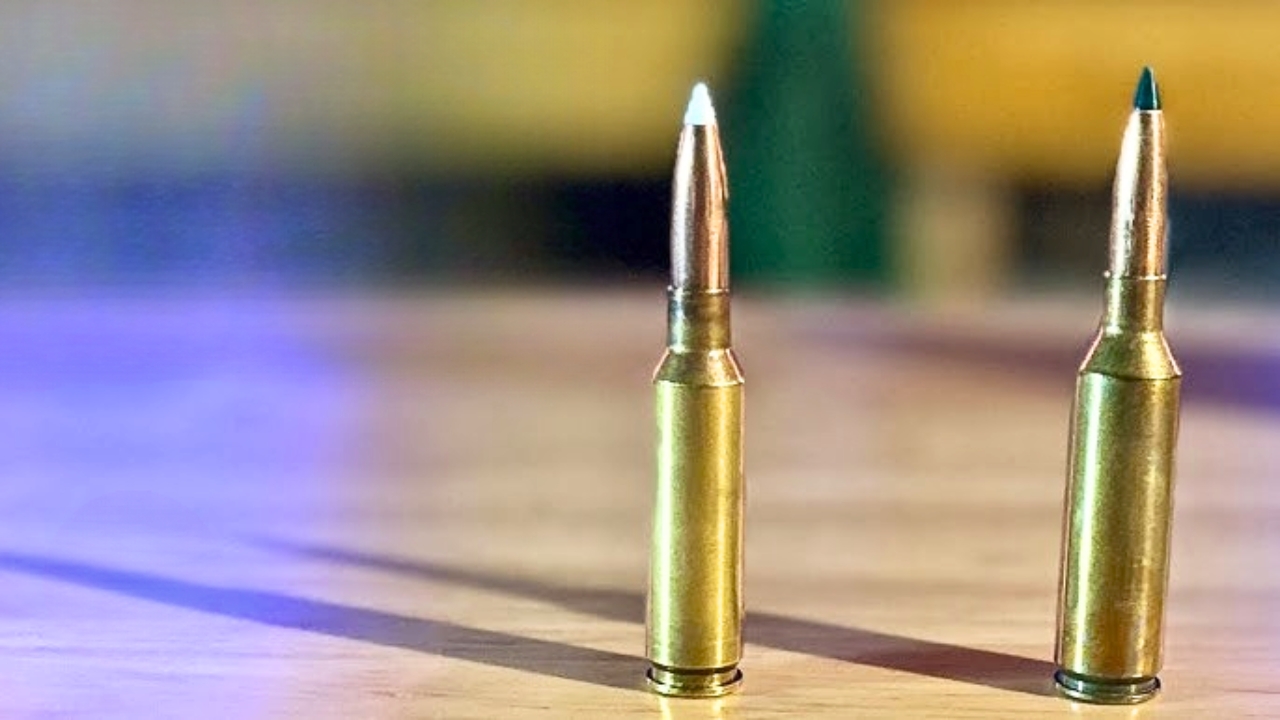
Photo credit: The Practical Rifleman/YouTube
Every year a new cartridge shows up with a slick name, a fast chart, and a bunch of numbers that look like they were designed to make your wallet open. Then you buy a rifle, buy a couple boxes of ammo, and start trying to explain your choice to a buddy at the range or at deer camp. That is where certain calibers fall apart. Not because they cannot work, but because the real world has chores: finding ammo on a Tuesday night, getting consistent accuracy without a science project, killing clean without drama, and doing it all without turning your gun cabinet into a museum of “almost.” Here are 20 that tend to impress on paper and fizzle everywhere else.
1. .224 Valkyrie
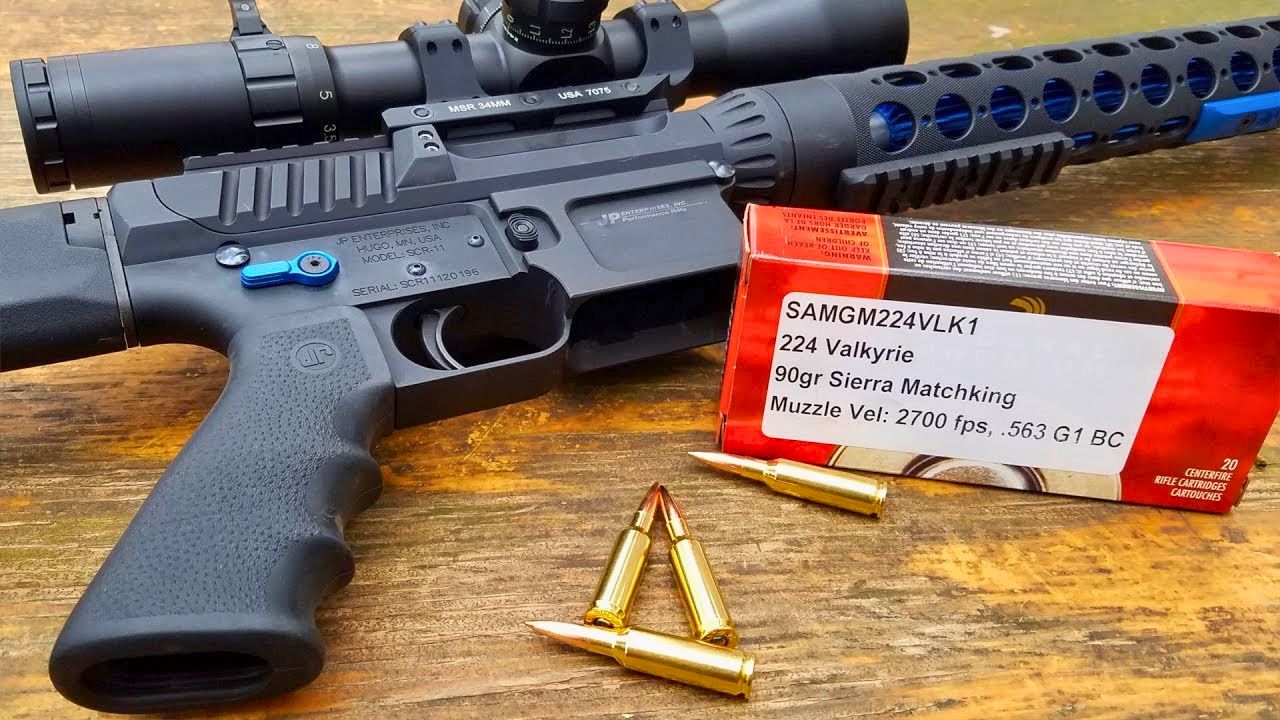
The Valkyrie showed up promising long-range magic out of an AR-15, and the spreadsheets loved it. High BC bullets, less recoil than .308, and talk of ringing steel out where 5.56 starts giving up. Then guys bought uppers, discovered picky barrels, and started chasing the “right” load like it was a superstition. Some rifles shoot it great. Plenty do not, especially when you drift away from the handful of loads it likes.
The bigger problem is practical: ammo availability and cost. You can find it, but you are not finding it everywhere, and you are not finding it cheap. Magazines, brass, and factory load consistency have all been topics. For a lot of shooters it winds up living in the safe next to the other “neat idea” rifles while 6.5 Grendel or plain 5.56 keeps doing the work.
2. .22 Nosler

On paper, this one reads like “5.56, but better.” More speed, more energy, still fits the AR-15. The first time you look at the velocity claims, it is easy to start justifying a new upper. The first time you start paying for ammo and brass, the excitement usually cools off. It is a hard cartridge to love if you actually shoot a lot.
It also sits in an awkward spot. If you want a hot .22 for coyotes and you reload, you have options that are easier to feed. If you want a do-everything AR round, 5.56 is everywhere and works. The .22 Nosler can perform, but it feels like owning a sports car in a town with one gas station.
3. .223 WSSM
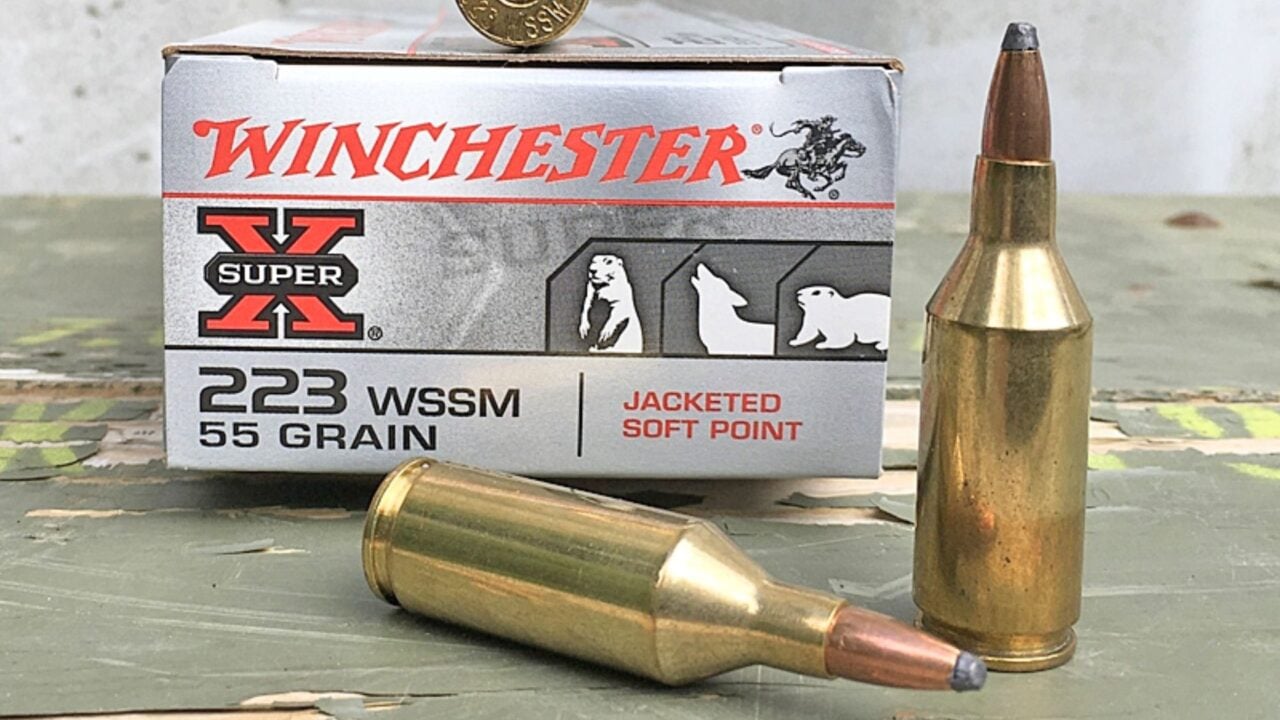
This one had “screamer” energy. A .223 that runs at ridiculous speeds, flat enough to make you forget about holdover, and it looks great when somebody posts a chronograph photo. The conversations turn sour when you start talking about barrel life and throat erosion. Running that hard does not come free, and it shows up faster than most folks expect.
Then there is the feeding and rifle availability piece. You are not exactly tripping over .223 WSSM ammo in the wild, and it is not a cartridge that every shop wants to mess with. If you already own one that shoots, fine. Buying into it today is usually a nostalgia purchase, not a practical decision.
4. .243 WSSM

The .243 WSSM had the same sales pitch: short action efficiency, big speed, and “better” than the old standard .243 Winchester. In the field, a regular .243 has probably killed more deer cleanly than most of us can count, and it does it with mild recoil and easy-to-find ammo. The WSSM version asks you to accept a fussier feeding reputation and a narrower support network for a gain most hunters do not actually need.
It also has that same overbore personality. Hot loads, heat, and wear show up quicker, especially if the rifle sees a lot of range time. For the guy who shoots a few rounds a year, it might never matter. For the guy who practices, it becomes a cartridge you start treating gently, which defeats the whole “go fast” idea.
5. .25 WSSM
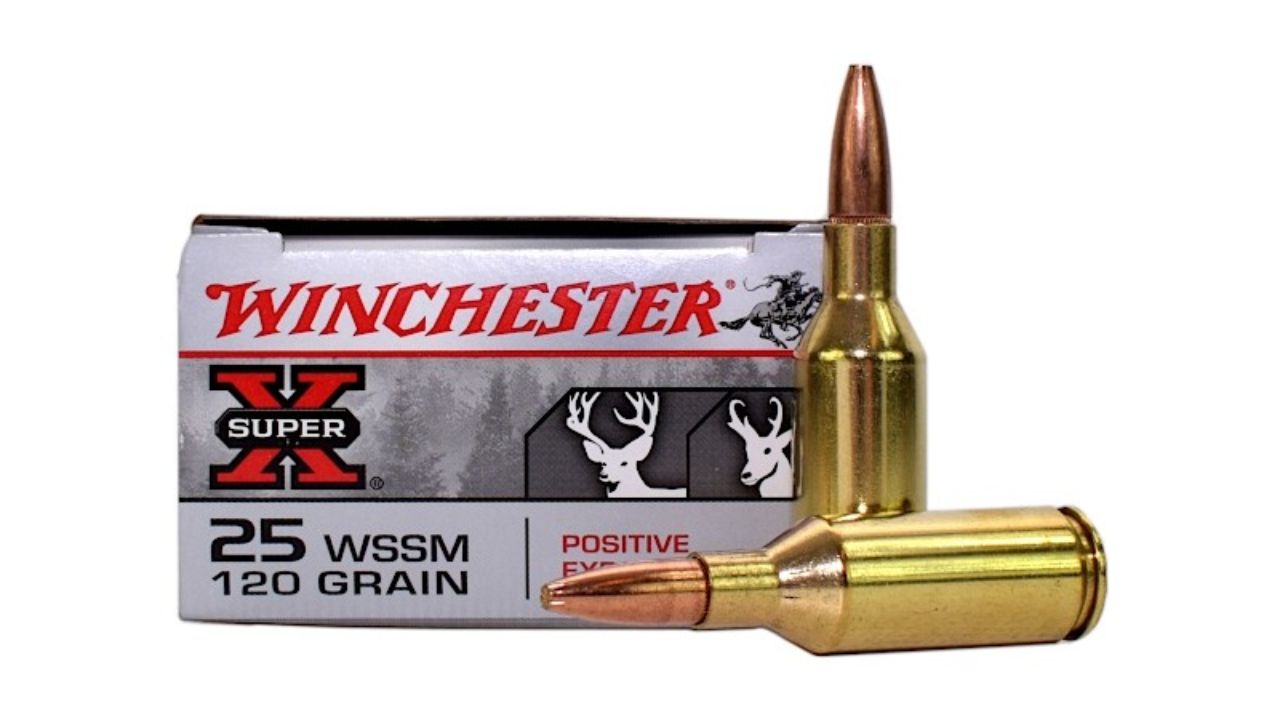
This cartridge has a loyal fan club, and I get why. A fast .25 with a short, fat case sounds like a perfect whitetail and antelope rig. But in real life, most .25 WSSM rifles are not living in a world of easy ammo supply, and the cartridge never reached that “everybody makes it” status that keeps a round alive.
It ends up being one of those calibers you defend more than you use. You will hear a lot about how well it hits, and not a lot about how many boxes are stacked in the closet. If you reload and stocked components back when they were easy, you are fine. If not, you are one shortage away from having a very nice-looking single-shot rifle.
6. 6.8 Remington SPC
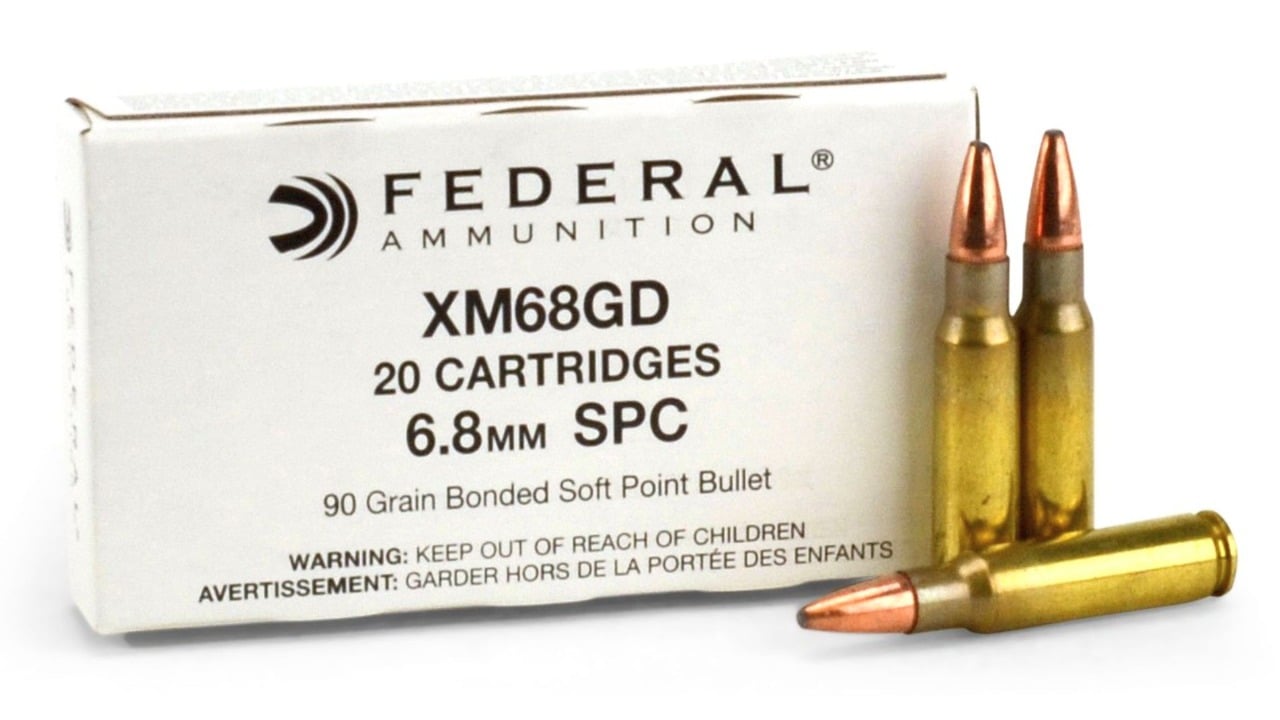
6.8 SPC is one of the best examples of “good idea, messy execution.” For hunting out of an AR-15, it can be a solid choice. Better terminal performance than 5.56 with sensible recoil, and it works well inside realistic distances. The disappointment shows up when the conversation turns to support and standardization. There were different chamber specs floating around early, and not every barrel treated the round the same.
Ammo is around, but it is not a given in small-town stores. Magazines are another layer, and not all 6.8 mags are created equal. If you already have a proven rifle and a stash of ammo, it is hard to argue against it. If you are starting from scratch, a lot of hunters wind up in 6.5 Grendel or .300 Blackout simply because the ecosystem feels more settled.
7. 6.5 Remington Magnum
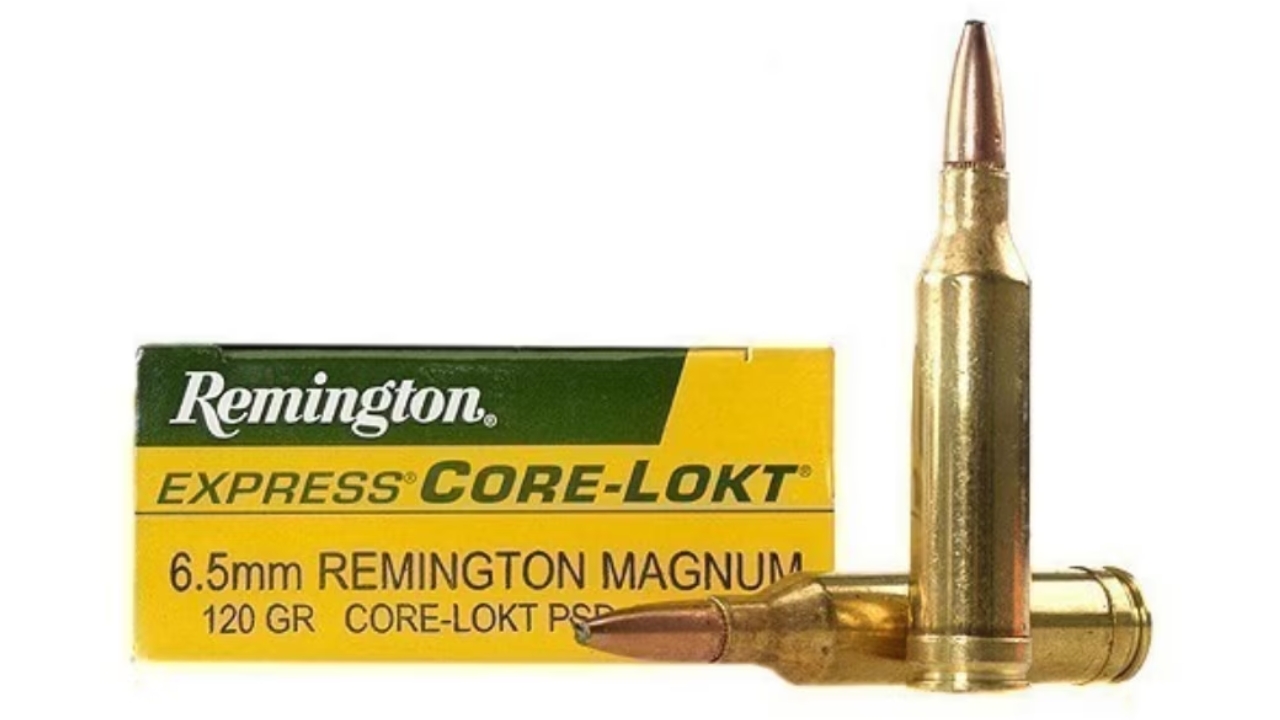
This one is a classic “ahead of its time” cartridge that still manages to be a headache. The ballistic potential is real, and the 6.5 crowd loves to point at what it could have been. The trouble is that “could have been” does not help you when you are trying to find affordable factory loads or brass that is not priced like a collectible.
Rifle choices are limited compared to mainstream rounds, and not every gunsmith is excited to build around it when there are easier options. It is cool, and it can shoot. But for most hunters, it is a romantic choice, not a practical one. If you want a 6.5 magnum experience, modern options are simply easier to live with.
8. .264 Winchester Magnum
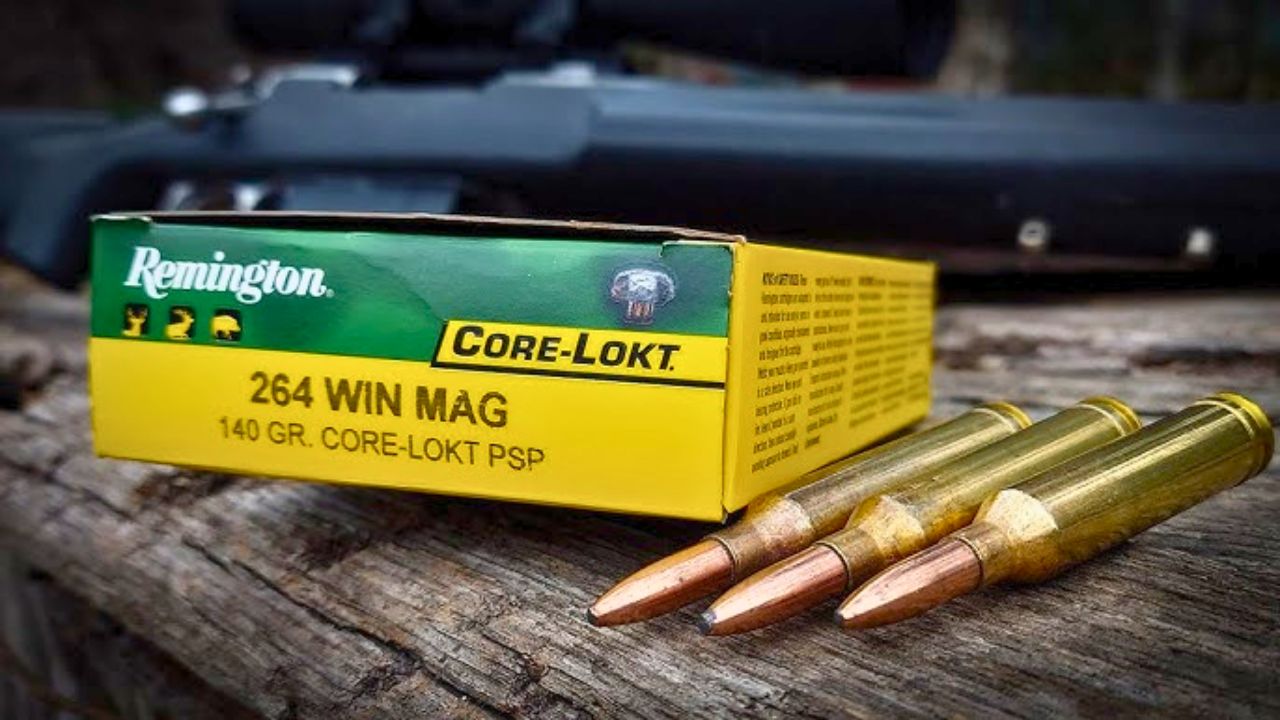
The .264 Win Mag still looks like a hammer on a chart: flat shooting, plenty of speed, and it carries energy well. Then you start talking about barrel heat, throat wear, and how finicky some rifles can be if you push it hard. Guys who actually shoot their hunting rifles at distance tend to notice how quickly this cartridge can eat a barrel compared to more moderate rounds.
It also has a weird identity problem now that 6.5 PRC and 6.5 Creedmoor exist. The Creedmoor does most things most hunters need, and the PRC scratches the “more speed” itch with better modern support. The .264 is not useless. It just feels like extra trouble for a payoff that used to be unique and now is not.
9. 6.5 PRC

Here is one that will make some folks mad. The PRC is a very capable cartridge, and it hits a sweet spot for long-range hunting rifles. The disappointment is not performance; it is the way people talk about it versus how they actually hunt. It is easy to buy a 6.5 PRC and then realize you still hunt in thick timber and take 80-yard shots.
Ammo costs more than Creedmoor, recoil jumps, and barrels generally do not last as long if you shoot it a lot. The rifles often come with longer barrels to get the most out of it, which changes how it carries. If you truly need the reach, great. If you just wanted to feel like you upgraded, you can spend a lot of money to discover your old .270 was already doing the job.
10. 6mm Creedmoor

6mm Creedmoor looks like a laser beam on paper. Mild recoil, slick wind performance with the right bullets, and it is a darling in match circles. The letdown shows up when regular hunters buy into it expecting a do-all deer round and then learn about bullet selection the hard way. Light-for-caliber bullets moving fast can do weird things on close shots if you pick the wrong construction.
It is also a cartridge that shines when you shoot a lot and pay attention. If you are not the type to track loads, velocities, and dope, you may never see what it can really do. And like most hot 6mms, it is not known for endless barrel life. If you want simple, a .243 Winchester is still hard to beat for normal hunting distances.
11. .240 Weatherby Magnum

Weatherby cartridges always look like they were invented by a guy who hates gravity. The .240 is fast, flat, and it has killed a pile of game when used right. The issue is that it is a specialty lifestyle more than a practical caliber for the average hunter. Factory ammo is expensive, and you do not always find it when you need it. If you travel to hunt and your luggage goes missing, good luck replacing it in a small sporting goods aisle.
Recoil is not brutal, but muzzle blast is real, especially in lightweight rifles. It is also easy to push bullets too fast for some designs, which can lead to messy performance up close. For the shooter who loves Weatherbys and plans around it, it is fine. For everyone else, it is usually an expensive way to reinvent the .243.
12. .257 Weatherby Magnum
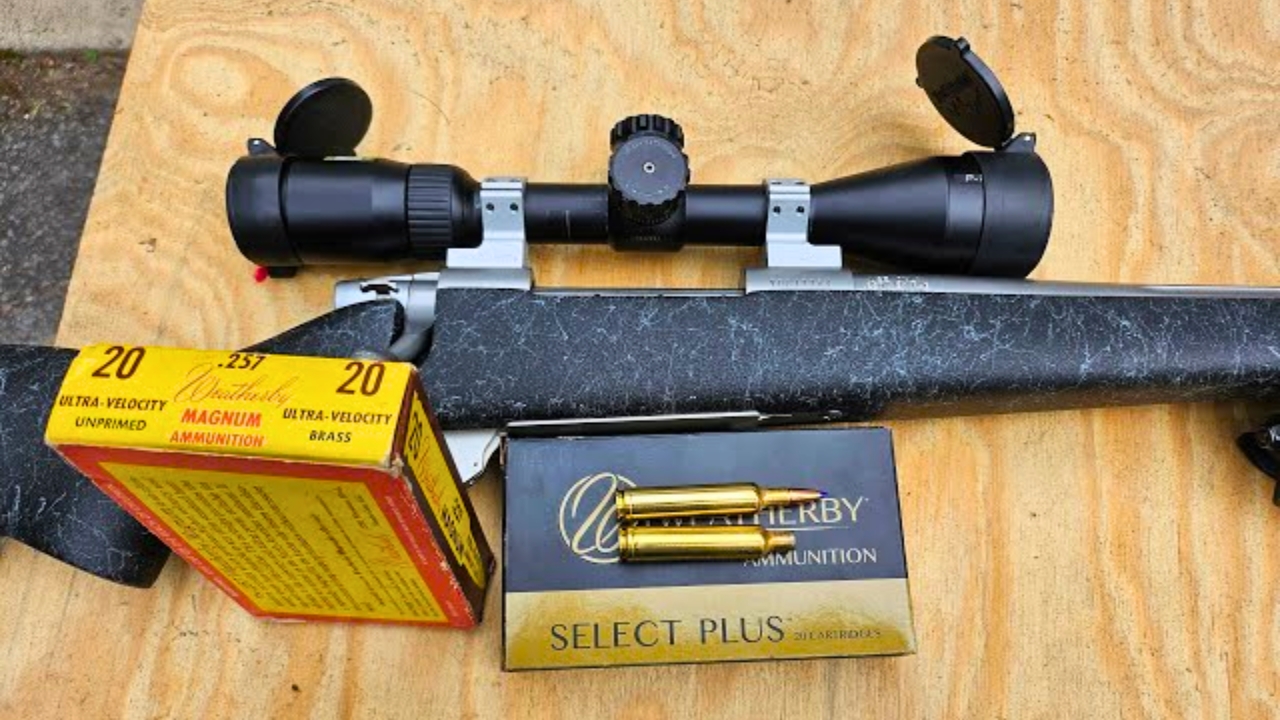
The .257 Wby has a reputation for being a laser on deer and antelope, and it earns some of that. On a spec sheet, it is hard not to smile. Where it disappoints is in the day-to-day reality of owning one. Ammo is not cheap, and it is not a “grab a couple boxes anywhere” cartridge. It also tends to encourage longer shots, because the trajectory makes you feel capable, even when field conditions are not cooperating.
It is also loud. A lightweight .257 Weatherby with a sporter barrel can be a real attention-getter on the range line. If you are the type who practices from field positions and shoots strings, heat builds quick. For the once-a-year hunter who wants a premium rig, it can be great. For the guy who wants simple and repeatable, it is a lot of cartridge to live with.
13. .270 WSM

This one always sounds like the perfect upgrade: all the good of .270 Winchester with more speed in a short action. In practice, the gains are real but not life-changing, and the costs show up in ammo price and sometimes feeding quirks depending on the rifle. Short, fat cartridges can be totally reliable, but they are also more sensitive to magazine geometry and follower design. Ask me how I know.
Then there is the “why” question. If you already own a .270 Win that shoots, you are not exactly undergunned. The WSM shines when you want extra reach with modern bullets, but the average deer hunter will never see the difference in the woods. It is not a bad cartridge. It is a cartridge that makes you defend it more than it deserves.
14. .300 WSM
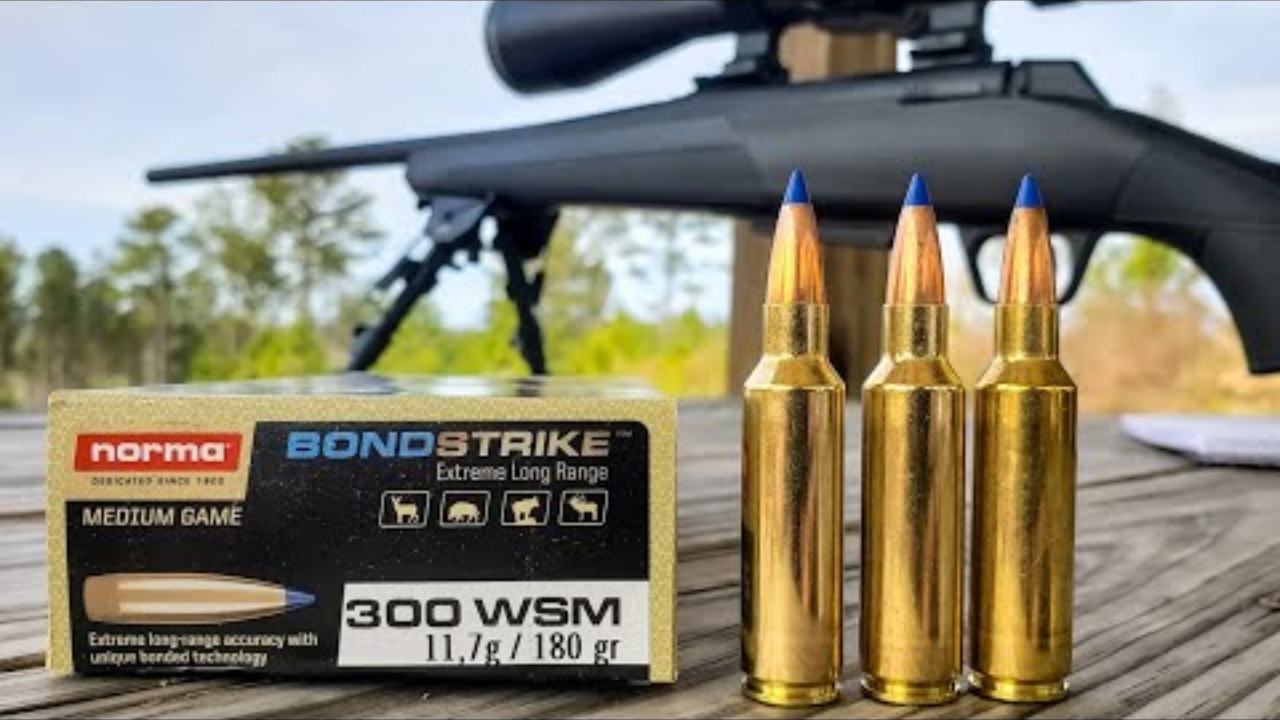
.300 WSM is legitimately effective, and plenty of elk have been put on the ground with it. The disappointment comes from what people expect: .300 Win Mag performance in a handier package, with no downsides. You still get real recoil, you still get muzzle blast, and in some rifles you get a snappier feel that is not as friendly as you hoped when you bought a lightweight mountain rifle.
Ammo availability is better than many on this list, but it can still be spotty depending on where you live. Some rifles feed it like butter, others feel a little rough. The real conversation killer is when somebody admits they bought it, shot two boxes, and now it mostly sits because it is not fun to practice with. A cartridge that hurts your practice schedule is not helping your hunting.
15. 7mm WSM

7mm WSM is the kind of cartridge that makes experienced shooters nod at the ballistic idea. Good bullets, good BCs, flat trajectory, and serious hunting capability. The problem is that the support never stayed as broad as it needed to. You can run it, but you may find yourself hunting for ammo like it is a rare part for an old truck.
It also lives in a crowded neighborhood. 7mm Rem Mag is everywhere. 7mm PRC has modern momentum. The WSM sits in between, and “in between” is not where a cartridge wants to live long-term. If you already have a rifle that shoots it well, keep feeding it and enjoy it. Starting fresh, it is hard to explain why you would choose it over rounds with stronger staying power.
16. 7mm Remington Ultra Magnum (7mm RUM)

RUM cartridges are the definition of “looks incredible on paper.” The 7mm version throws bullets fast enough to make trajectory charts look fake. In real conversations, it usually turns into talk about recoil, blast, and how quickly a barrel can go south if you run it hard. It is not a cartridge for casual shooters, and it is not forgiving of sloppy fundamentals.
It also tends to live in heavier rifles if you want it to be shootable, and heavy rifles do not always make the hike with you. Ammo is expensive, and reloading is almost mandatory if you want to shoot it often. If you need that kind of horsepower, you probably already know why. Most hunters do not, and they wind up owning a rifle that is impressive and inconvenient at the same time.
17. .338 Federal
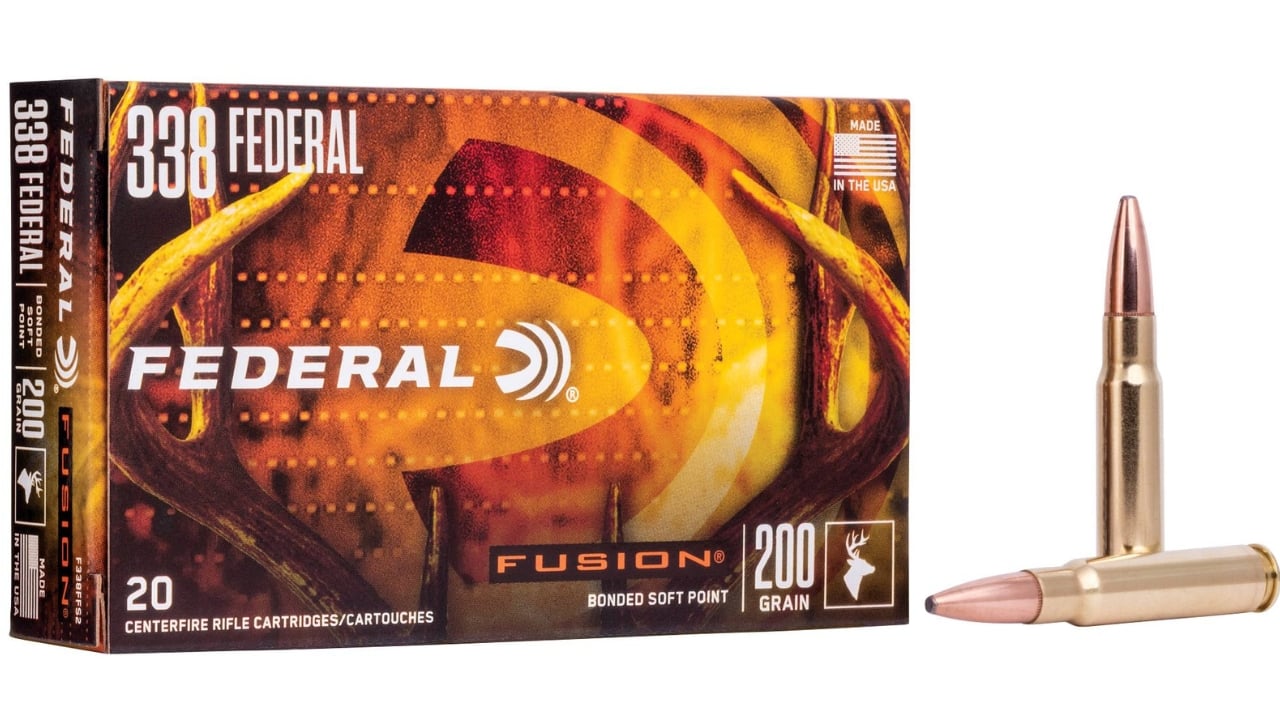
.338 Federal is one of those rounds that makes a ton of sense until you try to live with it. It is basically .308 necked up, hits hard, and works well for woods hunting where distances are sensible. The disappointment comes when you realize factory loads are not always easy to find and bullet selection can feel narrow compared to mainstream deer cartridges. It is not dead, but it is not common either.
Trajectory is also part of the story. It drops more than the sexy internet cartridges, and it does not carry velocity the same way. For thick cover, none of that matters. But hunters rarely stay in one environment forever. The moment you want a 250-yard cross-field shot, you start wishing you had something flatter or at least something you can buy anywhere without thinking about it.
18. .327 Federal Magnum
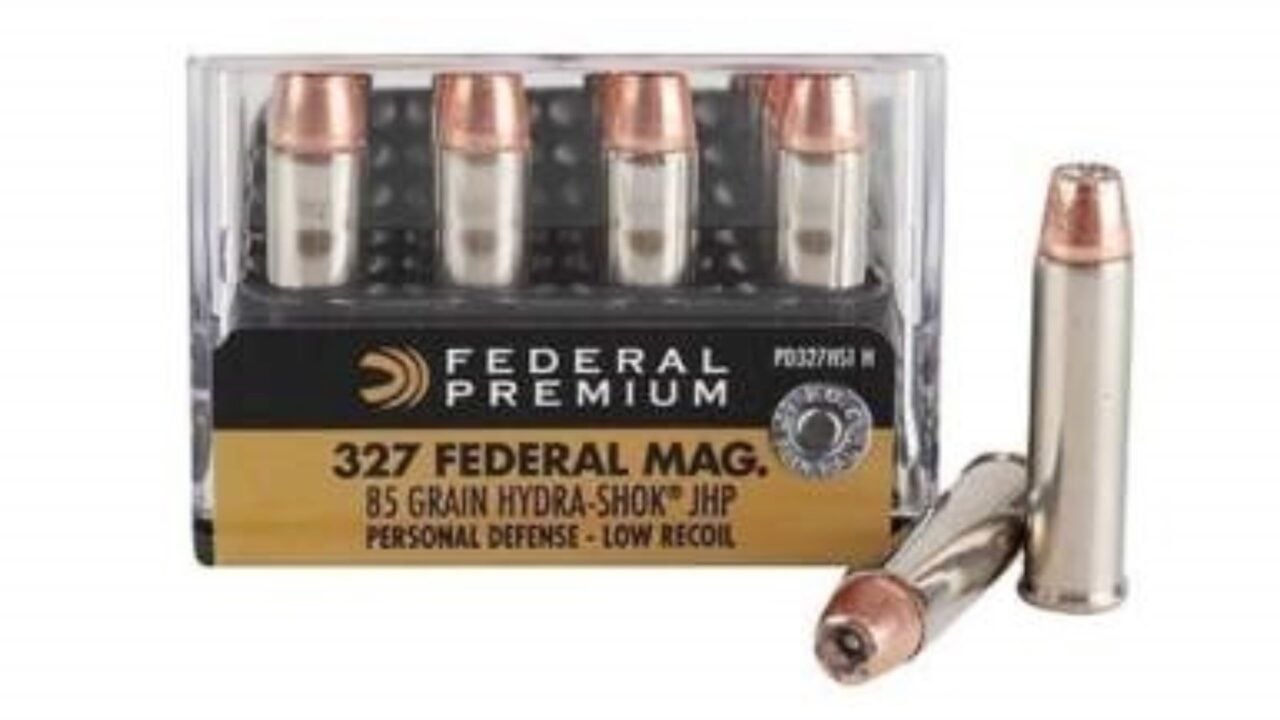
This one is a sweetheart on paper for a small revolver: more energy than .38, an extra round in the cylinder in some guns, and it can shoot mild .32 loads for practice. Then you go shopping for ammo. When it is around, it can be expensive, and when it is not around, your cool little revolver turns into a reload-only hobby. That is the part nobody puts on the spec sheet.
In the real world, a lot of folks carry what they can practice with regularly. .38 Special and 9mm win by being everywhere. The .327 can be effective, and recoil is often manageable, but it has a sharp report that surprises new shooters. It is a neat round for the right person. For most, it is one more caliber to chase without a clear everyday advantage.
19. .41 Remington Magnum
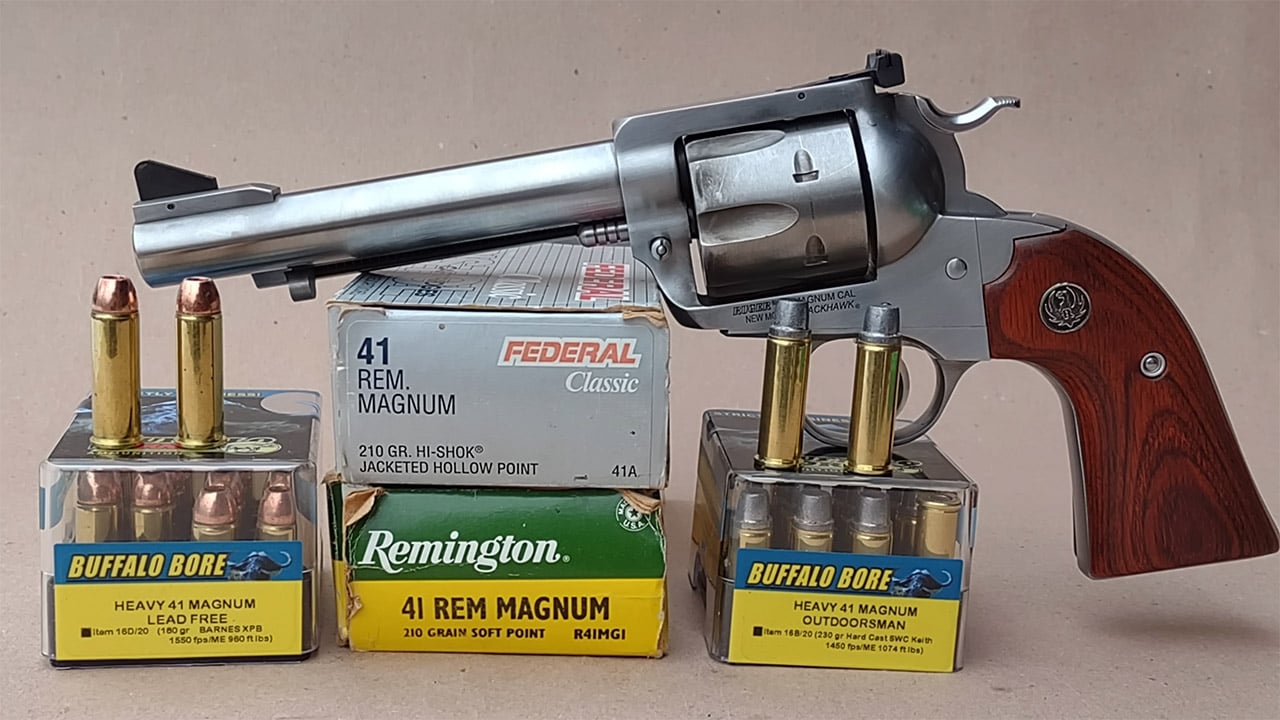
.41 Magnum has a long history of being “the one that should have been more popular.” Ballistically, it can be a great balance between .357 and .44 Magnum. In conversation, it is usually followed by a sigh and a comment about ammo cost and selection. If you reload, it is easier to justify. If you do not, you will feel like you are buying boutique ammo for a working gun.
Gun selection is also a factor. There are good .41 revolvers out there, but you do not see the variety you do with .44. Holsters, spare parts, and used-market deals are thinner too. It is not that the .41 is bad. It is that it lives in a world where the .44 Mag does almost everything, has more loads on shelves, and gets more support from every angle.
20. .45 GAP
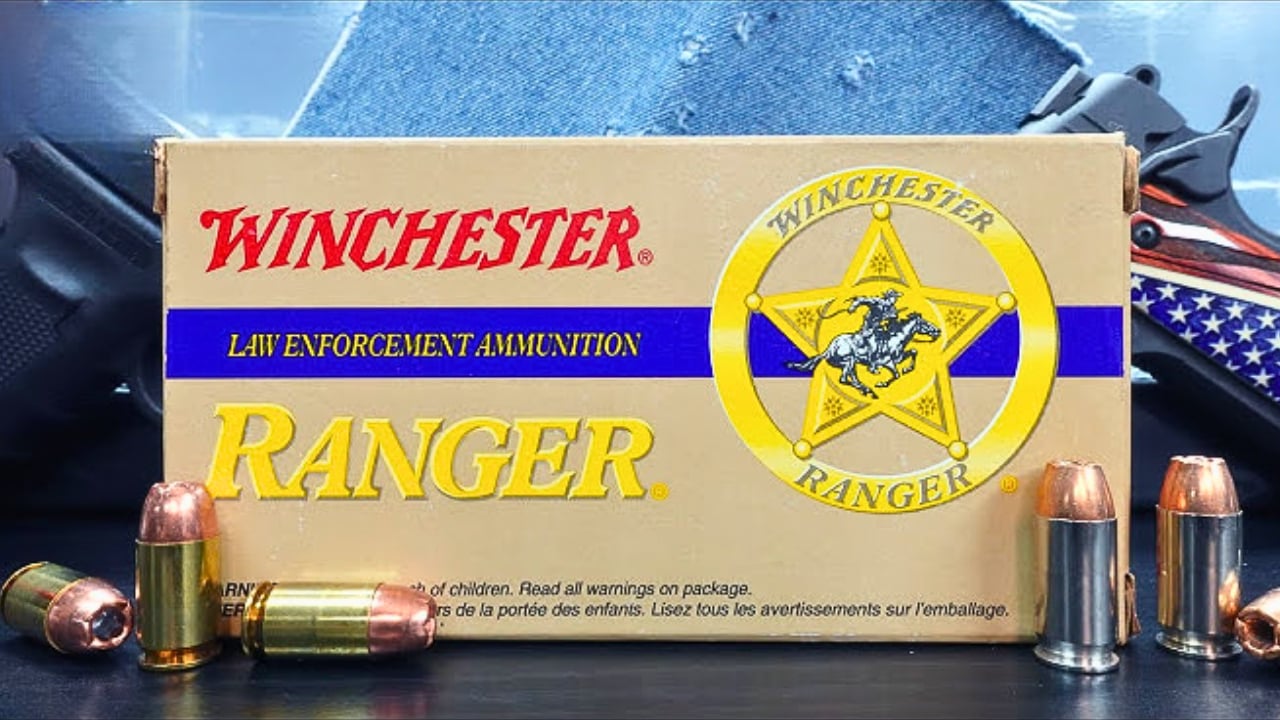
.45 GAP was supposed to give you .45 ACP performance in a smaller grip frame. On paper, that sounds great, especially for folks who like .45 but hate big-hand guns. The problem is that the world already had .45 ACP, and it is a stubborn old workhorse. Once the novelty wore off, the GAP turned into a cartridge you had to hunt for, and that is a bad feeling when it is tied to a defensive handgun.
Even when you can find it, it is rarely cheap, and it is rarely the exact load you want. Resale can be rough because buyers do the same math you should do: “Will I be able to feed this thing for the next ten years?” If you already own one and you have ammo, fine. But as a fresh buy today, it is hard to recommend when the market has spoken so clearly.
None of these cartridges are useless. A few are genuinely excellent inside their lane. The problem is that most of us do not live inside one lane. We hunt where we can, shoot when we have time, buy ammo when it is available, and we want a rifle or handgun that does not require a long explanation. If you love one of these, keep running it. Just be honest about what you are signing up for before you build your whole season around a spec sheet.
Like The Avid Outdoorsman’s content? Subscribe to our newsletter so you never miss an article.
Here’s more from us: