Photo credit: Musketbum/Youtube
You see it at gun shows, in dusty pawn shop cases, and on local classifieds where a guy is “just thinning the herd.” A revolver gets priced like it’s still 1998 because the seller is thinking about what it cost brand new, not what it’s become in today’s market. Sometimes it’s honest ignorance. Sometimes it’s an estate sale where nobody in the family knows why Grandpa bought that particular wheelgun. Either way, if you know what to look for, there are still deals out there.
This isn’t a list of rare museum pieces. These are working revolvers that get overlooked, misunderstood, or mispriced because the story stopped at the original receipt. Here are twenty that tend to show up as sleepers.
1. Smith & Wesson Model 10 (K-frame .38 Special)
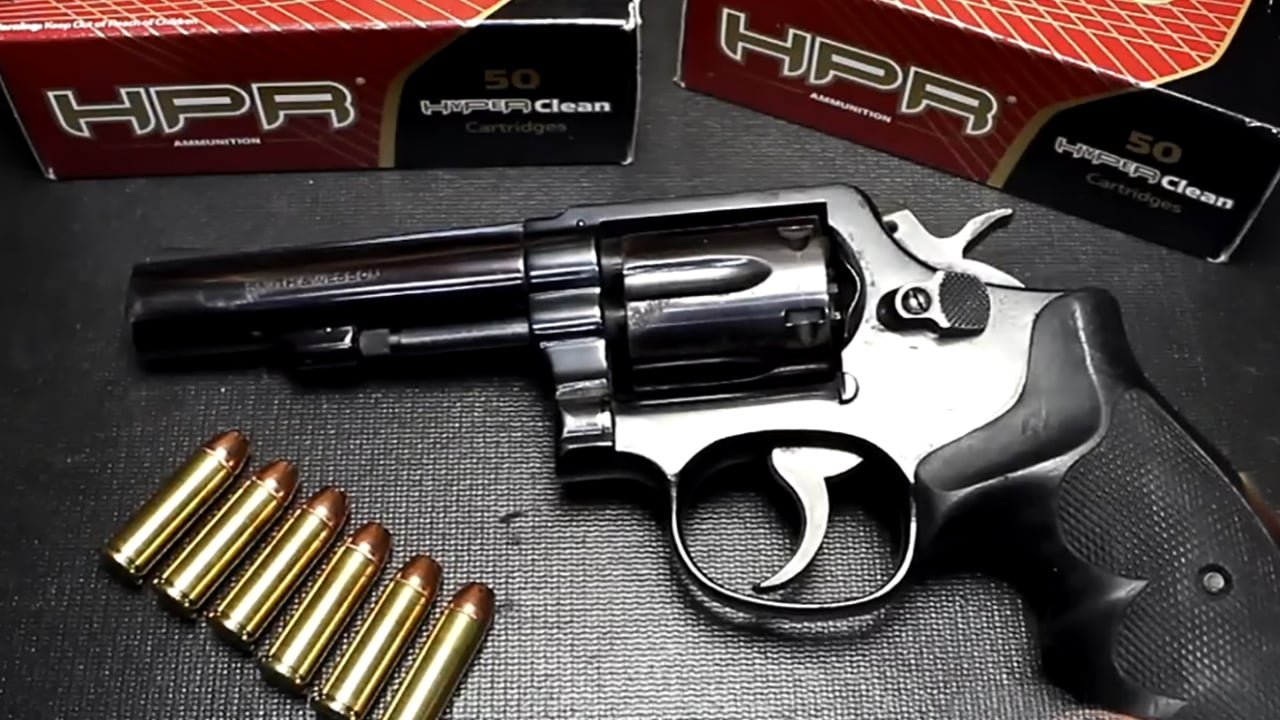
The Model 10 is one of the most common “grandpa guns” in America, which is exactly why it gets underpriced. Sellers see a blued .38 with fixed sights and assume it’s just an old service revolver with no collector pull. What they miss is how good these K-frames feel in the hand and how smooth the actions can be, especially on older examples that were actually fitted by people, not just assembled.
It’s also one of the easiest revolvers to actually live with. A 4-inch Model 10 rides well on the hip, shoots mild, and will digest plain old .38s all day without beating you up. Parts and grips are everywhere. If you find one with a decent bore and timing that locks up tight, it’s a lot of revolver for “used beater” money.
2. Ruger Security-Six (stainless or blued)
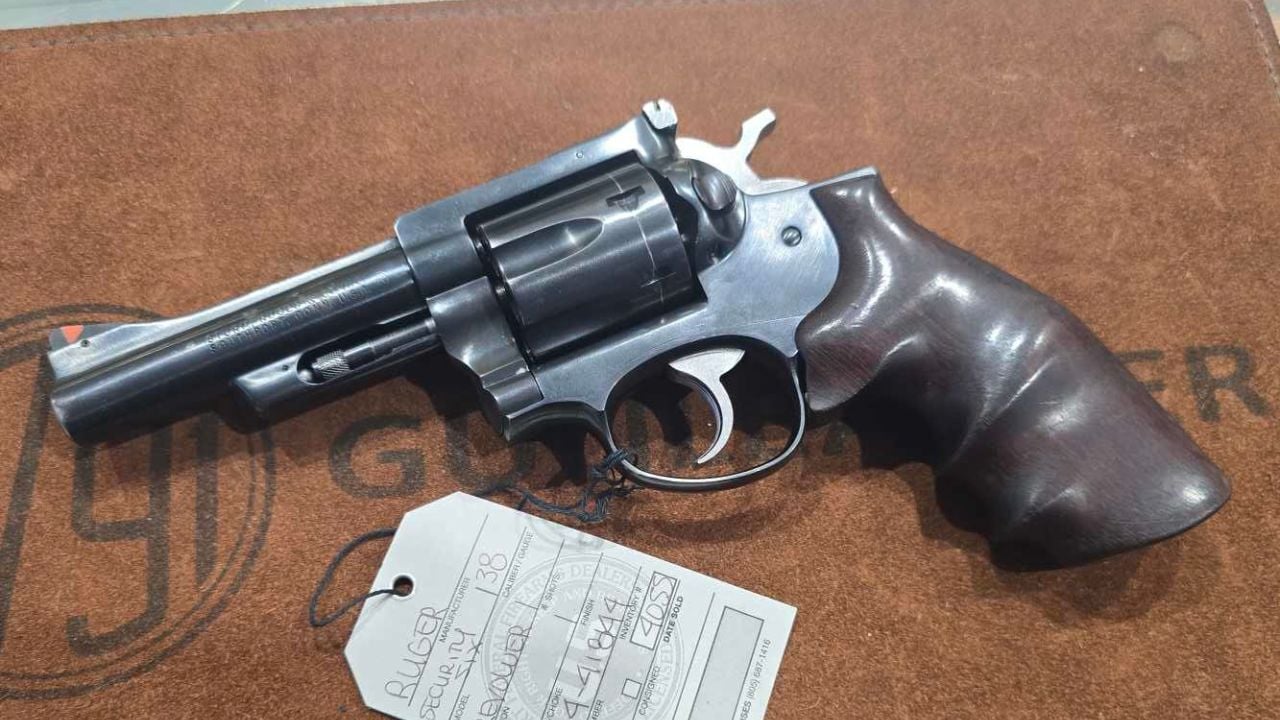
Ruger’s old Six series gets confused with “generic Ruger .357” by folks who only remember what a new GP100 cost when they bought it. The Security-Six is slimmer, a little trimmer through the frame, and carries nicer than many people expect. When one shows up with holster wear, sellers often price it like cosmetic wear equals mechanical wear. Not the same thing on these.
They’re tough. Not indestructible, but close enough for normal outdoors use. If you’re looking for a camp revolver that can handle real .357 loads without feeling like you’re hauling a boat anchor, this is one to watch for. The downside is the sight options aren’t as fancy and the trigger can be a little “Ruger-ish” until it’s worn in. Still, they’re honest guns and they last.
3. Smith & Wesson Model 64 (stainless Model 10)
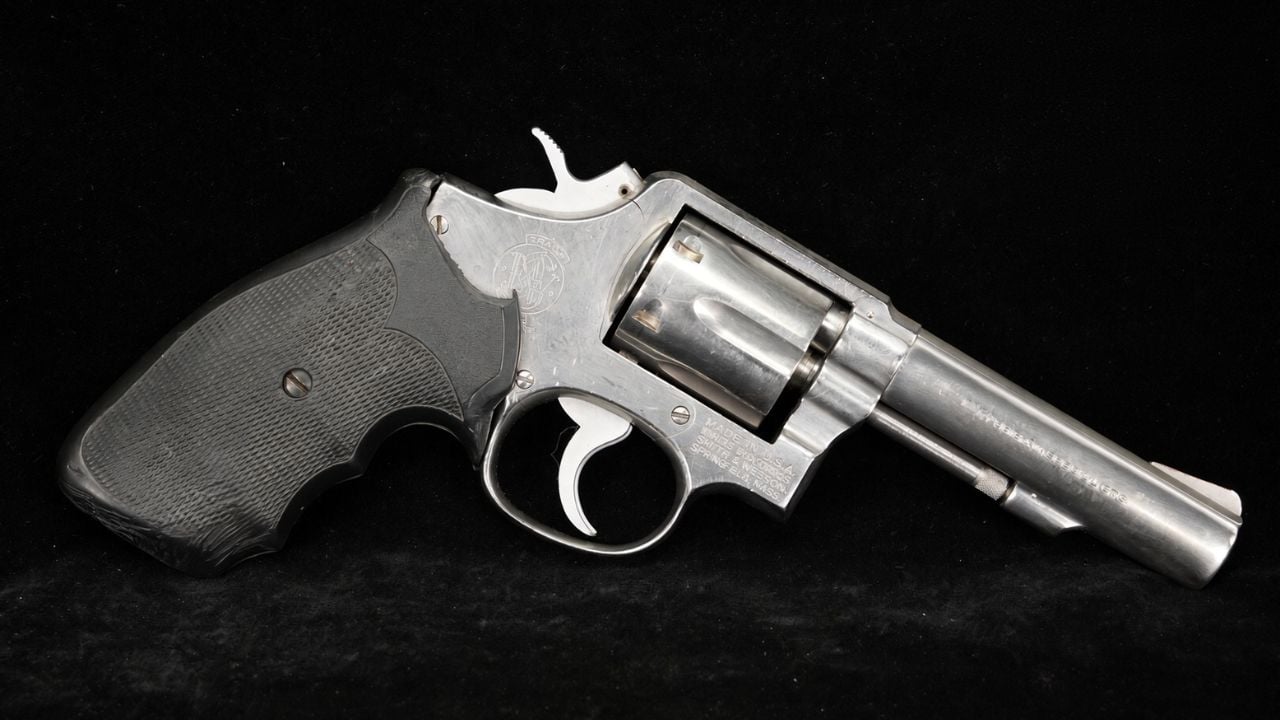
The Model 64 is what happens when a Model 10 gets dipped in stainless and sent back out to work. A lot of them were police trade-ins, and that’s part of why they get priced low: agency markings, beat-up grips, and a finish that looks like it rode in a duty holster for a decade. None of that makes it a bad revolver.
If you hunt wet country, fish out of a boat, or just live where everything rusts, a stainless fixed-sight .38 starts making a lot of sense. These guns point naturally and shoot to the sights with common 158-grain loads more often than not. It’s not glamorous, but it’s the kind of revolver that ends up in the truck, then somehow ends up being the one you actually shoot the most.
4. Colt Trooper Mark III (.357 Magnum)
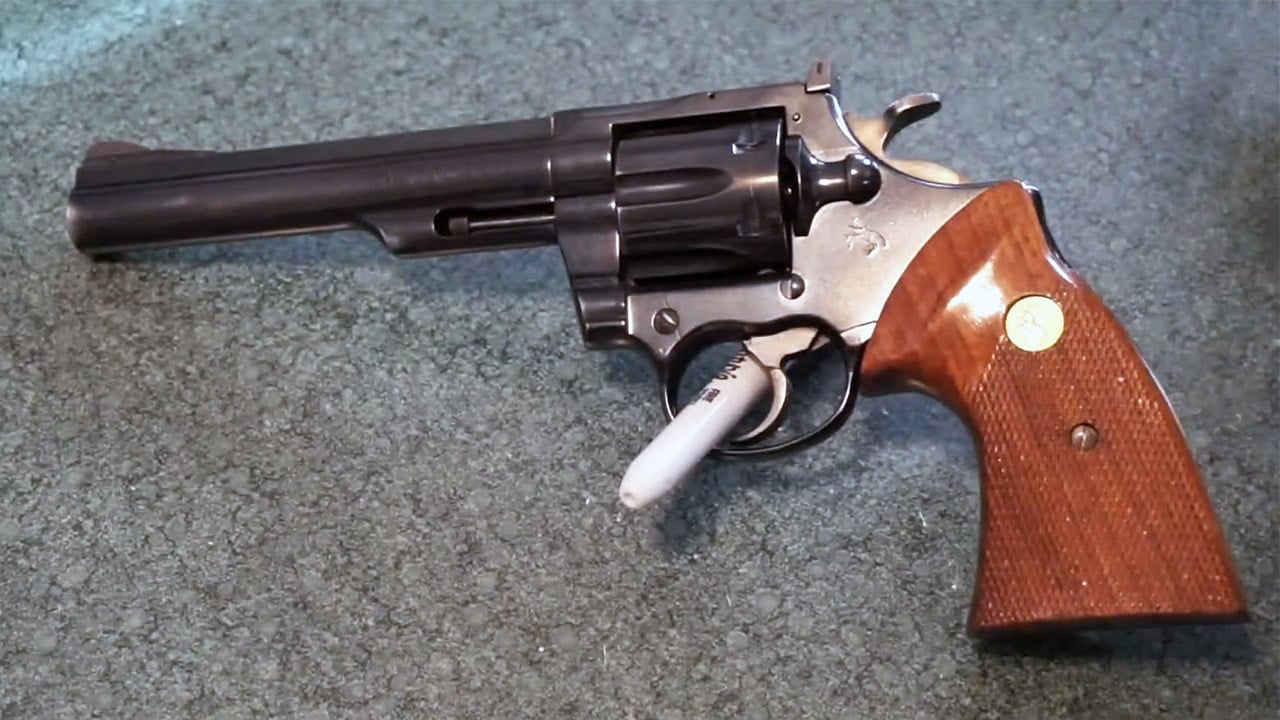
The Trooper Mark III gets overlooked because it isn’t a Python, and some sellers treat anything that says “Colt” as either priceless or junk. The Mark III sits in that sweet spot where it’s a real Colt with real Colt feel, but it doesn’t bring the insane money that the snake guns bring. If the seller only remembers what a Trooper cost in the late ‘70s or ‘80s, you can stumble into a deal.
These are solid shooters with good accuracy and a different trigger feel than a Smith. The lockwork is not the old-school Colt V-spring setup, so it’s generally more durable for regular use. The caution is parts and true Colt smith work can be harder to find than with a Ruger or S&W. If it’s in time and locks up right, it’s a classy .357 that doesn’t have to be a safe queen.
5. Smith & Wesson Model 15 (K-38 Combat Masterpiece)
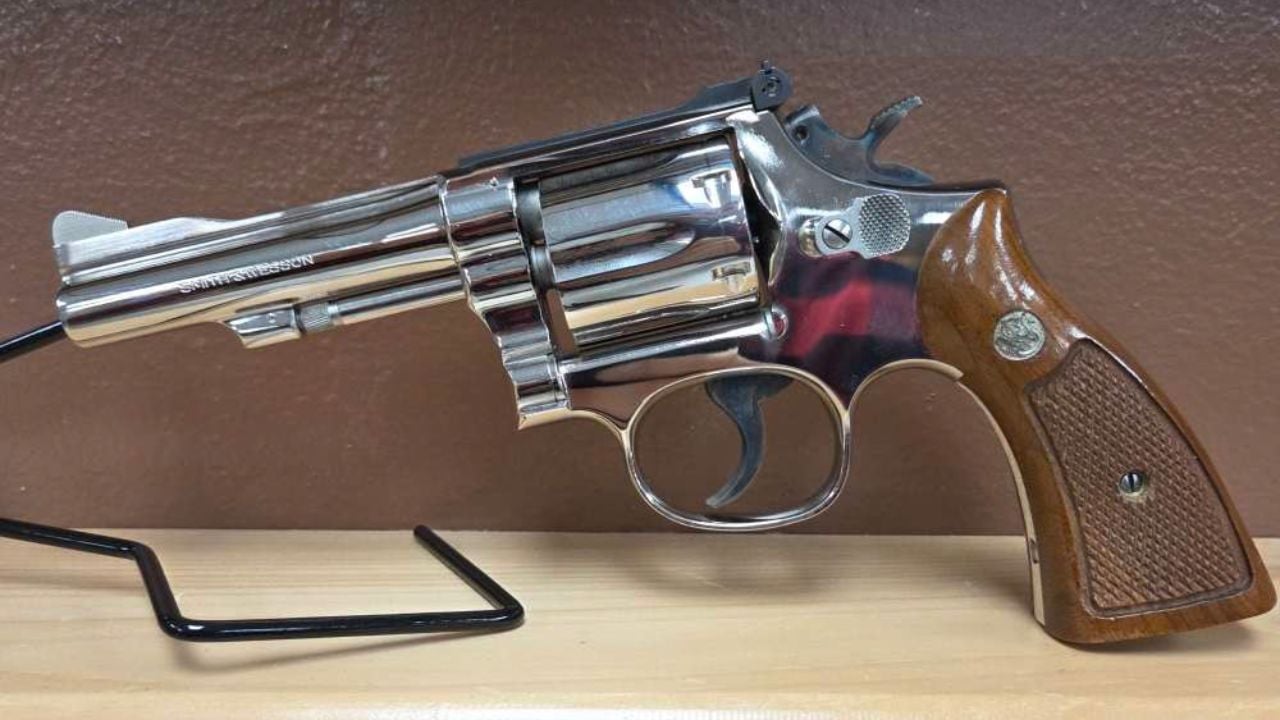
A Model 15 can get underpriced when the seller just sees “another .38,” especially if it’s wearing worn target stocks and has some finish loss. That’s a shame, because these guns balance beautifully and the adjustable sights make them a joy on the range. They’re the kind of revolver that turns “I’m just going to shoot a box” into “I guess I’m staying another hour.”
They aren’t designed to live on a steady diet of hot .357s because they’re .38s, but that’s kind of the point. Good .38 ammo is effective, pleasant, and still easier to shoot well than magnum loads for most folks. If you want a revolver that teaches good trigger control and still works as a nightstand gun, the Model 15 is hard to beat—if you don’t overpay.
6. Ruger Speed-Six (round-butt carry version)
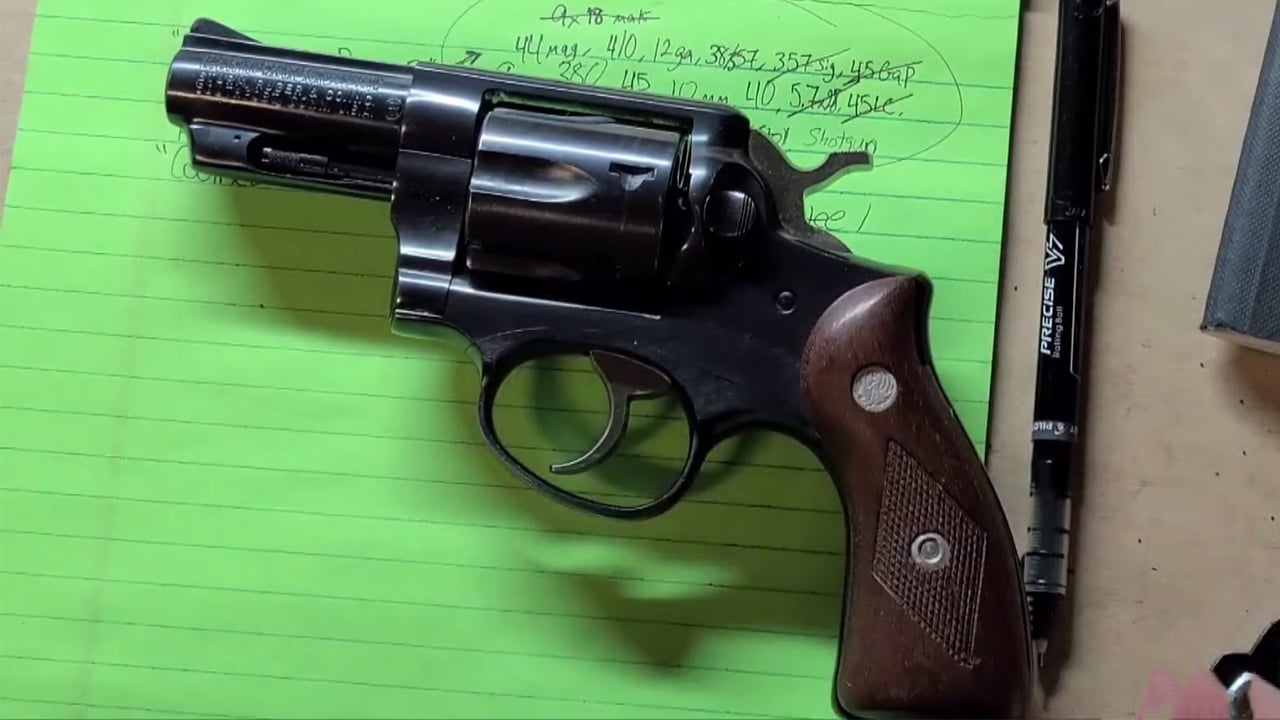
The Speed-Six is the one that makes people say, “Wait, what is that?” at the counter. It’s basically the carry-minded sibling in the Six series, often with a round butt that tucks in closer and a barrel length that makes sense for real belt carry. Underpricing happens because it isn’t the GP100 everybody knows, and it doesn’t have the collector buzz of certain Smith snubs.
In practical terms, it’s a hard-use .357 you can actually carry without feeling like your pants are losing the fight. The trigger may not be slick out of the gate, but it’s consistent and the gun will take a lot of miles. If you find one with original grips, even better, but aftermarket grip support is still decent. For a woods revolver that isn’t bulky, it’s a strong pick.
7. Smith & Wesson Model 19 (blued Combat Magnum)
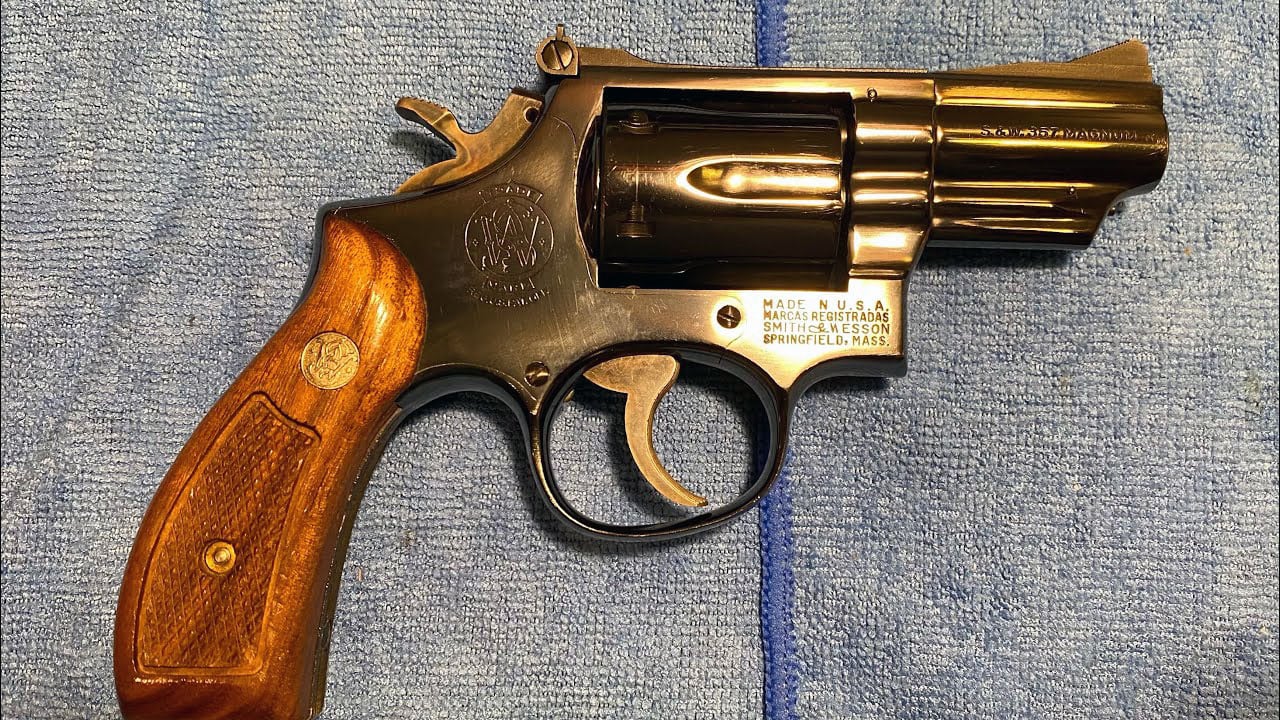
Model 19 pricing is all over the map. Some sellers think “old Smith .357” means it should sit in the case for a year at a premium. Others remember buying one new and assume it’s only worth a little more than that sticker price. When you catch the second guy, you pay attention. The 19 is one of those revolvers that just feels right—good lines, good pointability, and usually a very nice trigger.
Now, it’s not a magnum abuse machine. If you plan to run nothing but screaming lightweight .357 loads, pick a different tool. But for a steady mix of .38s and sensible .357s, it’s a classic for a reason. As a carry gun, a 2.5-inch Model 19 is a sweet setup if you can handle the weight. If you find one cheap because “it’s old,” that one hurts—in a good way.
8. Ruger GP100 (older fixed-sight models)
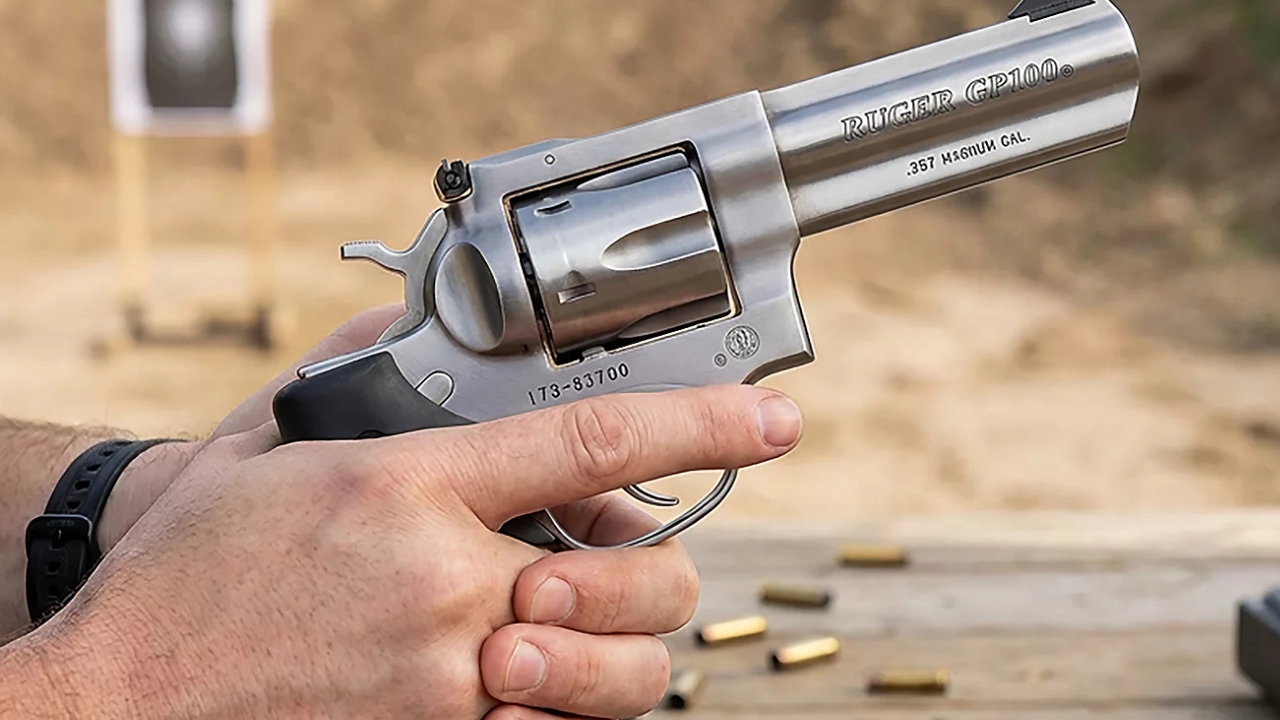
Most folks know the GP100, but the older, plainer versions can get undervalued when they’re sitting next to newer ones with fancy sights or half-lug barrels that look “more modern.” A seller who’s stuck on what they paid in the ‘90s may not realize how steady demand is for a used GP100 that’s already been broken in and doesn’t mind getting knocked around.
These are workhorses. They’re heavier than a K-frame, but that weight makes real .357 loads much more manageable, especially for folks who don’t shoot magnums every week. For a rural home, a GP100 is simple, durable, and not picky about neglect the way some lightweight carry guns can be. If the cylinder locks up tight and the timing is right, cosmetic wear is just evidence it wasn’t a safe ornament.
9. Smith & Wesson Model 28 Highway Patrolman (.357 Magnum)
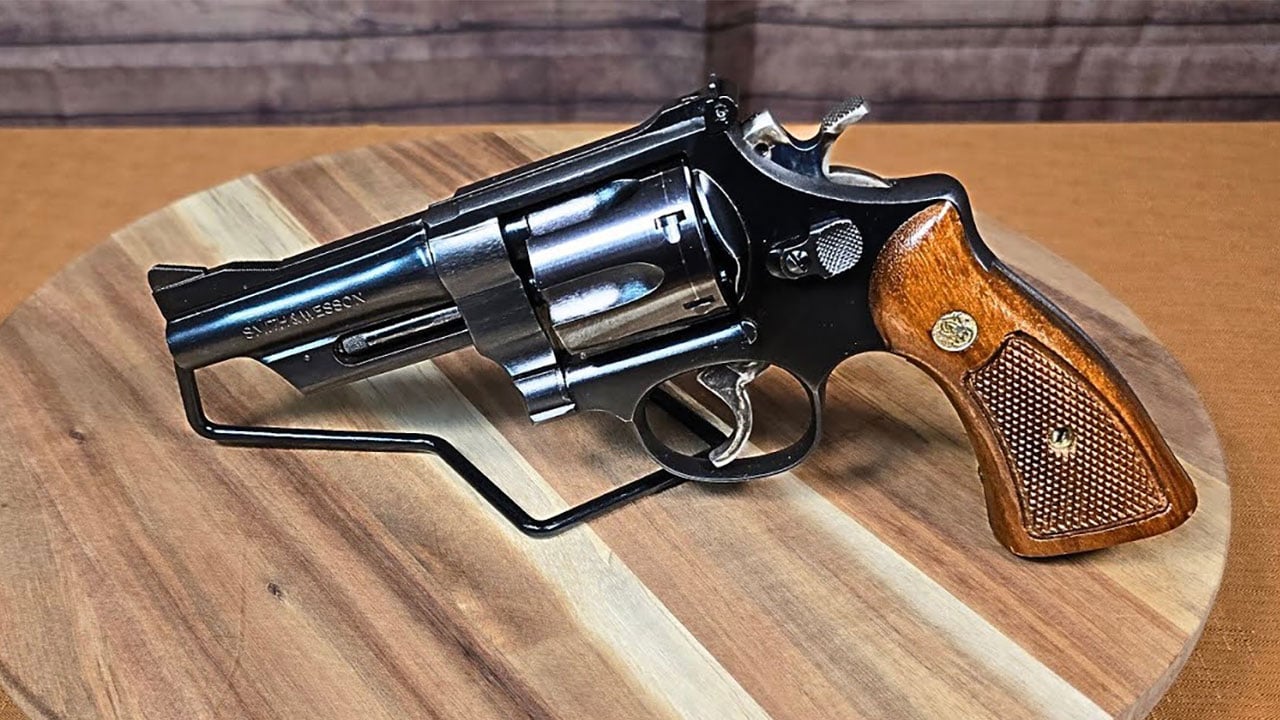
The Model 28 is one of my favorite “why is this still affordable?” revolvers when it shows up right. Sellers see a big N-frame with a more utilitarian finish and think it’s the cheap version of something better. In a sense it is—the finish work was toned down compared to the Model 27—but the bones are excellent, and the shooting experience is pure big-frame Smith.
They soak up .357 recoil like it’s their job, which it is. If you’ve ever tried to shoot full-house magnums out of a lighter revolver and wondered why your hands suddenly hate you, a Model 28 explains the difference. It’s not a concealed carry gun unless you dress around it, and it’s not light on the belt. But for a range revolver, hunting backup, or “one .357 to rule them all,” it’s a sleeper when priced by old memories.
10. Ruger Blackhawk (old-model and New Model .357/.45)
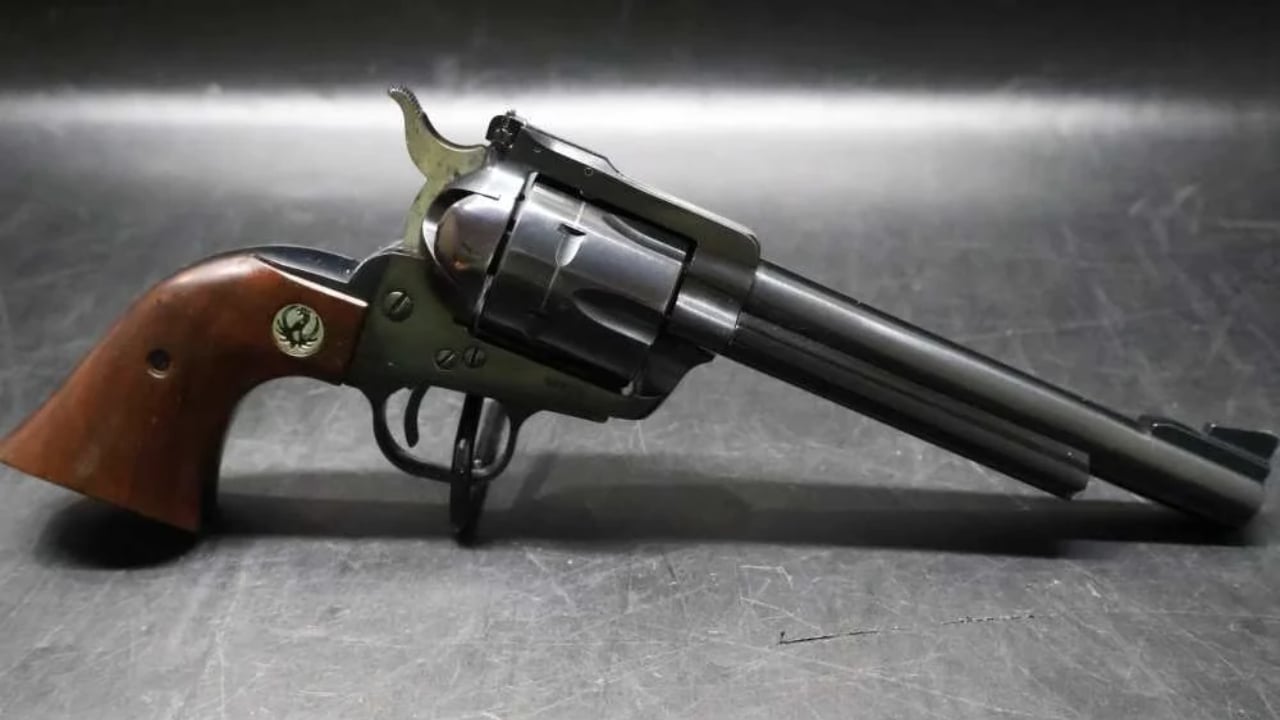
Single-actions get undervalued fast when the seller isn’t a revolver person. They remember buying it for “about three hundred bucks” and figure it’s still a three-hundred-dollar gun because it only holds six and doesn’t have a swing-out cylinder. Meanwhile, good Blackhawks have crept up because they’re strong, accurate, and about as simple as it gets.
In the woods, a Blackhawk makes sense. It rides well in a good holster, it’s easy to check loaded or empty, and it points naturally once you’ve spent time with it. The tradeoff is reload speed and the learning curve if you’ve only run double-actions. Still, if you’re the kind of person who sits on a stump during deer season and likes gear that doesn’t need babying, a Blackhawk bought right is hard to regret.
11. Smith & Wesson Model 36 Chief’s Special (.38 Special)
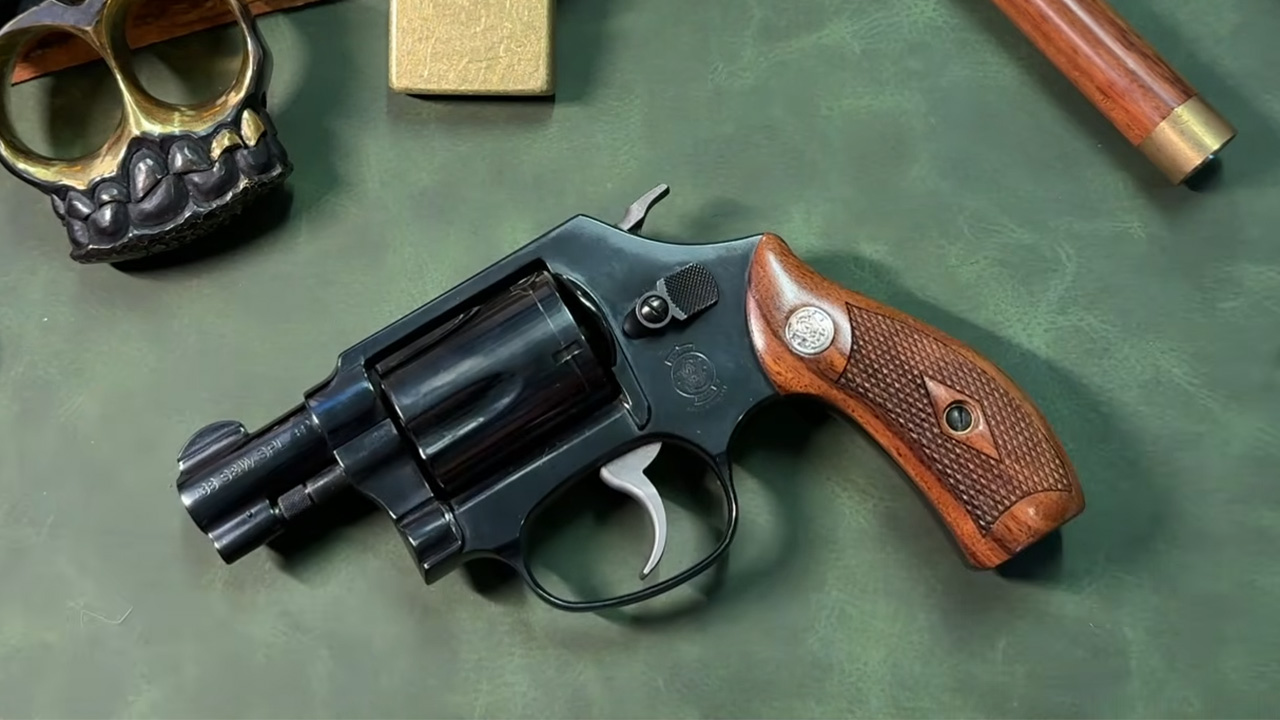
The Model 36 gets lumped in with every other small .38 snub, especially when it’s worn and the grips have seen better days. Sellers will often price it like it’s interchangeable with any modern alloy-frame pocket revolver. It isn’t. A steel J-frame has a steadier feel, a little more weight to calm recoil, and usually a better long-term durability story than the lightest options.
This is one of those revolvers that’s not fun with +P ammo for everybody, but it’s very shootable with standard-pressure loads. For an everyday carry gun, the weight is the complaint and also the advantage. It sits in the hand like a real gun, not a firecracker. Check for endshake and timing like you should on any used wheelgun, but when these are right, they’re keepers.
12. Ruger SP101 (2.25-inch .357)
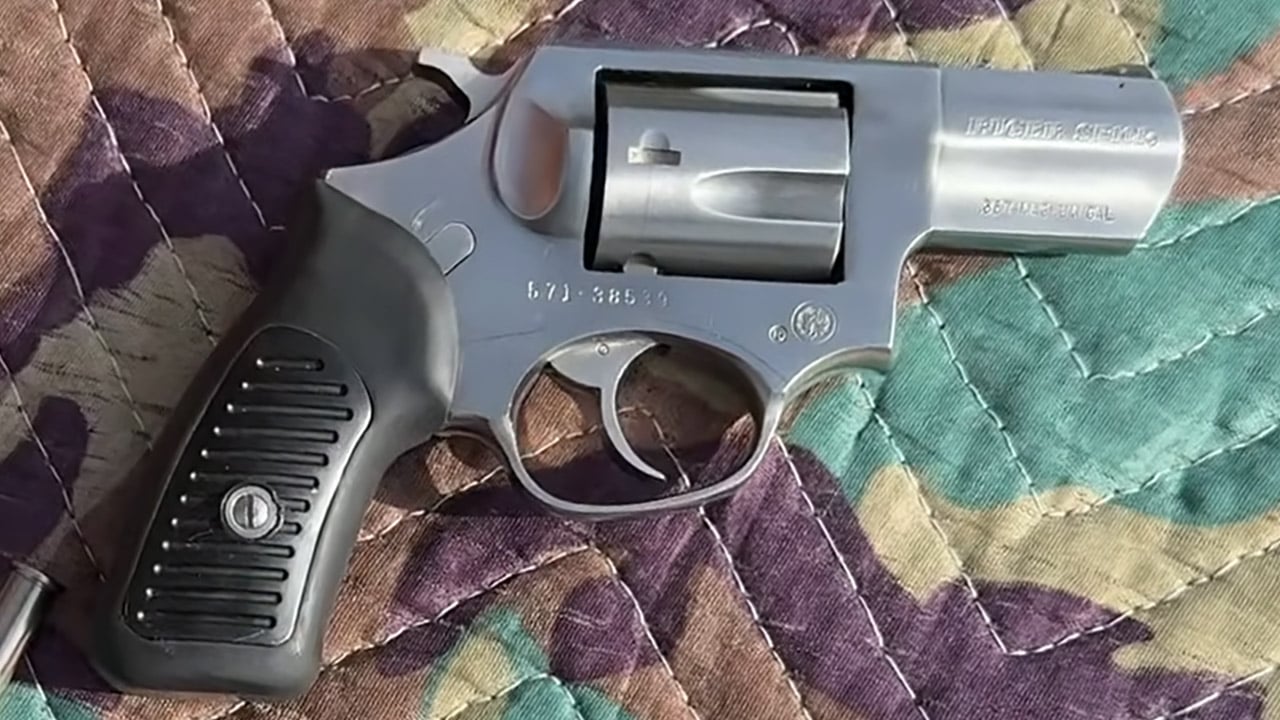
The SP101 sometimes sells cheap because owners buy it expecting a “small gun that shoots like a big gun,” then realize physics still applies. In .357, it barks. In .38, it’s pleasant. When the seller’s memory is tied to what it cost new years ago, and they want it gone because it “kicks too much,” you can end up with a very dependable small-frame revolver for fair money.
It’s a tank for its size. The action can feel stiff compared to a slick Smith, but it smooths out with use, and the gun tends to just run. As a trail gun, I like that it doesn’t feel fragile, and stainless versions shrug off sweat and weather. It’s not a pocket gun unless you’ve got big pockets and patience. On the belt, though, it’s a solid companion.
13. Colt Detective Special (older .38 snub)
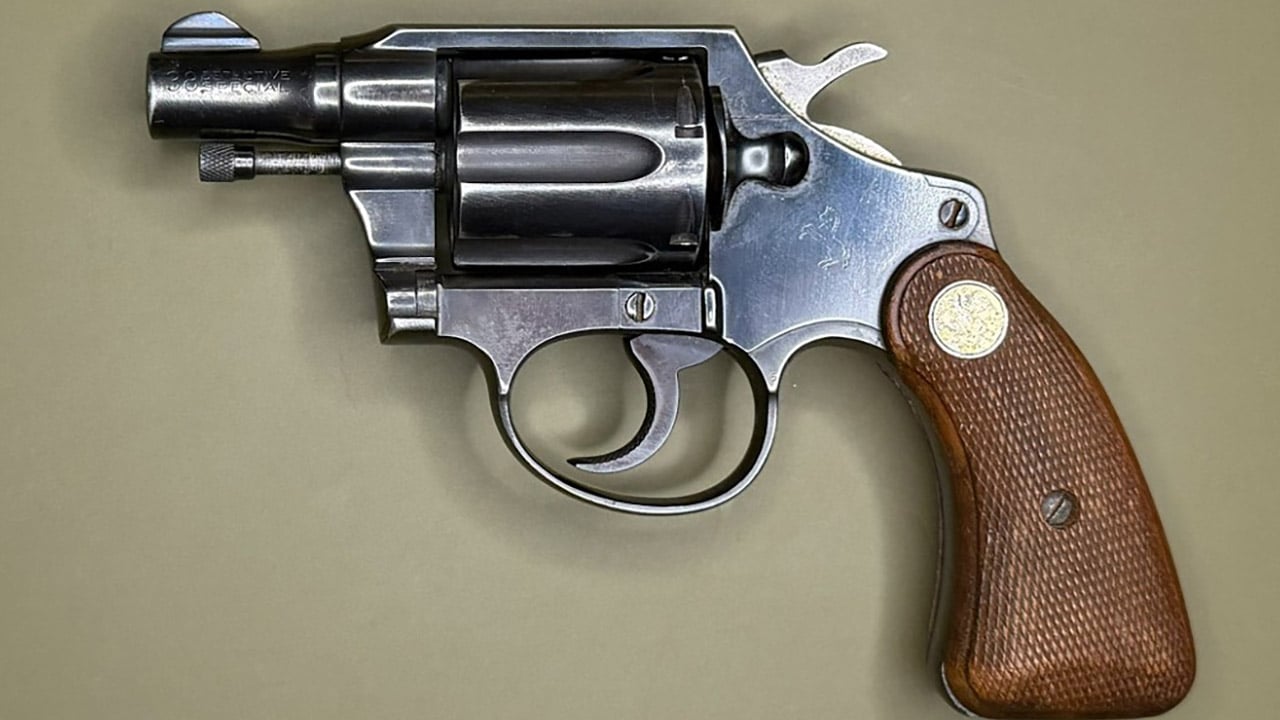
Detective Specials show up in odd places, often from estates, and sometimes the pricing is surprisingly low because the seller isn’t tracking Colt’s current market at all. They just see an older snub-nose .38 and assume it’s equivalent to any other two-inch revolver. The difference is in the name, the history, and the fact that Colt isn’t making that exact gun anymore.
They’re also a bit larger than a J-frame and often hold six shots, which still matters to some of us. The trigger feel can be excellent, and they point well. The caution is the same as with other older Colts: don’t buy problems. If the cylinder doesn’t lock up right or the timing is off, it can become a project that costs more than you planned. But a healthy Detective Special at a “used snub” price is a real find.
14. Smith & Wesson Model 12 Airweight (alloy K-frame .38)
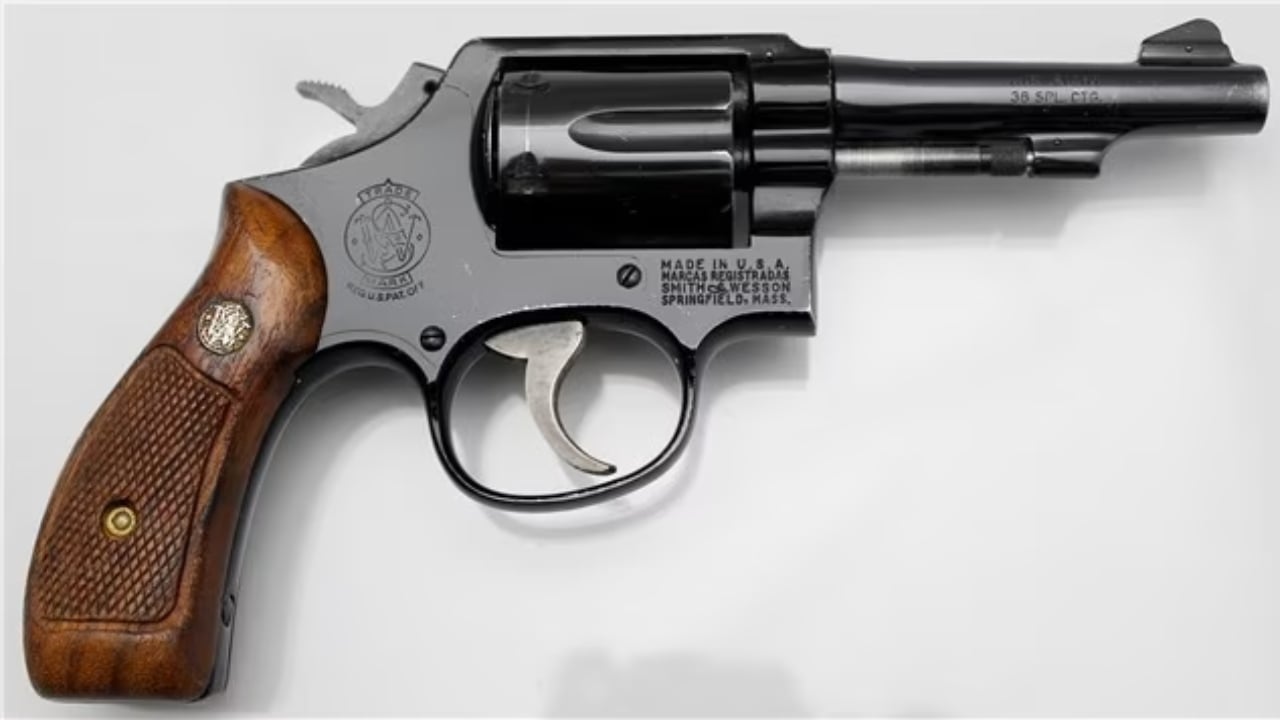
The Model 12 confuses sellers because it’s not a modern polymer anything, yet it’s not a tiny snub either. It’s an alloy-frame K-frame .38, which means it carries like a dream compared to steel, but it still gives you a real sight radius and a serviceable grip. When a seller only knows what it cost decades ago and sees cosmetic wear, these can get priced like a generic used revolver.
Here’s the truth: it’s not for heavy +P pounding all the time, and it’s not a hunting handgun. It’s a carry revolver from an era when people carried revolvers for real. For a rancher, a fisherman, or anybody who wants a light belt gun that isn’t tiny in the hand, it’s a smart setup. Check the frame condition and overall tightness, then enjoy a revolver that’s easier to carry than most folks expect.
15. Ruger Redhawk (stainless .44 Magnum)
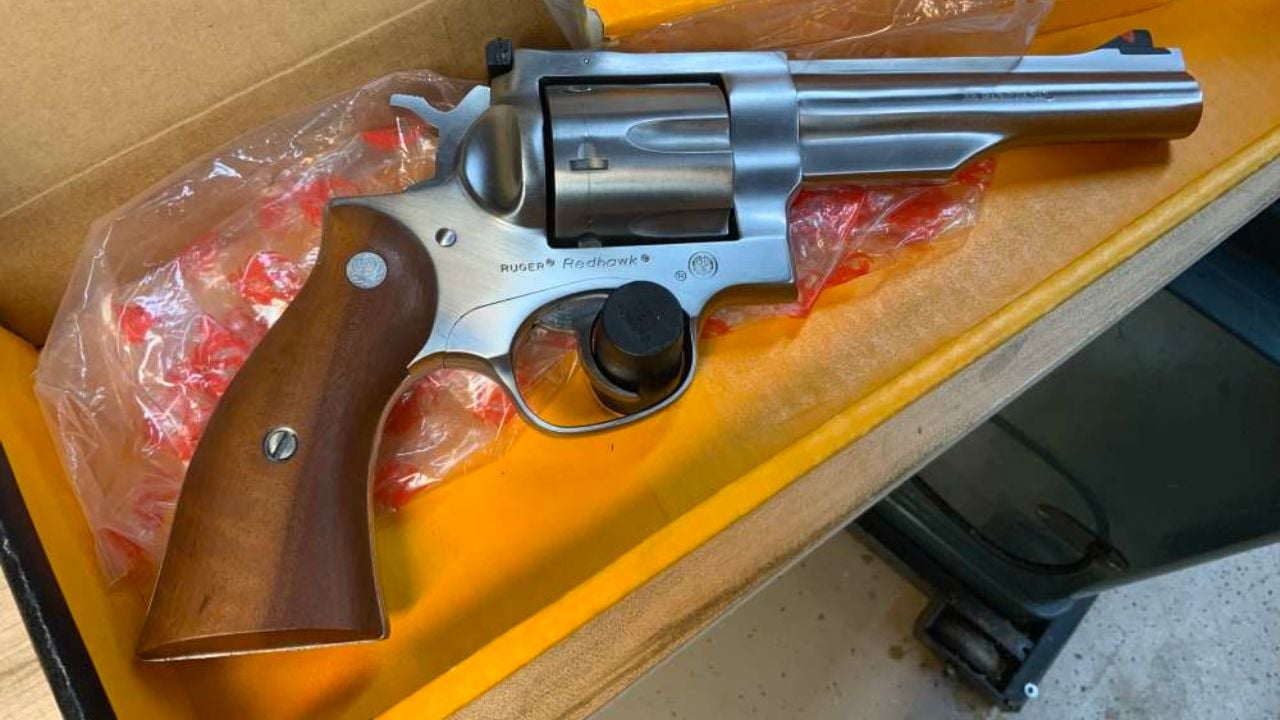
Big-bore revolvers scare off casual buyers, which is why used Redhawks can sit. Sometimes the seller thinks the market is dead because “nobody shoots .44 Magnum,” and they price it like they’re trying to get back what they paid new a long time ago. Other times they just want it out of the safe and don’t realize what a clean Redhawk brings when somebody is actually shopping for one.
It’s a heavy gun. There’s no way around that. But if you spend time in bear country, run a trapline, or just like a revolver that doesn’t feel delicate, a Redhawk is built for real work. The double-action pull can be stout, but it’s reliable and the gun will take serious loads without feeling loose. It’s not the revolver for everybody, but underpricing happens when folks forget what strength and stainless steel cost in today’s world.
16. Smith & Wesson Model 629 (stainless .44 Magnum)
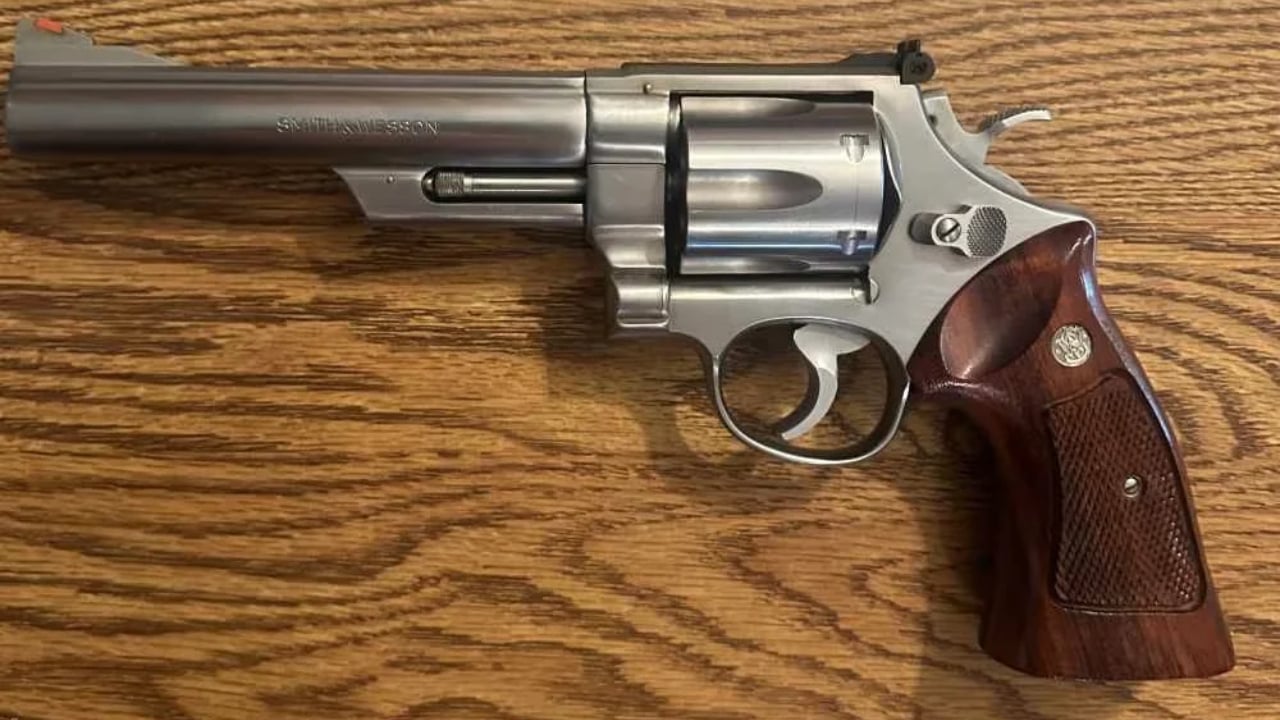
The 629 has “Dirty Harry” baggage in the minds of non-gun people, and that can weirdly push prices down at local sales. They assume it’s just a big flashy cannon nobody wants, especially if it has a longer barrel. But outdoorsmen still buy these for a reason: stainless durability, good sights, and a trigger that often makes magnum shooting feel less like work.
It’s also more versatile than it gets credit for. You can run .44 Special for a very comfortable range day, then step up to magnums when you need the horsepower. It’s not cheap to feed, which is why some owners bail on them. If you find one with a clean forcing cone, good timing, and no obvious abuse, a “priced-to-move” 629 is a serious revolver at a sometimes-not-serious price.
17. Dan Wesson Model 15 (.357 Magnum)
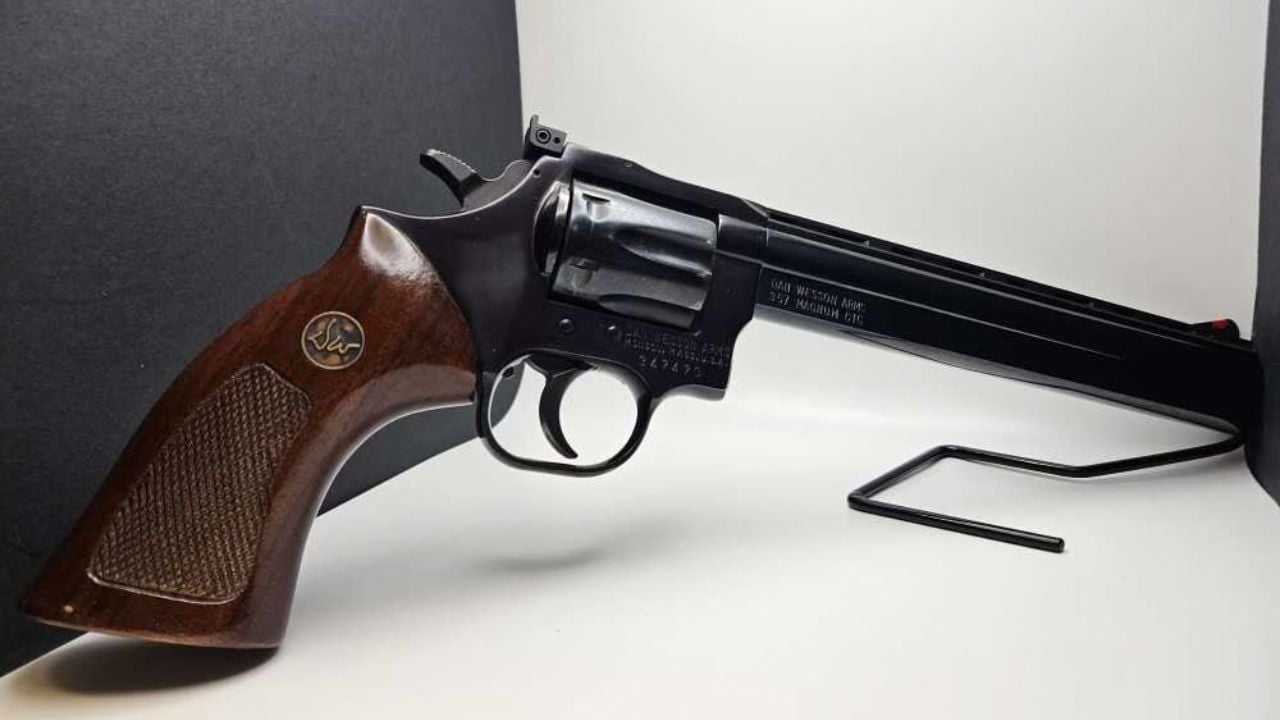
Dan Wessons are the kind of revolvers that slip past sellers who only recognize the big brand names. They’ll list it as “Dan Wesson .357” and throw a price on it based on what they remember paying, not knowing there’s a whole group of shooters who actively hunt these. The interchangeable barrel system is the famous part, but even fixed setups shoot extremely well.
These guns tend to be accurate, durable, and a little different in the hand in a good way. If it comes with extra barrel assemblies, that can be the whole deal right there, but even without them, the revolver itself is the prize. The only hang-up is you want to check what’s included and what’s missing, because replacement parts aren’t as plug-and-play as Ruger or Smith. Still, it’s a classic case of “underpriced because they don’t know what it is.”
18. Taurus Model 66 (older 7-shot .357)
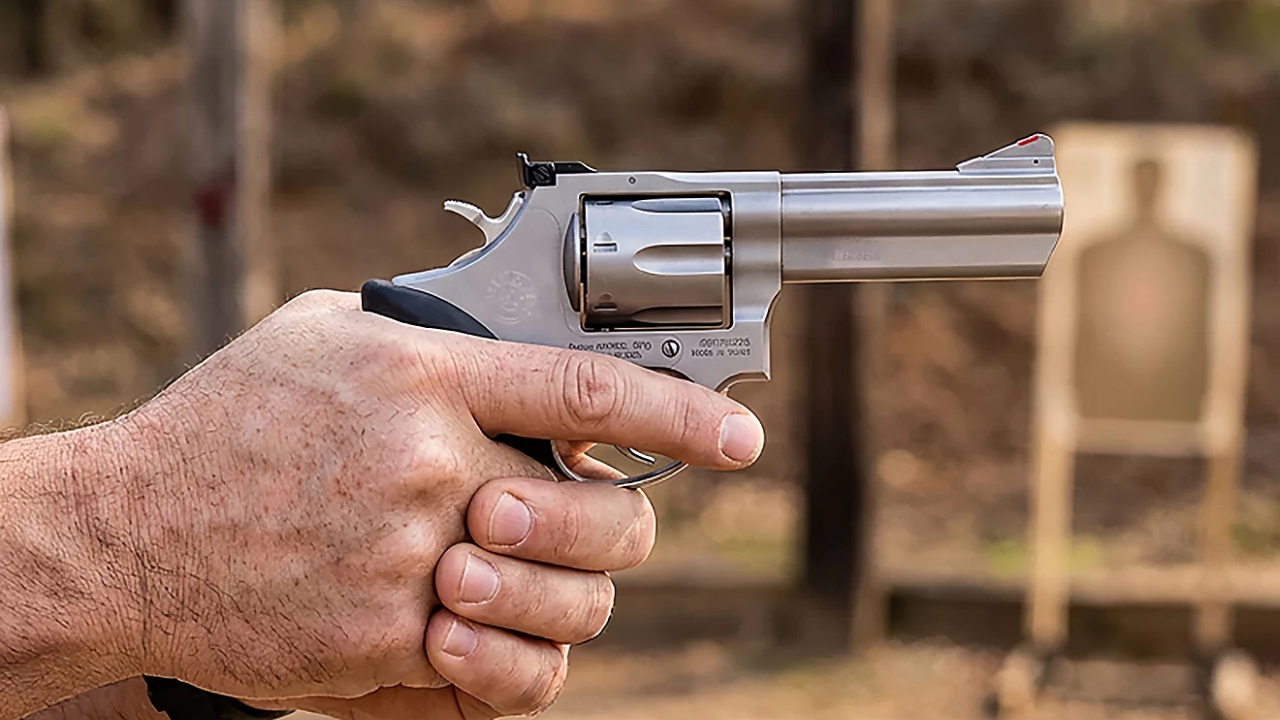
I’m not going to pretend every Taurus is a hidden gem, because they aren’t. But the older Model 66 revolvers, especially ones that were taken care of, can be a lot of gun for the money. Underpricing shows up when the seller lumps it in with “cheap revolver” talk and prices it like a used off-brand, ignoring the fact that a functioning 7-shot .357 with decent sights is still useful.
The smart move is to inspect it like you mean it: cylinder lockup, timing, smoothness, and any signs of it being shot loose. If it checks out, it can serve as a truck revolver, a range gun, or a woods sidearm that you don’t baby. The trigger may not be as refined as a comparable Smith, and resale isn’t the same game. But if you’re buying a tool and the price is right, it can make sense.
19. Charter Arms Bulldog (.44 Special)
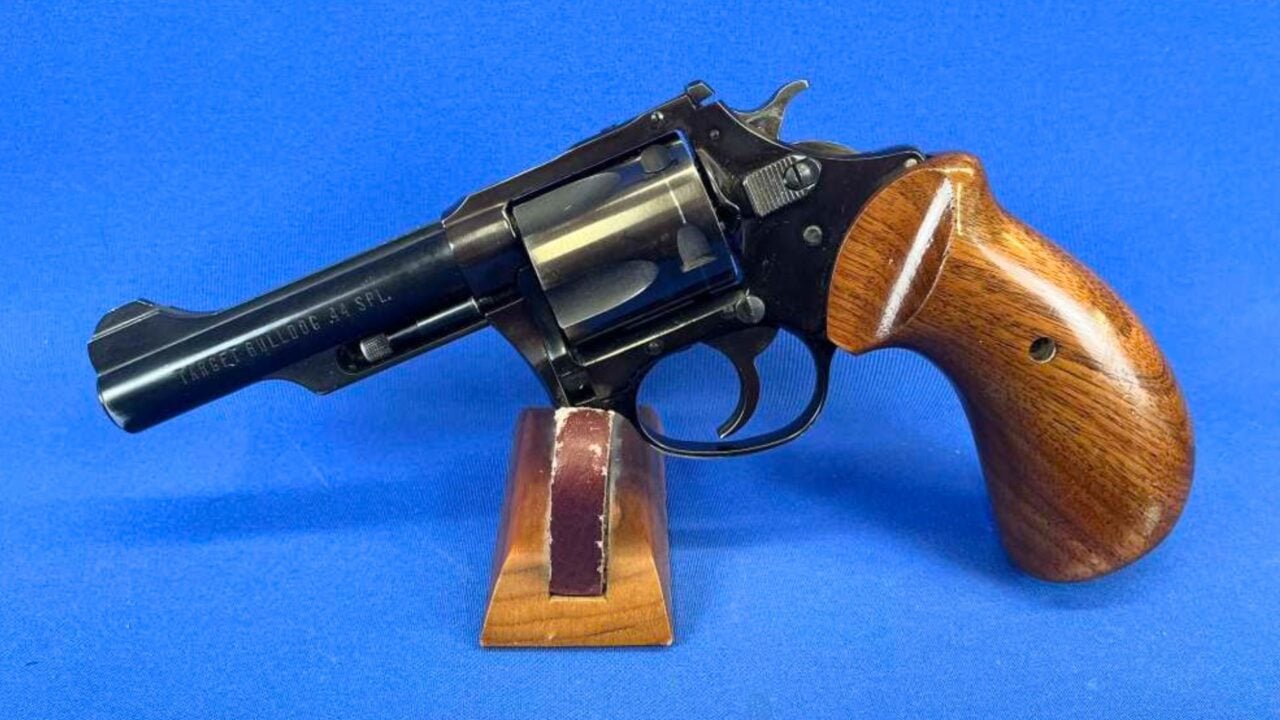
The Bulldog is plain, sometimes rough around the edges, and easy to dismiss if you’ve only handled shiny new revolvers. That’s why they get underpriced when someone thinks, “It’s a small .44, who wants that?” The answer is: folks who understand what a big, slow bullet can do without the blast and recoil of a full .44 Magnum.
It’s not a target pistol, and it’s not built for endless hot-rodding. But as a carryable big-bore for the woods, it fills a niche that a lot of other guns don’t. In a good holster, it’s lighter than many people expect, and it comes up quick. Ammo isn’t as cheap as .38, but it’s not exotic either. If you find one at a price that matches old expectations instead of current reality, it’s worth a serious look.
20. Smith & Wesson Model 625 (.45 ACP revolver)
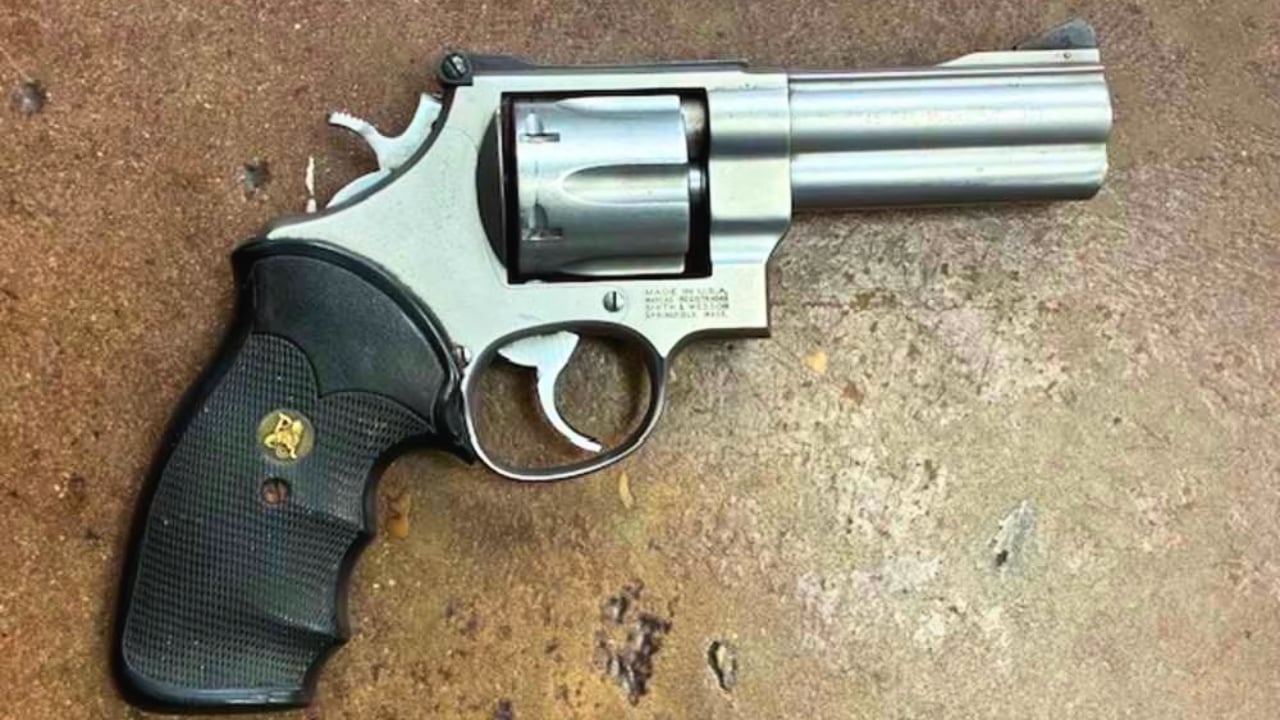
The 625 gets underpriced when the seller doesn’t understand why a revolver in .45 ACP exists. They’ll look at it, think it’s “weird,” and price it like a novelty. In reality, it’s one of the most practical big-bore revolvers out there if you already stock .45 ACP, and it’s an absolute joy to shoot with the right loads.
Moon clips can intimidate folks who haven’t used them, but they’re also why these guns reload fast and run so well in competition and training. The N-frame soaks up recoil, and accuracy is usually excellent. It’s not a deep-concealment piece and it’s not light, but for a range revolver, a home-defense option, or a farm gun that shares ammo with a 1911, the 625 makes a lot of sense. When it’s priced by “what I paid new,” it can be a steal.
The best part about buying an underpriced revolver isn’t bragging rights. It’s ending up with something you’ll actually use, that you can maintain, and that won’t leave you hanging when the weather turns bad or the coyotes start sounding off behind the barn. Check timing, lockup, and overall condition, and don’t let ugly grips or holster wear scare you off. The right used revolver is still one of the most honest tools an outdoorsman can own.
Like The Avid Outdoorsman’s content? Subscribe to our newsletter so you never miss an article.
Here’s more from us: