Photo credit: BERETTA9mmUSA/Youtube
If you have spent any time in a pawn shop, you have seen it: a handgun sitting in the case with a price tag that feels like it was written for the cardboard box behind it, not the pistol in front of you. Original box, matching label, maybe even the little envelope with the fired casing or the manual still crisp. Pawn shop owners aren’t dumb. They know what moves. They also know what collectors and “I want it like new” buyers pay extra for. The problem is, some guns get priced like safe queens even when the actual gun has been carried hard, shot hard, or is just plain common.
Here are 20 handguns that routinely get tagged “box-first,” and what I’d be looking at before I handed over cash.
1. Glock 19 Gen 3
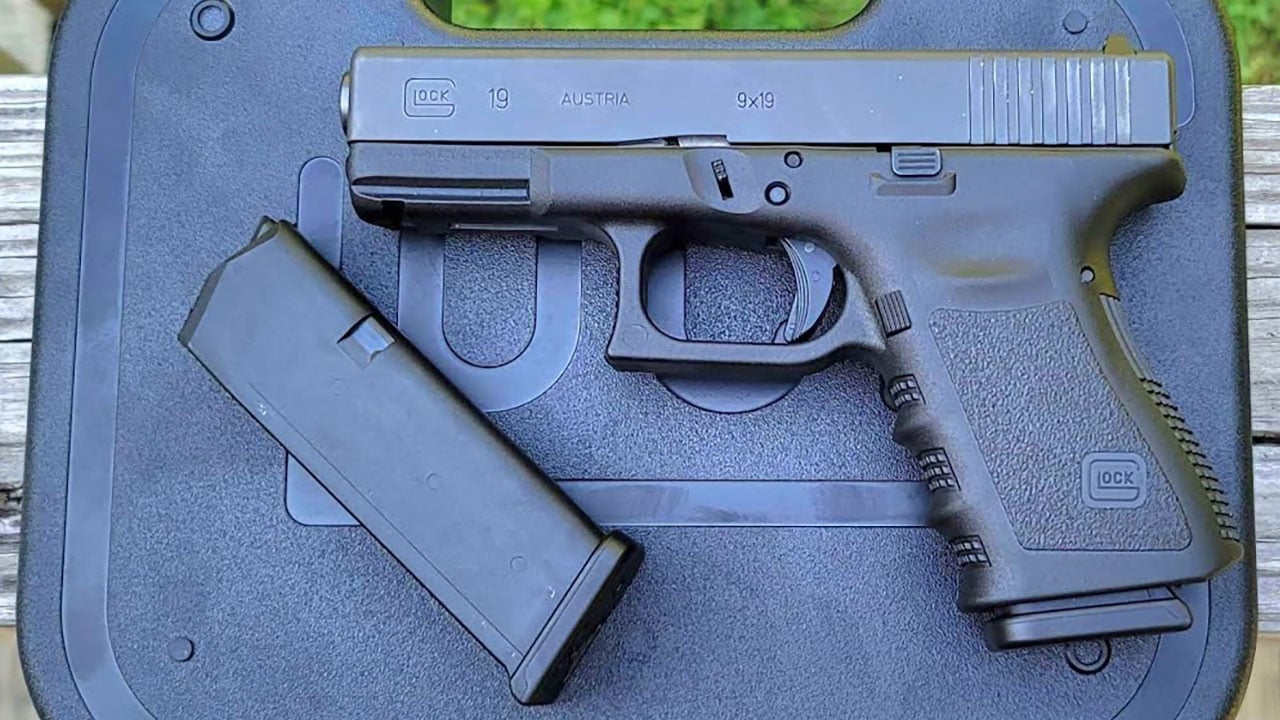
The Gen 3 Glock 19 is one of the most common handguns in America, and that’s exactly why the box can trick the price upward. A clean, matching-labeled box makes it feel “complete,” like you’re buying something special. Meanwhile, the pistol itself might have a polished barrel hood, chewed-up slide stop, and sights that look like they were installed with a hammer. That’s not necessarily bad, but it isn’t collectible either.
What matters is the guts: frame rail wear, trigger feel, and whether it’s been bubba’d with questionable connector kits. Also check magazines. OEM Glock mags are easy to find, but a pawn shop will sometimes stack the price because “it has the box” while only including one mag. A used G19 with one mag is not a premium package, box or not.
2. SIG Sauer P320 (standard models)
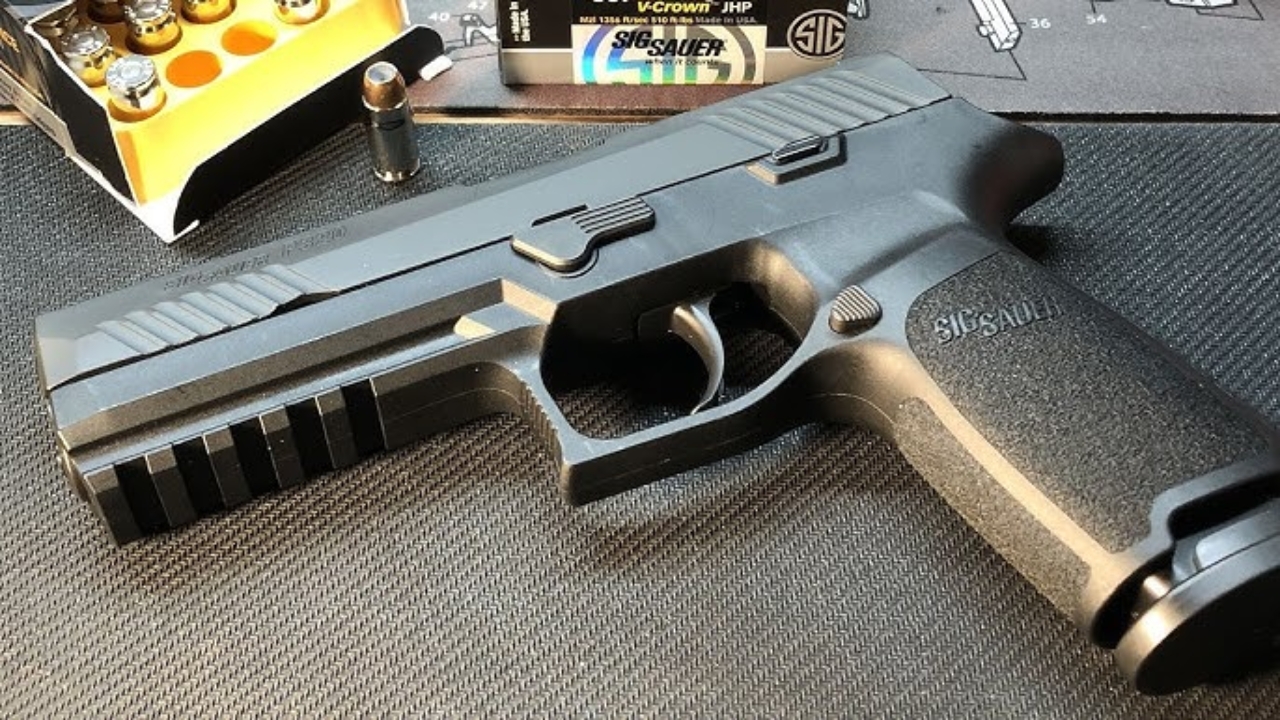
The P320 is a box-magnet gun. The factory case looks serious, the label looks official, and folks assume it’s a high-dollar setup. But the pistol inside might be a basic full-size or compact that’s been swapped between grip modules and holsters for years. The modular nature makes it easy to “rebuild” into something that looks tidy while still being a well-used shooter.
I’m looking for signs of parts mixing and questionable home gunsmithing. Does the slide fit the frame snug, do the controls feel crisp, and does it include the original grip module and plates if it’s an optics-ready variant? The box doesn’t tell you if the sights are drifting, the extractor is tired, or the mags are aftermarket. On a P320, those details matter more than foam and cardboard.
3. Smith & Wesson M&P Shield 9 (1.0)

The original Shield is a working man’s carry gun, and it often shows it. The problem is the box makes it look like a “like new” trade-in when a lot of these were ridden hard inside waistband holsters for half a decade. You’ll see slide wear at the muzzle, shiny corners, and sometimes rust freckles from sweat if the owner wasn’t wiping it down.
Shields are solid pistols, but don’t let the complete package pricing fool you. Check the trigger reset and make sure the mags lock in clean. A lot of pawn shop Shields come with the box and one mag, because the other mag is “somewhere at home.” That missing mag costs real money, and it should come out of the asking price.
4. Ruger LCP (original .380)
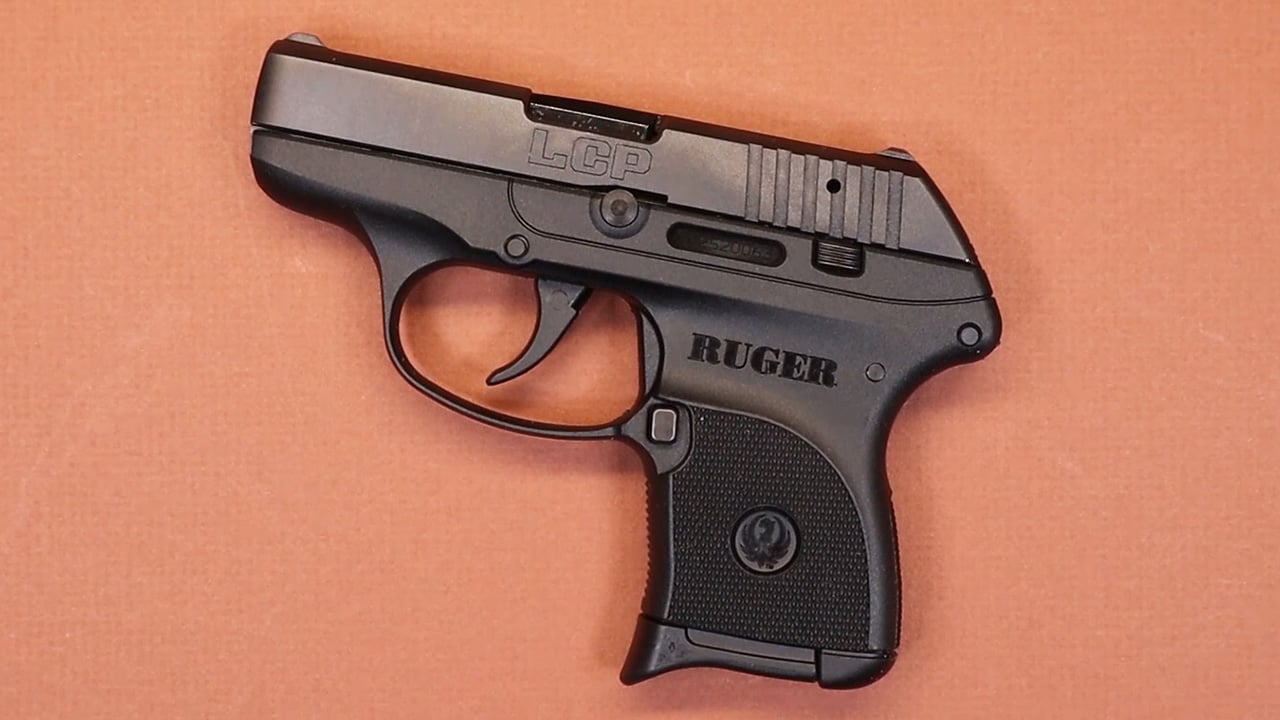
The LCP’s little plastic box (or later hard case) gives it a “brand new pocket rocket” vibe. But the LCP is also one of the most abused pistols out there because it’s the gun folks toss in a glove box, tackle bag, or coat pocket. It’s small, it’s light, and it tends to get neglected. That matters on a tiny .380 with tiny springs.
I always check function and feel. The slide should run smoothly without grinding, and the recoil spring shouldn’t feel weak and mushy. Look at the feed ramp and the magazine lips. Also, the LCP is not rare. If the price is creeping up because the box is pretty, walk away. There’s nothing wrong with an LCP, but there’s also nothing special enough to pay extra for cardboard.
5. Kimber Custom II
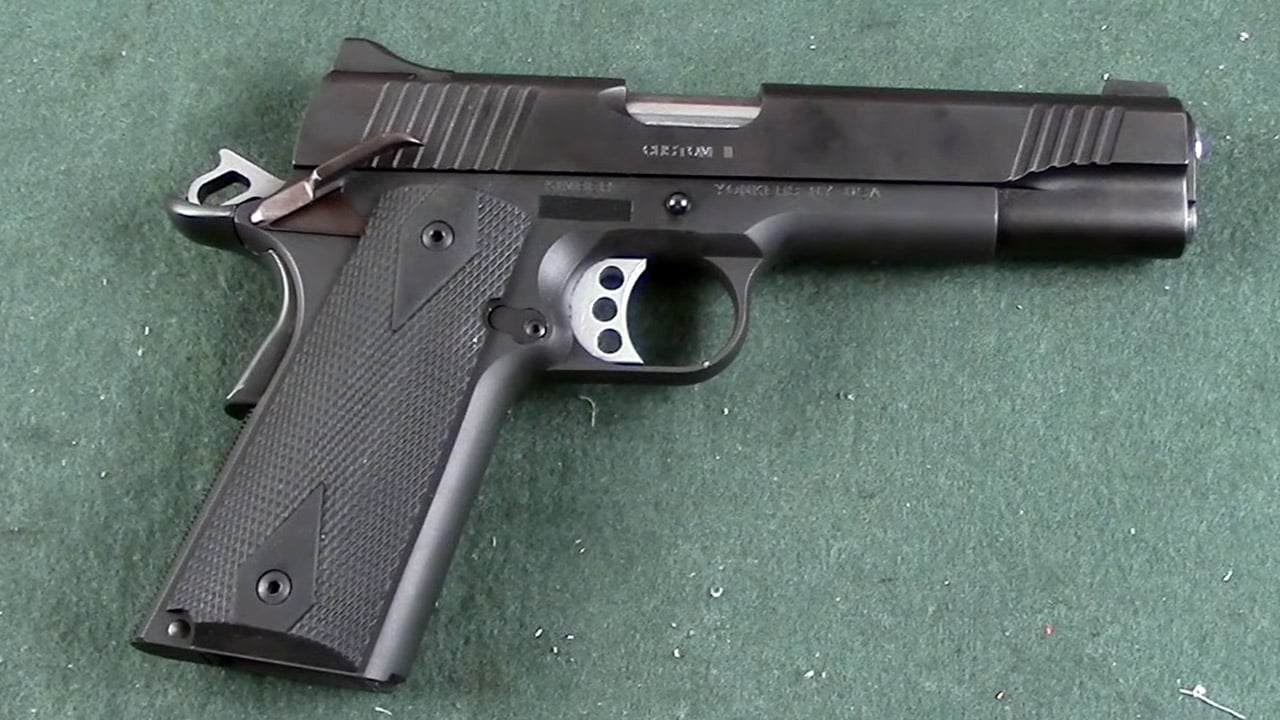
Kimber boxes and paperwork can make a 1911 feel like it’s in a higher class than it actually is on the used market. A lot of Kimber owners buy them with big expectations, shoot a couple boxes of ammo, fight a few feeding hiccups, and then decide it’s not for them. The pawn shop tags it like a semi-custom because it comes with the case, lock, and manual.
With used Kimbers, you’re inspecting reliability clues. Check extractor tension feel, look for unusual wear on the barrel lugs, and pay attention to the slide-to-frame fit. Tight is fine; gritty is not. Also ask about magazines included. A single no-name mag with a fancy Kimber case doesn’t justify a premium. A 1911 is a system, and the box is the least important part of that system.
6. Colt Defender
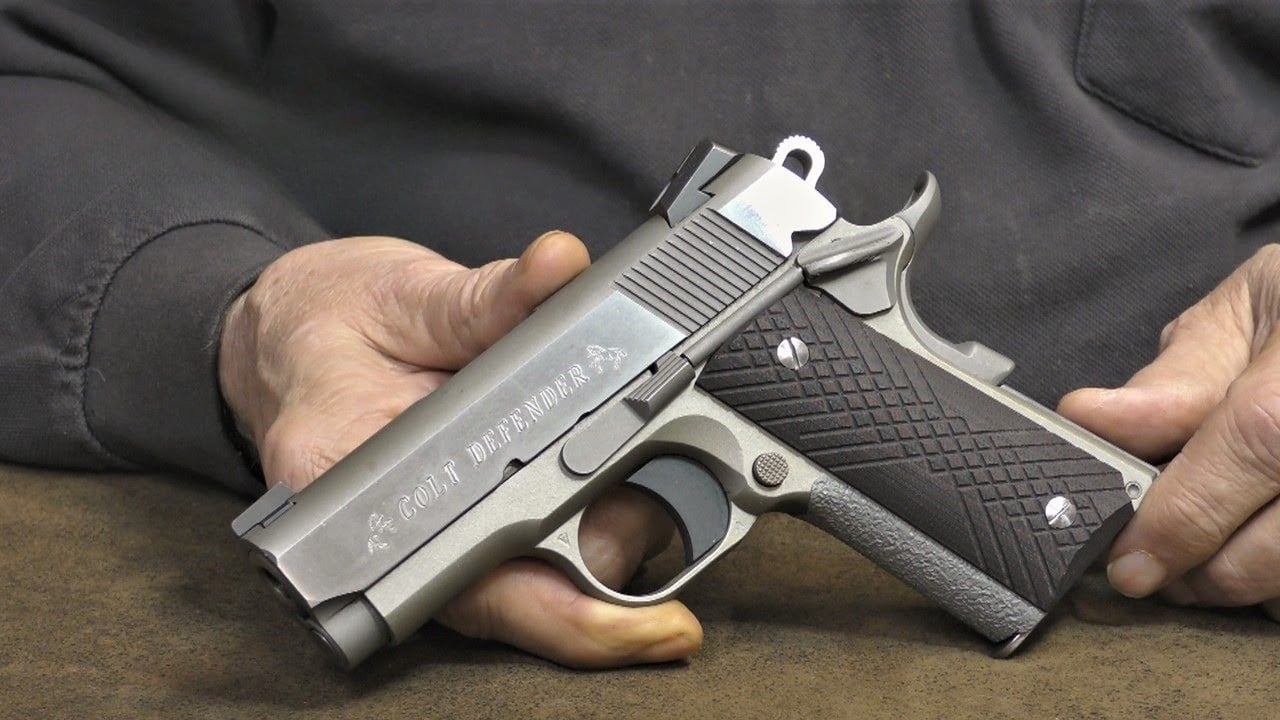
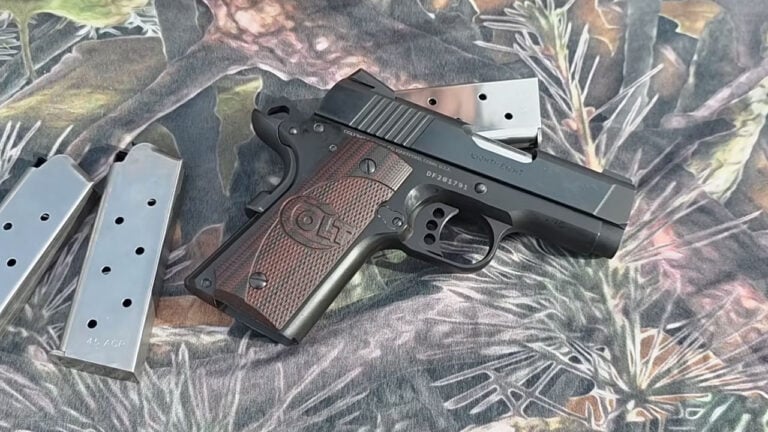
The Colt name and the pony logo do weird things to price tags, and the original box pours fuel on that fire. A Defender is a handy little carry 1911, but it’s also a short 1911, and short 1911s can be picky about mags and recoil springs. Owners sometimes run them hard, then trade them off when the maintenance rhythm gets old.
Here’s what I’d look at: is the recoil spring fresh, do the magazines seat positively, and does the gun lock back reliably on empty? Check the feed ramp and frame for dings from rough handling. Colts hold value, sure, but the condition of a used Defender matters more than having the correct cardboard. If the shop is pricing it like a safe queen, it better look and run like one.
7. Springfield Armory XD-S

The XD-S often shows up with everything: box, mag carrier, backstraps, and paperwork. That “complete kit” look makes pawn shops comfortable asking near-new prices. But a lot of XD-S pistols were carried a ton because they’re slim, and plenty were shot just enough to prove they’re snappy, then parked. That mix leads to a gun that looks fine but may have tired mags or a gritty trigger.
Pay attention to the magazines and the grip safety function. If the grip safety feels inconsistent or mushy, that’s not something I’d ignore. Also check for rust under the slide and around the rear sight area, especially if it was a summer carry gun. The box doesn’t keep sweat off metal. Condition does, and maintenance does.
8. CZ 75B (Omega or standard)
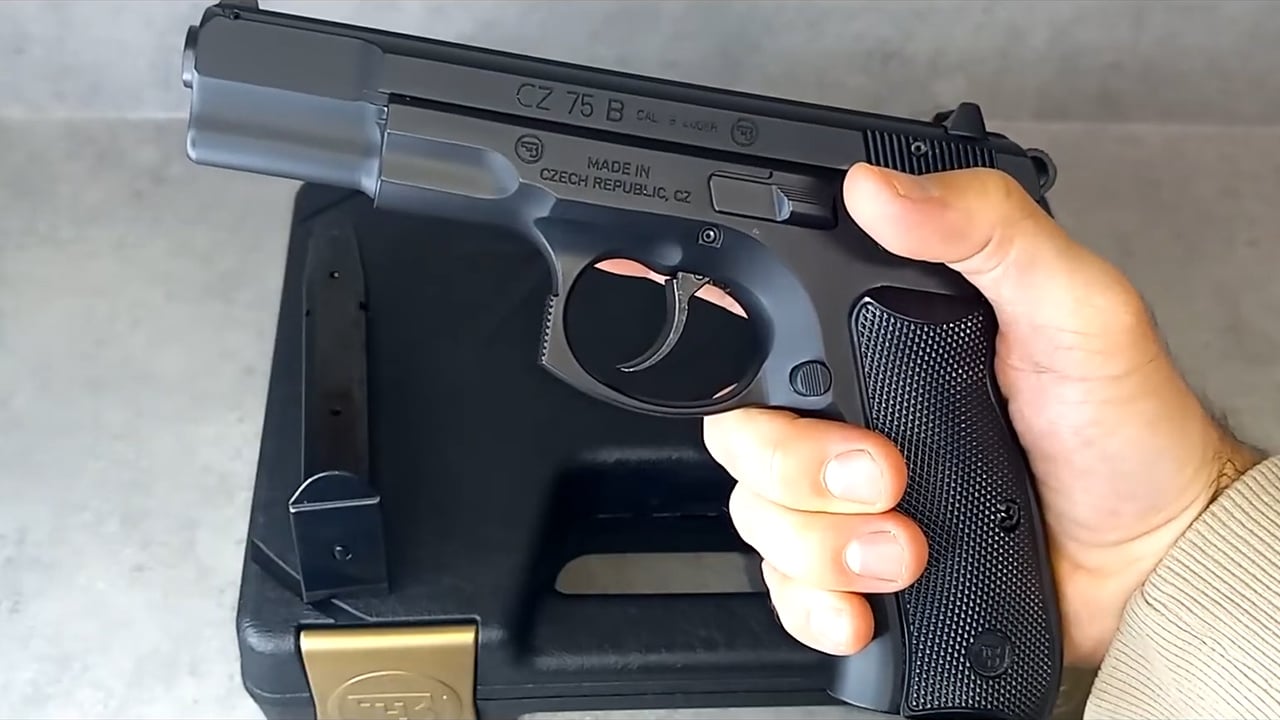
CZ owners tend to keep boxes, and that’s part of why these get “boxed-up” pricing. The CZ 75B is a fantastic shooter, but used ones vary a lot depending on whether they were a range darling or a nightstand gun. Some have beautiful smooth actions from honest shooting. Others have questionable spring kits and hammer work done at a kitchen table.
The key is the trigger feel and the safety/decocker function, depending on variant. If it’s an Omega, make sure everything operates the way it should and the parts feel properly fitted. Check the slide stop notch and the frame rails for peening. A CZ with a box is nice, but a CZ with a clean, correctly-running action is what you’re really buying.
9. Beretta 92FS
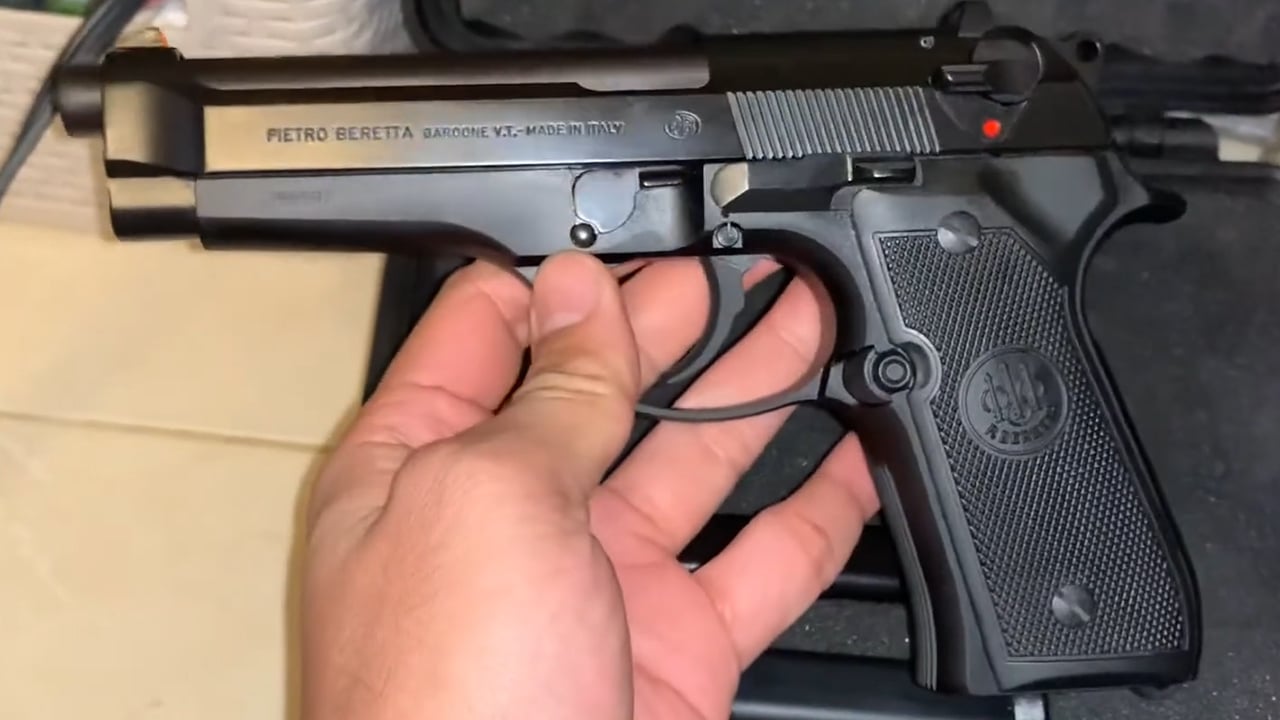
A Beretta 92FS in its blue plastic case looks official. It feels like a service pistol. Pawn shops love that, and they’ll often price it like a collector piece even when it’s a plain shooter with police trade-in miles. A lot of 92s have holster wear on the slide and shiny spots on the frame, which is normal, but it should affect price.
I’m checking the locking block area and overall slide-to-frame smoothness. The 92 is reliable, but locking blocks and springs are real wear items. Also, magazines matter. Factory mags or quality Mec-Gar mags are a big deal; off-brand mags turn a great pistol into a finicky one. If the shop is leaning on the case to justify a premium, look harder at the wear points that actually cost money later.
10. Heckler & Koch VP9
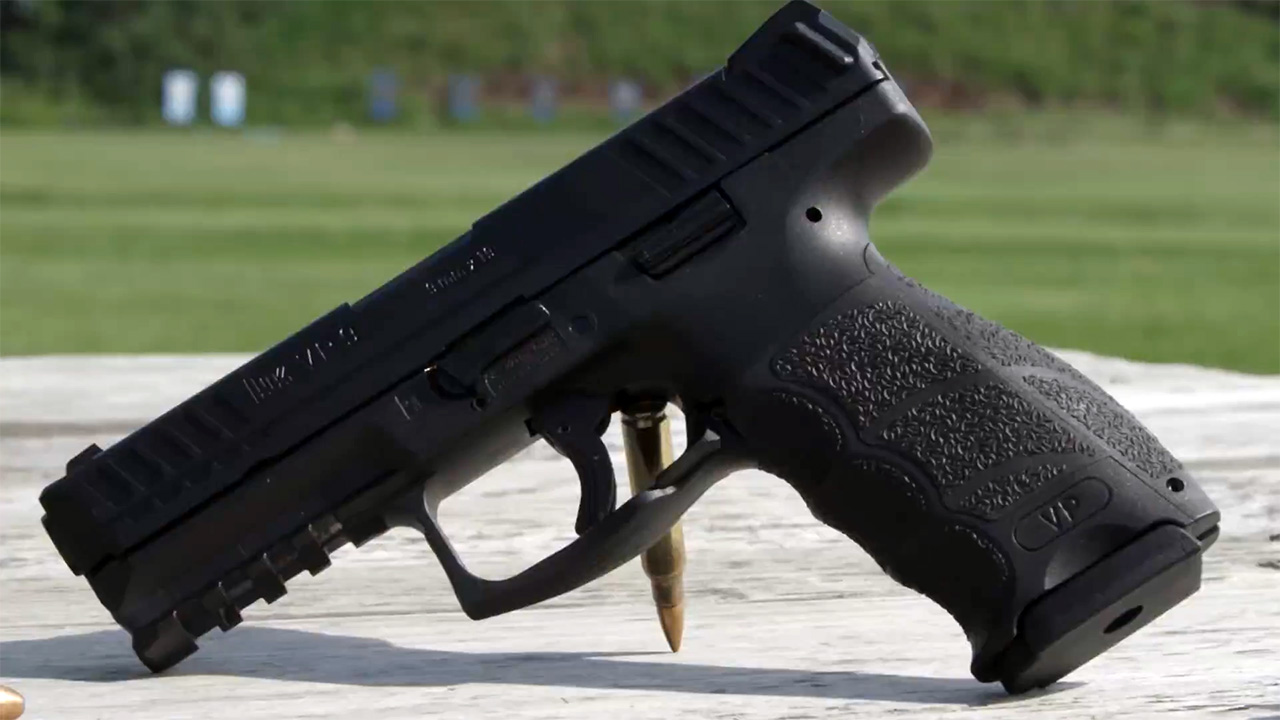
The VP9 comes in a nice case, and HK branding makes pawn shop tags creep up fast. The pistol itself is a great striker-fired gun, but it isn’t rare, and it isn’t immune to being shot a lot. Many VP9 owners buy it for the ergonomics, then later trade it when they decide they want a smaller carry gun or optics-ready setup.
Make sure the paddle or button mag release (depending on version) is crisp and that the magazines drop free. Check the sight condition and the striker channel area if it seems unusually dirty. Also confirm what variant it is—standard, tactical, optics-ready—because the case doesn’t prove anything. HK mags aren’t cheap, either. If the price is “HK-new” but it comes with only two mags and visible wear, the case shouldn’t be the deciding factor.
11. Ruger GP100
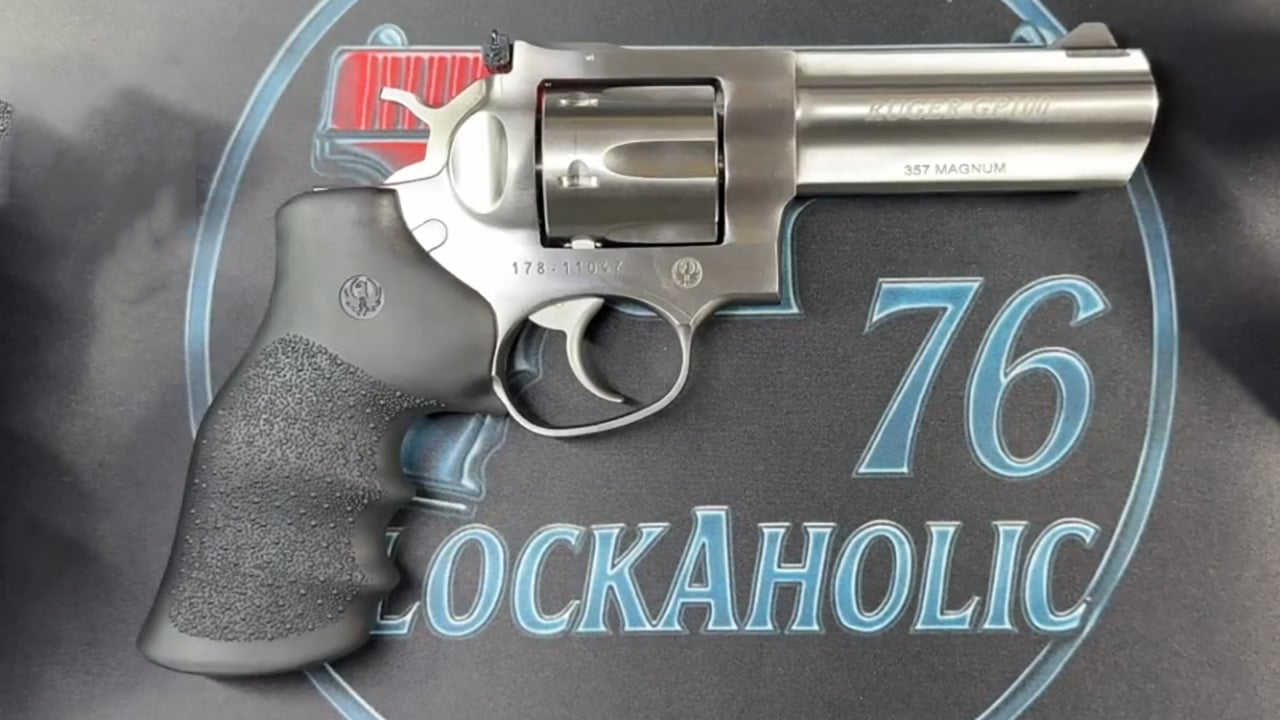
A revolver with its original box and Ruger paperwork looks like it should bring top dollar, and sometimes it should. But GP100s get used. They get run with heavy .357 loads. They get tossed in truck consoles and banged on deer stands. The pawn shop box can make you forget you’re looking at a revolver that may be out of time or has been dry-fired a million times without snap caps.
Check lockup, cylinder play, and timing the right way—slowly, deliberately, and safely. Look at the forcing cone and top strap for cutting. A GP100 is a tank, but it isn’t magic. If the shop is pricing it like it’s unfired because the box is clean, the revolver better have tight lockup and a smooth, consistent double-action pull to match.
12. Smith & Wesson Model 686

The 686 is another one where a nice factory box can push a pawn shop price into the clouds. Stainless revolvers photograph well and look “new” even when they’ve been shot a lot. If you’re not paying attention, you’ll pay for the box and miss the fact that the gun has endshake or a rough spot in the cylinder rotation.
Look closely at the cylinder face and the area under the extractor star for crud and wear. Open and close it gently and make sure it feels tight and correct, not wobbly. Also check the rear sight and screws for mangling. The 686 is a classic for a reason, but it’s still a machine. A clean box doesn’t mean the timing is perfect, and timing is what you’re paying for on a wheelgun.
13. Taurus Judge
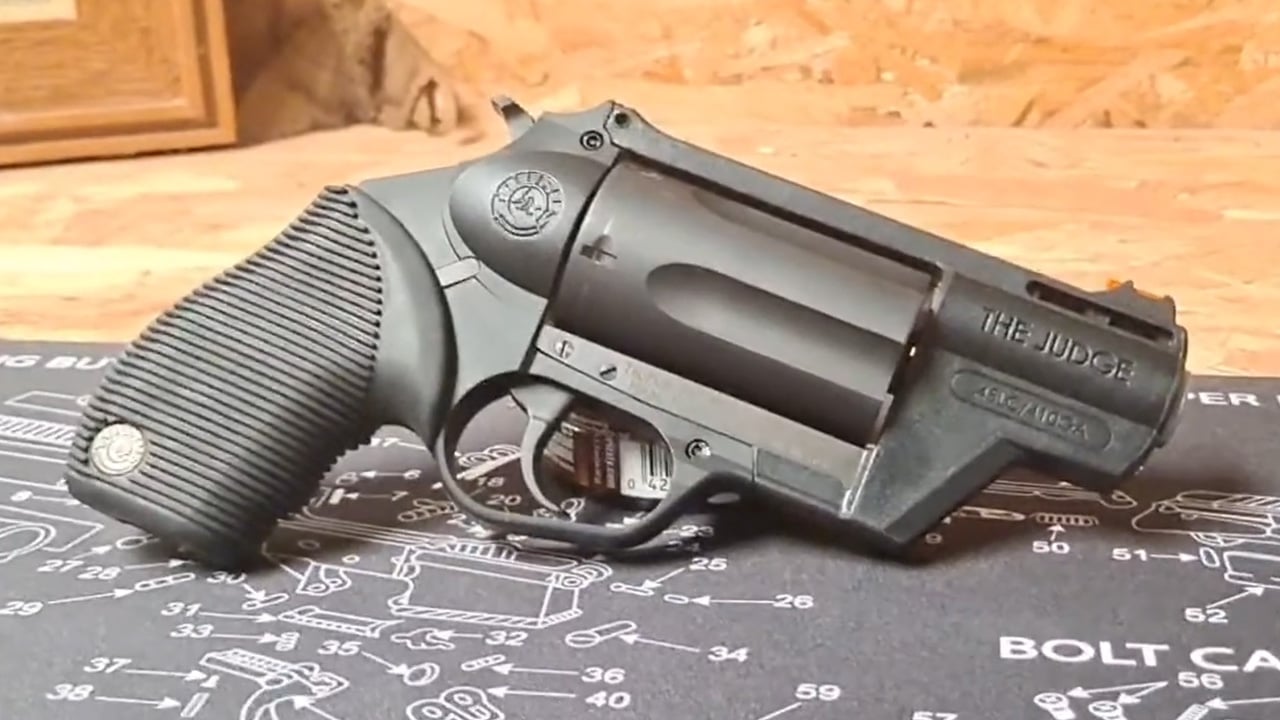
The Judge is one of those guns that gets bought on a whim, shown off, shot a handful of times, and then sold. So it often comes with the box, inserts, and even the goofy marketing material. That “almost new” presentation encourages pawn shops to price it like a hot item, even though the used market is full of them.
Here’s the thing: it’s big, it’s heavy, and many owners realize it doesn’t carry well and doesn’t do any one job particularly well. Check cylinder lockup and make sure the chambers are clean and not pitted. Also check the forcing cone area for odd wear, because mixed ammo types can do strange things over time. If you want one, fine, but don’t pay a premium just because it looks like it was only taken out for a couple of photos.
14. FN Five-seveN (older USG models)
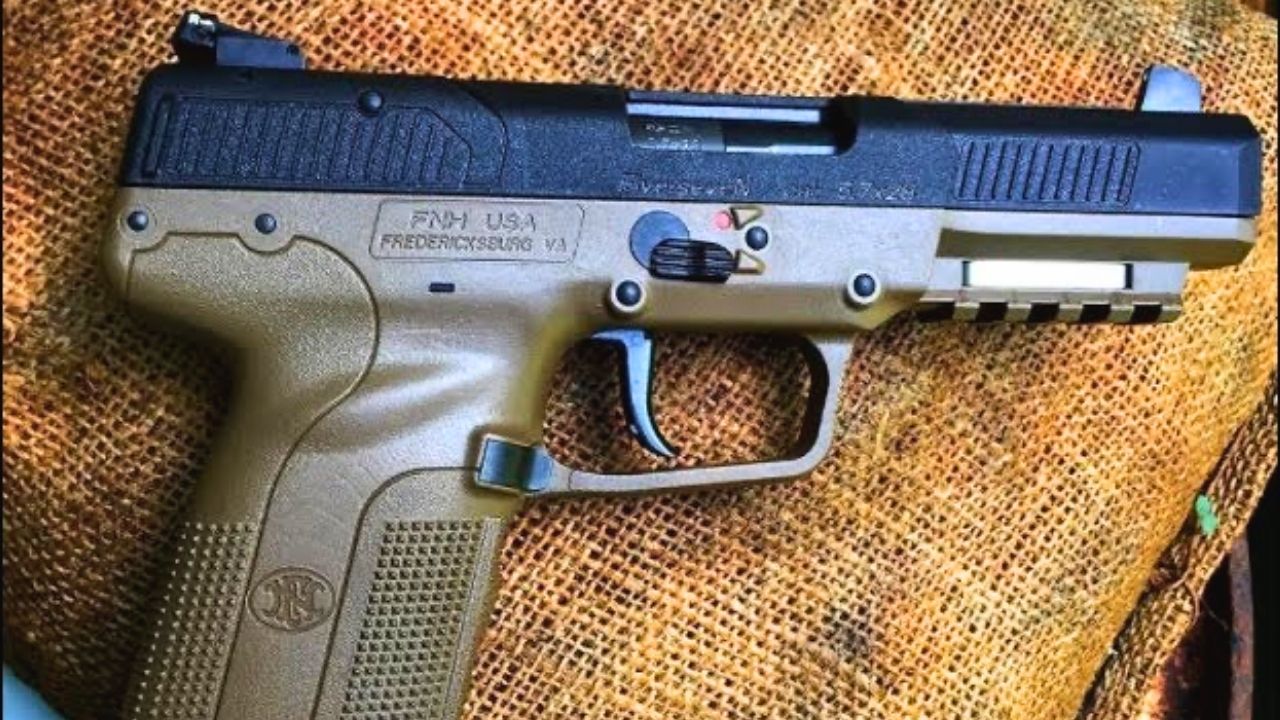
When a Five-seveN shows up with its original case, the price tag can get silly in a hurry. It’s a niche pistol with a reputation, and pawn shops know the name gets attention. But you’re still buying a polymer pistol that may have a lot of rounds through it, and you’re buying into a cartridge that isn’t cheap to feed compared to 9mm.
Check magazine condition carefully. Mags are expensive, and worn feed lips or damaged baseplates matter. Look for cracks around the frame and check the controls for crisp engagement. Also confirm what sights and accessories are included, because “box complete” often distracts from missing mags or aftermarket parts you didn’t ask for. It’s a neat gun, but it’s easy to overpay when the shop is selling the mystique more than the pistol.
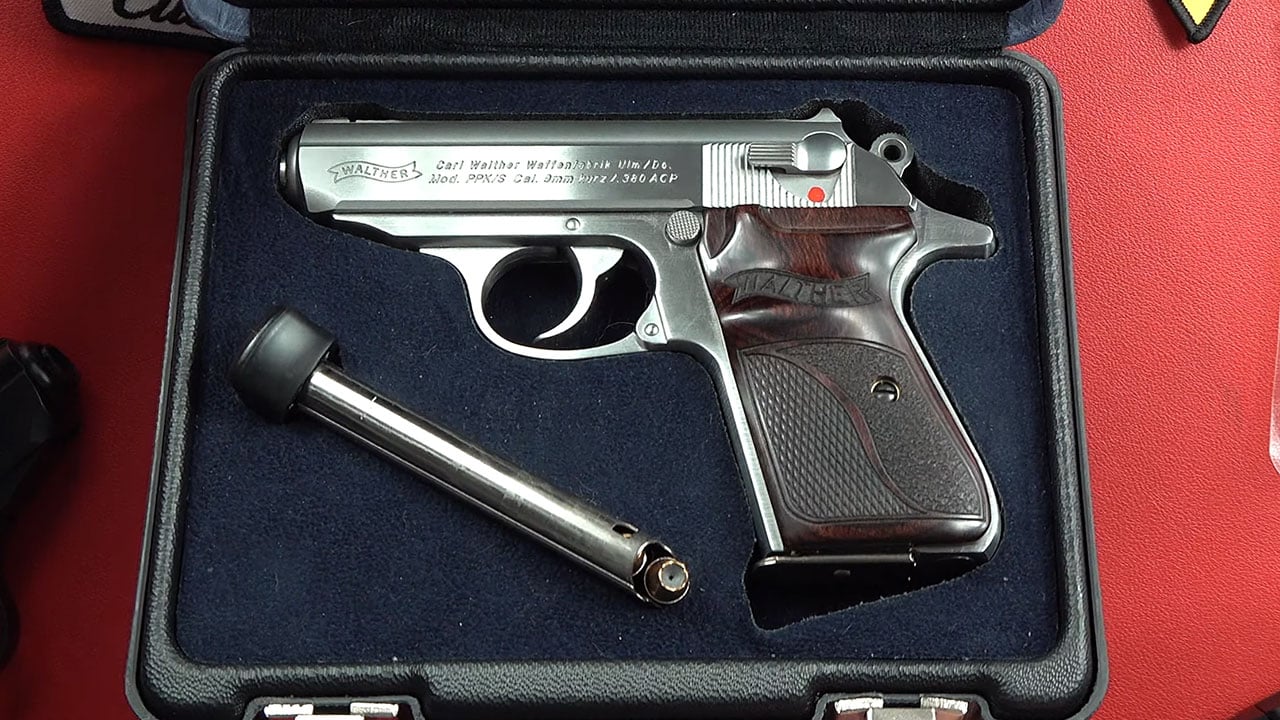
15. Walther PPK/S
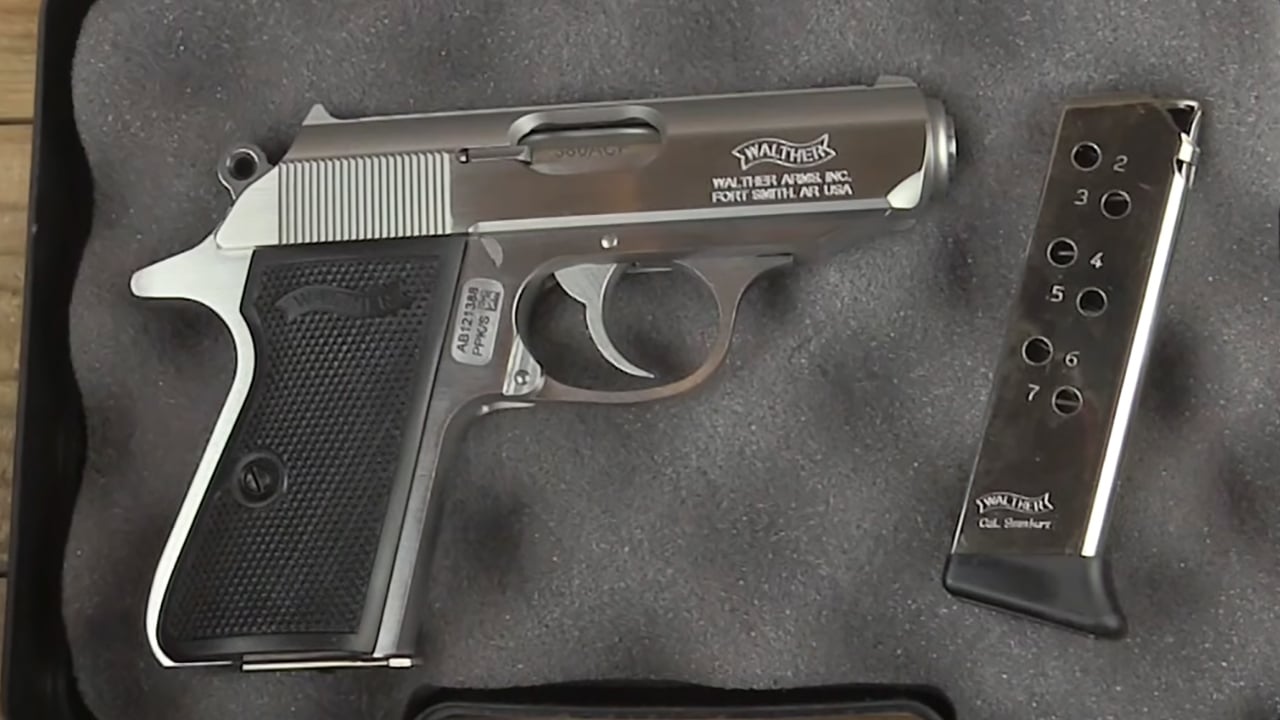
The PPK/S has that old-school cool factor, and a matching box makes it feel like a movie prop or a collectible. Pawn shops love leaning into that. The reality is that many PPK/S pistols are not fun to shoot for extended range sessions. They can bite the web of your hand, they can be finicky with certain ammo, and the sights are often small by modern standards.
On a used one, I’m checking slide bite wear marks and overall function with the safety/decocker. The double-action trigger pull can be heavy, and if it feels rough or inconsistent, it’s a sign the gun has seen some questionable handling. Collectability depends on specific markings and production runs, not just “it has the box.” If the pawn shop is pricing it like a museum piece, you better be sure it’s actually a desirable variant.
16. Smith & Wesson Model 29
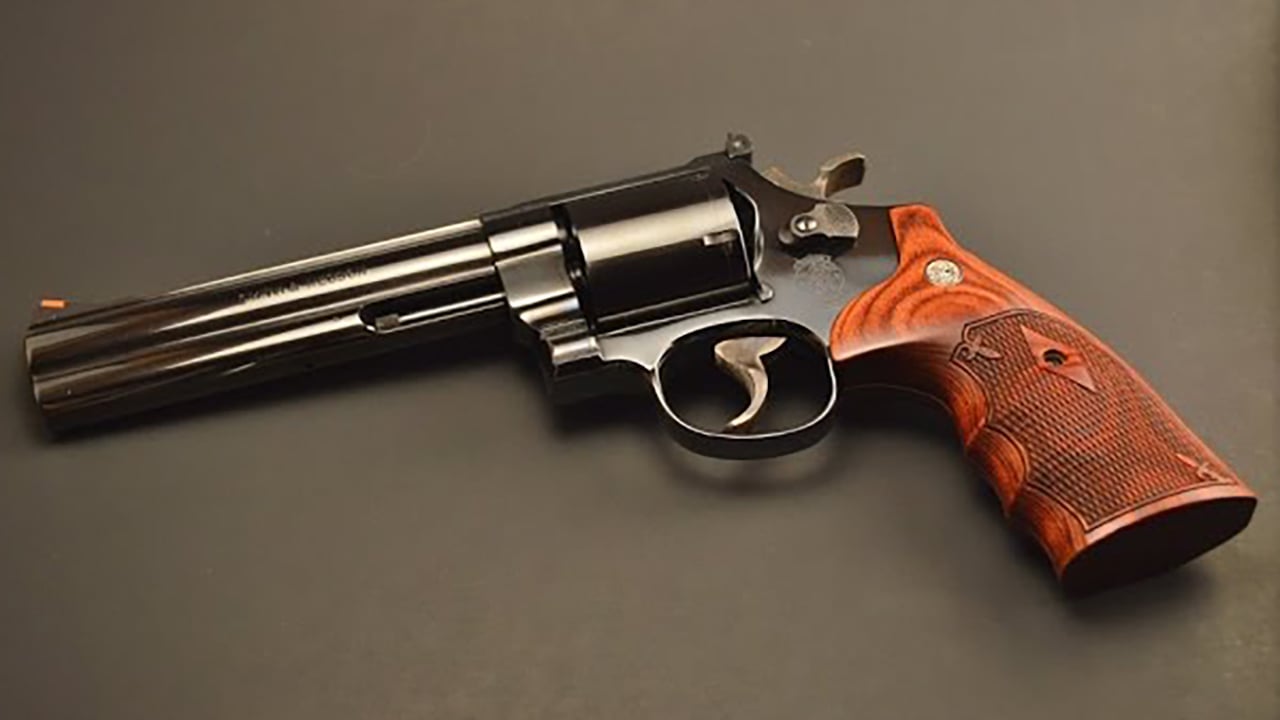
A .44 Magnum with the right blue box and tools can make a pawn shop owner’s eyes light up. The Model 29 is iconic, and there are buyers who will pay for a clean, correct package. But plenty of these revolvers were used hard with full-house loads, and the outside can look fine while the inside has been stressed.
Look for endshake, timing issues, and wear around the cylinder stop notches. Check the forcing cone for cracks and the top strap for flame cutting. If the revolver has been “loved” by a steady diet of hot loads, it will show if you know where to look. The box is cool, but the mechanical condition is everything on a big-bore wheelgun. That one hurts when you overpay, because repairs aren’t always cheap or simple.
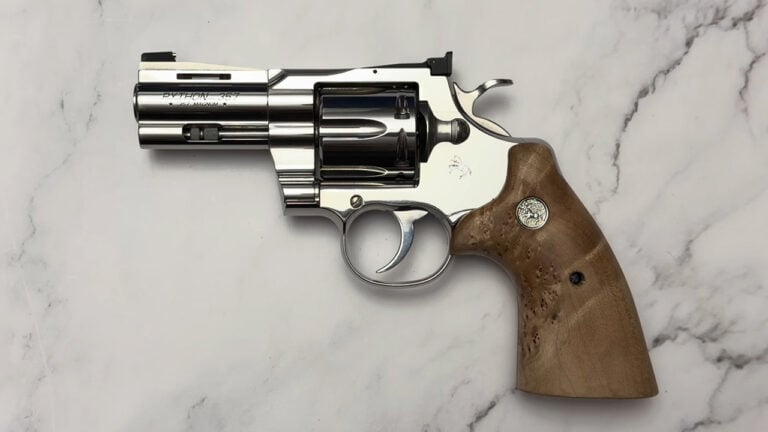
17. Colt Python (modern production)
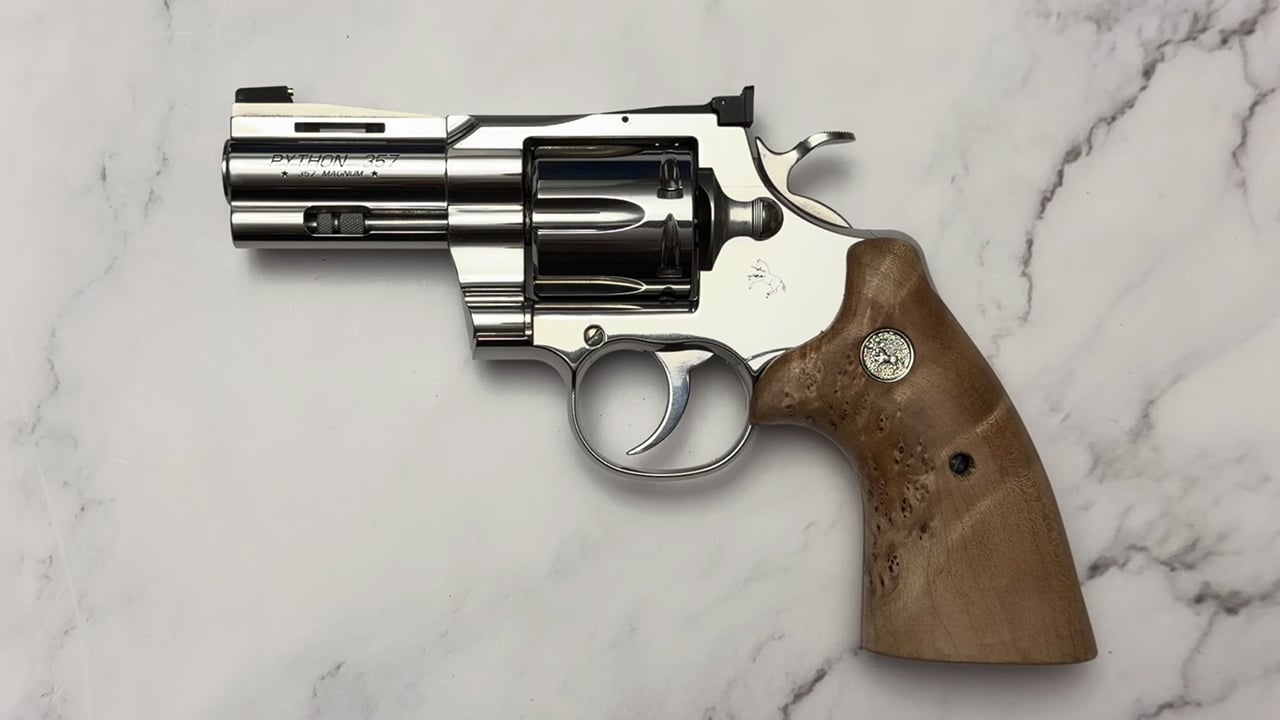
Modern Pythons show up with pristine boxes because many buyers treat them like investments. Pawn shops tend to price them accordingly, sometimes ignoring the fact that “modern Python” isn’t the same thing as “mint old Python,” and sometimes ignoring minor issues because the presentation looks perfect. A shiny stainless revolver in a fresh case makes folks careless.
Inspect it like a revolver, not like a brand. Check timing, lockup, and how the cylinder feels at full lock. Look at the crown and forcing cone, and make sure the action is smooth without stacking or grit that doesn’t belong. If you’re buying it to shoot, you want a shooter price, not a collector premium driven by the box. If you’re buying it to collect, you’d better know exactly what you’re collecting.
18. Browning Hi-Power (FN or Browning-marked)
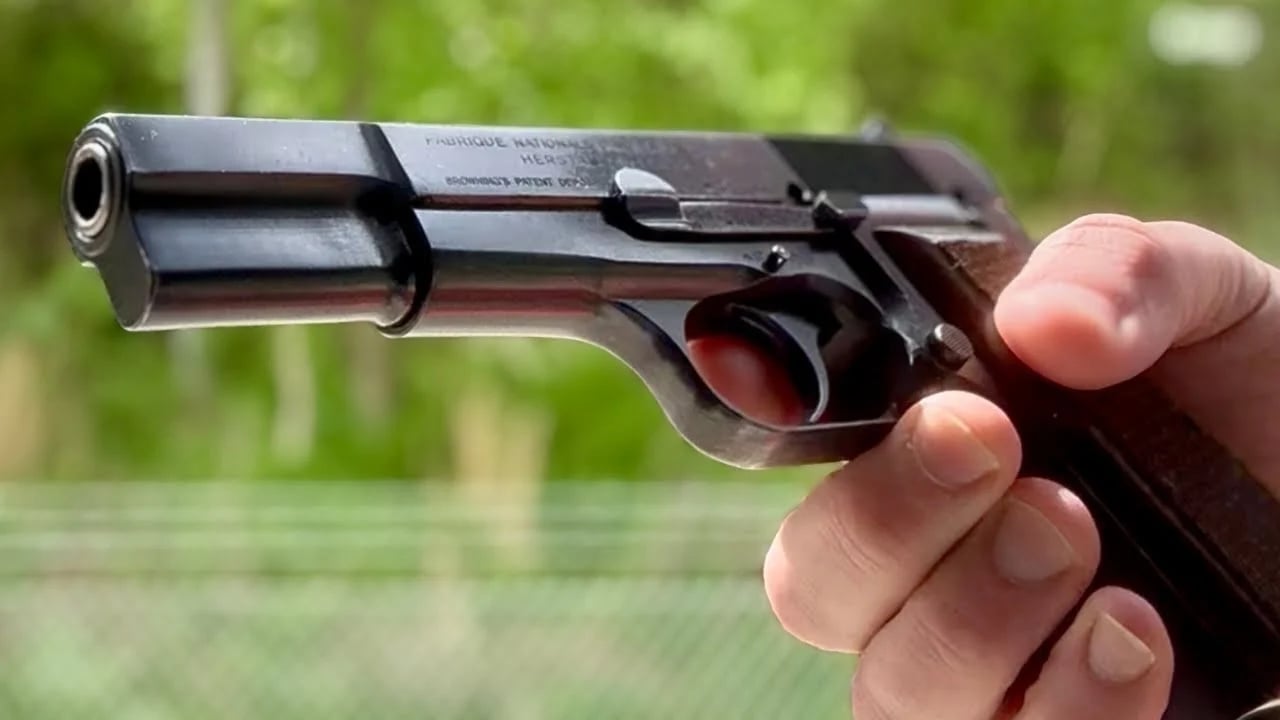
A Hi-Power in the correct box can absolutely bring more money, but pawn shops sometimes jump straight to “collector” pricing even when the pistol is a mixed-parts shooter or has been refinished. The Hi-Power has enough variations that a box alone doesn’t prove much. I’ve seen nice-looking examples with small parts swapped and sights changed, then marketed as “original.”
Check the finish closely and look for rounded edges that suggest polishing before refinishing. Check magazine fit and whether it has the magazine disconnect, because that affects trigger feel and collectability. Also pay attention to the feed ramp and throat work if it’s been modified for modern hollow points. The Hi-Power is a sweet handgun, but it’s easy to pay too much if you’re buying the nostalgia and not the actual configuration in your hands.
19. Springfield Armory 1911 Mil-Spec
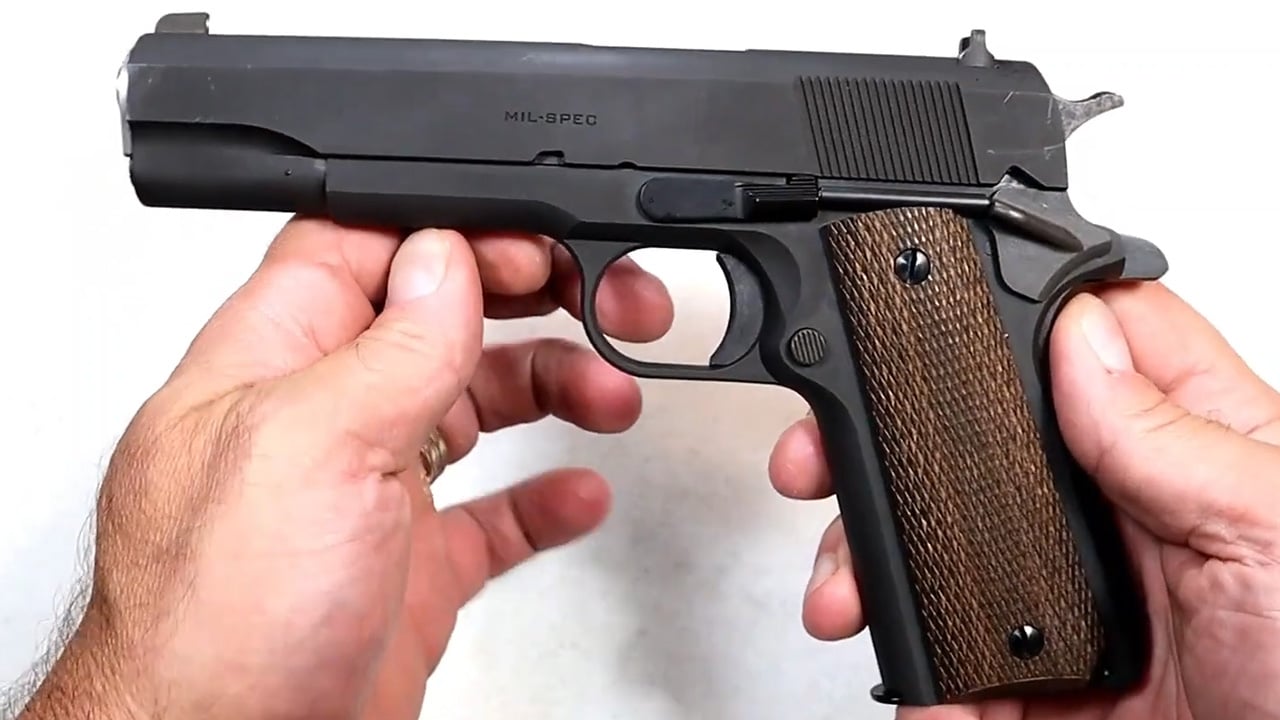
The Mil-Spec is a straightforward 1911, and it often comes with a tidy case and all the factory stuff. That makes it easy for pawn shops to price it like a “serious 1911,” even when it’s a basic model with basic sights and a basic trigger. Nothing wrong with that—basic works—but basic shouldn’t command boutique pricing.
Look at the usual 1911 wear points: barrel fit, bushing area, slide stop notch, and how smoothly it cycles. Ask what mags are included and whether the gun has been modified. A lot of Mil-Specs get “upgraded” with cheap parts, and that can hurt reliability. If you want a simple .45 that runs, a clean Mil-Spec can be a good buy. Just don’t pay extra because the foam insert still looks new.
20. Beretta 3032 Tomcat
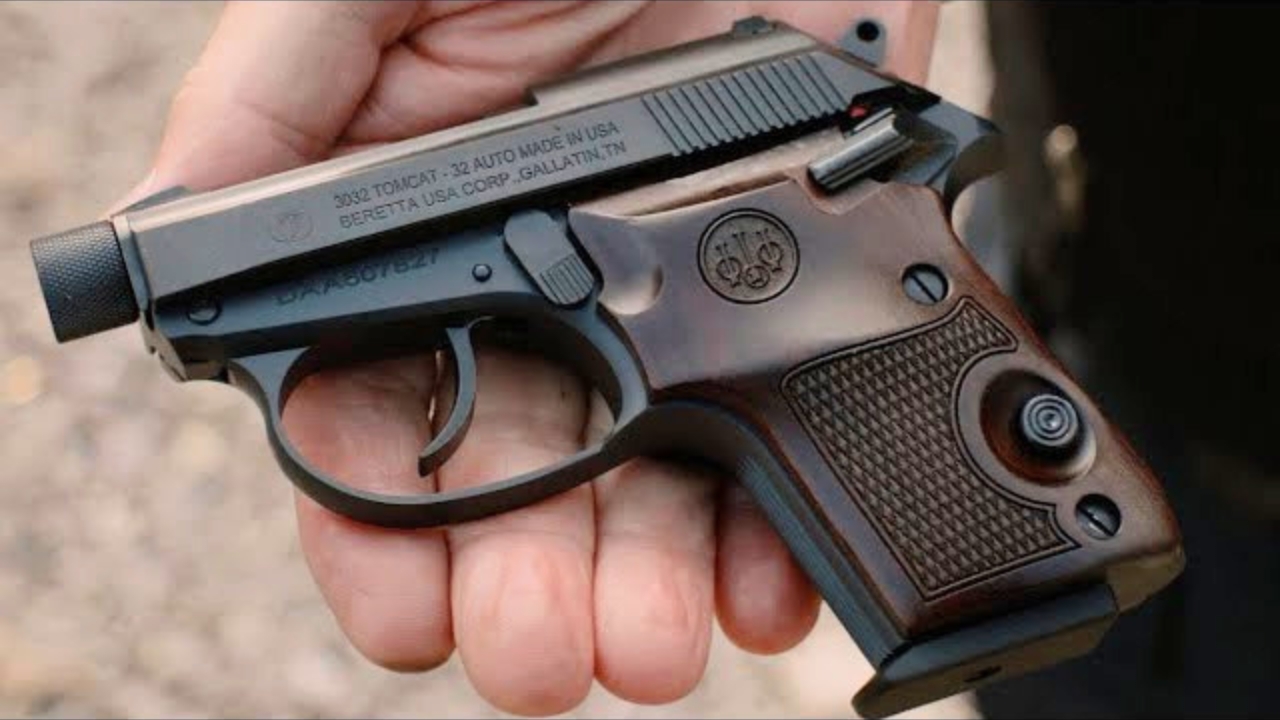
The Tomcat is one of those pistols that often sits in a drawer for years, so it shows up with the case and paperwork like it’s been preserved. Pawn shops like that story. But the Tomcat has its own quirks, and age doesn’t always treat small pistols kindly. Springs take a set, lubricants dry out, and tiny parts can get finicky.
Check the tip-up barrel latch function carefully and make sure it locks solid. Look for cracks or unusual wear around the frame area that takes stress, especially if it was shot with hotter .32 loads. Also check magazine availability and condition, because a small pistol is only as dependable as its feeding. The box can make it feel like a time capsule, but you still need it to run if you’re buying it for anything beyond novelty.
None of this is a knock on pawn shops. They’re in the business of making money, and a complete package sells. The trick is not letting packaging do the thinking for you. Look at wear, parts, mags, and how the gun actually feels in hand. A box is nice to have, but it’s the pistol that has to carry well, shoot straight, and work every time.
Like The Avid Outdoorsman’s content? Subscribe to our newsletter so you never miss an article.
Here’s more from us: