Photo credit: Pheasants Forever and Quail Forever/Youtube
Every bird hunter I know has a little graveyard of “good ideas” that got traded off. A shiny new autoloader that never quite fit. A light upland gun that kicked like a mule. A “tactical” scattergun that mostly just took up room. Then there are the shotguns that somehow never hit the classifieds. They might get a new pad, a different choke tube, or a fresh coat of oil, but they don’t get sold. Those are the keepers—guns that point right, run dirty, and keep breaking birds when your hands are cold and your dog’s already on his third mile.
Here are 20 models skilled field shooters tend to hang onto long after the trade bait is gone.
1. Remington 870 Wingmaster
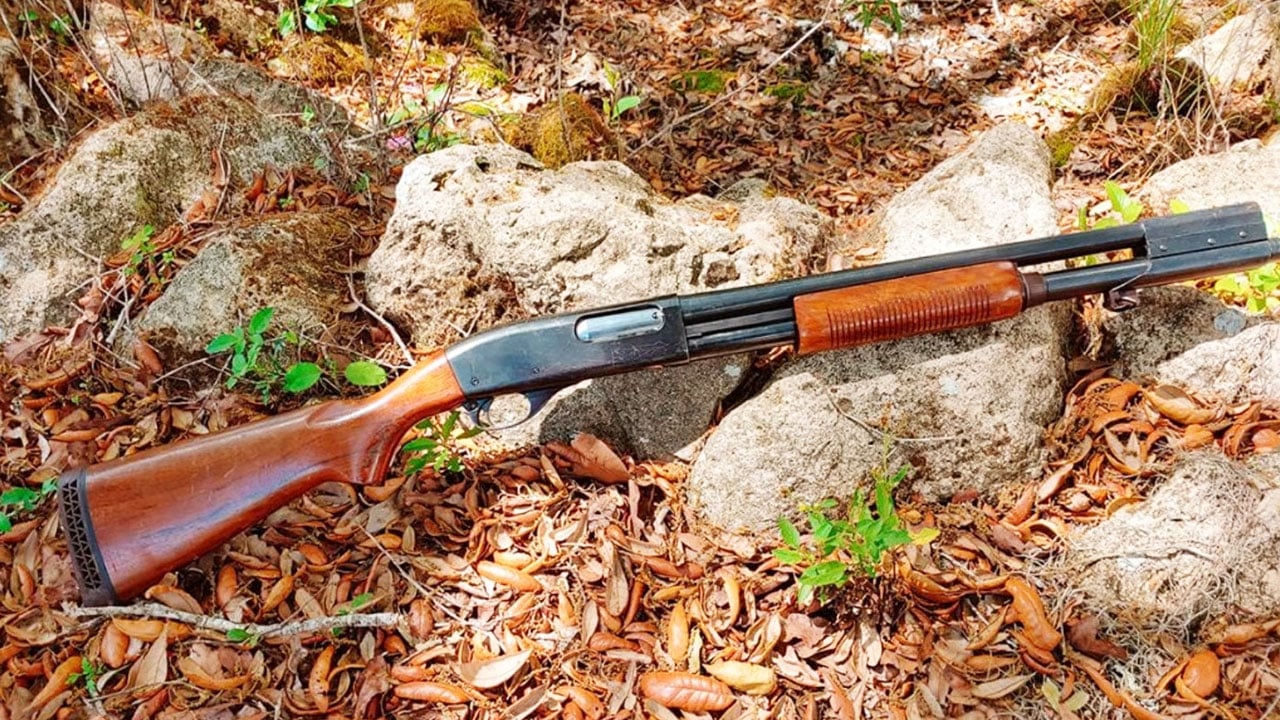
The Wingmaster is the pump gun that makes other pumps feel like they’re full of gravel. The action has a slickness you notice the first time you run it with gloves on, and it only gets better with years. A lot of these have lived hard lives behind truck seats and in duck boats, and they still lock up like they mean it.
It’s not light, and it’s not fancy. That’s part of why it stays. When a guy has an old Wingmaster that patterns well with his favorite loads and doesn’t short-stroke under pressure, he stops looking for a replacement. You can dress one up with barrels and chokes or leave it plain. Either way, it’s a field tool that just keeps showing up to work.
2. Remington 1100
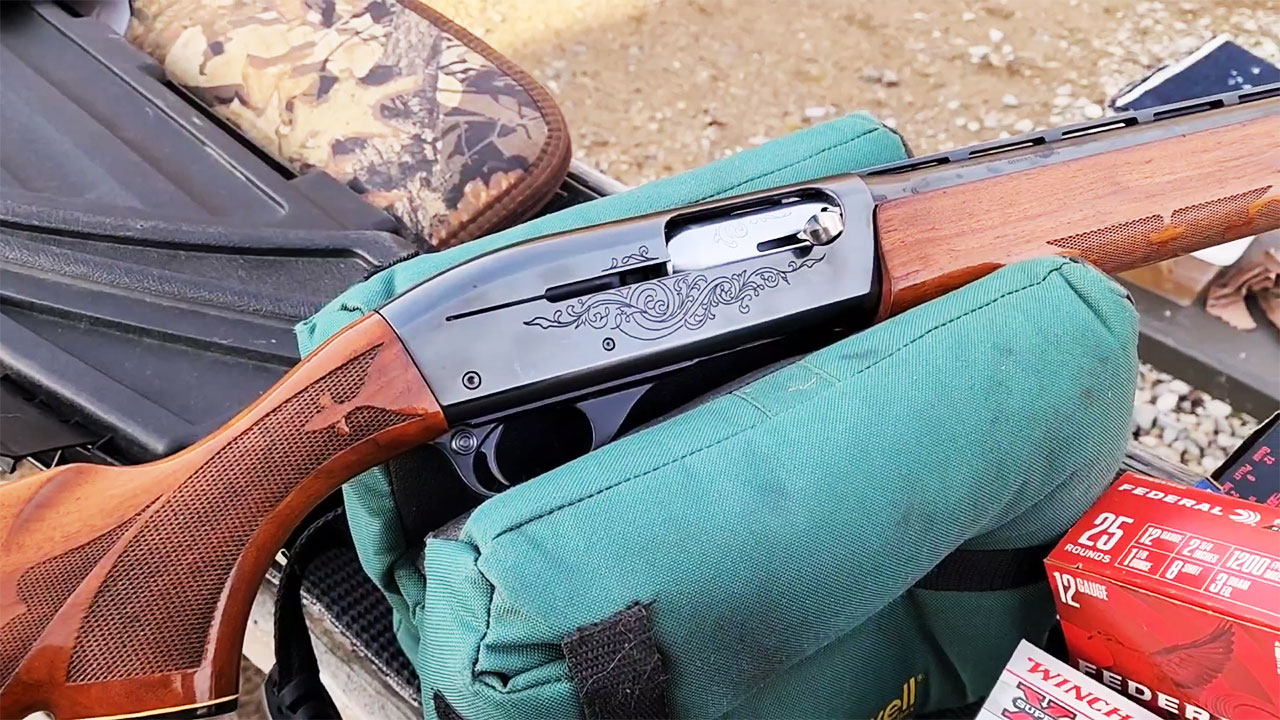
If you grew up around trap fields or dove farms, you’ve seen the 1100 earn its keep. It’s soft shooting in a way that makes long days manageable, and it swings with that steady, “keep moving” feel that helps on crossing birds. The gun has enough weight to smooth out bad timing without feeling like an anchor.
Yes, it needs basic gas-system maintenance. The O-rings and seals aren’t magic, and you can’t neglect it forever. Still, a properly kept 1100 is one of those semi-autos that just feels right. When someone finds one that cycles their loads and fits their cheek, they’ll tolerate the extra cleaning because the gun flat-out breaks targets and folds birds.
3. Remington 1187
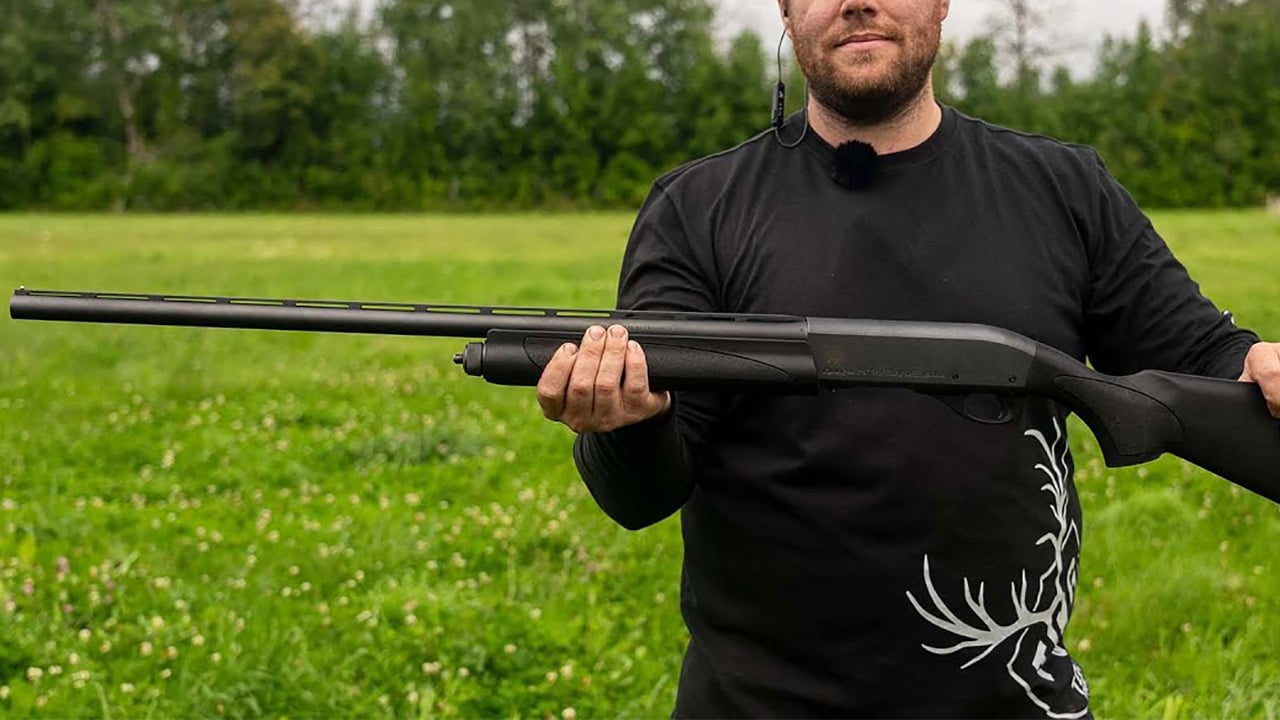
The 11-87 doesn’t get the same romance as the 1100, but it’s a serious do-all semi-auto. It handles a broader range of loads in typical field setups, and it’s a gun you can drag from early teal to late-season geese without feeling undergunned. The balance is familiar, especially for folks who’ve carried Remington autoloaders for years.
Where it earns “keeper” status is reliability in ugly weather when it’s reasonably maintained. A good 11-87 is a confidence gun—one you take when you’re tired of experimenting. It’s not the lightest option, and it won’t impress the guy at the gun counter who only reads spec sheets. In a blind at daybreak, it matters that it runs.
4. Browning A-5 (Auto-5)
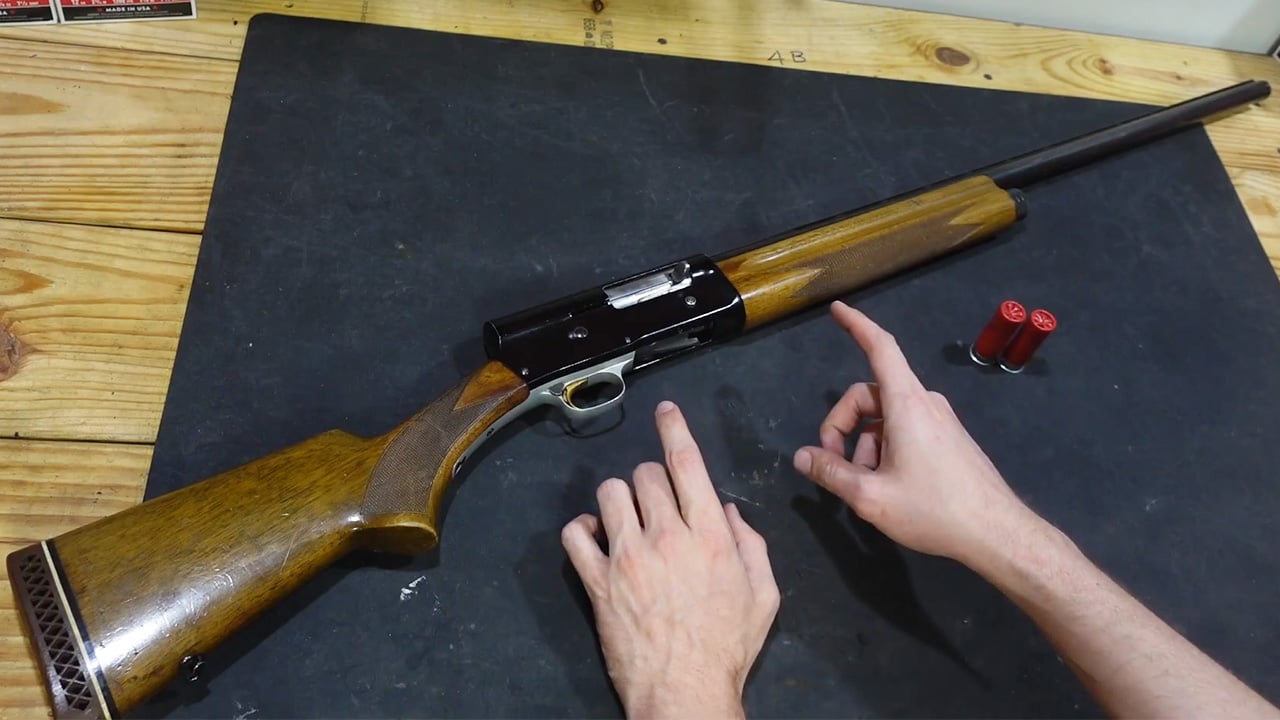
The old humpback has a way of sticking around even when everything else gets modernized. The recoil-operated design has its own rhythm, and the gun carries like a long, steady pointer. In the field, that translates into a smooth follow-through that helps more than most folks want to admit.
It’s not for everybody, especially if you don’t want to mess with friction rings or you’re sensitive to recoil. But the A-5 has soul and utility, and it’s built like it expects to be hunted for generations. A lot of skilled shooters keep one because it’s the gun they shoot well when they stop thinking and just mount and swing. Ask me how I know.
5. Browning BPS
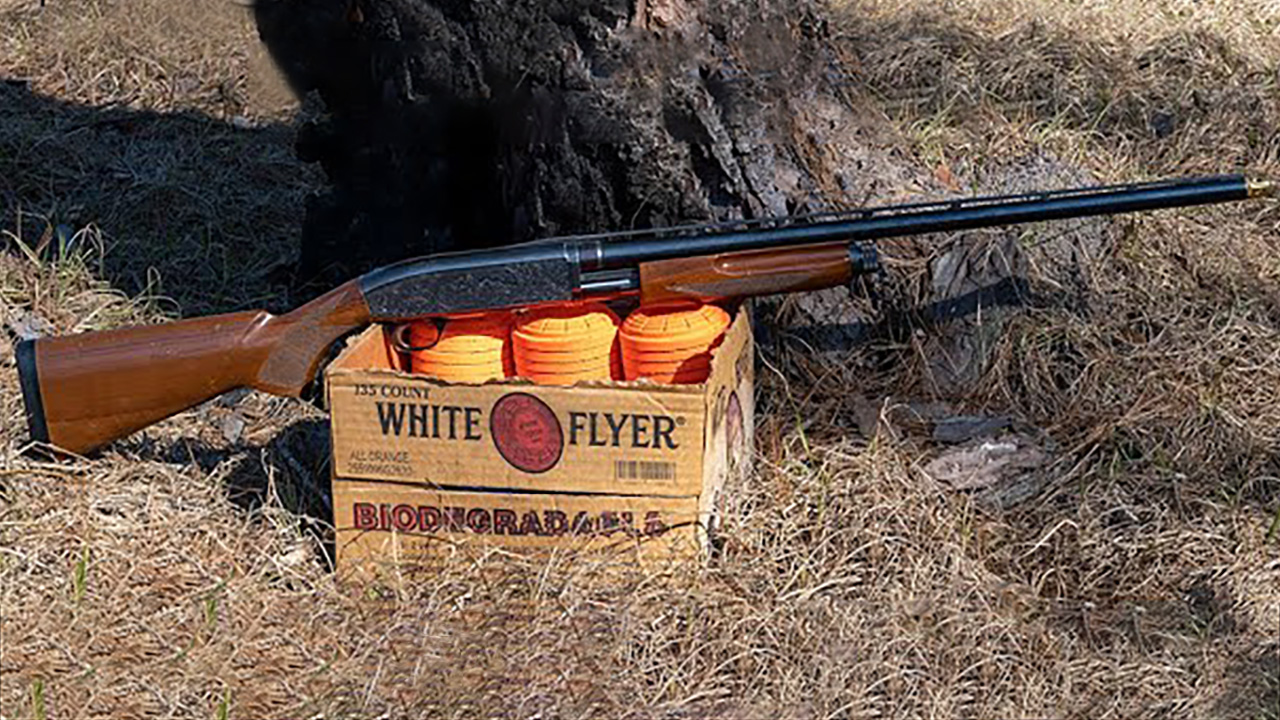
The BPS is one of those “boring” guns that ends up being the smartest one in the safe. Bottom ejection and ambidextrous controls make it a lefty’s friend, but it’s also great for anyone hunting in tight quarters where side-eject can be a nuisance. It’s a pump that feels solid, like a piece of equipment instead of a plastic appliance.
It can be a little heavier than some comparable pumps, and you’ll notice it on long upland walks. Still, weight also makes it steadier on passing shots and less jumpy on the mount. The BPS doesn’t chase trends. It just works, and that’s why it stays when the “new hotness” gets traded after one season.
6. Browning Citori
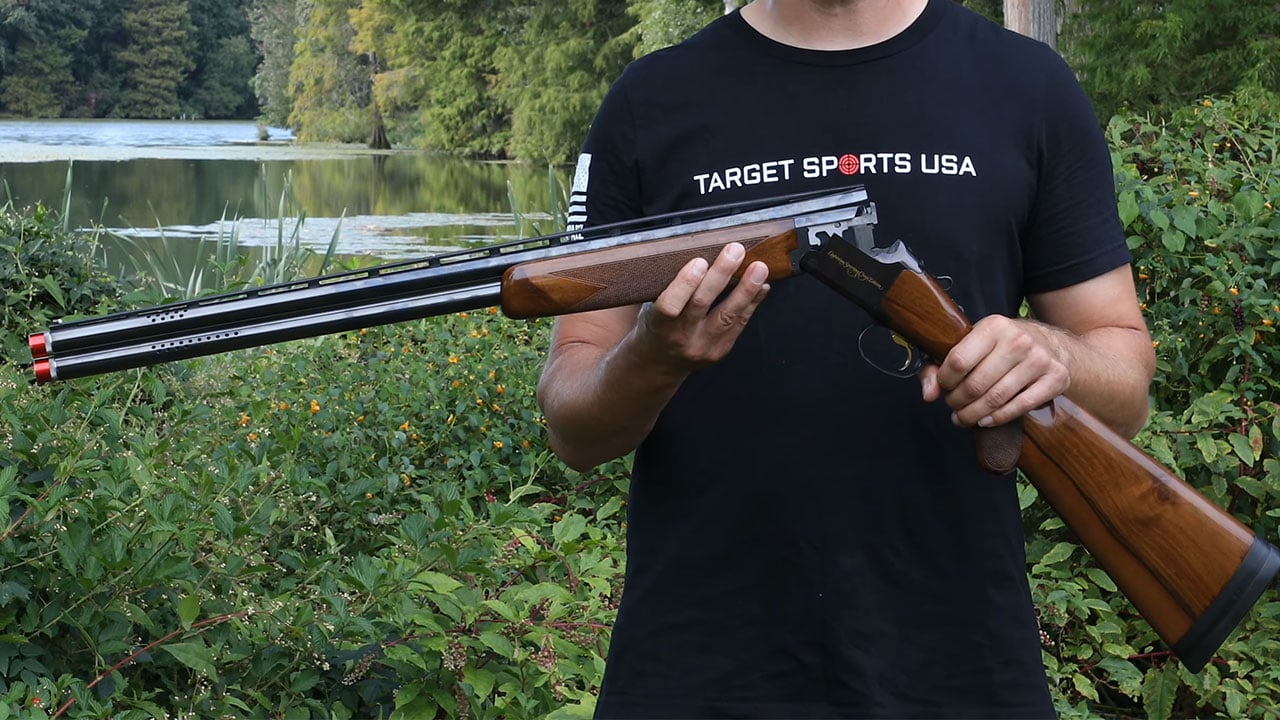
A Citori is what happens when “good enough” isn’t the standard anymore. These over/unders take abuse, keep their lockup, and don’t get weird after a couple cases of shells. The balance tends to be honest—neutral, predictable, and easy to repeat. If you shoot a lot, repeatability is everything.
They aren’t cheap, and that’s part of why they stick around. Once a shooter finds a Citori that fits, it becomes their baseline gun. Sure, you can buy lighter, flashier O/Us, but the Citori is the one you trust when you’ve got one chance at a rooster that’s rocketing out with the wind. It’s a “grab it and go” kind of confidence.
7. Beretta 686 Silver Pigeon I
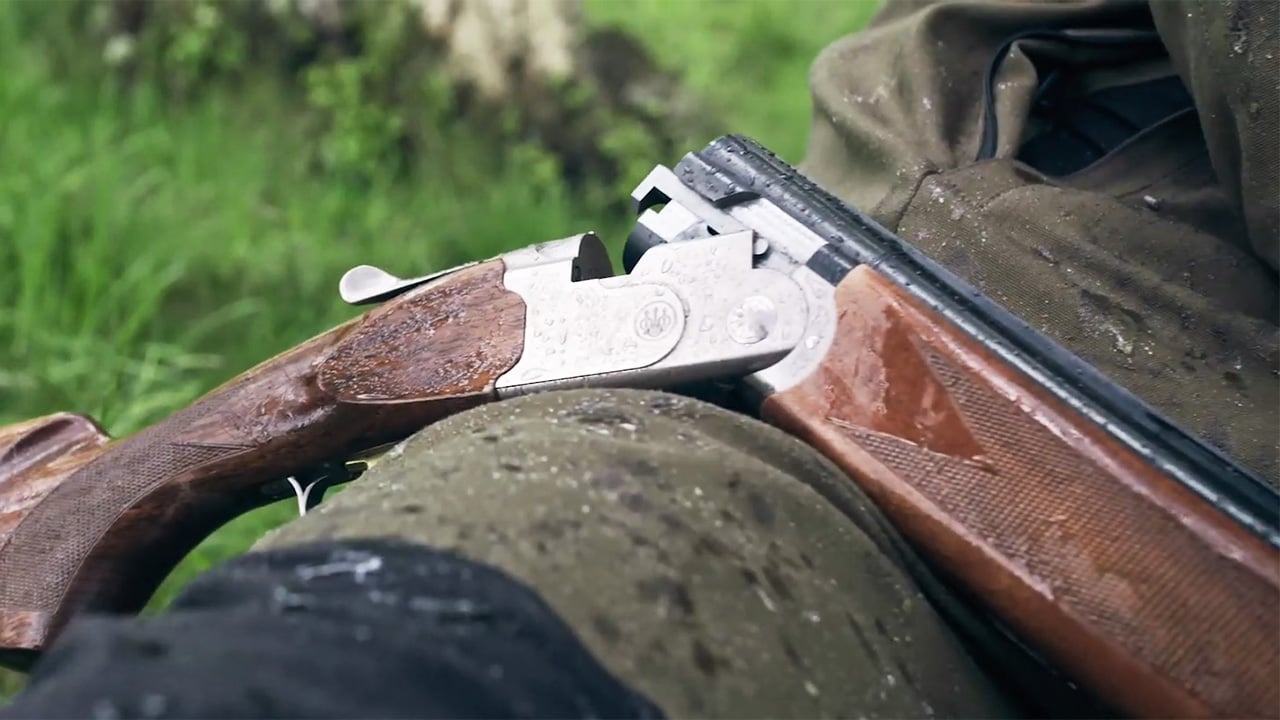
The 686 is a classic because it’s not trying to be clever. It carries well in the uplands, opens and closes with that smooth Beretta feel, and it points like it wants to find the bird for you. A lot of folks who shoot both clays and birds settle into the 686 because it does both without drama.
It’s also one of the easier quality over/unders to live with long-term. Parts support is real, the design is proven, and you don’t feel like you’re babysitting a delicate showpiece. You might buy something fancier later, but a 686 tends to hang around as the “known quantity” when conditions are rough or when you’re introducing a new hunter and don’t want surprises.
8. Beretta A400 Xtreme Plus
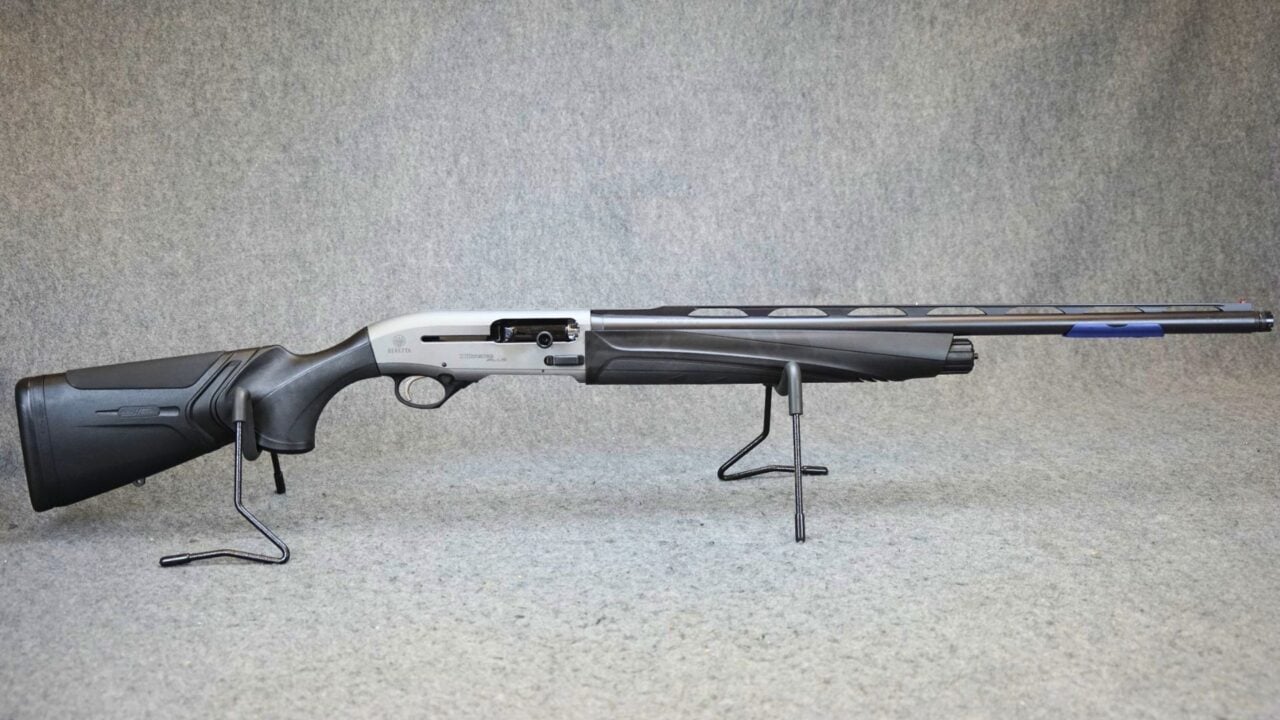
Waterfowlers who hunt hard tend to get practical fast. The A400 Xtreme Plus is a modern gun, but it’s earned its reputation by running in cold, wet, muddy places where pretty guns become problems. It cycles fast, handles heavy loads without feeling abusive, and it’s one of the few autoloaders that still feels manageable after a long morning of getting pounded by wind.
It’s not a small investment, and you’ll see plenty of them that look “used” in a hurry because they’re actually hunted. That’s a compliment. When a gun keeps working after it’s been dragged through cattails, leaned against blind walls, and wiped down with whatever rag is in the truck, you stop thinking about swapping it. You just keep extra shells in your pocket and go.
9. Beretta A300 Ultima
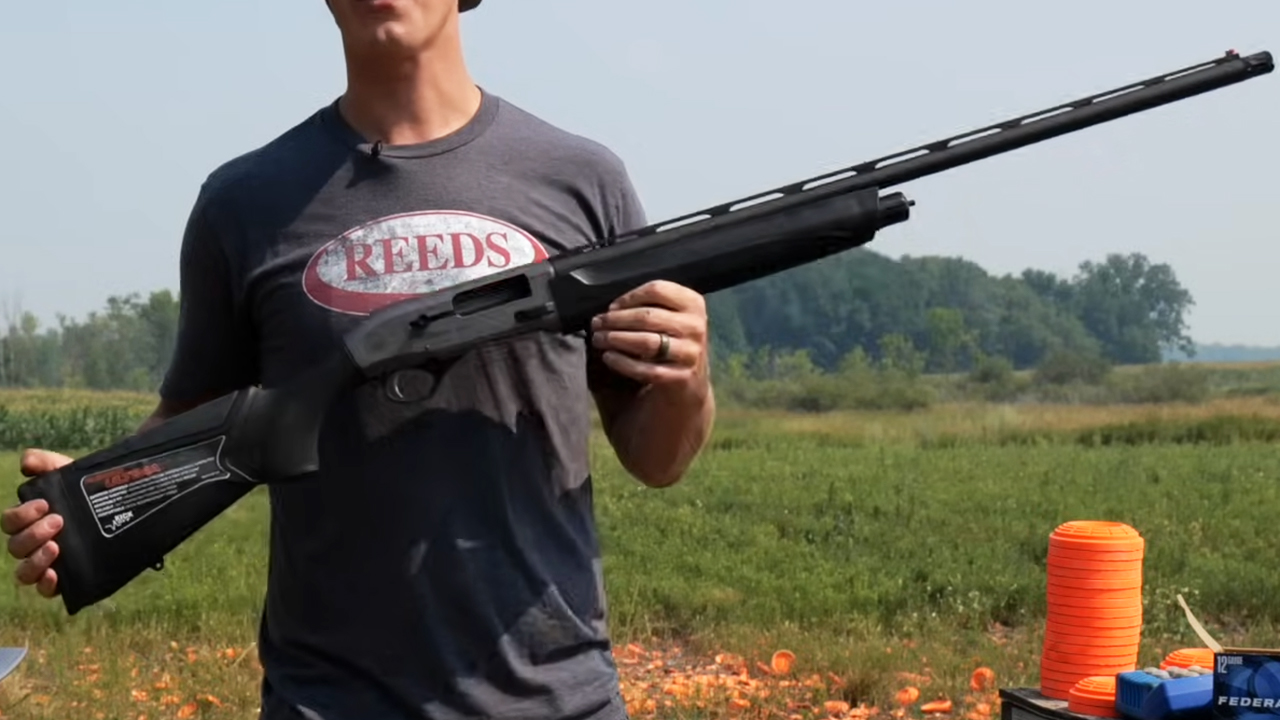
The A300 Ultima is what a lot of folks really need, even if they’re tempted by higher price tags. It’s reliable, it’s simple, and it doesn’t beat you up. In the real world—dove fields, early ducks, pheasants over a dog—it runs like it should without demanding constant attention.
It doesn’t have the same premium feel as the A400, and that’s fine. The reason skilled hunters hang onto an A300 is because it becomes a worry-free workhorse. It’s also a great “loaner” gun that still performs, which matters when you’re bringing a buddy or a kid along. There is nothing fancy about it, and that is kind of the point.
10. Benelli Super Black Eagle III
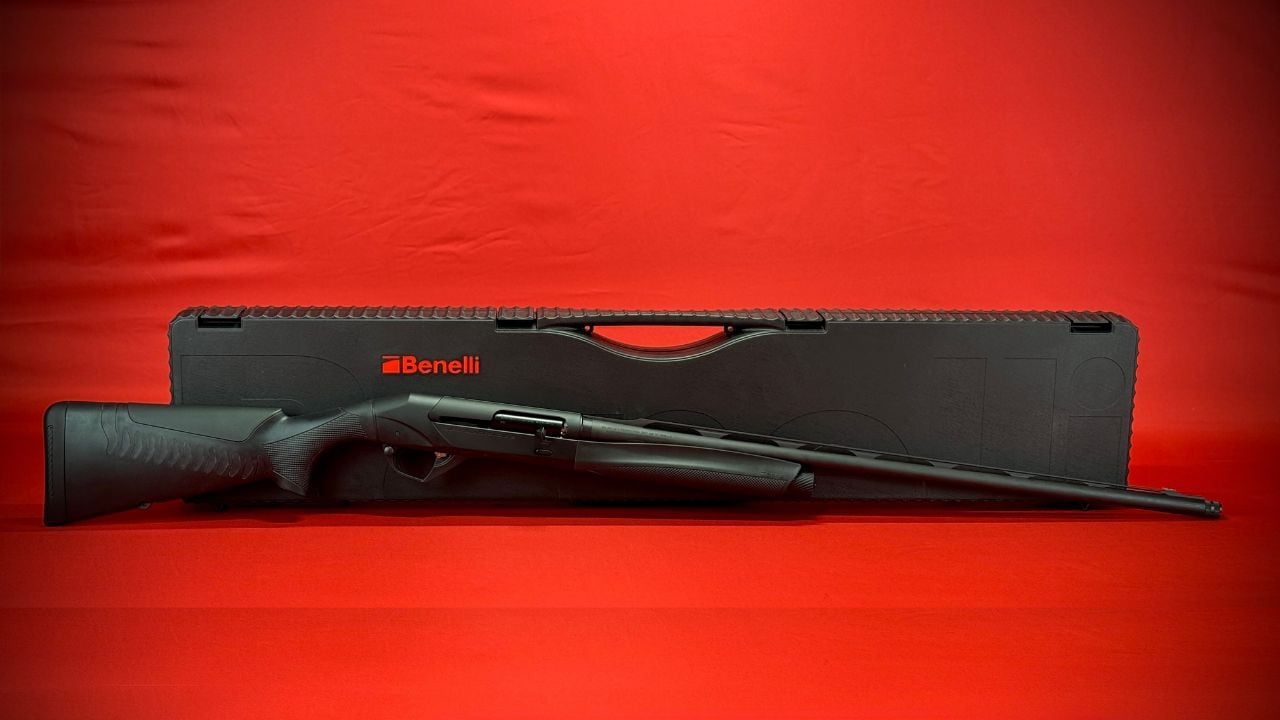
The SBE has been a staple in nasty waterfowl conditions for a long time, and the third generation keeps that going. Inertia guns have their quirks, but they also stay cleaner in the kind of grit-and-goo environments that can bog down gas systems. When it’s freezing and everything is wet, “clean” becomes “works.”
These aren’t budget guns, and they don’t have to be. If a hunter spends that kind of money and the gun delivers season after season, it becomes part of the kit. The SBE3 also carries surprisingly well for a 3 1/2-inch-capable shotgun, and it mounts fast out of a layout or pit. If you’ve got one that patterns your chosen loads, you’ll be slow to trade it.
11. Benelli M2 Field
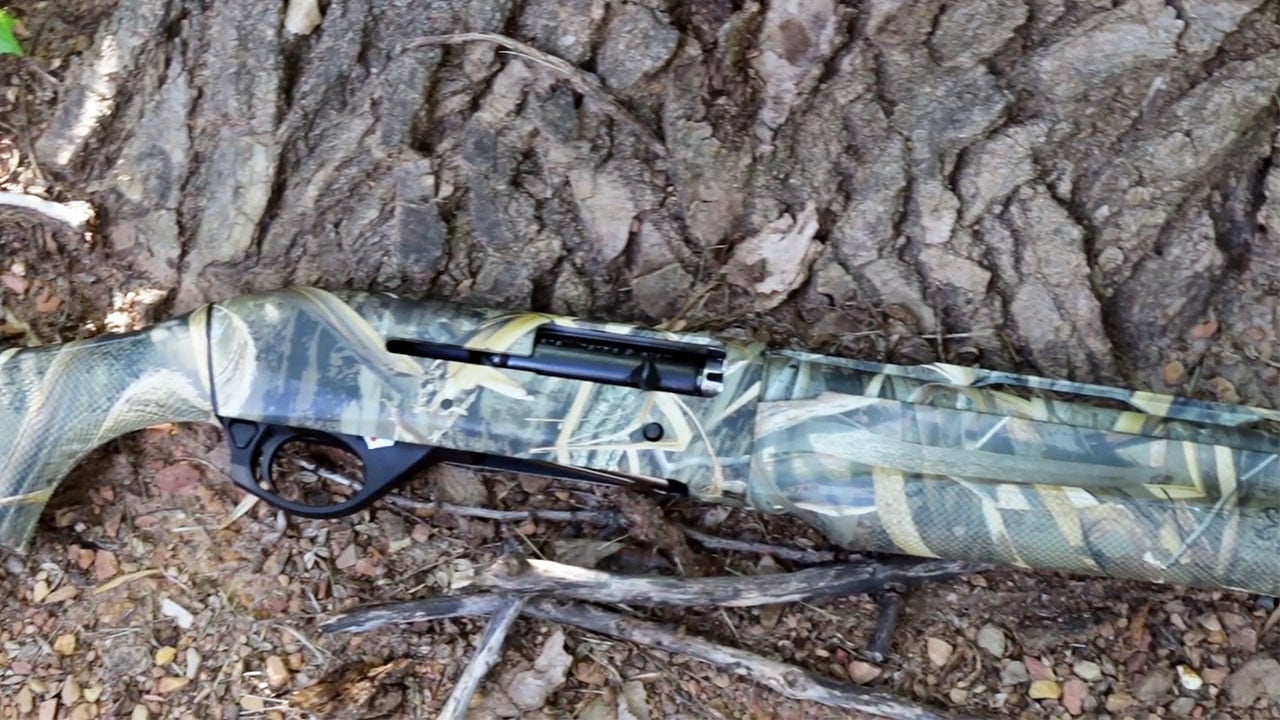
The M2 is the inertia gun a lot of experienced bird hunters end up trusting. It’s lighter than many waterfowl-focused semi-autos, so it doesn’t punish you on long upland walks. It also cycles with a simple, no-nonsense feel that’s hard to appreciate until you’ve had a finicky autoloader ruin a hunt.
It’s not the softest shooter in the world, especially in lighter guns with heavier loads. Still, the M2 earns loyalty because it’s consistent. The controls are straightforward, it strips down easily, and it doesn’t act fragile. When a shotgun can bounce between dove, pheasant, and ducks without changing your whole routine, it becomes the one that stays when other “specialty” guns come and go.
12. Benelli Montefeltro
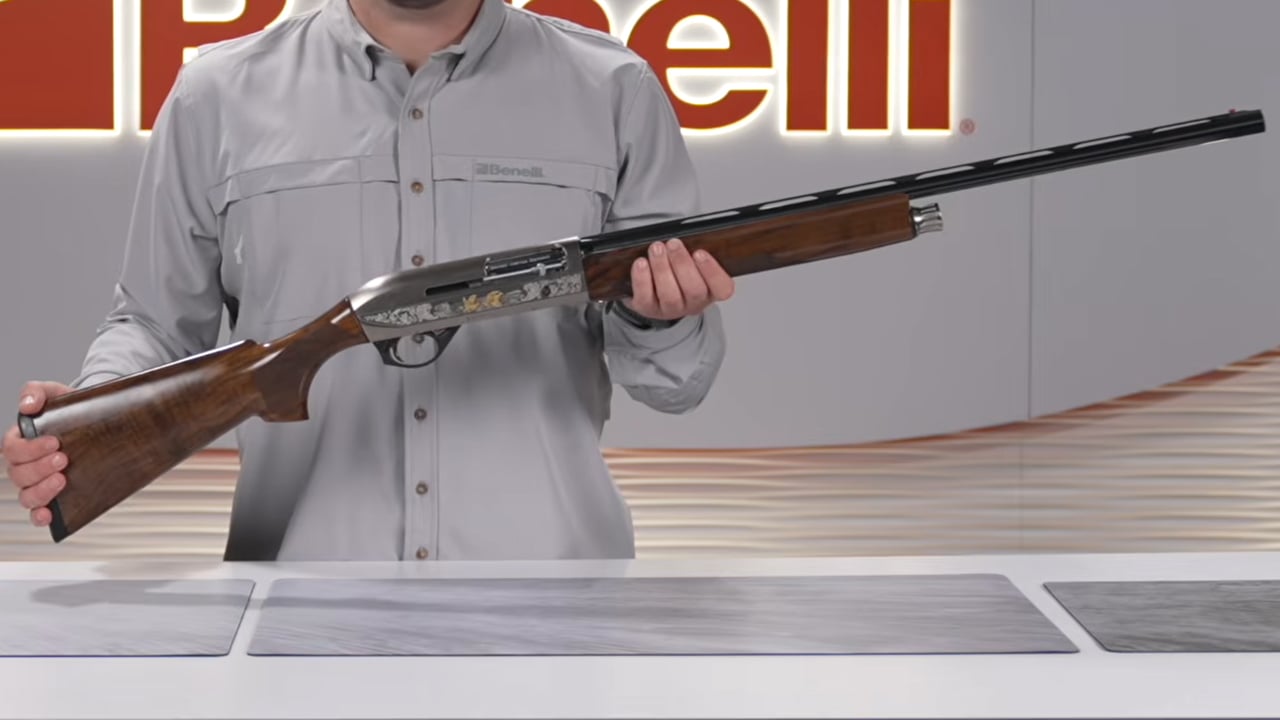
The Montefeltro is a clean, fast-handling bird gun. It’s one of those shotguns that seems to float to the shoulder and then just keeps moving. In the uplands, that matters more than the latest coating or the newest gimmick. A gun that mounts naturally saves you from yourself when a covey blows up under your feet.
It’s light, which is a blessing until you start running hot loads all day. But for a lot of quail and pheasant hunters, the trade is worth it. The Montefeltro’s simple inertia system is also a big part of why it becomes a long-term keeper. Less mess, fewer headaches, and a feel that stays familiar no matter how many miles you put on your boots.
13. Winchester Model 12
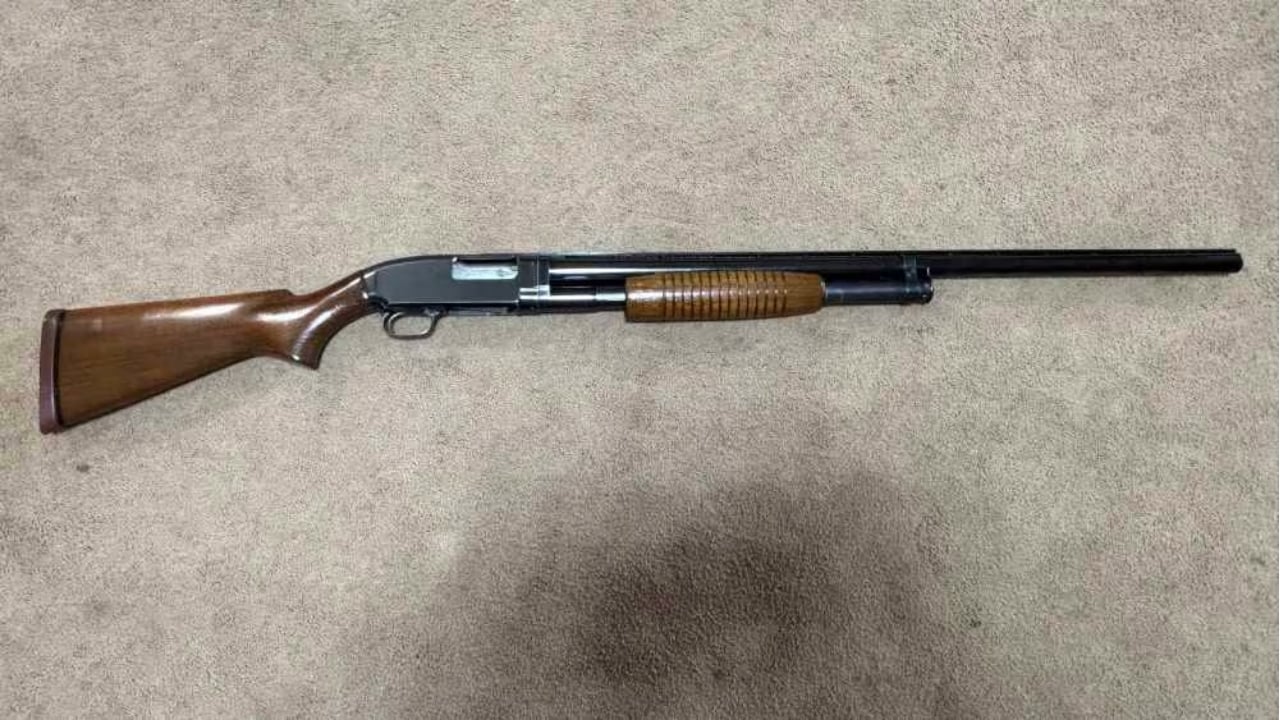
The Model 12 is one of those guns that can make you forget you’re shooting a pump. When it’s smooth, it’s really smooth, and the gun has a feel that modern designs rarely duplicate. It carries history, sure, but it also carries real performance. Plenty of them still shoot as well as they ever did.
Parts and service can be more complicated than with newer pumps, and you don’t buy one expecting “plug and play.” But skilled shooters keep them because they shoot them well. The Model 12 has a balance and a swing that feels natural on birds. It’s also the kind of shotgun you don’t casually replace once it’s gone, especially if it’s a family gun. That one hurts when it leaves.
14. Winchester Model 21
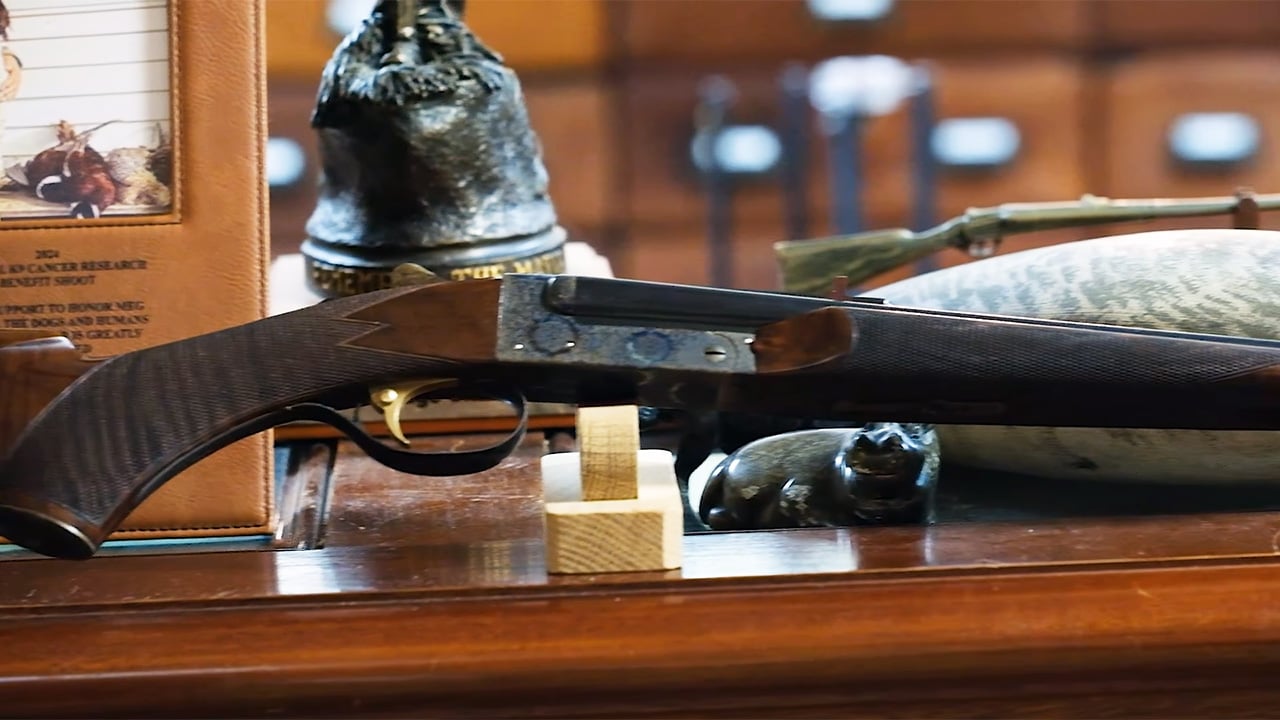
The Model 21 is not common, and it’s not for the guy who wants something disposable. It’s a serious side-by-side with serious build quality, and when you handle a good one you understand why it became a benchmark. There’s a solidity to it that’s hard to describe until you feel the gun close and lock like a bank vault.
They get held onto because they’re part shooter, part heirloom, and part “they don’t make them like this” reality. A field shooter who owns a Model 21 usually has other shotguns for rough duty, but the 21 stays. It’s the one that comes out when the hunt matters, when the weather is decent, or when you just want to carry something that feels right in the hands. Not everyone needs one. The guys who have one tend to know it.
15. Ithaca Model 37
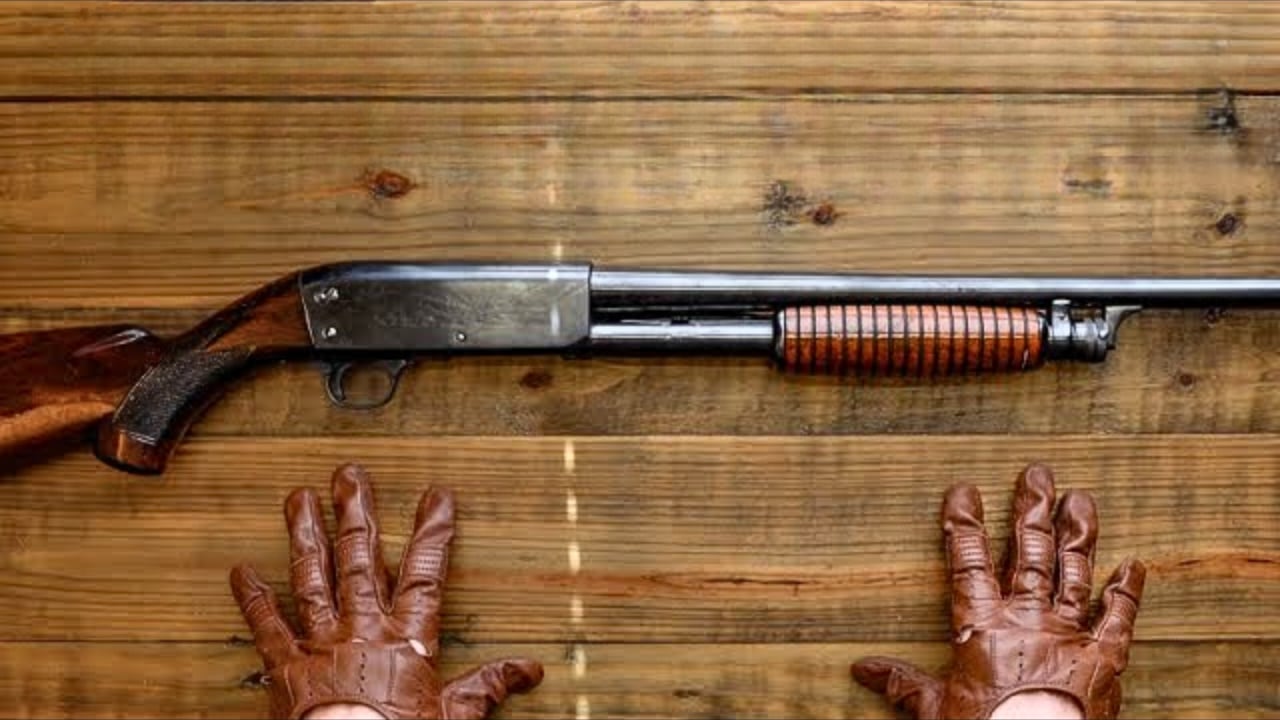
The Ithaca 37 is another bottom-ejecting pump that earns its keep the hard way. It carries slim, it points quick, and it’s easy to run without thinking. In thick cover, that slick profile matters. It doesn’t snag as much, and it’s a natural for grouse and rabbit hunters who are always moving through brush.
Older guns have their own personality, and the 37 is no exception. Some have triggers that feel great; some feel like they’ve lived a long life. Still, the design has proven itself for decades, and left-handed shooters especially tend to hang onto them. A good Model 37 is a field gun, not a safe queen, and it’s tough to beat for a hunter who values handling over hype.
16. Mossberg 500
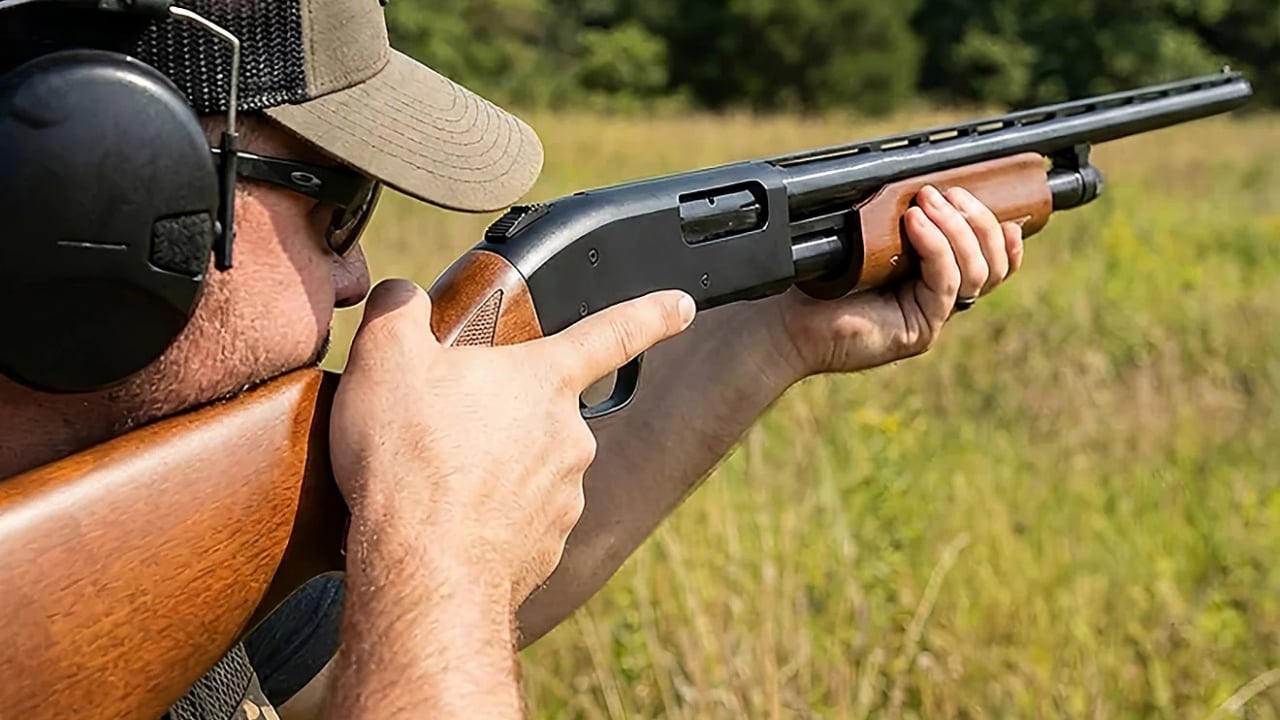
The Mossberg 500 doesn’t always get love from the “fit and finish” crowd, and I get it. It can feel a little loose compared to a Wingmaster, and it’s not trying to win beauty contests. But when you need a pump that takes abuse, swaps barrels easily, and has parts everywhere, the 500 keeps showing up.
Where it becomes a keeper for skilled field shooters is in its usefulness. One receiver can cover deer season with a slug barrel, ducks with a vent rib, and turkey with a tighter setup. The tang safety is also a big deal for a lot of hunters, especially with gloves. It’s the shotgun that quietly does a pile of jobs. That’s why it survives the trade pile.
17. Mossberg 835 Ulti-Mag
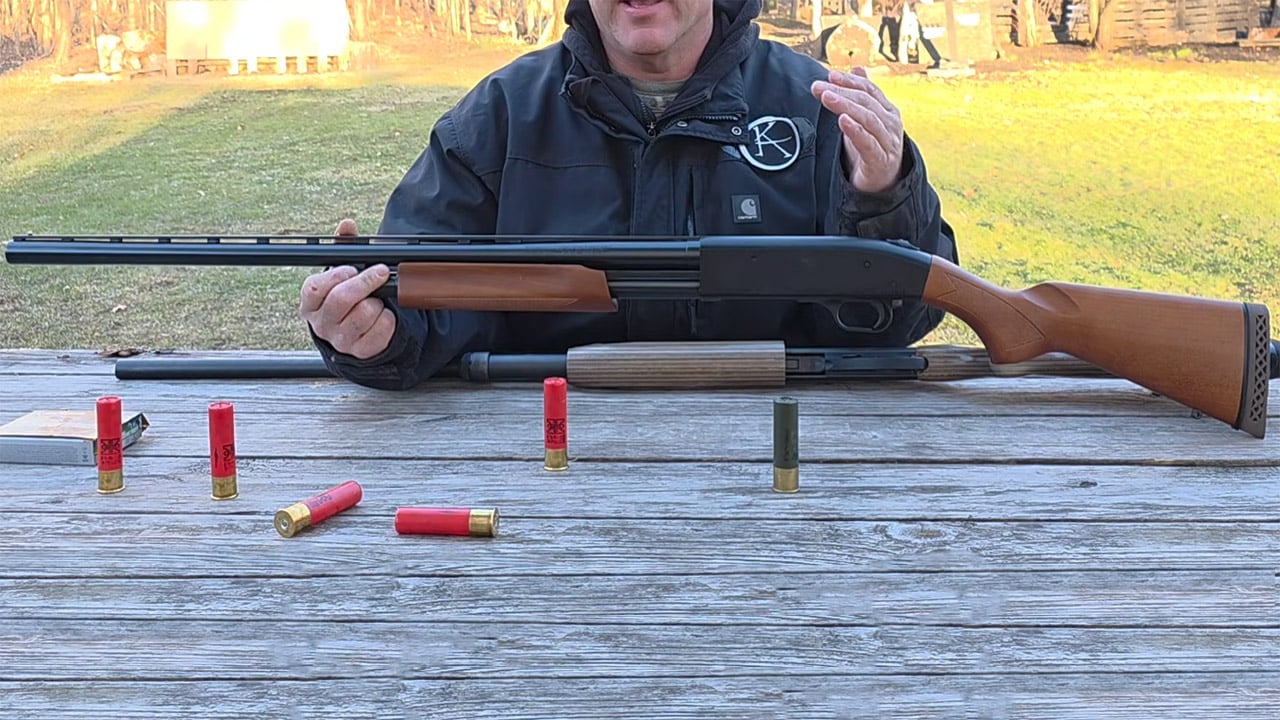
The 835 is not subtle. It’s built for heavy 12-gauge work, and it shows. Waterfowl and turkey hunters who want 3 1/2-inch capability without paying premium semi-auto money have leaned on the 835 for years. It patterns well with the right load, and it’s a gun you can run hard without worrying you’re abusing something delicate.
The downside is recoil, and there’s no point pretending otherwise. With heavy shells, it lets you know what you touched off. Still, if you hunt big late-season birds or like the extra payload option, the 835 becomes that purpose-built tool you keep around. It’s not the one you carry for quail, but when the weather turns ugly and the birds are tough, it earns its spot.
18. Franchi Affinity 3
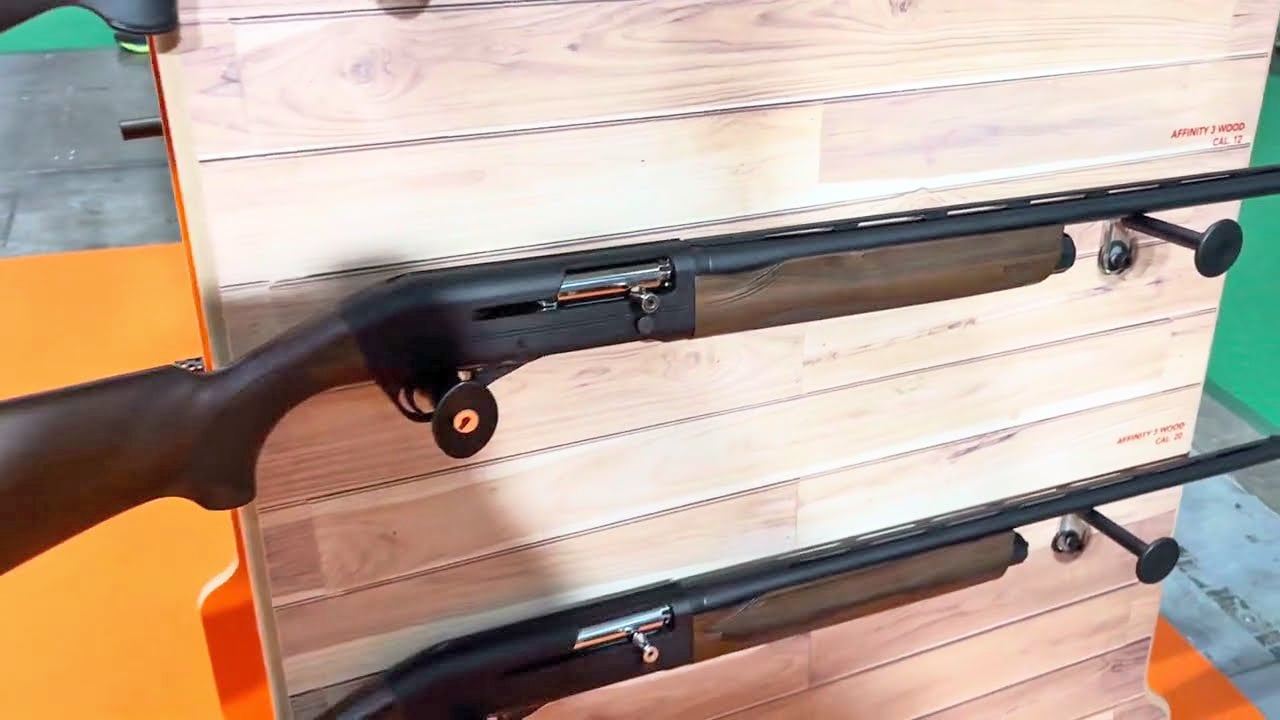
The Franchi Affinity 3 is one of those shotguns that surprises folks who think “Italian inertia gun” has to mean top-dollar. It’s quick in the hands, points naturally for a lot of shooters, and doesn’t feel clunky. In the uplands, it’s a nice blend of light carry and enough steadiness to keep your swing honest.
It’s not a prestige piece, and that’s fine. The Affinity tends to stick around because it just works and it doesn’t make you nervous about using it. Mud on the receiver? Wipe it off and keep hunting. Scratches in the stock? That’s called “ownership.” For a lot of hunters, it becomes the go-to because it’s the gun they actually take out, not the one they baby.
19. CZ Bobwhite G2
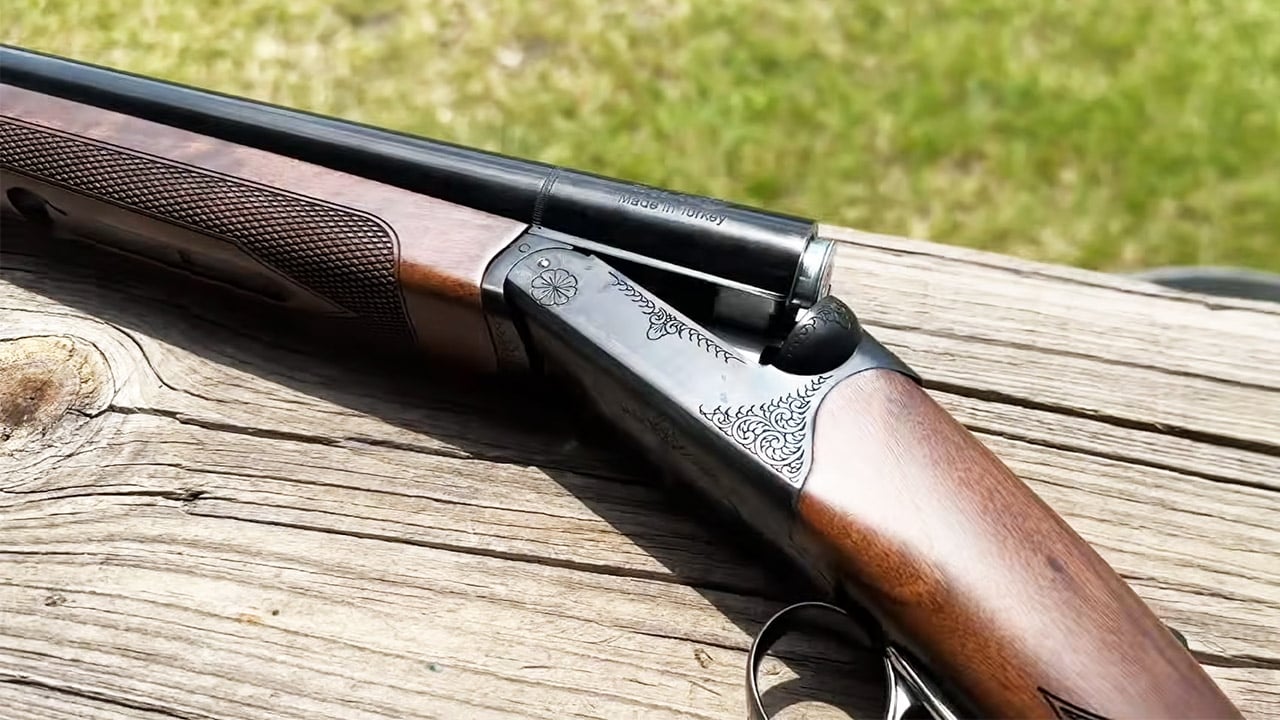
A good side-by-side does something to your brain in the uplands. It makes you slow down a half-second and hunt the cover like you mean it. The CZ Bobwhite G2 isn’t a high-dollar English gun, but it gives you that classic double-gun handling in a package you can actually afford and actually hunt.
It’s not perfect. Some are a little stiff when new, and the finish is more “field” than “fine.” Still, shooters keep them because they’re fun and functional. The straight grip and double triggers are a love-it-or-hate-it setup, but skilled bird hunters who practice with them shoot fast and instinctive. If you’ve got a Bobwhite that fits your hands and hits where you look, it becomes a regular in the rotation instead of a novelty.
20. Stoeger M3020
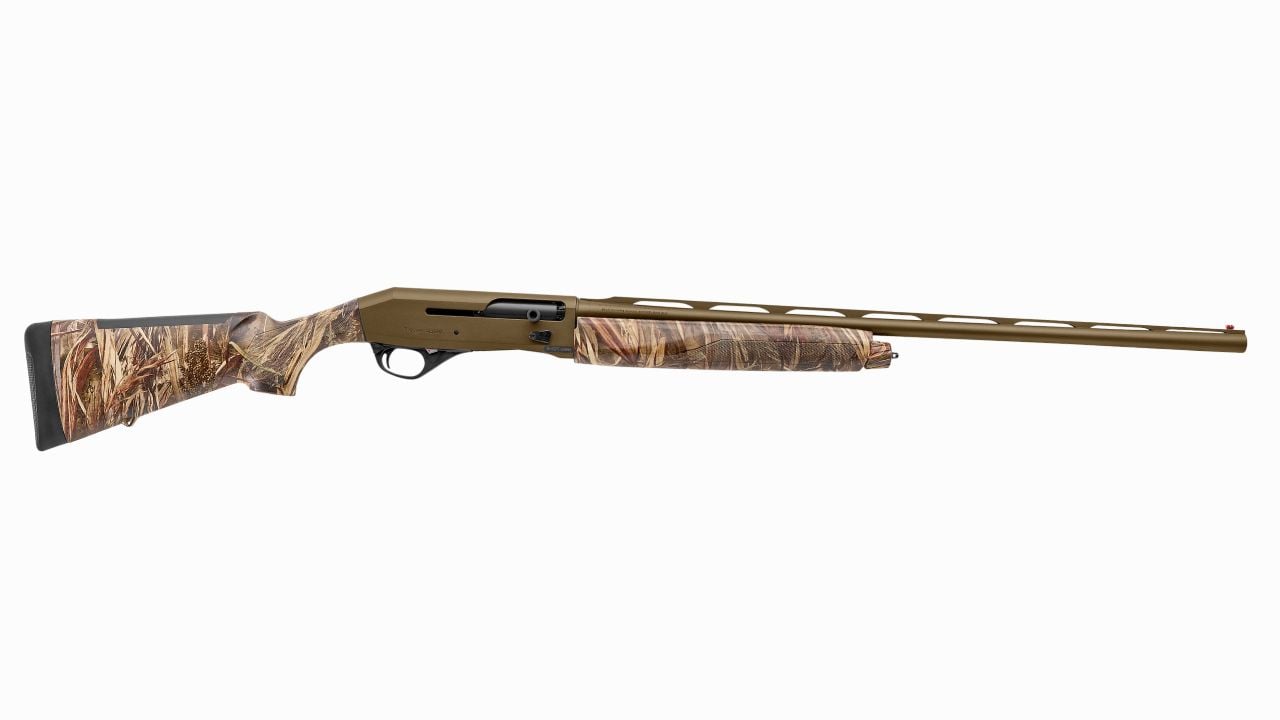
The M3020 has put a lot of 20-gauge capability into the hands of hunters who don’t want to spend big money to get into a semi-auto. It’s not fancy, and it’s not as refined as the premium inertia guns. But for carrying all day behind a dog, it’s light enough to matter and simple enough to keep running.
This is one of those shotguns that earns loyalty when it proves itself over time. The first season is the test: cold mornings, dusty dove fields, maybe a little neglect. If it cycles your chosen loads and keeps putting birds in the bag, it becomes “your gun,” not just a budget experiment. For new hunters it can be the gateway, and for experienced hunters it can be the gun they don’t mind banging around. Either way, plenty of them never get traded.
Here’s the pattern with all of these: the guns that stay aren’t always the prettiest or newest. They’re the ones that mount the same every time, pattern honestly with real hunting shells, and don’t turn a good morning into a troubleshooting session. If you’ve got one of these that fits you, take care of it, shoot it, and don’t be too quick to swap it for something that only looks better on the gun rack.
Like The Avid Outdoorsman’s content? Subscribe to our newsletter so you never miss an article.
Here’s more from us: