Photo credit: Buffalo's Outdoors/YouTube
Some handguns look like they were designed yesterday—rails, aggressive slide cuts, optics-ready plates, flat triggers, all of it. Then you start living with them and realize the “modern” part is mostly cosmetic. The grip doesn’t index well under speed, the controls feel awkward, the trigger feel is weirdly behind the times, or the gun just doesn’t play well with the ecosystem people actually use now (holsters, lights, optics, mags).
Here are 15 pistols that look current but can feel outdated fast once you put real reps on them.
Springfield XD (XD-9 / XD-40)
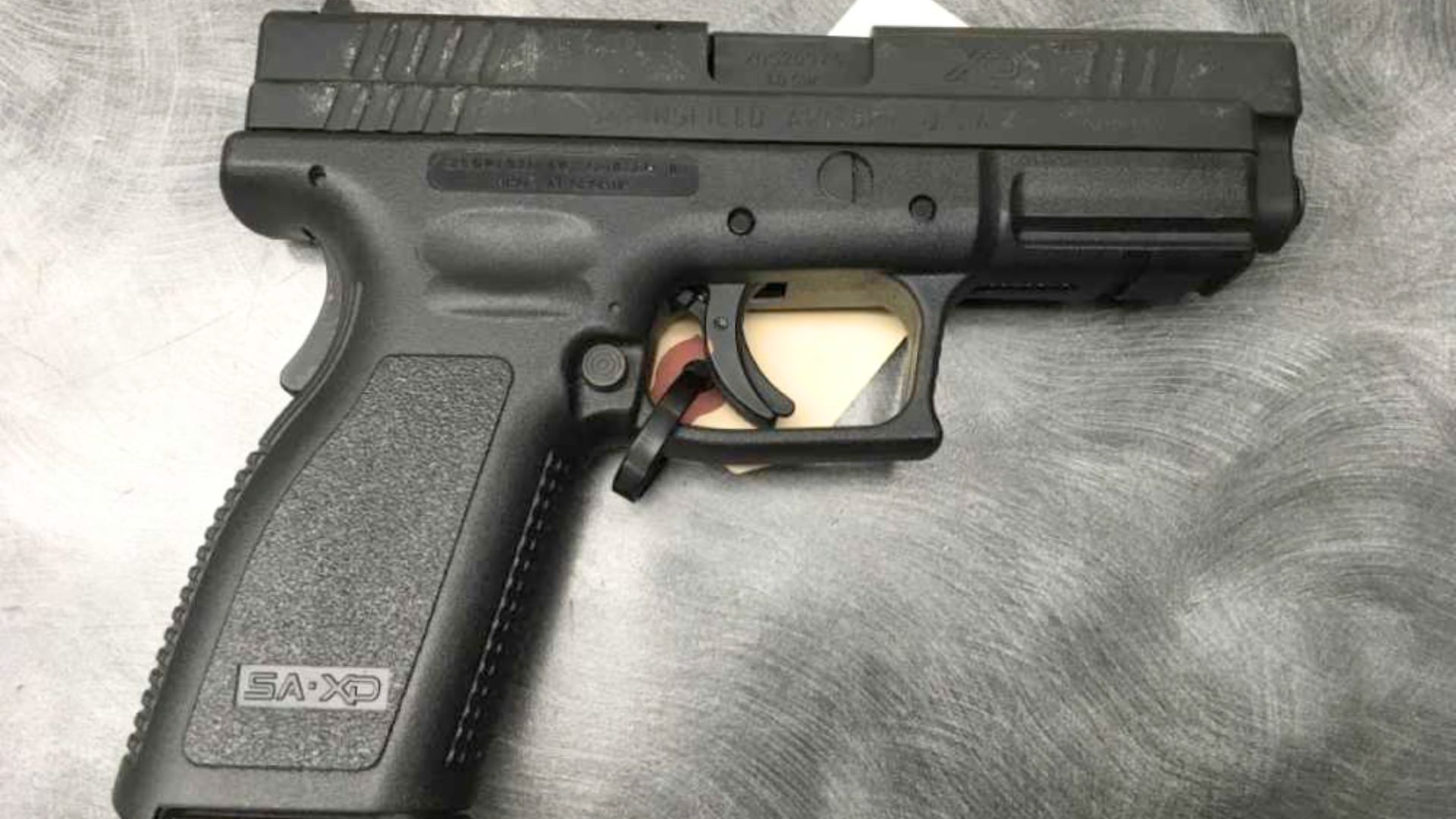
The XD line looks modern enough—polymer frame, striker-fired, rail, decent aesthetics. But once you start comparing it to newer striker guns, it can feel behind in a few places at once: trigger feel, grip shape for some shooters, and overall “ecosystem” support. You can absolutely run an XD. Plenty of people do. The issue is that it often feels like a platform from an earlier striker era, before the industry figured out better trigger geometry and more universal support. When shooters start training seriously, many end up moving to Glock/M&P/PDP simply because those guns feel easier to live with today.
Springfield XD-S (9mm)
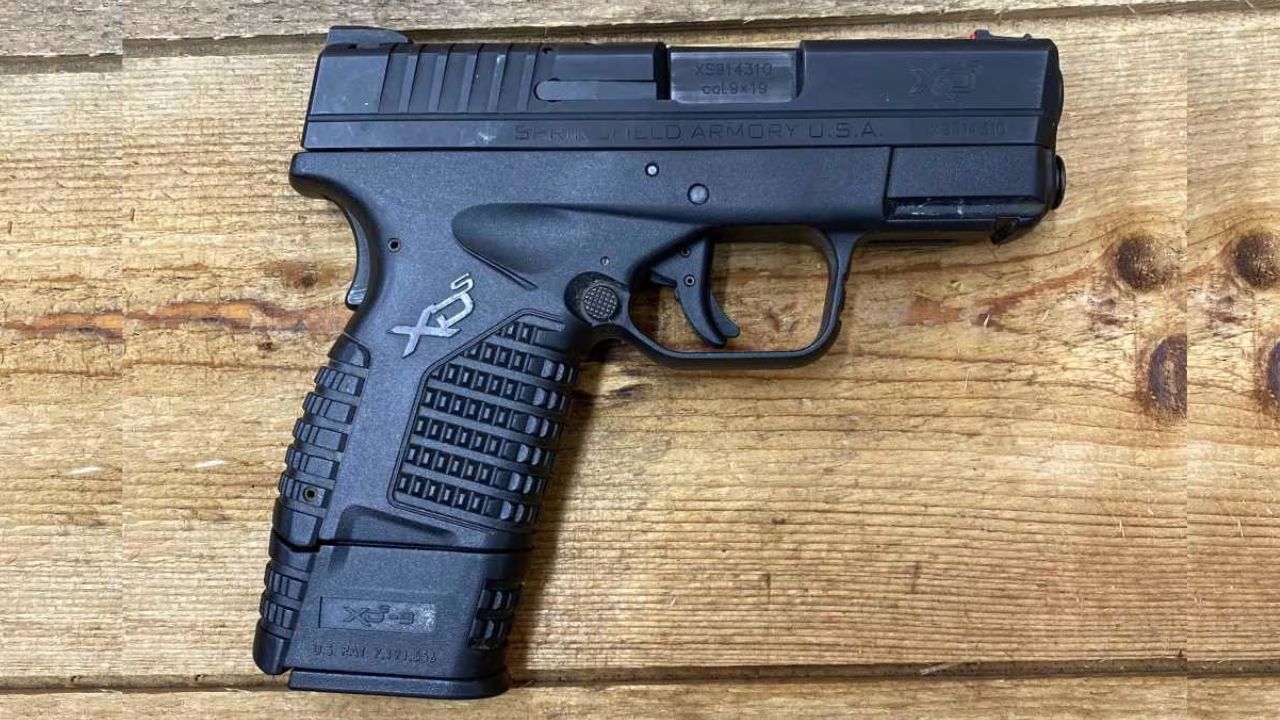
The XD-S looks like a modern slim carry gun, but it can feel dated in how it behaves under real practice. Many shooters find it snappier than expected, the grip can feel less forgiving, and the shooting experience doesn’t always match what newer slim compacts deliver. Some models also feel like they’re stuck between categories—small enough to carry, but not always pleasant enough to train with regularly. Outdated doesn’t always mean “won’t work.” It means you start noticing newer designs solved problems this gun still carries. After a few months of real carry and practice, people often realize they’d rather own something they enjoy shooting more.
Smith & Wesson SD9VE / SD40VE

On the surface, the SD series checks the modern boxes: polymer striker gun, simple controls, duty-ish layout. Then you shoot it and the trigger usually tells the truth. The pull tends to be heavy and vague compared to today’s standards, and that makes the whole gun feel older than it looks. It’s the kind of trigger that encourages “just yank it” habits, which is exactly what newer striker designs try to avoid. The SD can be reliable, but when you’re doing real drills and trying to shoot precisely under speed, it feels like a budget design from a previous generation of striker pistols.
Ruger American Pistol
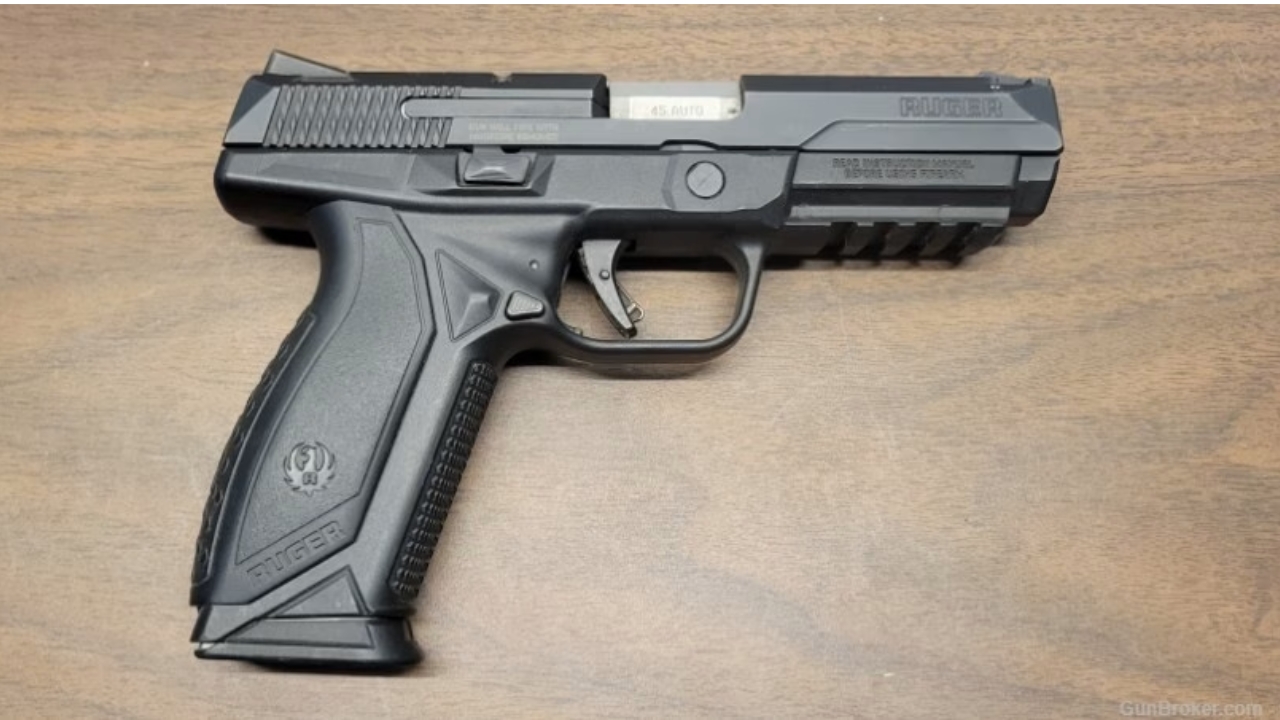
The Ruger American looks like it should be a modern duty pistol. In real use, it often feels like it never fully found its identity. The ergonomics can feel bulky, the trigger feel isn’t as competitive as newer options, and the overall experience can feel like a first attempt that didn’t get refined the way competitors did. A pistol can be “fine” and still feel outdated—because modern pistols today are very shootable, very supported, and very easy to set up. The Ruger American tends to feel like it belongs to a time when everyone was still figuring out what “good striker pistol” should feel like.
Ruger SR9 / SR40
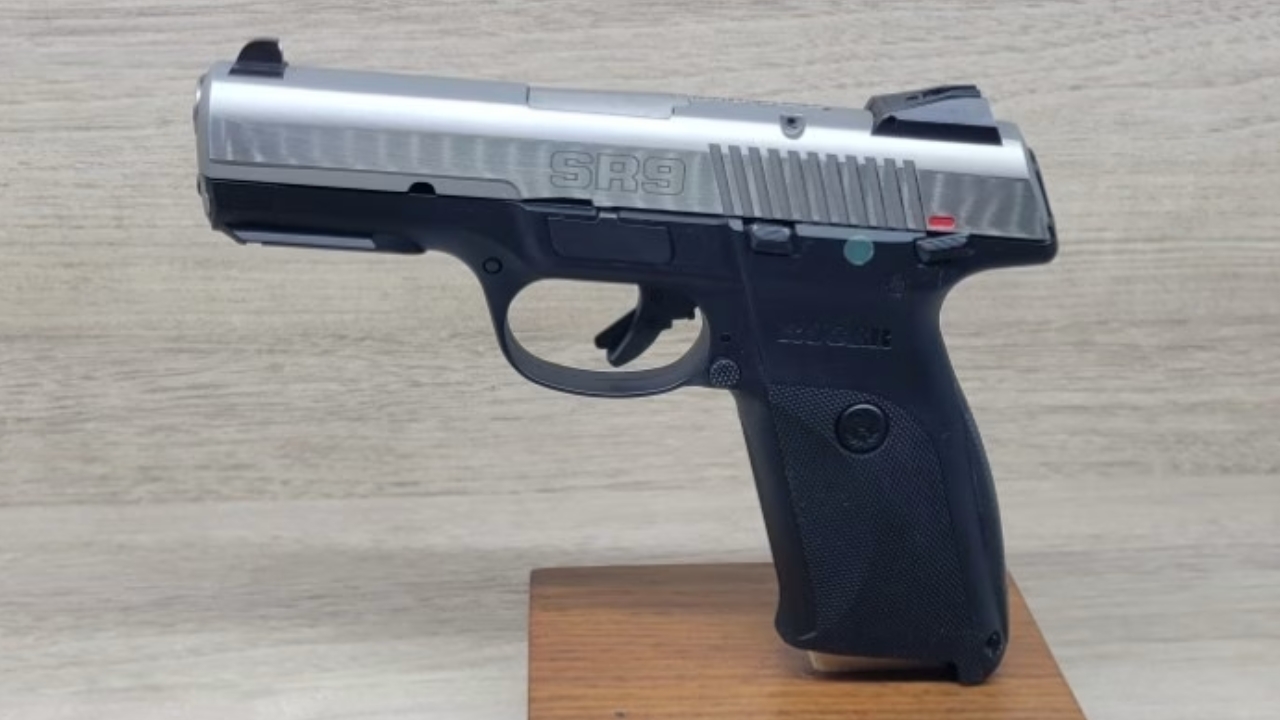
The SR series looks modern, but it’s another platform that can feel like it’s from a different era once you compare it side-by-side with current designs. The controls, the trigger, and the overall handling feel are “okay,” but many shooters quickly notice that newer pistols shoot flatter, reset better, and feel more intuitive. The SR line can be dependable, but it doesn’t feel like a current benchmark pistol. The “outdated” feeling comes when you realize how much nicer the shooting experience is on newer guns in the same price neighborhood.
Remington R51
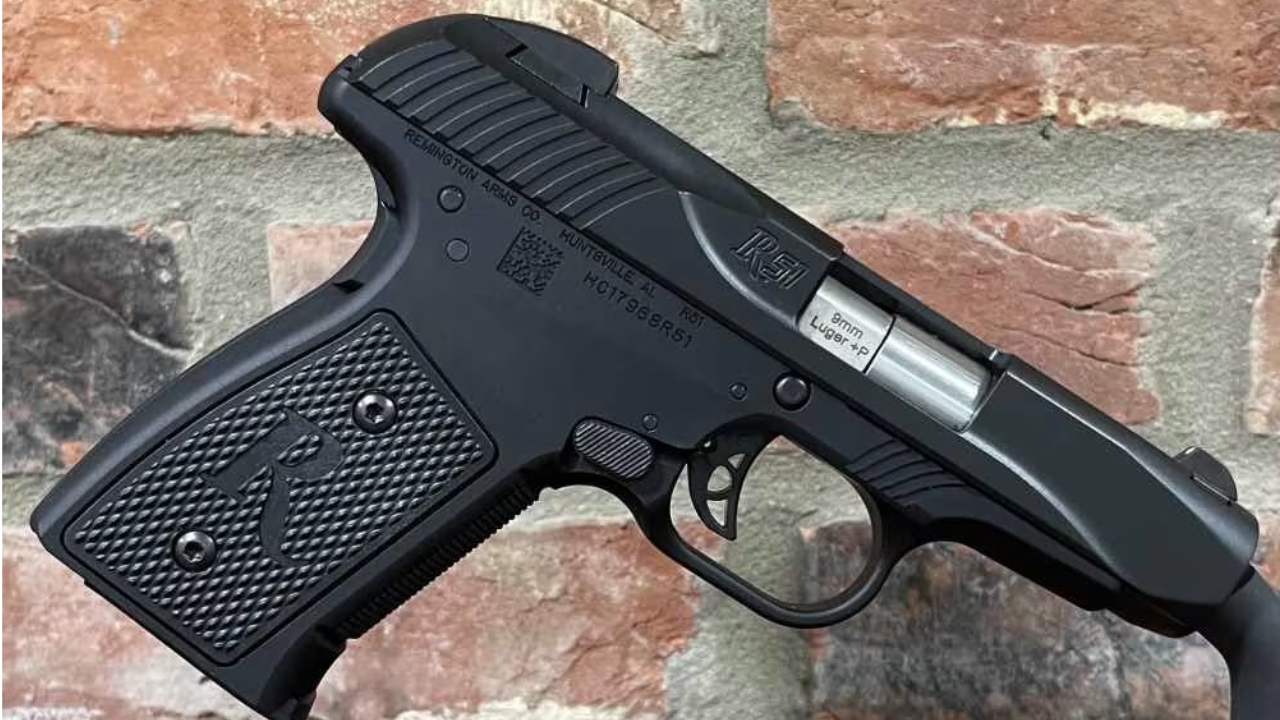
The R51 had a modern look and a big concept pitch, but the real-world ownership experience made it feel outdated in the worst way—like a design that never matured into a trustworthy platform. The trigger and cycling feel never built the kind of confidence modern defensive pistols usually offer, and the platform never developed the ecosystem support that makes a modern handgun feel like a smart long-term choice. Even if a specific R51 runs for you, most owners don’t treat it like a serious modern carry pistol because the reputation and real-world headaches stick. That gap between look and reality is why it lands here.
Beretta Nano

The Nano has a sleek, modern profile. Then you shoot it and realize it feels like an early “concealment-first” design that prioritized snag-free simplicity over shootability. The trigger feel and overall feedback can feel dated compared to current micro-compact options that are easier to shoot well. The Nano also doesn’t have the same modern support path as today’s popular carry guns—optics-ready variants, big aftermarket, broad holster compatibility across the newest light/optic combos. When people compare it to newer designs in the same concealment category, the Nano can feel like a carry concept from the early wave of slim 9s.
Taurus Millennium G2 / PT111 G2
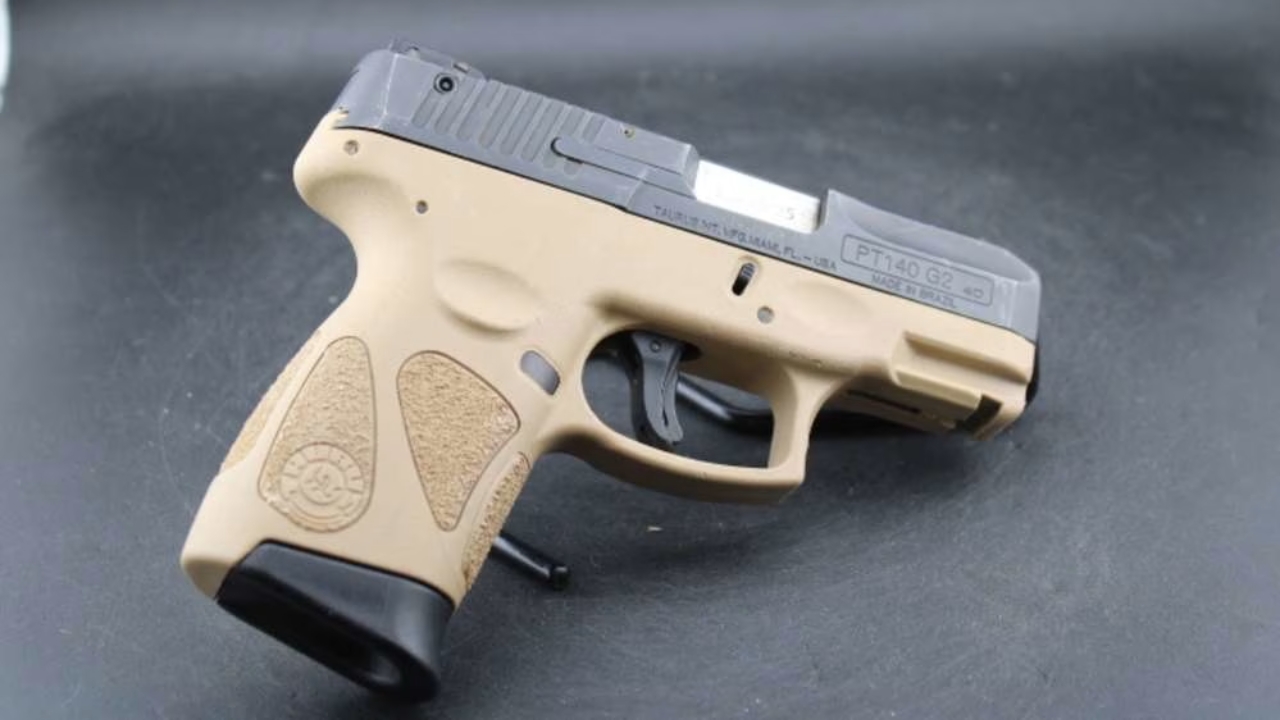
These guns look like modern striker compacts, and plenty of owners get decent service from them. The outdated feeling comes from refinement and consistency. The trigger feel can be rough, the overall “fit and finish” experience can feel behind current standards, and the platform doesn’t always inspire the confidence that the better-developed striker ecosystems do. A gun can be “okay” and still feel dated because modern pistols today are extremely polished in how they shoot and how they’re supported. For many shooters, a Millennium G2 feels like a step back once they start comparing it to newer budget-friendly pistols that have cleaner triggers and better overall handling.
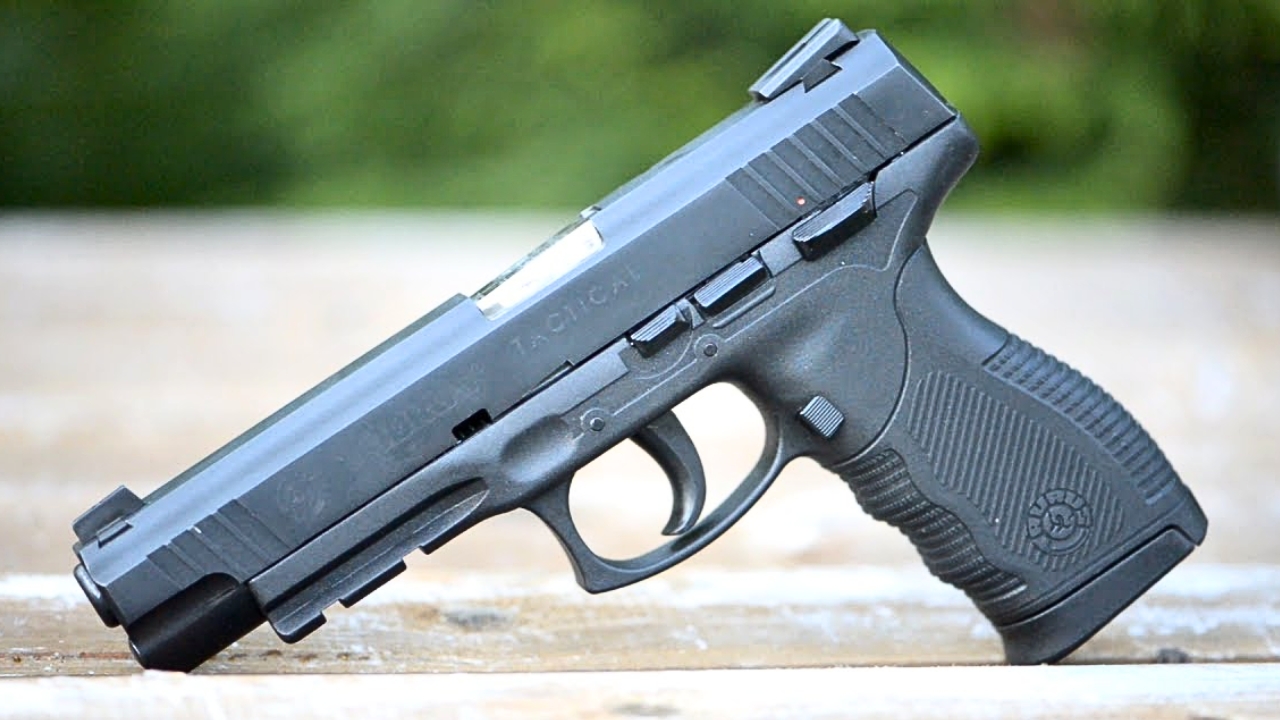
Taurus PT24/7
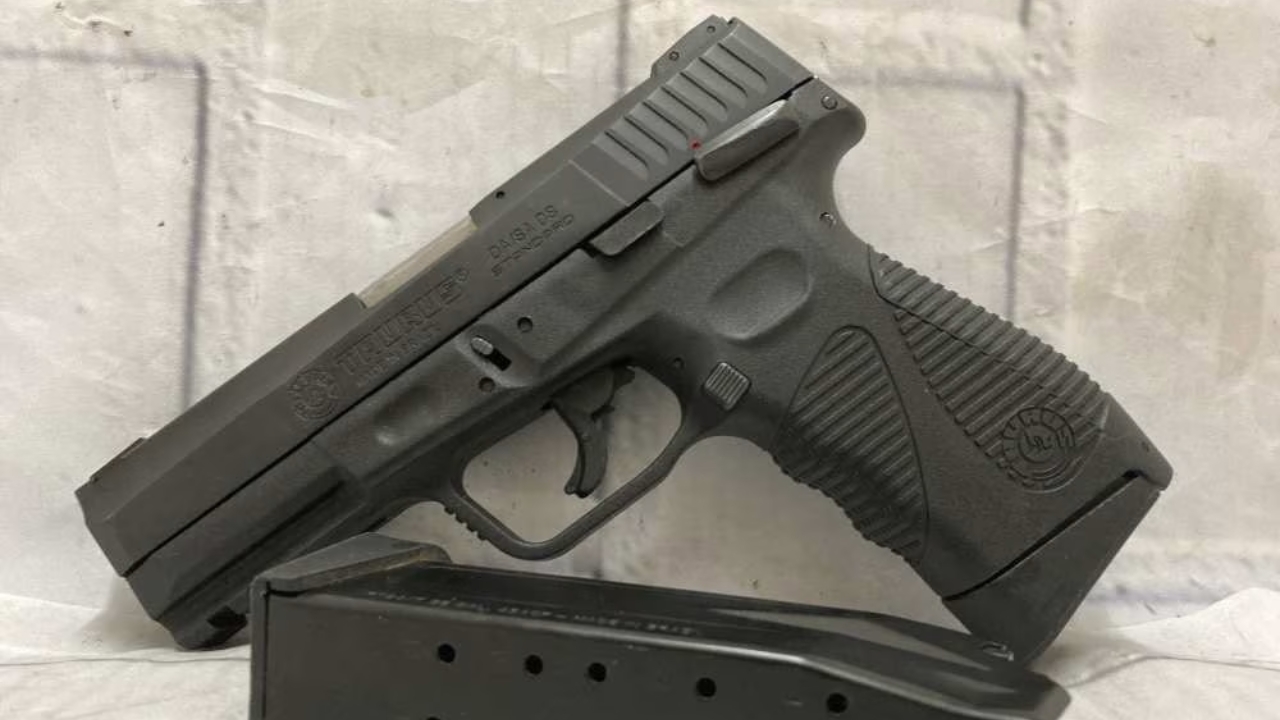
The 24/7 line looks like it should be a modern duty pistol, but it often feels like a product of an older era in both trigger feel and overall refinement. Controls and ergonomics vary by generation, and the shooting experience tends to feel less crisp than newer striker pistols that have become the standard. The other “outdated fast” factor is practical support. Modern shooters expect strong holster and parts ecosystems and consistent performance across examples. The 24/7 feels like it belongs to a time when you bought a pistol and made do—rather than a time when platforms are built to be standardized and easily supported.
SCCY CPX-2

The CPX-2 looks modern enough, but the heavy DAO-style trigger makes it feel like a throwback. When shooters today are used to cleaner striker triggers, the SCCY trigger instantly feels dated. And because the gun is small and light, that heavy pull is more disruptive than it would be on a larger pistol. Many owners find themselves fighting the trigger instead of learning clean fundamentals. That’s the “outdated” part: modern defensive pistols have largely moved away from triggers that require that much effort and offer that little feedback. The CPX-2 can function, but it often feels like yesterday’s compromise.
Hi-Point C9
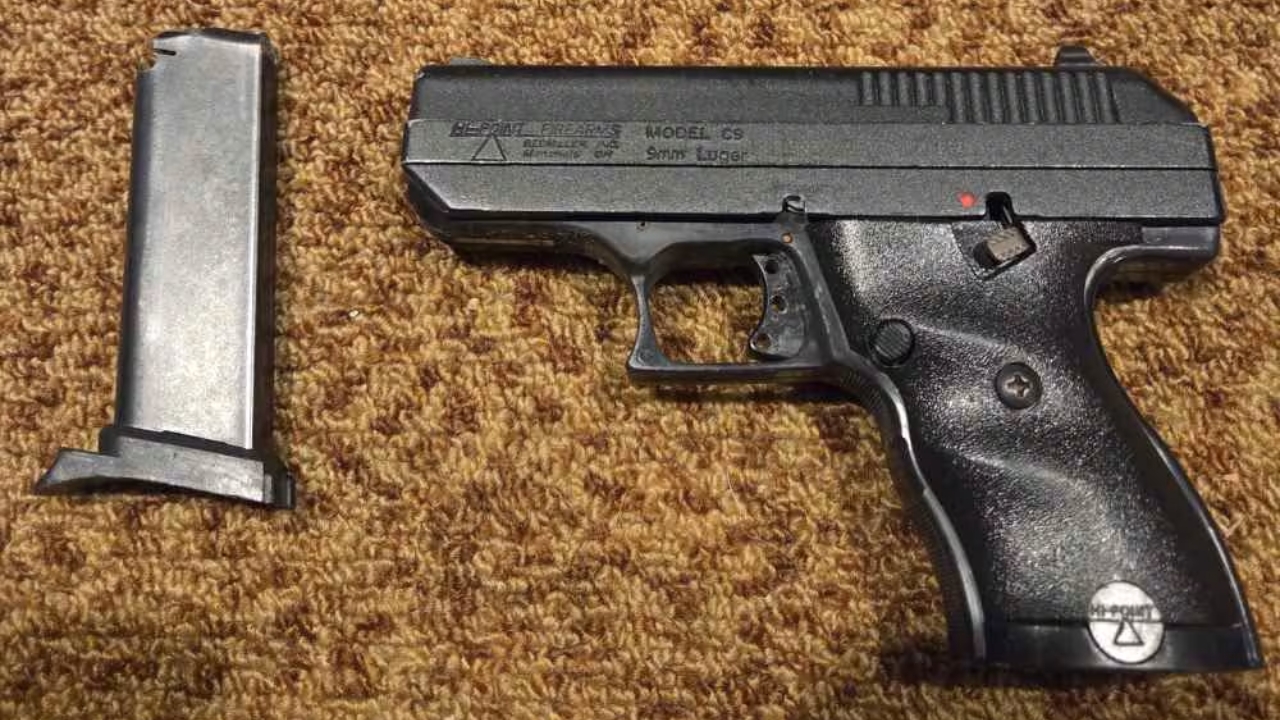
The Hi-Point looks like a modern-ish polymer pistol at a glance, but everything about the experience can feel dated: size, weight distribution, trigger feel, and general handling. Even when they run, they feel clunky compared to modern compacts, and they don’t fit into the typical modern carry/training ecosystem in any elegant way. The “outdated fast” moment usually comes when a new owner tries to actually carry it, actually shoot it in drills, and actually live with it. It can be a budget tool, but it doesn’t feel like a modern defensive handgun in use.
Walther CCP (9mm)
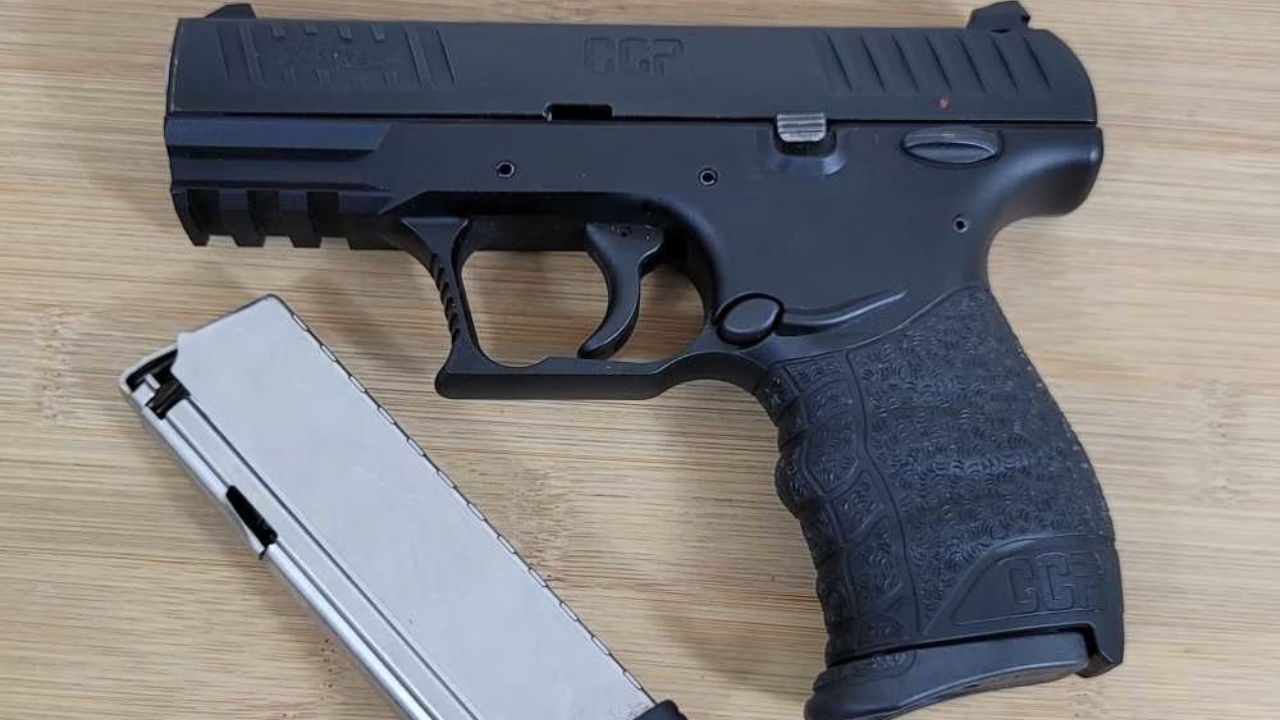
The CCP looks modern, but the platform’s shooting/maintenance experience can make it feel behind the times quickly. It’s marketed as soft-shooting and easy to manage, but owners often find the design more complex than it needs to be compared to today’s straightforward carry pistols. The trigger and overall feel can also leave shooters thinking, “Why am I working this hard?” Modern carry guns have gotten easier to own and easier to support. When a pistol feels like it has extra quirks to maintain or extra steps to live with, it starts feeling outdated even if it has a modern shell.
SIG Sauer P250
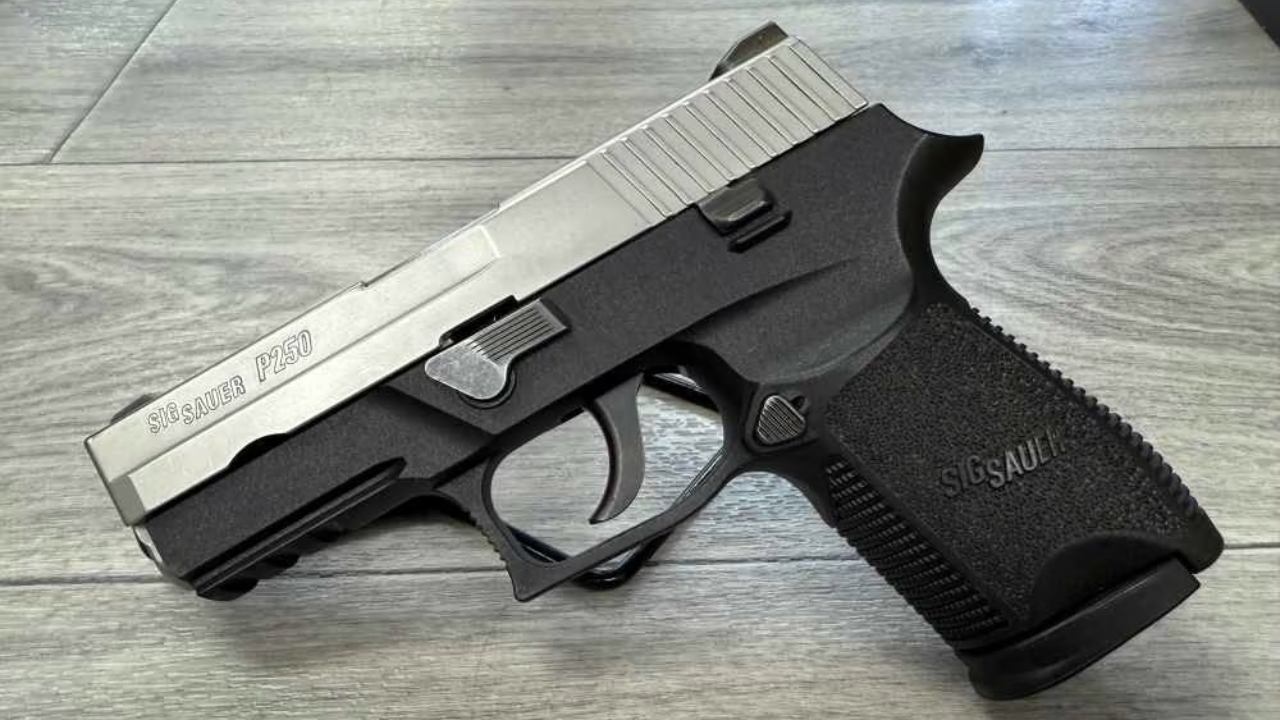
The P250 looks like a modern SIG, but the long DAO trigger is what makes it feel dated to most shooters today. A smooth DAO pull has its place, but when you’re trying to shoot fast and accurately, especially under stress, that long press becomes work. Modern carry and duty pistols have largely settled into shorter, more consistent trigger experiences that help shooters perform better with less effort. The P250 can be reliable and safe, but it feels like a concept from before the striker market got as refined as it is now. That gap shows up fast once you compare it to current options.
Beretta APX
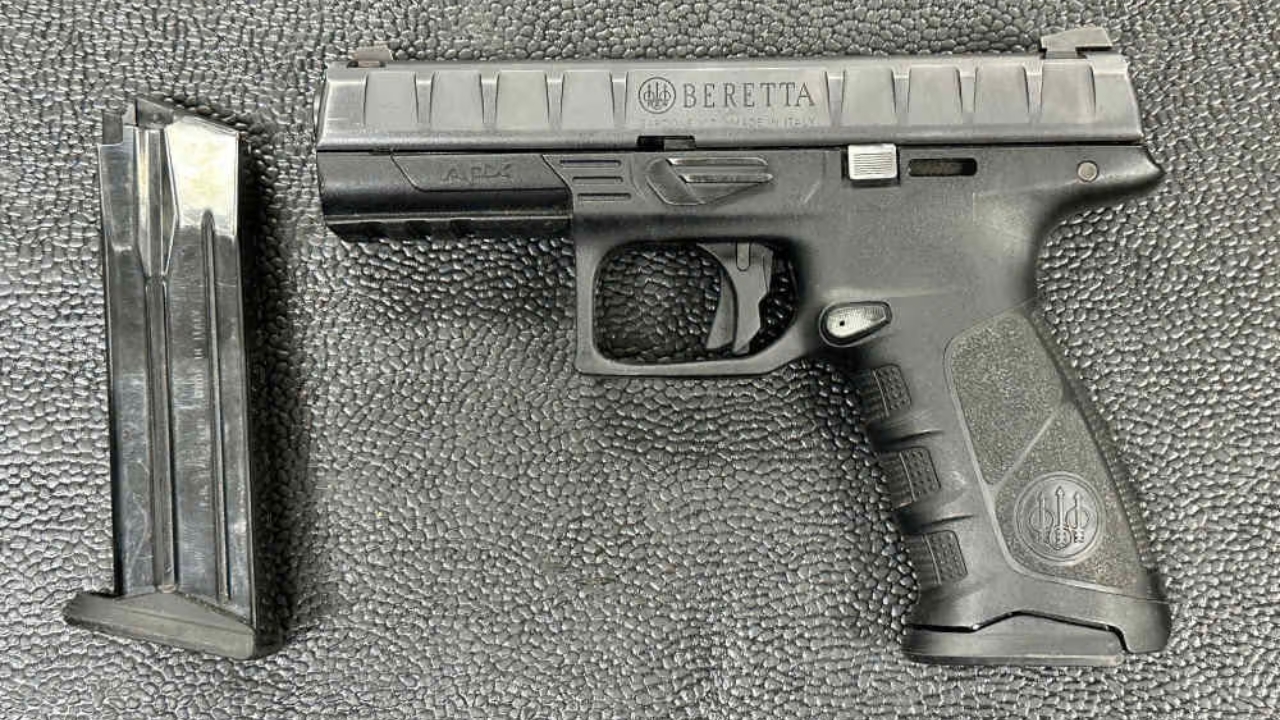
The APX looks modern and is a legitimate duty-capable pistol, but the original versions can feel behind current trends in refinement and support compared to the platforms that dominate training circles. Many shooters find the trigger and overall feel less “polished” than modern competitors, and the ecosystem—holsters, optics-ready pathways, widespread parts support—hasn’t always felt as seamless as Glock/M&P/P320 world. The APX can absolutely do the job, but “outdated fast” often means you realize you’re swimming upstream compared to the mainstream platforms that get the most support and the most continuous improvement.
FN FNS-9
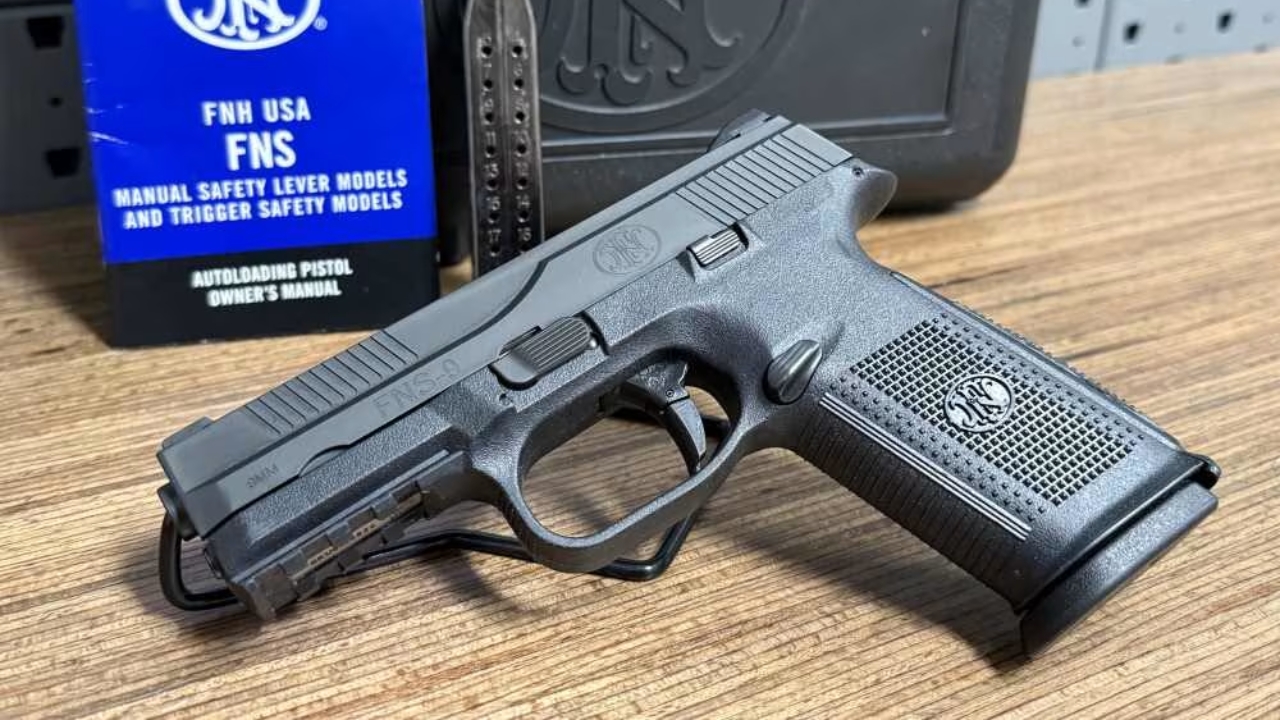
The FNS-9 looks modern and has a solid duty pedigree, but it can feel outdated quickly once you compare it to FN’s newer 509 ecosystem and to the broader striker market’s refinements. Trigger feel and overall ergonomics are usually the main “this feels older” points, plus the fact that the FNS platform isn’t the one FN has pushed forward long-term. Shooters notice when a pistol feels like a previous generation that the manufacturer moved on from. Even if your FNS runs perfectly, it can feel like you’re investing in a platform the market has already replaced with newer support and better long-term momentum.
Like The Avid Outdoorsman’s content? Subscribe to our newsletter so you never miss an article.
Here’s more from us: