Photo credit: harley45acp/YouTube
A carry gun does not have to be perfect, but it should be easy to trust, easy to train with, and easy to live with every day. That means reliability, manageable recoil, good holster support, usable sights, safe handling, and enough shootability that the owner actually practices. A pistol can be interesting, collectible, or even useful in a narrow role and still be a poor first choice for concealed carry.
Some handguns ask too much from new carriers. Others are outdated, unpleasant to shoot, too large for what they offer, too small to control well, or too dependent on nostalgia and brand loyalty. If someone is choosing a first carry pistol today, these are the models that should probably be skipped until they have more experience and a better reason to own them.
Desert Eagle Mark XIX

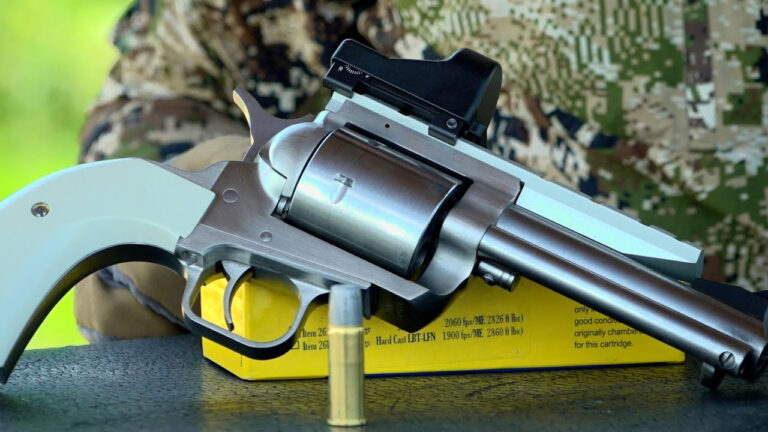
The Desert Eagle Mark XIX should not be anyone’s first carry choice because it is barely a carry pistol in any practical sense. It is huge, heavy, expensive, and chambered for cartridges that create far more blast and recoil than a normal defensive handgun needs. It is famous, but fame does not make it useful for daily concealment.
As a range gun or collector piece, the Desert Eagle has its own appeal. As a first carry gun, it creates problems everywhere. Holster options are limited, concealment is unrealistic for most people, and follow-up shots are slower than they need to be. A carry pistol should make defensive shooting easier, not turn it into a stunt.
Taurus Judge

The Taurus Judge gets attention because it can fire .410 shells and .45 Colt, but that versatility is exactly why new carriers can misunderstand it. It sounds like a perfect problem-solver until you look at the size, weight, recoil, pattern performance, and limited practical carry value. A large revolver chambered around compromises is not a smart starting point.
The Judge may have niche uses around snakes, pests, or certain property-defense situations, but it is not an ideal concealed-carry handgun. It is bulky, low-capacity, and harder to shoot well than many buyers expect. A first carry gun should be simple, controllable, and easy to practice with. The Judge is more novelty than sensible daily carry.
Smith & Wesson Governor
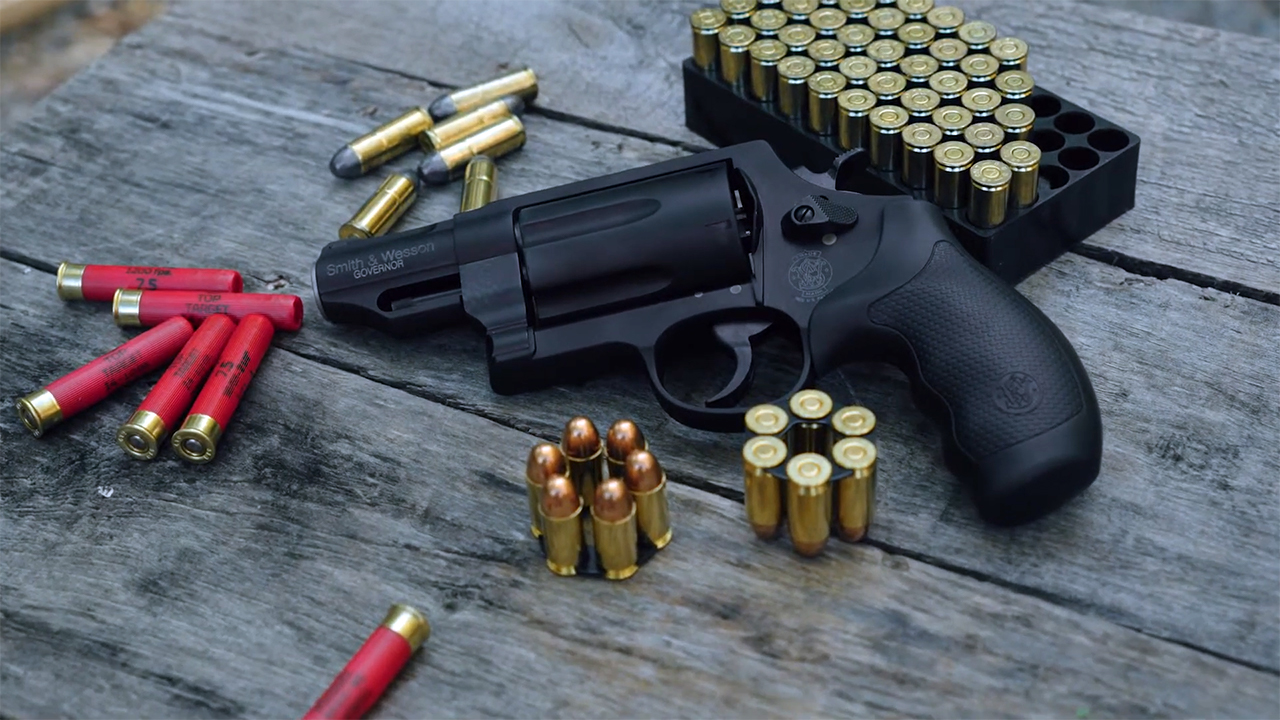
The Smith & Wesson Governor has the same basic problem as the Taurus Judge. It promises flexibility with .410, .45 Colt, and .45 ACP, but that flexibility comes inside a large revolver that is difficult to conceal and not especially efficient for defensive carry. New carriers can easily mistake options for advantage.
In practice, the Governor is too big for most concealed-carry roles and does not outperform dedicated defensive pistols or revolvers. It may be interesting as a range gun or niche home-defense option, but it should not be the first handgun someone depends on in public. A smaller, more shootable 9mm or .38 revolver makes far more sense.
Kimber Micro 9

The Kimber Micro 9 looks like a classy carry pistol, and that is why it attracts new buyers. It is small, metal-framed, and has 1911-inspired controls that make it feel more refined than many polymer carry guns. At the gun counter, it has a lot of charm.
The problem is that tiny single-action carry pistols demand training and commitment. Capacity is limited, recoil can be snappy, and the manual safety requires consistent habits. A new carrier is usually better served by a simpler pistol with more capacity and easier handling. The Micro 9 can work for experienced owners, but it should not be the default first choice.
SIG Sauer P938

The SIG Sauer P938 has many of the same issues as the Micro 9. It is attractive, compact, and well-made, but it asks a lot from a first-time carrier. The short grip, small sight radius, single-action operation, and manual safety all require careful practice. That is not impossible, but it is more demanding than many new buyers realize.
The P938 also gives up capacity compared with newer micro-compacts. It may feel premium, but practical carry is not just about feel. A first carry pistol should be forgiving enough to learn on and shoot well under pressure. For most new carriers, the P938 is better as a later personal-preference gun than a first defensive choice.
Colt Mustang

The Colt Mustang has pocket-pistol history and a loyal following, but it is not a great first carry pick today. It is small, light, and charming, but it is also limited in capacity and built around a manual of arms that requires consistent training. New carriers may like the size without realizing how much work tiny pistols can be.
Modern carry pistols offer more rounds, better sights, and easier shooting in similar or only slightly larger packages. The Mustang still has appeal for collectors and experienced carriers who specifically want one. But for a first carry gun, nostalgia and the Colt name are not enough. Better practical options exist.
Ruger LCP

The original Ruger LCP became popular because it was extremely easy to carry. That strength is real. It disappears in a pocket and works when larger guns get left at home. But being easy to carry is not the same as being easy to shoot well, especially for someone still learning defensive handgun skills.
The tiny grip, minimal sights, long trigger, and sharp recoil feel make the original LCP a tough training gun. Many owners carry it more than they practice with it, which is a bad combination for a first pistol. It can serve as a backup or deep-concealment gun, but new carriers should usually start with something easier to control.
Ruger LCP II
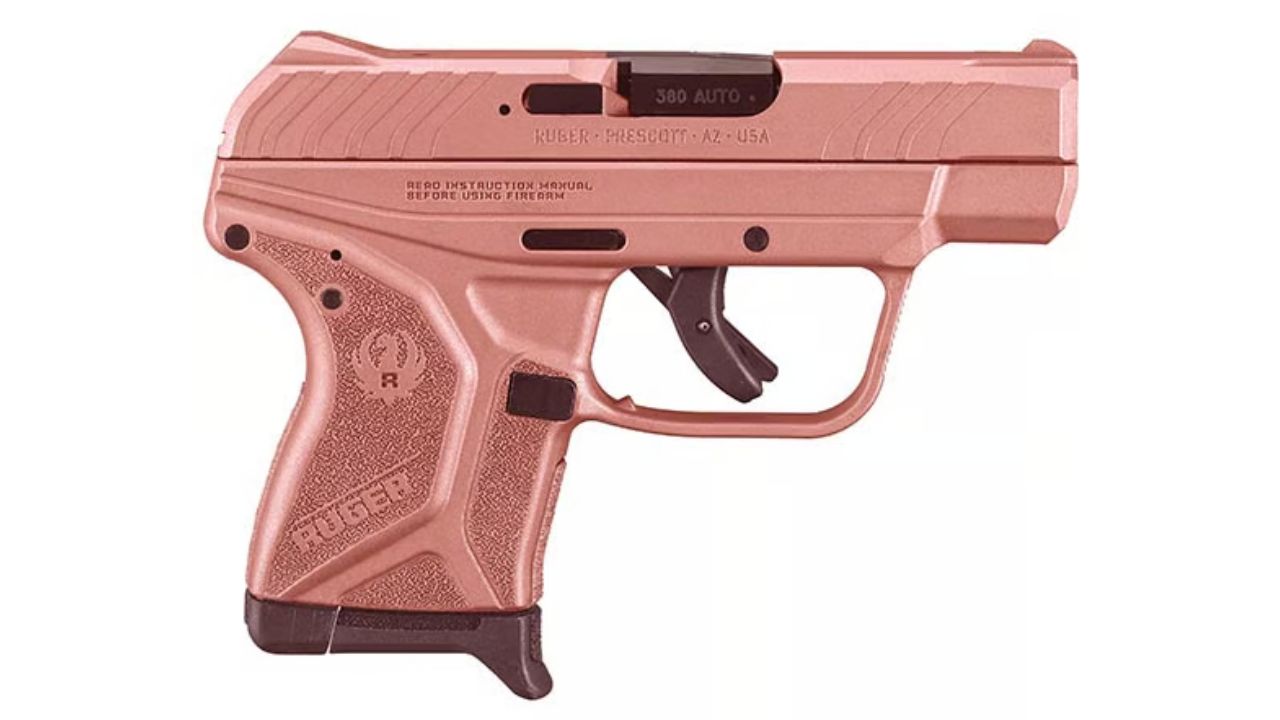
The Ruger LCP II improved the original LCP, but it still should not be most people’s first carry gun. The trigger and sights are better, and the pistol is easier to shoot than the original. Still, it remains a very small .380 with limited capacity and limited control under stress.
That does not make it useless. It is good at deep concealment, and experienced carriers may use it when nothing larger works. But a first carry pistol should encourage practice and build confidence. The LCP II is still more of a convenience gun than a training-friendly defensive handgun.
Beretta Pico

The Beretta Pico is very thin, which made it attractive for deep concealment. The problem is that thinness can come at a cost. The grip is small, the trigger is not for everyone, and the shooting experience can be less pleasant than the carry profile suggests. New carriers may buy it because it hides well, then avoid practicing with it.
A pistol that is difficult to shoot well is not a strong first choice. The Pico may work for someone who specifically needs an ultra-thin .380 and is willing to train with it. For most beginners, though, a more shootable compact or micro-compact pistol makes more sense. Carry comfort matters, but control matters too.
KelTec P-3AT
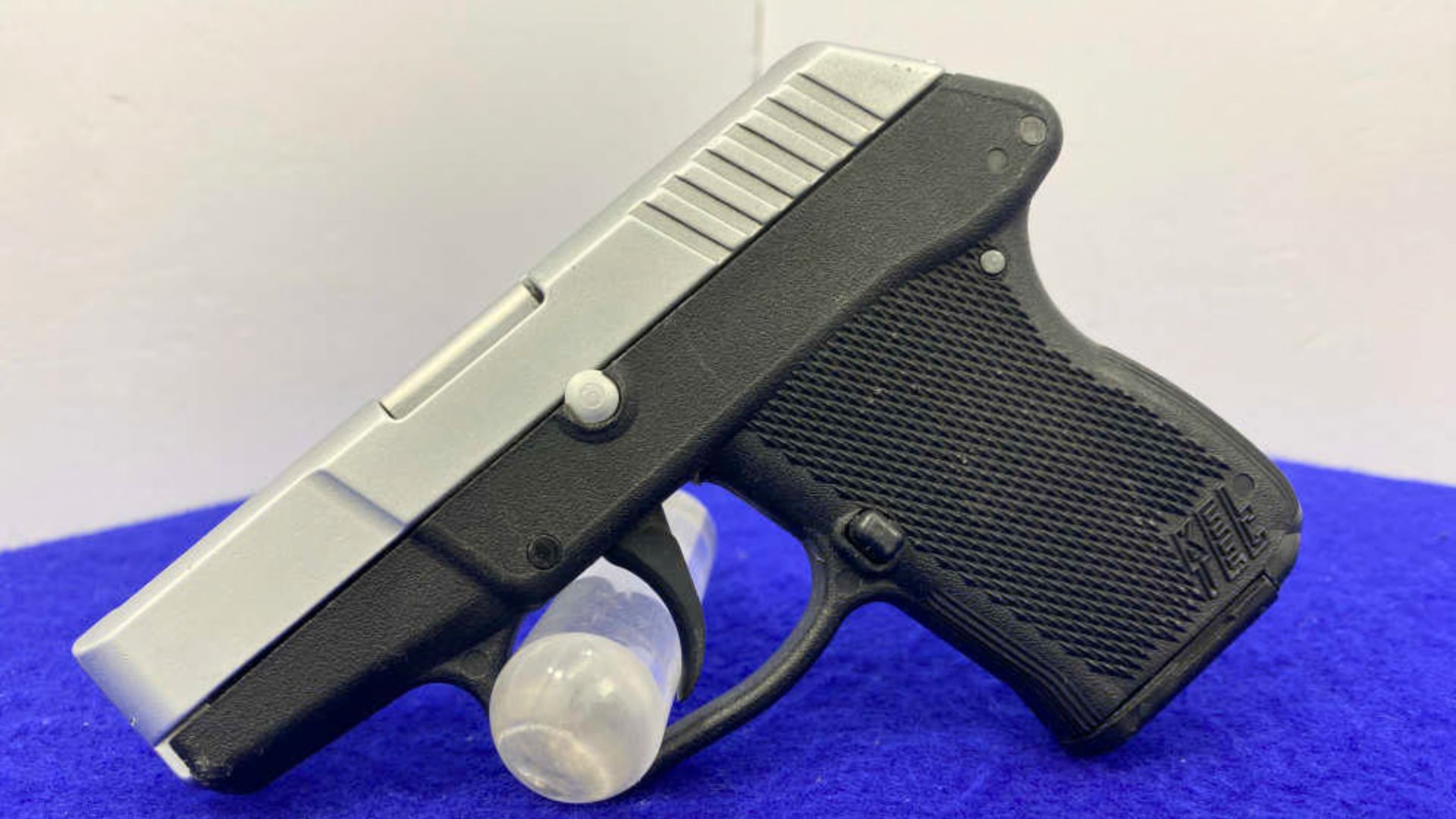
The KelTec P-3AT deserves credit for helping popularize tiny .380 pocket pistols, but it is not a first carry gun anyone should rush toward today. It is extremely light and easy to conceal, but it is also small, snappy, and not nearly as forgiving as larger pistols. The sights and trigger are minimal compared with modern options.
For experienced carriers, it can still fill a deep-concealment niche. For a beginner, it is more likely to discourage meaningful practice. Small pocket pistols are harder to shoot well than they look, and the P-3AT is a perfect example. New carriers should learn on something with better grip, better sights, and more control.
North American Arms Mini Revolver

The North American Arms Mini Revolver is interesting, tiny, and impressively well-made for its size. It can be carried almost anywhere, which is why people are drawn to it. But as a first carry handgun, it is far too limited.
The grip is tiny, the sights are minimal, capacity is low, and reloading is slow. It is not a handgun that helps a new shooter build real defensive skills. It may be better than nothing in a very narrow last-ditch role, but that is not the standard for a first carry gun. Someone new to concealed carry should start with a firearm they can actually shoot, reload, and handle under pressure.
Derringer-style pistols
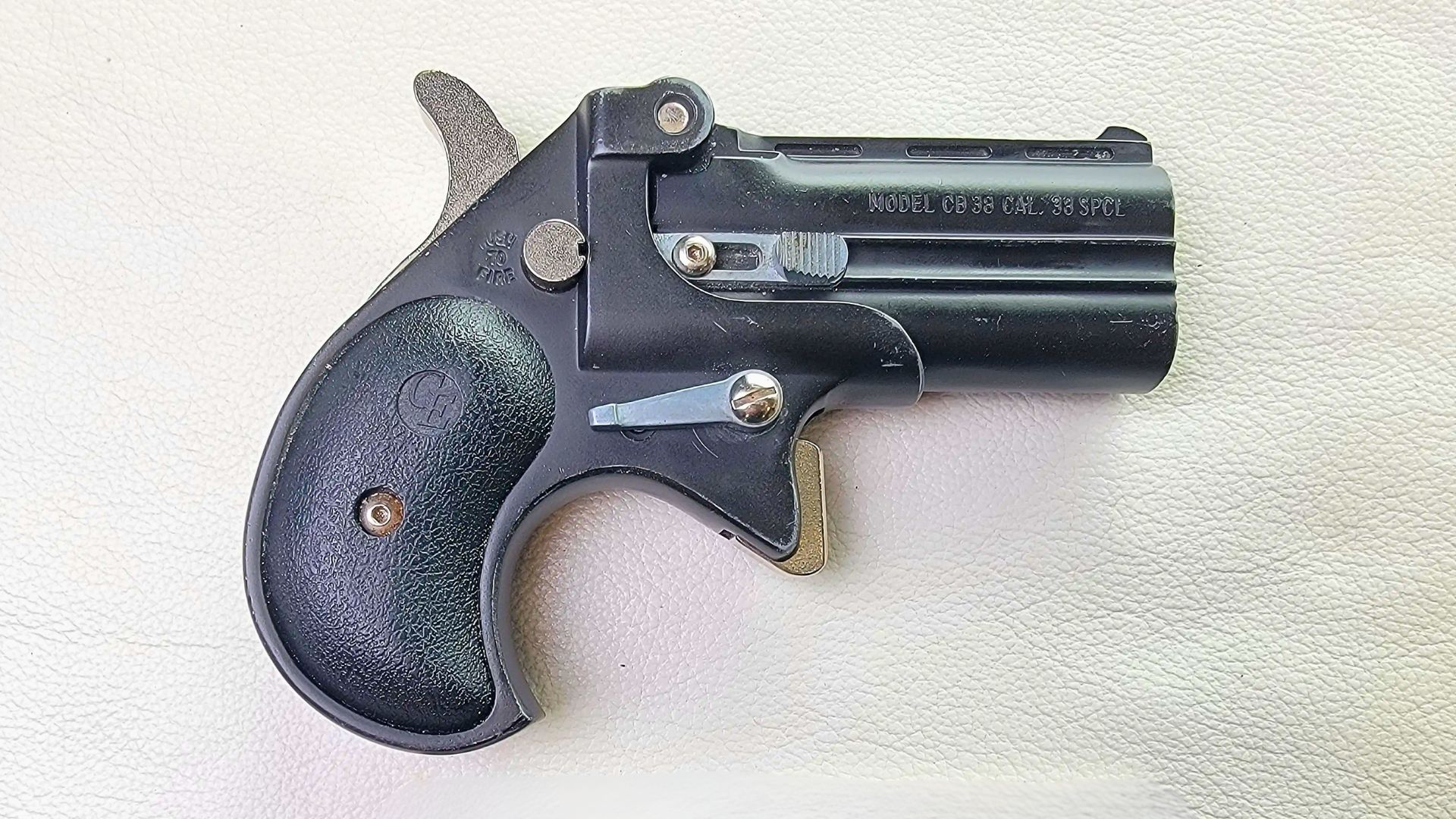
Derringers look simple, but they are usually poor first carry choices. Pistols like the Bond Arms Backup or Cobra Derringers are compact and easy to understand mechanically, but they are heavy for their capacity, hard to shoot well, and slow to reload. Two shots is a severe limitation when better options exist.
The recoil can also be unpleasant, especially in more powerful chamberings. A new carrier may assume fewer controls means easier use, but defensive shooting is about more than making the gun go bang. Accuracy, follow-up shots, reloads, and consistent practice all matter. Derringers are interesting, but they are not where most people should begin.
SCCY CPX-2
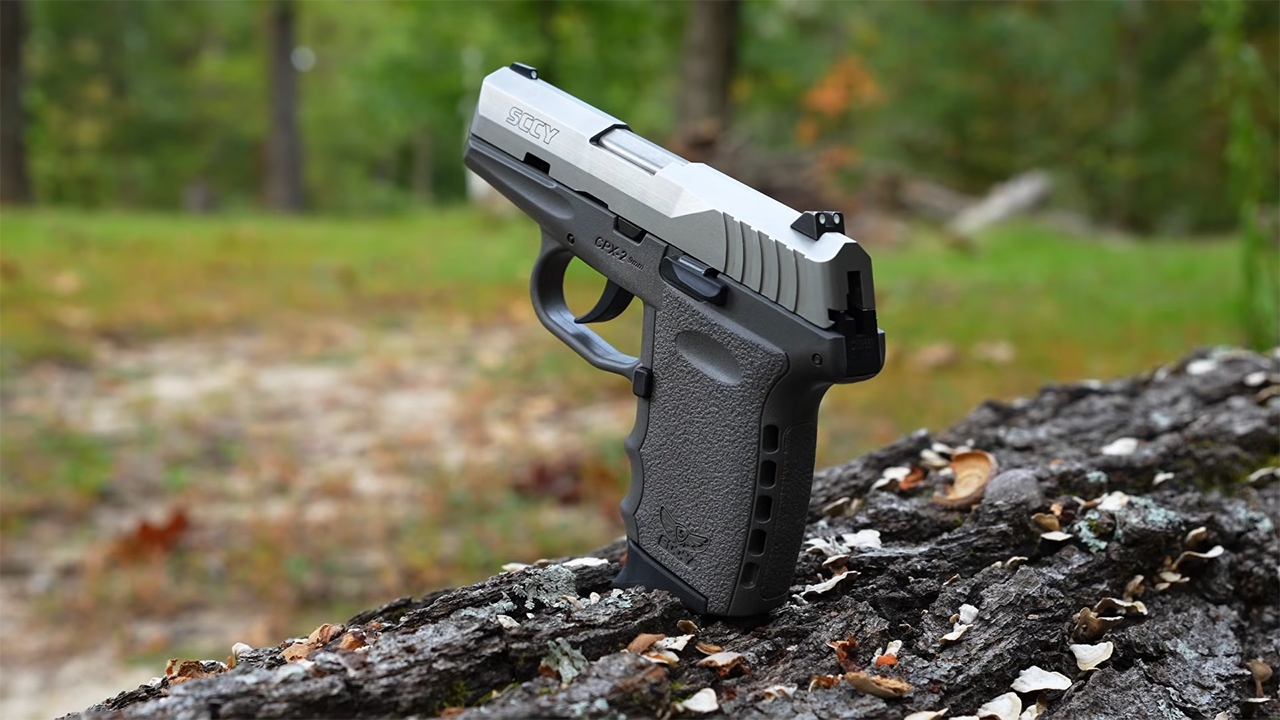
The SCCY CPX-2 appeals to new carriers because it is affordable and compact. Price matters, and not everyone can spend premium money on a defensive handgun. But the CPX-2 comes with tradeoffs that make it a weak first choice unless budget is the only deciding factor.
The long double-action trigger, snappy recoil, and budget-gun feel can make practice less enjoyable and less productive. Some owners have had good results, but there are stronger budget pistols available now from Ruger, Canik, Smith & Wesson, and Taurus. A first carry gun should build confidence, not make the shooter fight the trigger.
Taurus Curve
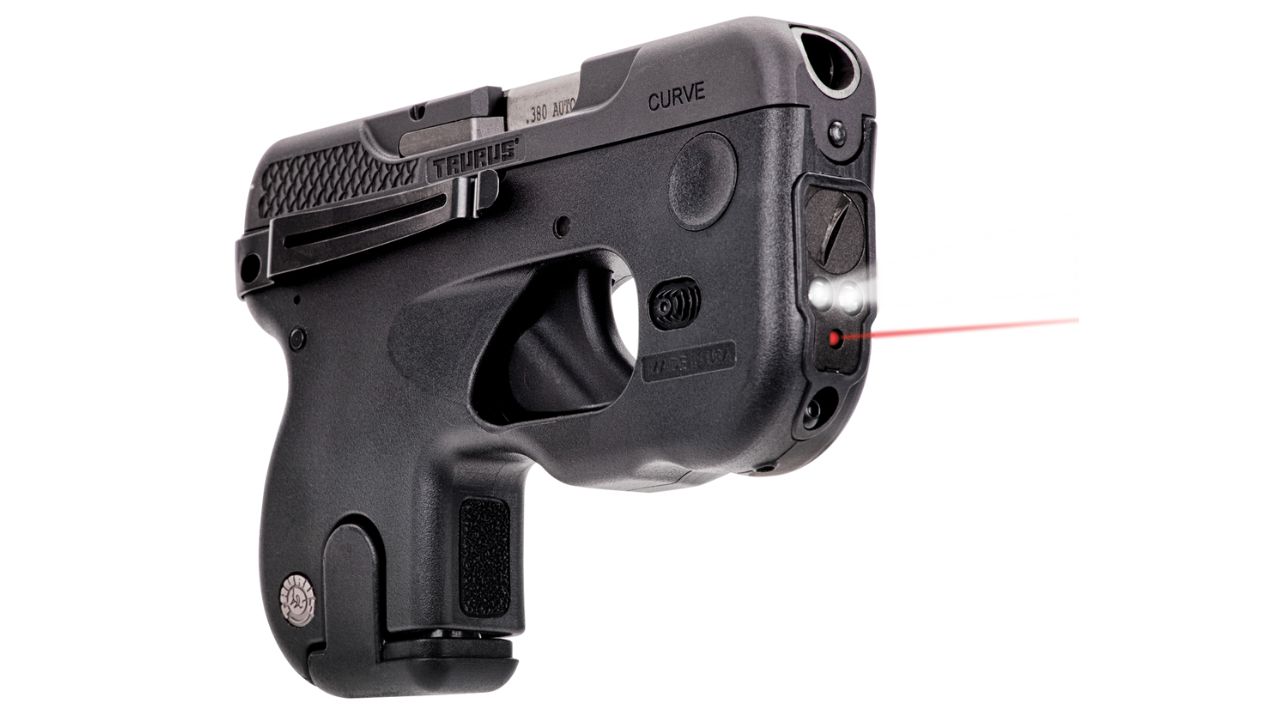
The Taurus Curve was designed around concealed carry, but its gimmick is exactly why it should not be a first choice. The curved frame, unusual shape, and built-in light-and-laser concept made it stand out, but standing out is not the same as working better. It asked buyers to trust an unconventional answer to a serious problem.
For a new carrier, conventional is usually better. Standard holsters, normal sights, familiar controls, and proven handling all matter. The Curve is too strange, too limited, and too far outside the mainstream to be a smart first defensive pistol. A first carry gun should teach good habits, not force the owner into a discontinued oddball system.
Remington R51
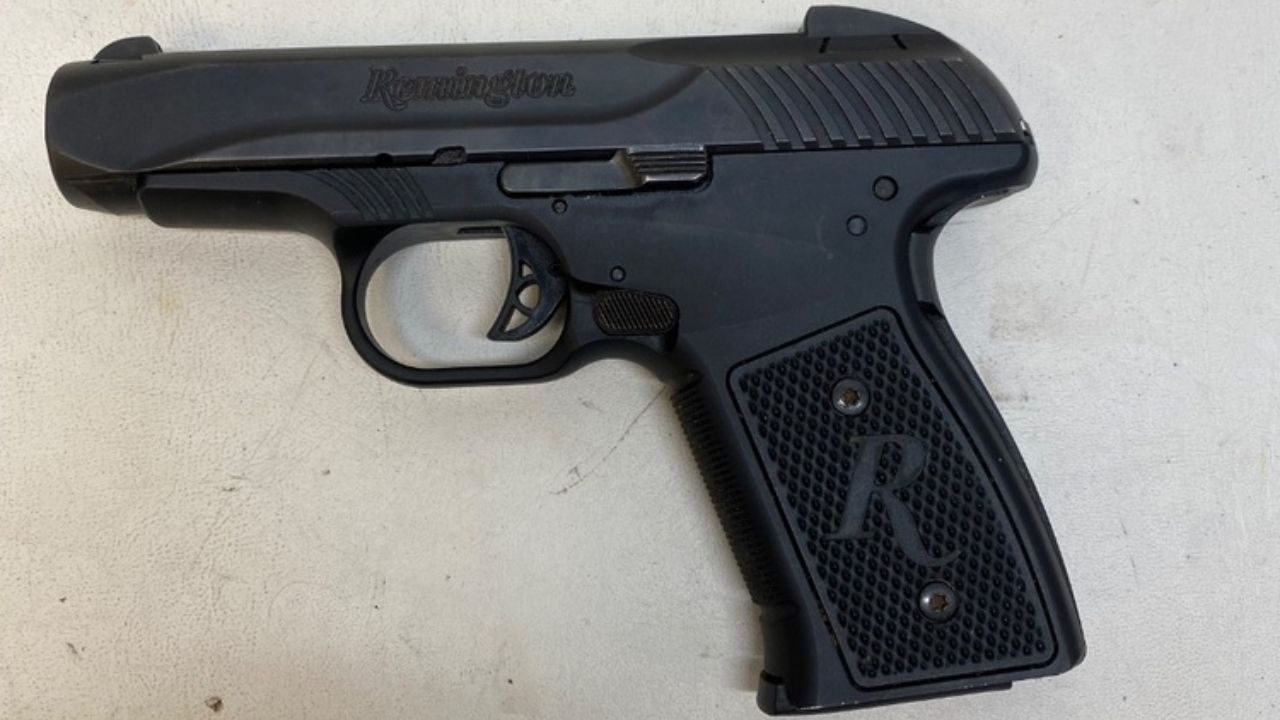
The Remington R51 had an interesting design, but its reputation makes it a poor first carry choice. Early reliability and quality-control complaints damaged trust badly, and defensive pistols depend on trust above everything else. Even if an individual R51 works, the model’s history creates doubt.
A new carrier should not start with a pistol that requires explaining away its reputation. The R51 may interest collectors or people who like unusual designs, but it is not the practical answer for everyday carry. There are too many reliable, proven compact 9mm pistols available to gamble on a gun with that much baggage.
Kimber Solo
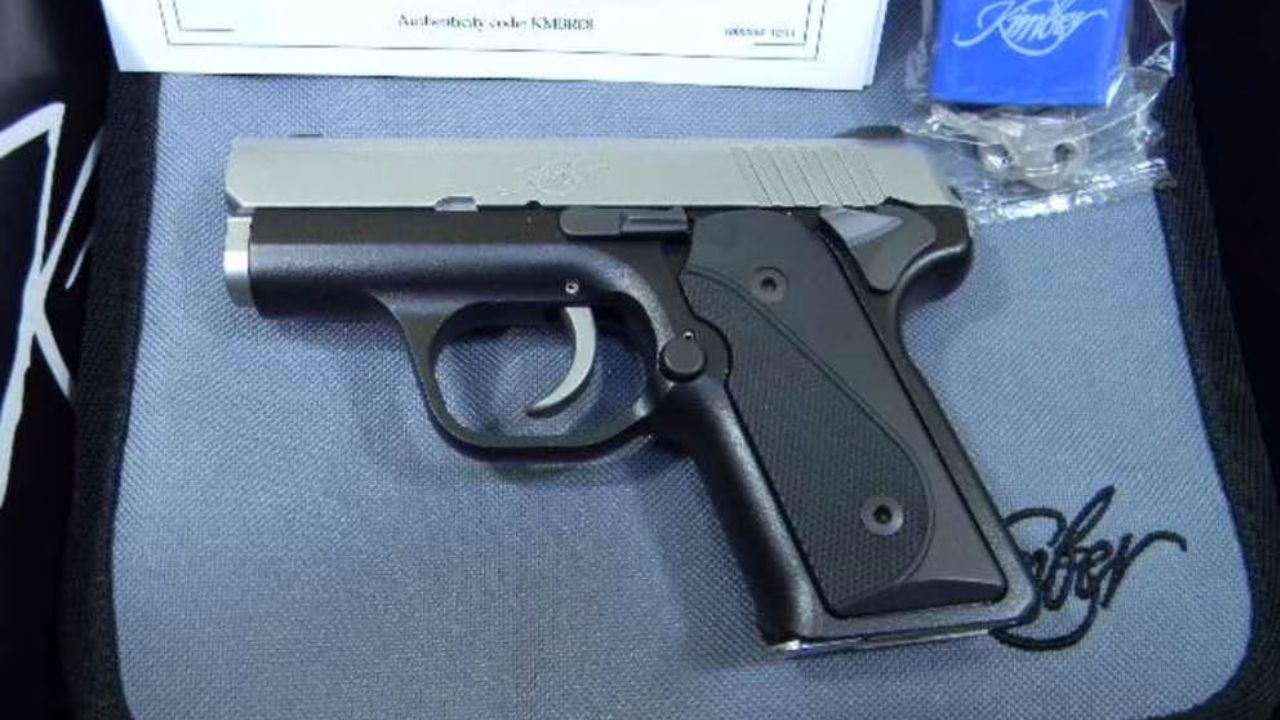
The Kimber Solo looked like a premium small 9mm, but the ownership reputation never matched the image for many shooters. It was sleek, attractive, and easy to want at the counter. The problem is that reports of ammunition sensitivity and reliability concerns made it difficult to trust as a defensive pistol.
That alone should remove it from first-carry consideration. A new carrier needs a gun that runs with common defensive loads and does not require constant second-guessing. The Solo may have style, but style is not reliability. For a first carry handgun, predictable function beats polished looks every time.
Springfield Armory XD-S .45 ACP

The Springfield Armory XD-S in .45 ACP sells the idea of big-bore power in a slim carry pistol. That sounds appealing until the shooter has to train with it. A small, lightweight .45 can be sharp, slow, and less enjoyable to practice with than a compact 9mm. New carriers often underestimate that.
Capacity is also limited, and the grip safety adds another layer some shooters do not want. The XD-S .45 can serve experienced owners who specifically like it, but it is not the best starting point. A first carry pistol should make regular practice easier. A snappy single-stack .45 often does the opposite.
Glock 42

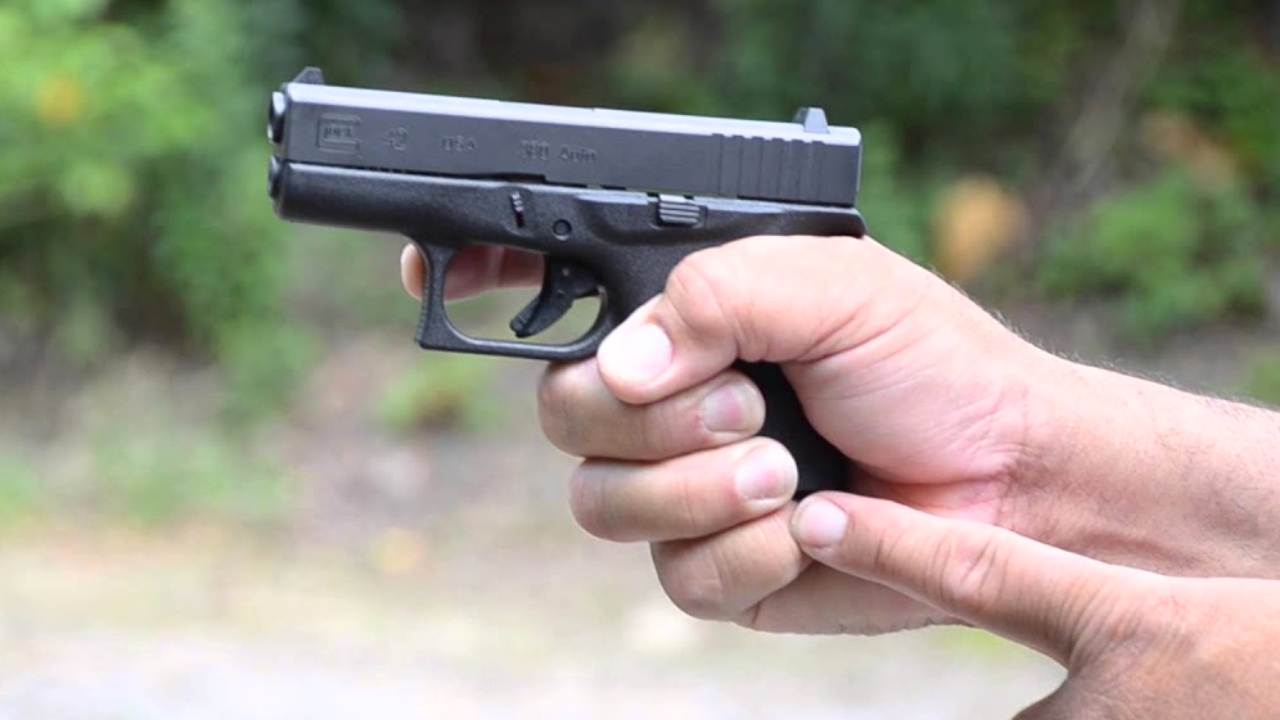
The Glock 42 is not a bad pistol. In fact, it is one of the softer-shooting pocket .380s because it is larger than many competitors. The problem is that its size puts it in an awkward place for a first carry choice. It is not as tiny as the smallest pocket guns, but it still carries .380 ACP with limited capacity.
For a little more size, many buyers can move into 9mm pistols with better terminal performance and capacity. The Glock 42 makes sense for recoil-sensitive shooters or people who specifically want an easy-shooting .380. But as a general first carry pick, it is hard to recommend over a good slim 9mm or higher-capacity micro-compact.
Beretta Tomcat 3032

The Beretta Tomcat 3032 is a clever little pistol with a tip-up barrel that helps people who struggle to rack slides. That feature gives it a real purpose, and for some shooters it may be exactly what they need. But it should not be a normal first carry recommendation.
The .32 ACP chambering is modest, capacity is limited, and the pistol is thicker than many expect for its power level. It also requires understanding its maintenance and ammunition limits. The Tomcat is useful for a specific shooter with specific needs. For most new carriers, a more modern 9mm or .380 with better support and capacity is a stronger choice.
Walther PPK/S
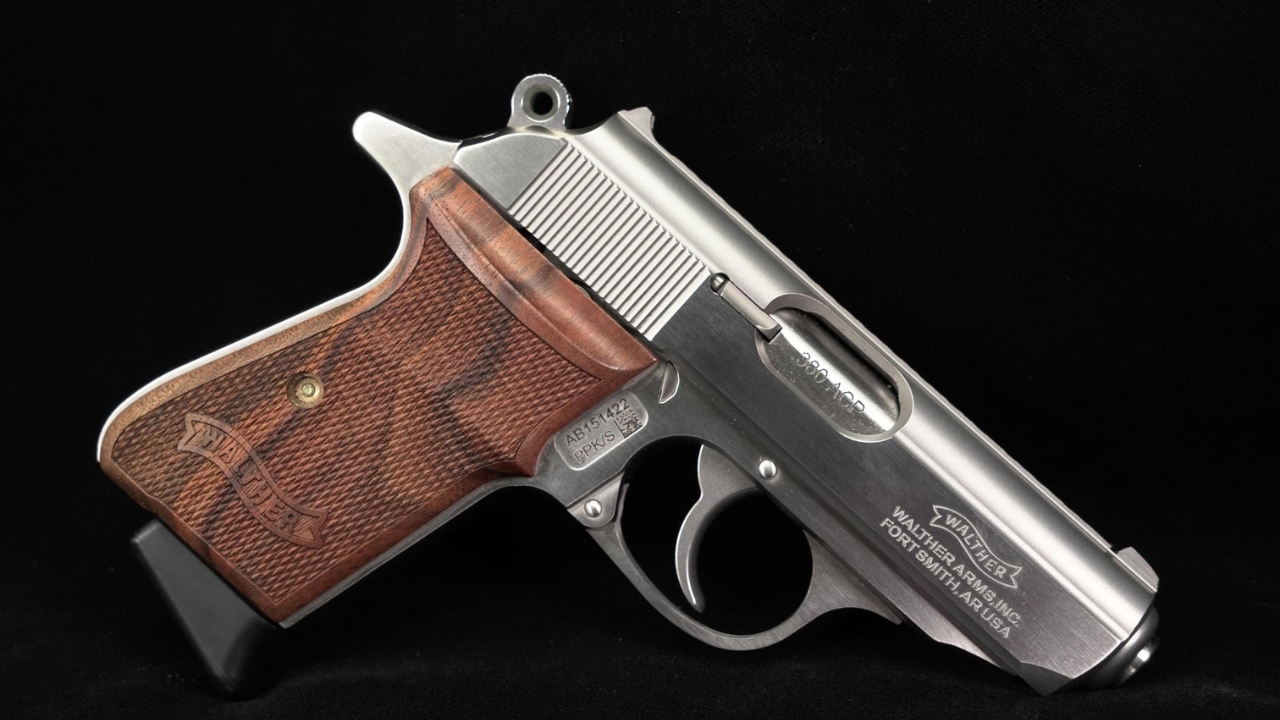
The Walther PPK/S is iconic, handsome, and historically important. That does not make it a great first carry pistol today. It is heavier than many modern .380s, has limited capacity, and can have sharp blowback recoil compared with locked-breech designs. It is often more fun to own than it is to train with seriously.
The controls and trigger system also require practice. Experienced shooters may enjoy carrying one for style, nostalgia, or personal preference. But a new carrier should not confuse classic status with modern practicality. The PPK/S is cool. A first carry pistol should be more than cool.
Micro 1911-style pistols
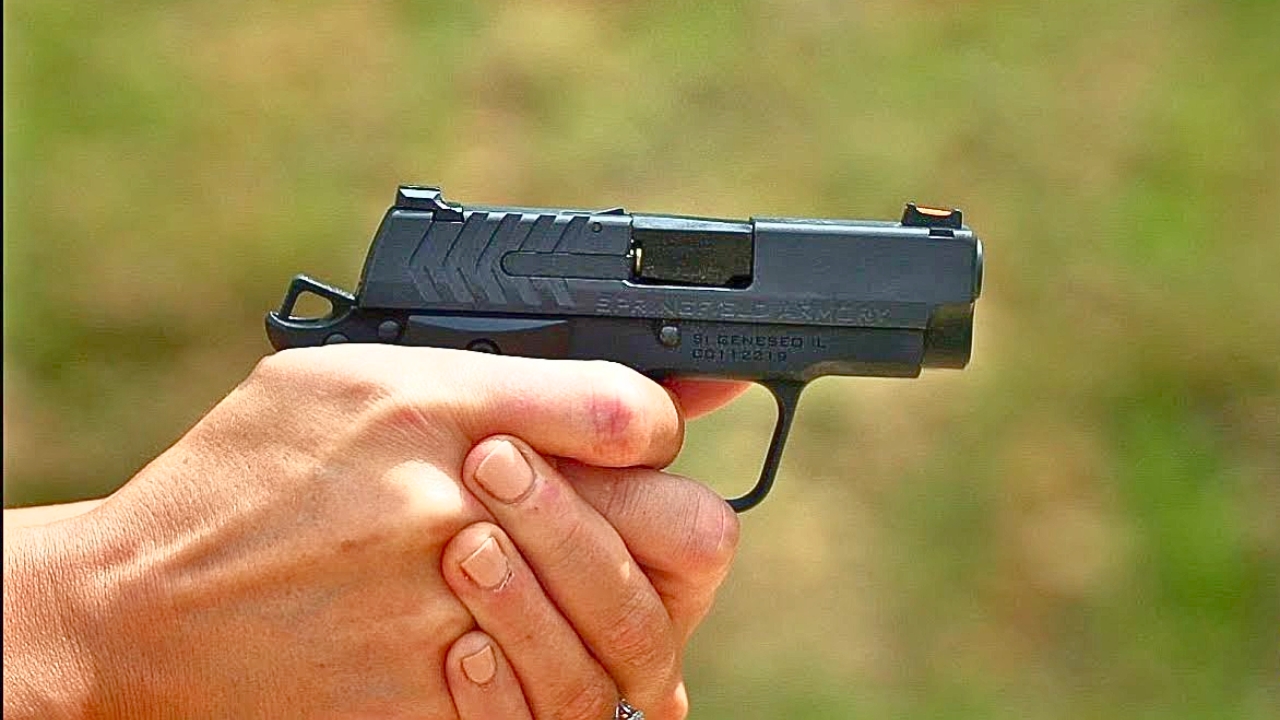
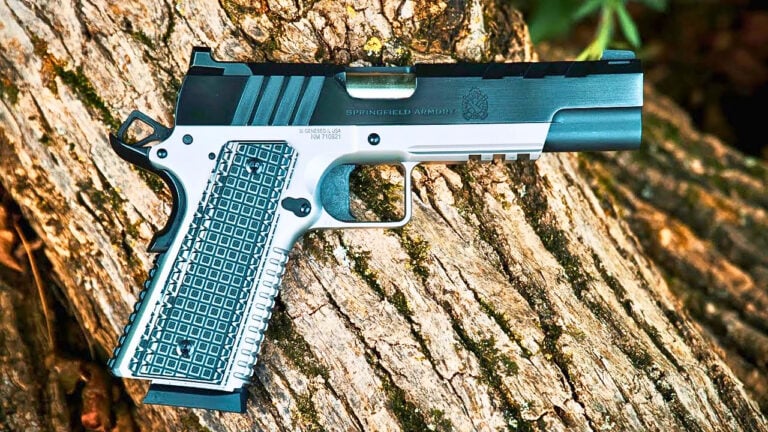
Micro 1911-style pistols are tempting because they look familiar, feel classy, and offer single-action triggers in very small packages. Models like the Kimber Micro 9, Springfield 911, and SIG P938 all appeal to shooters who dislike plastic carry guns. The problem is that shrinking a 1911-style system brings real compromises.
Capacity is usually limited, recoil can be sharp, and the manual safety requires consistent training. Reliability can also be more ammunition-sensitive than larger pistols. Some experienced owners run them well, but they are rarely the best place for a new carrier to start. A first carry gun should be forgiving, and micro 1911-style pistols usually are not.
Like The Avid Outdoorsman’s content? Subscribe to our newsletter so you never miss an article.
Here’s more from us: