Photo credit: farleyjj1/YouTube
Some rifles get expensive in obvious ways. Everyone knows the famous collectibles, the military classics, and the rifles that had big reputations from the start. The more interesting ones are the rifles that climbed while most people were not paying attention. They sat in closets, pawn shops, deer camps, and used racks until one day the price tags stopped looking familiar.
That usually happens for a reason. Production ends, quality changes, nostalgia kicks in, or shooters realize a certain rifle filled a role nothing else quite replaced. These discontinued rifles were easy to overlook when they were still affordable. Now clean examples make a lot of people wish they had bought sooner.
Marlin 336 JM-stamped rifles
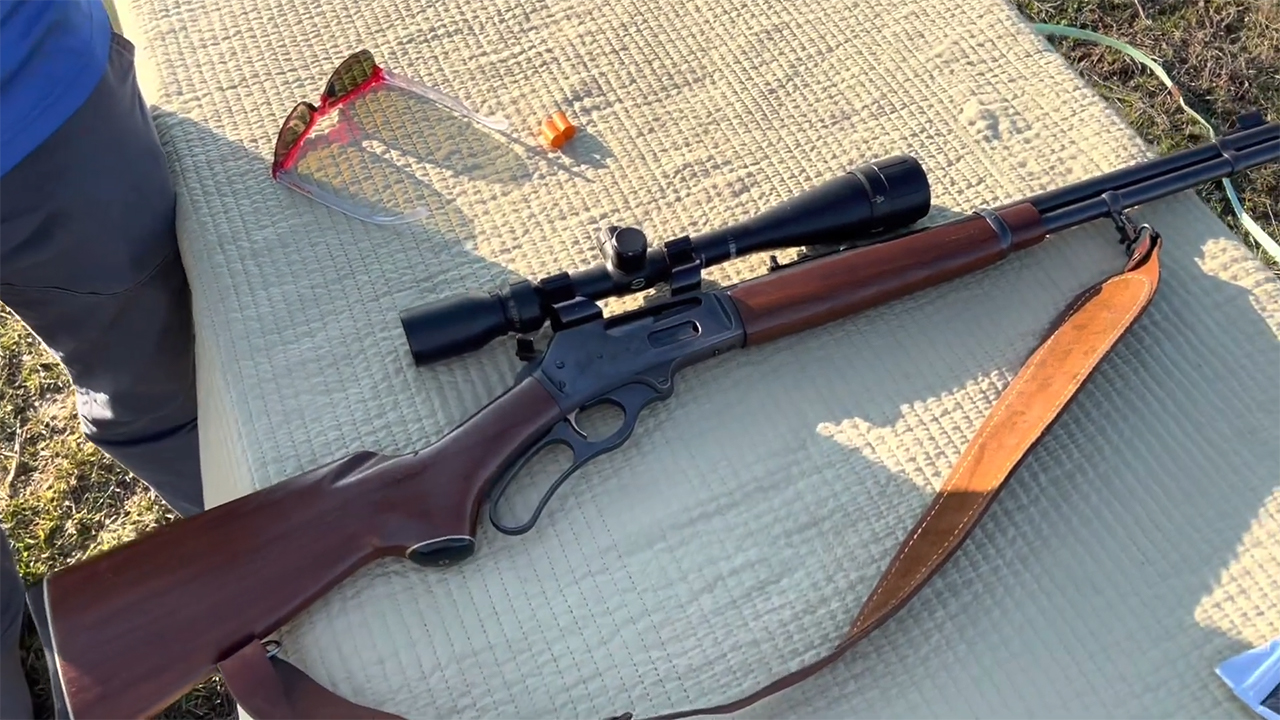
Older JM-stamped Marlin 336 rifles are one of the clearest examples of used values climbing while casual hunters were looking somewhere else. For years, they were just common .30-30 deer rifles. They lived in closets, rode in trucks, and showed up in pawn shops without much excitement.
Then shooters started paying closer attention to older Marlin quality, side-eject practicality, and the changing lever-action market. Clean JM-stamped 336 rifles became more desirable, especially compared with rougher later examples. Hunters who kept theirs suddenly had a rifle that was not just useful, but valuable. It still works in the deer woods, and now the market treats it like something worth holding onto.
Winchester Model 94 pre-1964

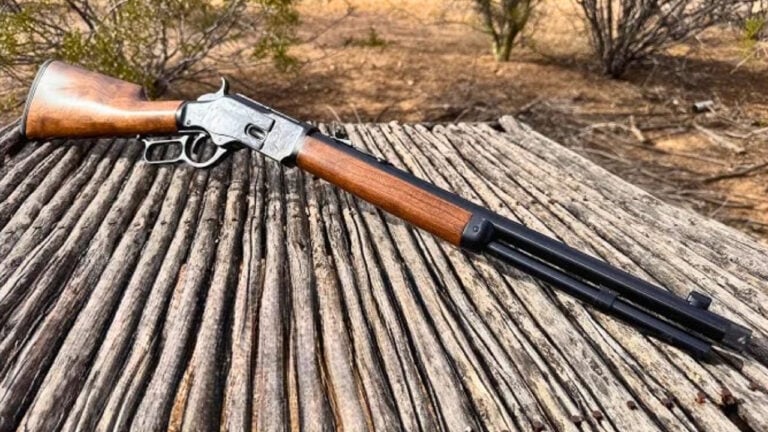
The pre-1964 Winchester Model 94 did not become valuable overnight, but plenty of people still underestimated how far clean examples would climb. Because the Model 94 was so common, many hunters assumed there would always be another affordable one around. That was a bad assumption.
Collectors and hunters both kept chasing the older rifles because of the machining, history, and classic handling. A light .30-30 carbine that once looked like grandpa’s ordinary deer rifle became a serious used-market prize in the right condition. The people who passed on them years ago usually remember exactly what they could have paid.
Savage Model 99

The Savage Model 99 spent years being underappreciated by people who did not understand how clever it was. It was a lever-action rifle that did not fit the usual Winchester 94 or Marlin 336 mold. The hammerless action, rotary magazine on many versions, and chamberings like .300 Savage, .250-3000 Savage, .243 Winchester, and .308 Winchester made it different.
That difference is exactly why values climbed. The Model 99 offered lever-action handling with more modern cartridge capability, and nothing current fully replaces it. Clean examples in desirable chamberings now draw real attention. What used to look like an odd old lever rifle has become one of the smartest discontinued hunting rifles to chase.
Remington Nylon 66

The Remington Nylon 66 was once treated like a strange synthetic-stocked .22 that plenty of traditional shooters did not take seriously. It looked odd, felt light, and did not have the walnut-and-blue-steel personality people expected from older rimfires. That kept prices reasonable for a long time.
Now the same weirdness helps it. The Nylon 66 is light, reliable, fun, and unlike most .22 rifles ever made. Clean examples, especially in desirable colors and condition, have become much harder to find cheaply. Shooters who passed on them when they were bargain rimfires now realize they were looking at one of the most distinctive semi-auto .22s ever built.
Remington 788

The Remington 788 was supposed to be the budget Remington bolt gun, not the one people chased later. It had plain looks, rear locking lugs, and none of the prestige of the Model 700. For years, it was easy to dismiss as the cheaper rifle in the lineup.
Then shooters noticed how well many of them shot. The 788 built a reputation for accuracy that outperformed its original price and image. Certain chamberings became especially desirable, and clean rifles stopped looking like bargain-bin hunters. The market eventually caught up to what longtime owners already knew: the 788 was better than its place in the catalog suggested.
Winchester 9422

The Winchester 9422 climbed because it delivered quality in a category where many rifles felt cheaper. When it was in production, it was a nice .22 lever gun. After it was gone, shooters started realizing how hard it was to replace that feel, smoothness, and build quality in a modern rimfire.
Clean 9422 rifles are now chased by collectors, small-game hunters, and lever-action fans. They feel like real rifles, not throwaway plinkers. That matters. A good .22 that can be passed down and still feel special will always find buyers. The 9422 became one of those rifles people regret not buying when prices were normal.
Browning BLR steel receiver models

Older Browning BLR rifles, especially steel receiver examples, quietly gained value because they offer something unusual. They are lever-action rifles that use box magazines and can handle pointed bullets in modern hunting cartridges. That makes them far more versatile than many traditional tube-fed lever guns.
For years, some hunters overlooked the BLR because it did not have the cowboy feel of a Winchester or Marlin. But once people started wanting lever guns in cartridges like .308 Winchester, .243 Winchester, and .30-06 Springfield, the older BLRs started looking smarter. Clean discontinued versions now bring strong interest because the rifle fills a role few others can.
Remington Model 7600
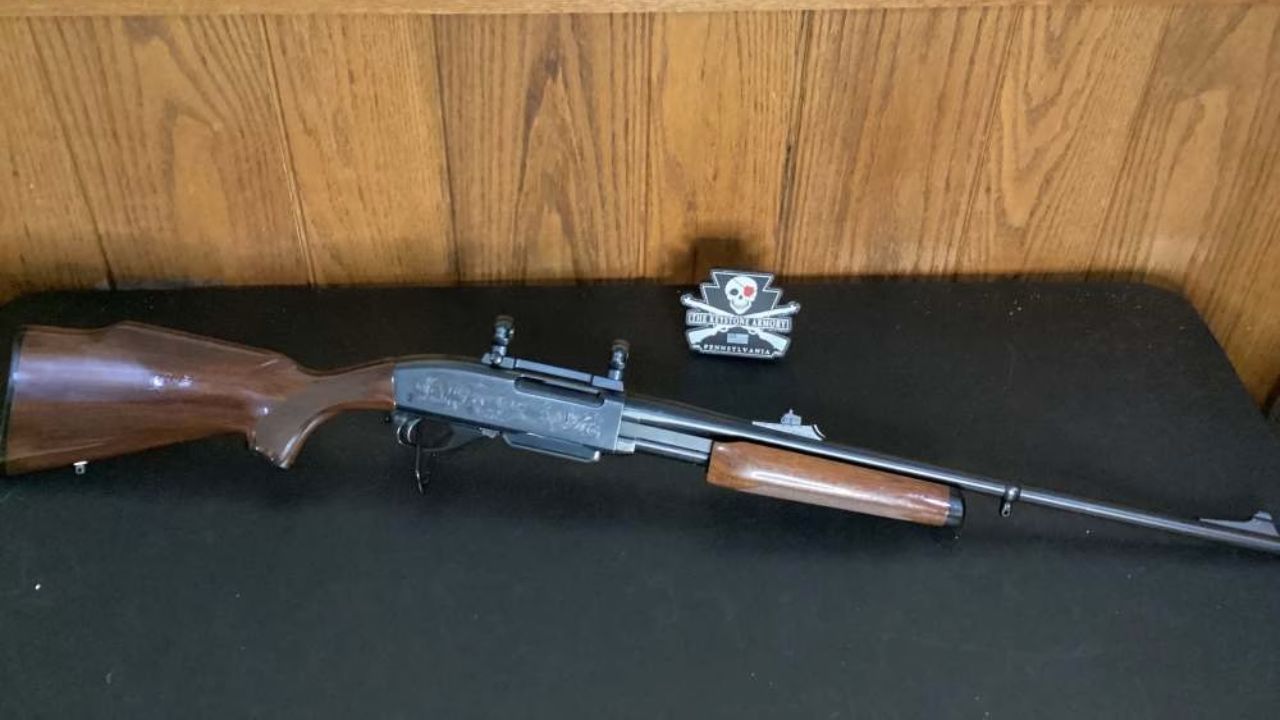
The Remington Model 7600 climbed in value because pump-action centerfire rifles never had a huge modern replacement market. In regions where hunters grew up with deer drives and fast timber shots, the 7600 was not odd at all. It was a practical rifle for people who ran pump shotguns and wanted the same feel in a deer rifle.
As production ended and demand remained strong in those regions, clean 7600 rifles became harder to find at old prices. Certain chamberings and carbine versions can bring serious attention. Hunters outside that culture may still not understand it, but the market does. The 7600 filled a real role, and that role did not disappear when production slowed or stopped.
Remington Model 760 Gamemaster
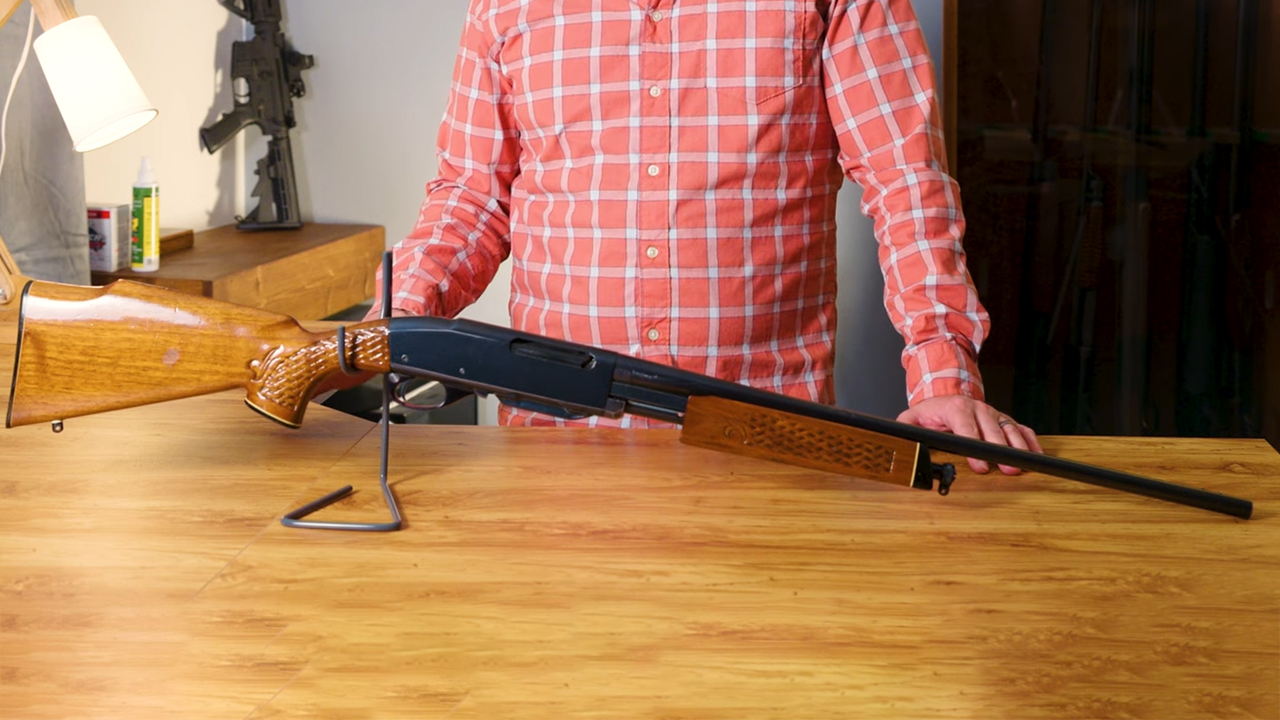
The Remington Model 760 Gamemaster is the older pump rifle that helped build the reputation later carried by the 7600. For a long time, these rifles were seen as practical deer guns rather than collectibles. They were used hard in Pennsylvania, Maine, Michigan, and other places where fast shots in timber mattered.
Clean examples have climbed because they combine nostalgia, regional loyalty, and genuine usefulness. A .30-06 or .270 pump rifle may not interest every hunter, but it means a lot to the ones who grew up around them. As nice 760 rifles get harder to find, prices reflect that loyalty. Nobody is making rifles quite like them in the same way anymore.
Marlin 1894 JM-stamped rifles
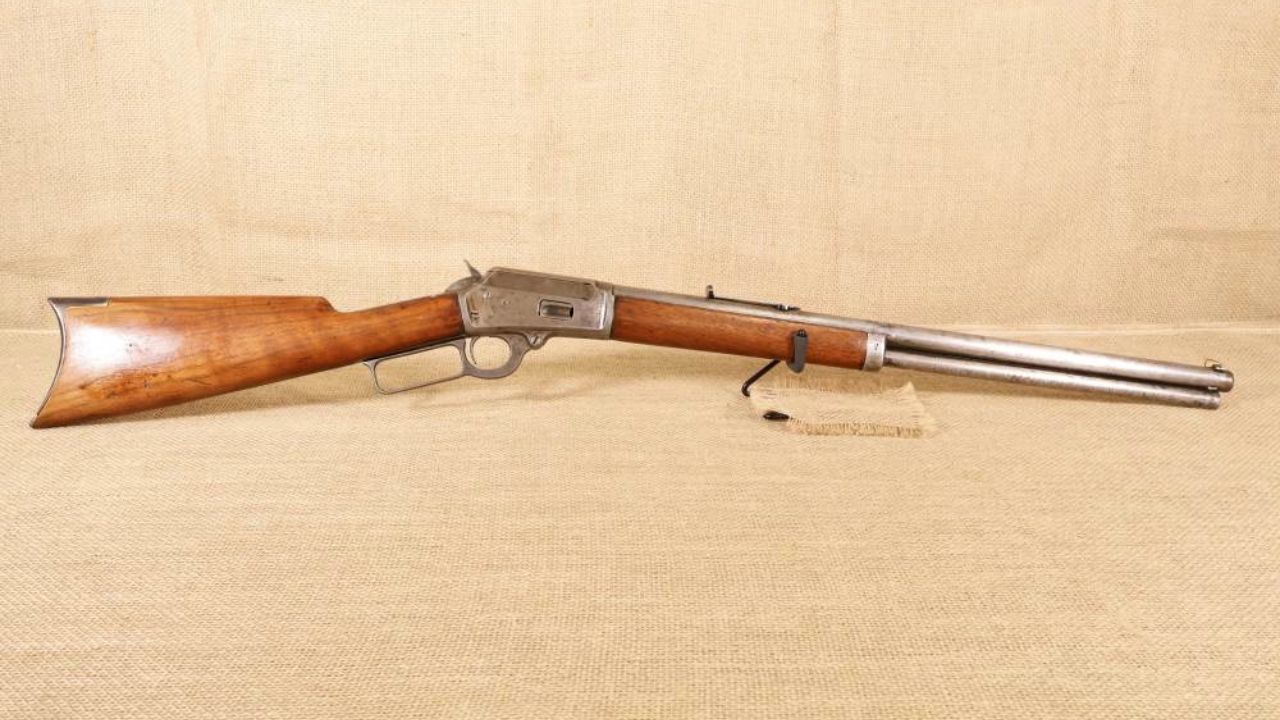
Older Marlin 1894 rifles jumped because pistol-caliber lever guns became hot again. For years, .357 Magnum and .44 Magnum lever rifles were useful but not always treated like prized guns. They were handy, fun, and practical, but many buyers assumed they would always be easy to find.
That changed fast. Clean JM-stamped Marlin 1894 rifles became highly desirable as lever-action demand rose and older Marlin quality became more appreciated. The .357 Magnum versions especially draw attention because they are mild, useful, and pair well with revolvers. People who once passed on them as simple little carbines now see prices that make them wince.
Marlin 1895 JM-stamped rifles

The Marlin 1895 in .45-70 went from big-bore hunting rifle to one of the most chased modern lever guns. Older JM-stamped examples climbed hard as shooters started wanting powerful lever actions for bear, hogs, timber hunting, and general cool factor. The rise of modernized lever builds only added fuel.
The 1895 was never cheap in the same way some .22s were, but plenty of people still underestimated where values would go. A clean older .45-70 Marlin now carries serious demand, especially in desirable configurations. It hits hard, looks right, and has the older Marlin appeal collectors want. That combination pushed prices up while many hunters were busy looking at bolt guns.
Ruger No. 1
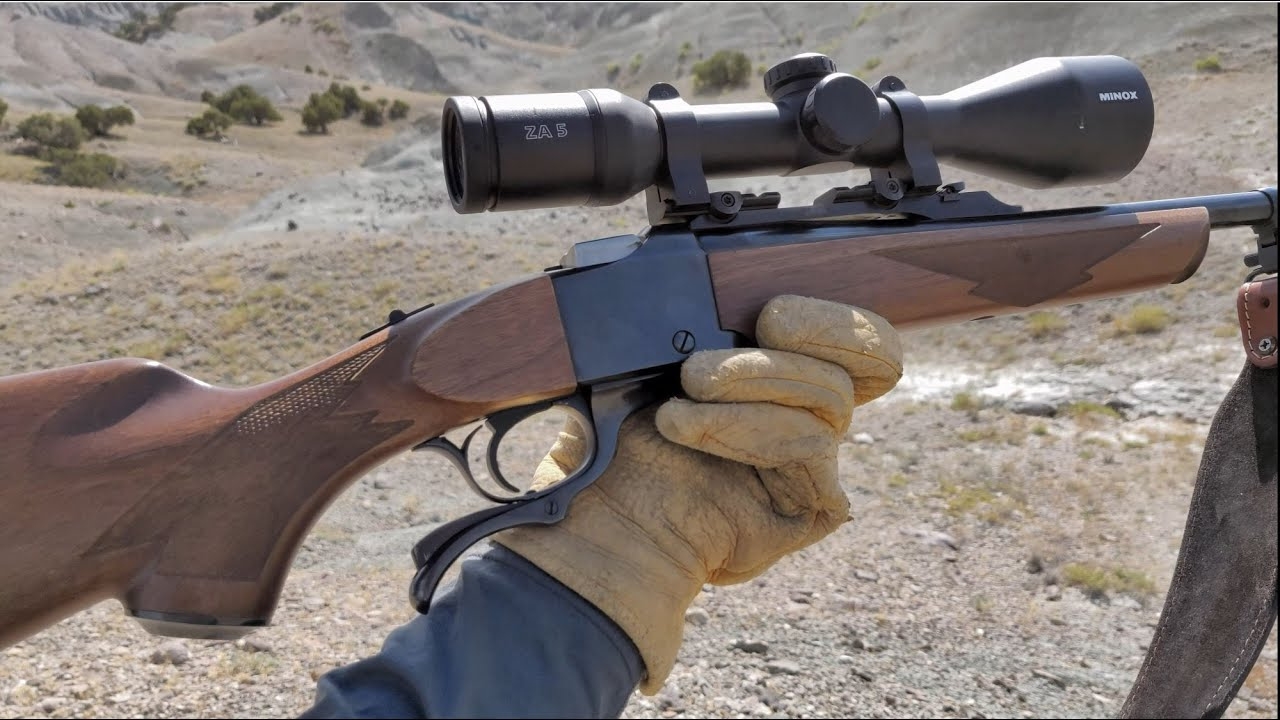
The Ruger No. 1 is a single-shot rifle that quietly became more valuable because it offers craftsmanship and character that modern rifle racks often lack. It was never for everyone. A single-shot falling-block rifle requires a different mindset than a bolt gun or semi-auto. That limited its mainstream appeal.
But once production became limited and certain chamberings disappeared, collectors and hunters started chasing specific No. 1 rifles hard. The rifle is strong, elegant, and available across a huge range of chamberings. A clean No. 1 in the right configuration can bring far more money than casual buyers expect. It became a rifle people valued more after they realized it was not easily replaced.
Ruger M77 tang safety models

Early Ruger M77 tang safety rifles have climbed because they combine classic looks, strong construction, and a feature many hunters still like. The tang safety is simple and natural, and the rifles have a rugged hunting identity that appeals to people tired of disposable-feeling modern rifles.
For years, they were just used Ruger bolt guns. Now clean examples in desirable chamberings get more attention, especially if the wood and blueing are sharp. The M77 never had the same glamour as some rifles, but it earned loyalty through toughness. Once older versions became harder to find in good shape, prices started reflecting that reputation.
Browning A-Bolt
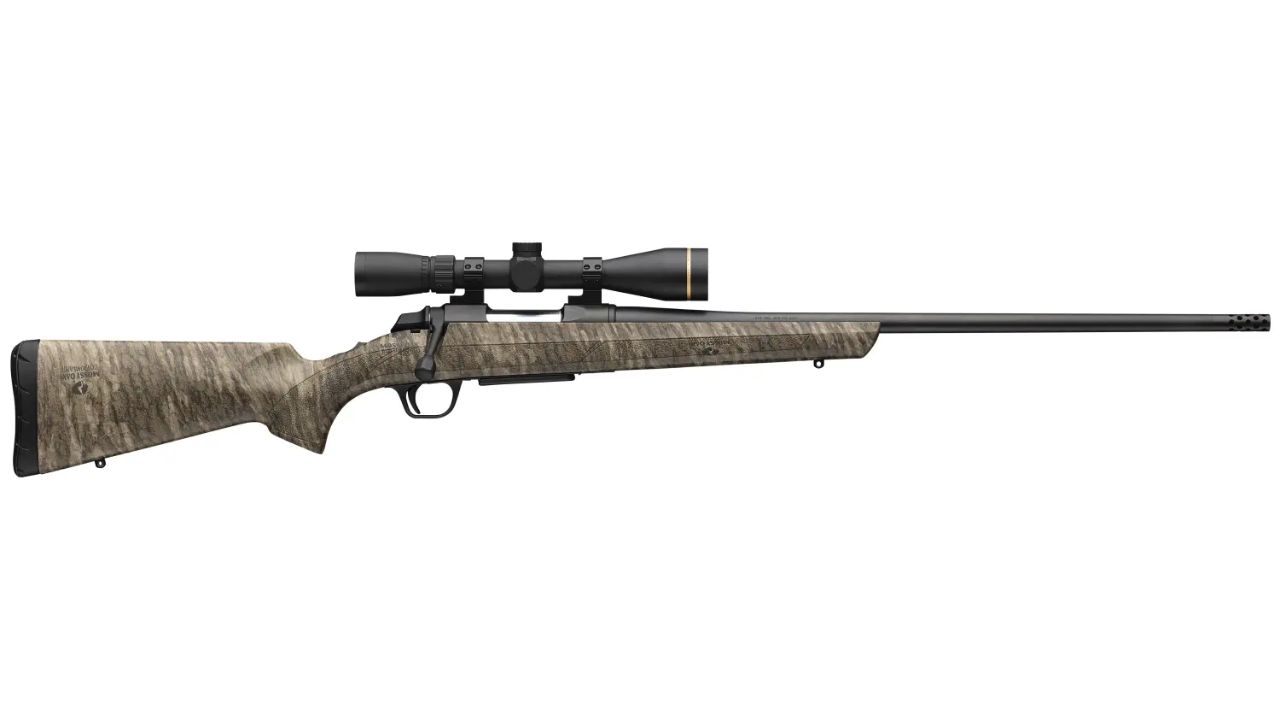
The Browning A-Bolt was overshadowed after the X-Bolt arrived, but used values quietly strengthened because hunters remembered how good many A-Bolts were. They had smooth actions, short bolt lifts, good accuracy, and a refined feel that made them more appealing than many plain working rifles.
Clean A-Bolts in desirable chamberings are not always easy to find cheap anymore. They occupy a nice space between modern practicality and discontinued appeal. Hunters who own them often keep them, which tightens supply. The A-Bolt may not have become a collector obsession like some older rifles, but it climbed enough to make old used prices look pretty smart.
Sako Finnbear

The Sako Finnbear is one of those rifles that serious bolt-action fans never really forgot, but the broader market was slower to appreciate. Built with strong Finnish quality and chambered in useful big-game rounds, it had a premium feel long before many hunters started chasing older imports.
Values rose because clean Finnbears are not easily replaced. They offer smooth actions, good triggers, nice wood, and a level of fit and finish that stands out from many current production rifles. A hunter who bought one years ago and simply held onto it made a smart move. The used market now treats good Sakos with the respect they should have had all along.
Sako Forester

The Sako Forester followed the same path as many older Sakos. It was always a quality rifle, but not every casual buyer understood how desirable it would become. Chambered in lighter and medium cartridges, the Forester made an excellent deer and varmint rifle with real refinement.
Clean examples have become more expensive because they offer something many modern rifles do not: classic size, smooth function, and old-world quality without feeling fragile. A Forester in a desirable chambering is exactly the kind of rifle people wish they had bought when it was just another used bolt gun. The market caught up late, but it caught up.
CZ 550

The CZ 550 climbed because it brought Mauser-style strength and controlled-round-feed confidence at a price that once seemed very reasonable. It was available in everything from standard deer cartridges to serious dangerous-game chamberings, and it felt built for work rather than trends.
After it was discontinued, hunters started realizing how much rifle it offered. The 550 may be heavier and less sleek than newer rifles, but that solid feel is part of the appeal. Clean examples, especially in big-game chamberings, have become more desirable. The CZ 550 now looks like one of those rifles people should have appreciated harder while it was still easy to buy.
Winchester Model 88
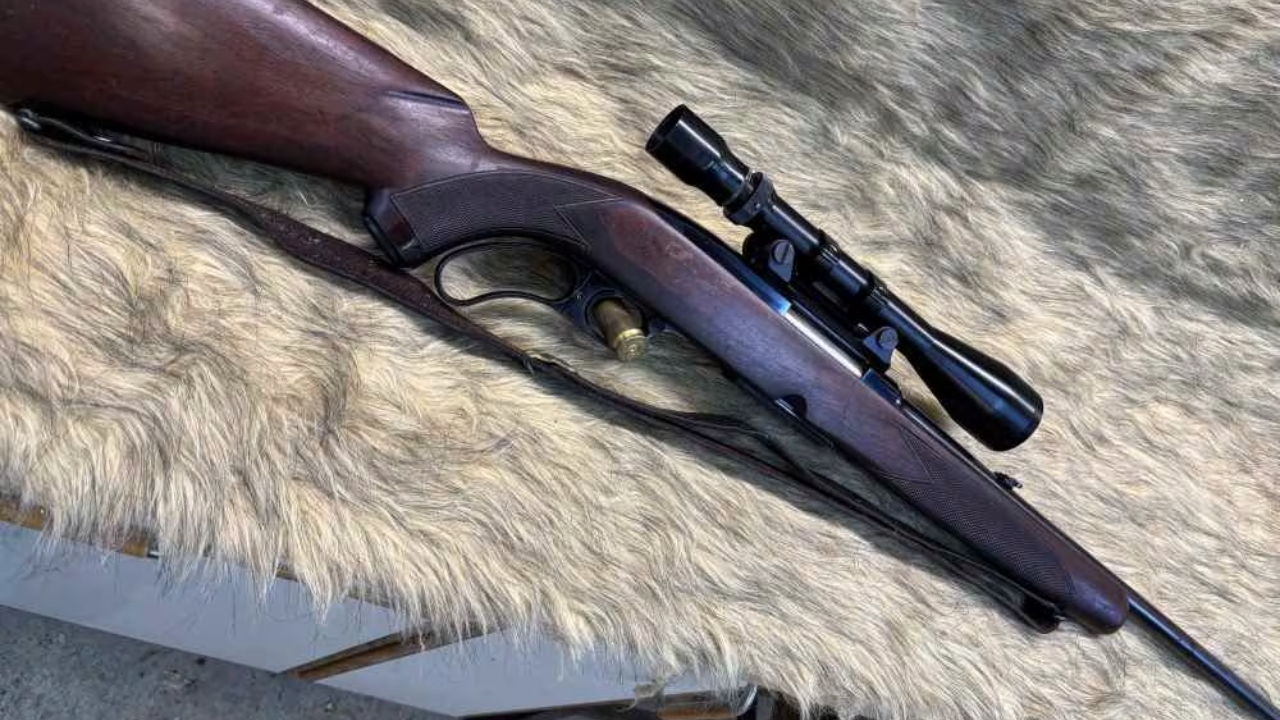
The Winchester Model 88 quietly jumped because it is one of the more interesting lever-action hunting rifles Winchester ever made. It used a rotating bolt and box magazine, which allowed it to run modern pointed bullets in cartridges like .308 Winchester and .243 Winchester. It was not a normal lever gun, and that hurt it with some traditional buyers.
Now that difference helps it. Collectors and hunters both recognize that the Model 88 offered a unique mix of lever handling and modern cartridge performance. Clean examples can bring strong money, especially in desirable chamberings and condition. It is the kind of rifle that looked odd until people realized nobody really replaced it.
Winchester Model 100

The Winchester Model 100 is not loved by everyone, but clean examples have still gained attention because discontinued semi-auto hunting rifles from classic brands have a way of pulling collectors in. It shares some family resemblance and market interest with the Model 88, but in a semi-auto format.
The Model 100 had its issues and should be evaluated carefully, especially with safety updates and condition in mind. Still, values rose because it represents a specific era of sporting rifle design. Hunters who grew up around them still have affection for them, and collectors like clean, original examples. It is not perfect, but it did not stay cheap forever.
Weatherby Mark V made in West Germany

West German Weatherby Mark V rifles have climbed because they represent a very specific and desirable period in Weatherby history. They have the classic Weatherby look, high-gloss finish, distinctive styling, and magnum identity that made the brand stand out. For years, some hunters saw them as flashy rifles from another era.
Collectors now look at them differently. A clean West German Mark V in a desirable chambering carries real prestige. It is not just a hunting rifle. It is a period-correct Weatherby with a level of identity modern rifles often lack. Owners who kept them watched the market reward the rifles’ history, looks, and big-game reputation.
Remington Model Seven

The Remington Model Seven climbed because compact bolt-action hunting rifles became more appreciated over time. It was lighter and shorter than the Model 700, making it a natural fit for woods hunters, smaller-framed shooters, and anyone who wanted a quick-handling deer rifle.
For years, the Model Seven was simply a handy little Remington. Now clean examples, especially older versions and desirable chamberings, are harder to find at low prices. The rifle fills a role many hunters still want: compact, accurate enough, easy to carry, and familiar. That combination made the used market much kinder to it than some people expected.
Ruger 77/44

The Ruger 77/44 jumped because compact bolt-action rifles in .44 Magnum are a lot more useful than some people realized. It makes sense in straight-wall states, thick woods, and short-range deer hunting. It is light, handy, and gives hunters a different option from lever guns.
Because it was discontinued and never flooded the market forever, demand stayed strong among the people who wanted exactly that setup. A .44 Magnum bolt gun is not for everyone, but the niche is real. When a discontinued rifle owns a useful niche, prices can climb fast. The 77/44 is a perfect example.
Ruger 77/357
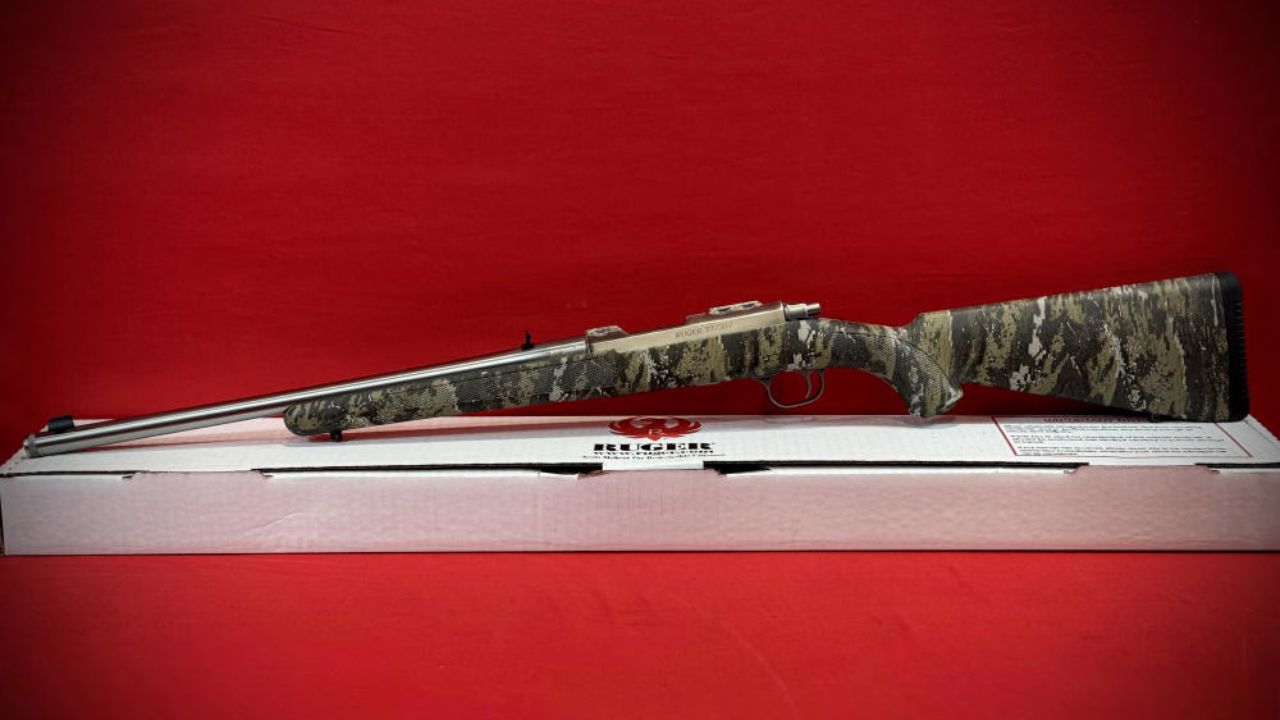
The Ruger 77/357 followed a similar path, but with even broader appeal for some shooters. A bolt-action .357 Magnum rifle that can also shoot .38 Special has obvious range, small-game, and short-range utility. It is quiet with mild loads, useful with magnums, and handy in a way full-size rifles are not.
The problem is that Ruger did not make endless numbers forever. Once people realized how practical the little rifle was, clean examples started bringing strong money. The 77/357 is one of those guns that many buyers ignored until they actually needed one. By then, the used market had already moved.
H&R Handi-Rifle

The H&R Handi-Rifle was once the definition of plain utility. It was a cheap single-shot break-action rifle sold in all kinds of useful chamberings. Many hunters treated it as a starter rifle, truck gun, youth gun, or simple backup. Very few people saw it as something that would climb.
Then production ended, and certain chamberings became surprisingly desirable. Straight-wall states, suppressor interest, compact hunting setups, and nostalgia all helped. A plain Handi-Rifle in the right caliber can now bring much more attention than it used to. It is still simple, but simple became harder to replace.
Remington Model 600

The Remington Model 600 is one of those oddball rifles that collectors eventually appreciated more than the original market did. Its short barrel, vent-rib look, dogleg bolt handle, and compact size made it unusual from the start. Some hunters thought it was strange. Others liked the handiness.
Values climbed because odd can become desirable when production is long gone. The Model 600 is compact, distinctive, and tied to a very specific Remington era. Certain chamberings bring strong interest, and clean examples are increasingly hard to find. It is not a rifle that looks like everything else, and that has become one of its biggest strengths.
Remington Model 660

The Remington Model 660 followed the Model 600 idea in a slightly more conventional direction, but it still has the compact carbine appeal collectors like. It is short, handy, and chambered in serious hunting rounds. For years, it was just an odd old Remington to many buyers.
Now the market treats it with more respect. Hunters want compact rifles, collectors want discontinued Remingtons, and clean examples do not show up every day. The Model 660 is not as strange-looking as the 600, but it has the same general appeal: light, handy, discontinued, and different enough to matter.
Browning BAR Safari

The Browning BAR Safari climbed because traditional semi-auto hunting rifles do not get made with the same feel forever. It offered a polished sporting rifle identity, real big-game chamberings, and fast follow-up shots without looking like a tactical platform. For deer drives and timber hunting, it made a lot of sense.
Clean older BAR Safari rifles have become more desirable because they feel like quality hunting guns from a different era. They are not cheap to replace, and many owners hold onto them. In chamberings like .270 Winchester, .30-06 Springfield, and .308 Winchester, the BAR Safari still fills a practical role. The used market noticed.
Winchester Model 70 Classic

The Winchester Model 70 Classic series gained value because it brought back controlled-round-feed appeal after hunters had spent years arguing about pre-64 versus post-64 rifles. These rifles gave buyers a modern Model 70 with a feature set traditionalists respected. At the time, some hunters still took them for granted.
Now clean Model 70 Classic rifles get strong attention, especially in desirable chamberings and configurations. They are not pre-64 rifles, but they carry the right kind of hunting-rifle identity. Controlled feeding, good looks, and discontinued status helped them climb. Hunters who bought them before the market heated up look pretty smart now.
Like The Avid Outdoorsman’s content? Subscribe to our newsletter so you never miss an article.
Here’s more from us: