Photo credit: The Avid Outdoorsman
Opening morning has its own kind of quiet. Truck doors thump, headlamps bob, and a couple buddies whisper the same plan they’ve said a dozen times since August. This crew did everything the right way: they had written permission in a folder, dates spelled out, names signed, the whole deal. They rolled in before daylight, parked where they were told to park, and started easing toward their stands.
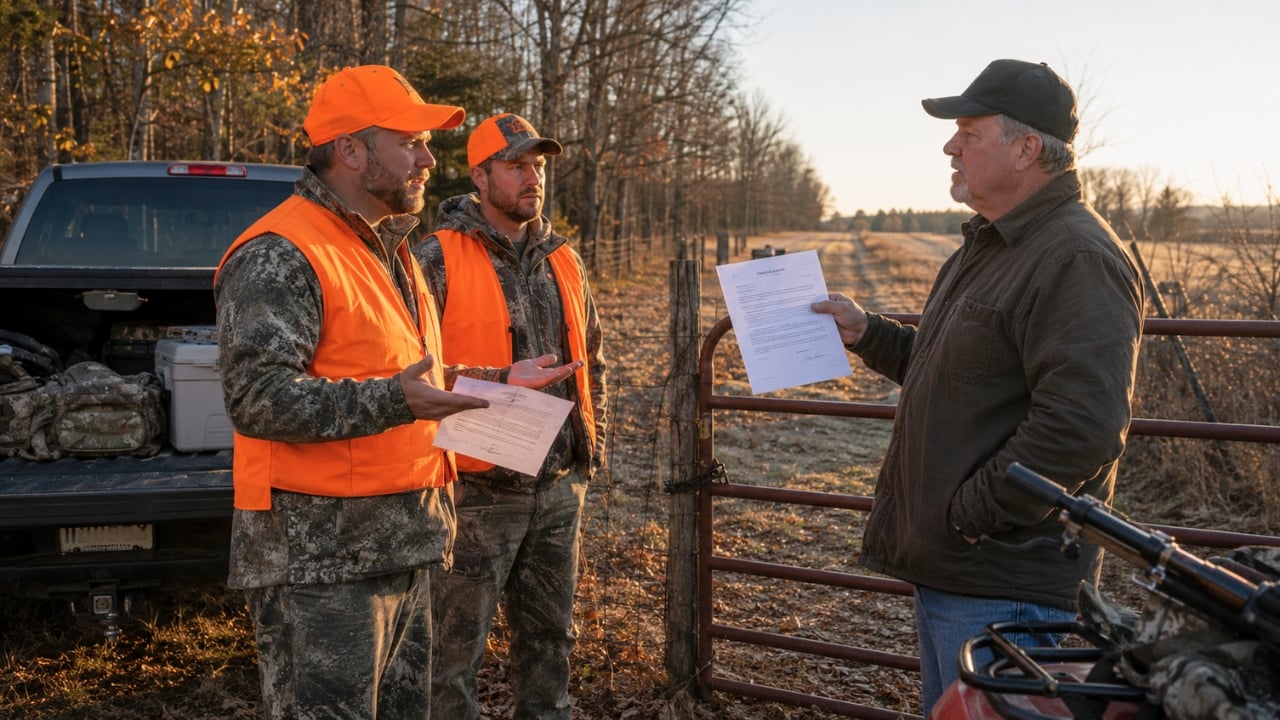
Then a set of headlights swept the gate, and the landowner stepped out holding a phone in one hand and a manila envelope in the other. Before anyone had a chance to say much, the tone changed. The landowner wasn’t asking who they were. He was telling them they couldn’t hunt there—because the place had been leased to someone else the day before.
The paperwork looked solid until it didn’t
The hunters had a simple permission letter: property description, access points, a few ground rules, and a signature. It’s the kind of document most of us have been told to carry in case a warden checks you or a neighbor calls in a “suspicious vehicle.” It’s also the kind of thing that usually prevents trouble.
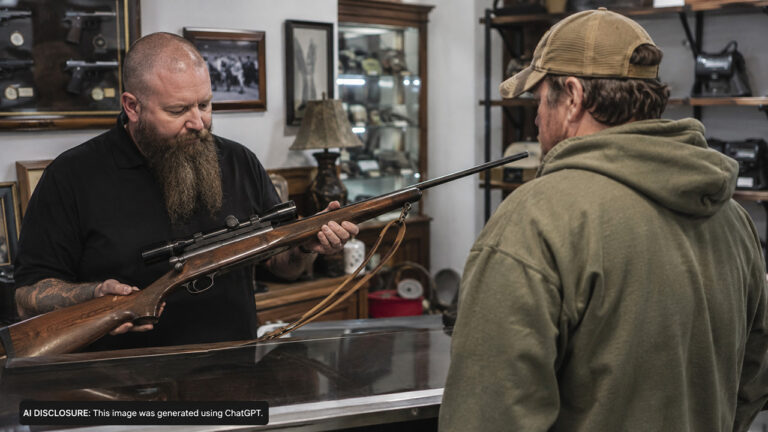
But the landowner came out with a fresh lease agreement showing exclusive hunting rights granted to a different party—signed and dated roughly 24 hours earlier. In his mind, that ended it. Exclusive means exclusive, and he wasn’t interested in sorting out who got promised what while people were wearing orange and carrying rifles.
When “permission” and “exclusive lease” collide
Most access agreements fall into one of two buckets: simple permission to hunt, or a lease that grants exclusive rights for a season. A basic permission letter can be revoked in a lot of places, even if it feels wrong. A lease, especially one that spells out exclusivity, usually has more teeth.
The ugly part is that both can exist on paper at the same time if somebody isn’t managing their own property agreements carefully. Sometimes it’s a landowner who got offered more money last-minute. Sometimes it’s family land where one relative gave permission and another relative signed a lease. Sometimes it’s a handshake permission given early, followed by a “real” lease later when a club comes calling.
For the hunters standing at the gate, none of those explanations matter much in the moment. They’ve got time off work, tags in their pocket, stands hung, and a plan built around that property. But exclusive means the landowner is now on the hook to the new lessee, and he’s not going to risk a breach on opening day.
The standoff that nobody wants on opening morning
Access disputes get dangerous fast, not because most hunters are hotheads, but because you’ve got firearms present, emotions up, and the clock ticking. The best-case scenario is everyone stays polite, keeps muzzles in a safe direction, and nobody tries to “talk their way” past a locked gate.
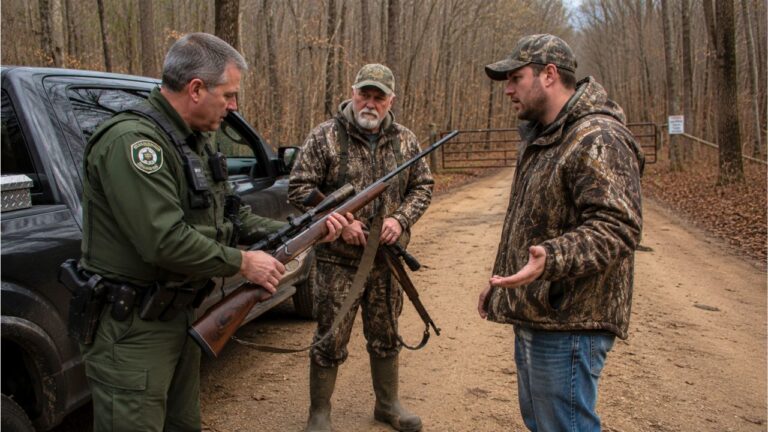
In this situation, the landowner’s message was plain: pack it up and leave. The hunters held up their written permission and tried to explain they had been told they were good to go. That’s usually when voices rise, because both sides feel justified. The hunters feel cheated, and the landowner feels like he’s protecting his property and the person who just paid for the lease.
The smartest move for hunters in that moment is also the hardest: don’t argue in the driveway. Step back, unload if you’re handling guns around vehicles, and get the dispute off the field. Opening day isn’t the time to find out how your county handles trespass warnings.
Calling a game warden isn’t “snitching” when safety is involved
A lot of folks hesitate to call a warden because they think it escalates things. In reality, a calm third party is often the only way to keep it from turning into a property-line shouting match with rifles present. Wardens deal with this more than people realize—permission disputes, club leases, uncle-and-nephew disagreements, and “I’ve hunted this since I was 12” arguments that mean nothing without paperwork.
A warden can’t rewrite a lease at the gate, but they can document who was there, look at the dates, and give clear direction on whether the hunters need to leave immediately. If the hunters truly believed they had valid permission and can show it, that documentation matters later when they’re trying to get their money back or prove they weren’t out there trying to poach.
It also protects the landowner. If he has an exclusive lease signed, the last thing he wants is two different groups wandering the same timber at daylight. That’s how close calls happen. Even with blaze orange, thick brush and low light can make for bad decisions.
What most folks focused on: dates, signatures, and “who had authority”
Whenever a story like this makes the rounds at the feed store or on a local hunting page, the same arguments pop up. One side says, “Written permission is written permission.” The other side says, “Property owner can revoke access whenever they want.” The truth depends on the wording and local law, but a couple practical points keep coming up for good reason.
First, dates matter. If you’ve got a permission letter dated weeks earlier, and the landowner shows a lease dated yesterday, you’ve got a timeline that at least proves you weren’t freelancing. Second, signatures matter, but so does who signed it. If the permission came from a relative who isn’t actually on the deed, that paper may not be worth much when an exclusive lease shows up signed by the actual owner.
Third, the term “exclusive” changes everything. A landowner can let a buddy hunt while a non-exclusive lease is in place, but exclusive means one group. If a landowner double-books exclusive rights, somebody is getting burned, and it’s usually the folks who don’t have the most recent, most formal document.
The practical lessons hunters can take to the next property
This is one of those situations that makes you want to swear off permission hunting altogether. But most of us don’t have that option. The better answer is tightening up how you do it, especially when you’re investing time, cameras, stands, and off-season work.
If you’re hunting on permission, get the basics in writing like these hunters did, but add a couple lines that protect you: the exact dates you’re allowed, whether it’s exclusive or not, and whether the landowner agrees not to grant overlapping hunting rights during that window. If you’re paying money, even a little, push for a simple lease instead of a permission slip.
Also, confirm right before the season. A quick call a week out feels awkward, but it beats driving two hours in the dark to get turned around at the gate. And if you’re hanging stands or running trail cams, make sure you’ve got a plan for retrieving your stuff if access changes. Nothing sours a relationship faster than arguments over who “owns” a ladder stand sitting on someone else’s tree.
For landowners, the lesson is just as blunt: don’t hand out permission casually if you’re even considering a lease. If you decide to lease late, notify everyone you previously allowed to hunt—before opening morning. It’s not just about courtesy. It’s about keeping two groups from walking into the same draw at first light.
Opening day should be about the woods, not paperwork. But the reality is that access is the foundation everything else sits on. A clean agreement, clear communication, and a willingness to back off and handle disputes the right way can keep a bad morning from turning into a real problem that follows you for years.
Like The Avid Outdoorsman’s content? Be sure to follow us.
Here’s more from us: