Photo credit: 1ShotTV/YouTube
Most people assume winter is when guns get finicky. Sometimes that’s true—thick lube, cold springs, cold ammo, and gloves can mess with stuff. But there’s a real opposite pattern too: some pistols actually behave better in winter because the gun runs cooler, the shooter’s hands are drier, and the ammo and chamber aren’t getting heat-soaked. In summer heat, you get sweat, grime, dust, hotter chambers, and sometimes faster cyclic behavior that exposes marginal extraction or magazine issues. These pistols tend to show that “winter is fine, summer is drama” pattern more often than you’d expect.
SIG Sauer P320 (summer grime + lubrication sensitivity for some setups)
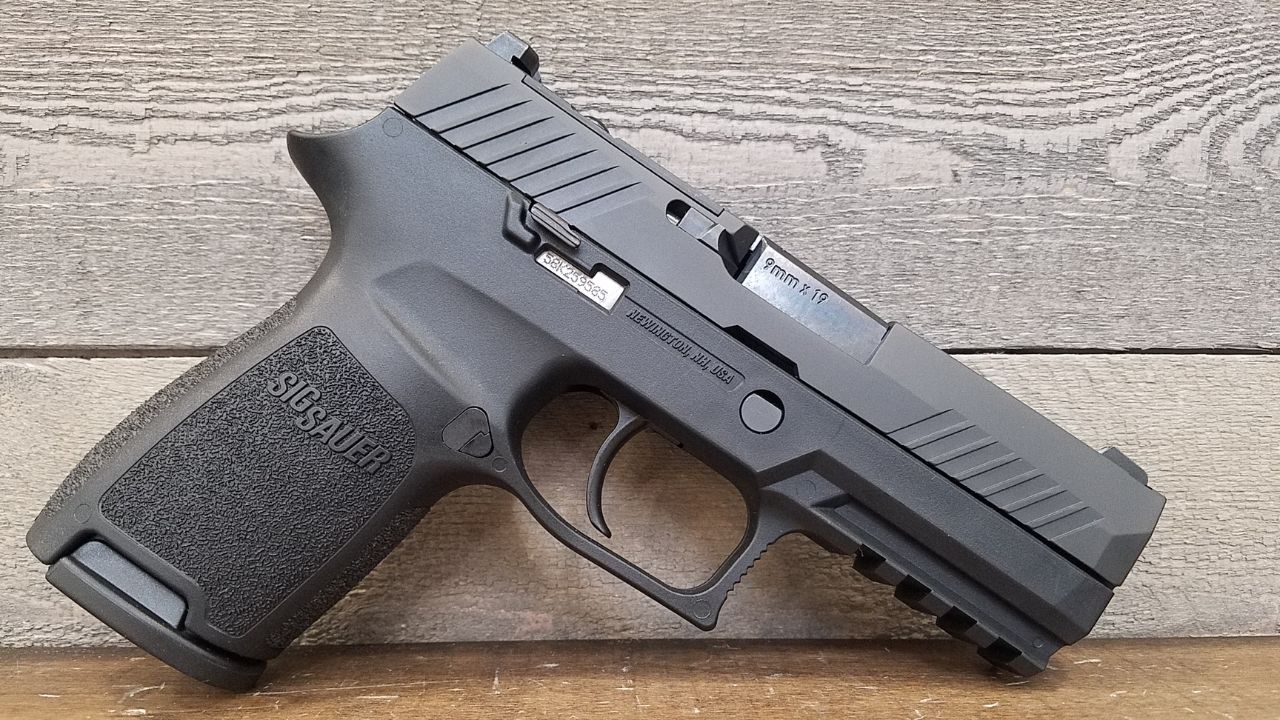
Plenty of P320s run great year-round. The “better in winter” pattern shows up when you combine summer sweat, dust, and a gun that’s running dry or dirty with higher round counts. In colder weather, the gun stays cooler and fouling doesn’t bake on as fast, so extraction and cycling can feel more consistent. In summer, you shoot longer strings and the gun gets hot, and suddenly marginal ammo or a slightly dirty extractor starts showing itself. Add sweat and lint if it’s a carry gun, and you can get intermittent weirdness that disappears after a detailed cleaning. The reason this feels like a seasonal issue is because winter carry tends to keep the gun cleaner and cooler. Summer carry is sweat, dirt, and more contamination. If you’re a “wipe it down and forget it” carry guy, summer is when a P320 can teach you to clean the extractor area and run a little smarter on lubrication.
Glock 19 (magazines get exposed in heat and sweat)

Glock 19s are famously reliable, but summer reveals magazine problems faster—especially with older mags, worn springs, or mags that have been living in sweaty pockets, console compartments, or range bags for years. In winter, everything tends to stay cleaner. In summer, sweat and grit get into mags, and the gun is often being shot in hotter conditions where the whole system cycles faster and hotter. If your mags are marginal, summer will expose it. People blame the pistol when it’s really “my mags are gross and the springs are tired.” Winter range days can hide that because the gun stays cooler and less contaminated. Summer can turn a tired-mag situation into last-round issues, slow feed presentation, and occasional nose-dives. The pistol isn’t suddenly seasonal. Your magazines are.
Springfield XD-S (heat + grip + carry contamination)

XD-S pistols can run well, but summer carry is a different environment. Sweat, lint, and grit collect in small guns fast, and the XD-S is compact enough that contamination and lubrication condition matters more than people want to admit. In winter, the gun is often protected by layers and stays relatively dry. In summer, it can end up soaked in sweat and coated in fine grit, and that’s when you start seeing occasional sluggishness or inconsistent cycling if the gun is running dry. Heat also changes how some shooters grip a small pistol—hands get slick, grip pressure changes, and you can induce issues that look mechanical. Winter hands are dry and stable. Summer hands can be sweaty and inconsistent. The gun “runs better” in winter partly because the shooter and the carry environment are kinder to it.
1911 pattern pistols with tighter fit (heat changes feel)
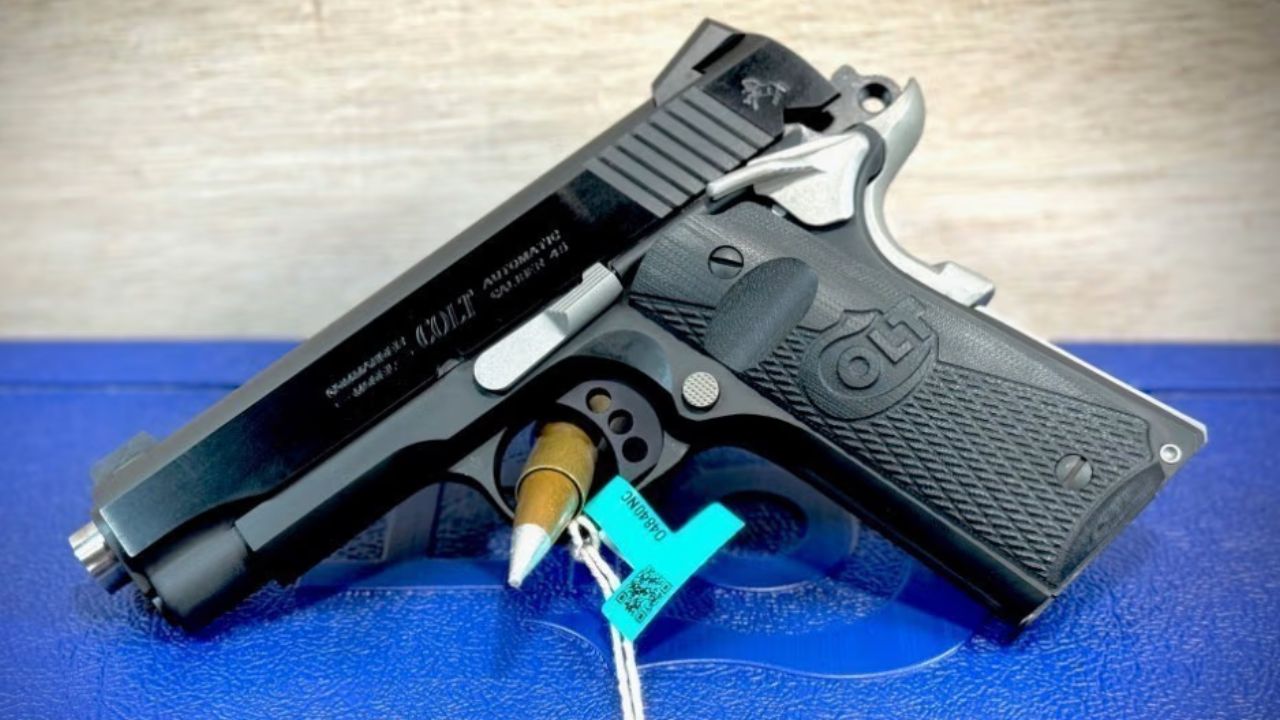
A well-fit 1911 can be smooth and reliable, but tight 1911s can feel more sensitive in hot, dirty conditions. Summer shooting means more heat in the slide and frame, more baked-on fouling, and more “dry gun” behavior if you’re not lubricating it enough. In winter, the gun stays cooler, fouling stays softer, and the pistol often feels like it cycles more consistently. If you carry a 1911, summer can also mean sweat and lint in places you don’t want it, which changes how the gun behaves over time. Tighter guns usually want lubrication and they want maintenance. Winter conditions often slow down how quickly the gun gets grimy and heat-soaked. Summer is where a tight 1911 can start feeling less forgiving if you’re not staying on top of it.
SIG P238 (small gun, summer carry mess)

The P238 is a solid little pistol, but it’s also the kind of gun that can get “summer gross” quickly. Tiny guns have less tolerance for debris and less mass to keep things running smoothly when the gun is dry. In winter, your carry environment is cleaner. In summer, pocket lint, sweat, and dust can turn the inside of a micro .380 into a grime factory. Then you go shoot it and suddenly it’s sluggish or you get a hiccup you never saw in winter. The gun didn’t become seasonal—your maintenance habits did. The P238 also likes decent lubrication, and summer heat can evaporate or thin out what little lube people apply, leaving the pistol running drier than they think. In winter, the gun often stays “just clean enough” longer.
Ruger LCP Max (summer pocket carry is brutal)

Pocket guns live a hard life in summer. The LCP Max is small, light, and easy to carry, which means it’s also easy to throw in pockets where sweat and lint live. In winter, pockets are cleaner and the gun is often carried in ways that reduce direct sweat exposure. In summer, you’re basically seasoning the gun. When you take it to the range, it can feel like it’s running a little rougher than it did months ago. That’s often because the gun is dirtier than you think and the magazines are filthy. Small .380s are already running near the edge compared to service pistols. Summer contamination nudges them closer to that edge. Winter hides it because conditions are cleaner and the gun runs cooler during training sessions.
Walther PPK/S (blowback guns + heat and gunk)

Blowback pistols like the PPK/S can be very dependable, but they’re also more sensitive to fouling and lubrication than locked-breech designs, especially when they get hot and dirty. In winter, the gun stays cooler, and some of the “heat plus fouling” slowdown happens later. In summer, you can heat-soak a small blowback pistol quickly, and as it gets dirty, the slide has to fight more friction. Add sweaty hands and a slicker grip and you can see limp-wrist style issues that don’t show in winter. The PPK/S is also a gun people tend to run with minimal lube because they don’t want it oily in carry. That’s fine until summer range sessions and pocket carry grime stack up. Then winter feels “better” because you’re not stacking the same heat and contamination factors.
Beretta Tomcat (small blowback reality)

Same story as the PPK/S, just in a smaller package. The Tomcat is compact, blowback, and more likely to show sensitivity when it’s hot and dirty. Winter range days often keep it running longer before it starts to feel sluggish. Summer sessions can get it hot quickly, and summer carry adds sweat and lint, which makes a small gun’s margins thinner. If you shoot a Tomcat occasionally in winter, it might feel perfect. If you shoot it more in summer after carrying it daily, you might see failures to extract or inconsistent cycling show up sooner. That’s why people think it’s seasonal. It’s not the calendar—it’s heat, contamination, and how tight your maintenance routine is.
S&W Bodyguard .380 (summer carry makes tiny guns honest)

Bodyguards can be reliable, but they’re tiny, and tiny guns magnify environmental junk. Summer carry is harsh: sweat, lint, dust, and moisture work into the gun and mags. Winter carry is relatively clean. A Bodyguard that seems flawless in winter can become inconsistent in summer if you’re not cleaning magazines and keeping the gun lightly lubricated. The other factor is shooter interface: sweaty hands change grip pressure and trigger control. You can induce cycling issues or throw shots and think something mechanical changed. In winter, you grip better and the pistol feels calmer. With small pistols, the shooter is part of the system more than people want to admit. Summer puts more stress on that system.
CZ 75 Compact/PCR (summer sweat + carry grime in DA/SA internals)

CZ compacts are durable, but DA/SA pistols have more internal linkage than a simple striker gun. Summer carry can introduce sweat and grime into places that make the trigger feel rougher or the action feel less slick over time, especially if the gun is carried close to the body and not cleaned often. Winter carry is a lot kinder. The gun stays drier, cooler, and cleaner. People interpret this as “it runs better in winter,” but it’s really “it stays cleaner in winter.” If you shoot the gun hard in summer and let it get heat-soaked and dirty, you can also see small changes in extraction and ejection if the gun is running dry. CZs aren’t fragile, but they do respond to being maintained. Winter hides bad habits. Summer punishes them.
Striker guns with very light recoil springs (summer ammo and heat can change behavior)
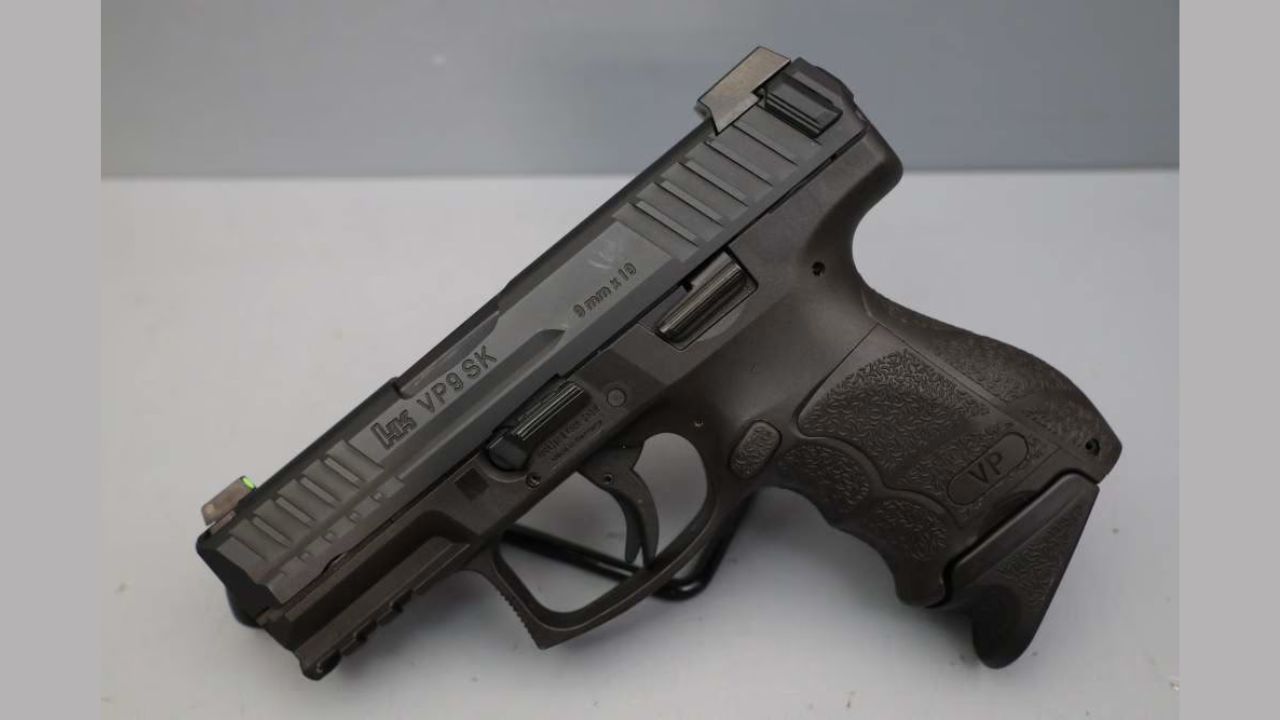
This is a category issue: pistols tuned with lighter recoil springs can feel great and soft, and they may behave perfectly in cooler weather. In summer, hotter conditions, warmer ammo, and higher slide velocity can make ejection more violent, stress extractors more, and expose marginal magazine springs or marginal extractor tension. That can turn into erratic ejection or occasional stoppages that you don’t see in winter. It’s not that the pistol loves winter—it’s that winter lowers the system’s stress. Summer increases it. If someone has a pistol “tuned” for soft shooting and it starts acting up in summer, the first place I look is spring weight, magazine condition, and lubrication, not some mysterious seasonal curse.
Comped/ported pistols with weak practice ammo (summer heat + carbon)

Comped pistols can be awesome, but carbon builds faster, and summer range sessions often mean more strings, more heat, and more fouling. If you’re running weak practice ammo, you might skate by in cooler temps and then see short-stroking or sluggish return to battery once the comp and slide are heat-soaked and dirty. Winter range days sometimes feel more forgiving because the gun runs cooler and carbon doesn’t bake on as quickly. Summer makes the system dirtier faster. If you run comps, you already know maintenance matters. The “winter is better” effect is just the gun running in friendlier conditions.
Carry optics pistols with marginal screw setups (summer vibration + heat cycles)

Optics screws and plates can loosen over time, and heat cycles plus high round counts can speed that up. Summer sessions often mean longer strings, hotter guns, and more vibration. Winter sessions often mean shorter time on the line and cooler guns. If a pistol “seems fine in winter,” then in summer you start seeing shifts, it might not be the pistol at all—it might be the optic mounting system slowly working loose. That’s why witness marks and proper torque matter. Heat and vibration don’t care what season it is, but summer tends to provide more of both. People experience it as seasonal because their shooting patterns and conditions change with the weather.
Pocket pistols in general (the real answer)

Honestly, the most common “runs better in winter than summer” pistols are pocket guns, period. Summer is lint, sweat, moisture, and grit. Winter is cleaner carry and cooler training sessions. Pocket guns are already running with less mass and less tolerance for junk. If you don’t clean mags and you don’t blow out lint, summer will make you pay sooner. Winter lets you get away with it. That’s why guys think their gun “likes winter.” It doesn’t. It just likes being clean and cool.
Like The Avid Outdoorsman’s content? Subscribe to our newsletter so you never miss an article.
Here’s more from us: