Photo credit: Leverguns 50/YouTube
Rifle cartridges rarely disappear overnight. Usually, they fade in stages. The new rifles stop appearing first. Then the ammunition selection shrinks to one or two factory loads. Prices climb, local stores quit stocking them, and eventually the remaining shooters either start handloading or buy several boxes whenever ammunition happens to surface. At that point, the cartridge may still technically be alive, but it no longer feels like a mainstream shooting option.
That is where many of these rounds are heading. Some were excellent hunting cartridges that simply lost a marketing battle. Others were tied to rifles that disappeared decades ago, while newer cartridges now accomplish the same job with better factory support. None are necessarily useless. In fact, several remain outstanding in the right rifle. The problem is that owning one increasingly feels like preserving a piece of rifle history rather than simply buying ammunition and going hunting.
.307 Winchester
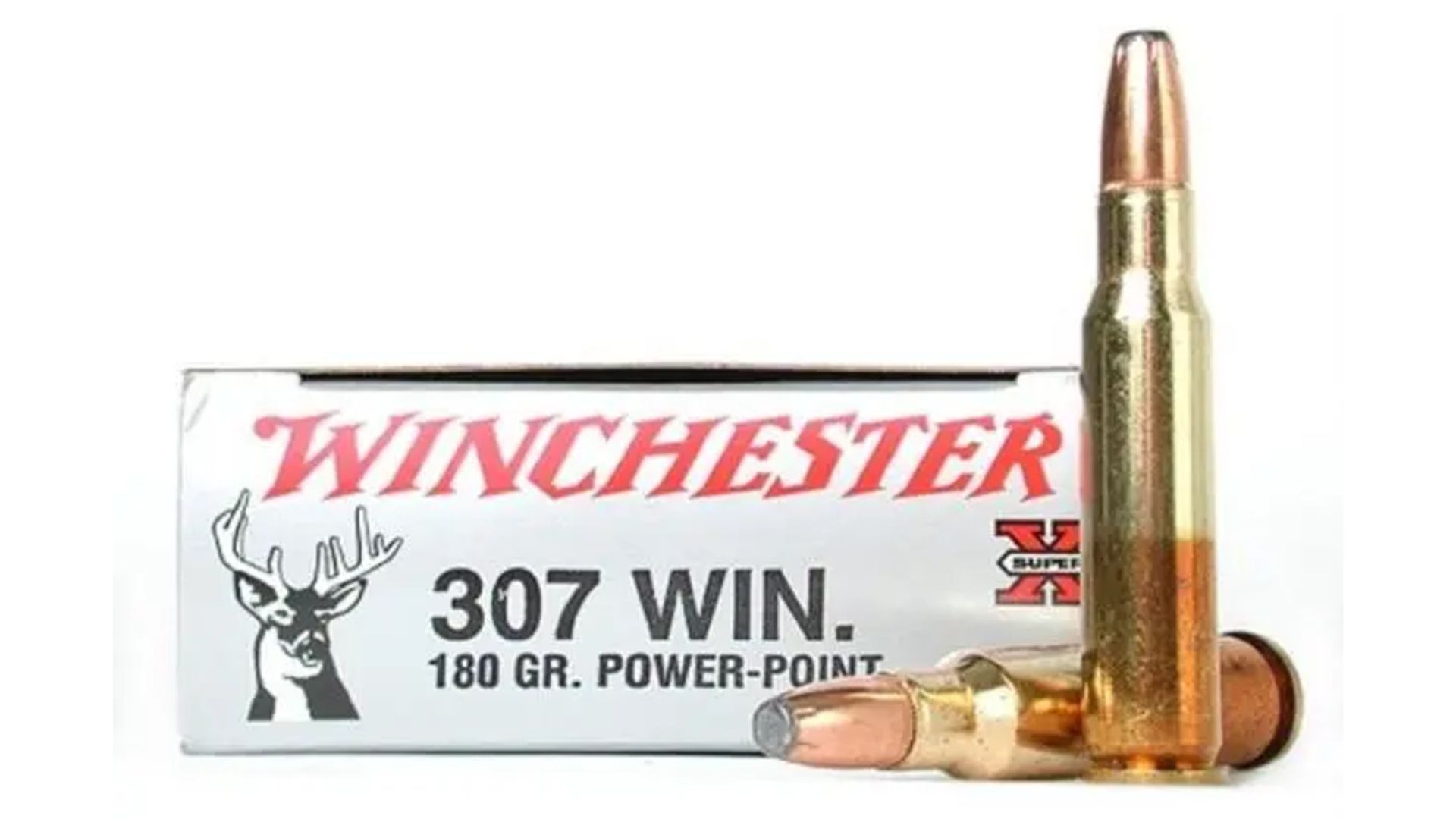
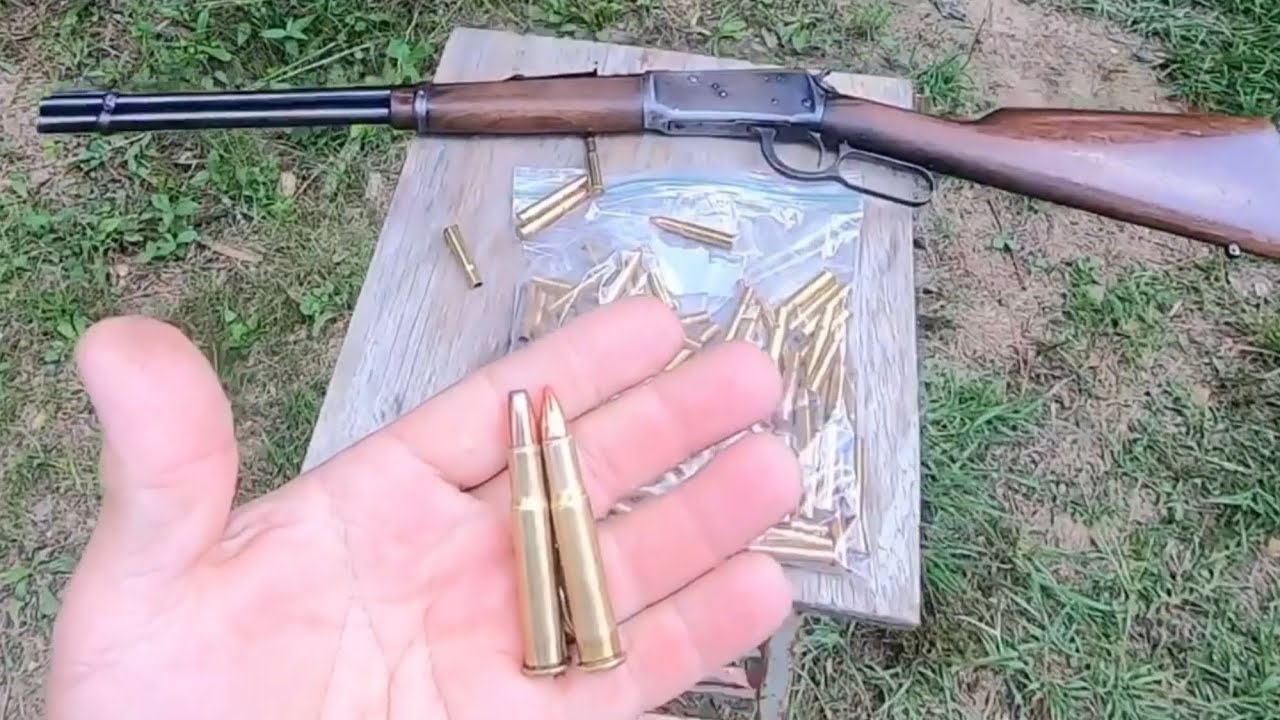
The .307 Winchester was an ingenious attempt to give lever-action hunters performance approaching .308 Winchester while retaining a rimmed case suitable for rifles such as the Winchester Model 94. It pushed traditional lever guns into territory normally occupied by bolt actions and allowed hunters to use a familiar handling platform without accepting quite as much ballistic limitation.
Today, that advantage has very little market supporting it. The rifles chambered for .307 are largely older guns, factory ammunition can be difficult to locate, and newer lever-action designs can handle modern cartridges without requiring such a specialized case. The .307 still works perfectly well on deer, black bear, and similar game, but owning one increasingly means keeping brass, ammunition, and reloading components whenever you find them. It has gone from practical hunting round to something enthusiasts preserve because they appreciate what Winchester was trying to accomplish.
.356 Winchester
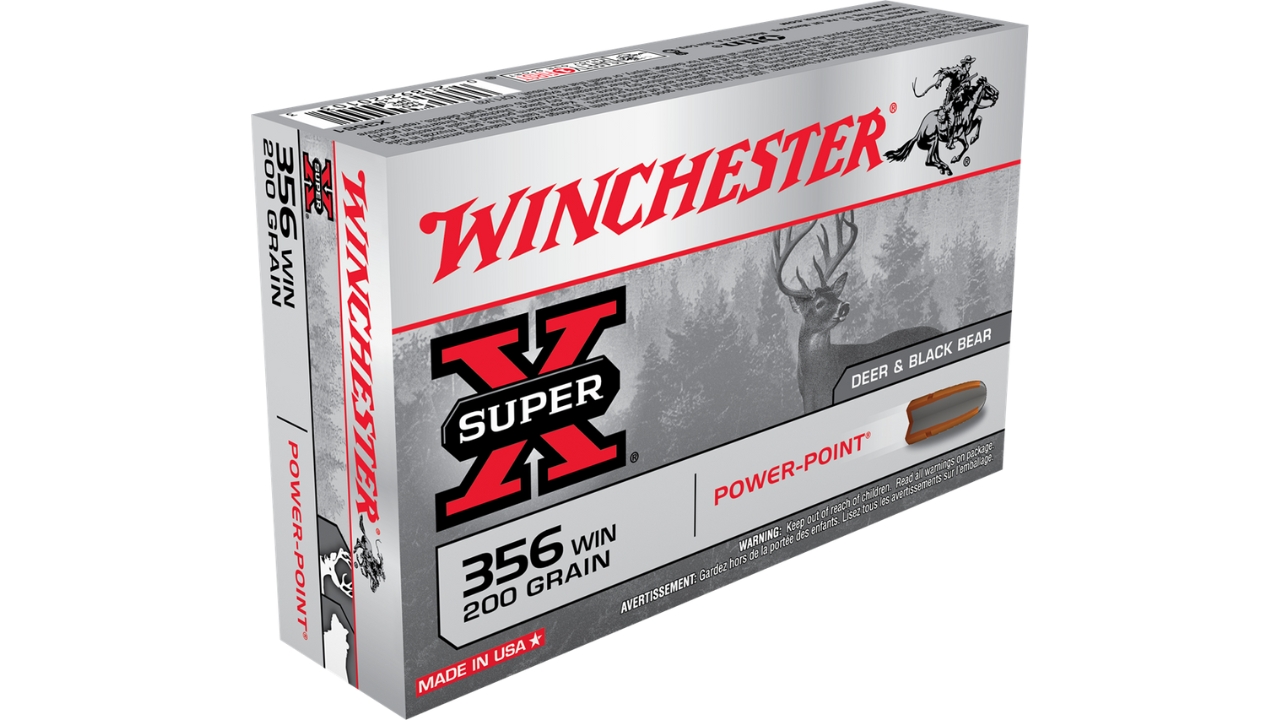
The .356 Winchester followed a similar idea but gave lever-gun hunters a heavier .35-caliber bullet. It offered considerably more punch than the .30-30 and could make a very effective woods cartridge for deer, black bear, and elk at moderate distances.
Its problem was never field performance. It simply arrived in a narrow market and never built enough momentum to survive once the rifles chambered for it disappeared. Today, .35-caliber hunters have other choices, while .45-70 has swallowed much of the modern big-bore lever-action market. The remaining .356 rifles have become interesting collectibles, and ammunition availability increasingly reflects that reality. A hunter who owns one can still have an excellent woods rifle, but he needs to think more like a handloader and less like someone who expects to buy cartridges at a rural sporting-goods counter the night before opening day.
.375 Winchester

The .375 Winchester was designed as a modern high-pressure descendant of the old .38-55 concept, giving lever-action hunters a strong, relatively compact cartridge capable of throwing heavy bullets with authority. In rifles like the Winchester Big Bore 94, it made for a serious close-range hunting setup.
The market eventually moved elsewhere. Shooters wanting a powerful lever rifle gravitated heavily toward .45-70, while hunters satisfied with lighter cartridges had plenty of .30-30s and .35 Remingtons available. That left the .375 caught in an uncomfortable middle position. Today, the cartridge is much more likely to be discussed among Winchester collectors and dedicated handloaders than among hunters shopping for a new rifle. It remains effective, but effectiveness alone cannot keep a cartridge mainstream once both rifle production and ammunition selection have largely moved on.
.348 Winchester
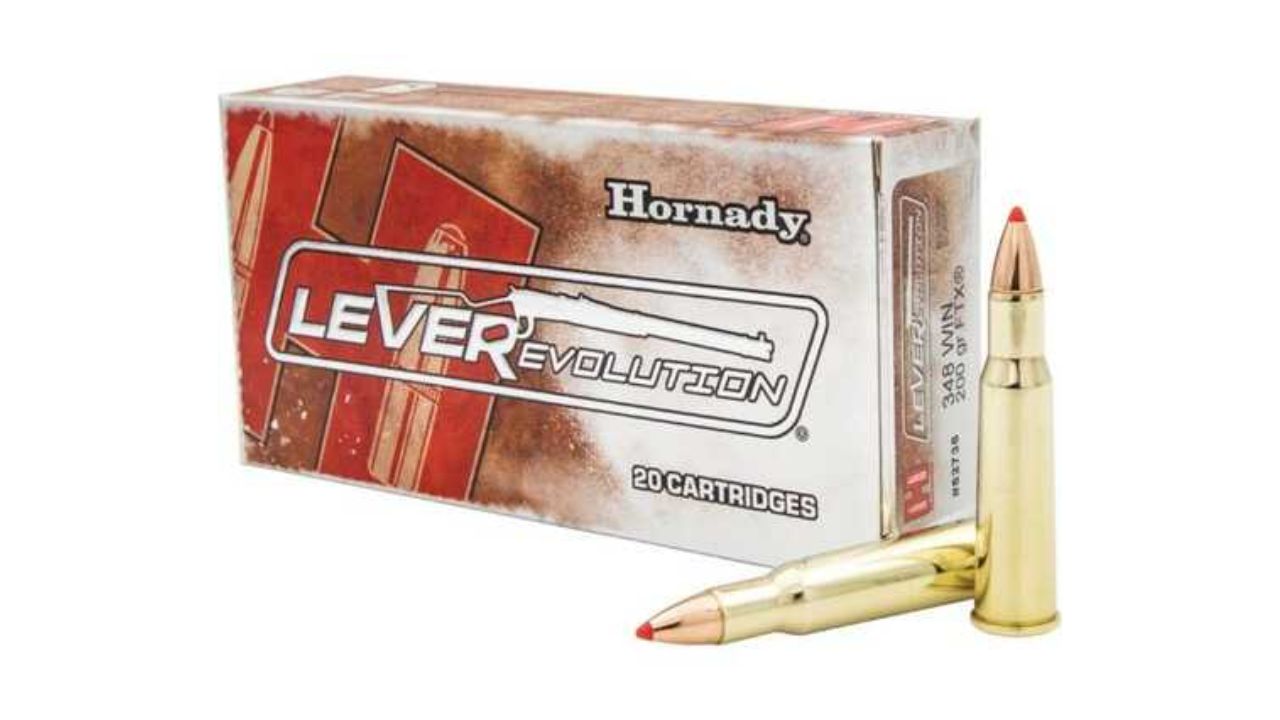
The .348 Winchester and Winchester Model 71 are tied together so closely that separating the cartridge from the rifle is almost impossible. The .348 was powerful enough for elk, moose, bear, and other substantial game while still operating in one of the most elegant lever rifles Winchester ever produced.
That close relationship eventually became its weakness. When Model 71 production disappeared, there was never a large selection of other rifles to keep the cartridge alive. Ammunition became increasingly specialized, and the unusual .348-inch bullet diameter did not benefit from the massive component selection enjoyed by .30- or .35-caliber rounds. Today, an original Model 71 in .348 is often as much a collector’s piece as a working hunting rifle. Plenty still go into the woods, but ammunition planning is now part of ownership. It is difficult to imagine the cartridge ever returning to ordinary gun-store status.
.300 Savage

The .300 Savage was once an extremely important hunting cartridge. It delivered impressive performance from the compact Savage Model 99 and helped establish the sort of short-action .30-caliber performance that later cartridges would refine further.
Its biggest historical problem was also the cartridge that followed it: .308 Winchester. The .308 offers similar basic capability with vastly greater military, hunting, target, and manufacturing support. Once .308 became dominant, there was little commercial incentive for rifle makers to keep building new .300 Savage guns. The cartridge still kills deer just as cleanly as it ever did, and thousands of Model 99s remain perfectly useful hunting rifles. Yet every passing decade moves .300 Savage further toward being ammunition you buy for an old rifle rather than a caliber someone intentionally chooses for a new one. That is the definition of collector territory.
.250 Savage
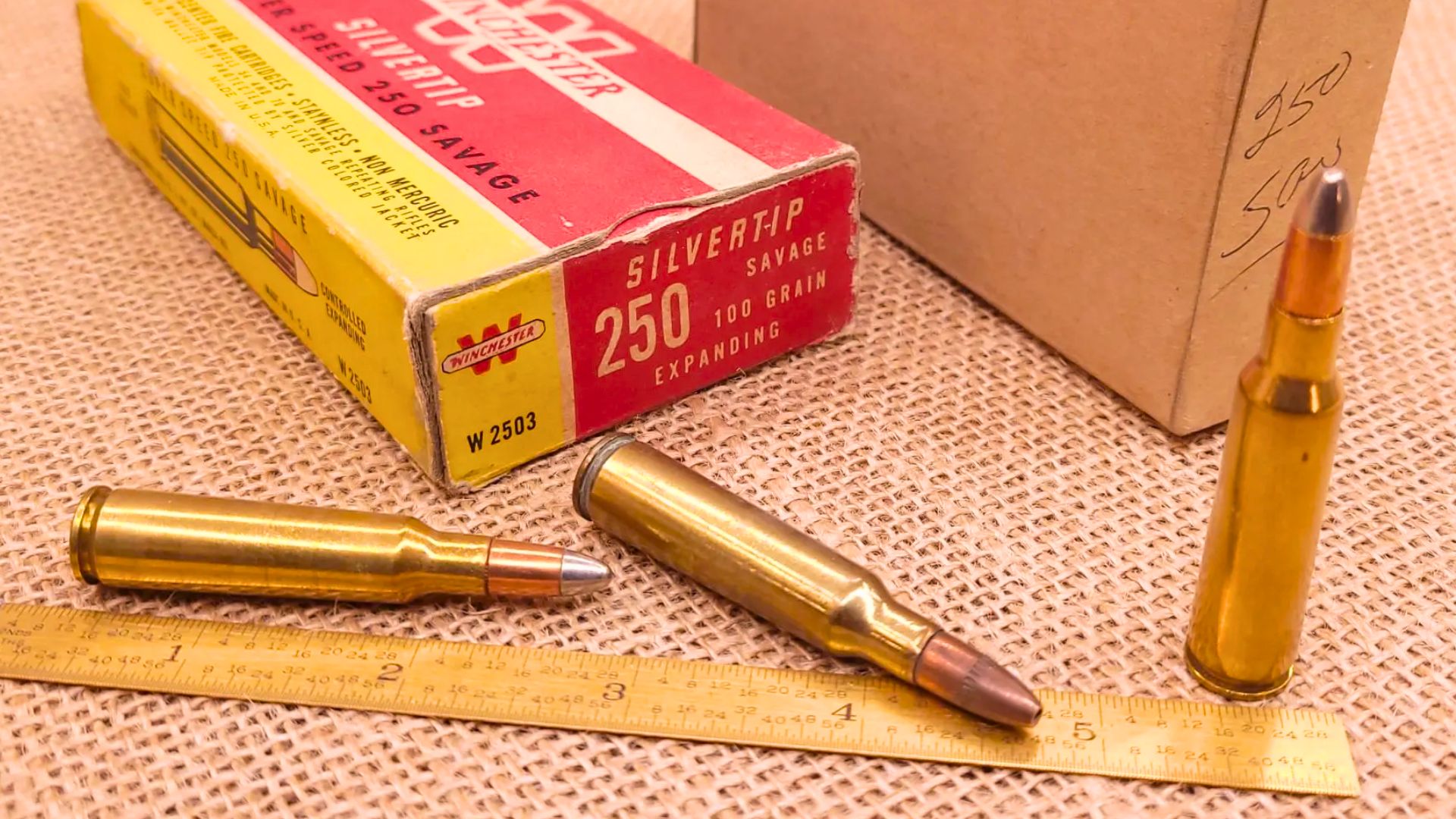
The .250 Savage was exceptionally advanced for its time. It gave hunters a mild-recoiling cartridge capable of excellent deer and varmint performance long before low-recoil, high-velocity rounds became fashionable. In a lightweight Savage 99, it made an especially pleasant field rifle.
Modern shooters have many cartridges that occupy the same basic territory, and nearly all have stronger factory support. The .243 Winchester, 6mm Creedmoor, .257 Roberts, and several 6.5mm rounds give hunters similar or greater capability while being easier to find in newer rifles. That leaves the .250 largely tied to older Savages and the handloaders who appreciate its efficiency. It is still a wonderfully balanced cartridge, but balance does not guarantee commercial survival. At this point, the rifles themselves often generate more excitement than the ammunition, which is usually a sign that a cartridge has entered its collector phase.
.257 Roberts

The .257 Roberts refuses to disappear completely because it remains too good to kill off easily. Recoil is mild, deer performance is excellent, and the cartridge fits beautifully into a traditional lightweight hunting rifle. For decades it represented one of the best compromises between varmint speed and genuine big-game usefulness.
The problem is that modern hunters have stopped demanding rifles chambered for it in meaningful numbers. The .25-06 offers more velocity, while newer 6mm and 6.5mm cartridges dominate the low-recoil hunting conversation. Factory ammunition still appears, but the Roberts increasingly feels like a cartridge supported because a loyal group of existing owners refuses to let it die. Handloaders can keep one running indefinitely and get excellent performance from it. A new shooter, however, has fewer reasons every year to choose it over cartridges with far broader rifle and ammunition availability.
6mm Remington

The 6mm Remington is one of the classic examples of a cartridge losing the market despite being ballistically excellent. It can push the same basic class of 6mm bullets faster than .243 Winchester in many comparable loads and has always been fully capable on varmints and deer.
That never mattered enough to overcome the .243’s enormous commercial lead. Once rifle manufacturers overwhelmingly favored .243 Winchester, ammunition makers naturally followed demand. Modern 6mm cartridges have now squeezed the Remington from the other side, particularly among shooters who want fast-twist barrels and long high-BC bullets. The 6mm Remington therefore survives mostly through older rifles, handloading, and occasional factory support. It is still a fine cartridge, but buying one today requires accepting that you are joining a shrinking club rather than choosing a caliber likely to appear in every future rifle catalog.
.222 Remington
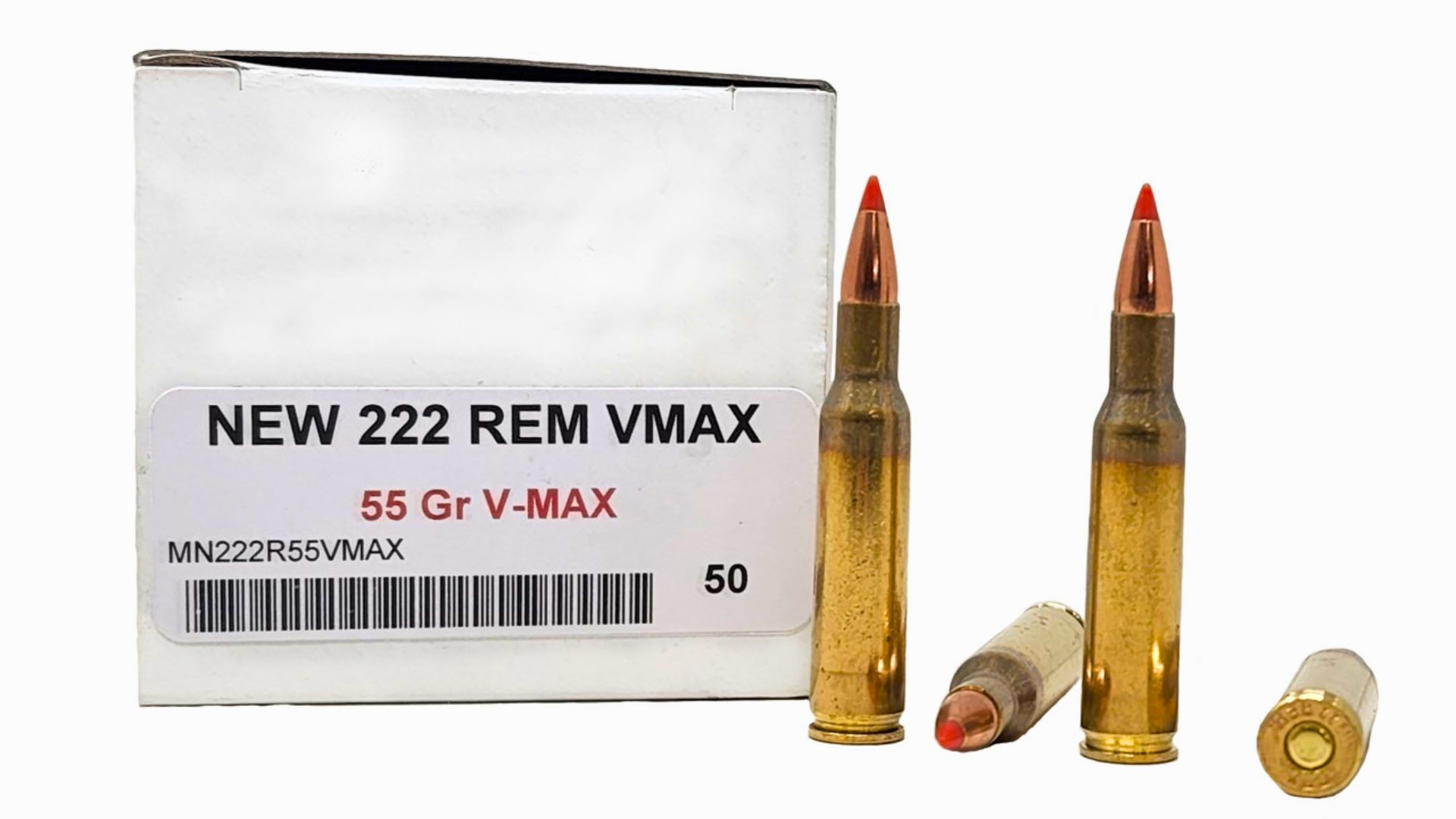
The .222 Remington once ruled the benchrest world and earned a tremendous reputation for accuracy. It is mild, efficient, pleasant to shoot, and extremely well suited to varmints and small predators. In Europe, it maintained a following far longer than many American shooters realize.
In the United States, .223 Remington effectively erased its reason to remain mainstream. The .223 is cheaper, available everywhere, supported by an enormous range of rifles, and close enough in performance that most shooters have little reason to choose the older cartridge. The .222 still has a certain elegance that enthusiasts appreciate, especially in small Sako and European bolt actions. That may ultimately be where its future lies. Rather than disappearing completely, it is becoming ammunition for beautiful older rifles owned by shooters who value history and refinement more than convenience.
.220 Swift

The .220 Swift will probably always have a small following because of the legend surrounding its speed. It was one of the first commercial cartridges to make 4,000 feet per second a realistic talking point, and that velocity gave it an almost mythical reputation among varmint shooters.
The modern market is much less impressed by raw muzzle velocity alone. The .22-250 offers excellent varmint performance with much broader support, while newer fast-twist .22 cartridges are better suited to long, aerodynamic bullets. The Swift also carries decades of reputation for being hard on barrels when shot aggressively, whether or not modern barrels lessen that concern. New rifles are scarce enough that the cartridge increasingly belongs to handloaders and owners of older varmint rifles. The Swift is unlikely to vanish, but it is steadily becoming something shooters own because they specifically want a Swift.
.225 Winchester

The .225 Winchester was supposed to modernize Winchester’s high-velocity .22-caliber offerings, but it arrived into a market where the .22-250 was already establishing a much stronger identity. The two occupied similar territory, and only one was going to become the standard factory varmint cartridge.
The .225 lost that fight decisively. Rifle production dried up, factory ammunition became scarce, and the cartridge never developed the broad handloading culture of the .22-250. Its semi-rimmed case also made it unusual without giving hunters a meaningful advantage in return. Today, the .225 is much more interesting as part of a vintage Winchester collection than as a practical choice for someone who simply wants to shoot coyotes. It still performs, but keeping one fed increasingly requires advance planning, saved brass, and a willingness to treat ammunition almost like another collectible component.
Free for gun owners: If something happened to you tomorrow, would your family know where the guns are, who has the safe combination, or what to do first? Our free Gun Owner’s Family Checklist walks them through it. It takes about 15 minutes to fill out. Get your free copy here.
.218 Bee
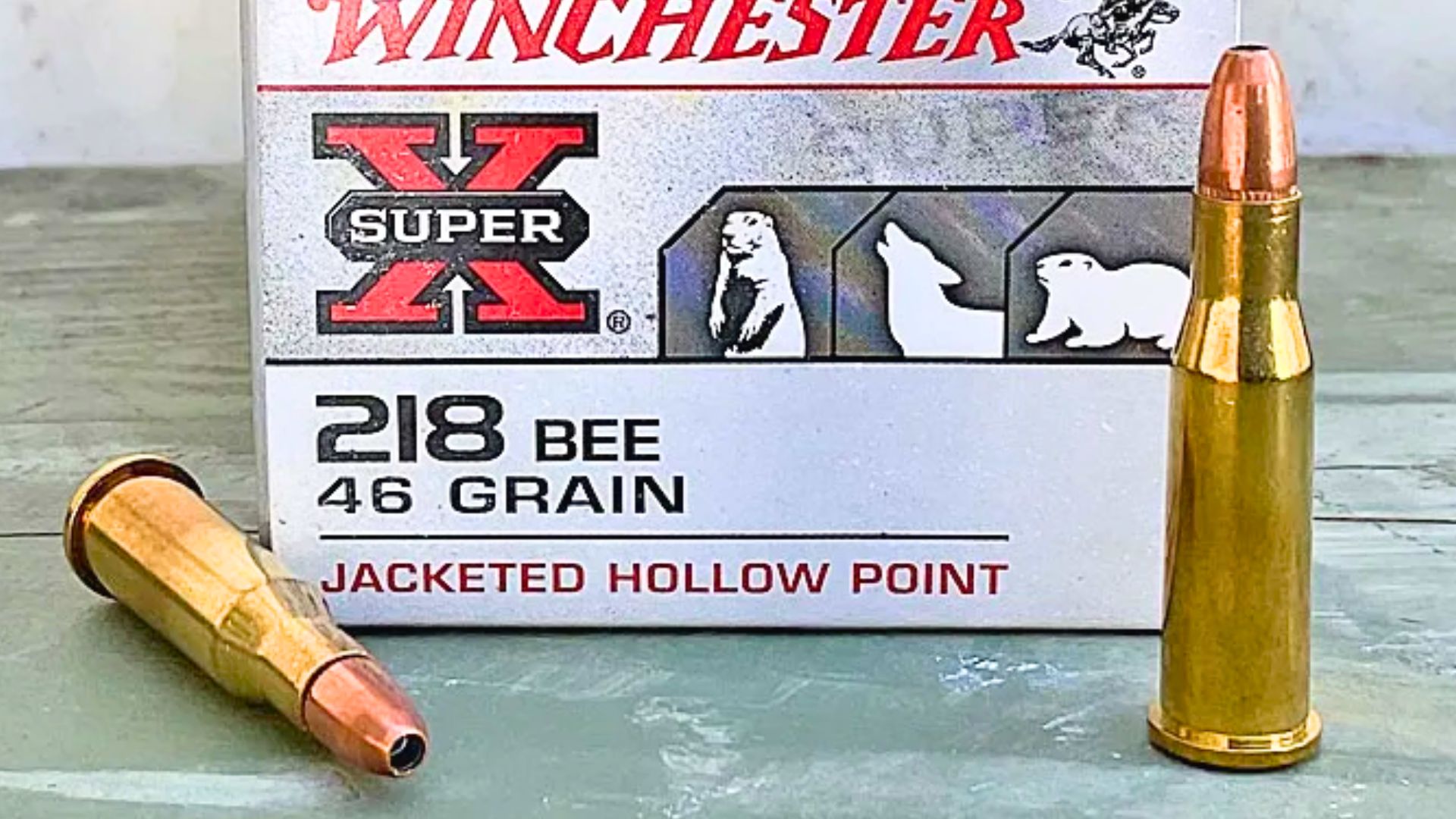
The .218 Bee has enormous charm. It offered more performance than .22 Hornet while working especially well in compact lever and single-shot rifles. For varmints, pests, and small predators at moderate ranges, it remains a wonderfully pleasant cartridge.
Unfortunately, that niche has become crowded with cartridges that are easier to support. .223 Remington is vastly more common, .22 Hornet still retains a stronger identity, and modern small-caliber cartridges give varmint shooters plenty of other choices. New .218 Bee rifles are unusual enough that demand for factory ammunition naturally remains small. The cartridge will probably survive among Winchester 65 owners, Ruger No. 1 enthusiasts, and handloaders who appreciate old varmint rounds. That is still survival, but it is a very different kind of survival from being a cartridge an ordinary hunter can expect to find locally.
.25-35 Winchester
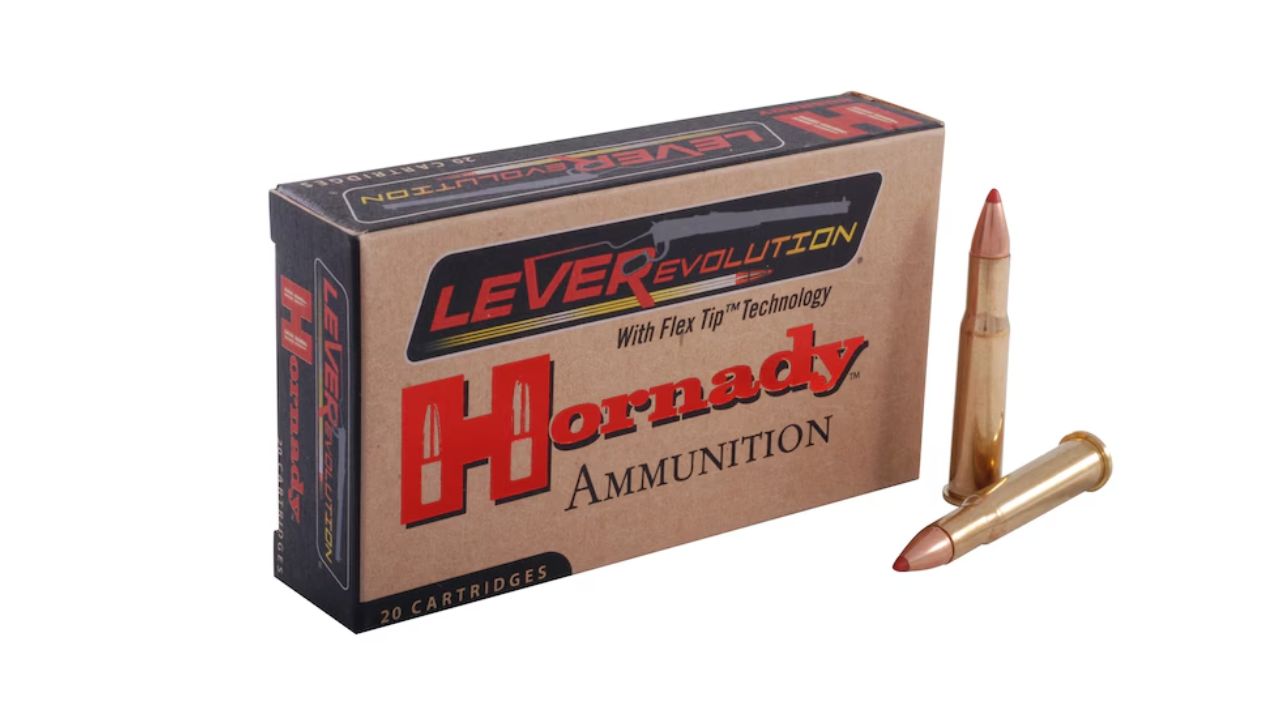
The .25-35 Winchester dates back to the era when lever rifles and mild-recoiling hunting cartridges dominated much of the American market. It offered less recoil than the larger deer rounds and worked well on smaller deer and similar game at the moderate distances expected from traditional lever rifles.
Modern hunting cartridges have largely removed its practical reason to exist. Shooters looking for mild recoil have vastly more options, while anyone buying a new lever rifle is more likely to choose .30-30, .357 Magnum, .44 Magnum, or one of the newer straight-wall rounds. The .25-35 remains historically important and still works in the rifles chambered for it, but ammunition production tends to follow the needs of existing gun owners rather than new rifle sales. That is the path toward becoming a cartridge preserved by collectors instead of renewed by each generation.
.284 Winchester

The .284 Winchester was conceptually brilliant. Its fat case allowed performance approaching longer-action cartridges while fitting into a shorter action, a formula that sounds remarkably modern today. In some ways, it anticipated cartridge design trends by decades.
Ironically, modern interest in the .284 case has done more for wildcats and competition derivatives than for the original factory cartridge. Shooters pursuing high-performance 7mm rifles have numerous newer choices with better factory support, while hunters who already own a .284 often rely heavily on handloading. Original rifles have become interesting precisely because the cartridge never achieved the success its design deserved. The .284 is too capable to call obsolete, but it has become a cartridge enthusiasts discuss far more often than ordinary hunters purchase. Unless a manufacturer stages a serious revival, its future is likely to remain with handloaders and collectors.
.32 Winchester Special

The .32 Winchester Special spent generations living beside the .30-30 in Winchester and Marlin lever rifles. It fired a slightly larger bullet and offered enough performance to become a legitimate deer and black-bear cartridge, particularly in the woods.
Its problem is that the .30-30 won the popularity contest so completely that maintaining a separate .32-caliber lever cartridge became increasingly difficult to justify. Ammunition choices have dwindled, new rifle chamberings are uncommon, and many younger hunters have never encountered one outside an old family rifle. Those rifles are exactly what will keep the cartridge alive. A worn Model 94 passed down from a grandfather gives someone a reason to hunt down .32 Special ammunition. Without those heirloom guns, there would be little market incentive left. That is about as close to a collector-supported hunting cartridge as you can get.
.35 Remington
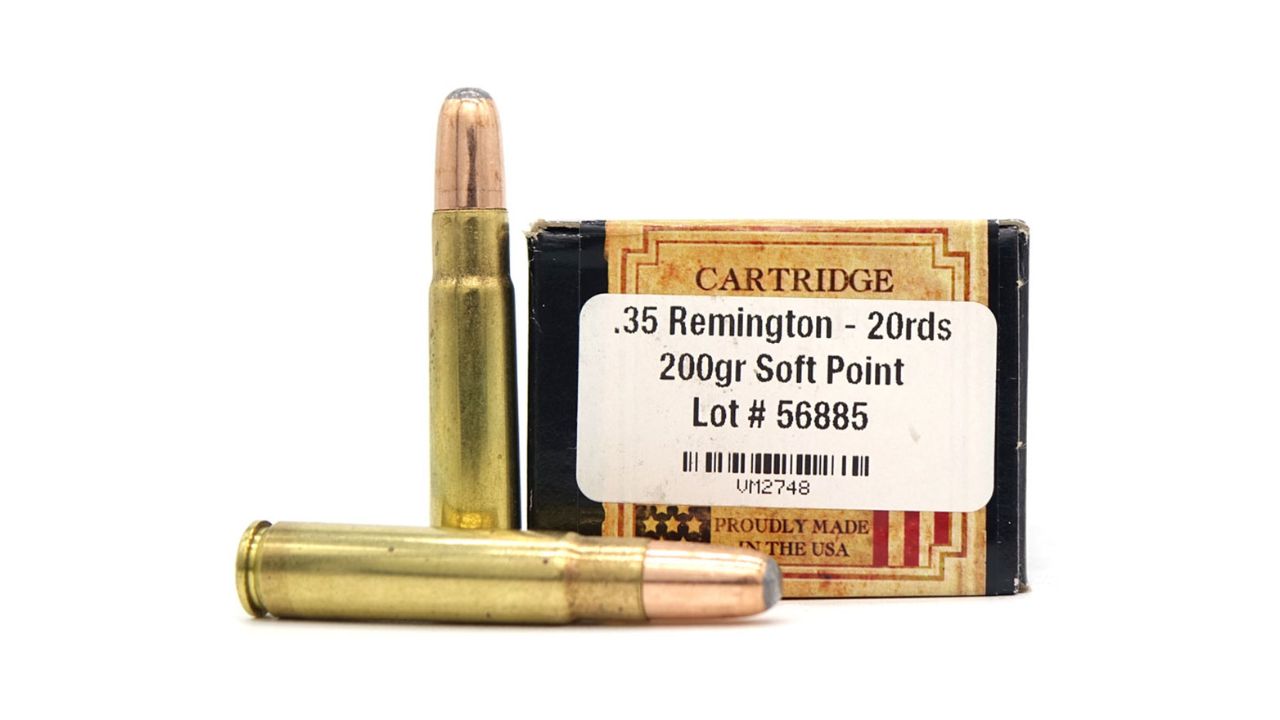
The .35 Remington remains one of the more recognizable cartridges on this list because it spent so many decades as a legitimate eastern woods favorite. In a Marlin 336 or Remington pump rifle, it gave hunters heavier bullets than the .30-30 without creating magnum recoil.
The cartridge still has devoted supporters, but its infrastructure has weakened considerably. New rifles have become uncommon, ammunition is less dependable on local shelves, and .45-70 plus newer straight-wall rounds have absorbed much of the market for short-range big-bore hunting. The .35 Remington probably has too many existing rifles to disappear completely anytime soon. That does not mean it will remain mainstream. It increasingly looks like a round produced periodically to keep generations of older rifles hunting, which is very different from a cartridge manufacturers expect new hunters to adopt.
.358 Winchester
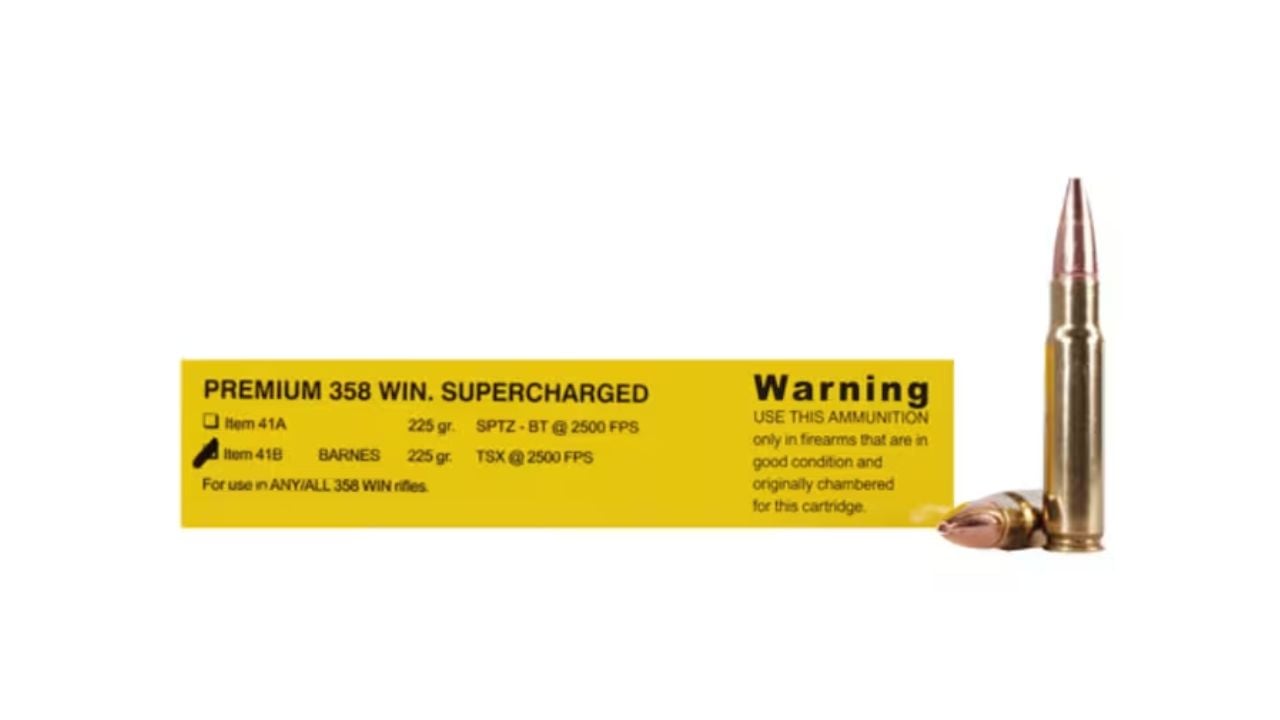
The .358 Winchester has always made tremendous practical sense. Take the compact .308 Winchester case, open it to .35 caliber, and you get a hard-hitting short-action cartridge that works beautifully on deer, elk, hogs, and black bear at normal hunting distances.
What it never had was enough commercial momentum. Rifles were never produced in the numbers needed to create a self-sustaining ammunition market, and hunters wanting .35-caliber performance often went with .35 Whelen, .35 Remington, or larger lever cartridges instead. Today, the .358 is a handloader’s dream and a factory-ammunition shopper’s frustration. Older Browning, Savage, Ruger, and custom rifles keep interest alive, but it is difficult to imagine the cartridge returning to ordinary shelf space without a major manufacturer making a concentrated push. Its reputation now exceeds its actual market presence.
8mm Remington Magnum

The 8mm Remington Magnum had serious capability. It launched heavy 8mm bullets at magnum velocities and offered enough power for elk, moose, and other large game across substantial distances. Ballistically, there was little wrong with it.
Commercially, it never had much breathing room. American hunters strongly preferred .30- and .338-caliber magnums, while 8mm bullet selection and factory ammunition support were comparatively weak. Once Remington stopped pushing rifles chambered for it, the cartridge quickly became a proposition for dedicated handloaders. Today, owning an 8mm Remington Magnum is more about appreciating an interesting chapter of magnum history than gaining some capability unavailable elsewhere. A good rifle still works beautifully, but almost nobody would recommend the cartridge to a new elk hunter who expects easy ammunition availability for the next thirty years.
.264 Winchester Magnum

The .264 Winchester Magnum was ahead of its time in one important respect: it recognized the potential of sleek 6.5mm bullets decades before 6.5mm cartridges became fashionable in America. It produced impressive velocity and made an outstanding open-country deer and antelope round.
Its timing and reputation worked against it. Early concerns about barrel life hurt the cartridge, and the 7mm Remington Magnum quickly became the more popular choice for hunters wanting a flat-shooting magnum. Today, 6.5 PRC offers a modern route to much of what .264 Winchester Magnum enthusiasts appreciated, with rifles designed around current long bullets and modern twist rates. The .264 still has plenty of capability, but increasingly it is something encountered in older Model 70s and other classic rifles. That pushes it toward the collector and handloader crowd despite its still-impressive ballistics.
.30-40 Krag
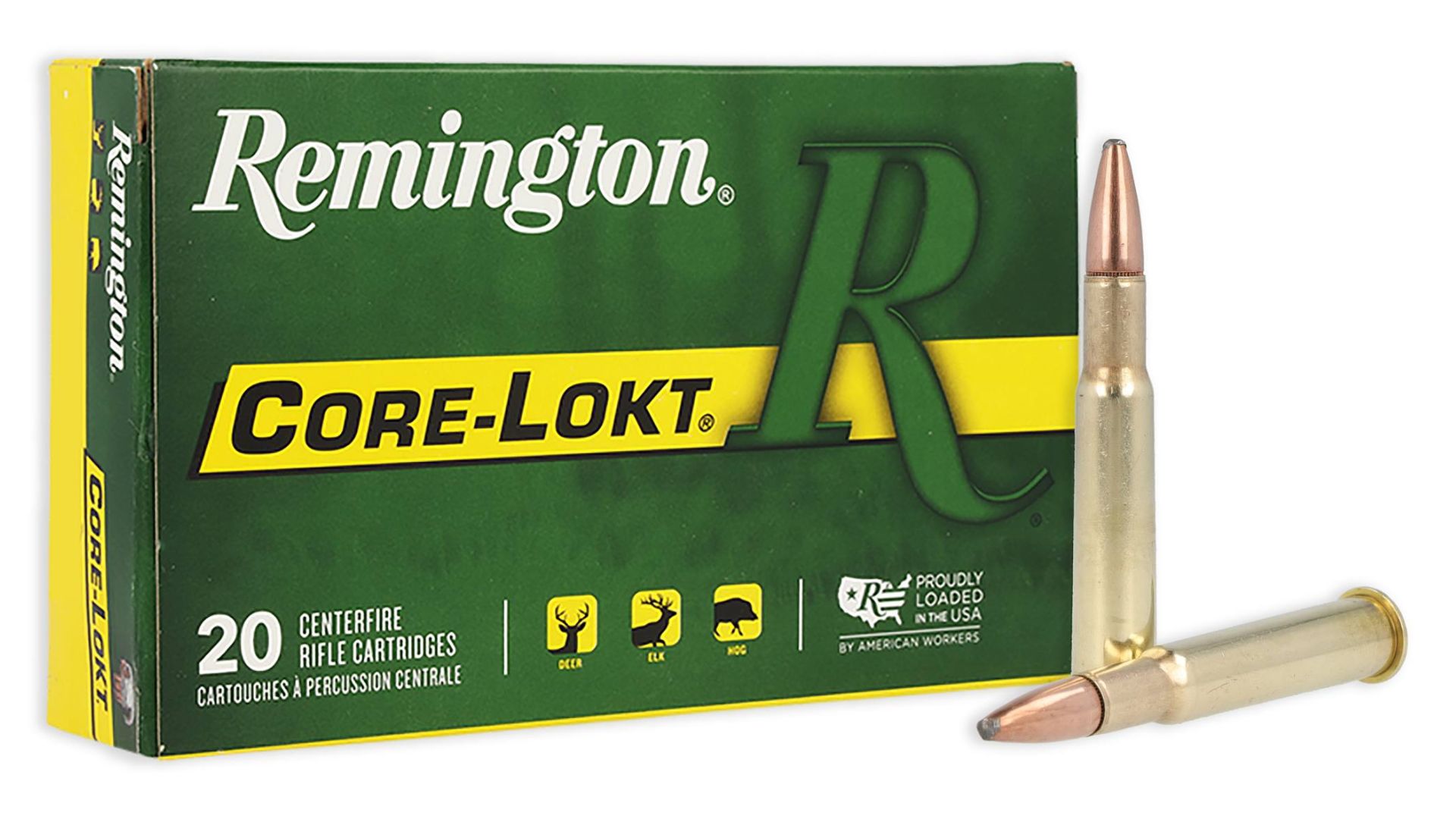
The .30-40 Krag holds an important place in American military and sporting history, but its practical hunting era is slowly closing. The cartridge is mild by modern standards yet fully capable of taking deer and similar game with appropriate ammunition, and thousands of old Krag rifles once transitioned naturally into hunting use.
The problem is that those rifles are now genuine antiques. Many owners are more interested in preserving them than dragging them through a wet deer season, and ammunition production naturally shrinks as the active shooting population declines. Modern hunters have no practical reason to choose .30-40 over .308 or .30-06 unless they already own an appropriate rifle. That means nearly every new box of ammunition exists to keep an old firearm alive. The cartridge is not dead, but its future is inseparable from collecting, historical shooting, and keeping century-old rifles functional.
Like The Avid Outdoorsman’s content? Subscribe to our newsletter so you never miss an article.
Here’s more from us: