Photo credit: outdooredge
You can spot the guy who’s done a hundred deer in the dark by what’s on his belt. It’s not the “latest” knife with the loudest marketing. It’s usually something boring, sharp, easy to clean, and shaped like it was designed by someone who actually had blood up to his elbows in November.
Most hunters start with whatever knife they already own. Then they fight hair, hide, and connective tissue for a few seasons, dull blades on pelvis bones, and learn what “slick handle” really means with cold hands. Eventually, the experimenting slows down and a short list of knives becomes the ones seasoned field dressers reach for on purpose. These are the knives that tend to earn that spot and keep it.
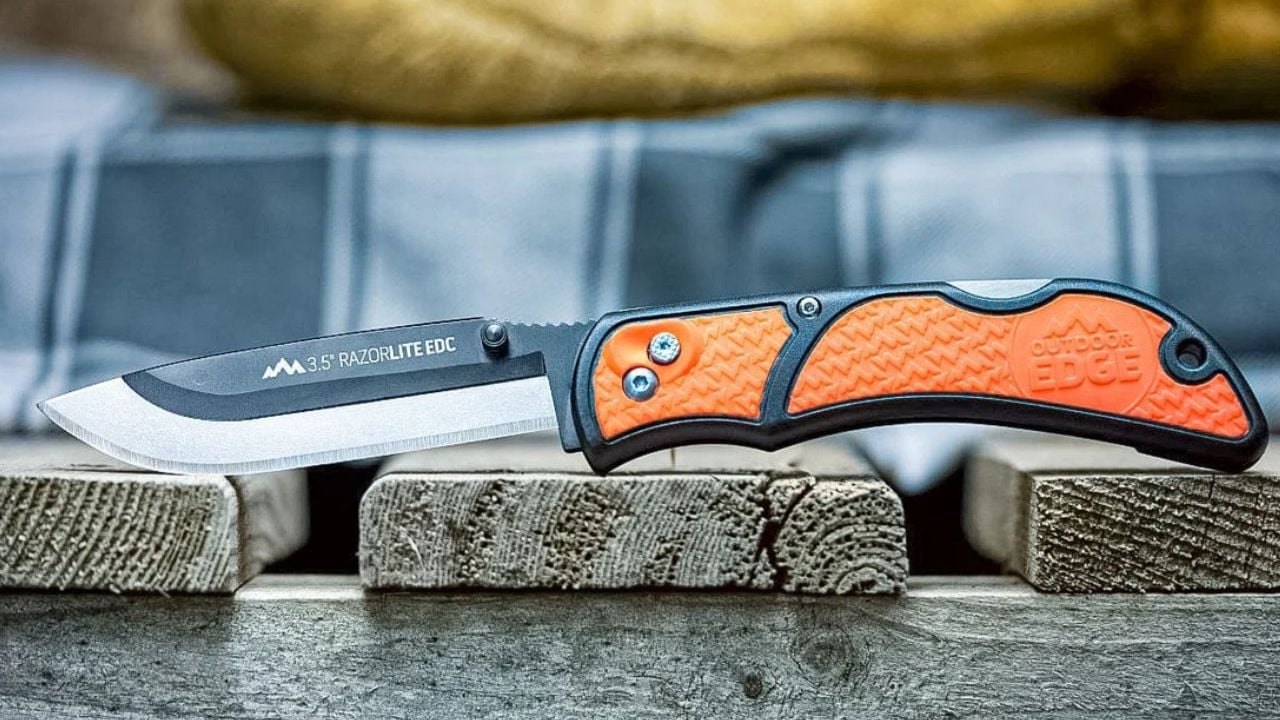
1. Outdoor Edge Razor-Lite EDC / Razor-Lite (replaceable blade)
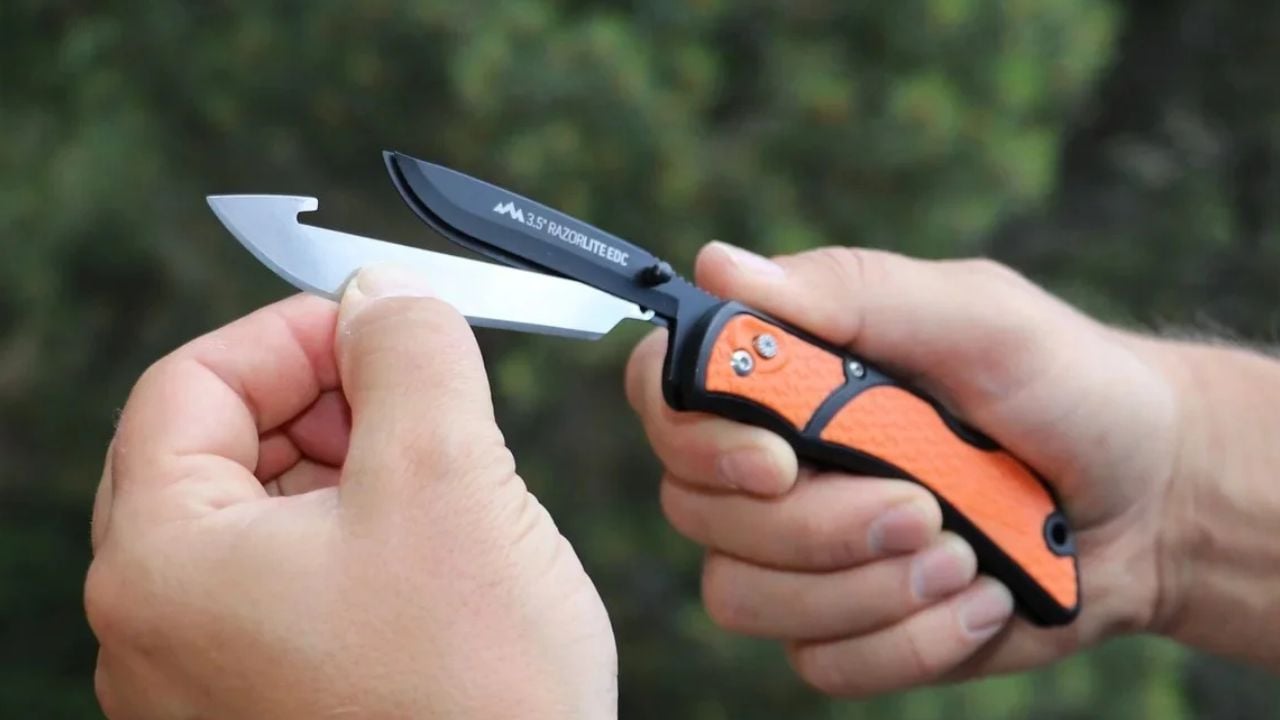
If you want the honest truth, a lot of experienced hunters end up carrying a replaceable-blade knife even if they don’t love the idea. The reason is simple: it’s always sharp. When you’re halfway through a job and you feel the blade start to drag, you swap it and keep moving instead of fighting it.
The Razor-Lite style knives also keep a fairly handy belly for opening hide without digging into meat. The tradeoff is you need to be mindful with lateral twisting and joint work. Use it like a scalpel, not a pry bar, and it’ll make you wonder why you spent years “making do” with dull steel.
2. Havalon Piranta (scalpel-style replaceable blade)

This is the one that shows up in camps where the older guys are tired of pretending dull knives are a badge of honor. A Piranta with a couple extra blades will cape clean, do careful work around glands, and handle detail cuts that are just easier with a thin, surgical edge.
It’s not the knife you want for splitting a pelvis, and it’s not the knife you want to loan out to the guy who treats every tool like a screwdriver. But for clean, controlled cutting, it’s hard to beat. If you’re a “do it right the first time” type, you’ll get it.
3. Morakniv Companion (stainless)
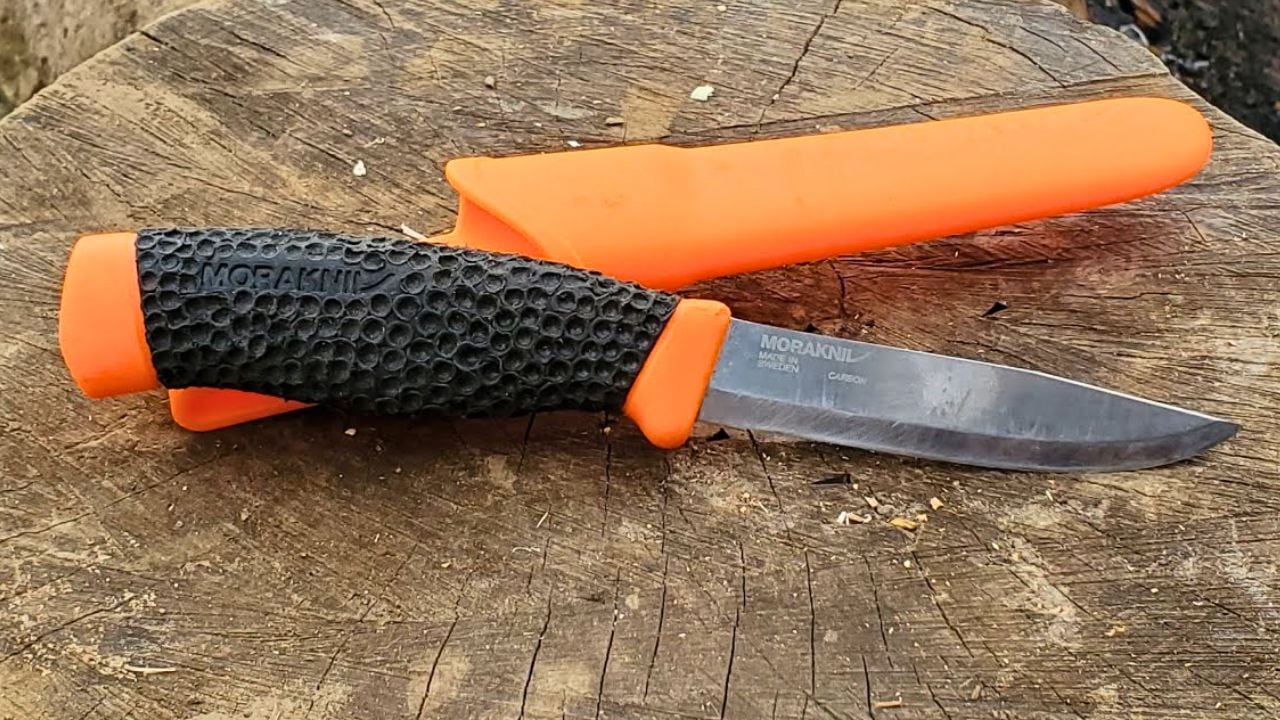
There is nothing fancy about it, and that is kind of the point. The Mora Companion is light, cheap enough you don’t baby it, and it flat works. The handle has real grip, and the blade geometry slices hide and meat without feeling like you’re pushing a wedge.
Stainless matters here because field dressing is wet work and a lot of knives get tossed in a pack and forgotten until the next day. A Mora isn’t a heavy-duty bone knife, but it’ll handle the majority of whitetail chores with less drama than plenty of “premium” blades.
4. Buck 110 Folding Hunter

You don’t carry a Buck 110 because it’s light. You carry it because it’s steady, familiar, and it holds an edge well enough to get you through an animal if you know how to cut. The blade shape is classic for a reason, and the lockup is solid.
The downside is it can be a blood-and-hair magnet in the pivot if you aren’t careful. Guys who stick with the 110 tend to either carry a second small knife for detail work or they’ve simply learned how to keep things clean as they go. It’s old school, and it still earns its keep.
5. Buck 119 Special

If the 110 is the classic folder, the 119 is the classic fixed blade. Plenty of experienced hunters land here after years of trying “tactical” shapes that don’t actually dress deer any better. The 119 gives you reach, control, and a handle that feels right with cold hands.
It’s not a dedicated skinning knife with a huge belly, but it’s versatile enough to do the whole job with one tool. It also rides well on the belt, which matters when you’re climbing into a stand or dragging through brush.
6. Gerber Vital (replaceable blade)
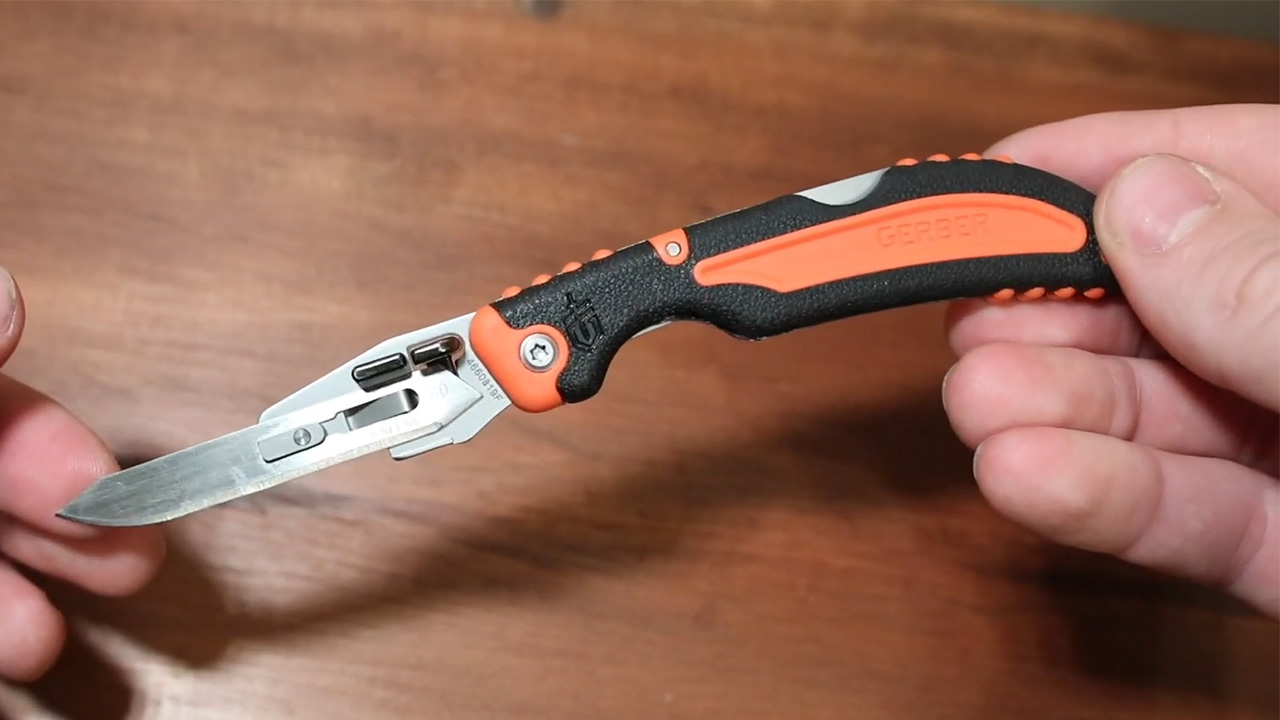
The Gerber Vital is another “always sharp” option that shows up with guys who want a little more handle and a little less flex than some scalpel-style knives. It has a grippy feel and the blade shape lends itself to opening cuts and controlled skinning.
Where it shines is speed without sloppiness. You can work efficiently, keep the edge keen, and not feel like you’re going to torque the blade by accident. Like any replaceable-blade knife, you still need a plan for bone work and rough tasks.
7. Victorinox Fibrox Pro Boning Knife (6-inch)
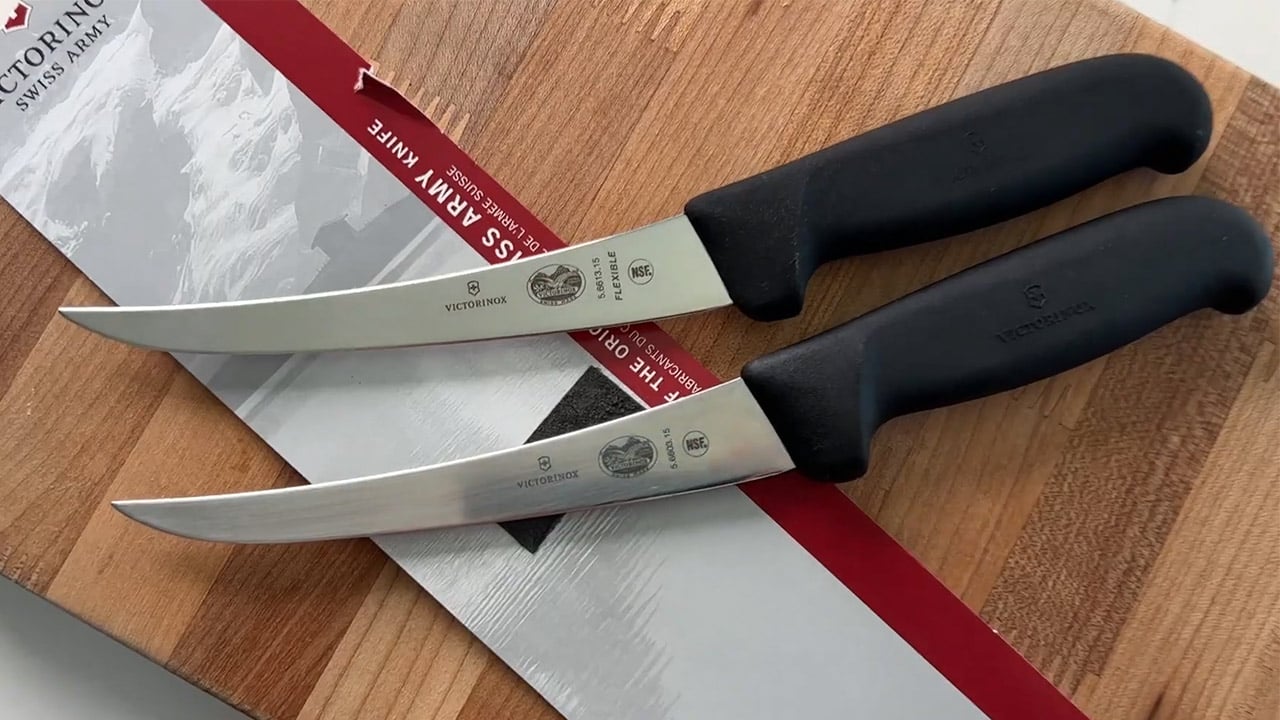
This one surprises people because it’s not marketed as a hunting knife. Then you use it. A 6-inch boning knife with a grippy Fibrox handle is an absolute animal for breaking down deer and elk once you’re back at the tailgate or the skinning rack.
It’s thin, it slices clean, and it’s easy to touch up. If you process your own meat, this is the kind of blade that makes you cleaner and faster. Just don’t confuse “boning knife” with “do everything in the field” knife—it’s a workhorse, but it wants a stable surface.
8. Dexter-Russell Sani-Safe Skinning Knife

If you’ve ever helped skin a pile of deer at a club or processor, you’ve seen Dexter knives. They aren’t glamorous. They are practical. The Sani-Safe handles stay grippy when things get slick, and the blade shape is made for hide work, not looking cool in a photo.
These knives earn loyalty because they keep doing their job and they clean up easily. When someone says, “I’m tired of fighting the hide,” this is usually the style of knife that fixes the problem more than another expensive steel choice.
9. ESEE-3

The ESEE-3 is one of those knives that feels almost too simple until you’ve used it hard. It’s a stout fixed blade with a comfortable handle and a size that makes sense for actual cutting. Not a sword, not a needle, just a serious tool.
Coatings help with corrosion, and the sheath setups are usually good enough that you actually carry it instead of leaving it in the pack. It’s not the best slicer on earth compared to thinner knives, but it’s the one you grab when you want durability without going full “survival knife.”
10. Benchmade Hidden Canyon Hunter
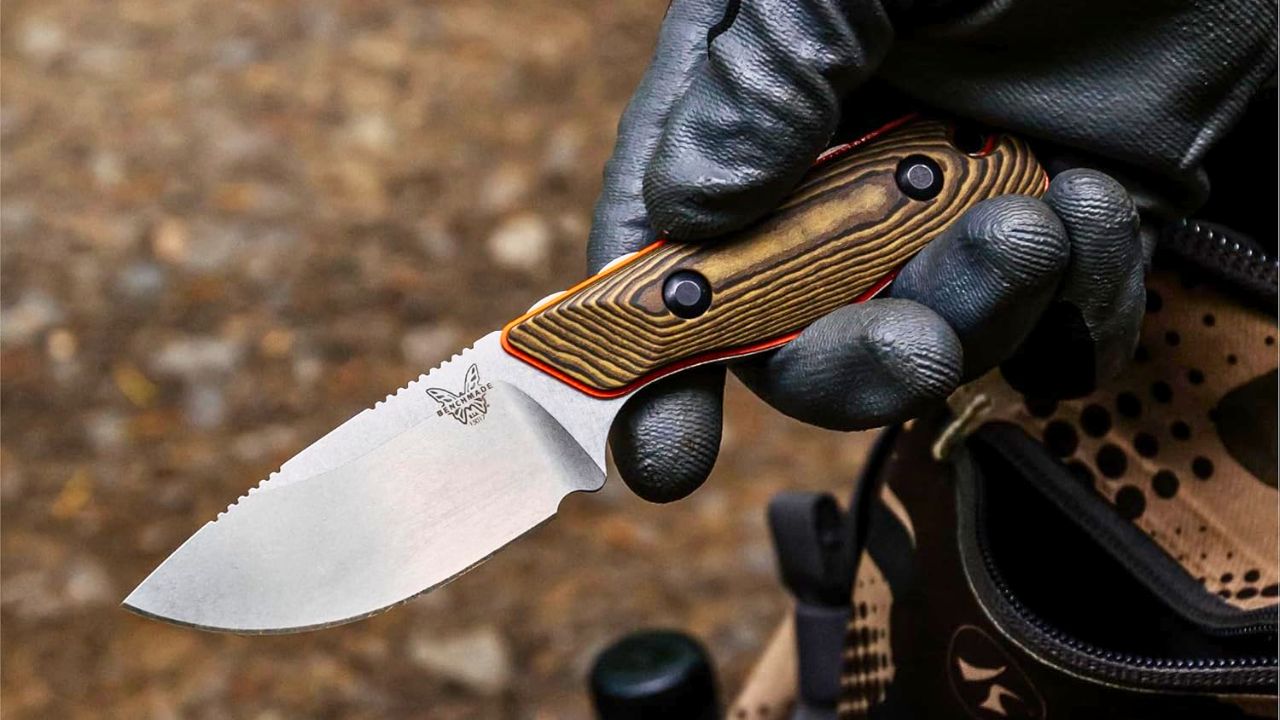
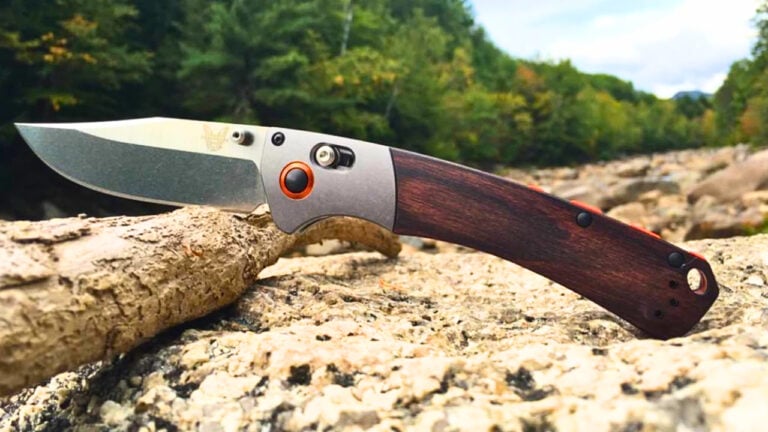
Small fixed blades are popular with experienced field dressers for one big reason: control. The Hidden Canyon Hunter is compact, feels solid, and gives you a lot of precision around brisket cuts, glands, and careful skinning without a bunch of extra blade in the way.
It’s also an easy carry—on the belt, in a pocket sheath, or tucked into a pack strap. The main knock is cost. Still, the guys who buy one and actually use it tend to quit shopping for that “perfect” small hunting knife.
11. Bark River Mini Aurora
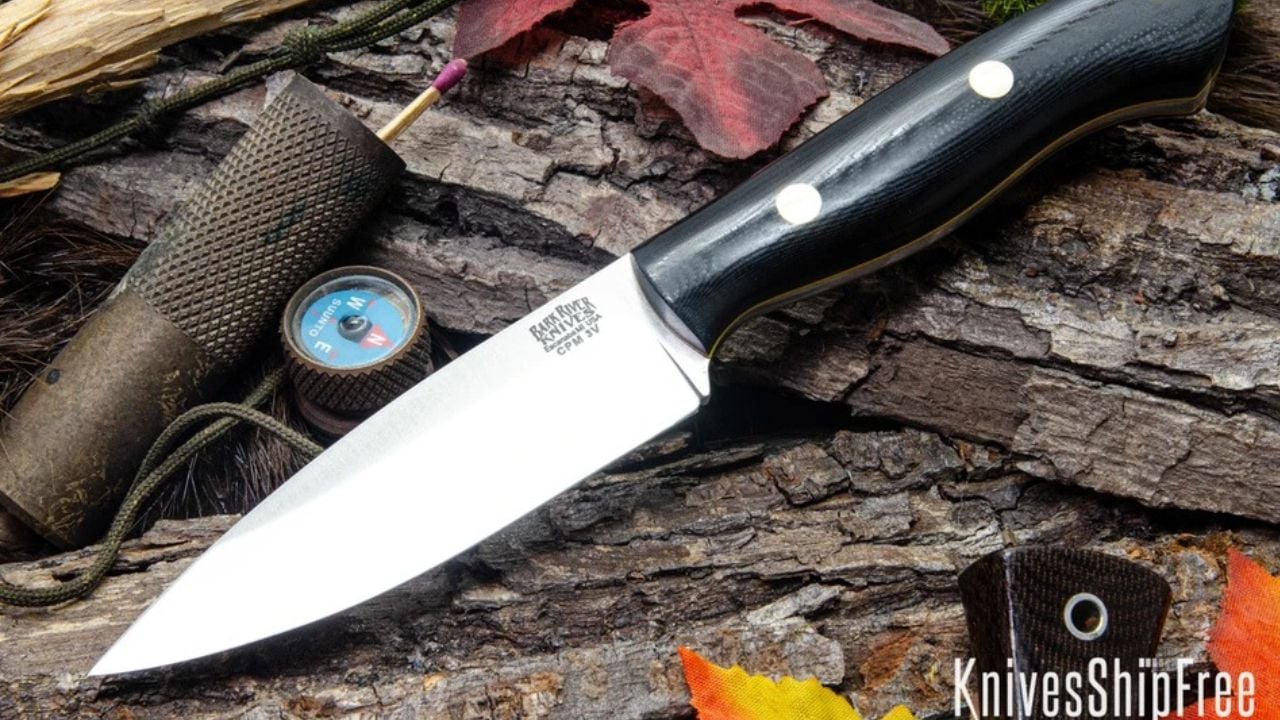
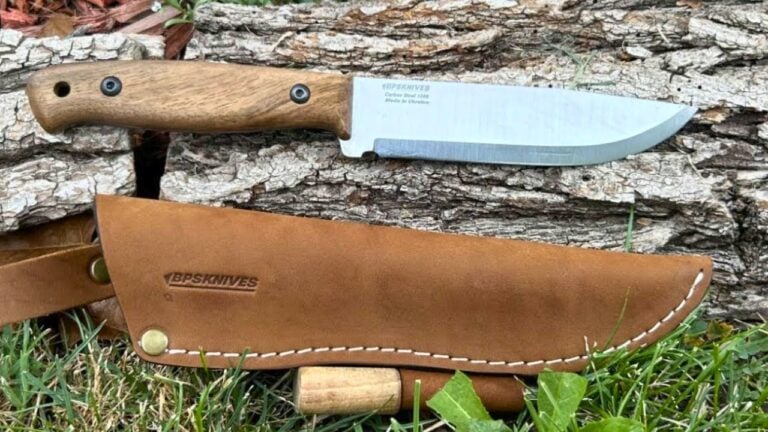
This is the “I’m done messing around” knife for some hunters. Bark River knives aren’t cheap, and they aren’t pretending to be. But the ergonomics are the real story—handles that fill your hand without hot spots make a long skinning job feel shorter.
The Mini Aurora hits a sweet spot in blade length and controllability. It’ll do field dressing and skinning without feeling clumsy. You do have to respect the steel and maintain it, but that’s true of anything you plan to keep for years.
12. Cold Steel Pendleton Hunter
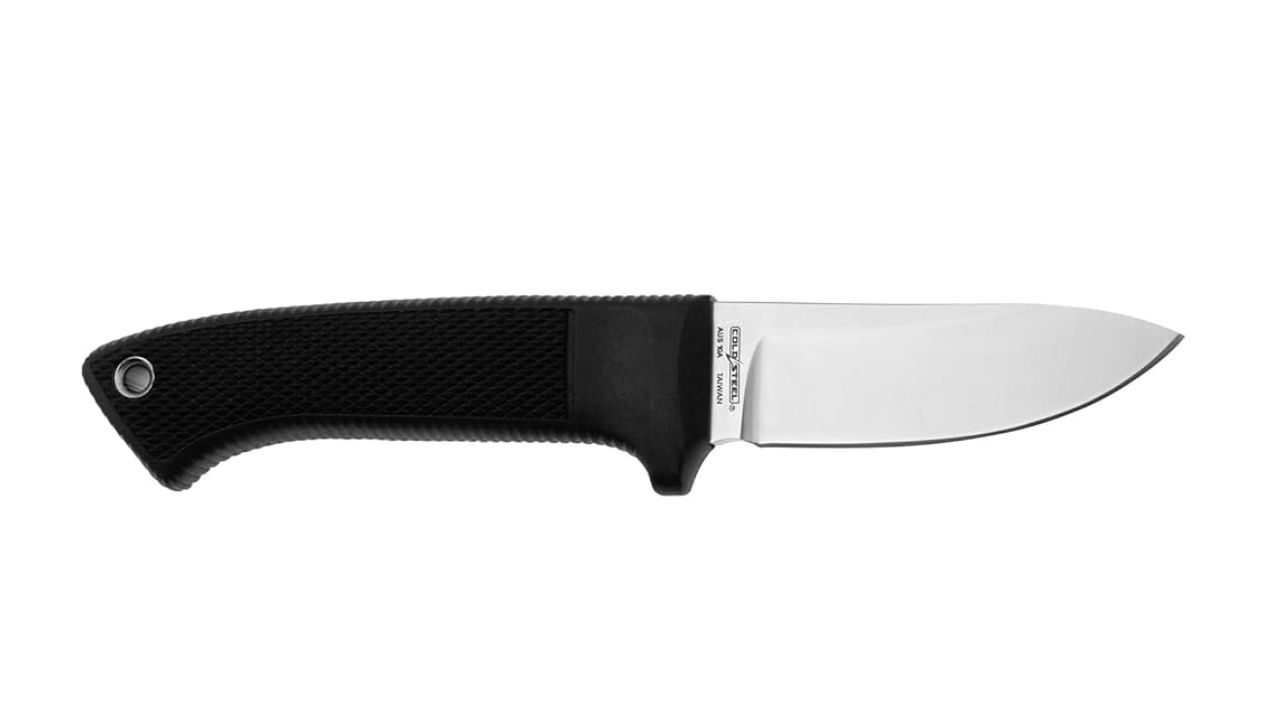
This one has been around forever, and it keeps showing up for a reason. The Pendleton Hunter has a simple, effective blade profile that works well on deer-sized game. It’s also light enough you don’t notice it until you need it.
Some versions come with grippy rubberized handles that stay put when it’s wet and cold. That matters more than most people admit. A knife that won’t shift in your hand is safer, faster, and less tiring when you’re working by headlamp.
13. Spyderco Endura 4 (for the “folder only” crowd)

I get why a lot of hunters don’t want a fixed blade on their belt all day. If you’re going to use a folder, it needs to open easily, lock solid, and clean up without a full teardown. The Endura isn’t a “hunting knife,” but it’s a serious cutting tool.
The blade shape works for general field tasks and dressing in a pinch, especially if you’re careful about keeping hair out of the pivot. It’s a practical choice for guys who want one knife for camp, pockets, and everyday life—not a dedicated dressing blade.
14. Leatherman Wave+ (as the knife you always have)

No, a multi-tool isn’t the best field dressing knife. But it might be the one that’s actually on you when the time comes. And the Wave+ earns its spot because it solves problems: pulling a stubborn zip tie, cutting cord, tweaking a sight, or fixing a loose pack strap.
Plenty of experienced hunters carry a “real” knife plus a Leatherman. The knife does the cutting, the multi-tool does everything else. When you’re miles from the truck, that pairing makes a lot of sense.
15. Wyoming Knife (the orange one, for home and camp)

This is the old standby that a lot of guys swear they don’t need—until they’re skinning multiple animals at camp. The Wyoming Knife system is made for hide work with replaceable blades, and it’s efficient in a way most knives aren’t.
It’s not the tool I want bouncing on my belt in the woods, but at the skinning rack it can be a time-saver. If you’ve got kids, buddies, or a group hunt where several deer hit the pole, having one around starts looking smart.
After enough seasons, most hunters stop chasing knives that look aggressive and start carrying knives that simply cut well and carry easy. The funny part is the “forever” knives aren’t always the most expensive ones. They’re the ones that stay sharp, feel safe in wet hands, clean up without a fight, and do the job without you thinking about them. That’s what earns a permanent spot on the belt.
Like The Avid Outdoorsman’s content? Subscribe to our newsletter so you never miss an article.
Here’s more from us: