Photo credit: The Avid Outdoorsman
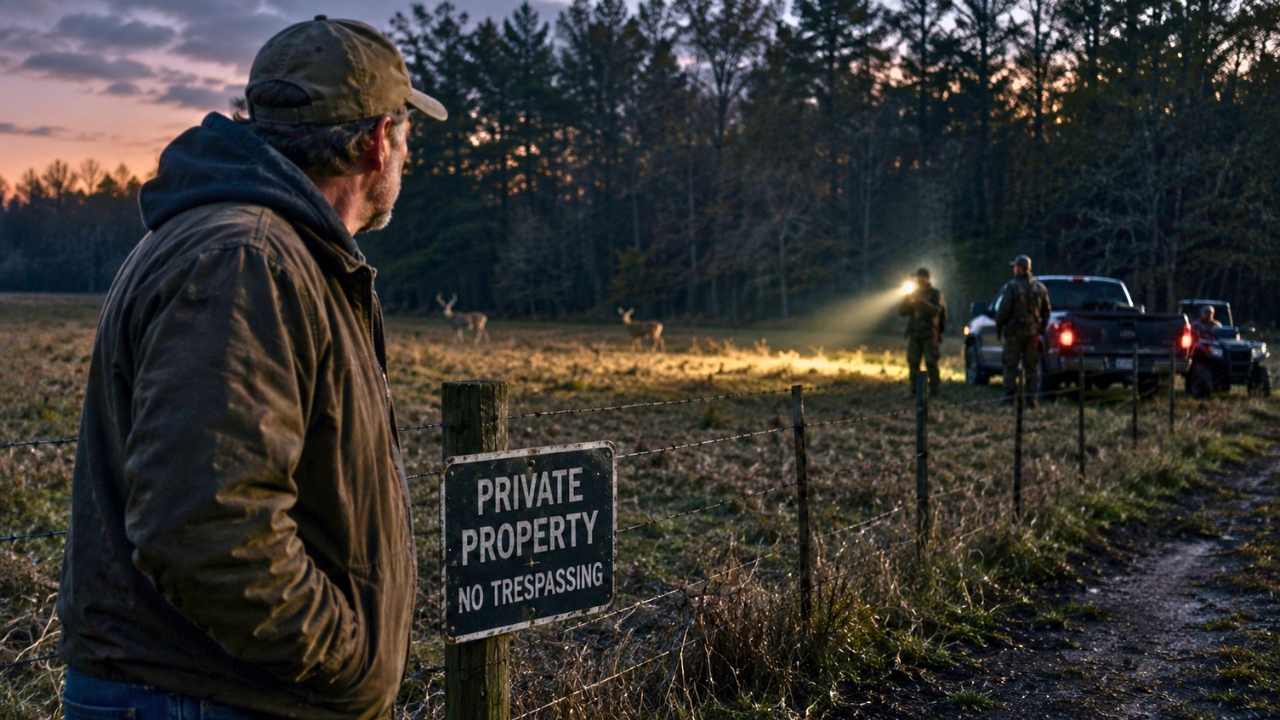
A private landowner said deer were being poached on their property, and the situation had reached the point where they wanted to know what they could actually do about it.
According to the Reddit post, the landowner believed people were coming onto the property without permission and killing deer. That is the kind of problem that can turn a quiet piece of land into a constant source of frustration, especially when the property owner is not sure who is doing it or when they will come back.
The poster did not frame it like a minor boundary mistake. They believed someone was using land they did not own and taking deer they had no right to hunt there.
They explained the situation in a Reddit thread and asked what legal steps they could take: https://www.reddit.com/r/legaladvice/comments/18y6pa8/deer_poaching_is_happening_on_my_private_property/
The issue was bigger than trespassing
A person walking across private land is already a problem if they do not have permission.
But poaching deer on private property adds another layer. Now the issue involves trespassing, hunting laws, wildlife violations, and possibly firearms being used in an area where the landowner did not authorize anyone to hunt.
That is why commenters did not treat it like a normal neighbor dispute. Several people immediately pointed the poster toward the game warden or the state wildlife agency.
That makes sense. Local police may be able to handle trespassing, but game wardens deal with hunting violations every season. They know what evidence matters, what laws apply, and how to investigate people who are illegally taking game.
Commenters said to call the game warden first
The strongest advice in the thread was simple: call the game warden.
For a deer poaching complaint, that is usually the most direct route. Game wardens are used to dealing with illegal baiting, night hunting, trespassing hunters, untagged deer, and people taking game from land where they do not have permission.
Commenters told the poster that if deer were being poached, the wildlife authorities would likely be more interested than a standard law enforcement office might be.
That does not mean local police are useless. If someone is actively trespassing, threatening people, damaging property, or shooting near a home, calling police can still make sense. But for the hunting side of it, the game warden was the name that kept coming up.
Trail cameras became the obvious next step
Several commenters suggested trail cameras.
That advice shows up in almost every rural trespassing thread for a reason. If a landowner does not know who is coming in, when they are coming in, or where they are entering, a camera can turn a vague complaint into evidence.
A good camera setup can capture faces, vehicles, license plates, times, and the direction someone came from. It can also show whether people are carrying rifles, dragging deer, cutting fences, using bait, or returning repeatedly.
For a poaching case, that kind of evidence matters. It can help a game warden figure out whether the same person is doing it, whether they are hunting out of season, and whether they are violating tag or weapon rules.
The key is placing cameras where they are likely to catch the activity without being easy to spot and steal.
The landowner needed to document everything
Commenters also pushed the poster toward careful documentation.
That means keeping track of dates, times, damaged fences, tire tracks, shell casings, carcass remains, gut piles, footprints, trespass paths, and anything else that could help show what happened.
A lot of landowners make the mistake of only calling once after the problem has been going on for months. By then, the best evidence may be gone.
If the poster could build a timeline, that would help. “Someone is poaching deer” is one thing. “Here are three dates, two camera photos, a cut fence, and where I found a gut pile” is much harder to ignore.
That kind of record also helps if the landowner eventually needs to prove this is a repeated problem rather than a one-time misunderstanding.
No-trespassing signs still matter
The thread also touched on posting the property.
Even when land is private, clear no-trespassing signs help remove excuses. A hunter who claims they did not know they crossed a boundary has a harder argument if the land is well marked.
For the landowner, that means signs should be visible, maintained, and placed near access points, fence lines, trails, gates, and anywhere people commonly enter.
Posting the land does not physically stop a determined poacher. But it does make enforcement easier. It shows the landowner did not give general permission and that anyone entering had warning.
If the property has old faded signs, missing signs, or long stretches with no markers, replacing them is worth doing before the next season.
Commenters warned against confrontation
A few people in these kinds of threads always want to handle things personally, but most of the practical advice went the other direction.
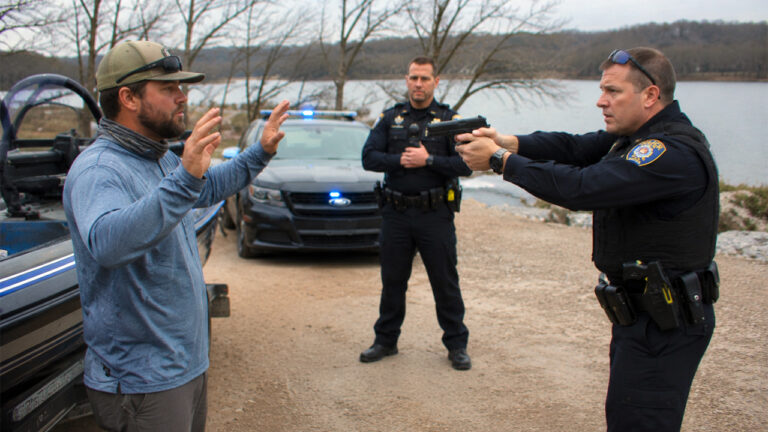
Do not go looking for armed trespassers in the woods. Do not sneak up on someone who may be carrying a rifle. Do not get into a yelling match with a poacher on a remote property line.
That kind of confrontation can go bad fast.
The better move is to gather evidence and let the right agency handle it. If the person is actively on the property, call it in while it is happening. If the landowner has camera footage, send it to the game warden. If there is damage, report that too.
The goal is not to win an argument in the woods. It is to stop the illegal hunting without making the landowner the person at risk.
Poaching can ruin more than one season
For landowners who hunt their own property, poaching is not just annoying. It can ruin a deer season.
A person who sneaks in and kills deer without permission is stealing opportunity from the people who own, lease, manage, or responsibly hunt that ground. They may also be pushing deer off the property, damaging fences, leaving trash, or creating safety concerns for family members.
That is why these situations get personal so quickly. Rural landowners may tolerate a lot, but someone taking deer off private land crosses a hard line.
And once a property gets a reputation as an easy place to sneak into, the problem can continue unless the owner makes it harder to get away with.
The best advice was not flashy
The strongest path forward was not dramatic.
Call the game warden. Put up cameras. Post the land clearly. Document every sign of activity. Report trespassing, property damage, and hunting violations. Avoid direct confrontations with anyone carrying a gun.
It is not the most exciting answer, but it is the one most likely to work.
When someone is poaching deer on private property, the landowner does not need a bigger argument. They need evidence, reports, and the right people involved before the next deer disappears.
Like The Avid Outdoorsman’s content? Subscribe to our newsletter so you never miss an article.
Here’s more from us: